
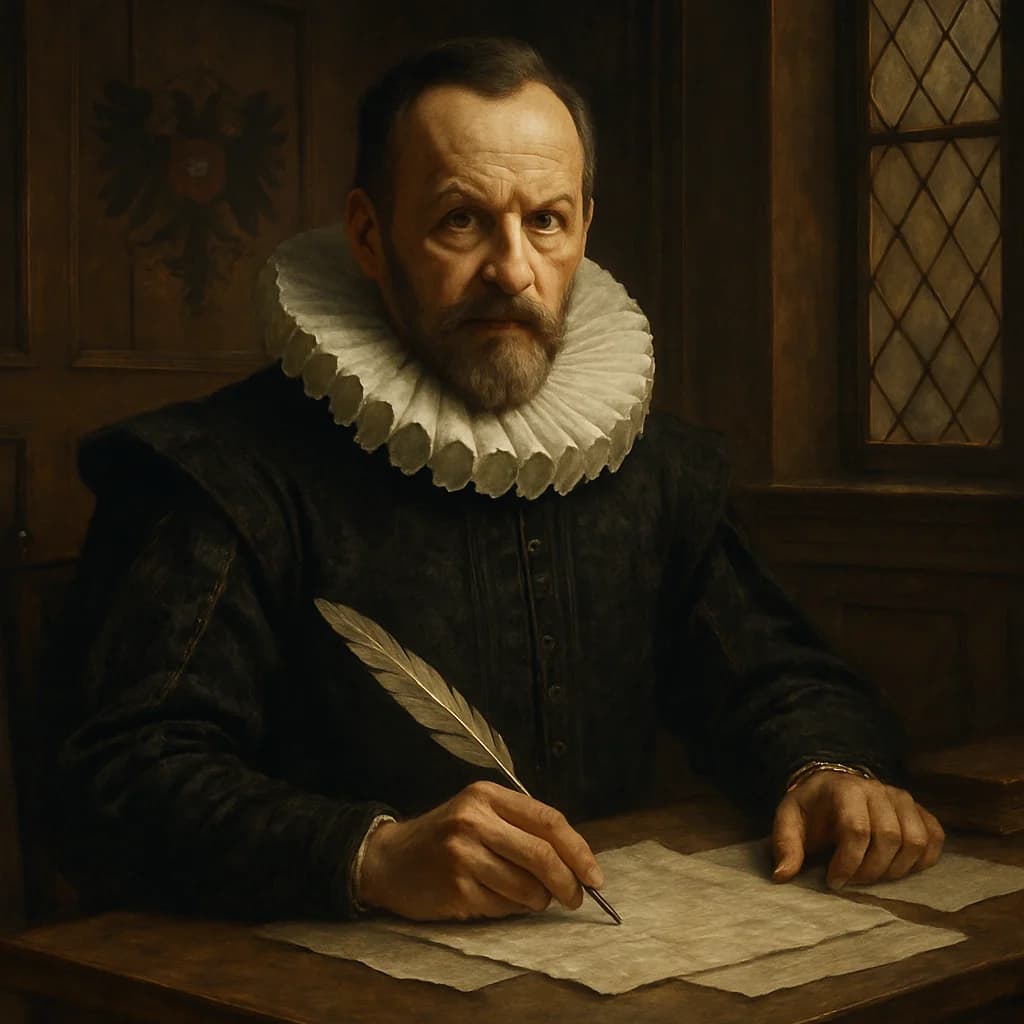
Vilém Slavata
The man who survived history's most famous defenestration spent the rest of his life insisting it never happened.
Vilém Slavata built his reputation as the most meticulous record-keeper in Bohemian politics, which makes his lifelong denial of May 23, 1618, all the more fascinating. As one of Ferdinand II's chief administrators, he kept detailed accounts of every meeting, every decision, every slight administrative detail. Except for the day Protestant nobles hurled him from a third-story window.
Slavata's obsession with documentation began early. Born into minor nobility, he compensated for his family's modest status by becoming indispensable through sheer bureaucratic excellence. He converted to Catholicism not from conviction but from calculation. The Habsburg court rewarded loyal Catholics with positions of real power. By 1618, he had clawed his way to the role of royal regent, managing Bohemian affairs when the king was absent.
That morning in Hradčany Castle, Slavata arrived with his usual leather portfolio, expecting another routine administrative session. Instead, he found himself accused of treason by a room full of Protestant nobles. What happened next (depending on whose account you believe) either sparked the Thirty Years' War or never occurred at all. The Protestant nobles claimed they threw Slavata, fellow regent Jaroslav Martinitz, and secretary Filip Fabricius from the castle window. Witnesses described bodies falling seventy feet into a dung heap.
But Slavata's own meticulously kept diary contains no entry for May 23, 1618. Not a word about defenestration, not a mention of injury, not even a note about missing the meeting. For the remaining thirty-four years of his life, whenever anyone asked about the Second Defenestration of Prague, Slavata would simply say, "I don't recall such an incident." He died in 1652, having spent more time denying his most famous moment than he had falling through it.
Slavata's medical records show he suffered from chronic back problems for decades after 1618, despite his insistence that nothing traumatic had happened to him that year.
Why untold: His systematic denial of the most documented event of his life has been dismissed as political face-saving rather than recognized as a fascinating psychological response to trauma.
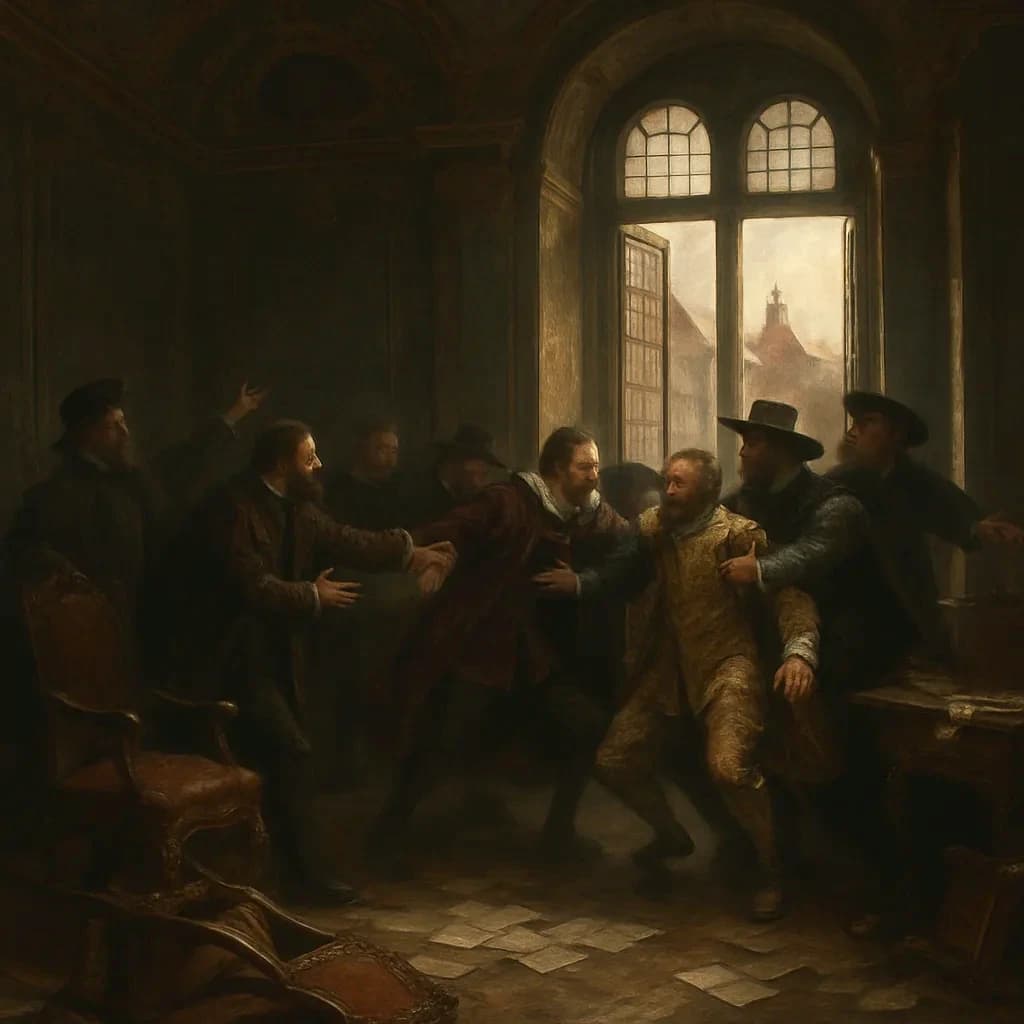
When Prague Lost Its Windows
A single diplomatic meeting in 1618 accidentally invented the world's most dangerous form of political protest.
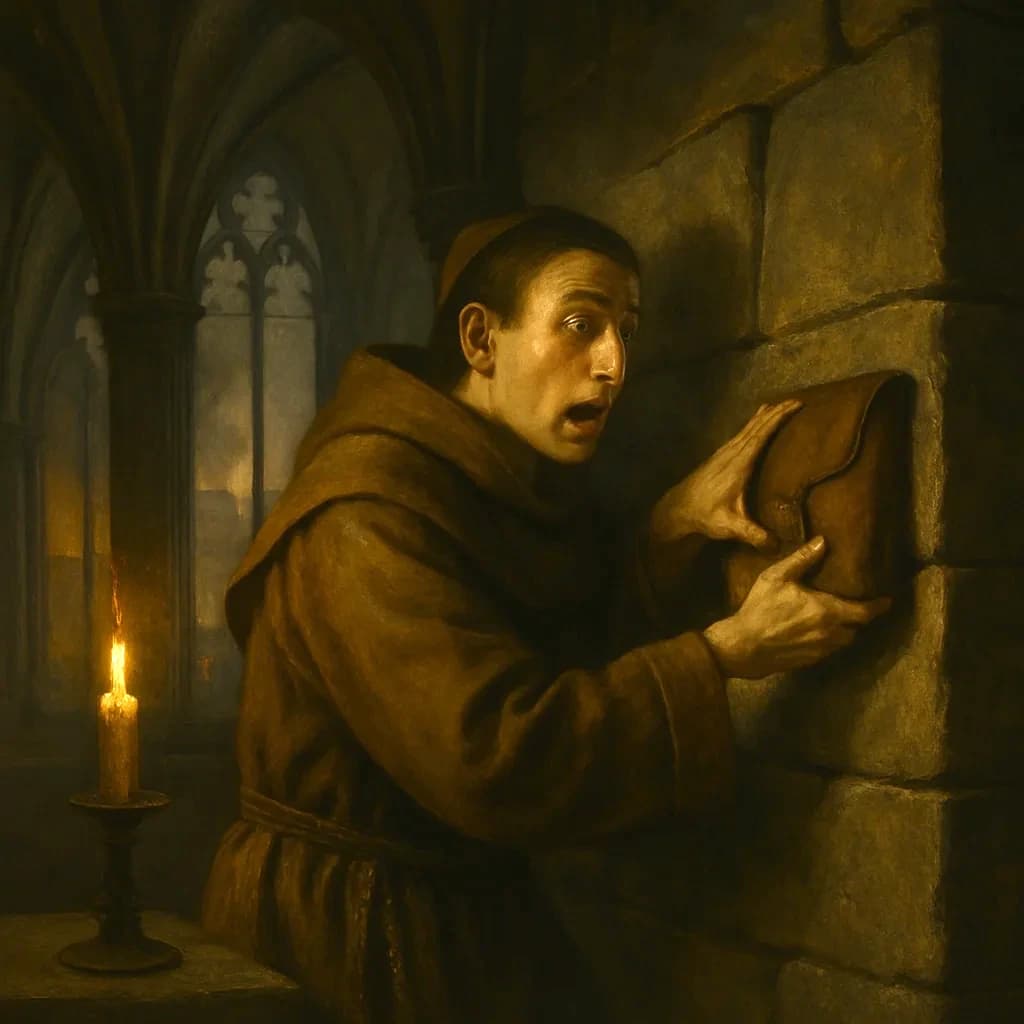
The Letter That Arrived Four Hundred Years Late
In 1974, construction workers in Prague discovered a letter that could have prevented the Thirty Years' War.
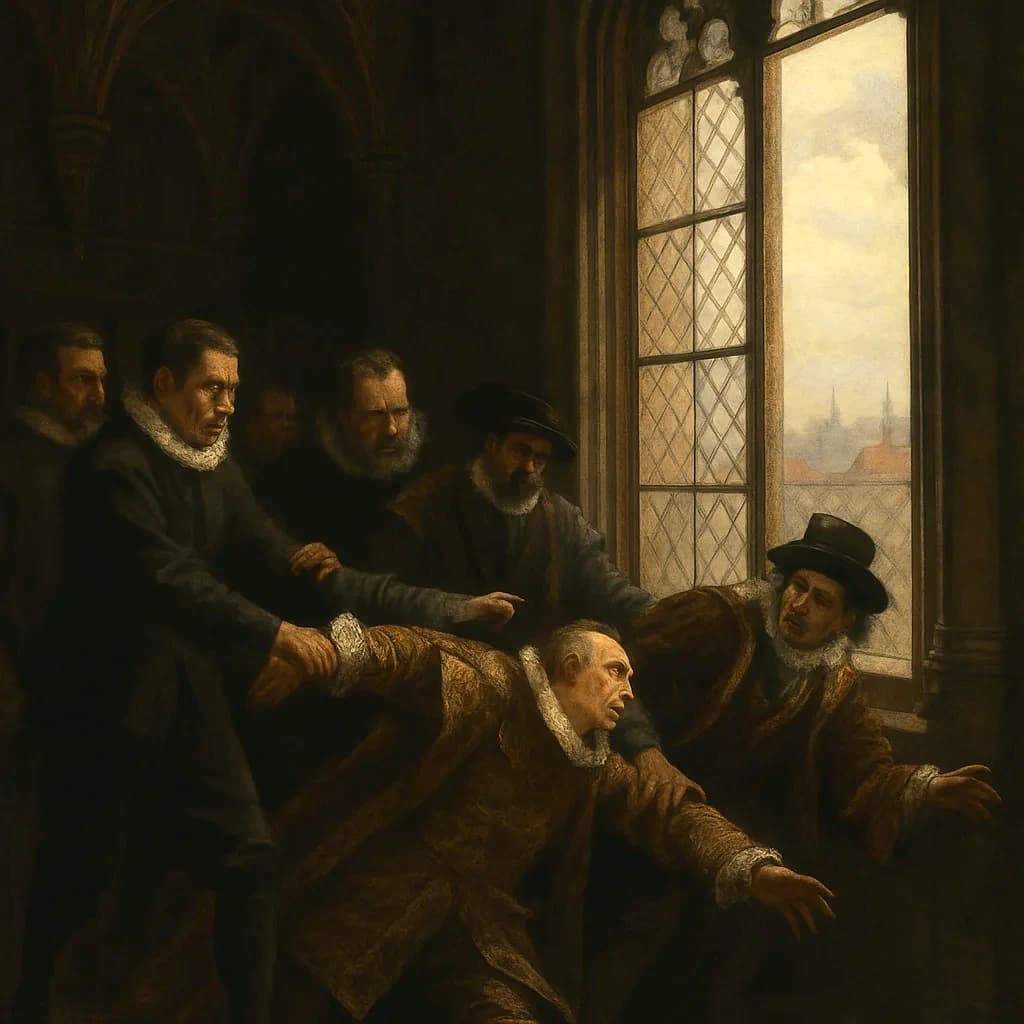
A Mob Threw Three Men From a Window and Eight Million Died
A mob threw three men out of a castle window, and somehow started a war that killed eight million people.
- Evans, R.J.W. 'Rudolf II and His World: A Study in Intellectual History 1576-1612'
- Pánek, Jaroslav. 'The Political System of the Bohemian State under Rudolf II'
- Bireley, Robert. 'Ferdinand II, Counter-Reformation Emperor, 1578-1637'