
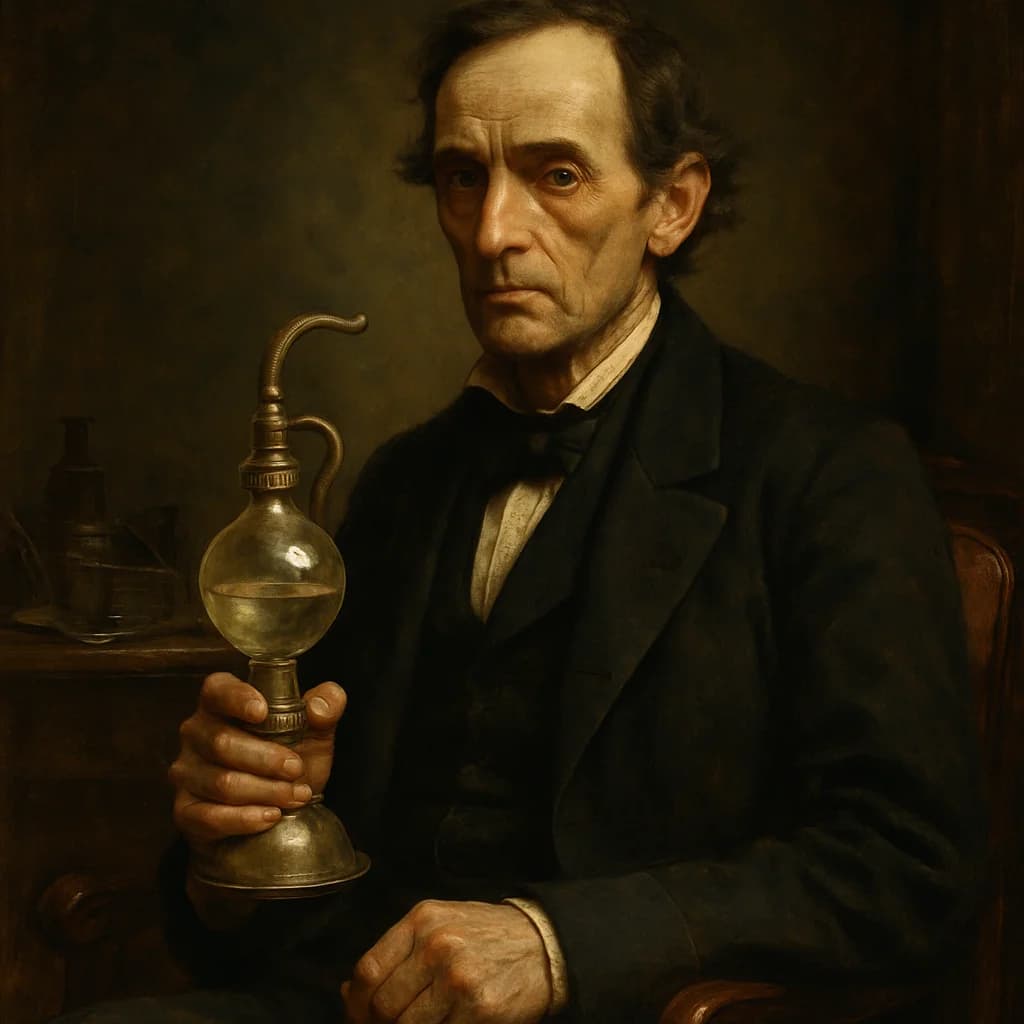
William Morton
The man who gave the world painless surgery died broke, addicted to chloroform, and convinced that everyone had stolen his glory.
William Morton had everything figured out by October 16, 1846. The young Boston dentist would demonstrate ether anesthesia at Massachusetts General Hospital, claim his place in medical history, and retire rich from his secret formula. What he didn't anticipate was spending the rest of his life in courtrooms, fighting a war he could never win.
Morton's fatal mistake wasn't scientific. It was commercial. He tried to patent ether under the name "Letheon," hoping to corner the market on painless surgery. But ether was already well-known to chemistry, and his former partner Charles Jackson immediately claimed credit for the discovery. Crawford Long in Georgia had been using ether for surgery since 1842 but hadn't published his results. Horace Wells, Morton's former mentor, insisted he deserved recognition for pioneering nitrous oxide anesthesia. Suddenly, Morton found himself in a four-way patent battle that would consume the next two decades.
The irony was crushing. Morton had given humanity one of its greatest gifts (the ability to undergo surgery without agony), yet he couldn't profit from it. Hospitals worldwide adopted ether anesthesia, saving countless lives, while Morton burned through his fortune on legal fees. He petitioned Congress repeatedly for compensation, testifying before committees that dismissed his claims. European medical societies honored him with awards that came with no money attached.
By the 1860s, Morton was experimenting with chloroform and other anesthetics on himself, searching for the next breakthrough that might restore his fortunes. He developed what today we'd recognize as substance abuse, inhaling his own products to escape the frustration of watching others profit from his work. When he died suddenly in 1868 while driving through New York's Central Park, the official cause was apoplexy, but those who knew him suspected the real culprit was the very chemicals that had made him famous.
Morton's demonstration at Massachusetts General Hospital was nearly canceled because he arrived late, having spent the morning perfecting his ether inhaler design with a local instrument maker.
Why untold: Medical history celebrates the breakthrough of anesthesia while overlooking the personal destruction it brought to its pioneering advocates.
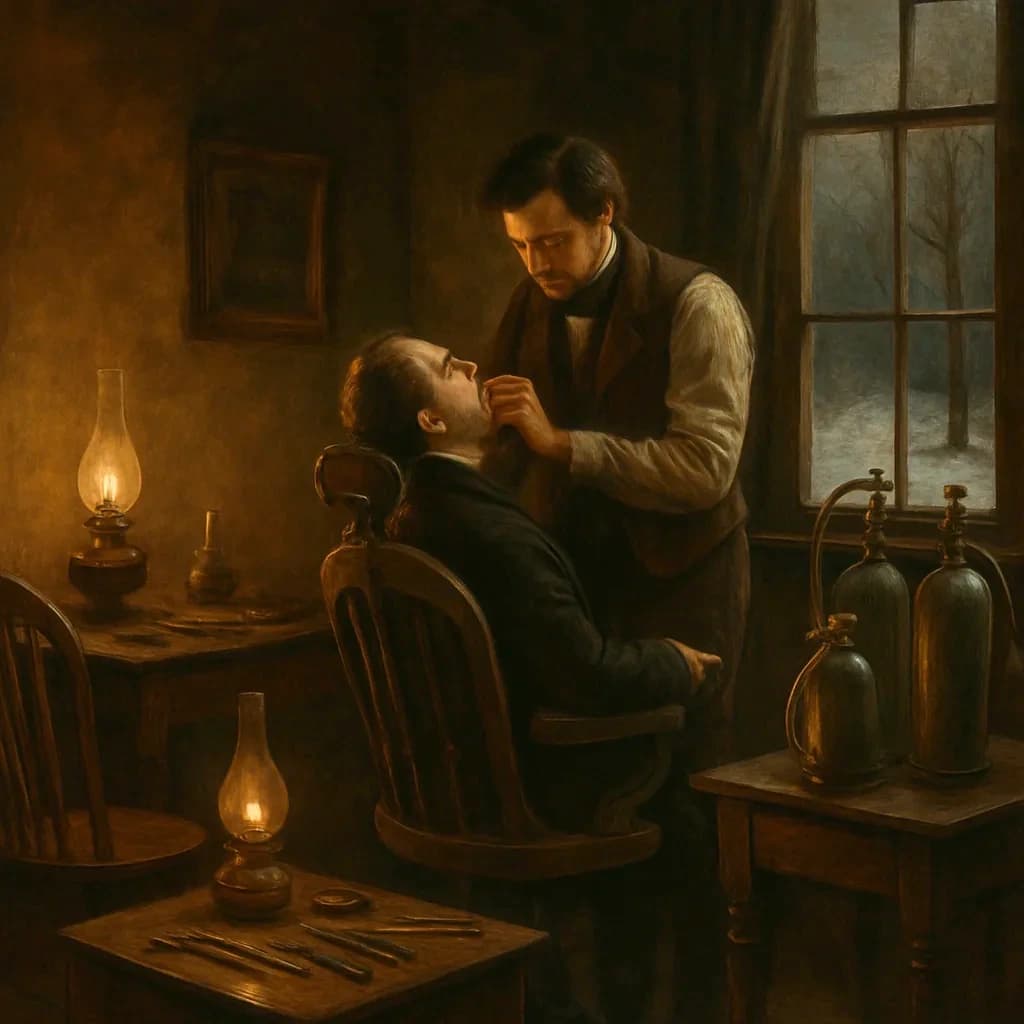
He Gave the World Painless Surgery, Then Died a Failure
A Connecticut dentist stumbled onto a discovery that would save more lives than any single medical breakthrough in history, and almost threw it away as worthless.
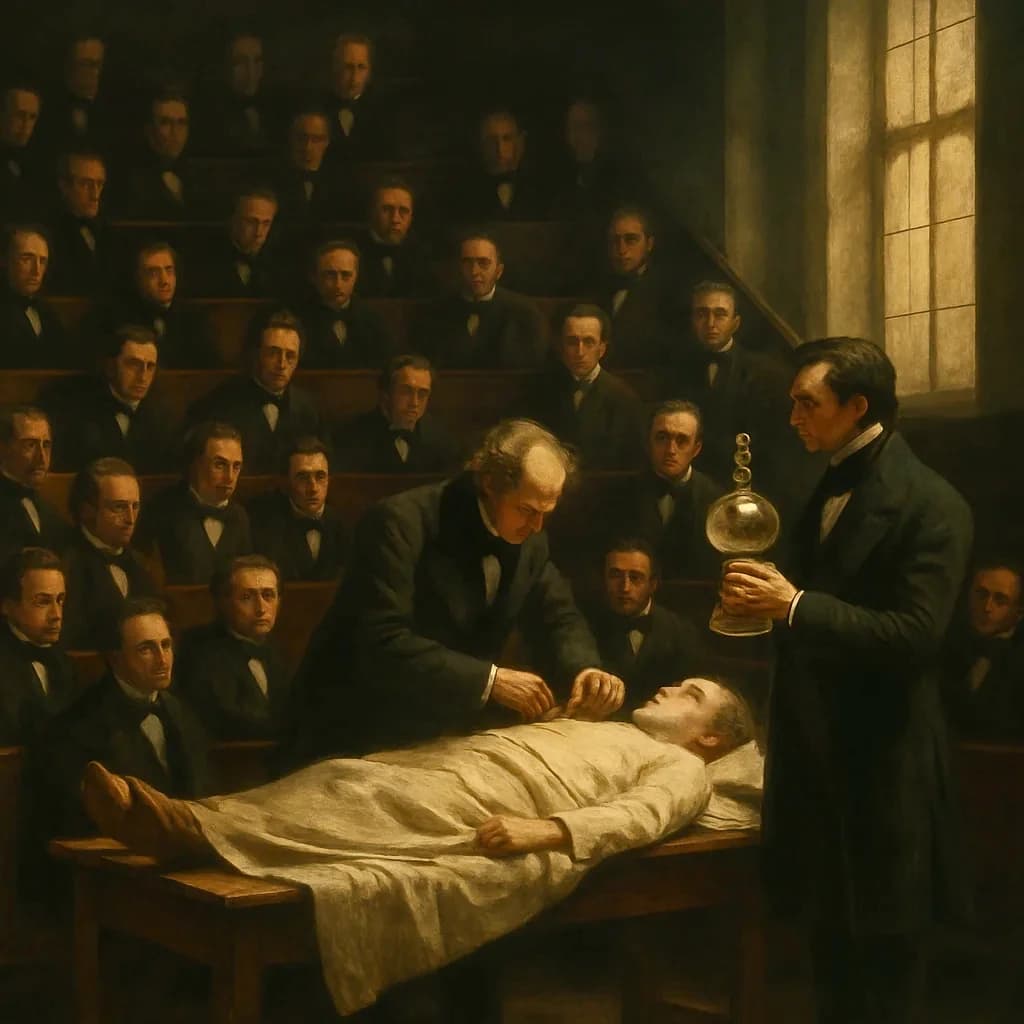
A Boston Dentist's Failed Experiment Invented Painless Surgery
In 1846, a Boston dentist's failed experiment accidentally gave birth to painless surgery, and changed medicine forever.
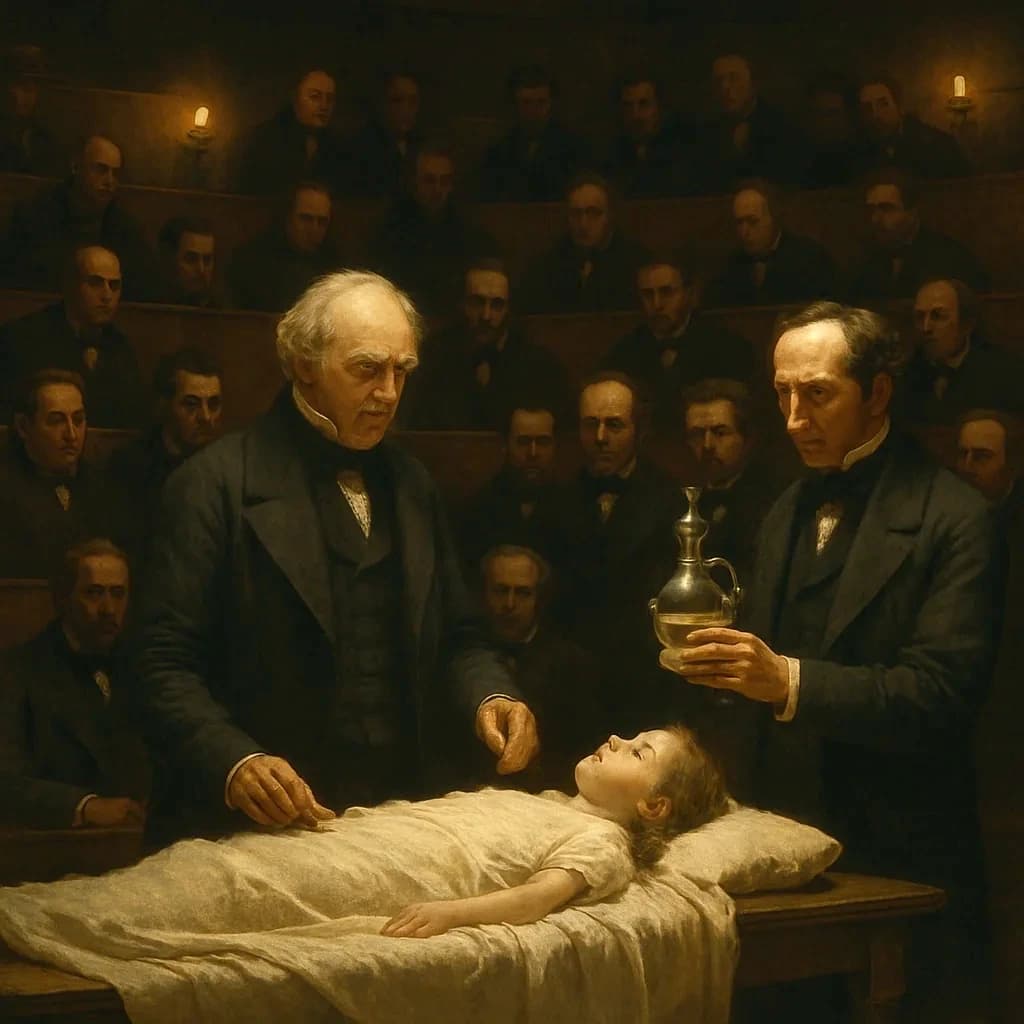
"I Promise You Won't Feel a Thing": Surgery Without Pain
A doctor made a promise to a frightened child in 1847 that changed how the world thinks about pain forever.
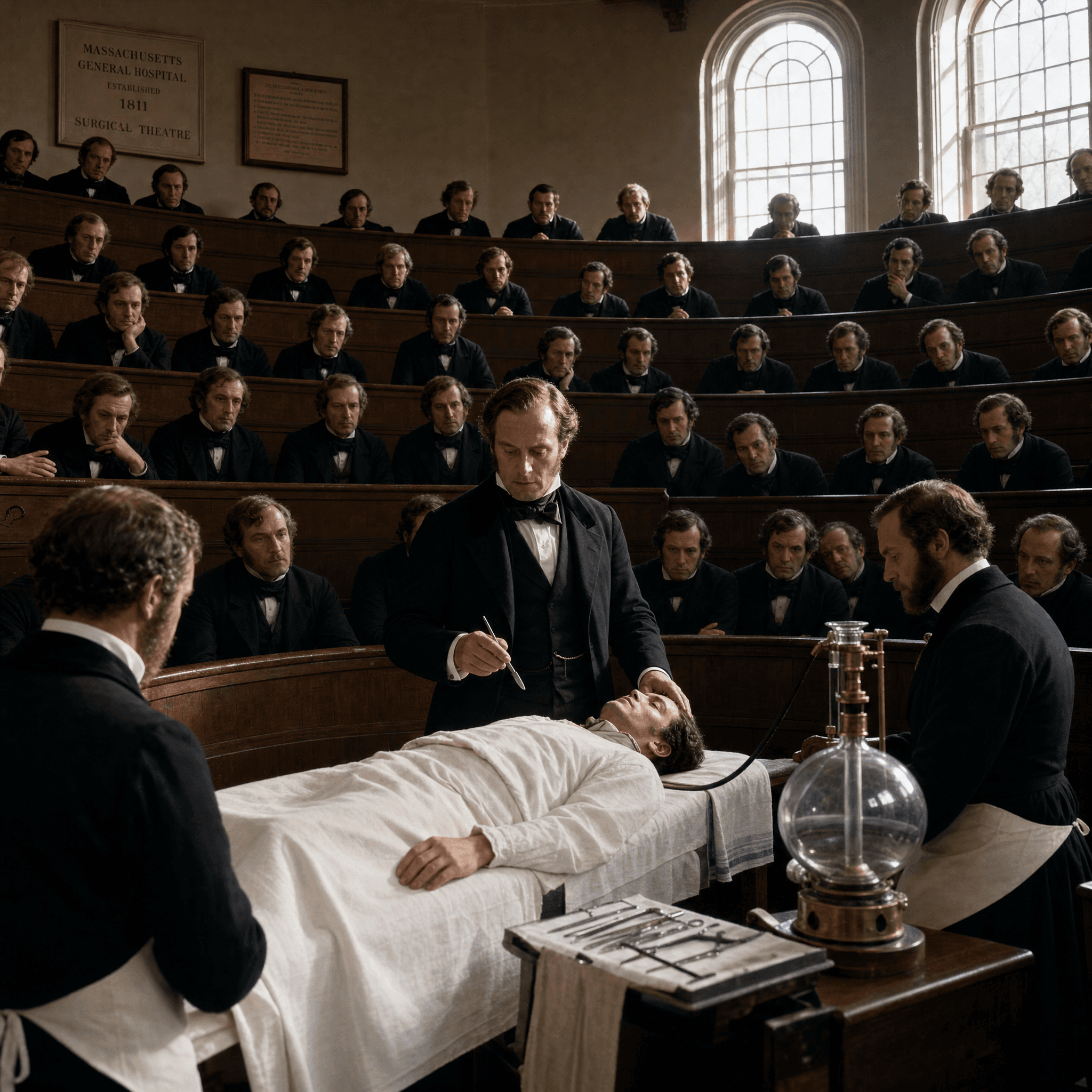
The Surgeon Who Performed While His Patient Watched
In 1846, a patient stayed conscious during his own leg amputation and provided commentary throughout the procedure.
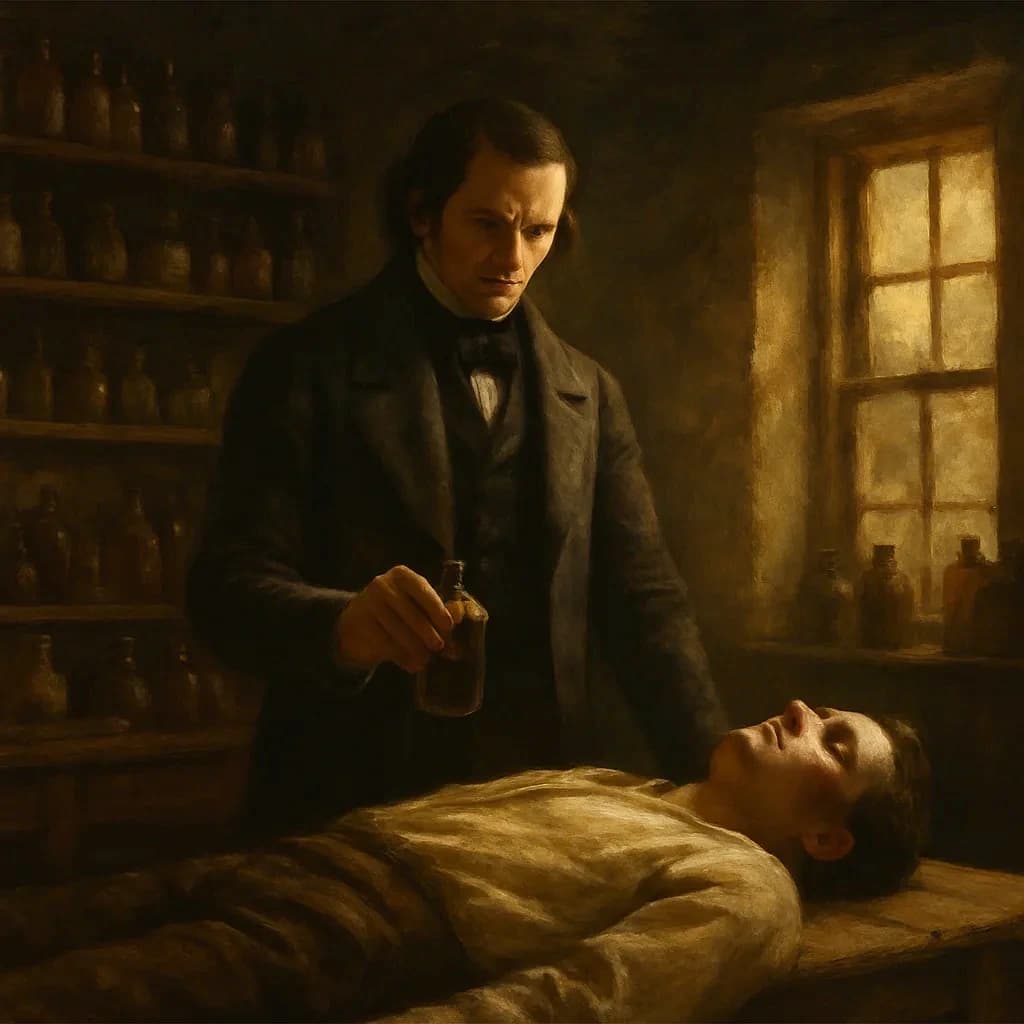
Painless Surgery Was Born in a Georgia Apothecary
A 19th-century doctor in rural Georgia performed the world's first surgery under general anesthesia, and nobody believed him.
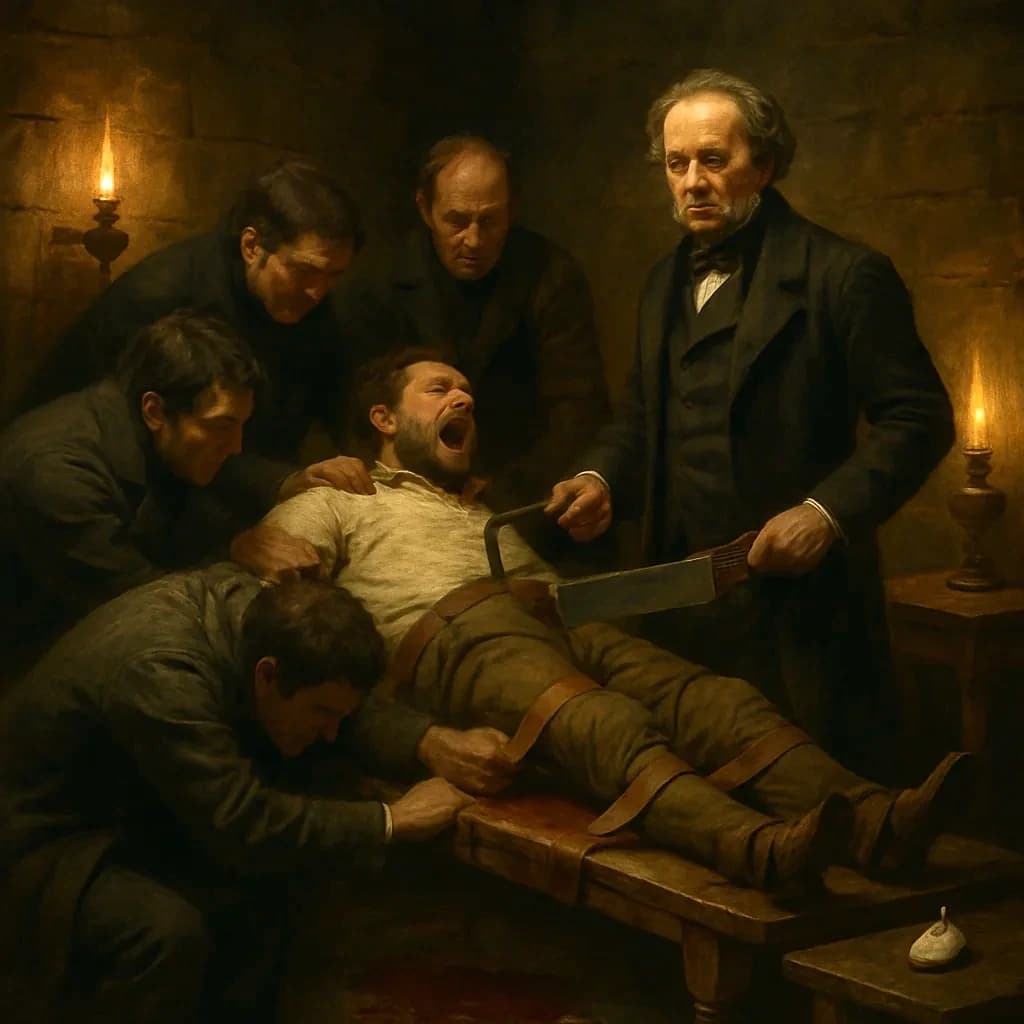
Ninety Seconds to Cut Off a Leg
Before ether, surgeons had thirty seconds to cut through bone while their patients were held down by four strong men.
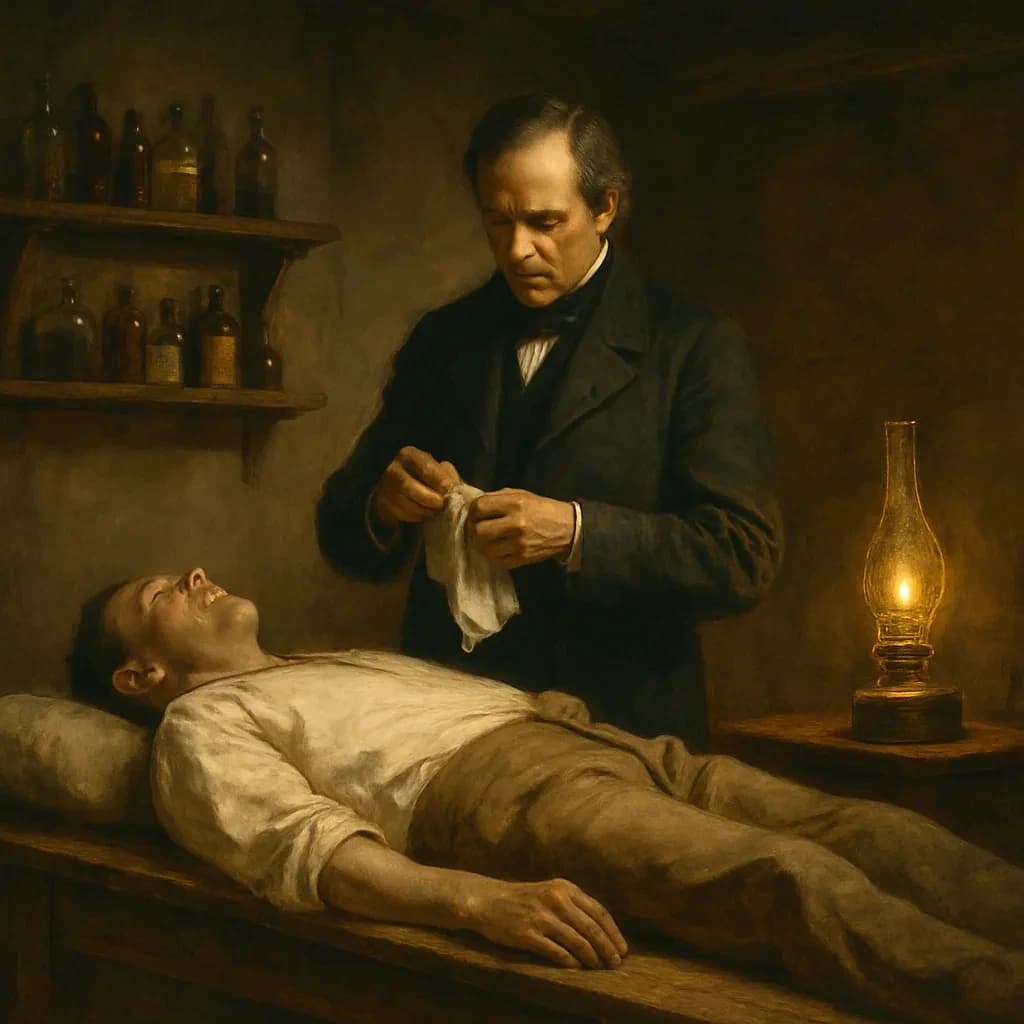
He Performed the First Painless Surgery. Nobody Believed Him.
A Georgia doctor performed the world's first surgery under anesthesia in 1842, but no one believed him, and by the time they did, he'd lost his mind.
- Fenster, Julie M. Ether Day: The Strange Tale of America's Greatest Medical Discovery. New York: HarperCollins, 2001.
- Wolfe, Richard J. Tarnished Idol: William Thomas Green Morton and the Introduction of Surgical Anesthesia. San Anselmo, CA: Norman Publishing, 2001.
- Bergman, Stephanie A. "The Discovery of Anesthesia: The Controversy." Journal of Clinical Anesthesia 14, no. 1 (2002): 47-51.