
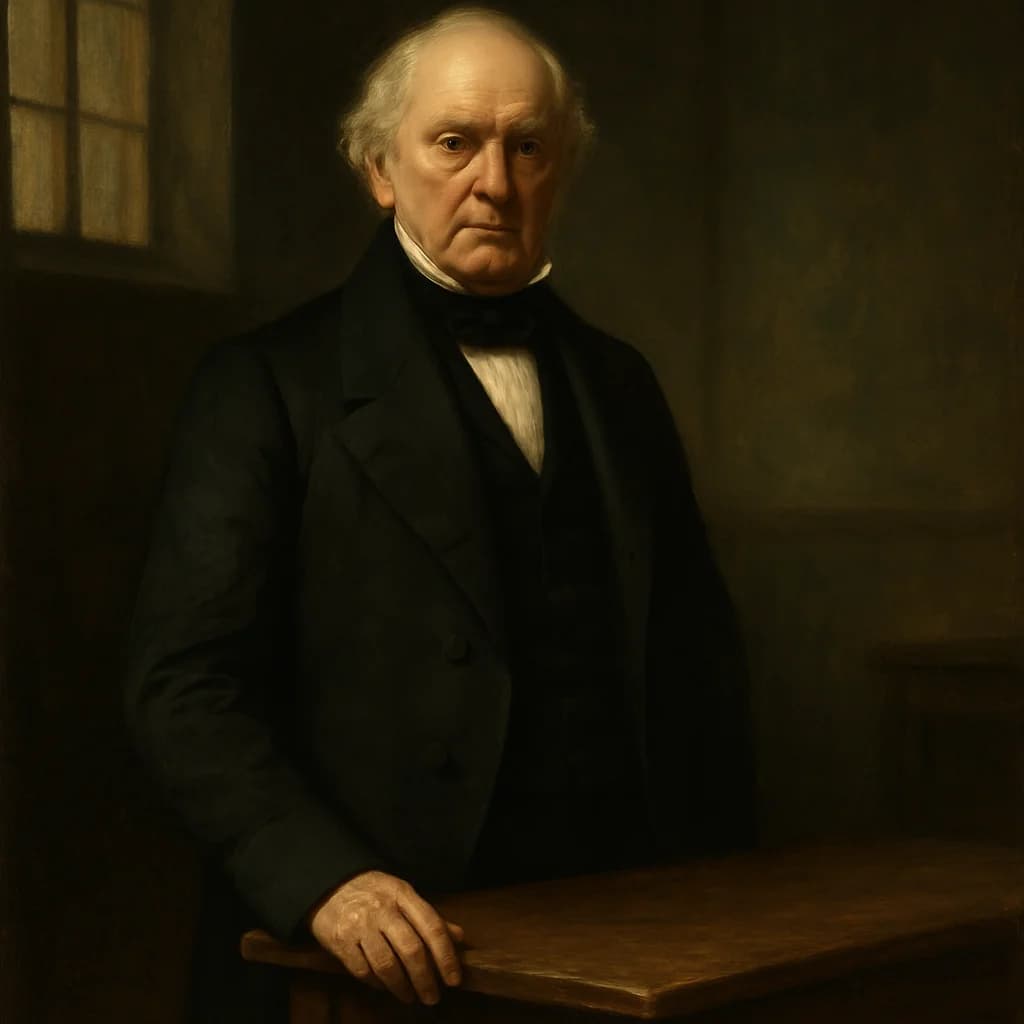
John Collins Warren
He spent forty years mastering the art of cutting people open as fast as possible, and then, at age sixty-eight, had to learn that speed was no longer the point.
John Collins Warren was Boston medicine. Literally. He co-founded Massachusetts General Hospital in 1811, taught anatomy at Harvard for decades, and operated on more bodies than most surgeons of his era ever encountered. His hands were famous. His speed was legendary. In a world where surgical survival depended almost entirely on how quickly you could finish, Warren had refined butchery into something approaching performance art.
But the Warren that history swallowed whole (the august patriarch, the founding figure) obscures a stranger and more interesting man. He was an obsessive collector of anatomical specimens who spent years assembling a private museum of medical curiosities so extensive that Harvard eventually absorbed it wholesale. He was also, improbably, a serious amateur geologist and a published author on the subject of the mastodon, contributing to American paleontology at a moment when the field barely had a name. He moved through the world as if intellectual hunger were a metabolic condition.
Then came October 16, 1846. William Morton, a Boston dentist with a contested patent and a gift for self-promotion, appeared at Massachusetts General with a glass inhaler and a compound he coyly called 'Letheon', which was, in fact, sulfuric ether. Warren had seen theatrical demonstrations of ether and nitrous oxide before. He was skeptical in the precise, measured way that sixty-eight years of watching medicine's miracle cures fail tends to produce. Morton was late. Warren reportedly told the assembled surgeons and students that the promised anesthetist had not appeared and they would proceed without him, and then Morton walked through the door. What followed took minutes. Warren removed a tumor from a printer named Edward Abbott's jaw while Abbott lay unconscious, breathing. When Abbott woke, Warren turned to the gallery and said, simply: 'Gentlemen, this is no humbug.'
That line became his monument. What didn't: the genuine intellectual agility it required to recognize, at nearly seventy, that the foundational premise of your entire career had just been dissolved. Speed no longer saved lives. Something else did. Warren grasped it immediately, championed ether publicly, and kept operating until his hands finally gave out.
Warren performed the first American surgery for a tumor of the breast in 1811, the same year he helped found the hospital where, thirty-five years later, he would conduct one of the most consequential operations in medical history.
Why untold: Warren became a supporting character in the mythologized origin story of anesthesia, remembered only for a single quotable line, while William Morton's patent battles and the ether controversy consumed all subsequent historical oxygen.
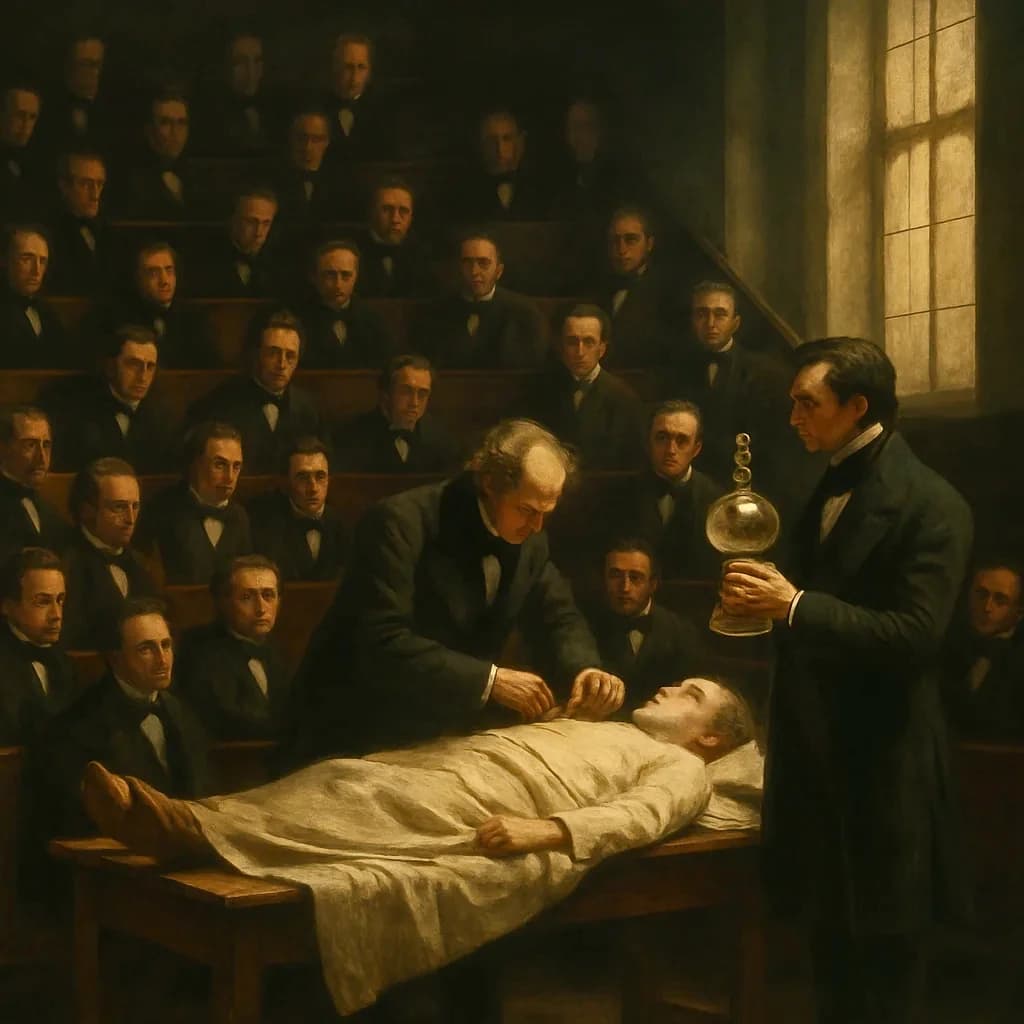
A Boston Dentist's Failed Experiment Invented Painless Surgery
In 1846, a Boston dentist's failed experiment accidentally gave birth to painless surgery, and changed medicine forever.
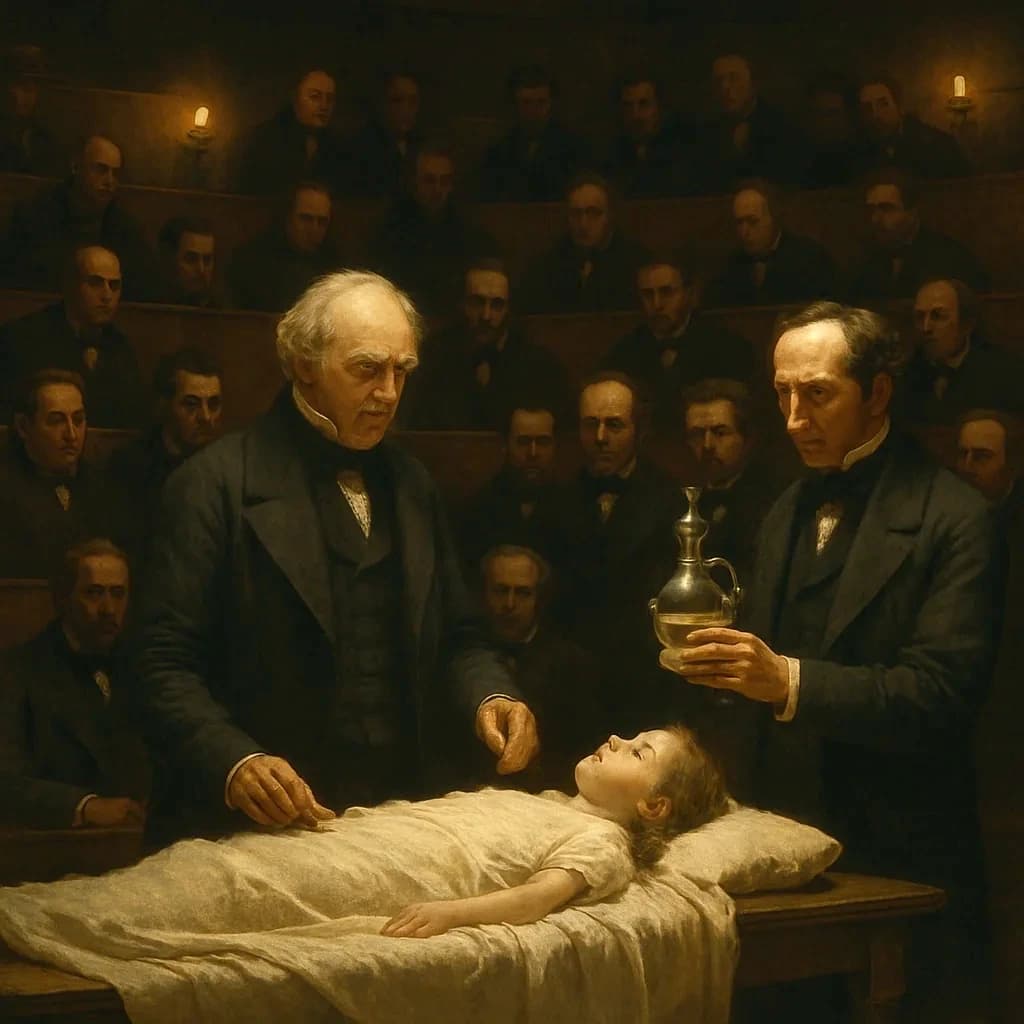
"I Promise You Won't Feel a Thing": Surgery Without Pain
A doctor made a promise to a frightened child in 1847 that changed how the world thinks about pain forever.
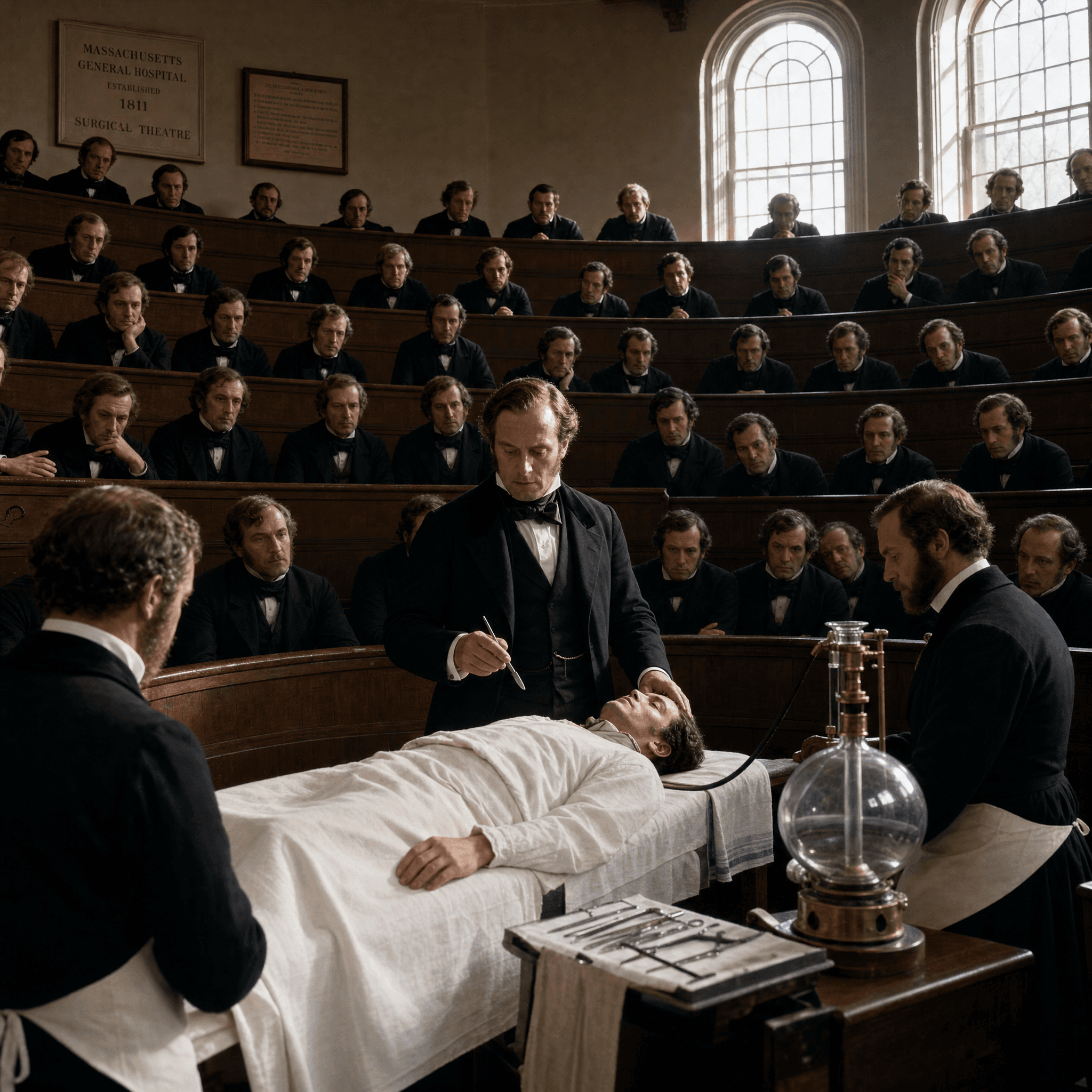
The Surgeon Who Performed While His Patient Watched
In 1846, a patient stayed conscious during his own leg amputation and provided commentary throughout the procedure.
- A. J. Wolfe, 'Defining the Anesthetic Agent: The Origins of Anesthesia,' in 'Sounds and Furies: The Politics of the National Anthem,' 2020. See also primary sourcing in J. C. Warren, 'Etherization; with Surgical Remarks,' William D. Ticknor and Company, Boston, 1848
- J. C. Warren, 'Etherization; with Surgical Remarks,' William D. Ticknor and Company, Boston, 1848
- Edward D. Churchill, ed., 'To Work in the Vineyard of Surgery: The Reminiscences of J. Collins Warren,' Harvard University Press, 1958