
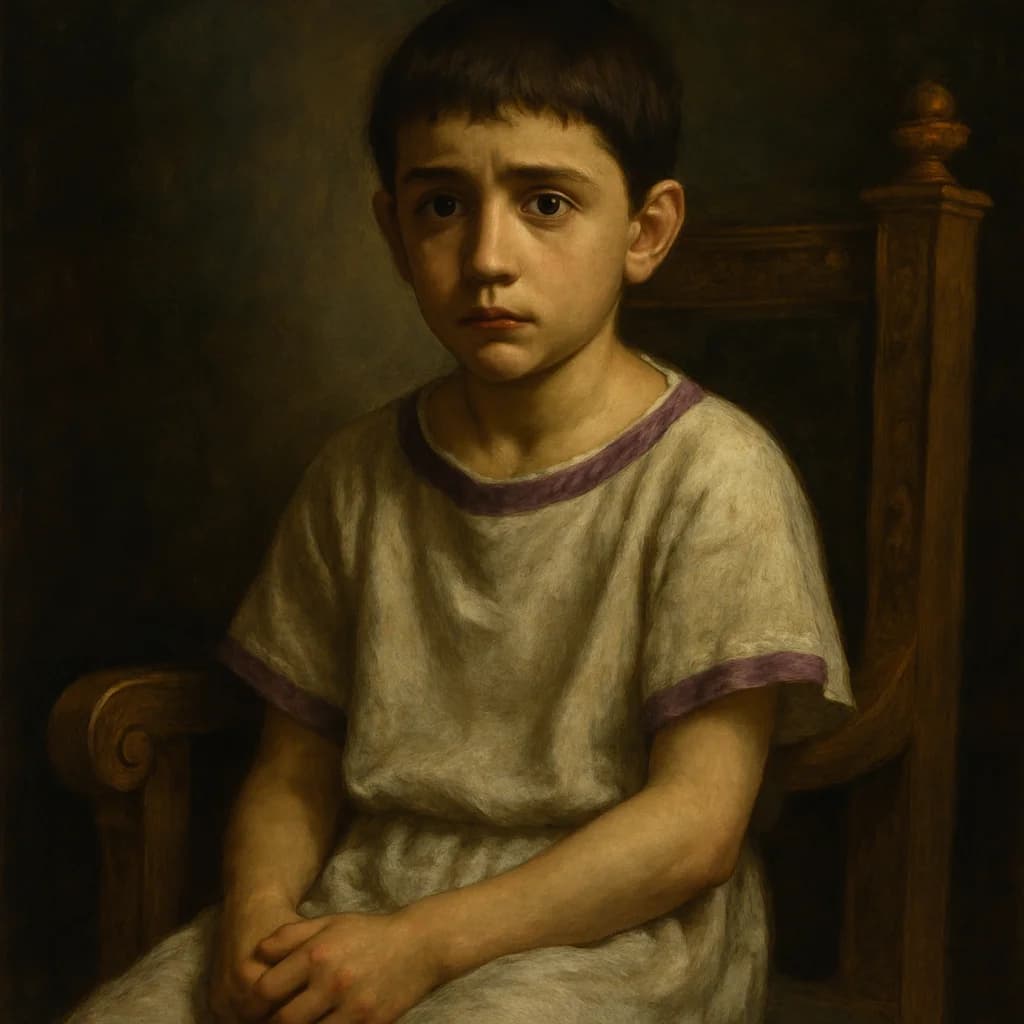
Orestes
The teenager who ended the Western Roman Empire didn't even know he was emperor when it happened.
Flavius Romulus Augustus was perhaps ten years old when his father thrust him onto the throne of the Western Roman Empire in 476 CE. The boy had no idea he was making history. He was too busy being a child while barbarian warlords carved up his inheritance like a Christmas goose.
His father Orestes, a former secretary to Attila the Hun who'd traded up to Roman politics, had seized power through the tried-and-true method of military coup. But Orestes made a fatal miscalculation. When his Germanic foederati demanded land grants in Italy (the same deal Rome had been cutting with barbarians for decades), he refused. The decision would cost him his life and his son an empire.
Odoacer, the Germanic chieftain leading the revolt, had no interest in murdering children. After defeating Orestes in battle and executing him, Odoacer faced an unusual problem: what to do with a boy emperor whose legitimacy came from a dead usurper. The solution was breathtakingly civilized. On September 4, 476 CE, Odoacer's representatives arrived at the imperial villa for what the young emperor probably thought was just another boring administrative meeting. They presented him with a pension, a comfortable exile in Campania, and his walking papers.
The boy who would be mockingly called "Romulus Augustulus" (little Augustus) signed away the Western Roman Empire with a child's signature. He disappears from history after that dinner, probably living out his days as a wealthy private citizen, blissfully unaware that textbooks would mark his abdication as the end of the ancient world. The last Western Roman Emperor went out not with a bang, but with a polite request to please step aside.
Romulus Augustulus was given the same name as Rome's legendary founder and first emperor, making his role as the last emperor a cosmic bit of historical irony that ancient Romans would have appreciated.
Why untold: History remembers dramatic falls, not awkward retirements, so the civilized end of the Western Empire gets overshadowed by more violent imperial deaths.
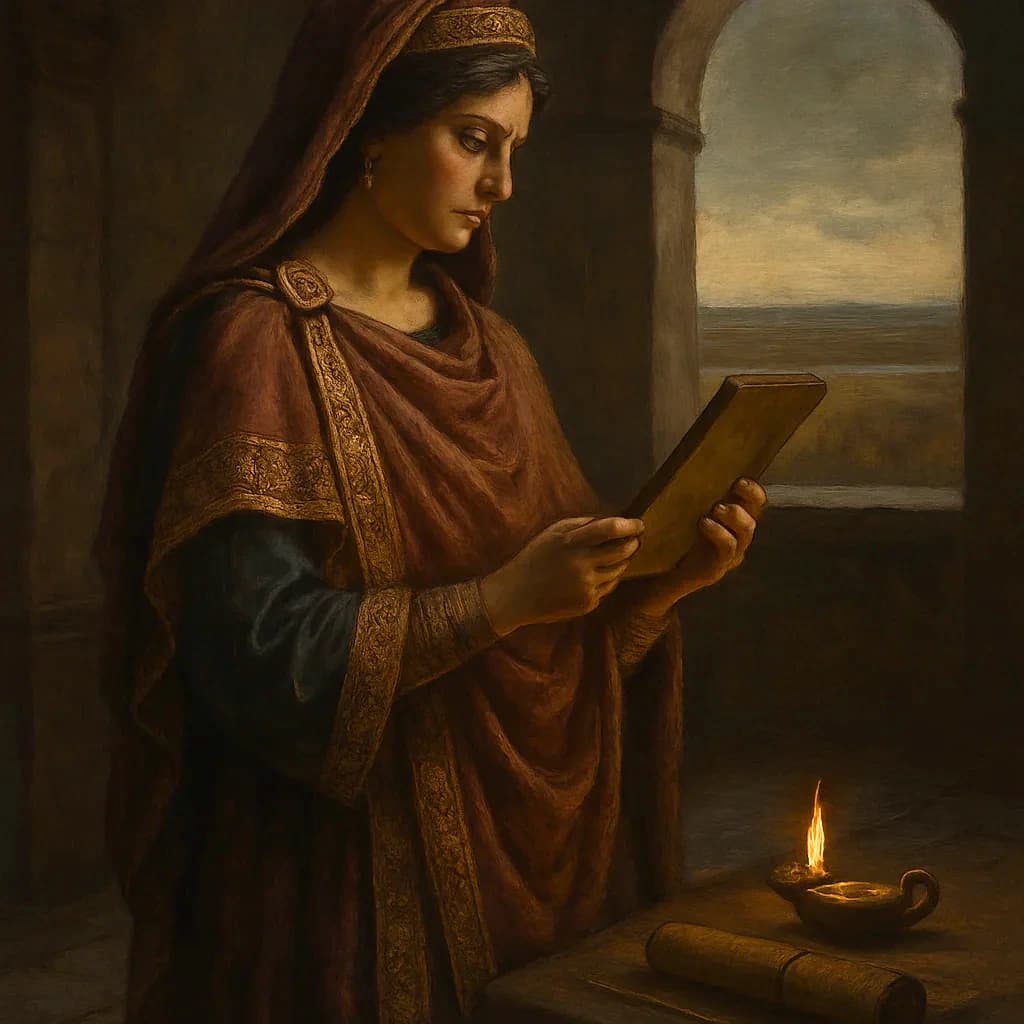
How a Mother Saved Rome's Last Emperor
Rome's last western emperor was deposed without a fight, and the one person who may have seen it coming was a woman nobody bothered to write about.
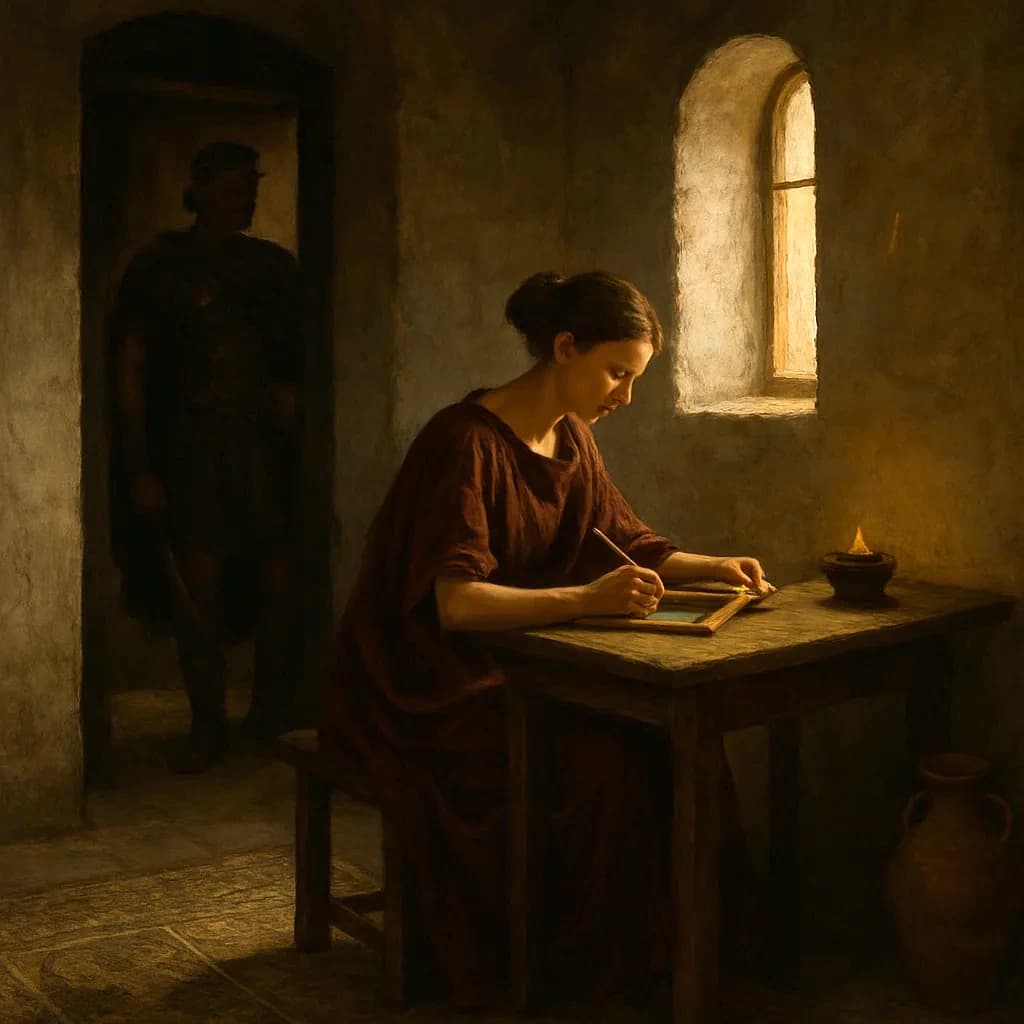
A Teenage Girl Saved Rome's Last Emperor
What no emperor, general, or senator had managed in decades, a teenage girl in a provincial Roman town pulled off: she ended a war.
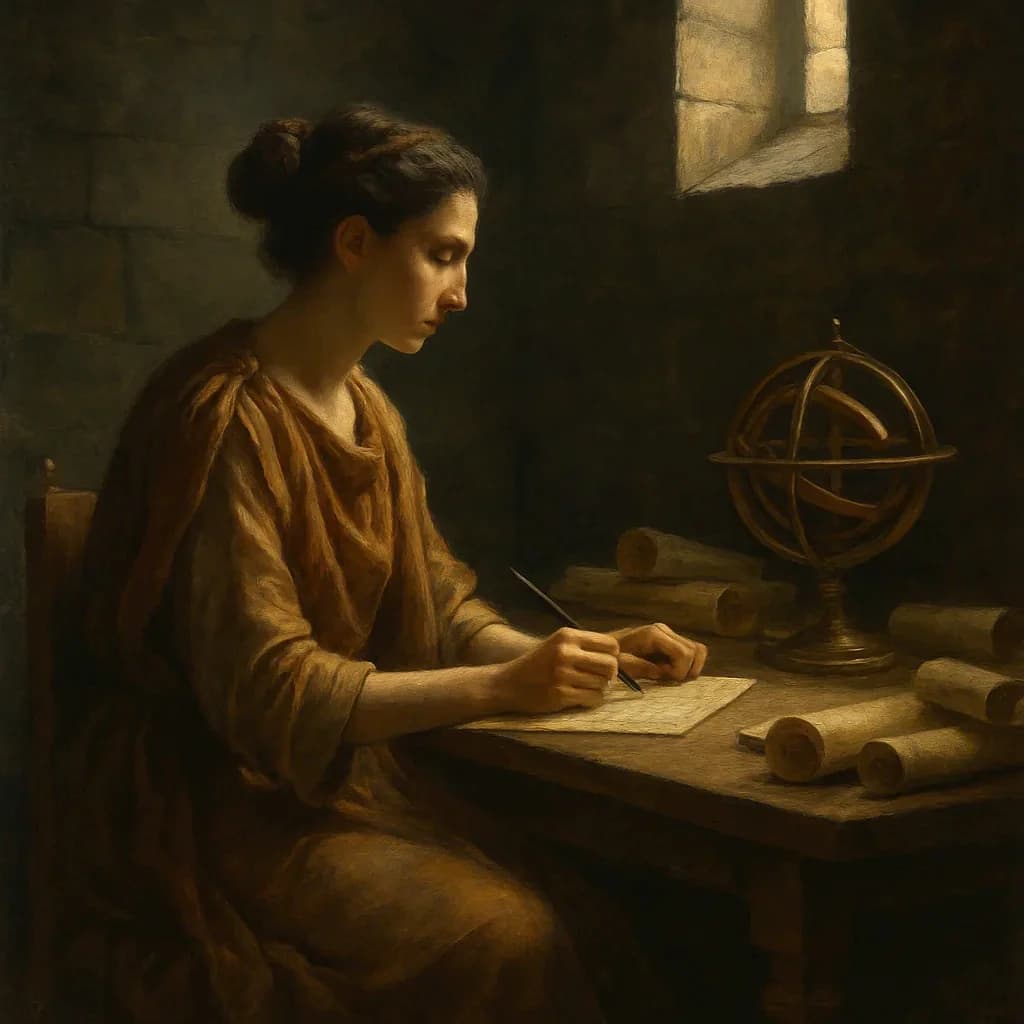
A Bishop's Power Struggle Killed Alexandria's Greatest Teacher
A mob hunting a governor found a philosopher instead, and what happened next erased centuries of accumulated knowledge from the Western world.
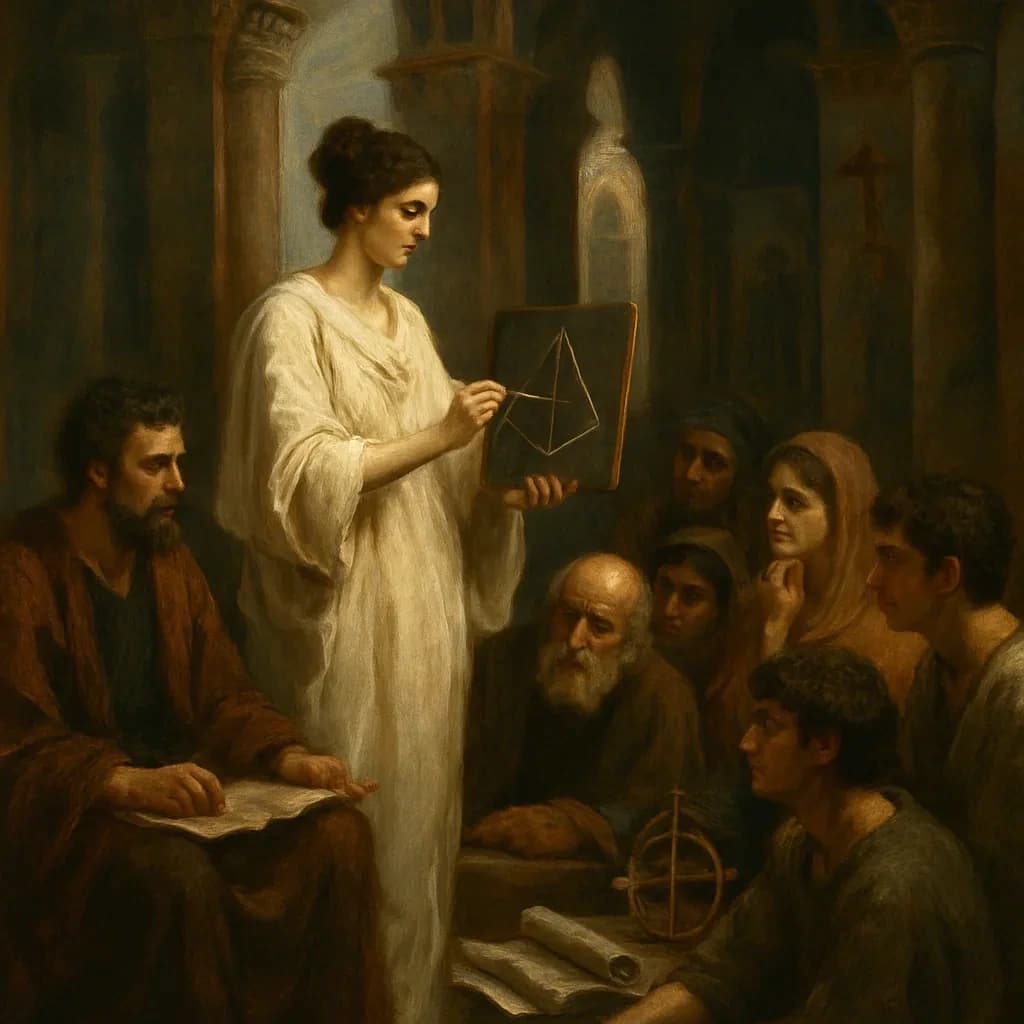
When Alexandria Murdered Its Last Mathematician
A pagan mathematician stood between Christianity and the last great library of the ancient world in 391 AD.
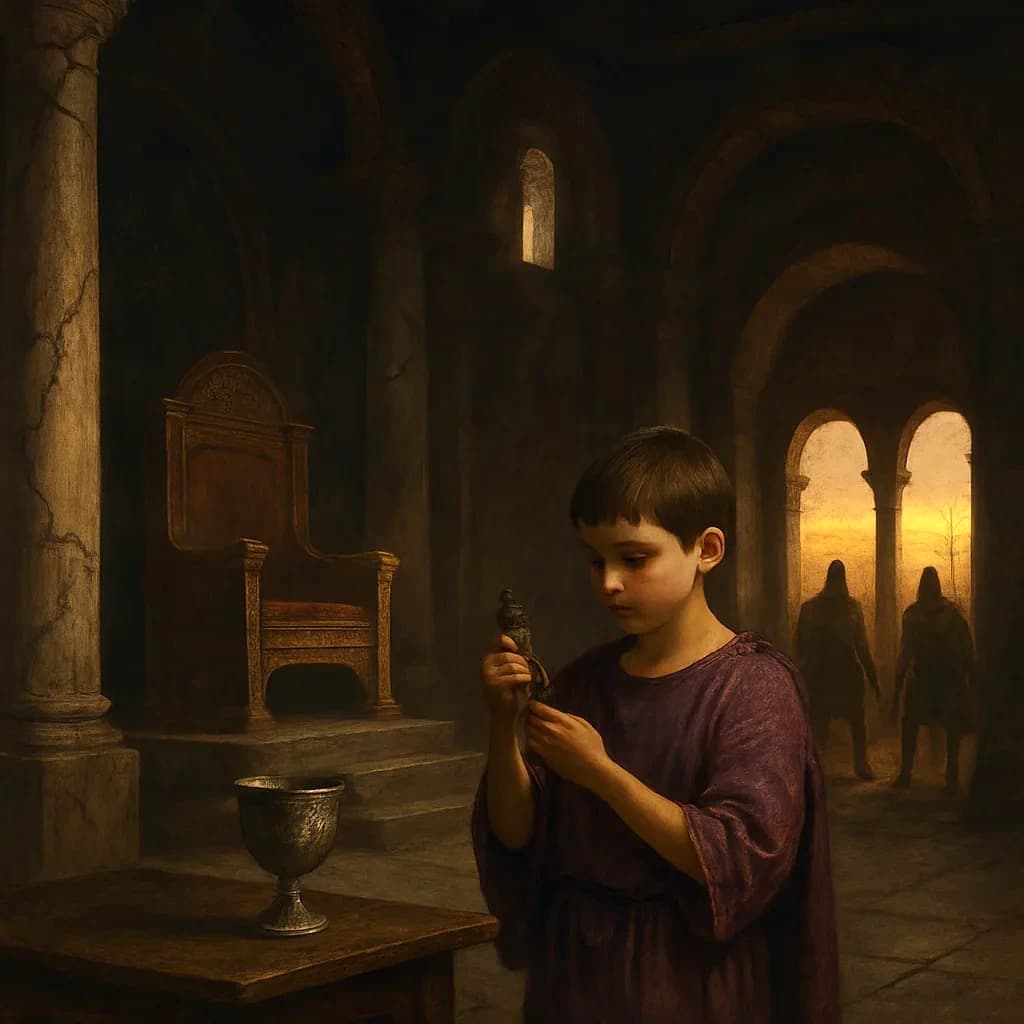
Rome's Last Emperor Watched His Father Drink the Poison
A Roman centurion's desperate gamble with a borrowed chalice changed the course of European history.
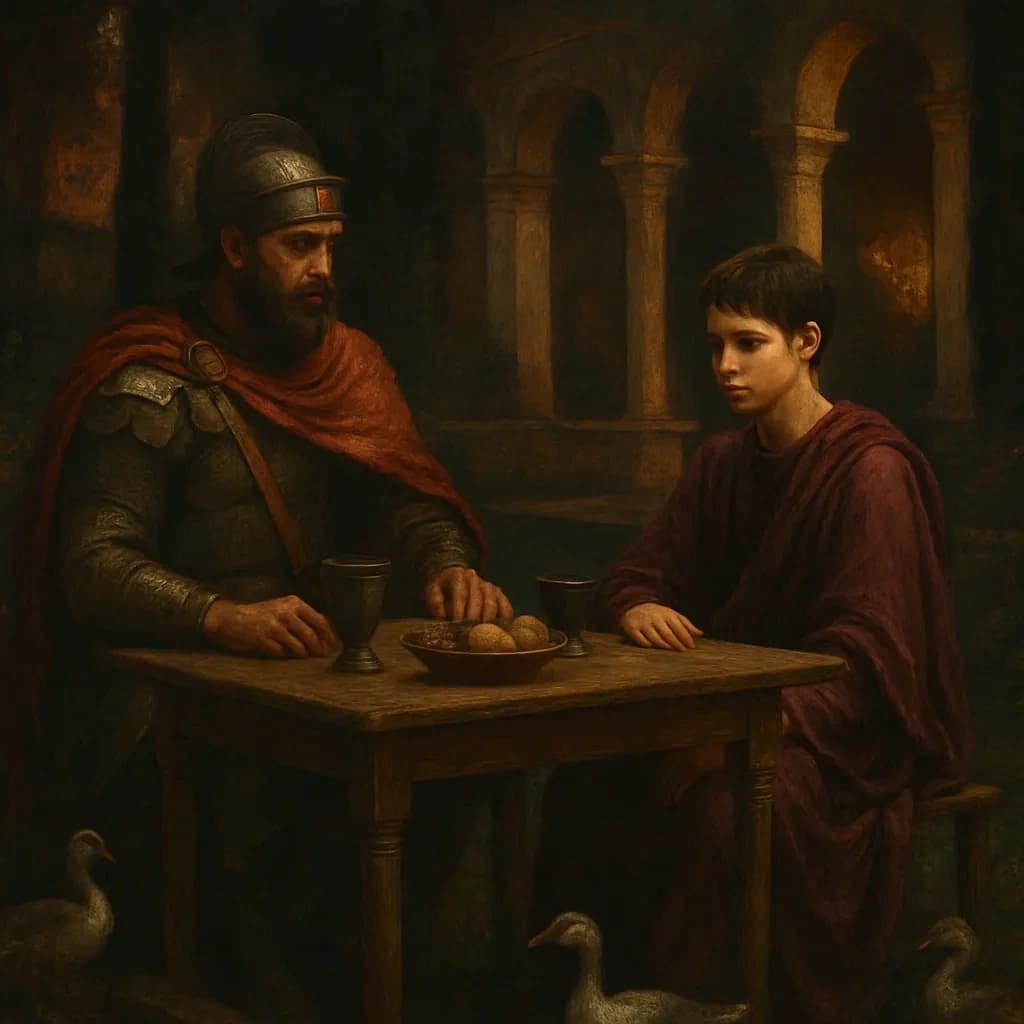
The Last Roman Emperor Was Asked to Retire at Dinner
The last Roman Emperor of 476 CE wasn't killed in battle or assassinated. He was politely asked to retire over dinner.
- Procopius, Wars of Justinian, Book V
- Jordanes, Getica
- Marcellinus Comes, Chronicle