
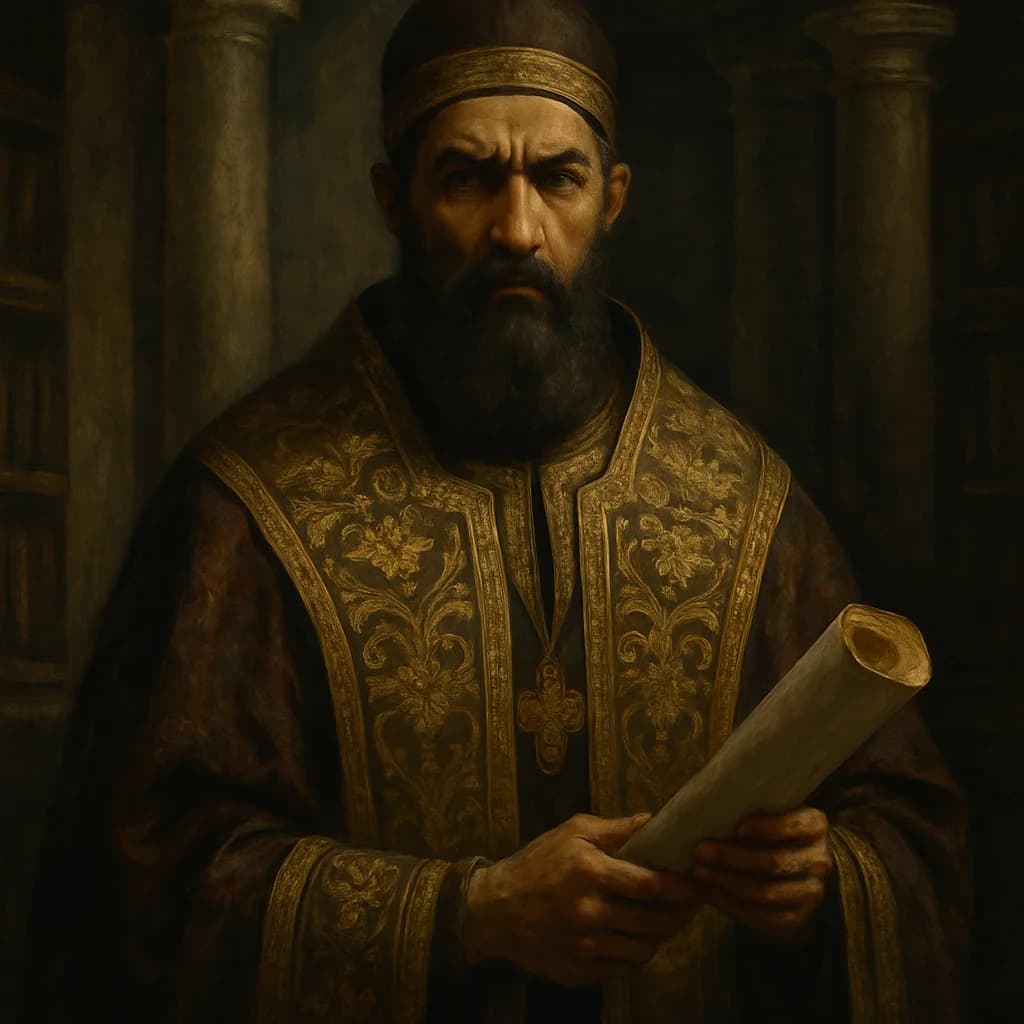
Bishop Cyril
The man who destroyed the last library of the ancient world once studied mathematics in the very halls he would later hand over to the mob.
Cyril of Alexandria arrived at the Great Library not as a destroyer, but as a student. In the 380s, before his rise to bishop, he walked the same marble corridors where Hypatia taught geometry, studying rhetoric and philosophy under the same roof that housed half a million scrolls. He learned to argue like a Greek philosopher, mastering the very intellectual traditions he would later condemn as heretical.
When Cyril became Patriarch of Alexandria in 412 AD, he inherited not just a religious office but a political machine. Alexandria was the intellectual capital of the Roman Empire, and its bishop wielded power that rivaled the emperor's prefect. Cyril understood that knowledge was territory. The Great Library wasn't just a collection of books. It was the beating heart of pagan intellectual authority, the place where Christian theology had to compete with Aristotelian logic and Ptolemaic astronomy.
The genius of Cyril's campaign wasn't mob violence. It was bureaucracy. He systematically defunded pagan institutions, redirected imperial subsidies to Christian schools, and made it illegal for non-Christians to teach rhetoric or philosophy. When he finally gave his tacit approval to the mob that killed Hypatia in 415 AD, he wasn't unleashing chaos. He was completing a carefully orchestrated transfer of intellectual power from pagan to Christian hands.
Cyril died in 444 AD, having successfully transformed Alexandria from the Athens of the Roman world into its Jerusalem. He was canonized as a saint, remembered for defending orthodox Christianity. What the hagiographies don't mention is that he accomplished this by weaponizing the very philosophical tools he had learned in his youth, turning the library's own intellectual methods against itself.
Cyril wrote extensive theological treatises using Aristotelian logic and Platonic philosophy, essentially using pagan intellectual frameworks to demolish pagan intellectual authority.
Why untold: Christian histories celebrate him as a defender of orthodoxy while secular histories focus on his role in Hypatia's death, obscuring his calculated intellectual strategy.
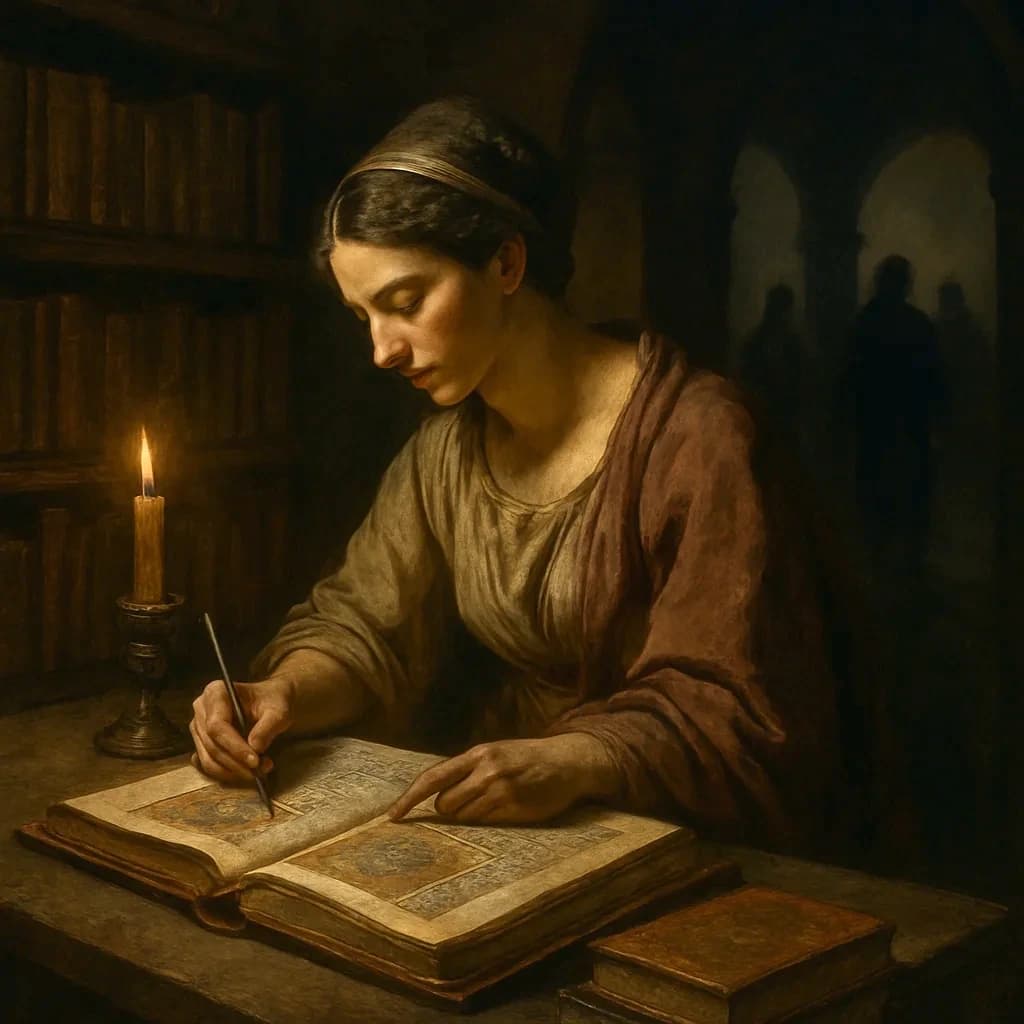
She Hid Greek Math Inside Christian Prayer Books
The last candle flickered in Alexandria's library, and a Roman mathematician kept copying equations no one would understand for another thousand years.
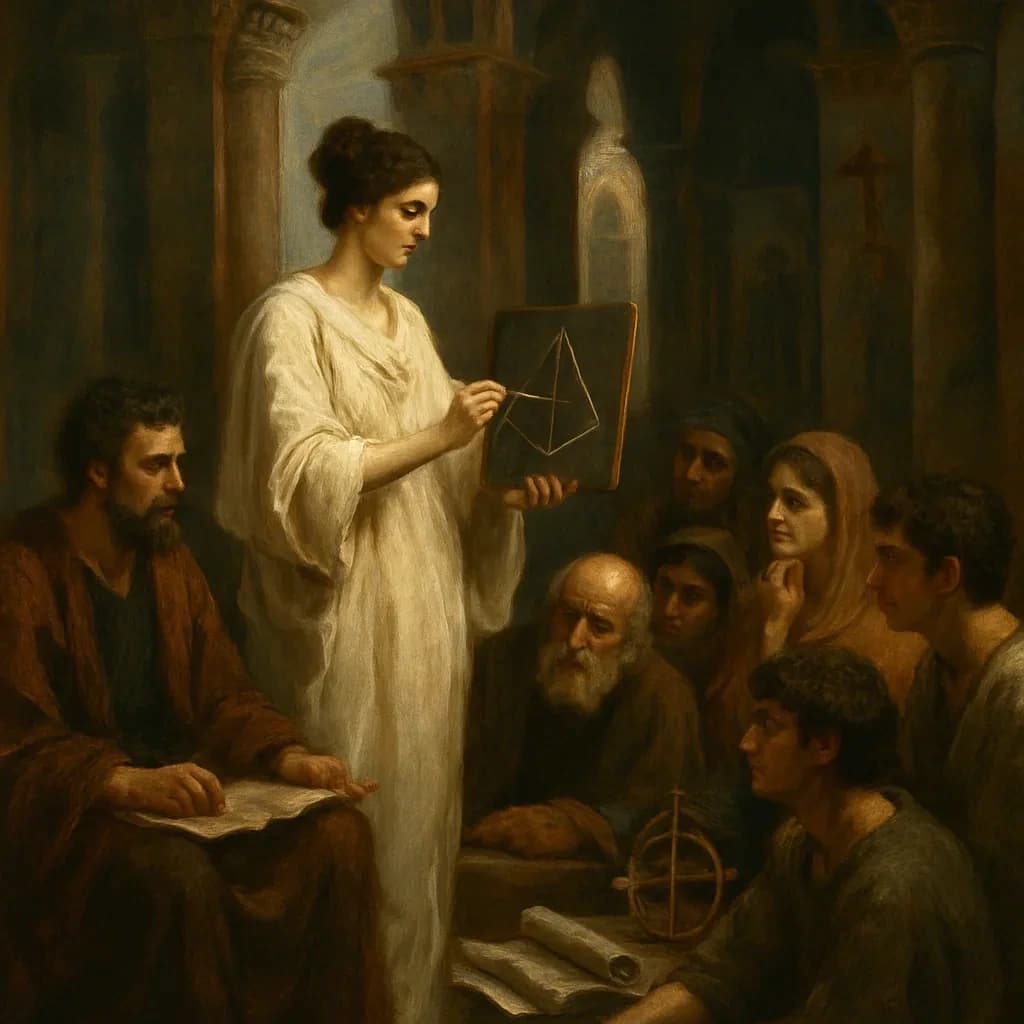
When Alexandria Murdered Its Last Mathematician
A pagan mathematician stood between Christianity and the last great library of the ancient world in 391 AD.
- Russell, Norman. Cyril of Alexandria. Routledge, 2000.
- Wessel, Susan. Cyril of Alexandria and the Nestorian Controversy. Oxford University Press, 2004.
- Dzielska, Maria. Hypatia of Alexandria. Harvard University Press, 1995.