
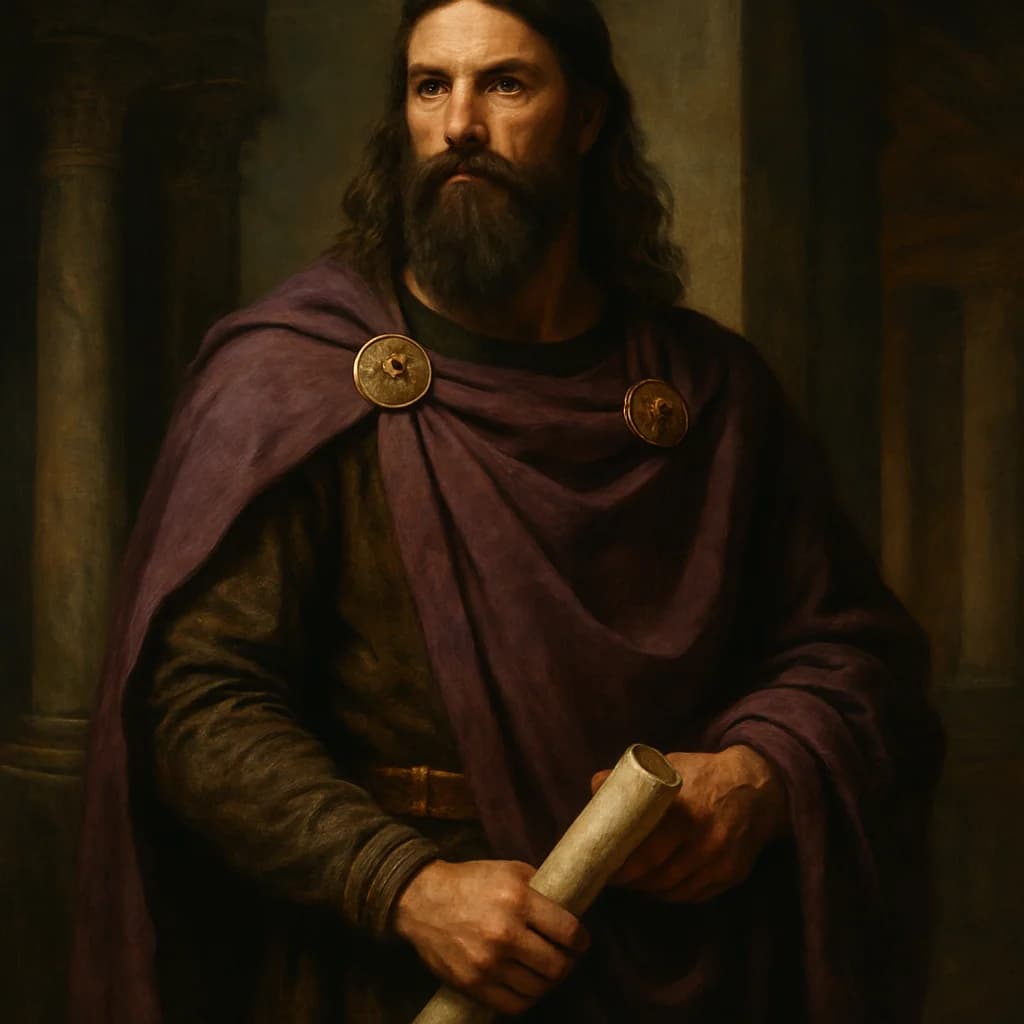
Odoacer
The man who ended the Roman Empire did it with such exquisite politeness that his victim thanked him.
Odoacer understood something that escaped centuries of barbarian chieftains: you don't need to burn down Rome to rule it. While Attila the Hun had thundered at the gates and Alaric had sacked the city, this Germanic general simply walked in and asked nicely. On September 4, 476 CE, he invited sixteen-year-old Emperor Romulus Augustulus to dinner and suggested retirement might suit him better than ruling. The boy emperor, perhaps relieved, handed over the imperial regalia without protest.
What made Odoacer extraordinary wasn't his conquest. It was his restraint. He could have declared himself emperor, following the blood-soaked tradition of military strongmen. Instead, he shipped the crown jewels back to Constantinople with a note explaining he was perfectly content being 'King of Italy.' He kept the Senate functioning, maintained Roman law, and even minted coins with his own image wearing Roman dress. For thirteen years, he governed a kingdom that looked suspiciously like the Western Empire, just under new management.
His real genius lay in understanding that Rome's power had never been its legions. It was its bureaucracy. Tax collectors still collected taxes. Judges still judged. Citizens still considered themselves Roman. Odoacer had discovered the secret that would define medieval Europe: you could rule Romans best by pretending you weren't conquering them at all.
Theodoric the Great would eventually betray and murder Odoacer in 493 CE, but the precedent was set. The barbarian kingdoms that followed would all claim to be Rome's heirs, not its destroyers. Odoacer had shown them how to eat an empire from the inside out, one polite dinner at a time.
Odoacer continued paying the salaries of Roman senators and maintained the Roman postal system throughout his reign, making him possibly the most considerate conqueror in history.
Why untold: Medieval chroniclers preferred dramatic narratives of barbarian destruction over the mundane reality of administrative continuity, making Odoacer's subtle statecraft less memorable than spectacular sackings.
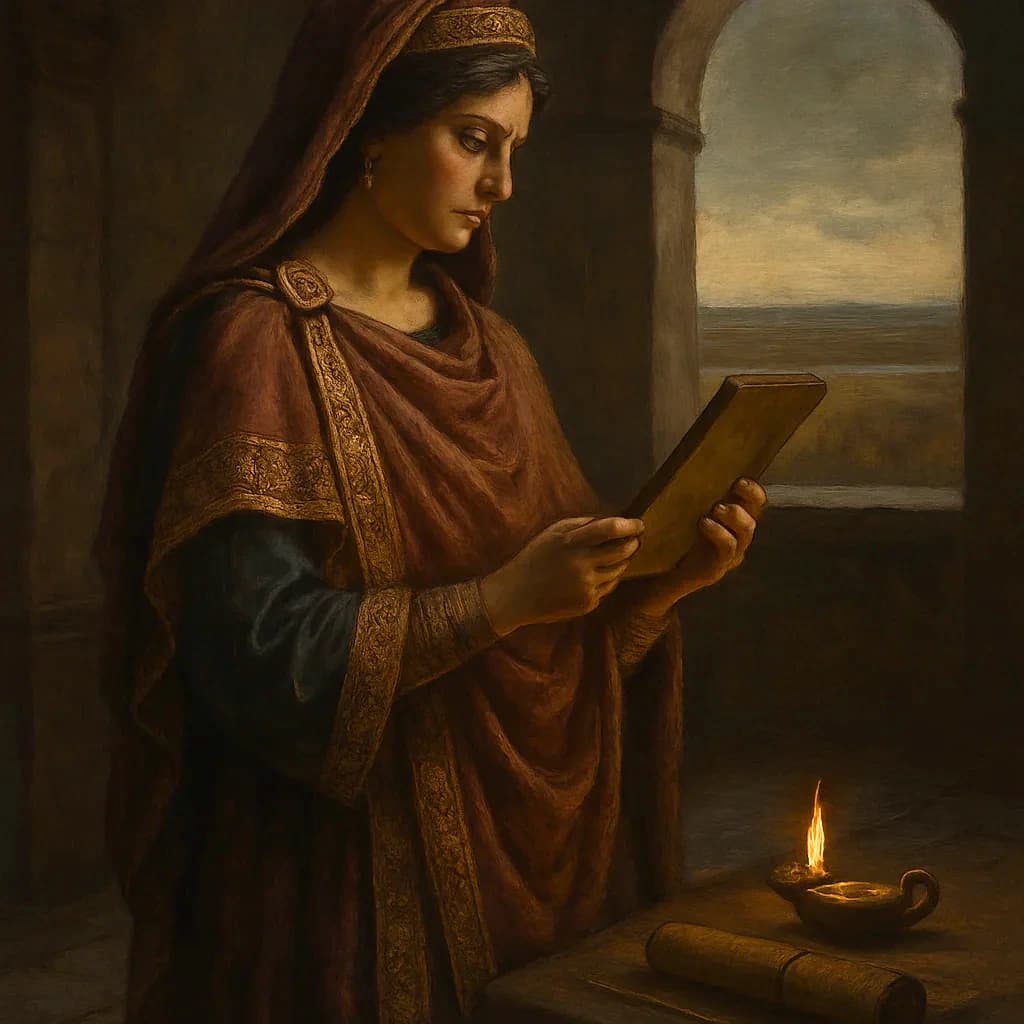
How a Mother Saved Rome's Last Emperor
Rome's last western emperor was deposed without a fight, and the one person who may have seen it coming was a woman nobody bothered to write about.
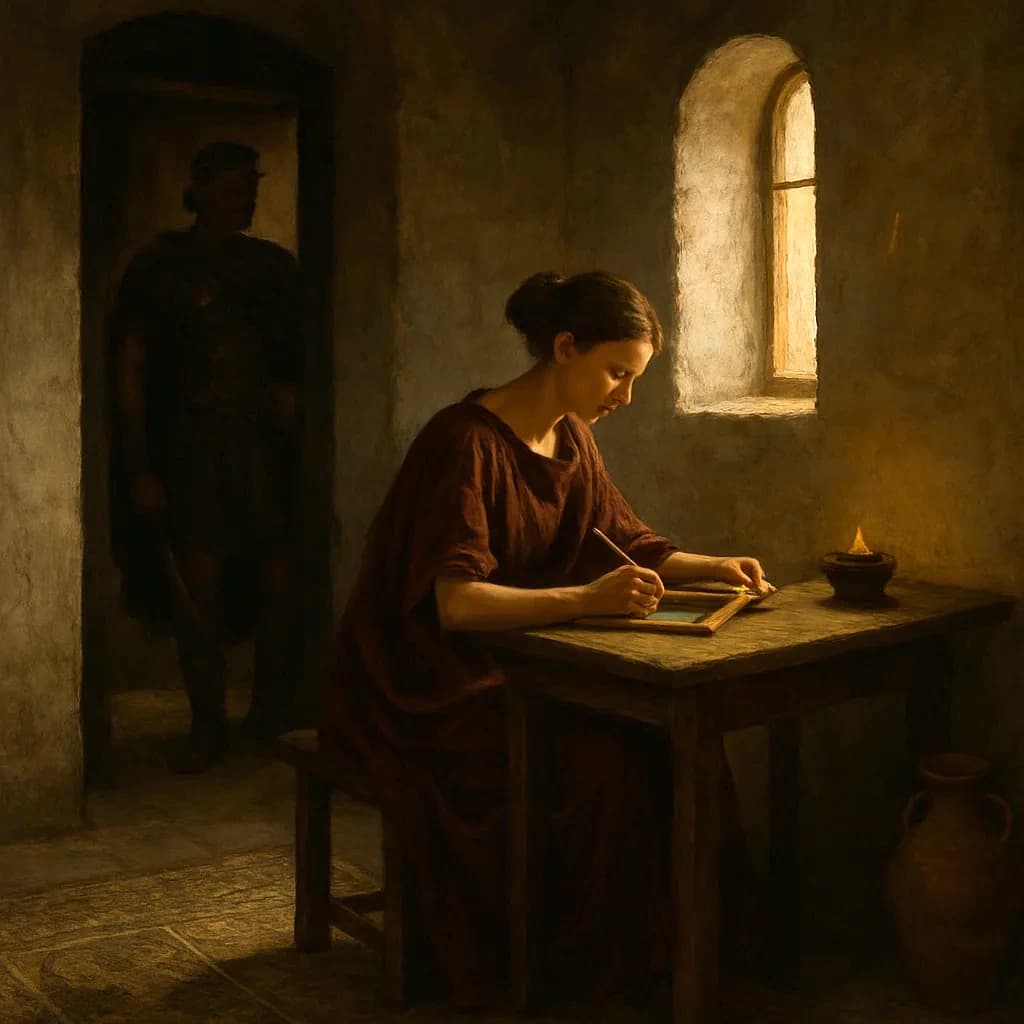
A Teenage Girl Saved Rome's Last Emperor
What no emperor, general, or senator had managed in decades, a teenage girl in a provincial Roman town pulled off: she ended a war.
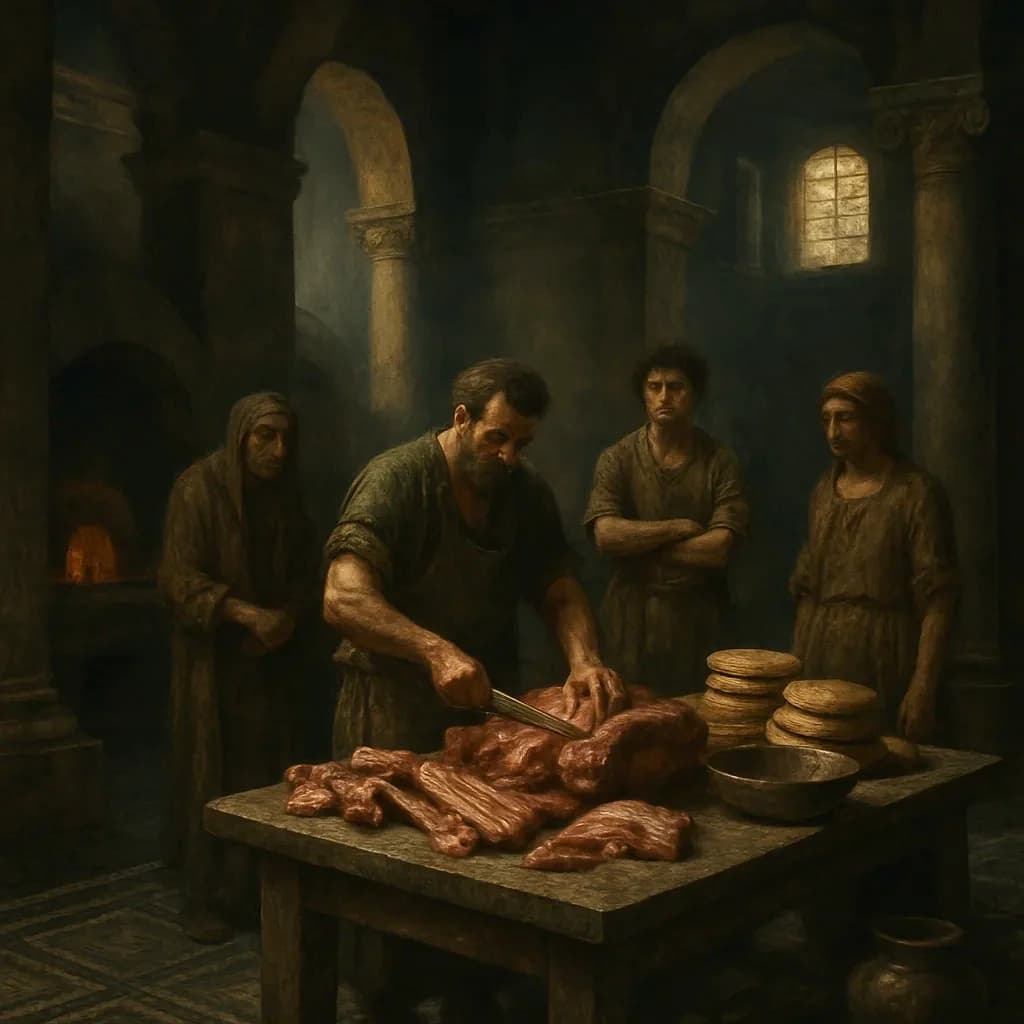
When Rome's Dogs Ate Better Than Rome's Children
In the last years of the Western Empire, emperors spent more on feeding imperial hunting hounds than on grain dole for the city's starving population.
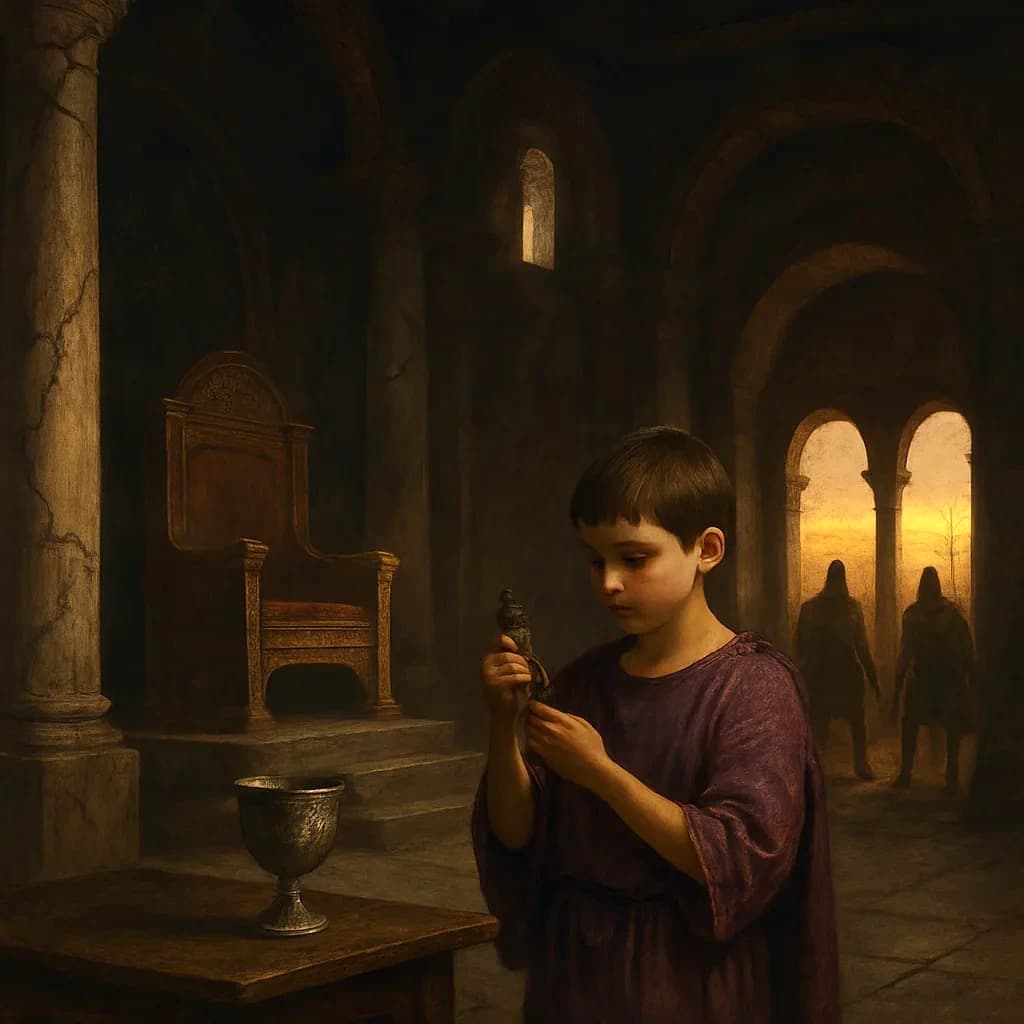
Rome's Last Emperor Watched His Father Drink the Poison
A Roman centurion's desperate gamble with a borrowed chalice changed the course of European history.
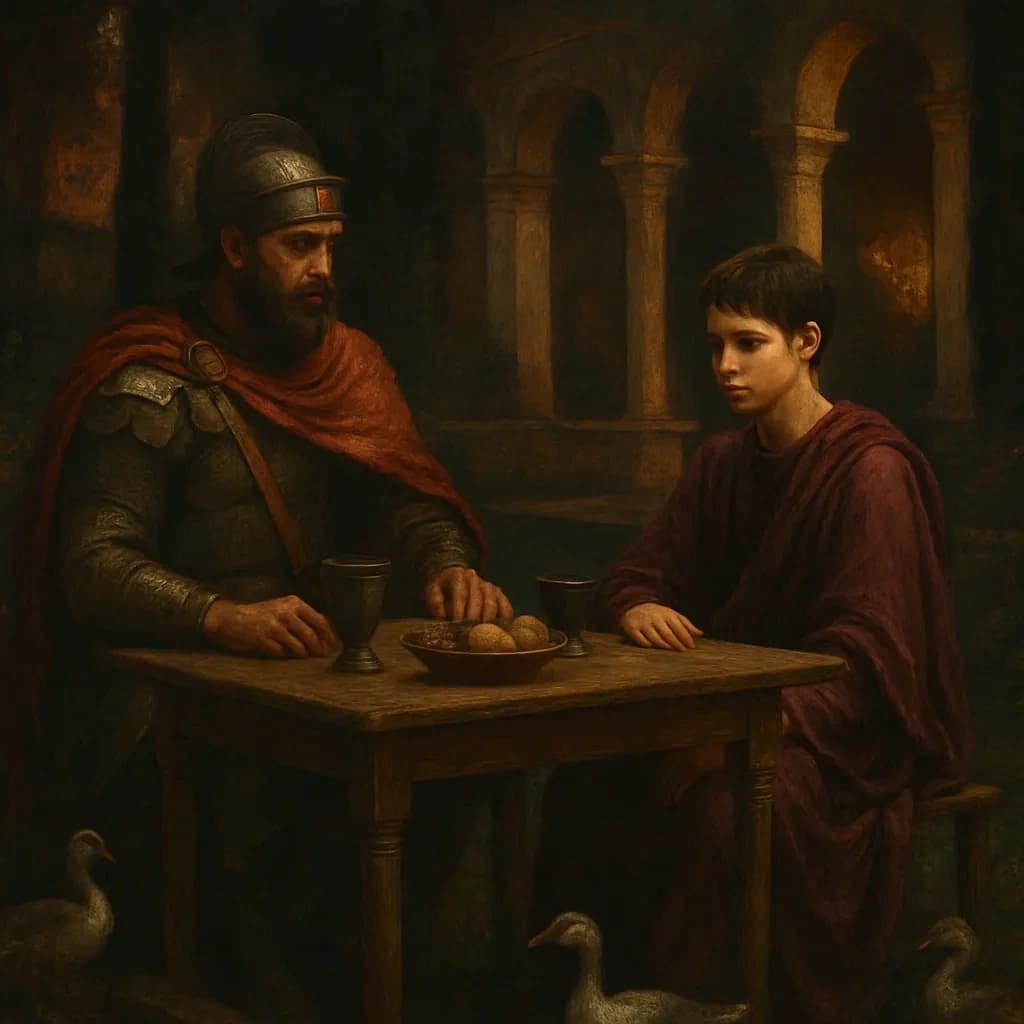
The Last Roman Emperor Was Asked to Retire at Dinner
The last Roman Emperor of 476 CE wasn't killed in battle or assassinated. He was politely asked to retire over dinner.
- Heather, Peter. The Fall of the Roman Empire: A New History of Rome and the Barbarians. Oxford University Press, 2006.
- Ward-Perkins, Bryan. The Fall of Rome and the End of Civilization. Oxford University Press, 2005.
- Moorhead, John. Theoderic in Italy. Oxford University Press, 1992.