
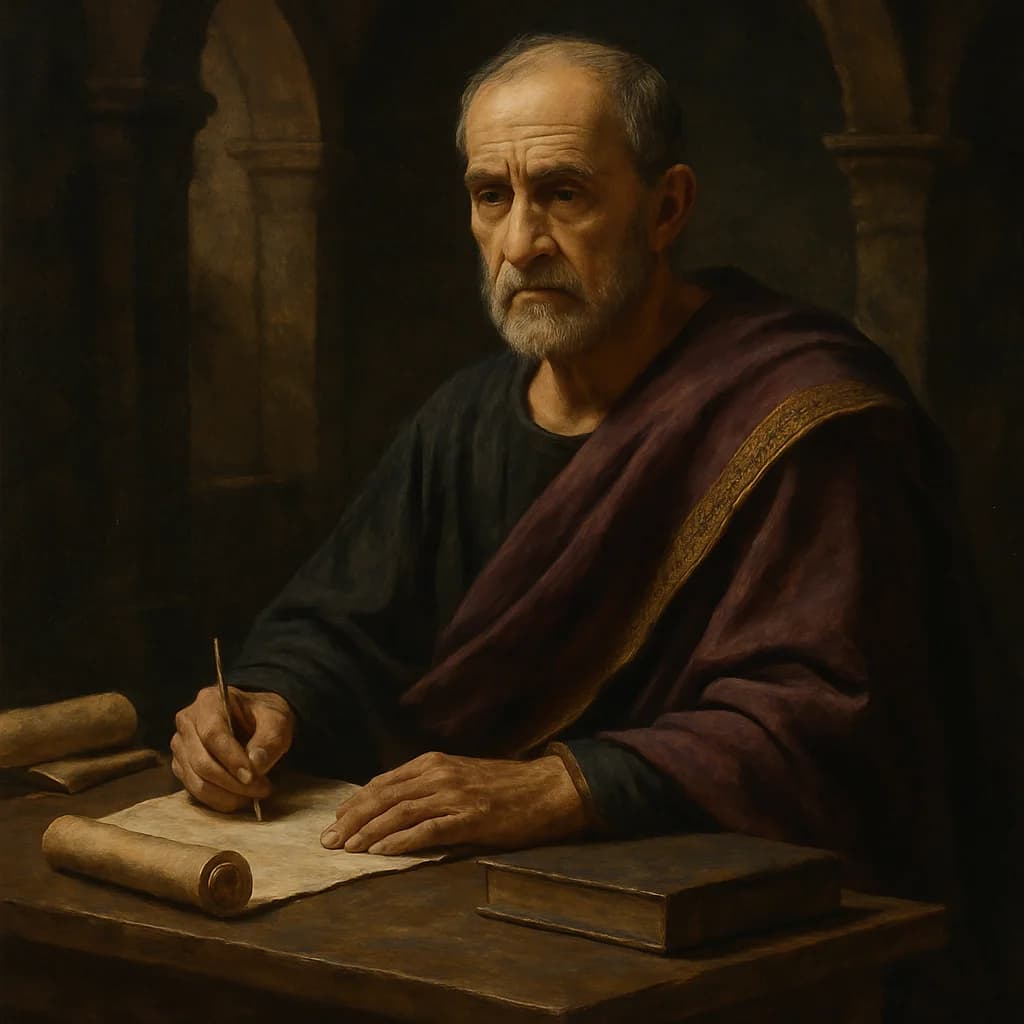
Cassiodorus
The man who saved Western civilization by pretending it never ended spent his final decades teaching monks to copy cookbooks.
Flavius Magnus Aurelius Cassiodorus Senator lived through the collapse of everything he believed in and responded by becoming history's most successful bureaucratic illusionist. Born around 485 into a family of Roman civil servants, he watched the Western Empire crumble while methodically documenting its continued existence.
Serving as chief minister to Theodoric the Great, Cassiodorus performed an extraordinary sleight of hand: he administered a barbarian kingdom using pure Roman bureaucracy, complete with senate meetings, consular appointments, and legal precedents as if Caesar still ruled from the seven hills. His official letters, collected in the Variae, read like dispatches from a parallel universe where Rome never fell. He discusses aqueduct repairs, tax collection, and diplomatic protocols with Germanic kings using the exact language Cicero might have employed. When a Visigothic nobleman needed a legal ruling, Cassiodorus would cite Justinian's code. When provincial governors required administrative guidance, he referenced centuries-old imperial precedents.
But here's the twist: it worked. For nearly forty years, this elaborate performance kept Mediterranean civilization functioning. Cities maintained their infrastructure, schools stayed open, and legal traditions survived because one man refused to acknowledge that the world had changed. After Theodoric's death and the Gothic Wars' devastation, Cassiodorus finally abandoned his beautiful fiction.
He retreated to his family estate at Squillace and founded Vivarium, a monastery dedicated to preserving knowledge. But his monks weren't just copying Bibles. They meticulously reproduced medical texts, agricultural manuals, and even Ovid's poetry. Cassiodorus had realized that civilization's survival depended not on grand gestures but on the humble work of preservation. He died around 585, having spent his final decades ensuring that future generations would know how to plant crops, treat diseases, and conjugate Latin verbs.
Cassiodorus invented the modern chapter and verse system for organizing texts, creating the first systematic method for citing specific passages in manuscripts.
Why untold: His bureaucratic illusion that kept Roman civilization alive is overshadowed by the more dramatic narrative of barbarian conquest and imperial collapse.
How a Mother Saved Rome's Last Emperor
Rome's last western emperor was deposed without a fight, and the one person who may have seen it coming was a woman nobody bothered to write about.
Condemned to Die, He Wrote a Medieval Bestseller
He was the most powerful ruler in the Western world, beloved by Romans and barbarians alike, and then he ordered the execution of the one man who had made his reign possible.
He Wrote His Masterpiece Awaiting Execution
The greatest Latin poem of the early medieval world came out of a court run by a barbarian king who could barely speak to the people he ruled.
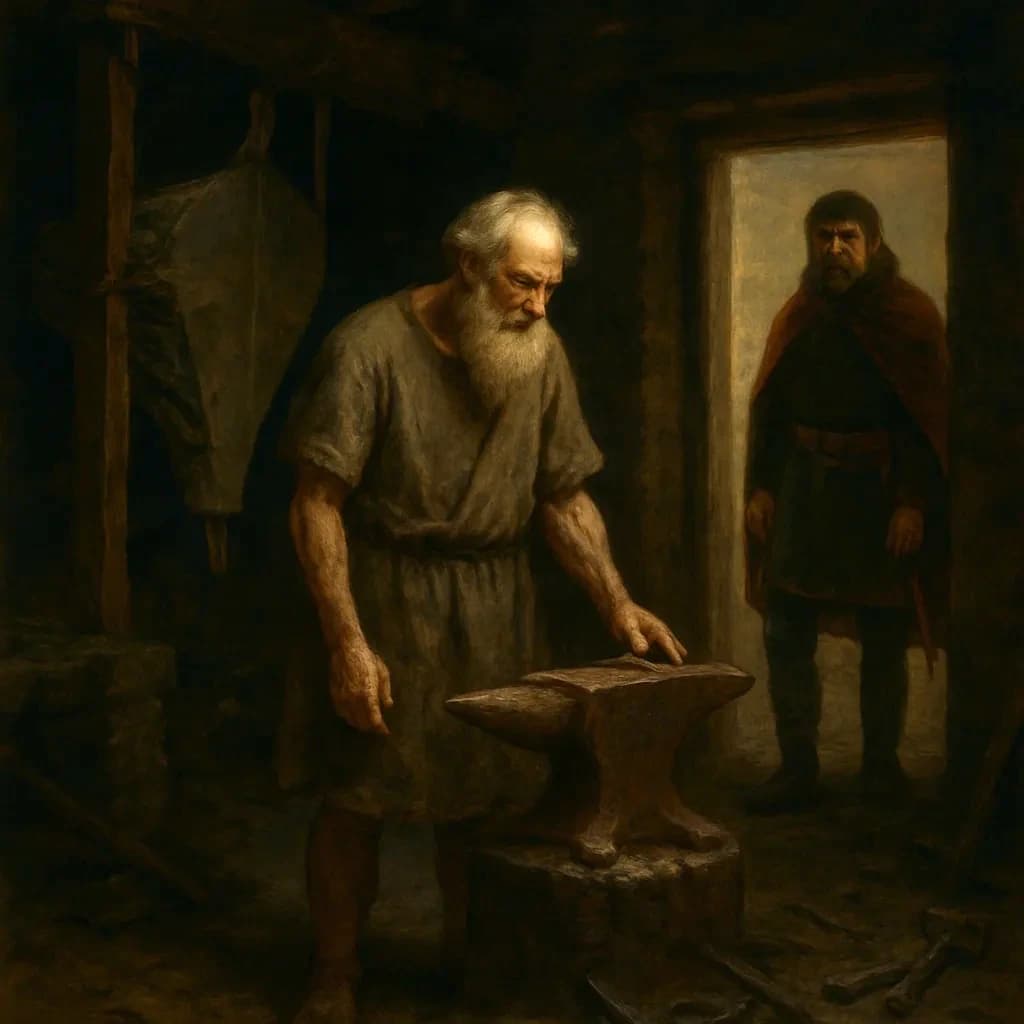
The Empire That Forgot How to Make Nails
When Cassiodorus finally found the man everyone said could fix anything, the forge had been cold for twenty years.
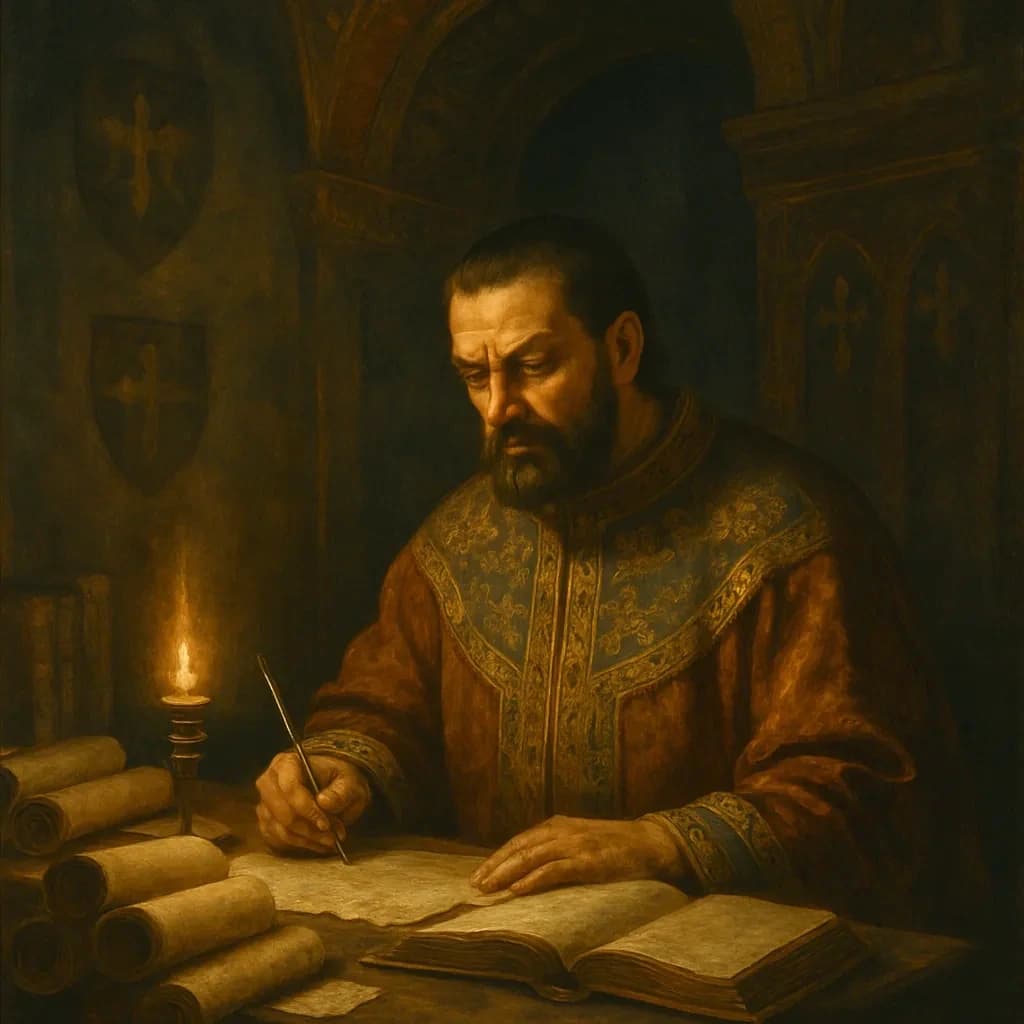
Rome Never Fell: An Accountant's Midnight Books in Ravenna
When Theodoric the Great died, his kingdom's most trusted accountant opened the royal ledgers and discovered something impossible: Rome had never actually fallen.
- James J. O'Donnell, Cassiodorus (1979)
- Mark Vessey, ed., A Companion to Cassiodorus (2013)
- S.J.B. Barnish, Cassiodorus: Variae (1992)