
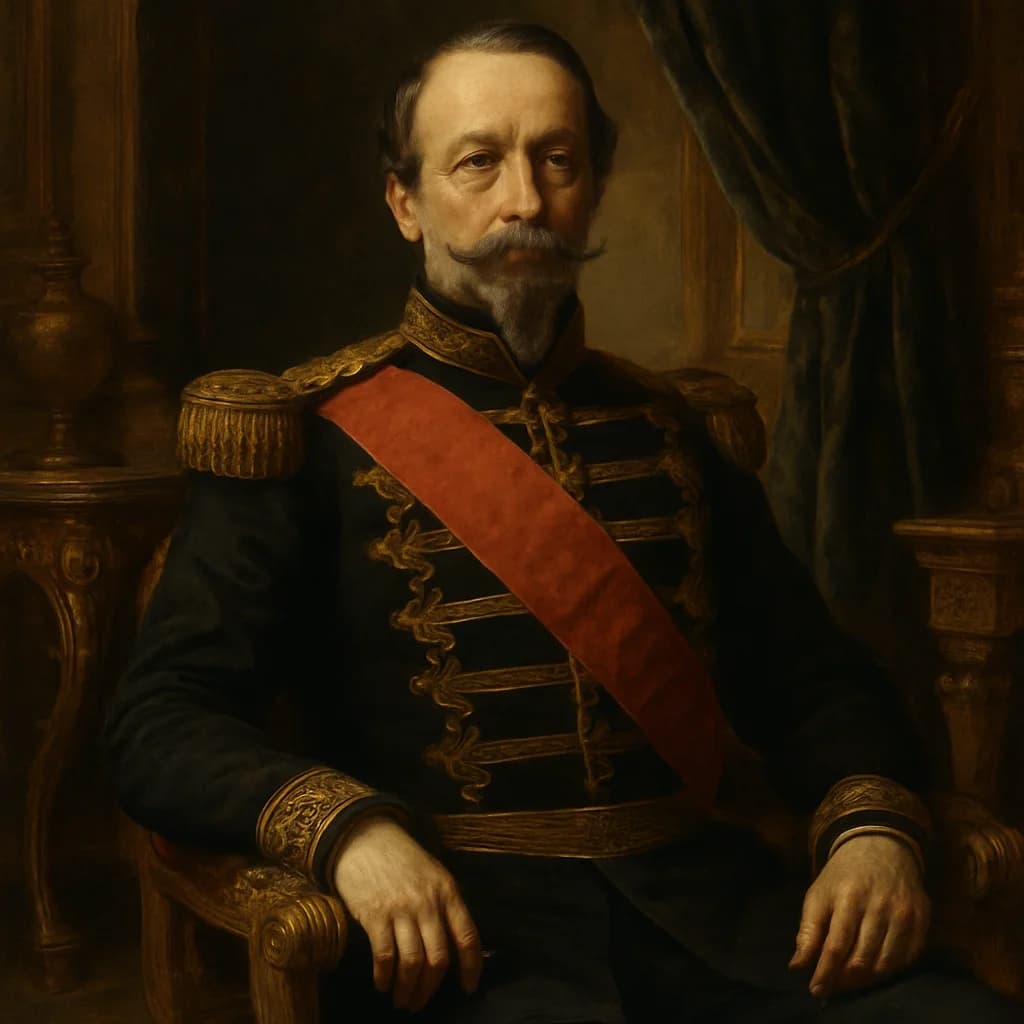
Napoleon III
The only man to be both elected and overthrown as Emperor of France spent his youth as a failed revolutionary who once tried to conquer Switzerland with sixty men.
Louis-Napoléon Bonaparte learned revolution the hard way, by failing at it spectacularly. In 1836, the nephew of Napoleon I attempted to seize power in Strasbourg with a handful of conspirators. The coup lasted about as long as a lunch break. Six years later, he tried again in Boulogne, this time bringing a tame eagle he planned to release dramatically during his proclamation. The eagle refused to fly, the locals laughed, and Bonaparte found himself in prison.
What transformed this comic opera revolutionary into Napoleon III was something his uncle never possessed: patience and democratic instinct. After escaping prison disguised as a workman (complete with a plank over his shoulder), he won the presidency of France in 1848 with six million votes. He understood what the first Napoleon never grasped: that power in the modern world required popular consent, not just military genius.
His reign as Emperor combined authoritarian control with genuine modernization. He rebuilt Paris into the city of boulevards we know today, not for beauty but for crowd control. Wide streets made barricades impossible. Yet he also gave France universal male suffrage, labor rights, and economic prosperity. The irony runs deeper: this man who seized power through a coup in 1851 spent his reign gradually liberalizing his own dictatorship.
The nephew's downfall came through the uncle's shadow. Desperate to prove his military credentials, Napoleon III stumbled into the Franco-Prussian War in 1870. Within weeks, the man who had modernized France became its prisoner, captured at Sedan with his entire army. His empire collapsed not in glorious defeat, but in bureaucratic humiliation, signed away in a railway carriage.
Napoleon III carried a small bag of sand from St. Helena everywhere he went, taken from his uncle's grave during a secret pilgrimage in 1840.
Why untold: His democratic innovations are overshadowed by his famous name and catastrophic military defeat.
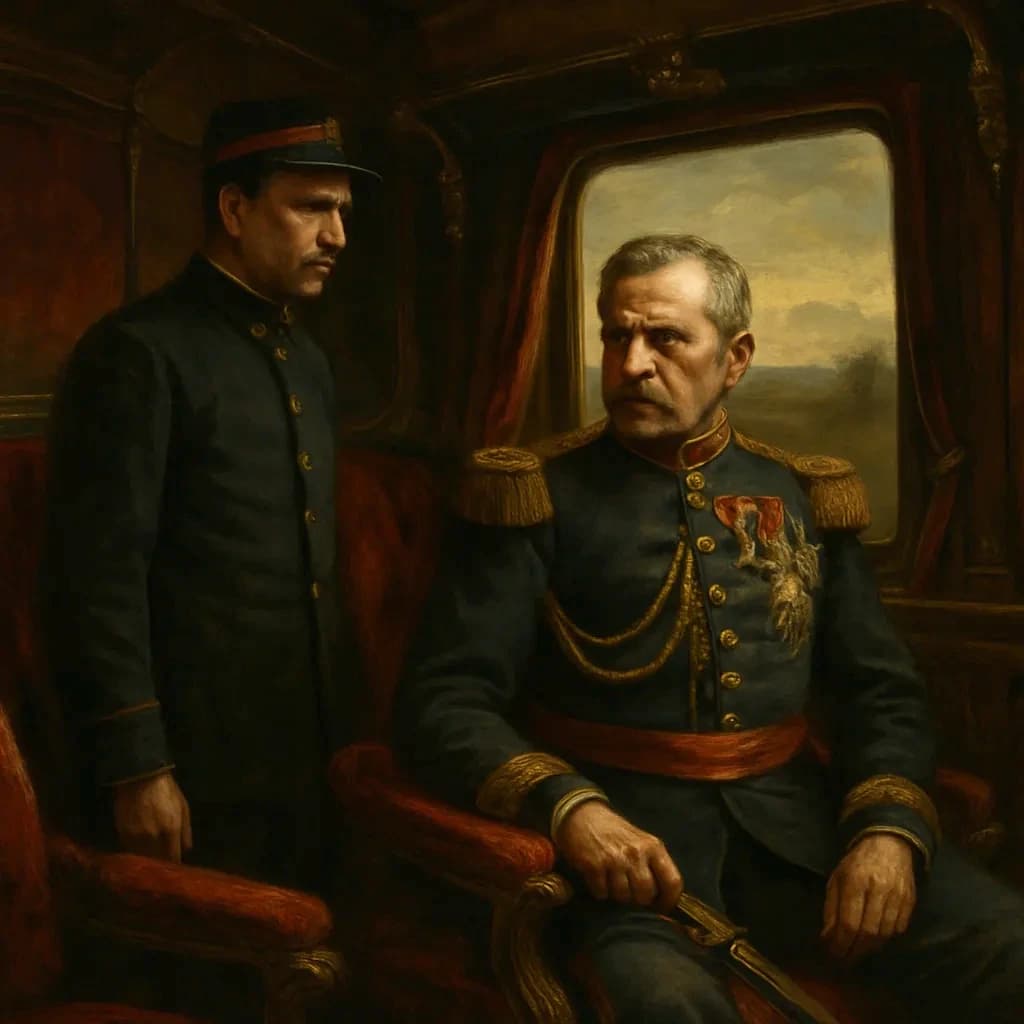
Four Bottles of Water and the Collapse of France
A train conductor's refusal to provide drinking water triggered a chain of events that toppled Napoleon III and reshaped Europe.
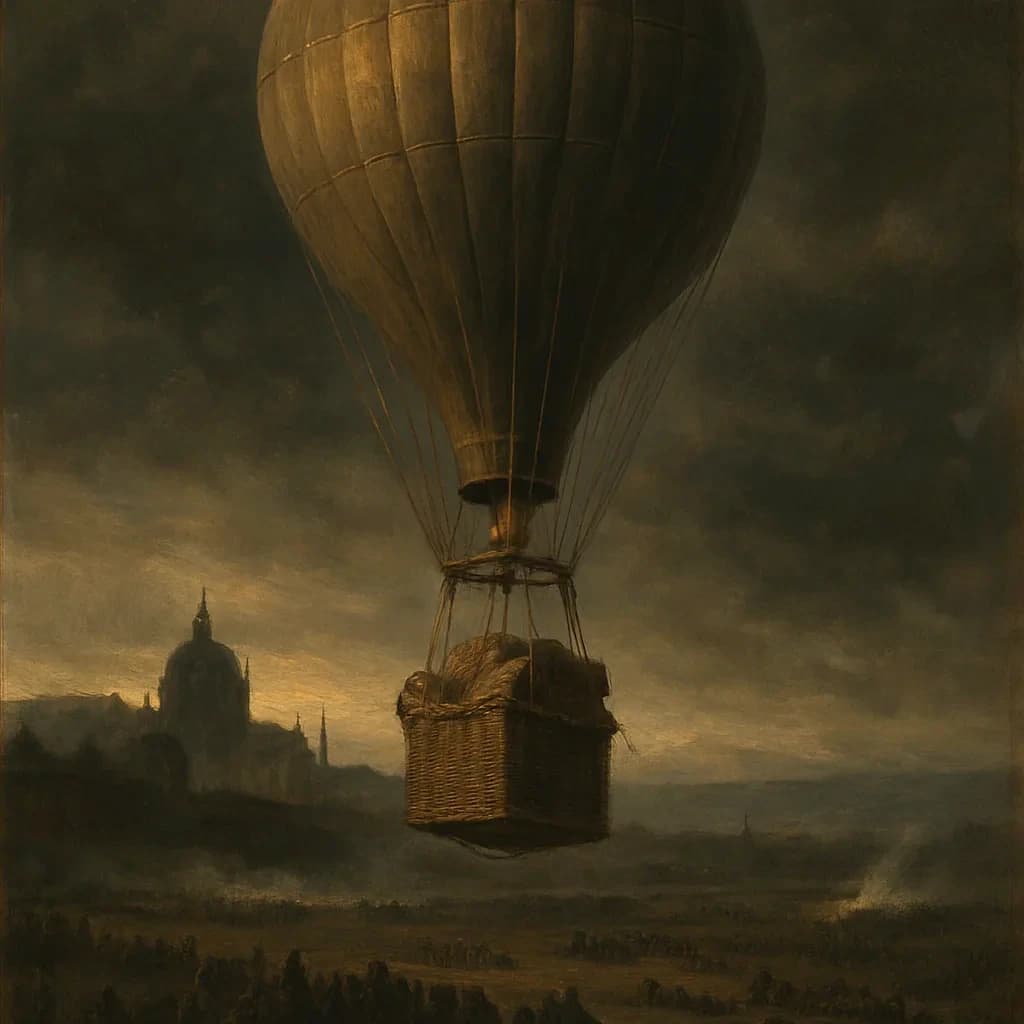
Seventy-Three Hours: How a Misread Letter Ended Papal Rome
A Parisian balloon rose in 1870 carrying a secret that would make Rome tremble, but only for three days.
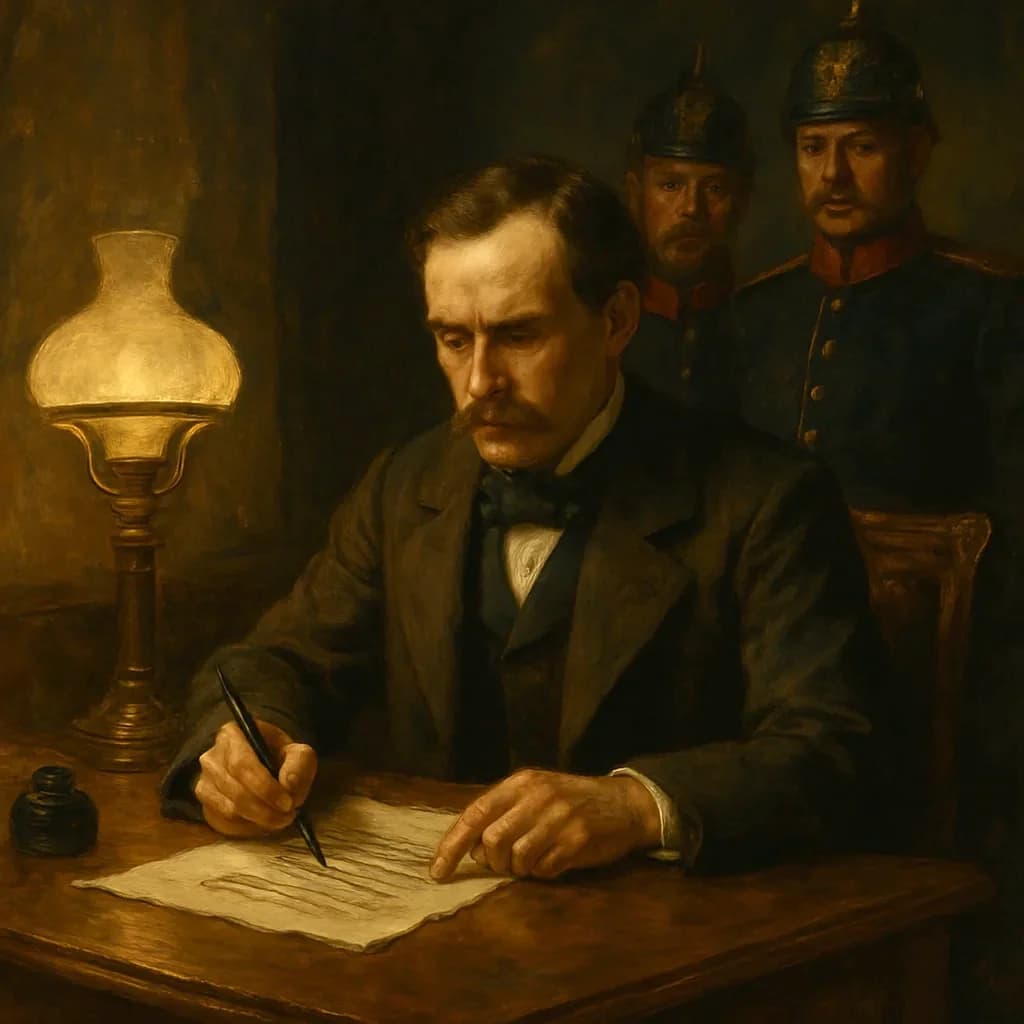
How Bismarck Edited a Telegram Into a War
A single edited word in a diplomatic telegram turned a polite 1870 conversation into the war that created modern Germany.
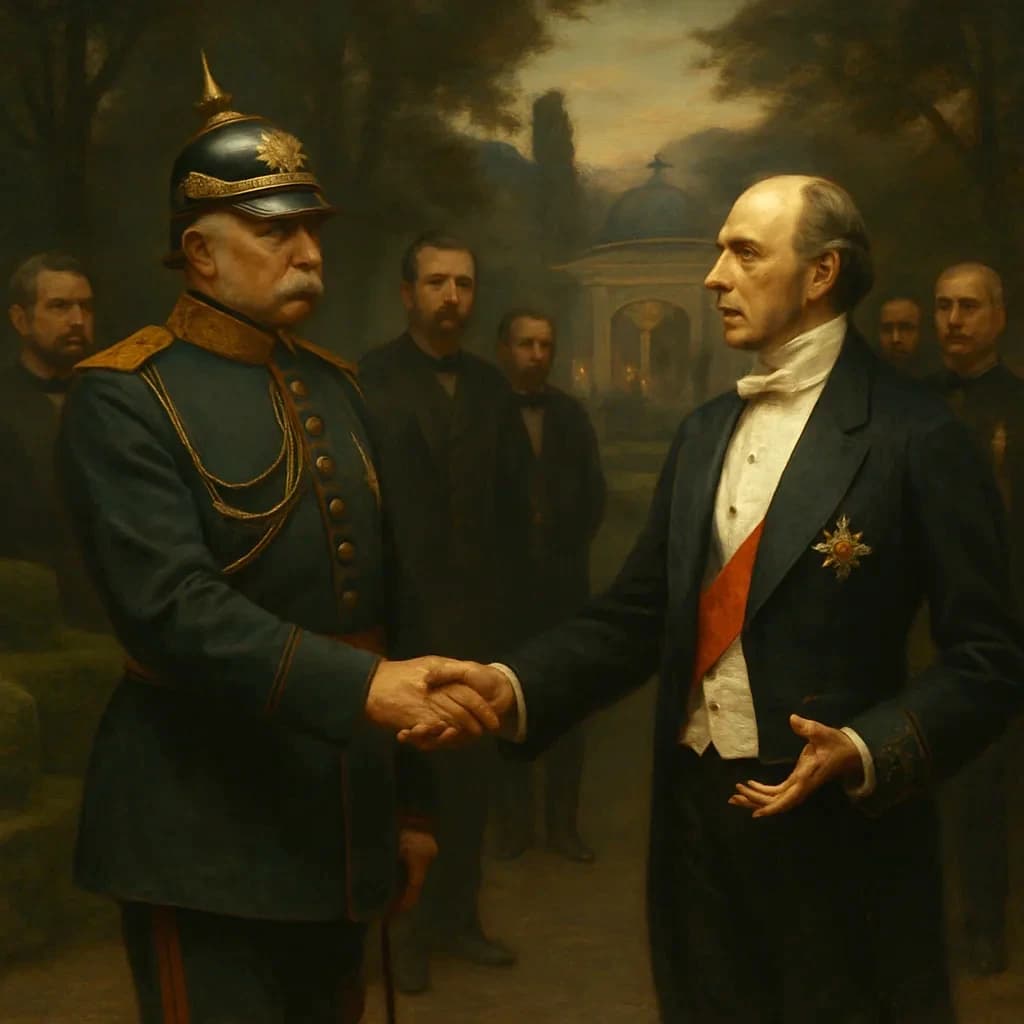
Seven Seconds of Hesitation Decided Whether Germany Would Exist
A French diplomat's hesitation during a single handshake would determine whether Germany existed at all.
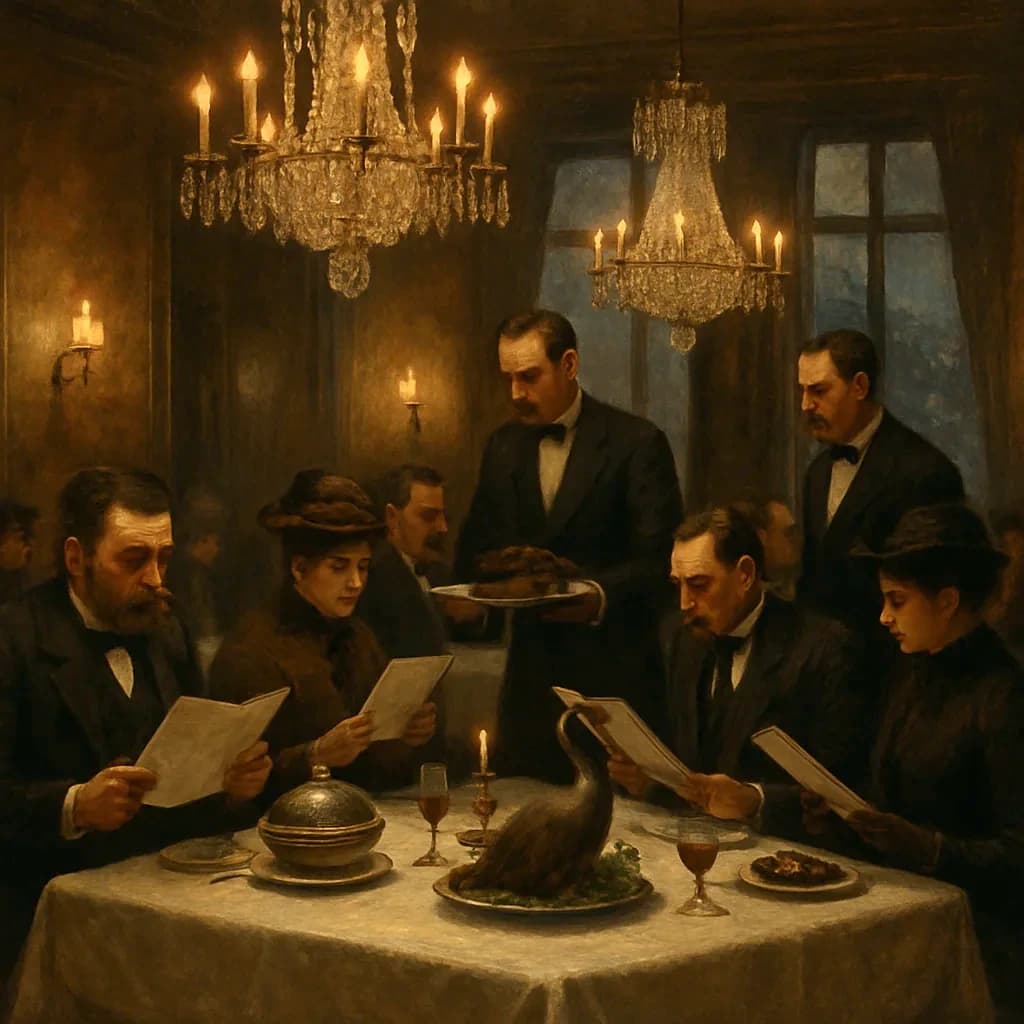
When Paris Ate Everything but Food
The siege that turned menus into a catalog of local wildlife, including the zoo's beloved elephants.
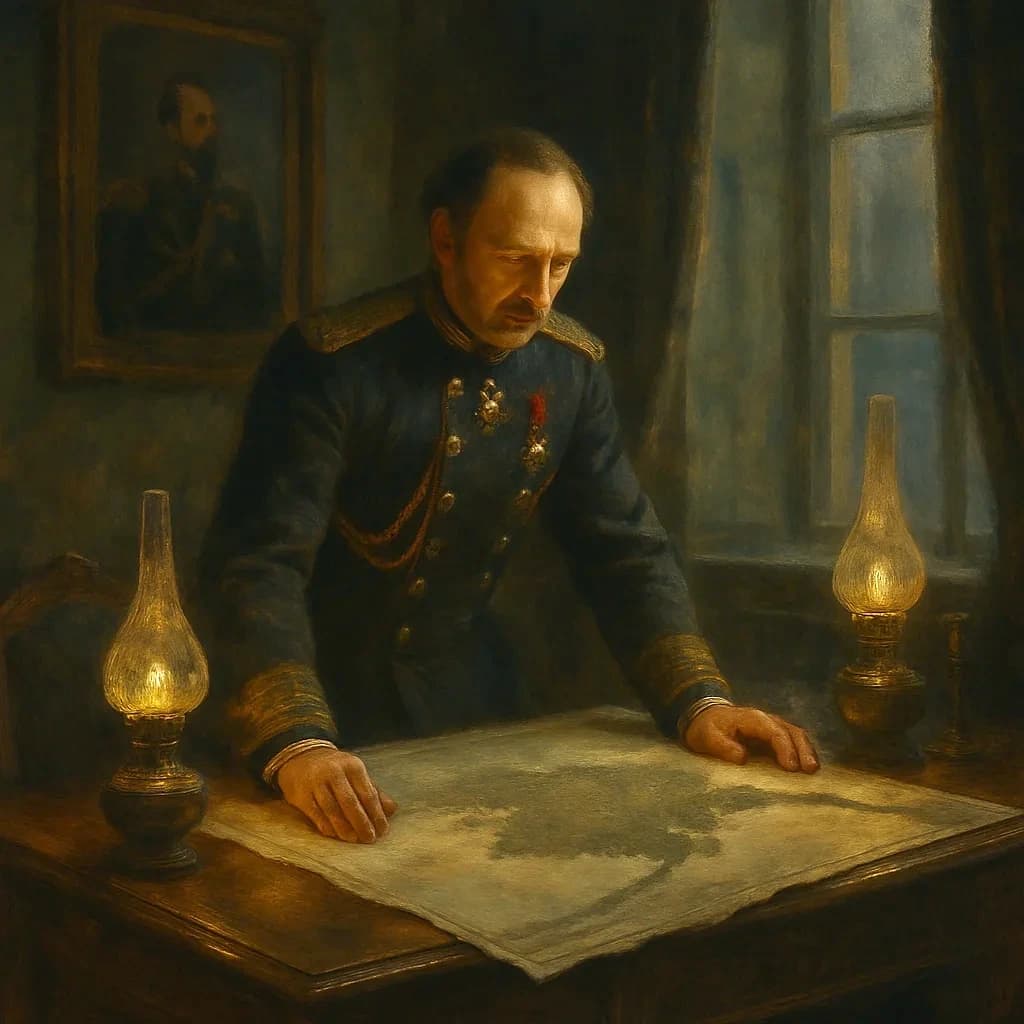
Russia Offered Alaska to Liechtenstein First
The Russian Empire was so desperate to unload Alaska that they first offered it to Liechtenstein.
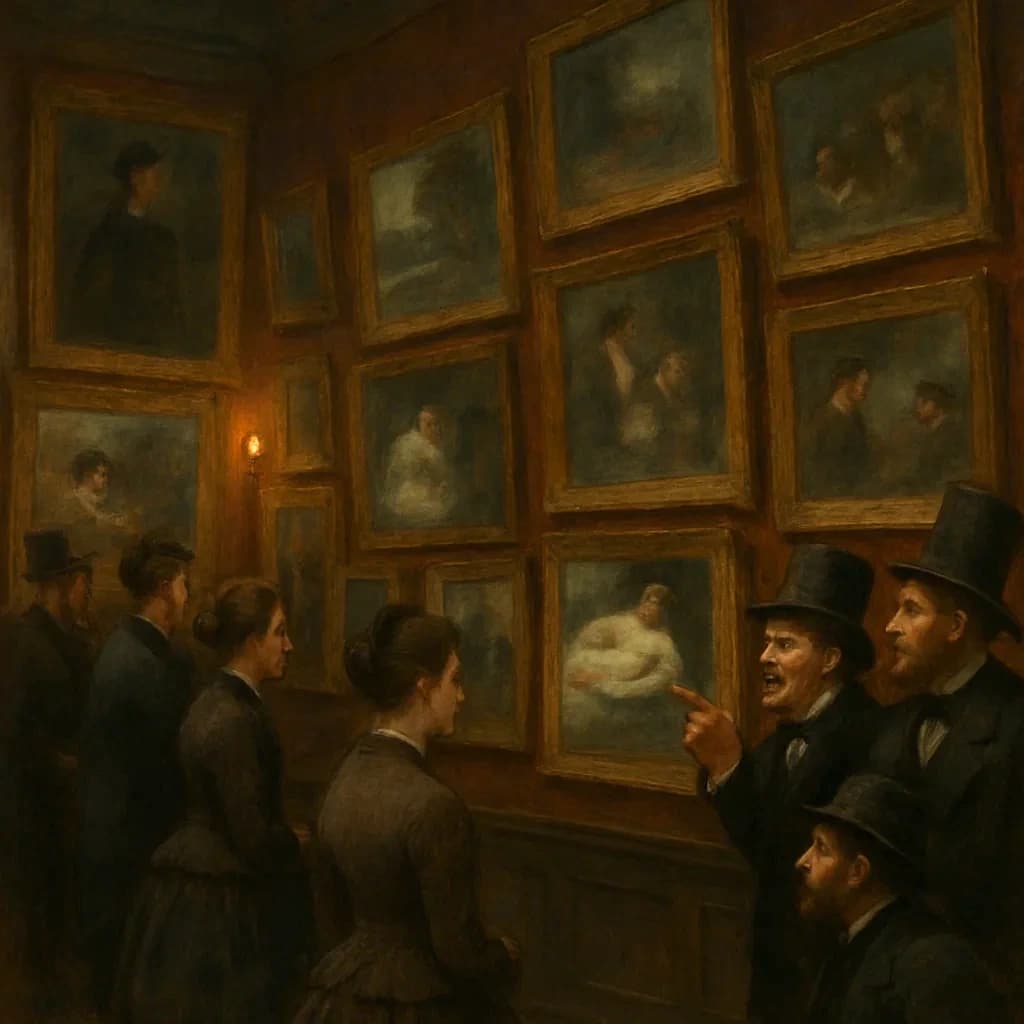
Paris Rejected These Paintings. Now They're Priceless.
Paris rejected paintings in 1863 that would become the most valuable artworks in history.
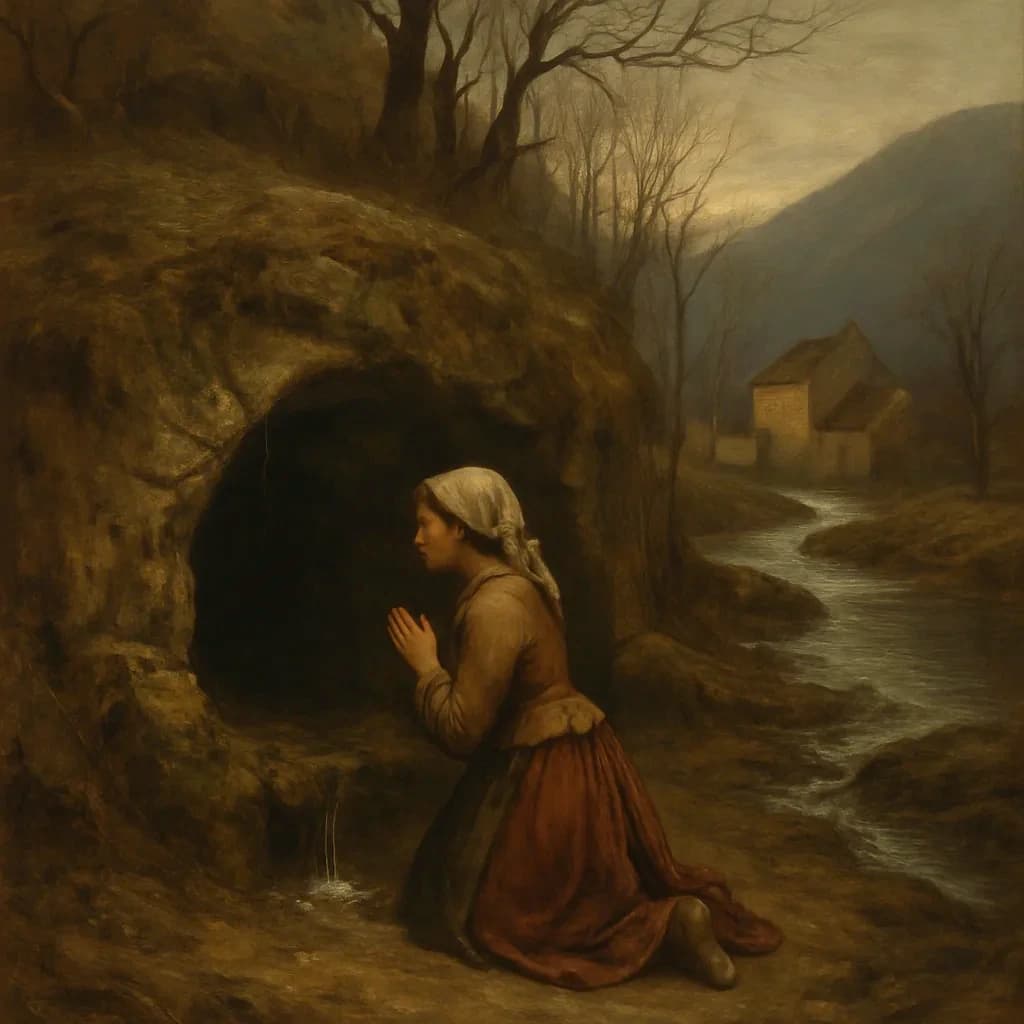
A Phrase No Peasant Girl Should Have Known
A teenage girl's supernatural visions convinced the Catholic Church to add an entirely new doctrine, but the real miracle was how she survived the investigation.
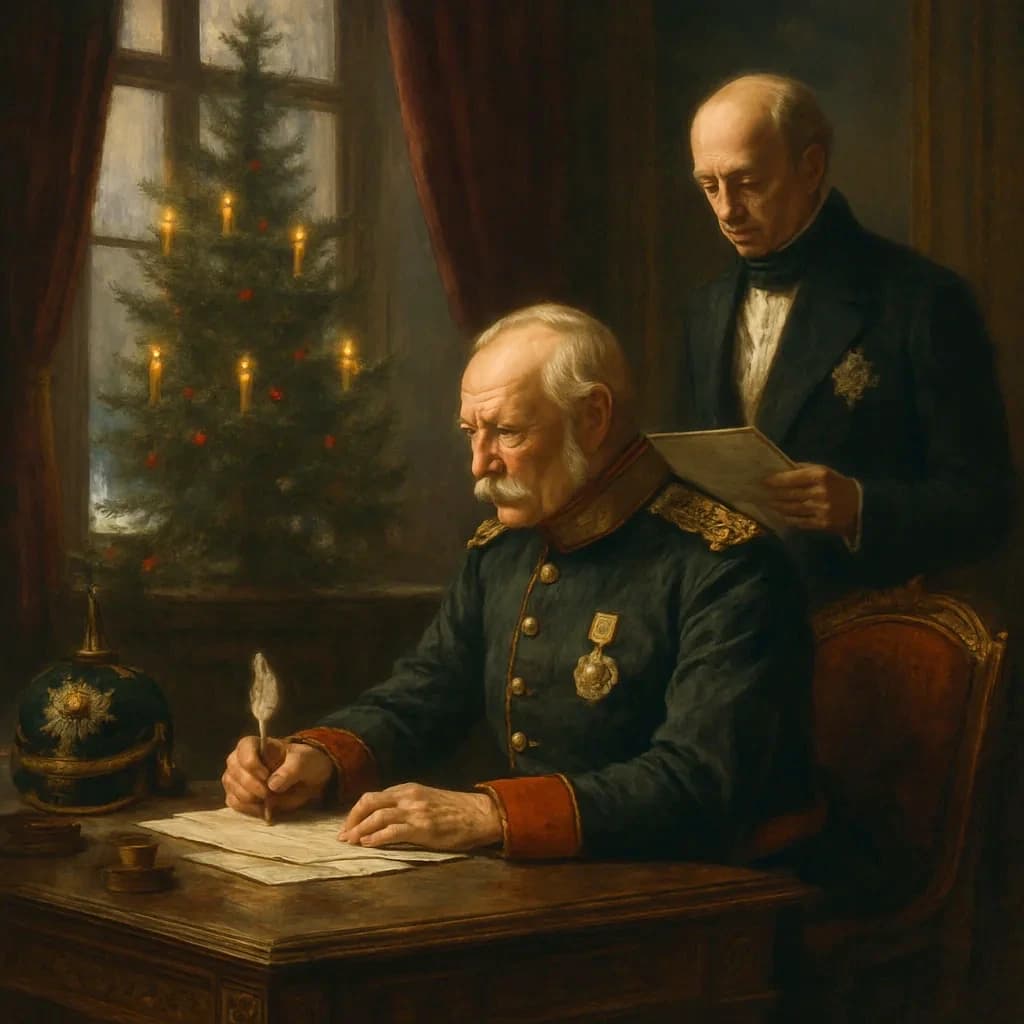
The Christmas Letter That Started a War
In 1870, a diplomat's Christmas greeting sparked the Franco-Prussian War and changed the map of Europe forever.
- Fenton Bresler, Napoleon III: A Life (1999)
- Roger Price, The French Second Empire: An Anatomy of Political Power (2001)
- Jasper Ridley, Napoleon III and Eugénie (1979)