
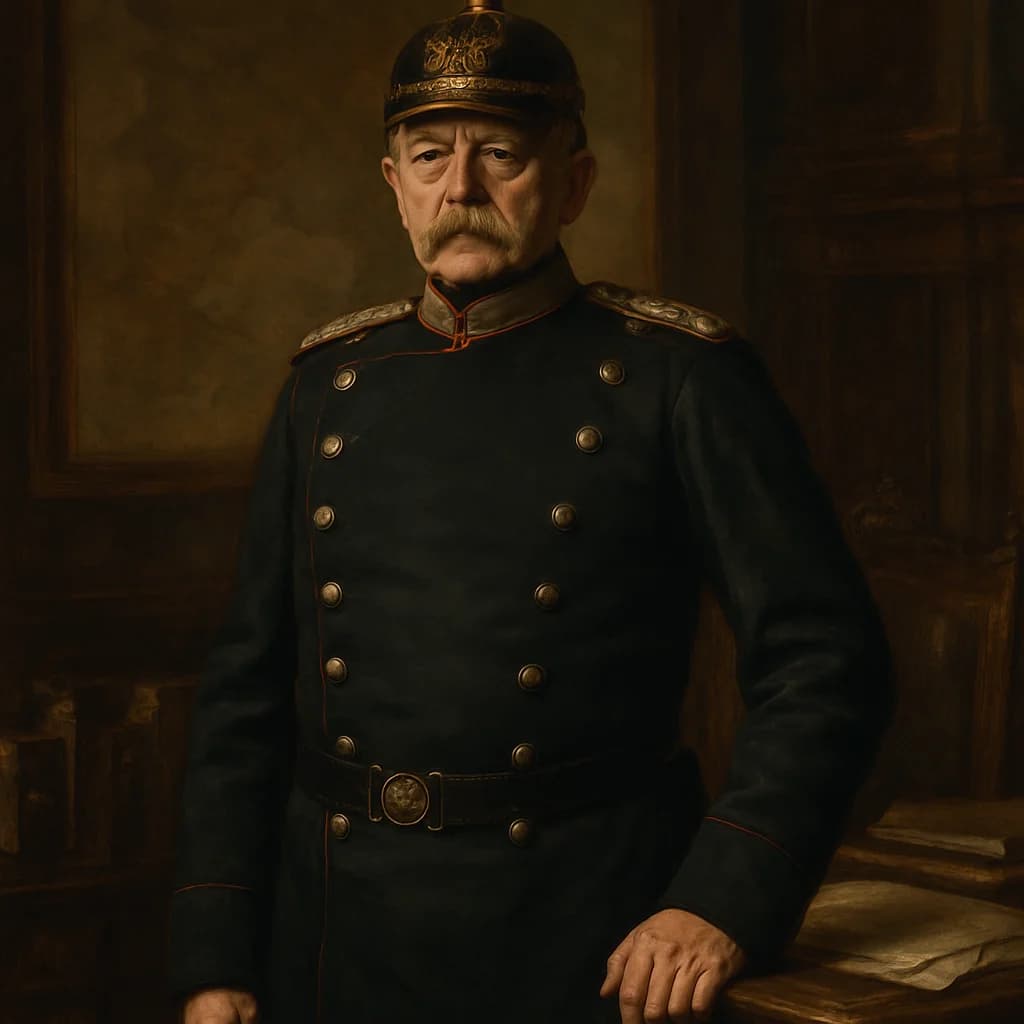
Otto von Bismarck
The man who created modern Germany was a hypochondriac who lived on a diet of herring, beer, and morphine, convinced he was dying for forty years.
Otto von Bismarck spent most of his adult life believing he was on death's door. He consulted dozens of doctors, consumed morphine daily for phantom ailments, and maintained detailed charts of his imaginary symptoms. Yet this walking medical catastrophe somehow found the energy to orchestrate three wars, manipulate half a dozen monarchs, and forge a nation from thin air.
His secret weapon wasn't military genius or diplomatic brilliance. It was an almost supernatural ability to make other people destroy themselves. When he wanted to provoke France into war in 1870, he didn't march troops to the border. He edited a telegram. Thirteen words removed from a polite diplomatic exchange, and suddenly Napoleon III was mobilizing his army, convinced his honor had been insulted. Bismarck had turned the French emperor into his own worst enemy.
The same pattern repeated everywhere. He convinced Austria to attack Denmark, then turned around and destroyed Austria for it. He made Napoleon III believe he could win a war against Prussia, then crushed France so thoroughly that the French government collapsed. Each time, his victims walked willingly into traps they helped design. Bismarck called it 'politics,' but it was closer to psychological warfare.
When Kaiser Wilhelm II finally fired him in 1890, Bismarck retreated to his estate and spent his final years writing memoirs that were masterpieces of selective memory. The man who had built Germany on a foundation of calculated deception now presented himself as a simple servant of destiny. Even in retirement, he couldn't resist one last manipulation (this time, of history itself).
Bismarck kept a pet monkey named Satan in his government office and often fed it during diplomatic meetings, claiming it helped him judge character based on how visitors reacted to the animal.
Why untold: His image as the stoic 'Iron Chancellor' obscures the neurotic, manipulative hypochondriac who engineered modern Europe through psychological manipulation rather than straightforward diplomacy.
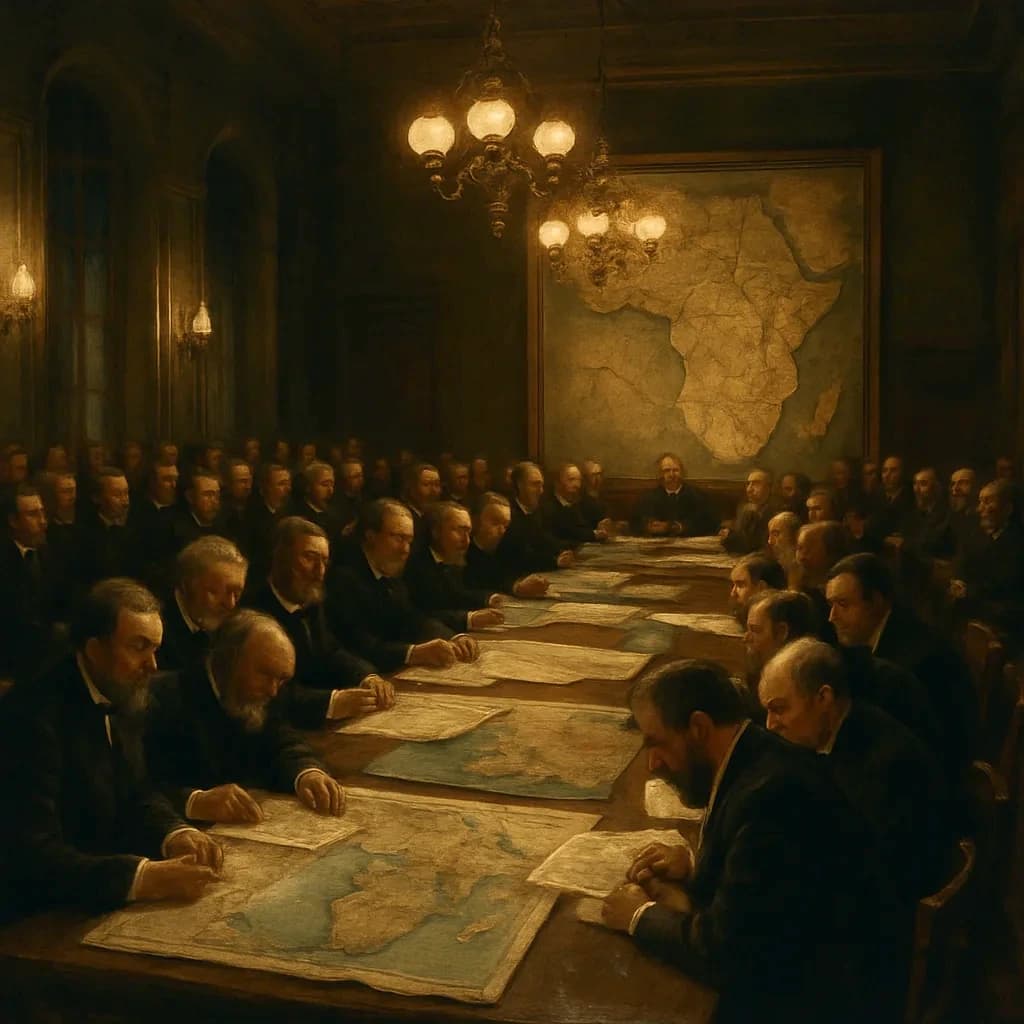
The Stammered Sentence That May Have Drawn Rwanda's Border
A nervous official who couldn't speak clearly at a crucial meeting may have drawn the border that ignited the Rwandan genocide.
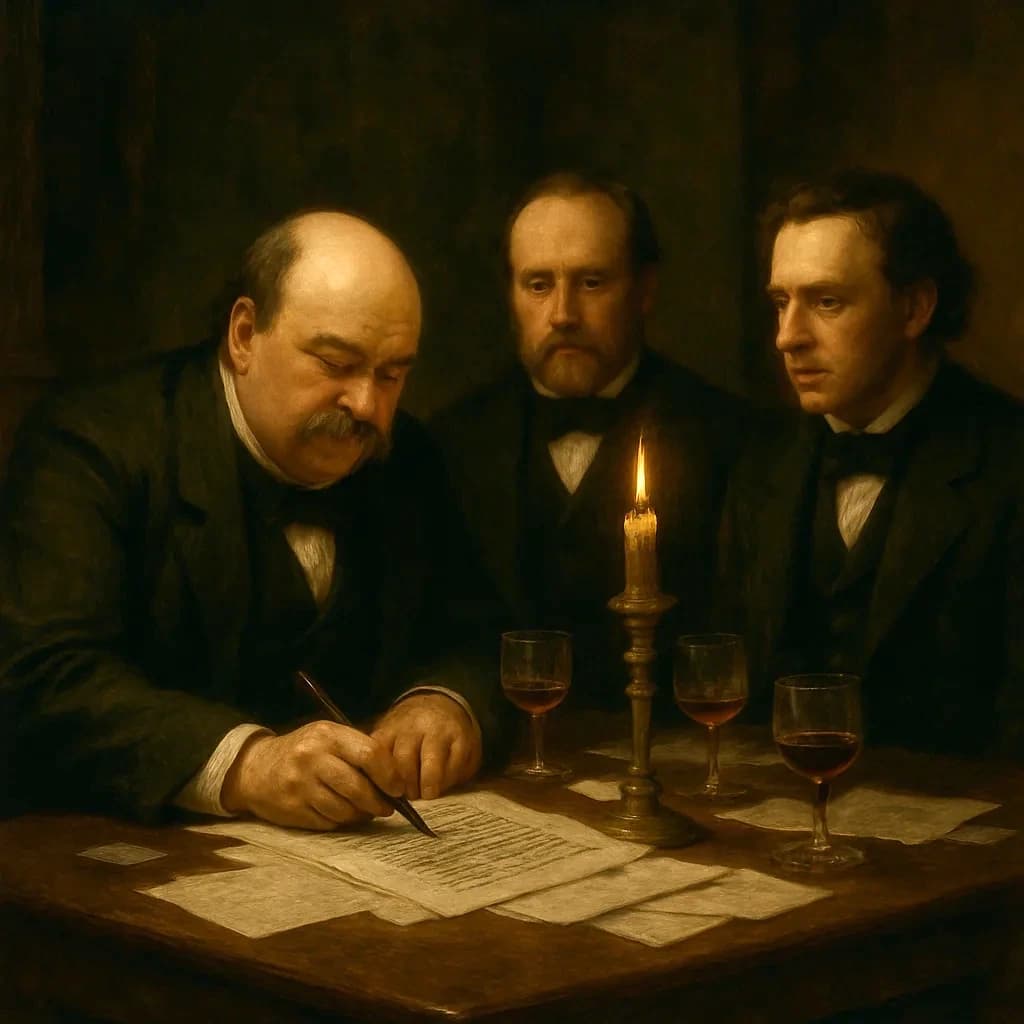
Bismarck Edited a Telegram into a War
A single edited telegram (not a battle, not a treaty) started one of Europe's most consequential wars in 1870.
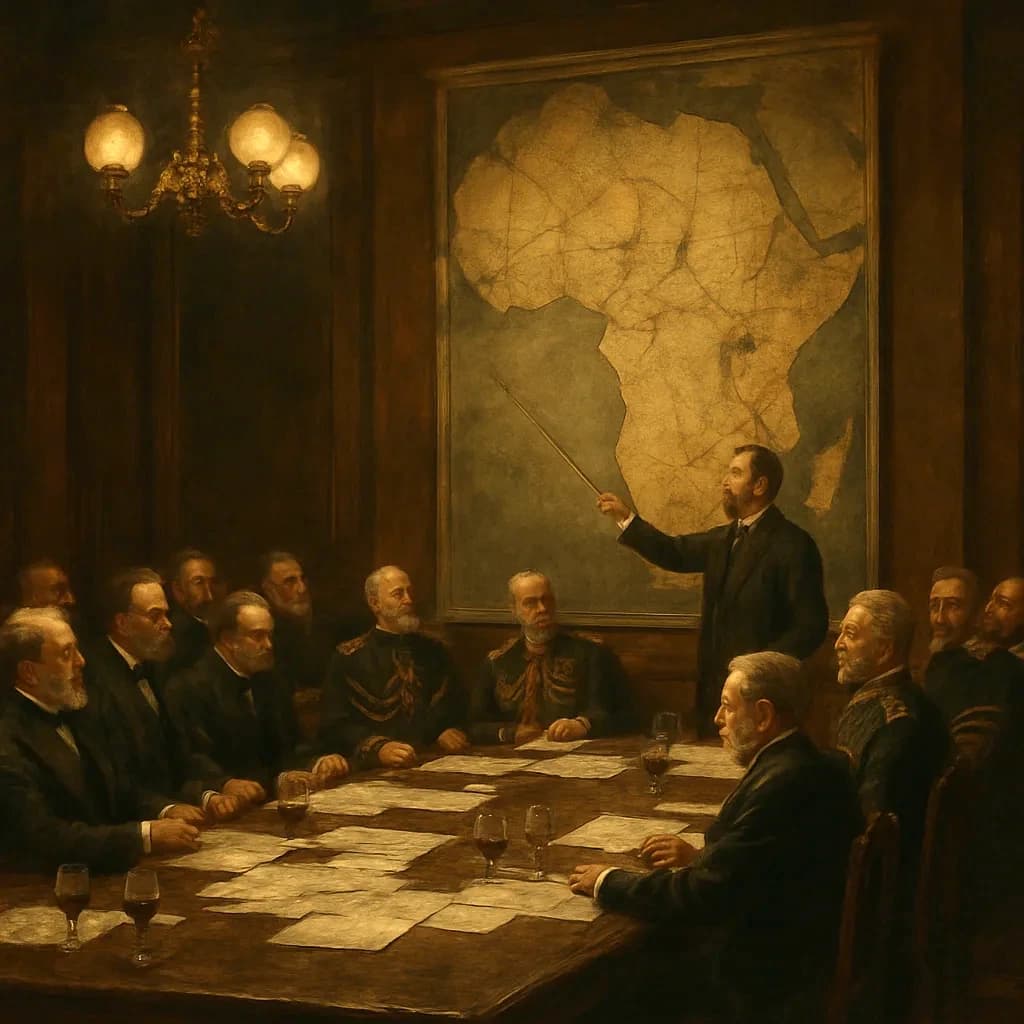
Carving Up Africa at a Berlin Dinner Party
Fourteen men carved up Africa over one winter, and not one of them had ever set foot there.
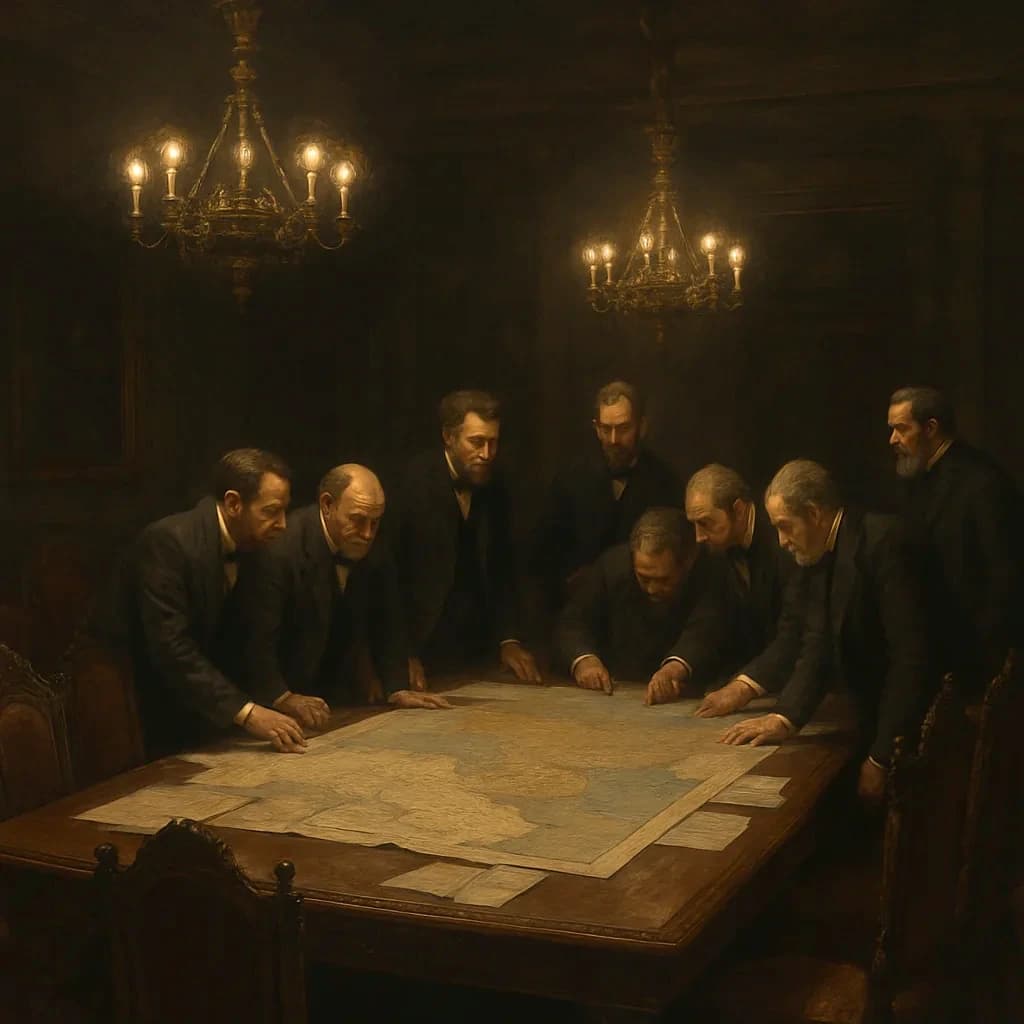
One Empty Chair Reshaped the Balkans
A Russian diplomat's strategic absence at the 1878 peace conference redrew the map of Europe, and created the blueprint for World War I.
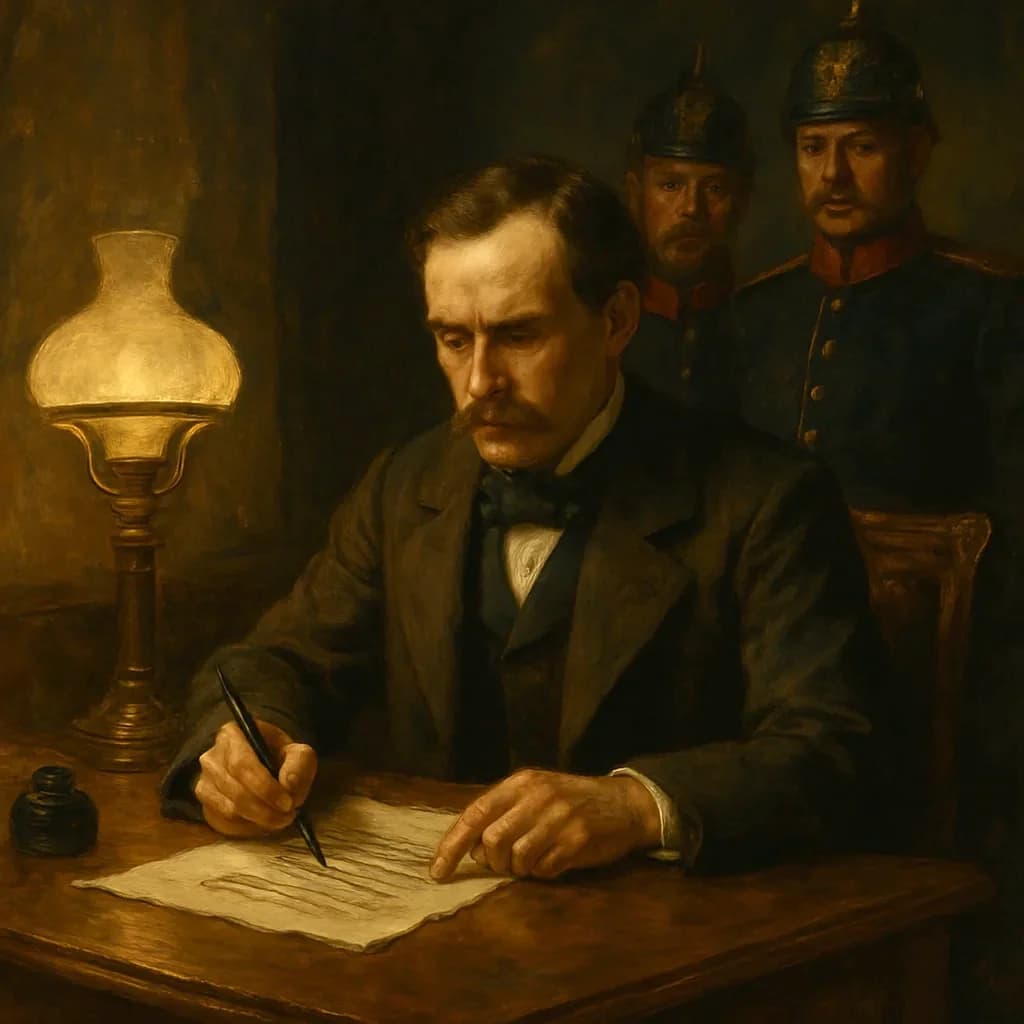
How Bismarck Edited a Telegram Into a War
A single edited word in a diplomatic telegram turned a polite 1870 conversation into the war that created modern Germany.
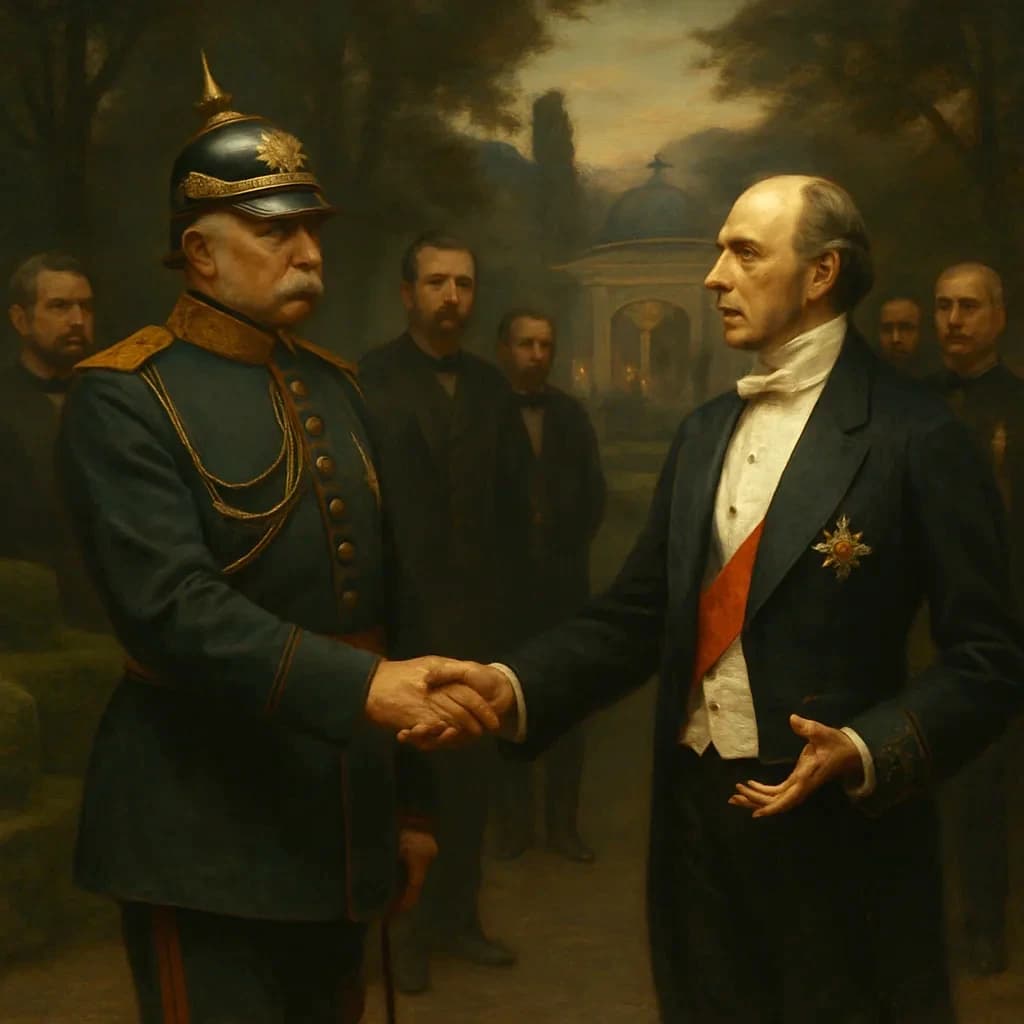
Seven Seconds of Hesitation Decided Whether Germany Would Exist
A French diplomat's hesitation during a single handshake would determine whether Germany existed at all.
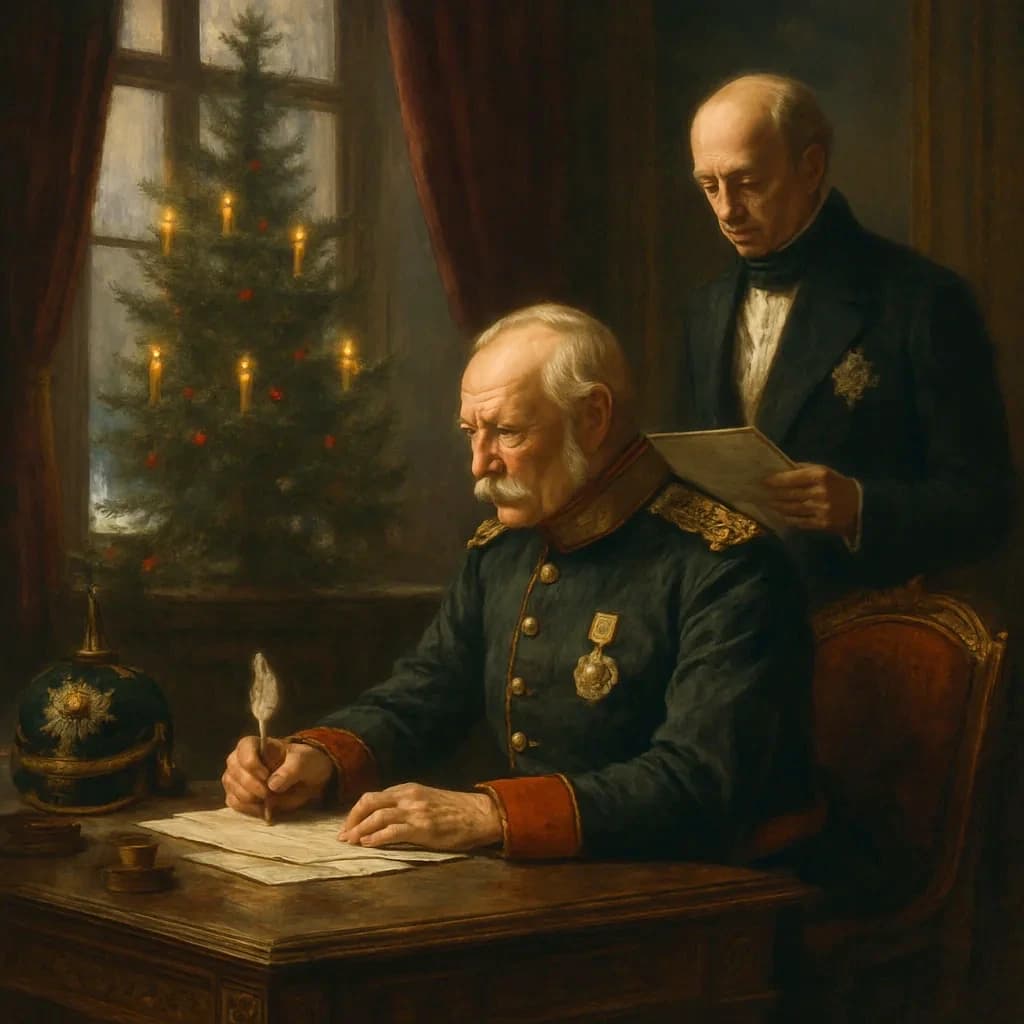
The Christmas Letter That Started a War
In 1870, a diplomat's Christmas greeting sparked the Franco-Prussian War and changed the map of Europe forever.
- Steinberg, Jonathan. 'Bismarck: A Life.' Oxford University Press, 2011.
- Pflanze, Otto. 'Bismarck and the Development of Germany.' Princeton University Press, 1990.
- Wawro, Geoffrey. 'The Franco-Prussian War: The German Conquest of France in 1870-1871.' Cambridge University Press, 2003.