
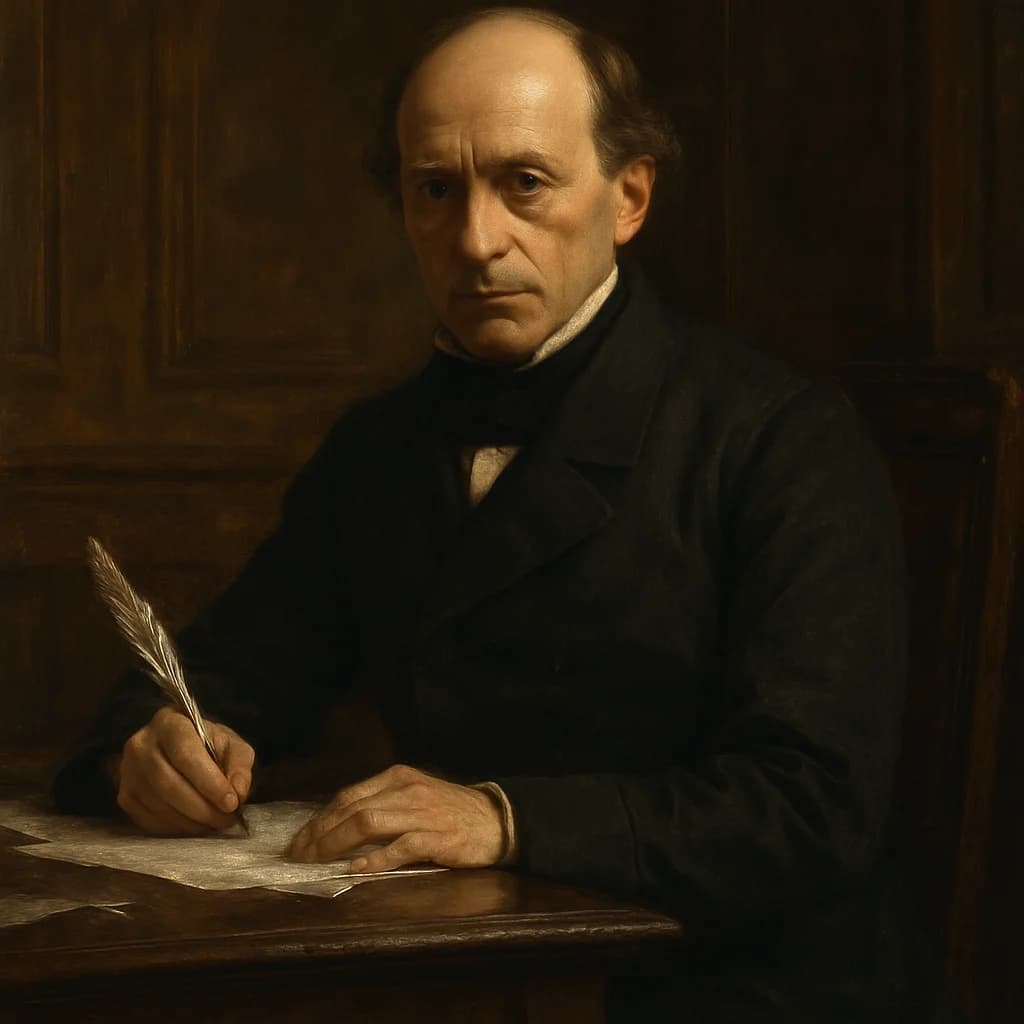
Heinrich Abeken
The most powerful diplomat in 19th century Europe spent his career writing other people's words.
Heinrich Abeken lived in the shadows by design. While Bismarck thundered across European stages and Kaiser Wilhelm posed for portraits, Abeken sat at his desk crafting the sentences that would reshape the continent. He was Prussia's chief diplomatic secretary, the man who turned crude political calculations into elegant prose that kings could sign without shame.
Born into a family of Protestant theologians in 1809, Abeken seemed destined for the pulpit. Instead, he discovered his gift for languages (Latin, Greek, French, English) and more importantly, for reading between the lines of what powerful men actually meant to say. By 1848, he had become the Prussian Foreign Ministry's indispensable translator of ambition into diplomacy. When Bismarck needed to threaten Austria without appearing to threaten Austria, Abeken found the words. When Wilhelm wanted to refuse Napoleon III without starting a war, Abeken crafted the refusal.
But Abeken's masterpiece came in July 1870, when he edited thirteen words from the Ems Dispatch, Bismarck's telegram describing the Kaiser's meeting with the French ambassador. Those thirteen words, carefully removed, transformed a polite diplomatic exchange into an insult so sharp it drove France to declare war within days. The Franco-Prussian War that followed would create the German Empire and establish the balance of power that defined Europe until 1914.
Abeken understood what few diplomats grasped: that wars begin not with grand strategies but with the wrong comma in the wrong sentence. He died in 1872, two years after his editing helped birth modern Germany, still unknown to the public whose fate he had shaped with a pen.
Abeken was originally trained as a theologian and wrote several scholarly works on early Christian history before becoming Prussia's chief diplomatic wordsmith.
Why untold: Diplomatic secretaries deliberately remained anonymous, and Abeken's crucial role in editing the Ems Dispatch was overshadowed by Bismarck's political genius.
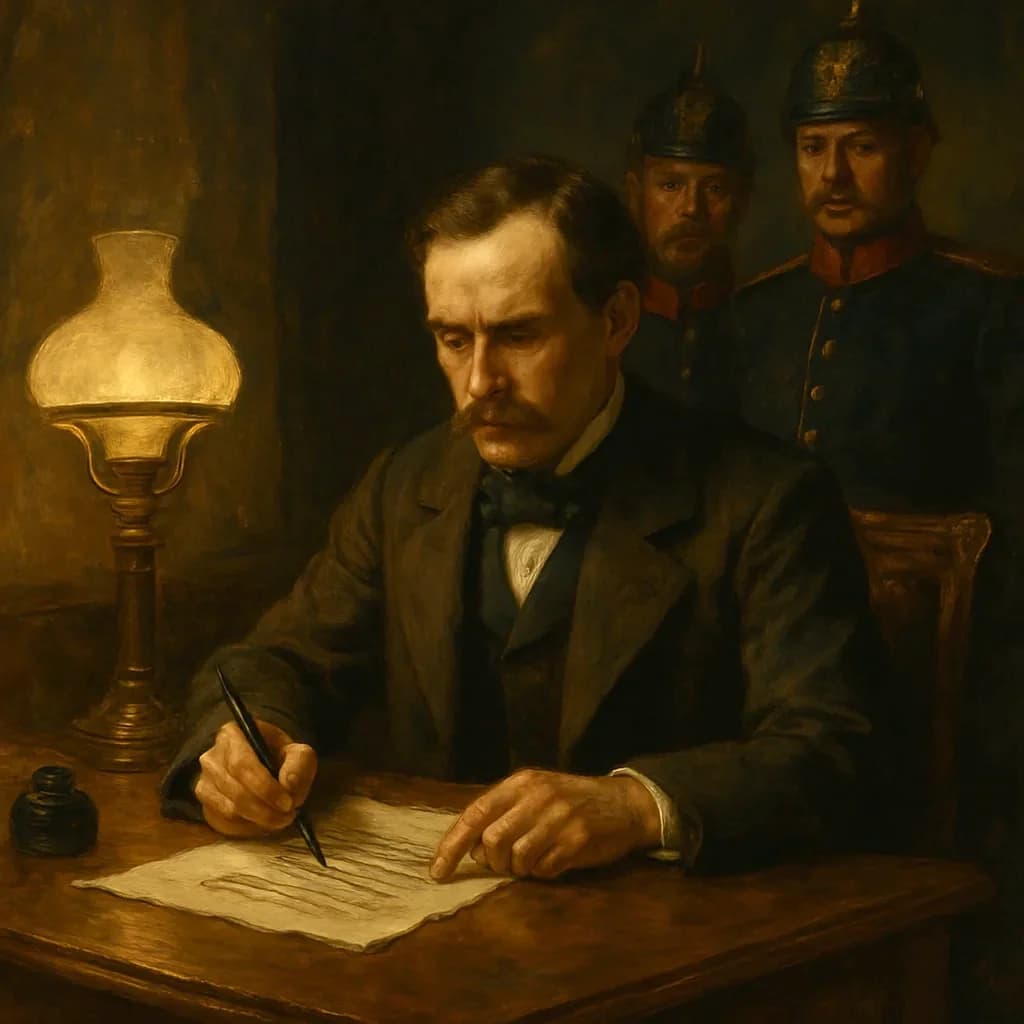
How Bismarck Edited a Telegram Into a War
A single edited word in a diplomatic telegram turned a polite 1870 conversation into the war that created modern Germany.
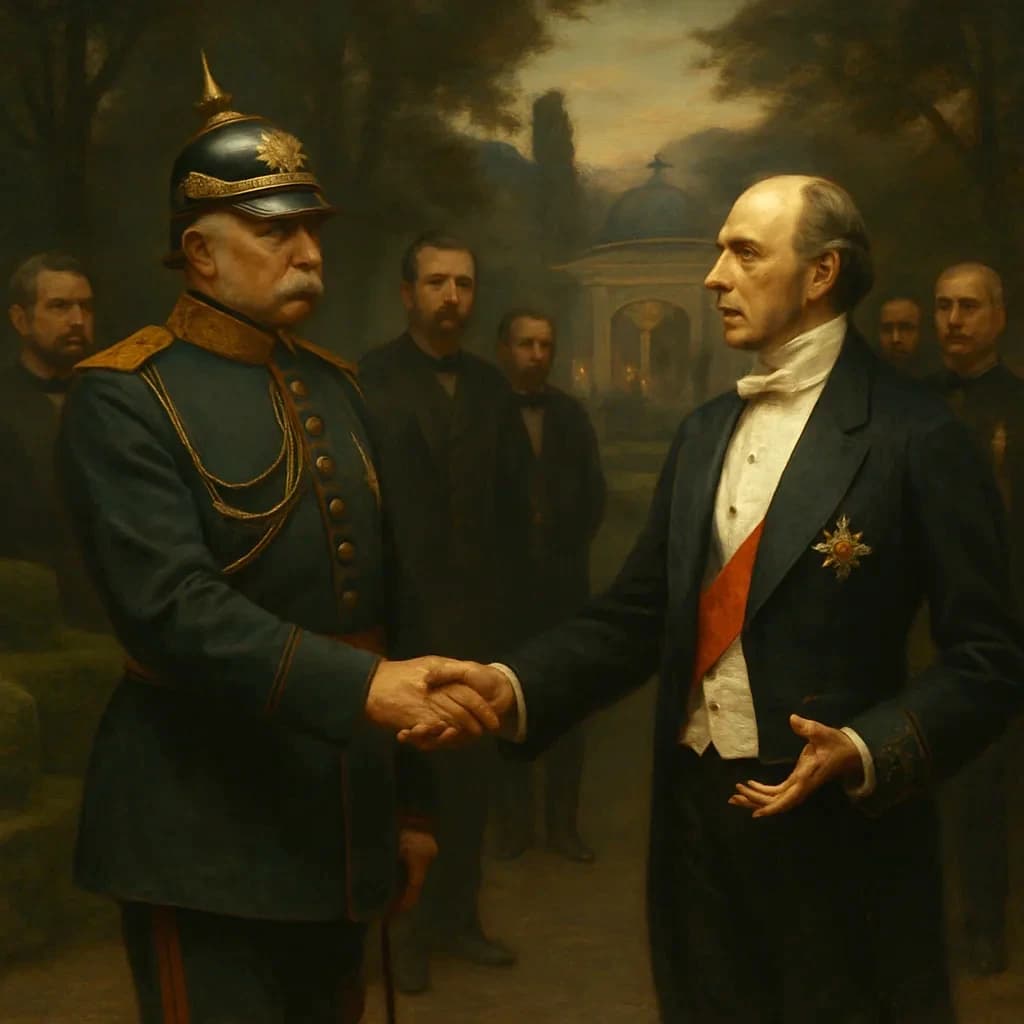
Seven Seconds of Hesitation Decided Whether Germany Would Exist
A French diplomat's hesitation during a single handshake would determine whether Germany existed at all.
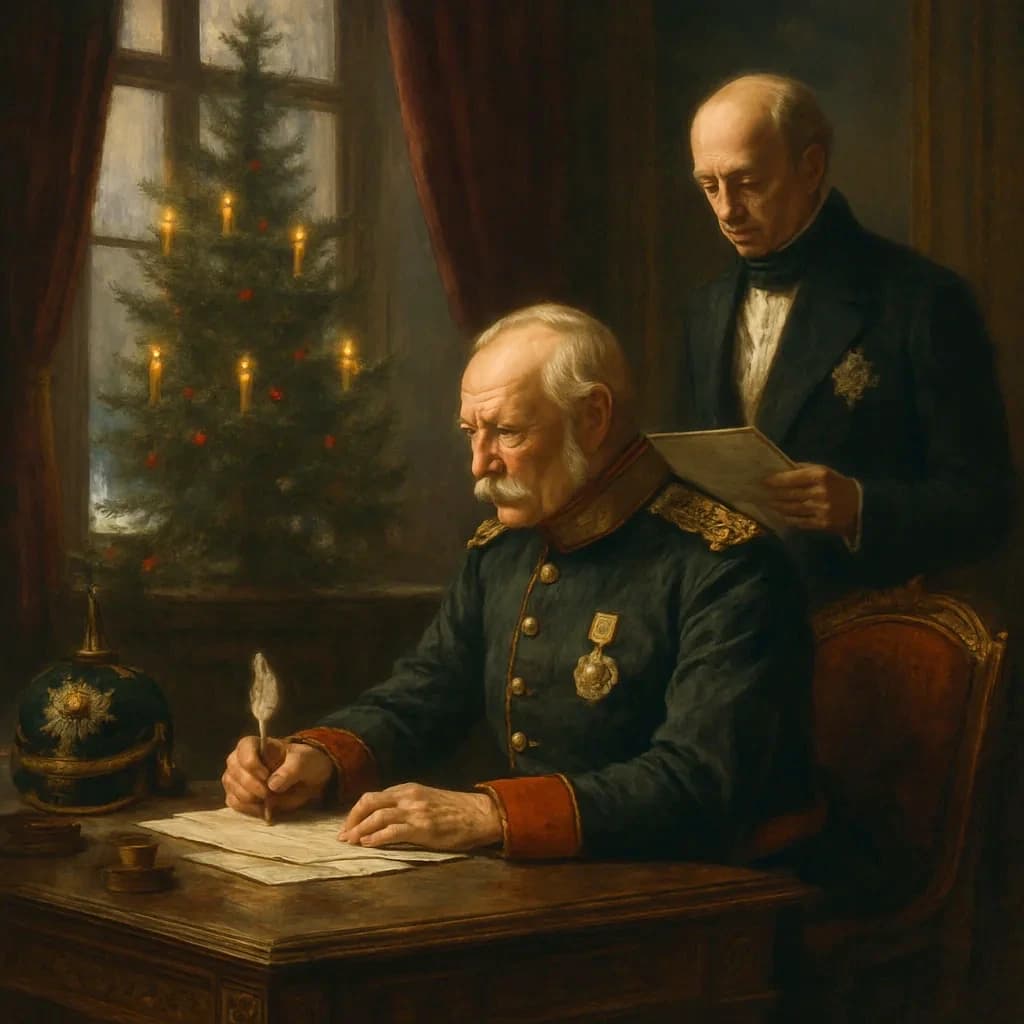
The Christmas Letter That Started a War
In 1870, a diplomat's Christmas greeting sparked the Franco-Prussian War and changed the map of Europe forever.
- Otto Pflanze, 'Bismarck and the Development of Germany' (Princeton University Press, 1990)
- David Wetzel, 'A Duel of Giants: Bismarck, Napoleon III, and the Origins of the Franco-Prussian War' (University of Wisconsin Press, 2001)
- Heinrich Abeken, 'Ein schlichtes Leben in bewegter Zeit' (Berlin, 1898)