
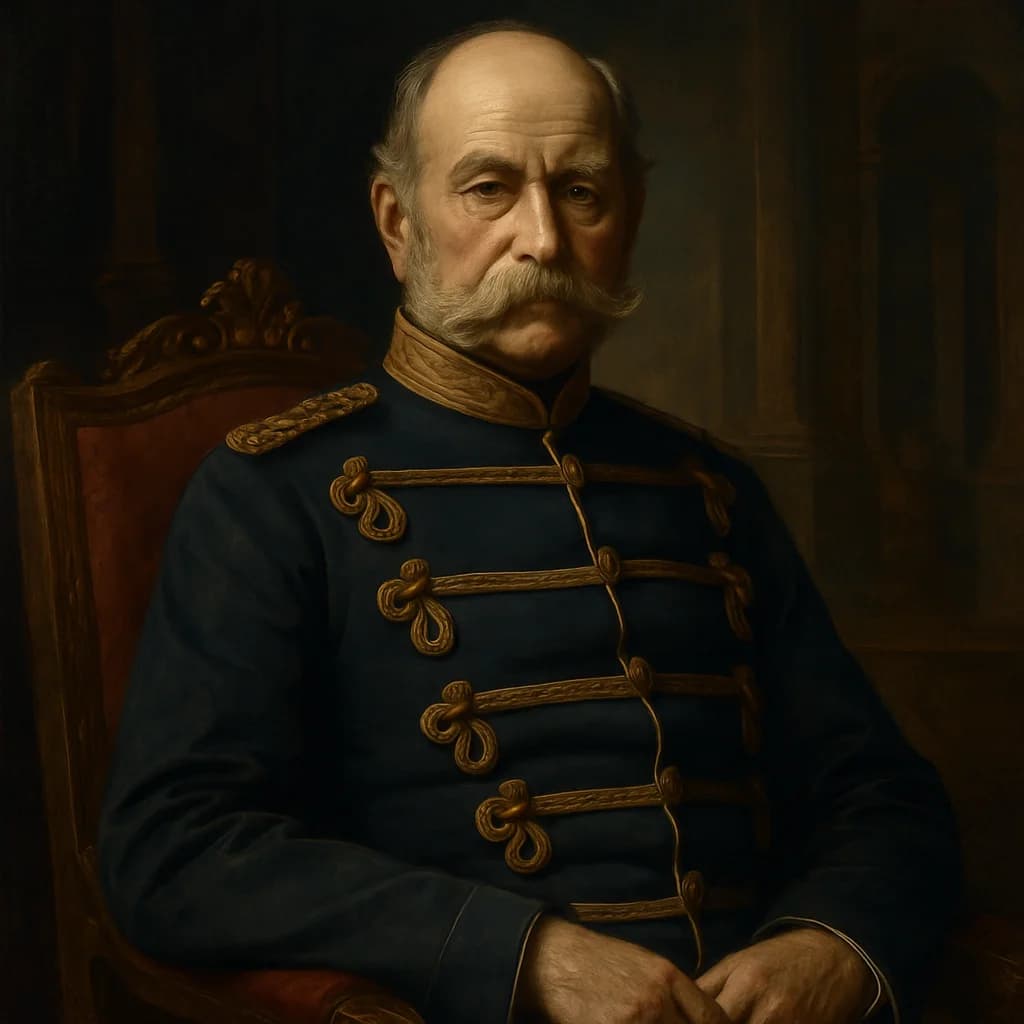
Wilhelm I
The man who became the first German Emperor spent most of his life convinced he was too stupid to rule anything.
Wilhelm I never wanted to be king, much less emperor of a unified Germany. Born second son to Frederick William III of Prussia, he grew up in the shadow of his brilliant older brother, certain that providence had correctly assigned him the supporting role. He preferred military drills to court politics, hunting to diplomacy, and repeatedly told anyone who would listen that his intellectual limitations made him unfit for high office.
When revolution erupted across Europe in 1848, it was Wilhelm (not his vacillating brother King Frederick William IV) who earned the nickname "Prince of Grapeshot" for brutally suppressing uprisings in Baden. The experience taught him that while he might lack his brother's philosophical mind, he possessed something more valuable: the ability to make hard decisions quickly. When Frederick William suffered a series of strokes in the 1850s, Wilhelm reluctantly stepped in as regent, then king in 1861 at age sixty-four.
The great irony of Wilhelm's reign was that this self-proclaimed simpleton presided over the most sophisticated political manipulation in European history. While he genuinely believed Otto von Bismarck was the genius orchestrating German unification, Wilhelm's own instincts proved crucial. It was Wilhelm who insisted on the harsh terms that would humiliate France after 1870, Wilhelm who understood that the new German Empire needed to be born in the Hall of Mirrors at Versailles, and Wilhelm who grasped that sometimes the best way to appear weak was to let others think they were controlling you.
By 1871, the man who had spent decades apologizing for his limitations found himself proclaimed German Emperor in the most symbolically loaded room in Europe. He died in 1888, still convinced that history had made a mistake in elevating him, never realizing that his greatest political asset had been his willingness to doubt his own abilities.
Wilhelm I was so reluctant to become German Emperor that he wept during his coronation ceremony, calling it "the most unhappy day of my life" because he felt it diminished his beloved title of King of Prussia.
Why untold: His role is overshadowed by Bismarck's reputation as the mastermind of German unification, obscuring Wilhelm's own crucial political instincts.
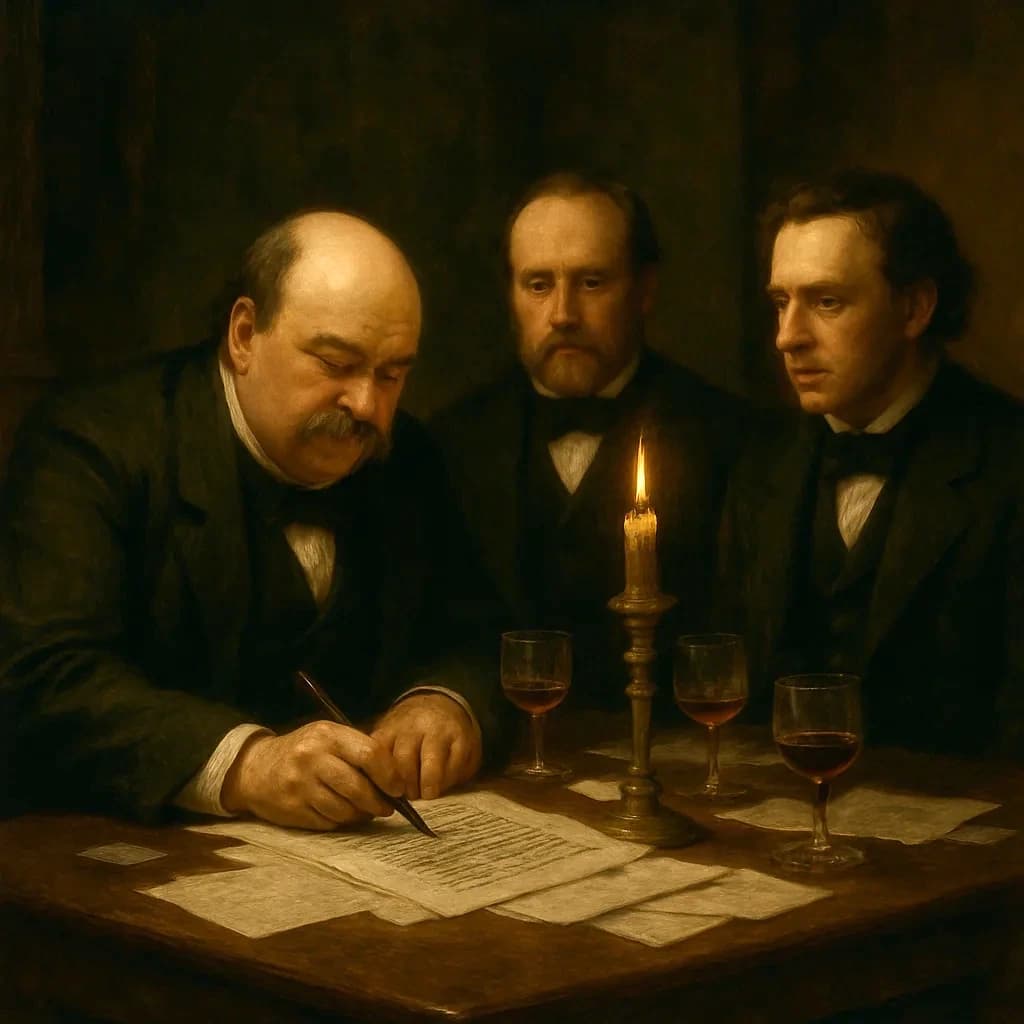
Bismarck Edited a Telegram into a War
A single edited telegram (not a battle, not a treaty) started one of Europe's most consequential wars in 1870.
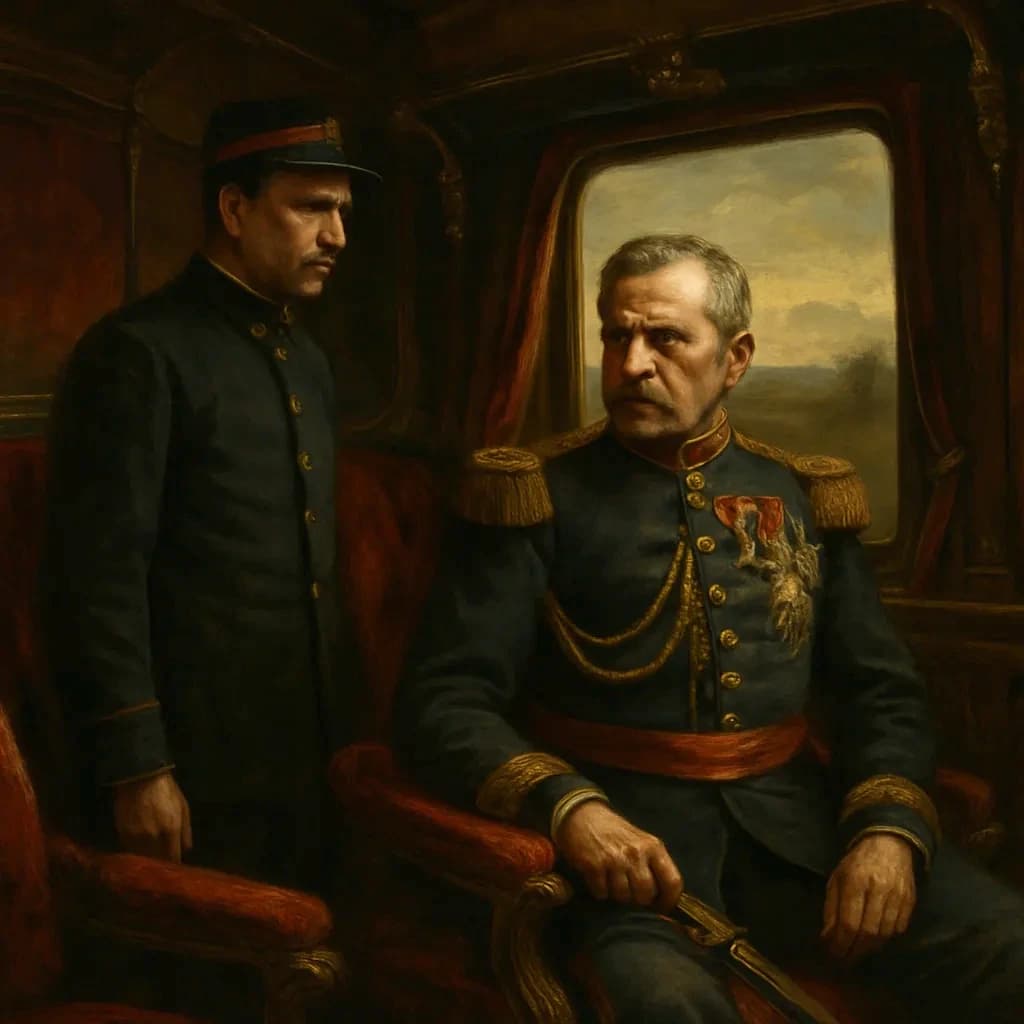
Four Bottles of Water and the Collapse of France
A train conductor's refusal to provide drinking water triggered a chain of events that toppled Napoleon III and reshaped Europe.
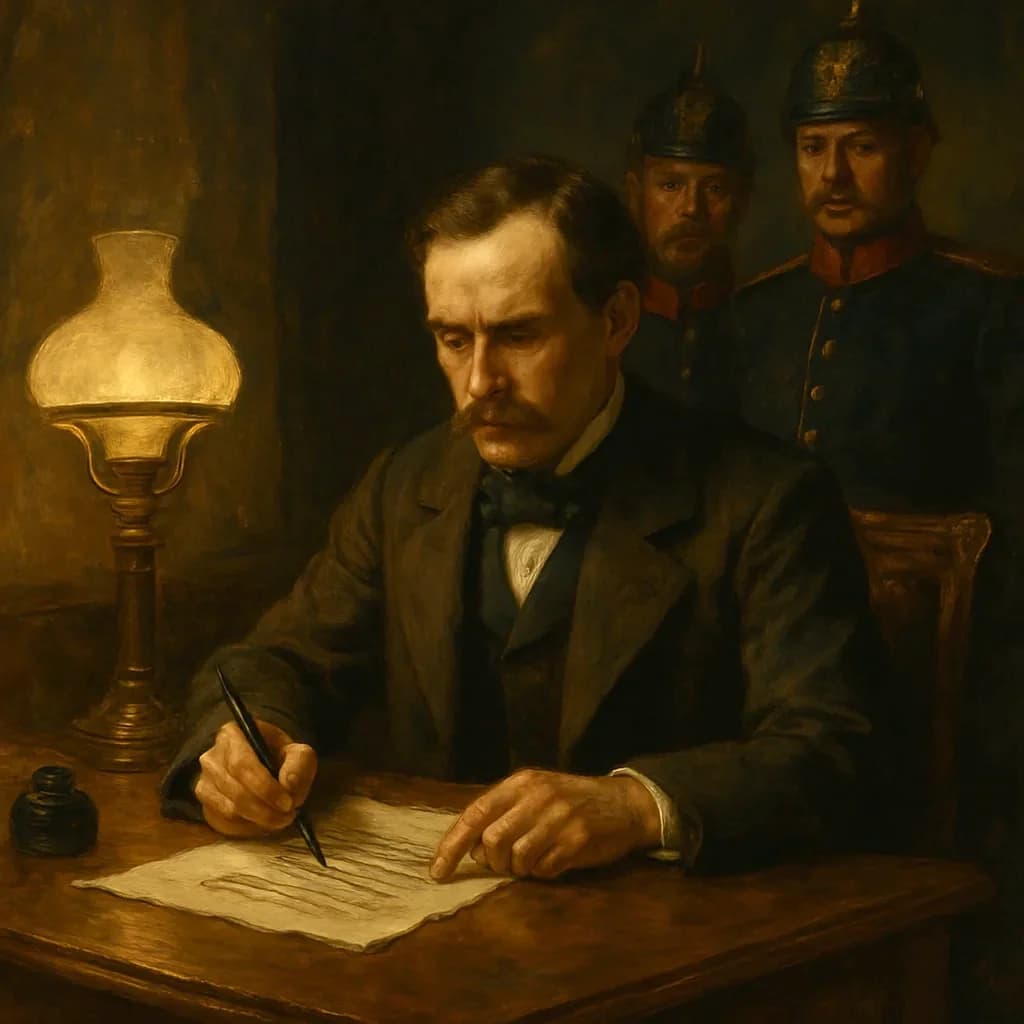
How Bismarck Edited a Telegram Into a War
A single edited word in a diplomatic telegram turned a polite 1870 conversation into the war that created modern Germany.
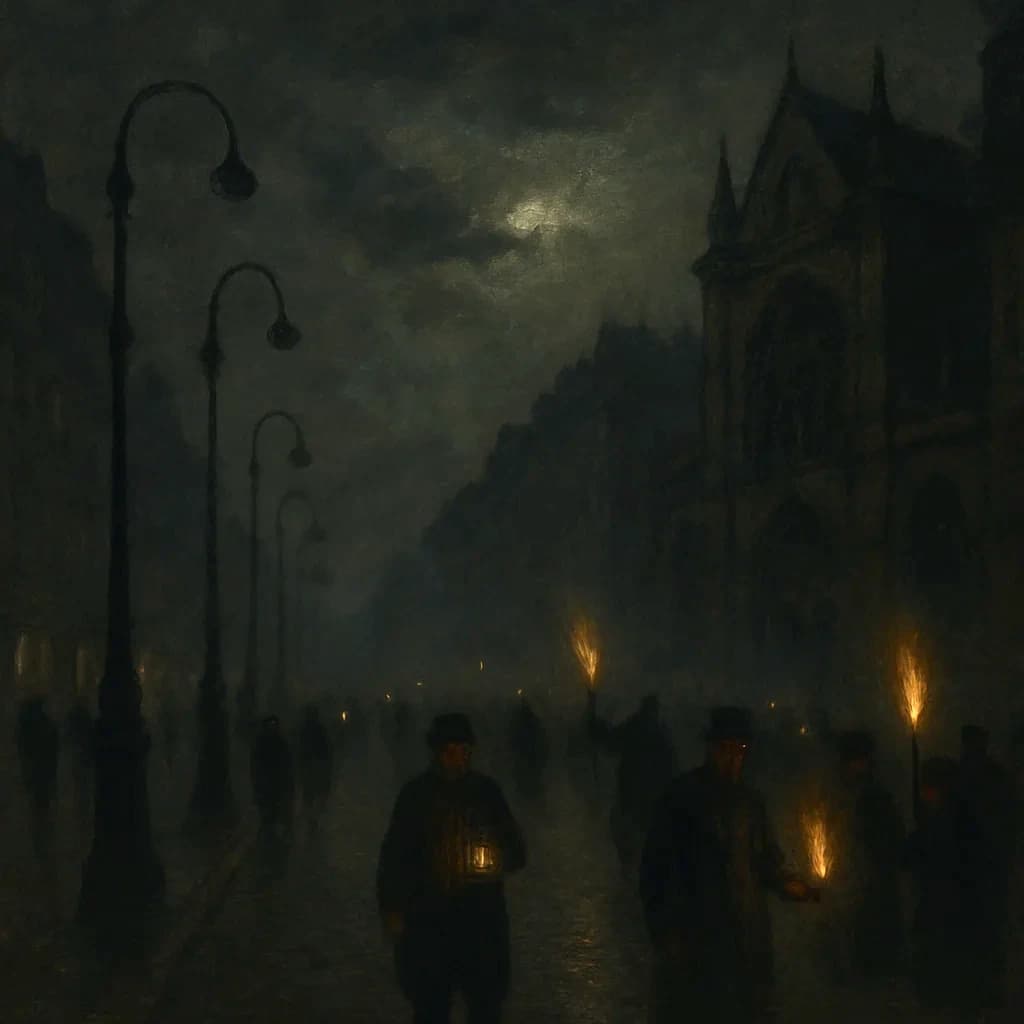
Paris Couldn't Afford Its Own Electric Lights
The revolution that began with a light switch, and the emperor who couldn't turn it back on.
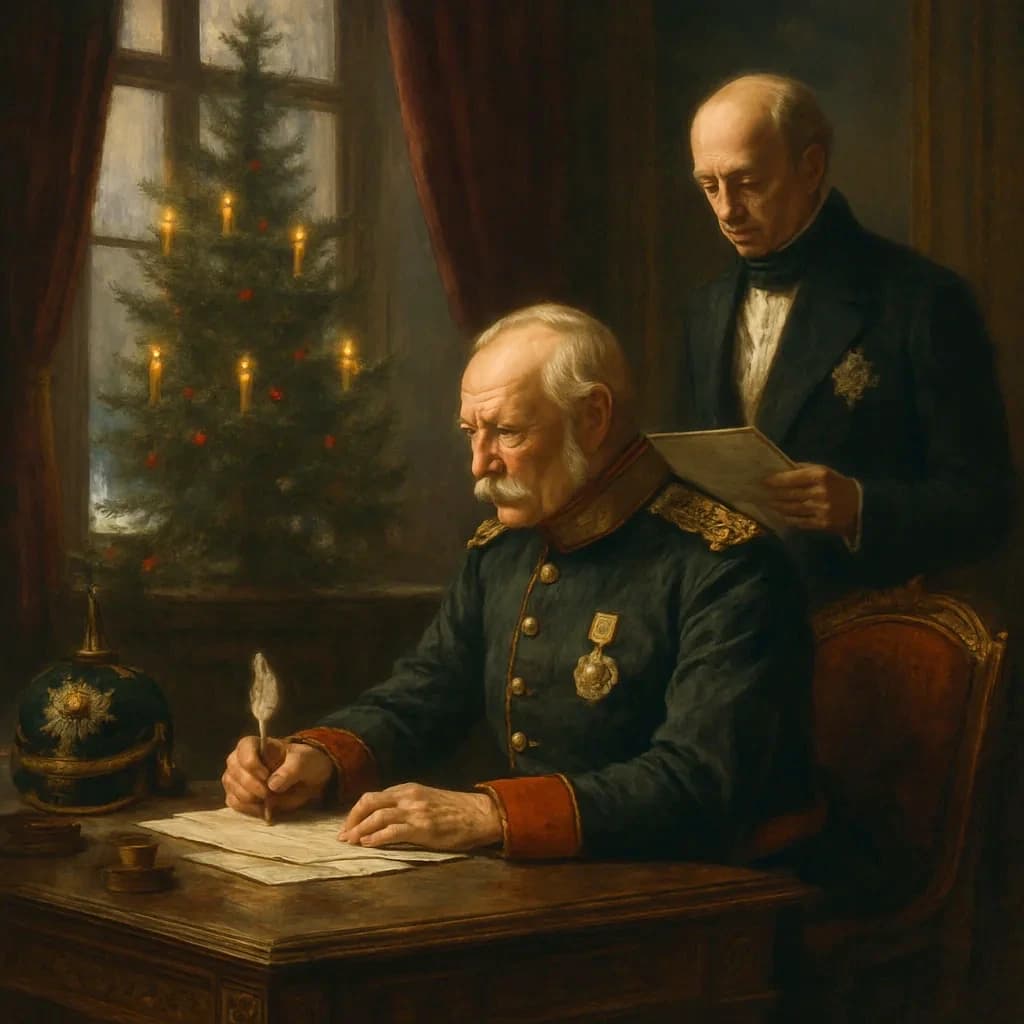
The Christmas Letter That Started a War
In 1870, a diplomat's Christmas greeting sparked the Franco-Prussian War and changed the map of Europe forever.
- Otto Pflanze, Bismarck and the Development of Germany, Vol. 1 (Princeton University Press, 1990)
- Christopher Clark, Iron Kingdom: The Rise and Downfall of Prussia, 1600-1947 (Harvard University Press, 2006)
- Fritz Stern, Gold and Iron: Bismarck, Bleichroder, and the Building of the German Empire (Vintage Books, 1979)