
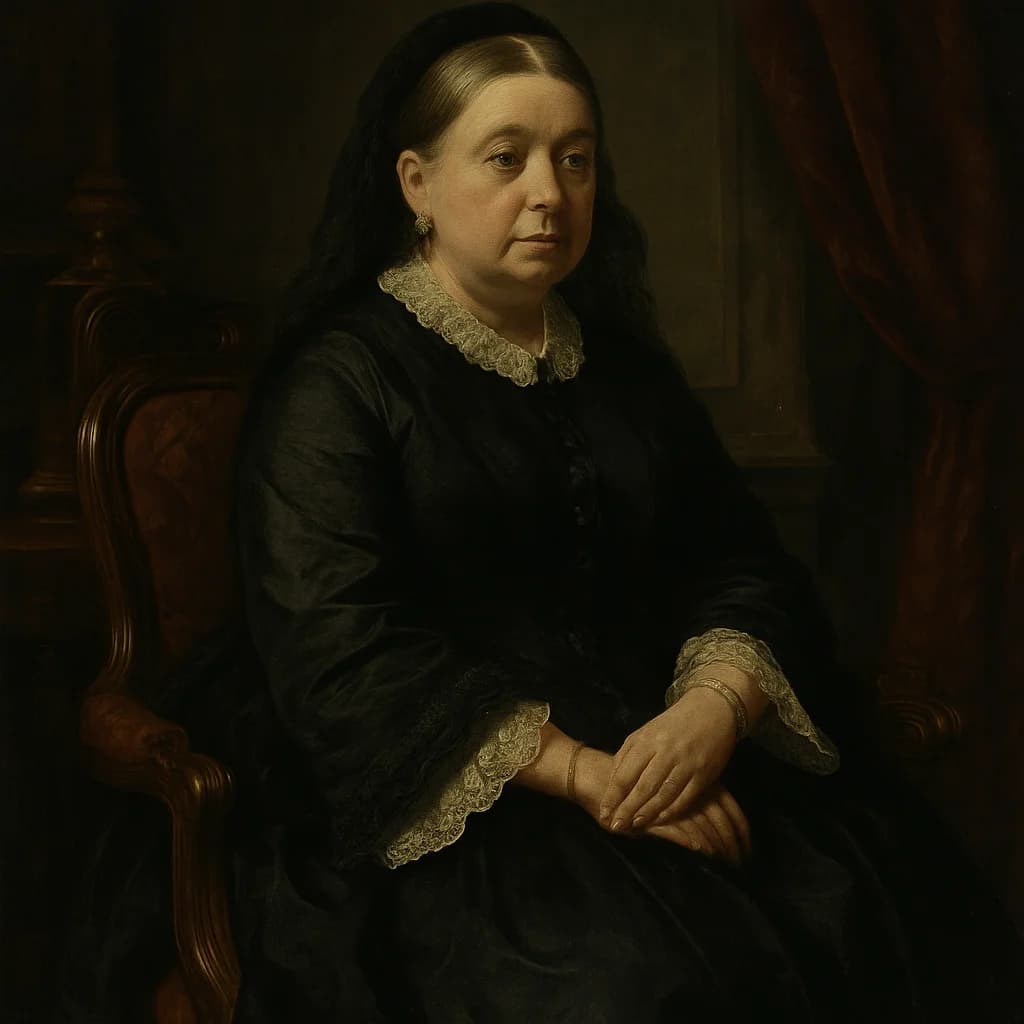
Queen Victoria
The queen who ruled a quarter of the world's population was terrified of childbirth but gave birth thirteen times anyway.
Victoria ascended to the throne at eighteen, but the empire's most famous monarch spent her first decade in power desperately trying to avoid the one duty that mattered most: producing an heir. She found pregnancy revolting, calling babies "nasty objects" and describing childbirth as making women "like cows or dogs." Yet she endured it nine times, each birth a political necessity wrapped in personal horror.
What transformed her from reluctant breeder to imperial powerhouse wasn't motherhood. It was widowhood. When Albert died in 1861, Victoria didn't just mourn; she weaponized grief. She wore black for forty years, turned mourning into a national industry, and used her perpetual widowhood as political armor. Foreign ambassadors found themselves negotiating with a woman who received them in rooms draped like tombs, speaking in whispers about her "dear departed." It was theater, but it worked.
The real Victoria emerges in her private journals: a woman who ate her meals standing up to avoid wrinkling her dress, who kept her dead husband's shaving water fresh for decades, and who maintained detailed records of her servants' bowel movements. She micromanaged everything from her dogs' diets to the exact shade of purple her empire should wear. Literally. When eighteen-year-old William Perkin synthesized mauveine in 1856, Victoria didn't just embrace the new synthetic dye; she made it royal policy.
By her death in 1901, she had grandchildren on every European throne, but her true legacy wasn't dynastic. It was bureaucratic. She turned monarchy from performance into paperwork, creating the modern constitutional system by simply outlasting everyone who tried to limit her power.
Victoria refused to allow anesthesia during childbirth for religious reasons until her eighth child, when she finally accepted chloroform and declared it "delightful beyond measure."
Why untold: Her image as the grieving widow overshadowed her role as a shrewd political operator who used personal tragedy to consolidate unprecedented royal power.
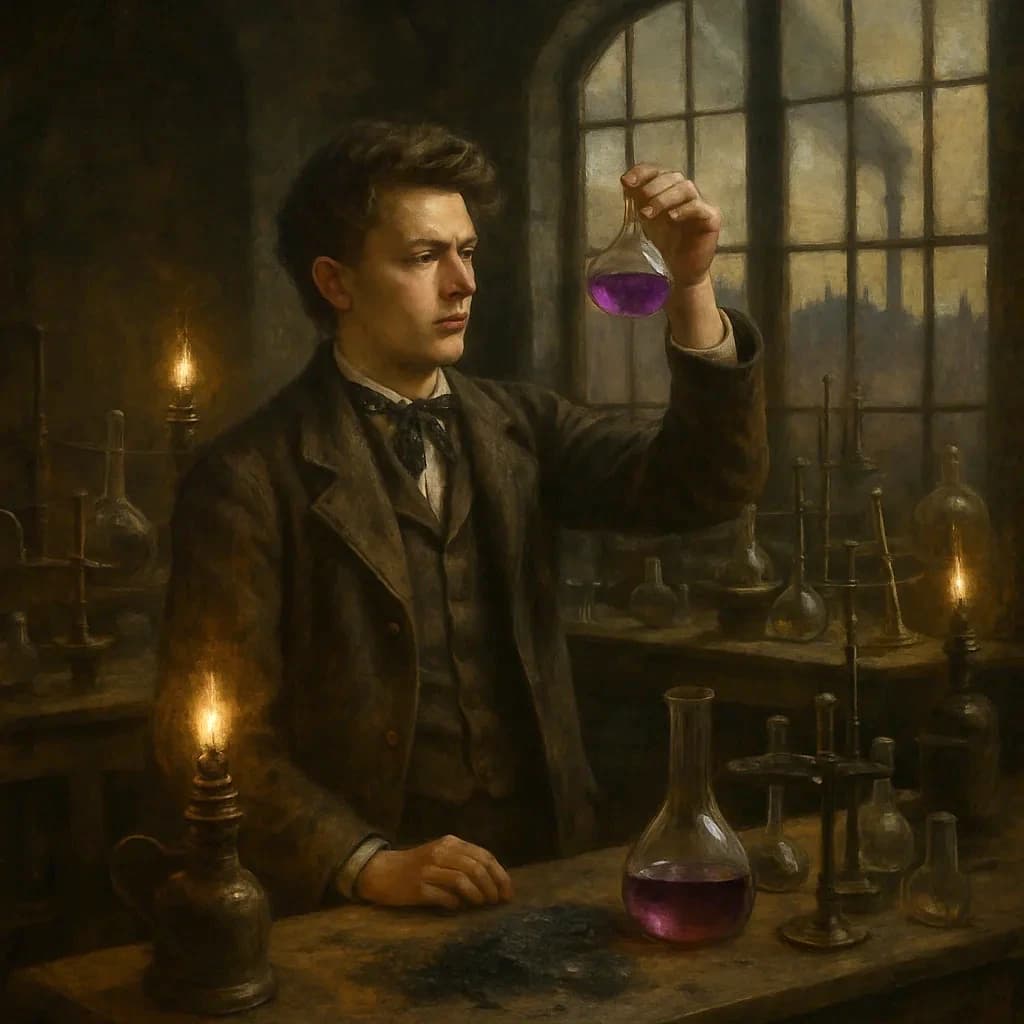
Hunting a Malaria Cure, He Made Purple from Coal
An 18-year-old chemistry student trying to synthesize quinine in 1856 produced the first artificial dye instead, and unknowingly triggered the chemical revolution that would reshape everything from medicine to warfare.
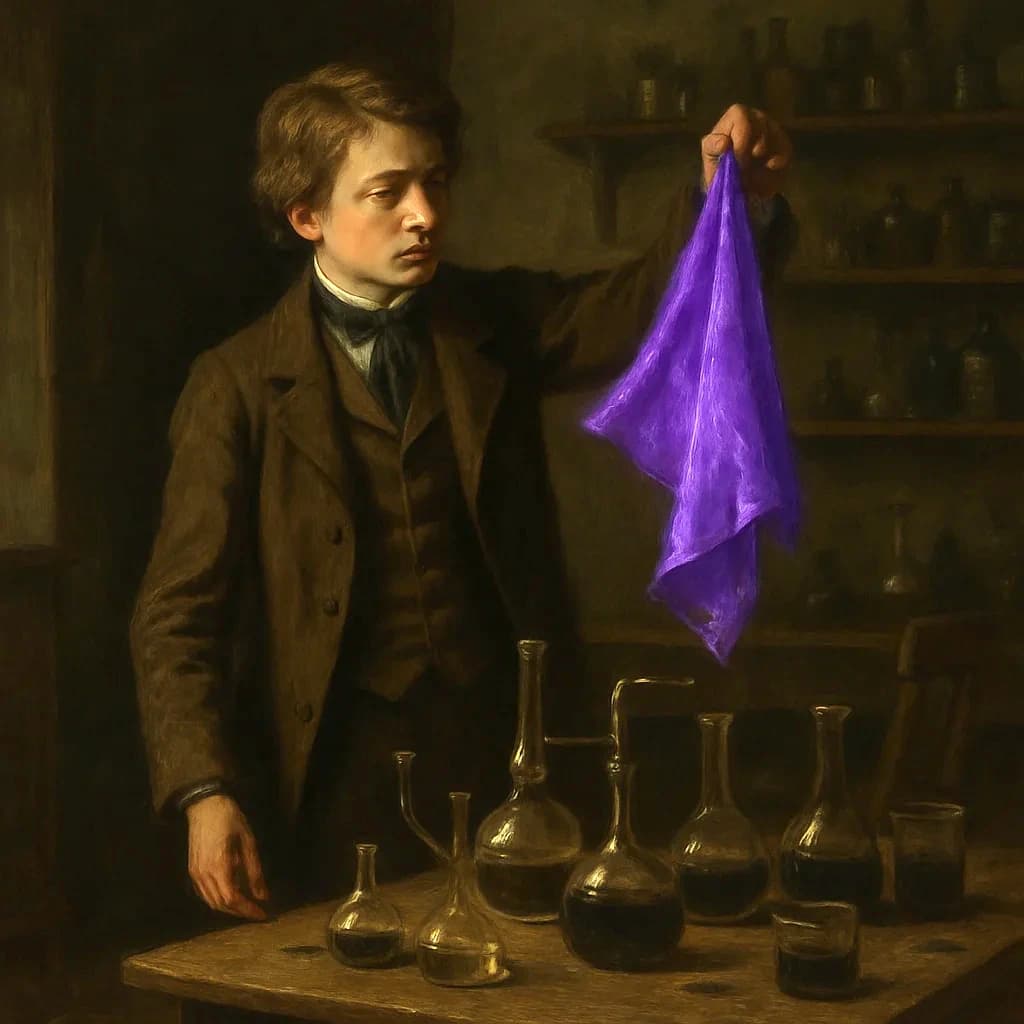
A Boy's Chemical Spill Created the Color That Bankrupted Empires
A twelve-year-old apprentice spilled the wrong chemicals and accidentally created the color that would bankrupt empires and democratize fashion.
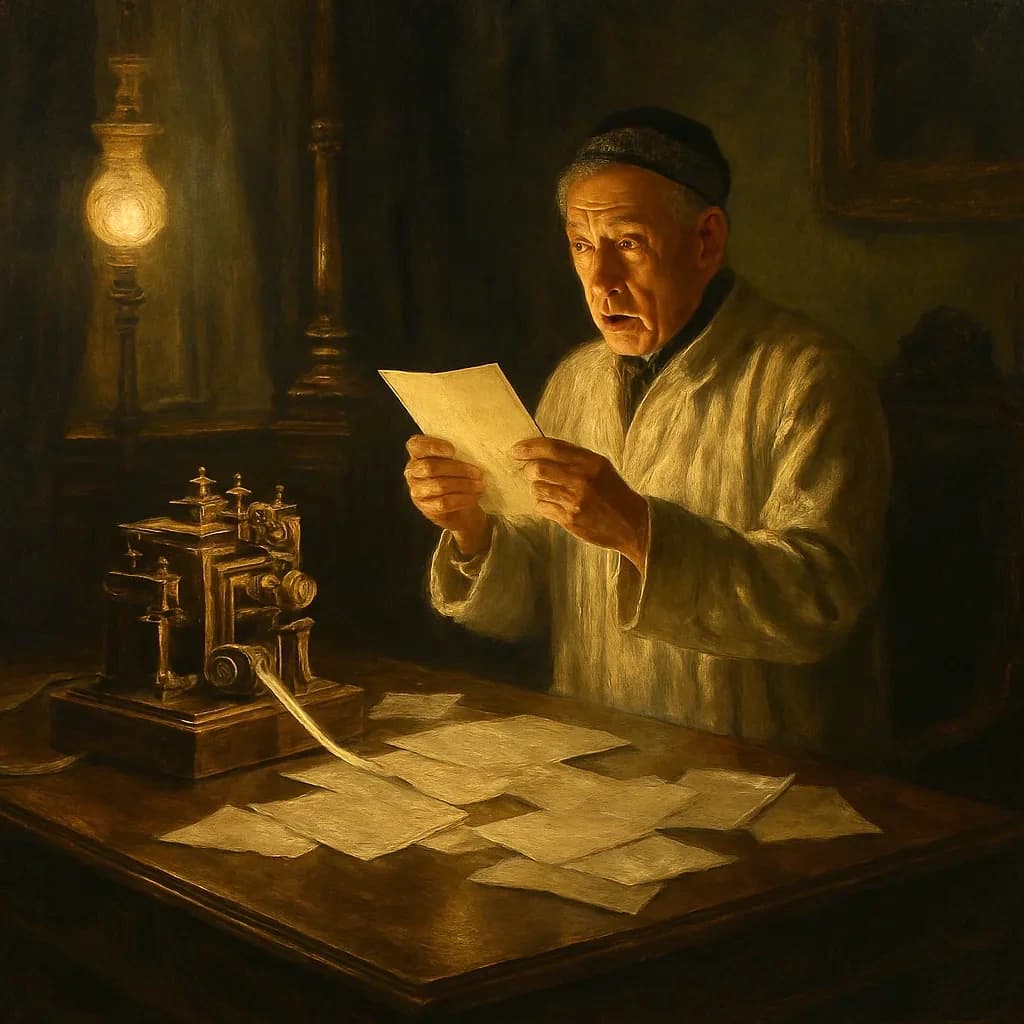
How a Misdated Telegram Almost Started a War
A miscalculated telegraph transmission schedule triggered one of history's most bizarre diplomatic crises, and nearly launched Europe into war over absolutely nothing.
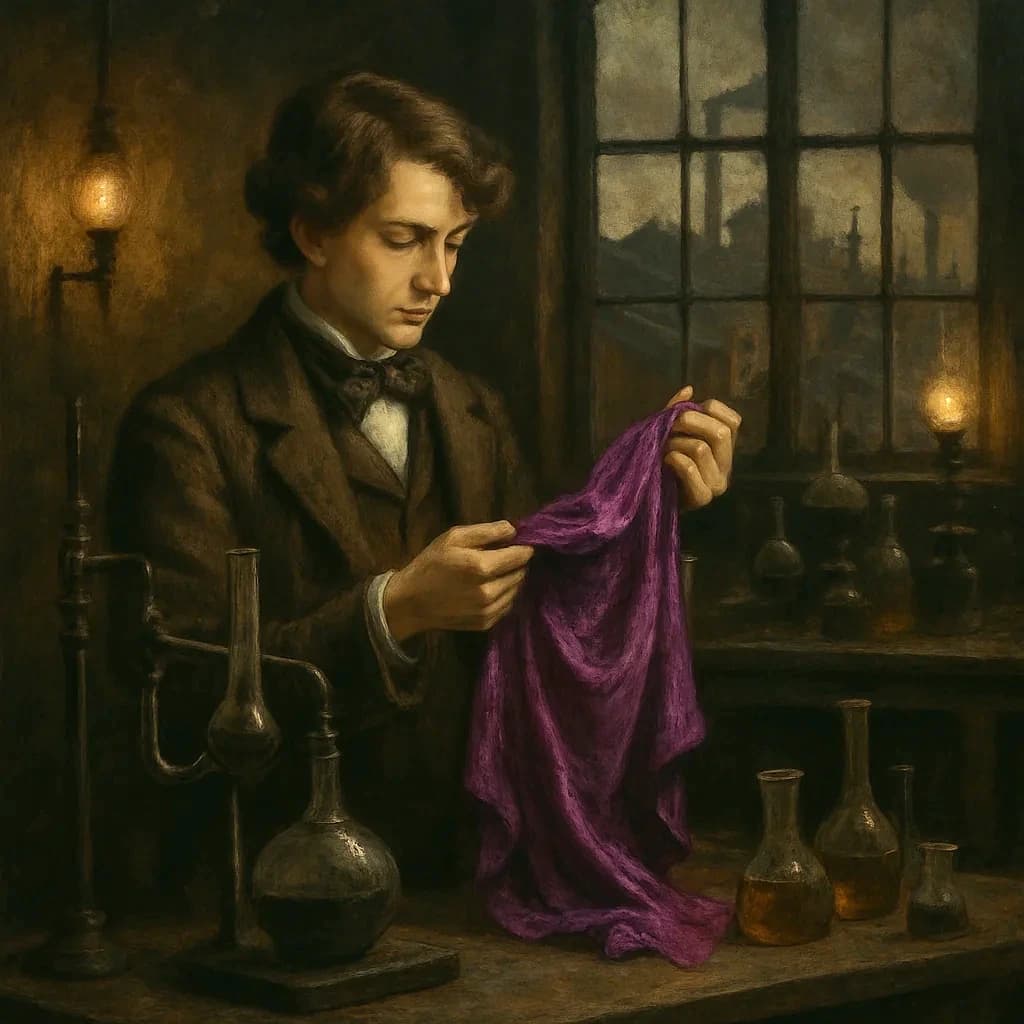
The Recipe That Turned Sheep Purple
A teenage chemistry student accidentally created the color that would clothe an empire and bankrupt an ancient industry overnight.
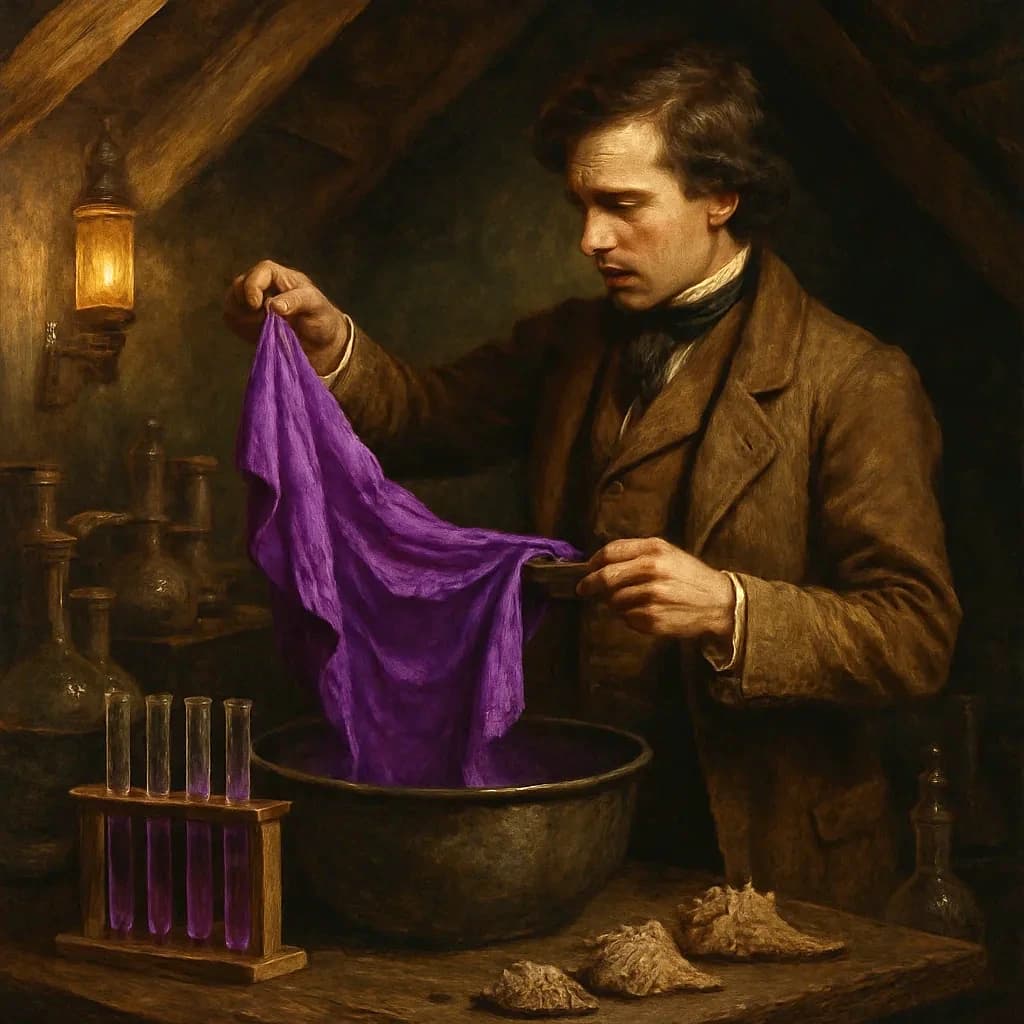
A Teenager's Attic Experiment Dethroned the Color of Kings
A single color toppled empires, started revolutions, and made peasants into kings, until one teenager found a way to make it from coal tar in his parents' attic.
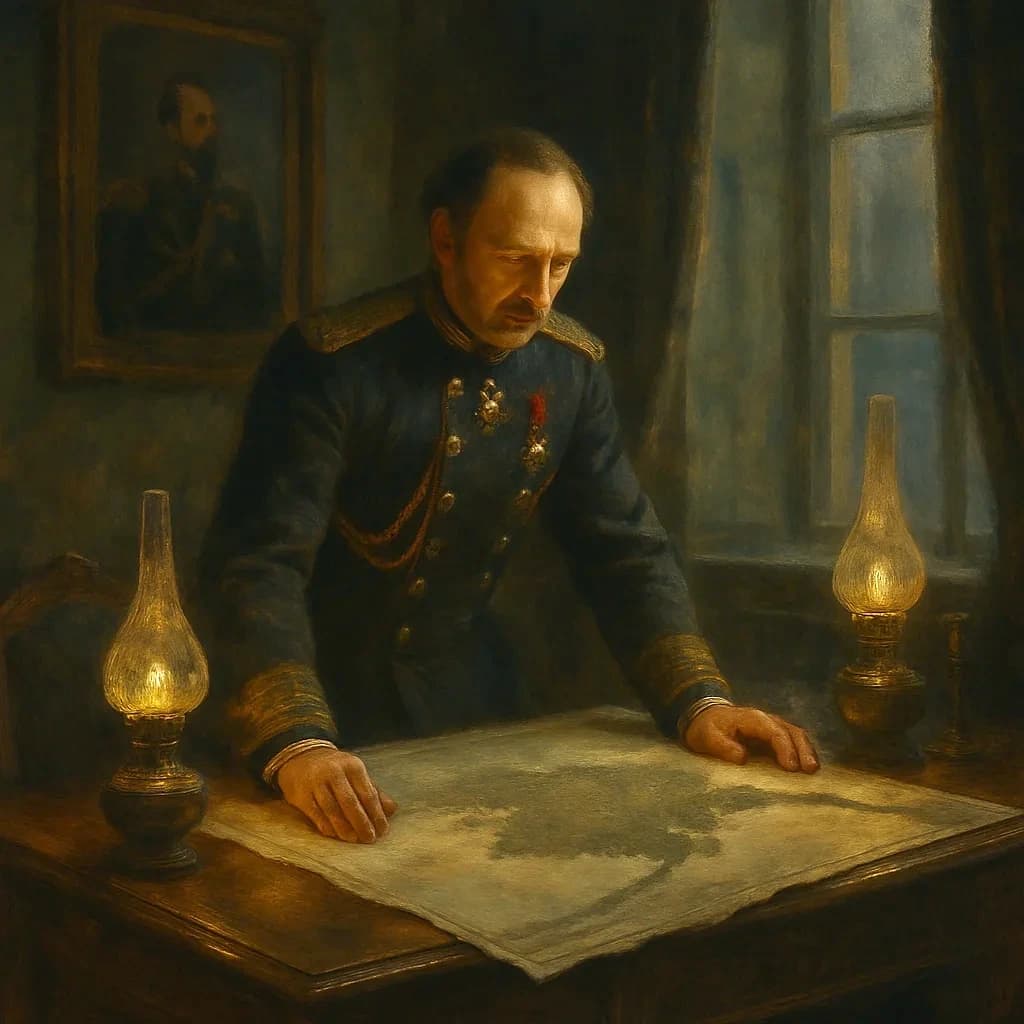
Russia Offered Alaska to Liechtenstein First
The Russian Empire was so desperate to unload Alaska that they first offered it to Liechtenstein.
- Hibbert, Christopher. Queen Victoria: A Personal History. London: HarperCollins, 2000.
- Wilson, A.N. Victoria: A Life. London: Atlantic Books, 2014.
- Weintraub, Stanley. Victoria: An Intimate Biography. New York: Dutton, 1987.