
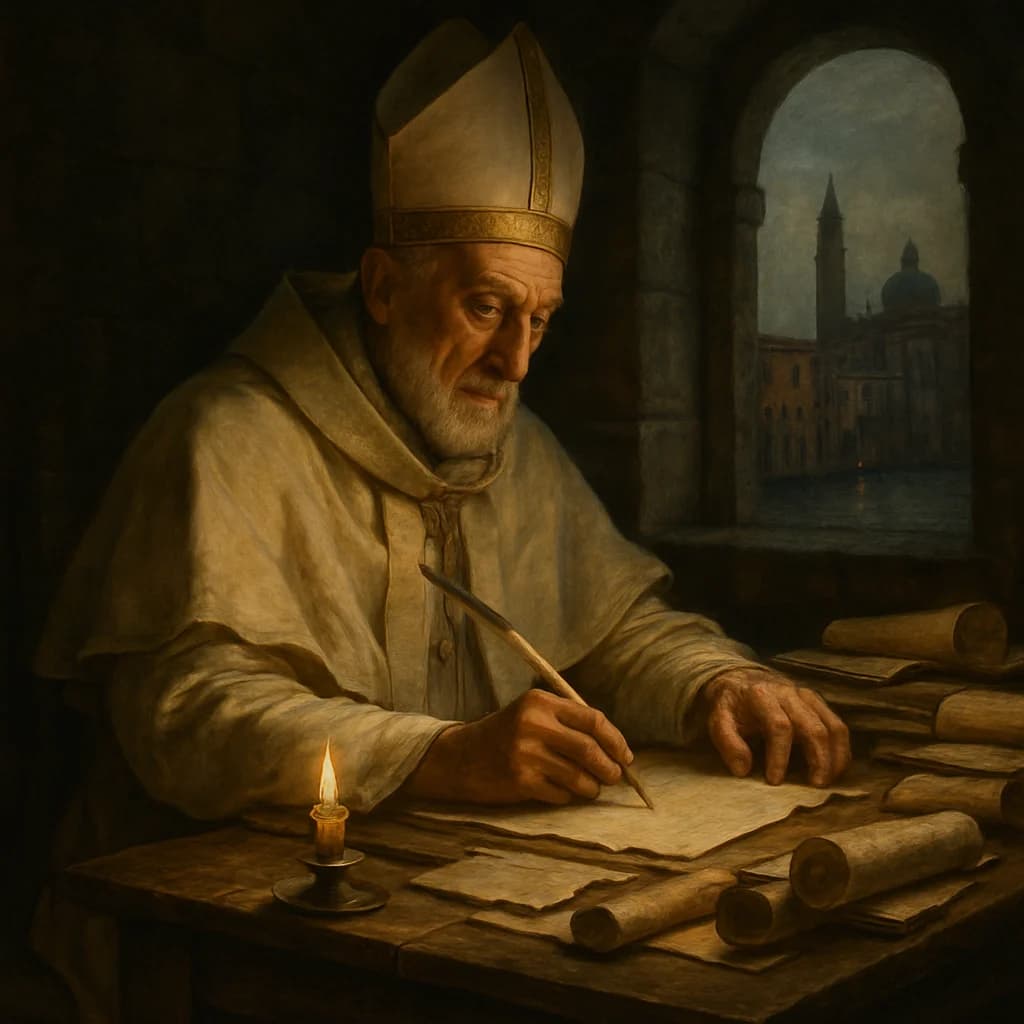
Pope Alexander III
The Pope who invented modern diplomacy was hiding in a Venetian monastery, convinced his own cardinals were plotting to murder him.
Orlando Bandinelli had spent his life as a law professor and papal advisor, never imagining he'd become the most hunted man in Europe. When he was elected Pope Alexander III in 1159, the Holy Roman Emperor Frederick Barbarossa immediately declared him illegitimate and installed his own puppet pope. What followed was an eighteen-year chess match that would reshape the medieval world.
Alexander spent much of his papacy as a fugitive. He fled Rome in disguise, lived in exile in France, and when he finally returned to Italy, found himself trapped in Venice, literally hiding in the monastery of La Carità while imperial agents scoured the city. The man who would revolutionize international relations was reduced to sneaking through back alleys and depending on Venetian fishermen for protection.
But Alexander's genius lay not in military might but in legal innovation. While his enemies wielded swords, he wielded something more powerful: the first systematic body of international law. His legal training at Bologna had taught him that words, properly crafted, could topple empires. He created the framework for diplomatic immunity, established the right of nations to negotiate as equals, and invented the concept of binding international treaties.
The 1177 Peace of Venice wasn't just a dinner party. It was Alexander's masterpiece. By forcing Emperor Frederick to literally kiss his feet in St. Mark's Square, he established papal authority over temporal rulers. More importantly, he created the template for modern summit diplomacy. Every peace treaty since follows the model Alexander established in that Venetian palace: neutral ground, formal protocols, and the radical idea that enemies could become negotiating partners.
Alexander III issued more papal decrees than any pope in history. Over 700 letters survive, many written while he was on the run and using coded language to avoid imperial spies.
Why untold: Medieval papal history focuses on crusading warrior-popes, obscuring Alexander's quiet revolution in establishing the legal foundations of international diplomacy.
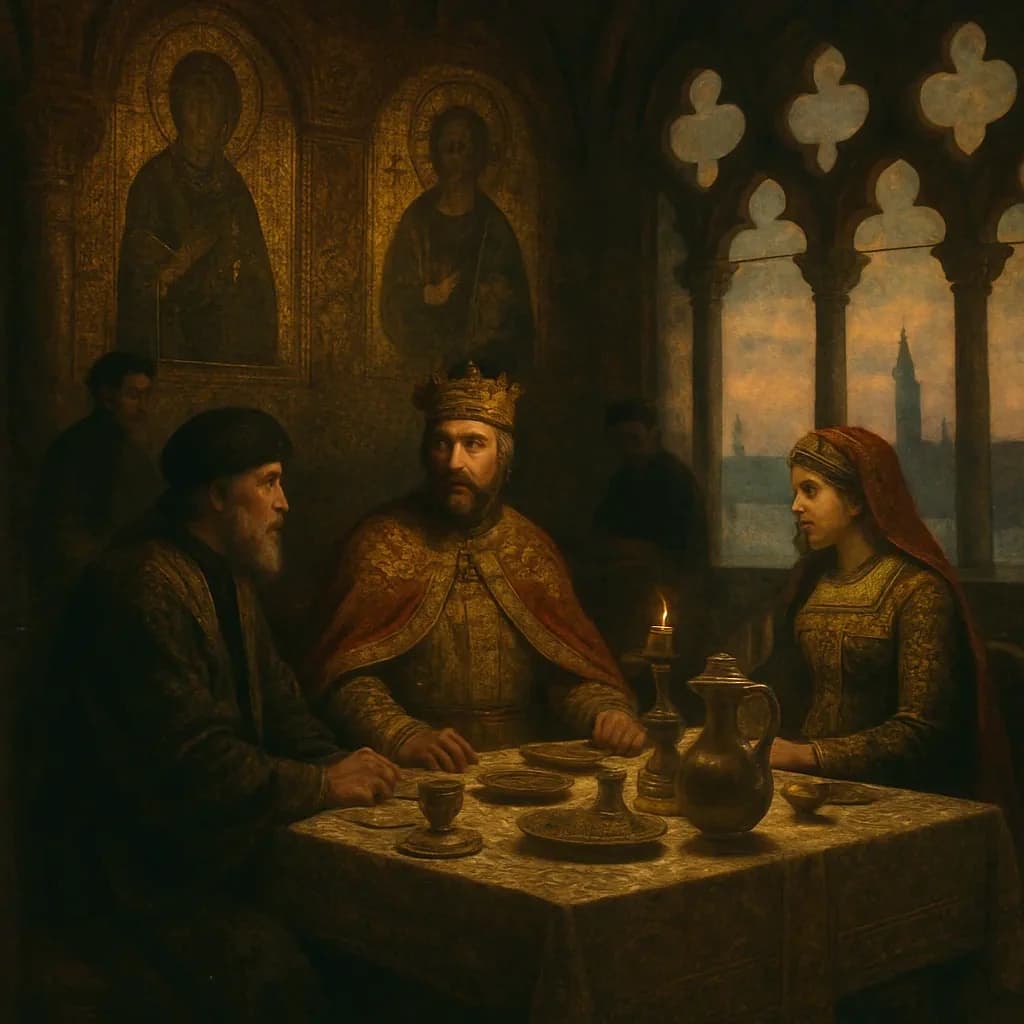
A Pope and an Emperor, Brought to the Same Table
A pope, an emperor, and a doge sat down to dinner in Venice in 1177, and the modern diplomatic summit was born.
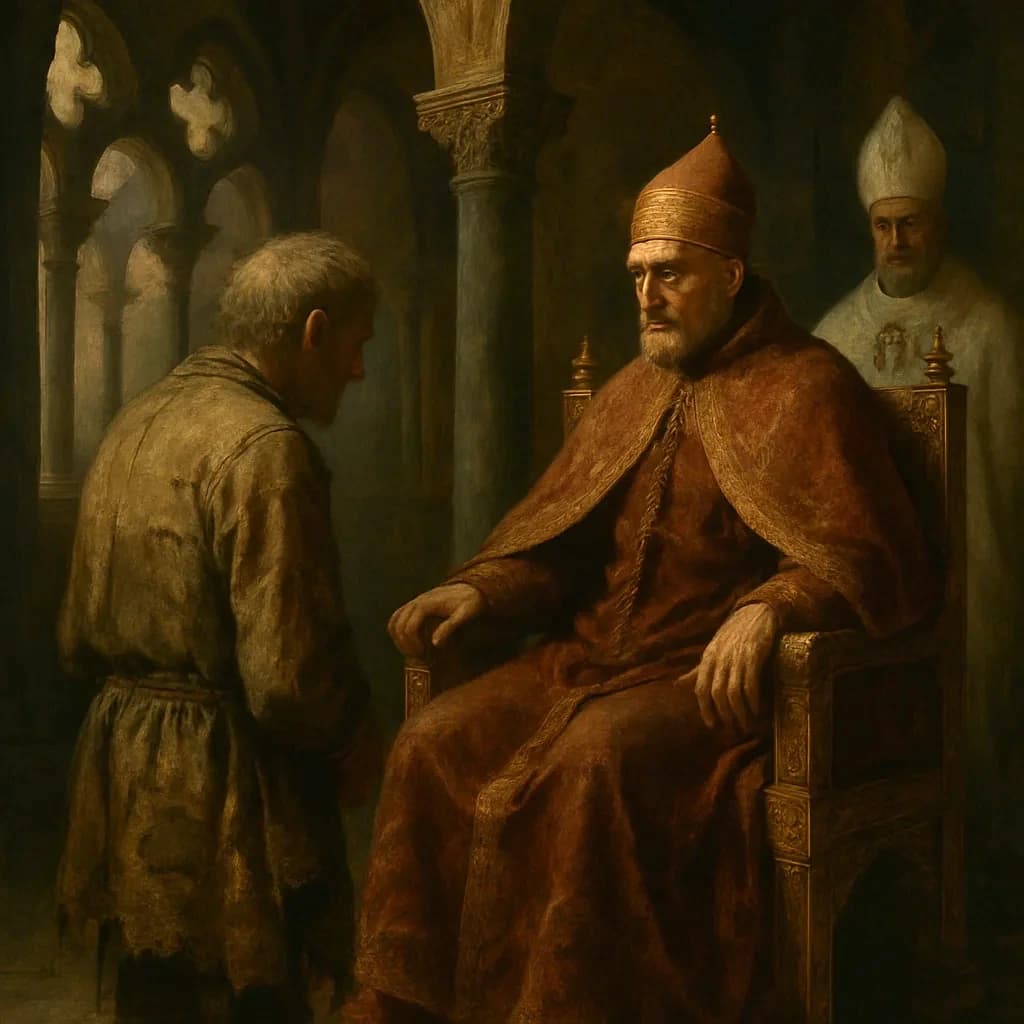
A Fisherman's Lie to the Pope Made Venice Impossibly Rich
One man's desperate lie to the Pope set off a chain reaction that would reshape the medieval world and make Venice impossibly wealthy.
- Ullmann, Walter. 'The Growth of Papal Government in the Middle Ages.' London: Methuen, 1970.
- Freed, John B. 'Frederick Barbarossa: The Prince and the Myth.' New Haven: Yale University Press, 2016.
- Norwich, John Julius. 'A History of Venice.' New York: Vintage Books, 1989.