
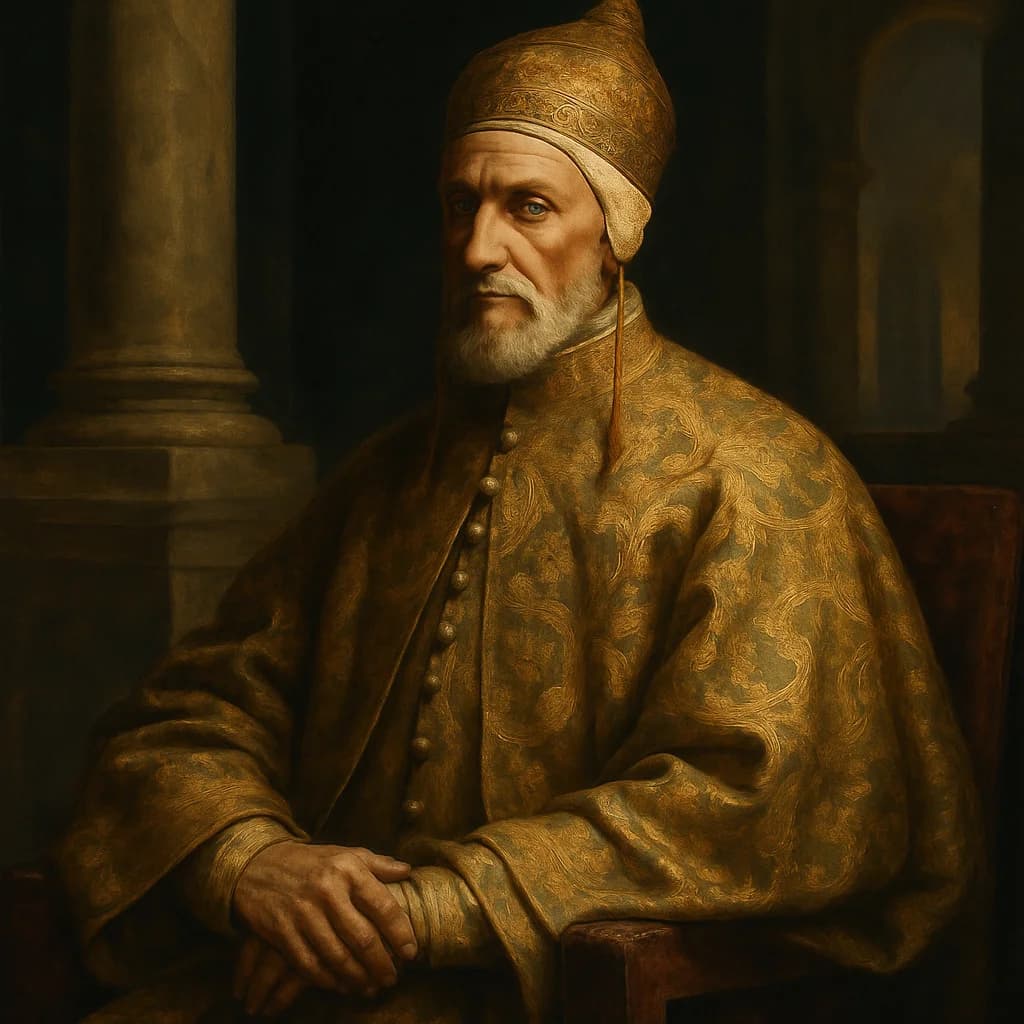
Sebastiano Ziani
The richest man in Venice bought the papacy a peace treaty with his own money, then charged Europe for the privilege of using his city as neutral ground.
Sebastiano Ziani didn't inherit power. He purchased it. When he became Doge of Venice in 1172, he was already so wealthy from trade that he could afford to do what no ruler had attempted: broker peace between the two most powerful forces in medieval Europe using his personal fortune as collateral.
The Holy Roman Emperor Frederick Barbarossa and Pope Alexander III had been locked in a bitter war for nearly two decades. Ziani saw opportunity where others saw chaos. He invited both men to Venice in 1177, guaranteeing their safety with his own wealth and promising to cover all diplomatic expenses. The gamble was astronomical. If talks failed, he would be bankrupt and Venice would face the wrath of either pope or emperor.
But Ziani understood something his contemporaries missed: neutrality was the ultimate luxury good. He didn't just host peace talks. He invented the concept of diplomatic immunity, creating protocols that would govern international relations for centuries. His negotiations produced the Treaty of Venice, ending one of medieval Europe's longest conflicts. More importantly, he established Venice as Europe's diplomatic capital, a neutral zone where enemies could meet safely.
The financial returns were immediate and staggering. Every subsequent diplomatic mission, every trade negotiation, every international conference generated revenue for Venice. Ziani had essentially monetized peace itself. By his death in 1178, just six years after taking power, he had transformed Venice from a regional trading hub into Europe's indispensable mediator, and one of its wealthiest cities.
Ziani personally paid for the construction of temporary palaces to house both the Pope and the Emperor during the 1177 peace negotiations, spending what would be equivalent to millions of dollars today.
Why untold: His role as the architect of medieval diplomacy is overshadowed by Venice's later reputation as a purely commercial power.
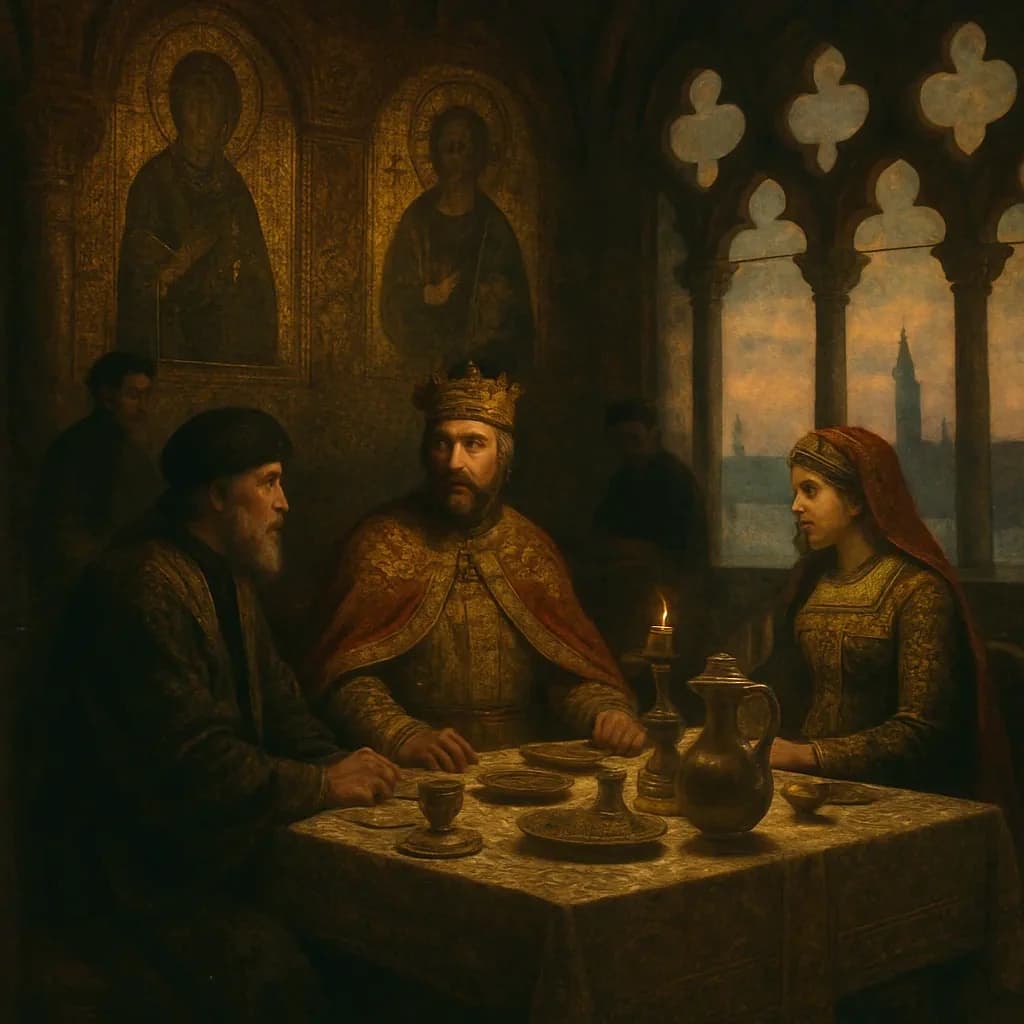
A Pope and an Emperor, Brought to the Same Table
A pope, an emperor, and a doge sat down to dinner in Venice in 1177, and the modern diplomatic summit was born.
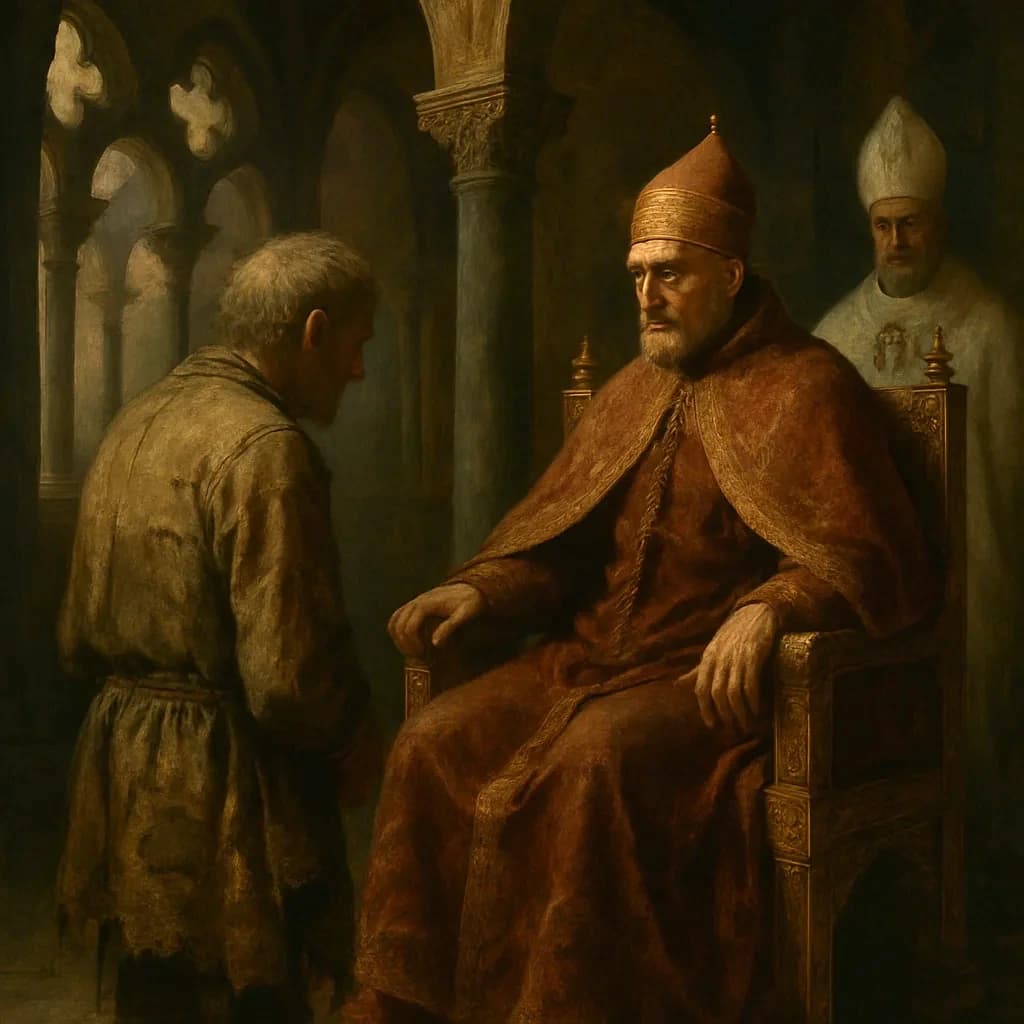
A Fisherman's Lie to the Pope Made Venice Impossibly Rich
One man's desperate lie to the Pope set off a chain reaction that would reshape the medieval world and make Venice impossibly wealthy.
- Donald E. Queller, The Venetian Patriciate: Reality Versus Myth (1986)
- Thomas F. Madden, Venice: A New History (2012)
- Roberto Cessi, Storia della Repubblica di Venezia (1944)