
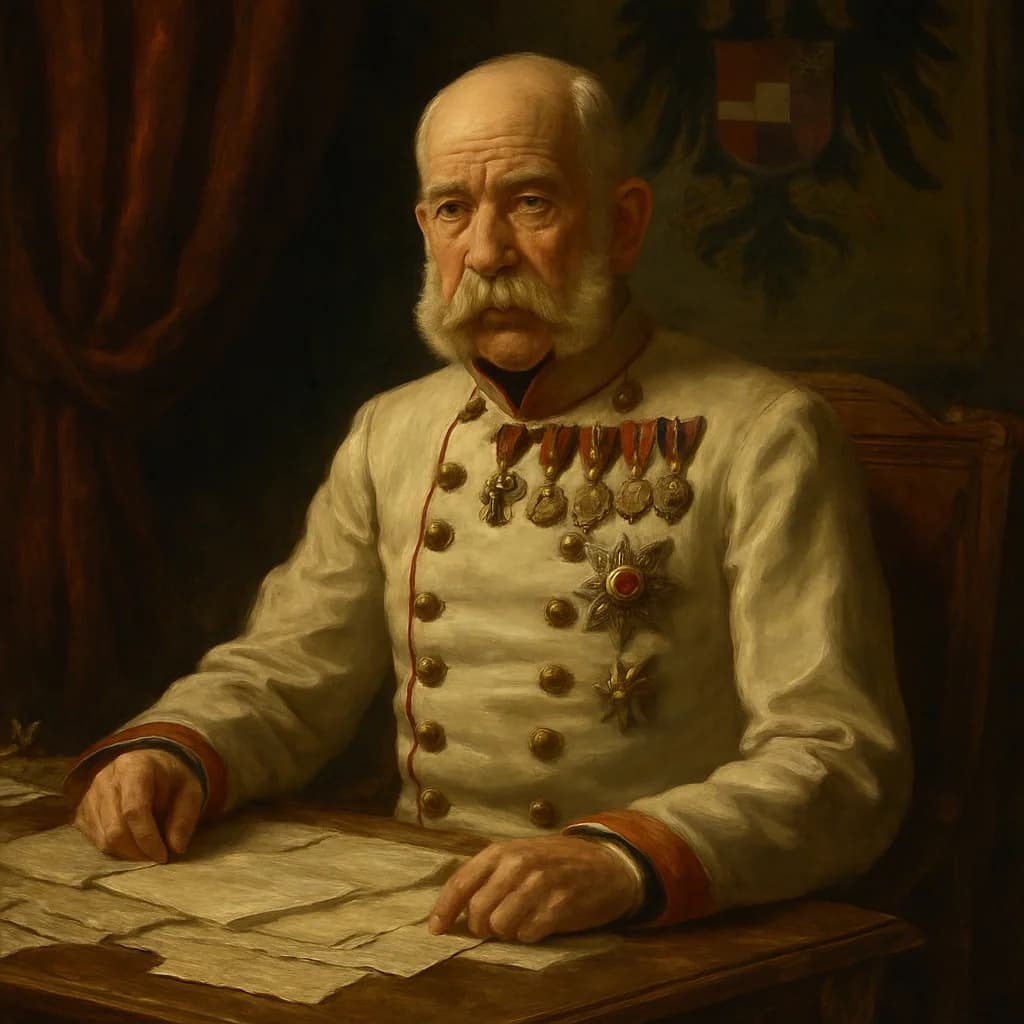
Franz Joseph I
The longest-reigning emperor in Austrian history once spent six hours every morning reading and responding to personal letters from peasants.
Franz Joseph I inherited an empire in flames at eighteen and spent the next sixty-eight years trying to hold it together with paperwork. While his subjects plotted revolution and his generals planned wars, the emperor maintained an almost monastic routine: rising at 3:30 AM, cold bath, black coffee, then methodically working through hundreds of documents until late evening. He personally read every petition, every complaint, every request for clemency that reached his desk.
This obsession with bureaucratic detail masked a man haunted by personal tragedy. His brother was executed in Mexico. His son Rudolf killed himself and his mistress in a murder-suicide pact. His wife Elisabeth was assassinated by an anarchist in Geneva. His nephew Franz Ferdinand was shot in Sarajevo. Each death chipped away at an empire already fracturing along ethnic lines, yet Franz Joseph never wavered from his desk.
The emperor's rigid formality became legendary. He addressed his own wife as "Sie" (the formal "you") for their entire forty-four-year marriage. He wore the same military uniform every day and ate the same breakfast (two soft-boiled eggs and a roll) for decades. Courtiers set their watches by his schedule. This mechanical precision extended to his rule: he signed his name to documents that would reshape Europe while maintaining the emotional temperature of a filing clerk.
When World War I erupted, Franz Joseph was eighty-four and had been emperor longer than most of his subjects had been alive. The war he reluctantly authorized would destroy everything he had spent seven decades preserving, but he would die two years before witnessing the final collapse of his thousand-year-old dynasty.
Franz Joseph answered every single letter personally until he was physically unable to hold a pen, reportedly responding to over 40,000 individual petitions during his reign.
Why untold: His image as an aloof autocrat obscures the reality of a man who tried to personally govern an ungovernable empire through sheer administrative willpower.
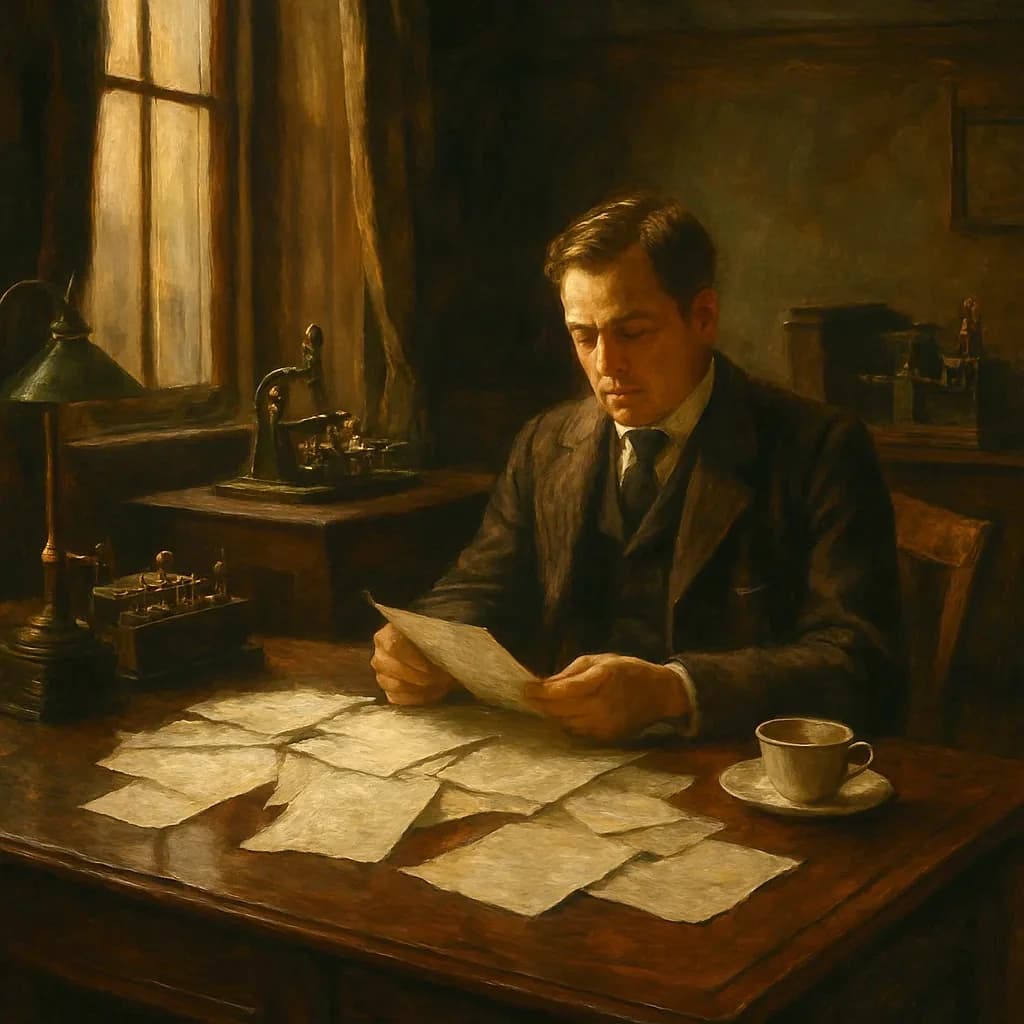
The Cable That Could Have Stopped World War I
A tired night-shift operator let a priority cable sit on his London desk until 11:05 AM on July 23, 1914, six hours after it should have reached Berlin.
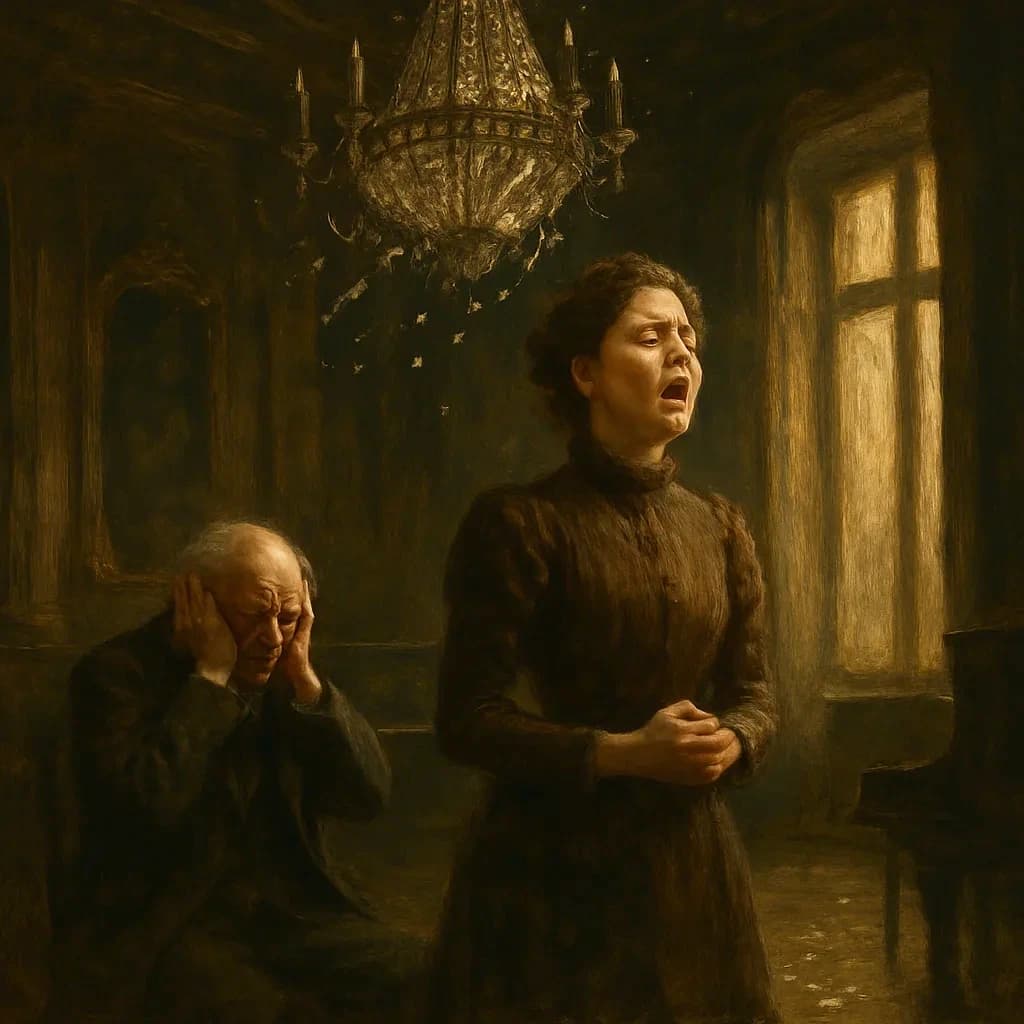
She Sang One Note and the Emperor Could Hear Again
A single note from a teenage girl's voice brought down the most powerful empire in Europe, and she didn't even mean to sing it.
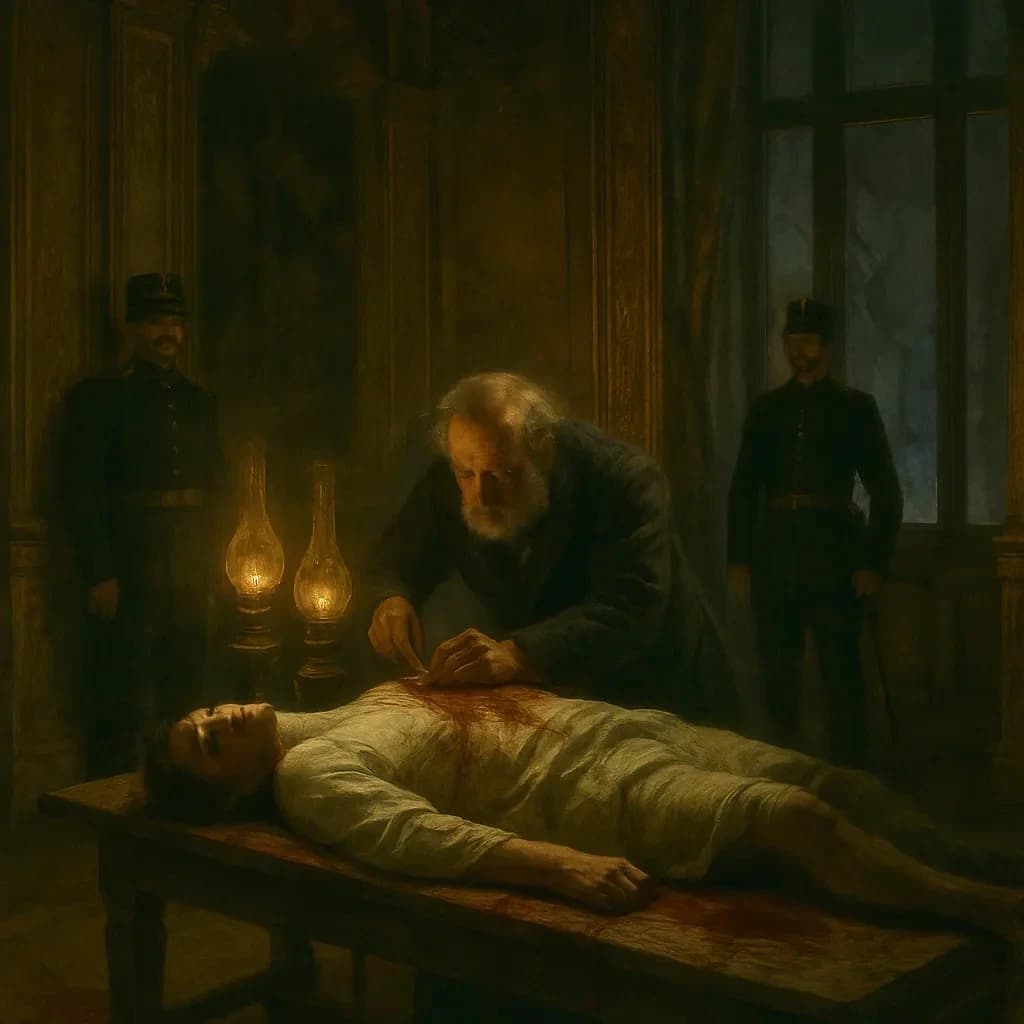
Saving the Habsburg Heir While Vienna Burned
On a night when Vienna was burning, the only man who could save the Habsburg dynasty lay bleeding from a failed kidney stone surgery.
- Judson, Pieter M. The Habsburg Empire: A New History. Harvard University Press, 2016.
- Beller, Steven. Francis Joseph. Longman, 1996.
- Palmer, Alan. Twilight of the Habsburgs: The Life and Times of Emperor Francis Joseph. Grove Press, 1995.