
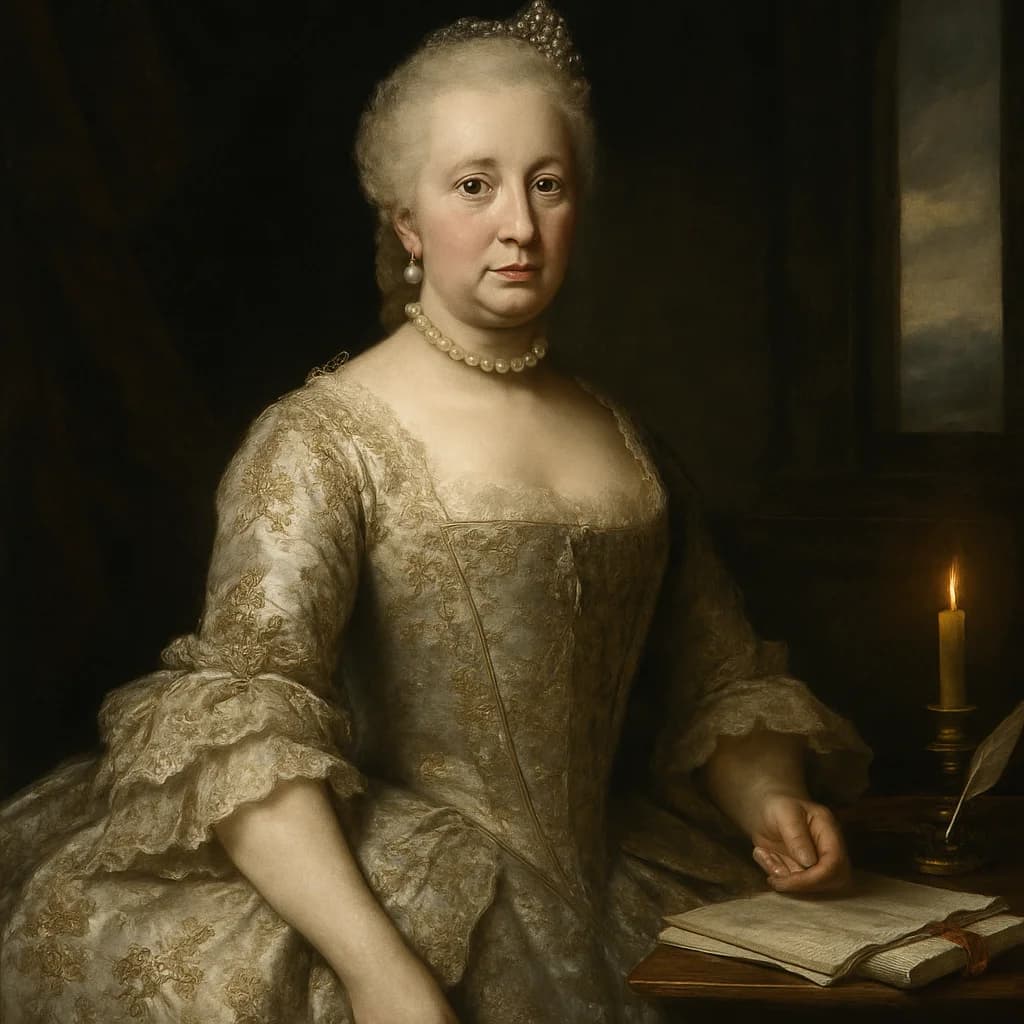
Maria Theresa
She ruled an empire of 30 million people while pregnant for most of her reign, and the pregnancy was a political strategy.
Maria Theresa of Austria did not inherit a throne so much as inherit a dare. When her father Charles VI died in October 1740, he left her the Habsburg dominions under a legal instrument called the Pragmatic Sanction, a document every major European power had solemnly agreed to honor, and which every major European power promptly ignored. Prussia invaded within weeks. Bavaria followed. France piled on. She was 23, already pregnant with her third child, and sitting on a chair that everyone else wanted to pull out from under her.
What the textbooks call the War of Austrian Succession tends to flatten her into a symbol: the young queen who appealed to Hungarian nobles and wept and won their hearts. The actual story is grimier and sharper. She was already running military logistics, dismissing incompetent generals her father had kept out of politeness, and overhauling the Habsburg tax system simultaneously. The weeping before the Hungarian Diet in September 1741 (if it happened as described) was theater staged by a woman who understood that theater was a legitimate instrument of statecraft. The Hungarians gave her 100,000 troops. She knew exactly what she was doing.
What gets lost in her story is the administrative revolution she quietly detonated inside her own empire. Between 1748 and 1756, after the war ended badly and she'd lost Silesia to Frederick the Great, she rebuilt the Habsburg state nearly from scratch. She created a centralized bureaucracy, established a public school system that made primary education compulsory (one of the first such mandates in European history), abolished judicial torture, and reformed the military along lines that wouldn't look out of place in a modern policy document. She did this while bearing sixteen children. Ten survived to adulthood. One became Marie Antoinette. She once wrote that she had never been allowed to eat a meal in peace.
She also despised Frederick the Great with a specificity that was almost aesthetic. She called him a godless, wicked man. She was not wrong, but her loathing also cost her. When his ambassador showed up in Vienna with an alliance offer in 1756, she nearly refused on principle before her chancellor Kaunitz talked her down. The resulting diplomatic revolution, allying Austria with France against Prussia, was one of the most stunning geopolitical pivots of the century. It was also, eventually, the chain of events that sent her daughter to Versailles.
Maria Theresa never once attended a meeting of her own State Council in person. She communicated with it exclusively through written memoranda, which she often drafted herself at midnight after her children were asleep.
Why untold: Because she ruled at the precise historical moment when 'female sovereign' was treated as a paradox requiring explanation, her actual administrative and military competence has been consistently filtered through the more digestible narrative of maternal virtue and emotional appeal.
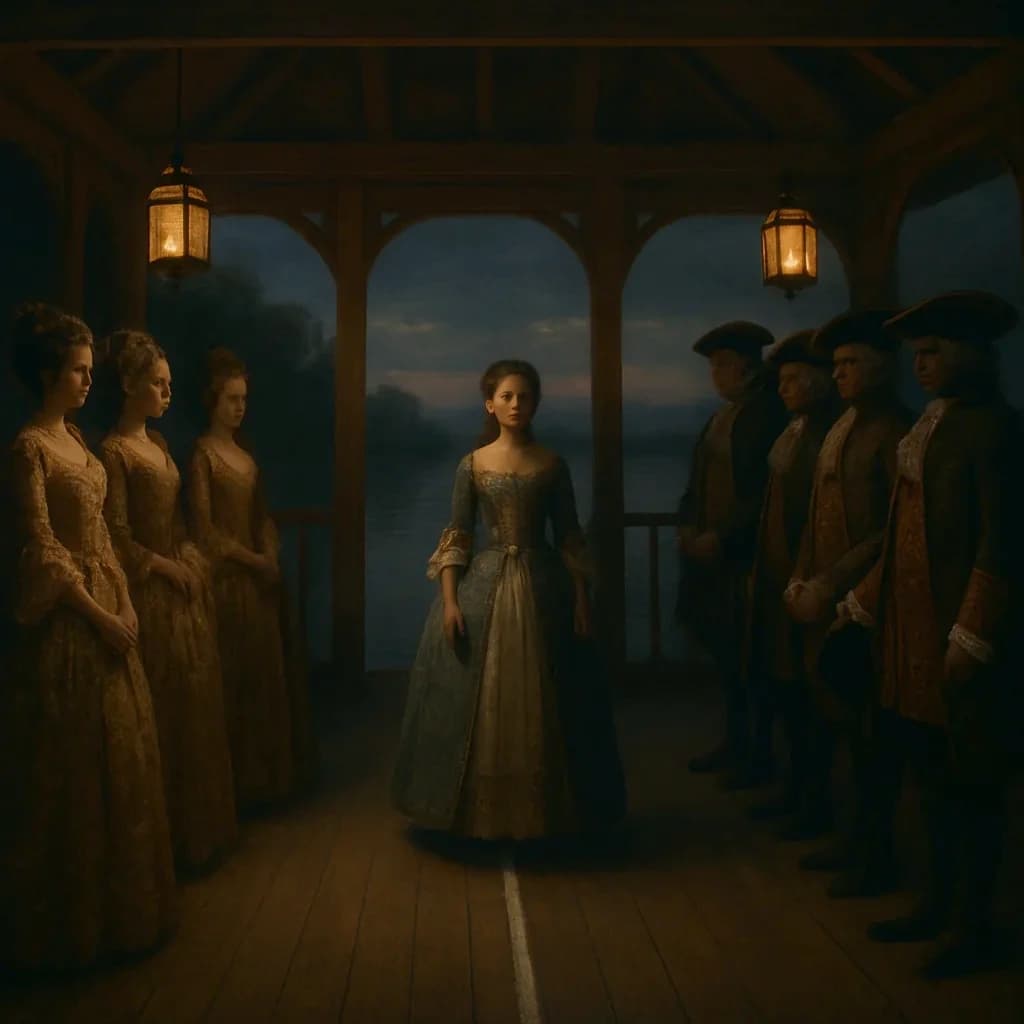
A Naked Border Crossing for a Future Queen
A fourteen-year-old crossed the French border in a ceremonial procession that took five hours, and the elaborate ritual she performed that day became the blueprint for every royal marriage in Europe for two centuries.
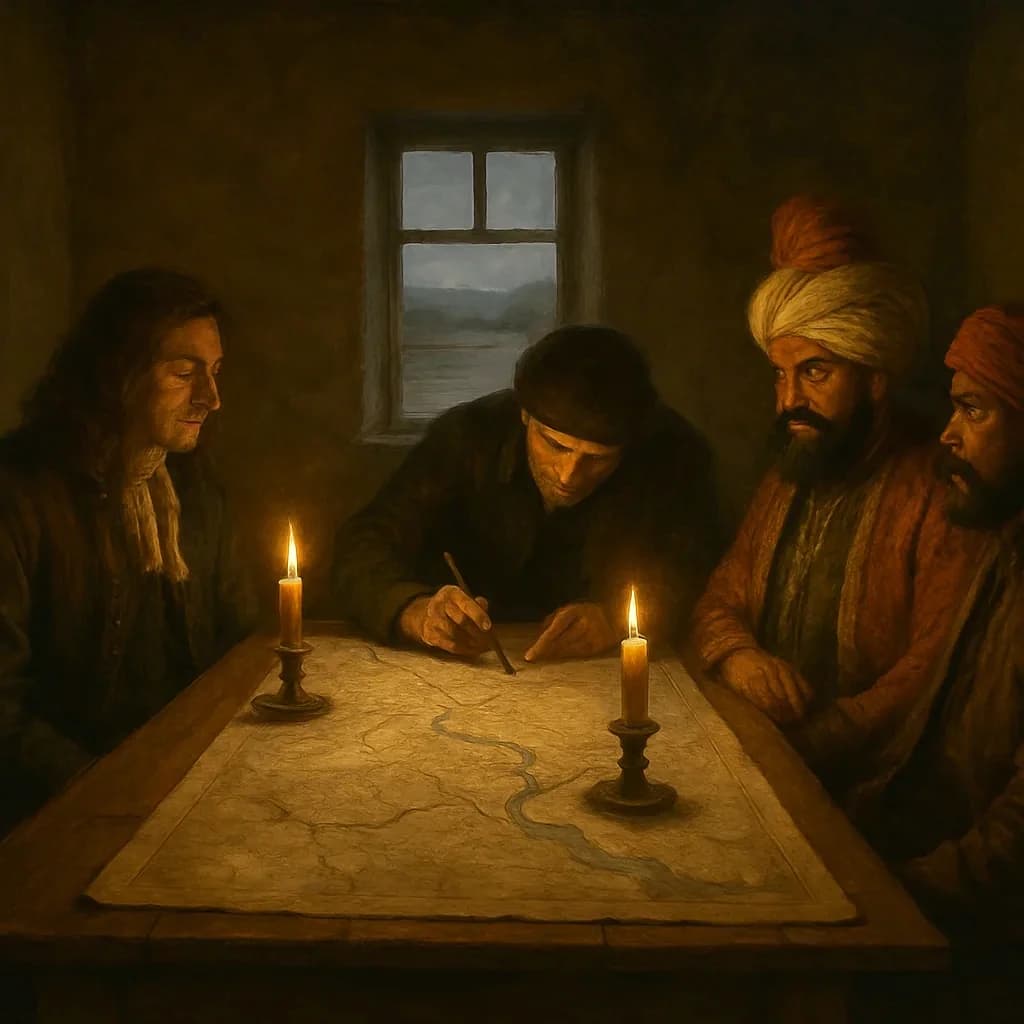
A Mapmaker's One-Degree Mistake Split a Border
One slip of arithmetic in a Viennese office in 1699 drew a border that started a war, one that's still technically unresolved.
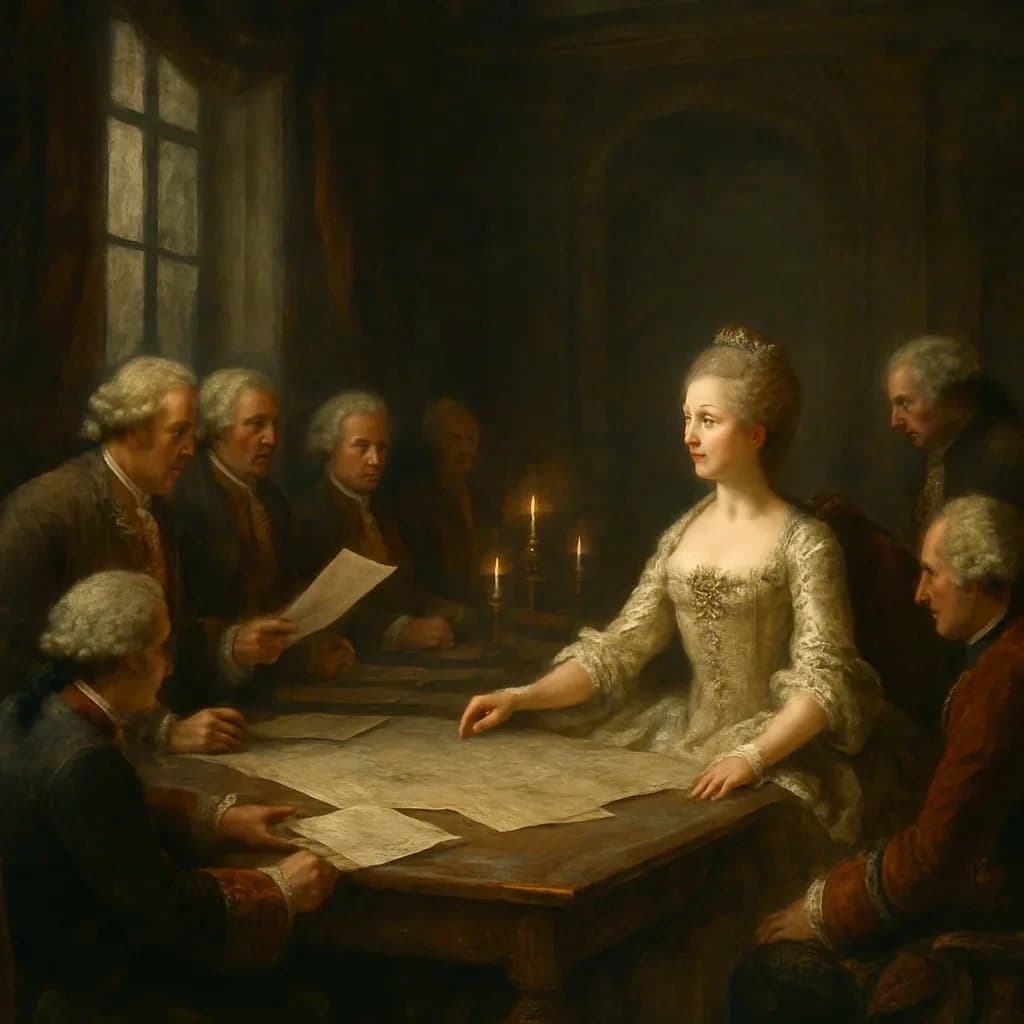
How a Deaf Ear Made Europe Misjudge Maria Theresa
A Habsburg princess went deaf in one ear during a court concert, and that small, private damage quietly rewired the politics of eighteenth-century Europe.
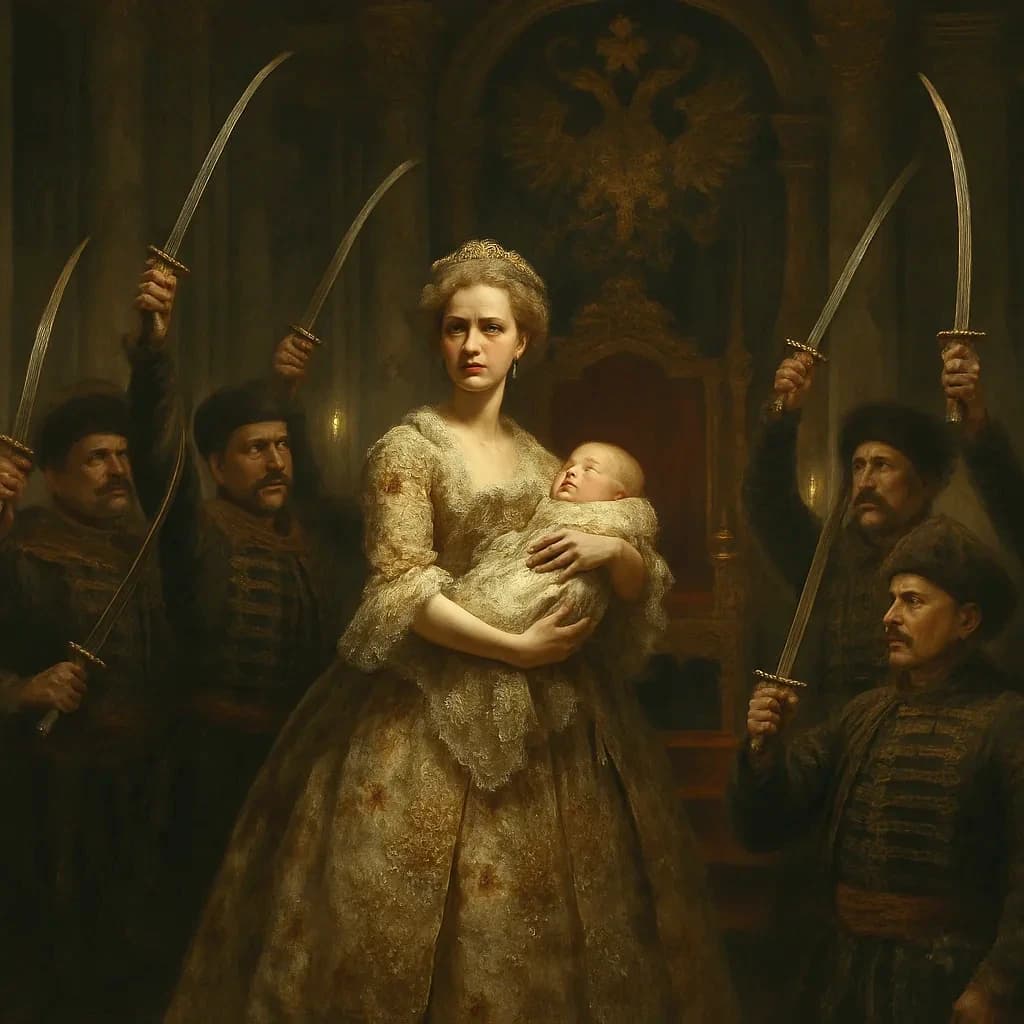
When the Queen's Laundry Started a War
A royal handkerchief fell into the wrong hands in 1740, triggering a conflict that would reshape European borders and cost hundreds of thousands of lives.
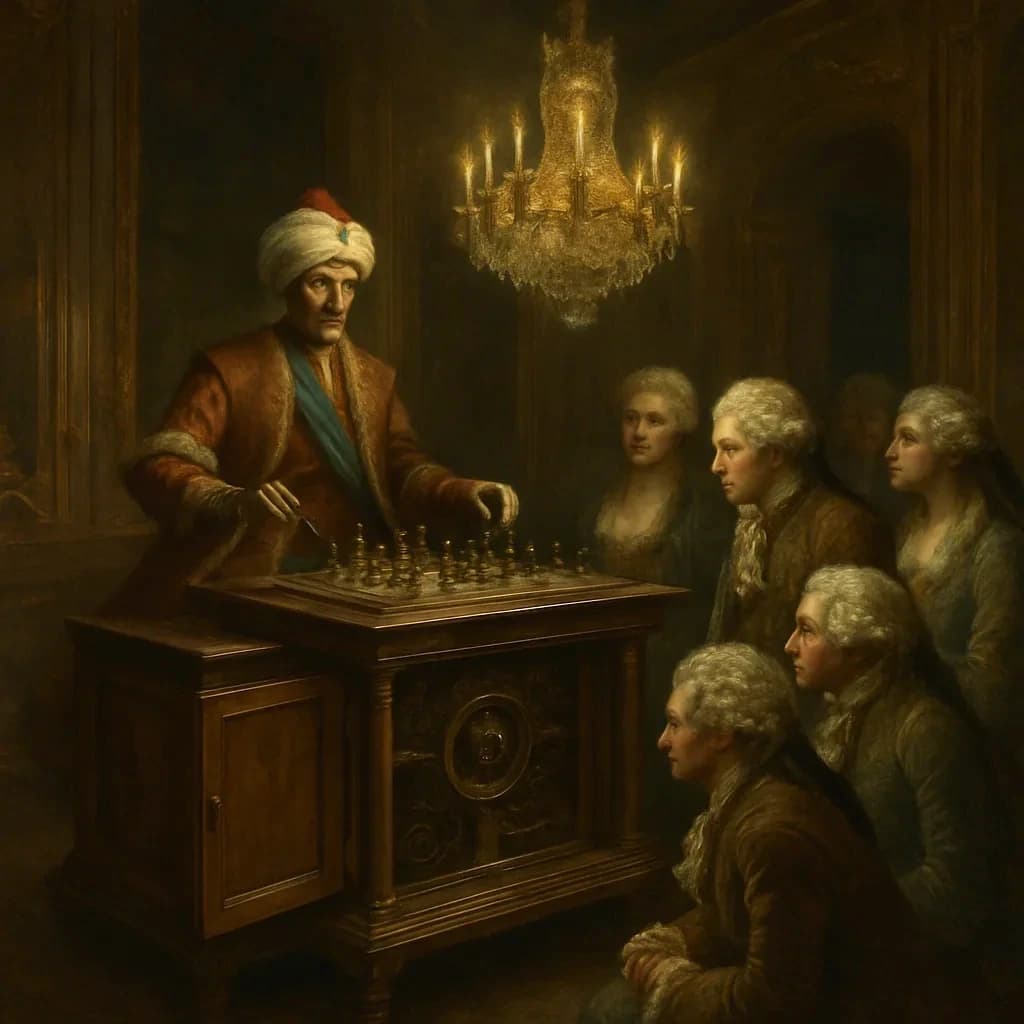
Napoleon Lost to a Chess Machine Hiding a Man
A mechanical chess-playing automaton began touring Europe's royal courts in 1770, and launched the computer age.
- Barbara Stollberg-Rilinger, 'Maria Theresa: The Great Empress' (Princeton University Press, 2022)
- Edward Crankshaw, 'Maria Theresa' (Longmans, 1969)
- Franz A. J. Szabo, 'Kaunitz and Enlightened Absolutism, 1753-1780' (Cambridge University Press, 1994)