
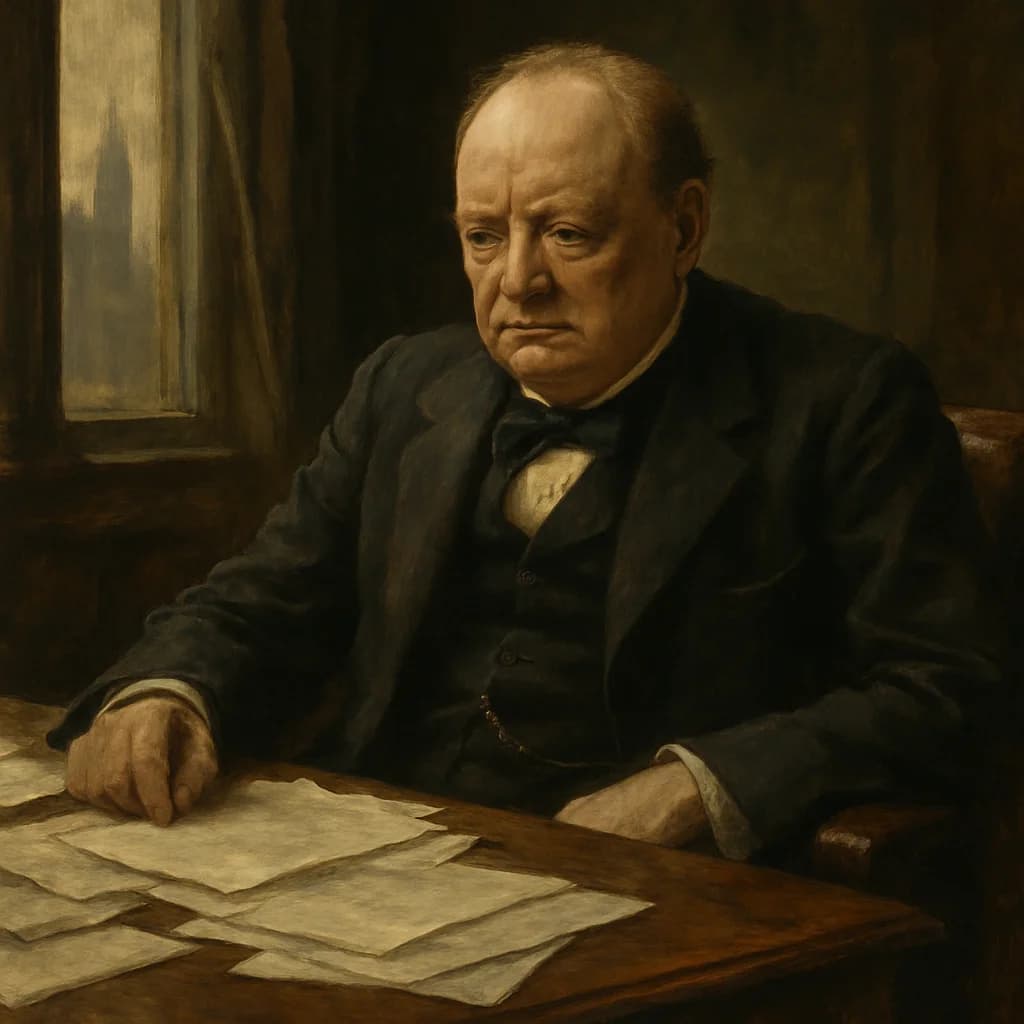
Winston Churchill
The man who saved democracy was nearly destroyed by a bottle of pills and a bridge in 1915.
Winston Churchill stood on Westminster Bridge in November 1915, contemplating the Thames below. The Dardanelles disaster had cost him his position as First Lord of the Admiralty, his political career lay in ruins, and what he called his 'black dog' (a crushing depression that would haunt him his entire life) had settled over him with particular viciousness. He carried a bottle of barbiturates in his pocket, a common remedy that had become something more dangerous in his darkest moments.
What pulled him back wasn't patriotic duty or political ambition. It was, improbably, a violin lesson. His wife Clementine, desperate to save her husband from himself, convinced him to take up the instrument. The daily discipline of practice, the small victories of mastering difficult passages, gave Churchill's restless mind something to focus on besides failure and self-destruction. Within months, he was painting watercolors too, another outlet Clementine encouraged. These weren't gentleman's hobbies; they were lifelines.
The depression never left entirely. During World War II, Churchill's staff learned to recognize the warning signs: the longer silences, the sharper temper, the way he'd stand motionless at windows for hours. They developed elaborate systems to keep him engaged: surprise visitors, urgent but manageable crises, anything to prevent the black dog from settling in completely. Churchill himself became expert at self-medication, not with pills but with relentless activity, massive correspondence, and his famous evening baths where he'd dictate memos while soaking.
In 1943, during the Tehran Conference, Stalin noticed Churchill's hands shaking during dinner and asked if the Prime Minister was ill. Churchill replied that he was merely 'rehearsing for my next catastrophe.' It was a joke, but not entirely. The man who embodied British defiance had spent decades fighting an enemy that lived inside his own mind, and winning that war may have been his greatest victory.
Churchill consumed an estimated 42,000 cigars in his lifetime but claimed he never inhaled because 'I only smoke them, I don't make love to them.'
Why untold: His mental health struggles were systematically concealed by his staff and family to protect both his political career and wartime morale.
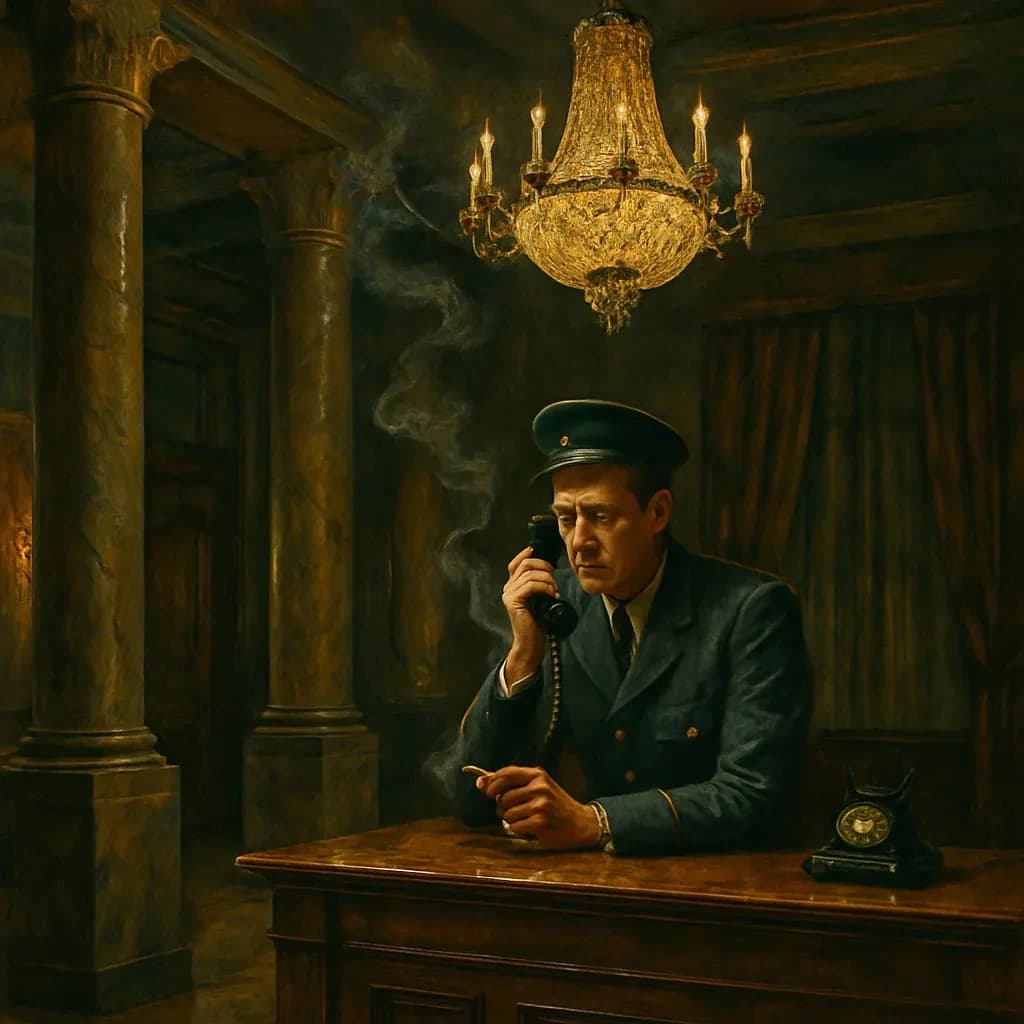
Room 23: The Bucharest Call Romania Tried to Block
A thirty-year-old hotel clerk in Bucharest saved the British Empire in 1940 with a single phone call.
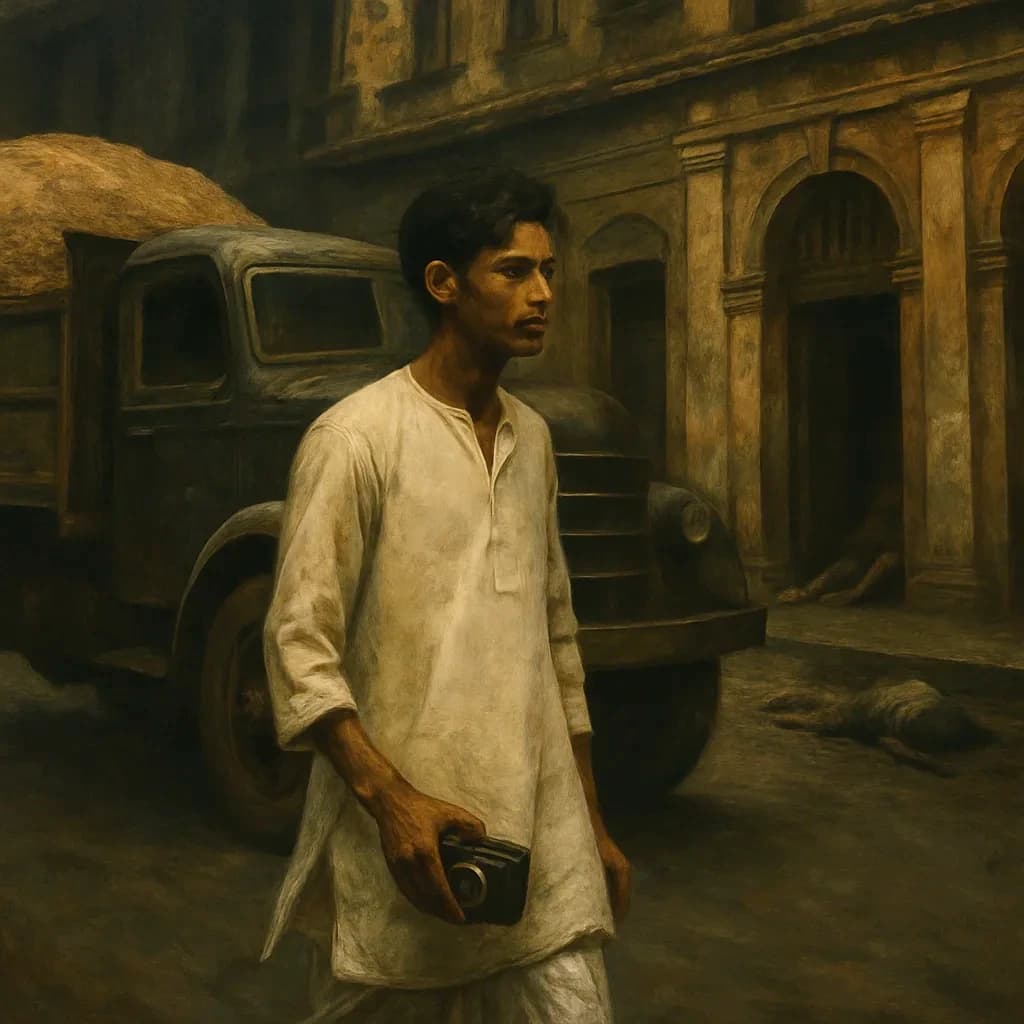
A Filmmaker Starved Himself to Expose a Famine
When the grain ships passed Calcutta's starving millions to feed London's war machine, one man tried to starve himself to death in protest.
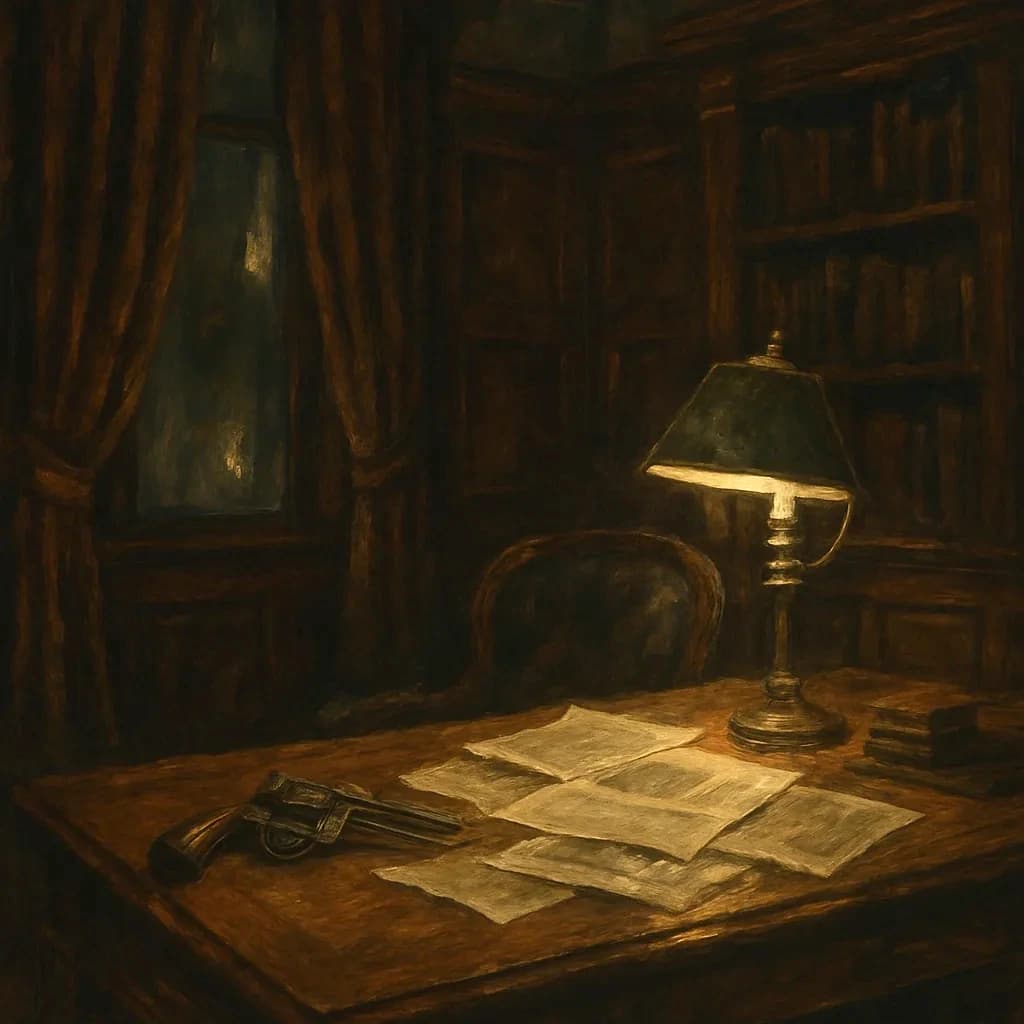
A Violin Pulled Churchill Back From the Trigger
A loaded revolver sat on Winston Churchill's desk in 1915, and only an unexpected burst of music stopped him from using it.
- Black Dog, Kafka's Mice, and Other Phenomena of the Human Mind by Anthony Storr
- Churchill: Walking with Destiny by Andrew Roberts
- The Last Lion trilogy by William Manchester and Paul Reid