
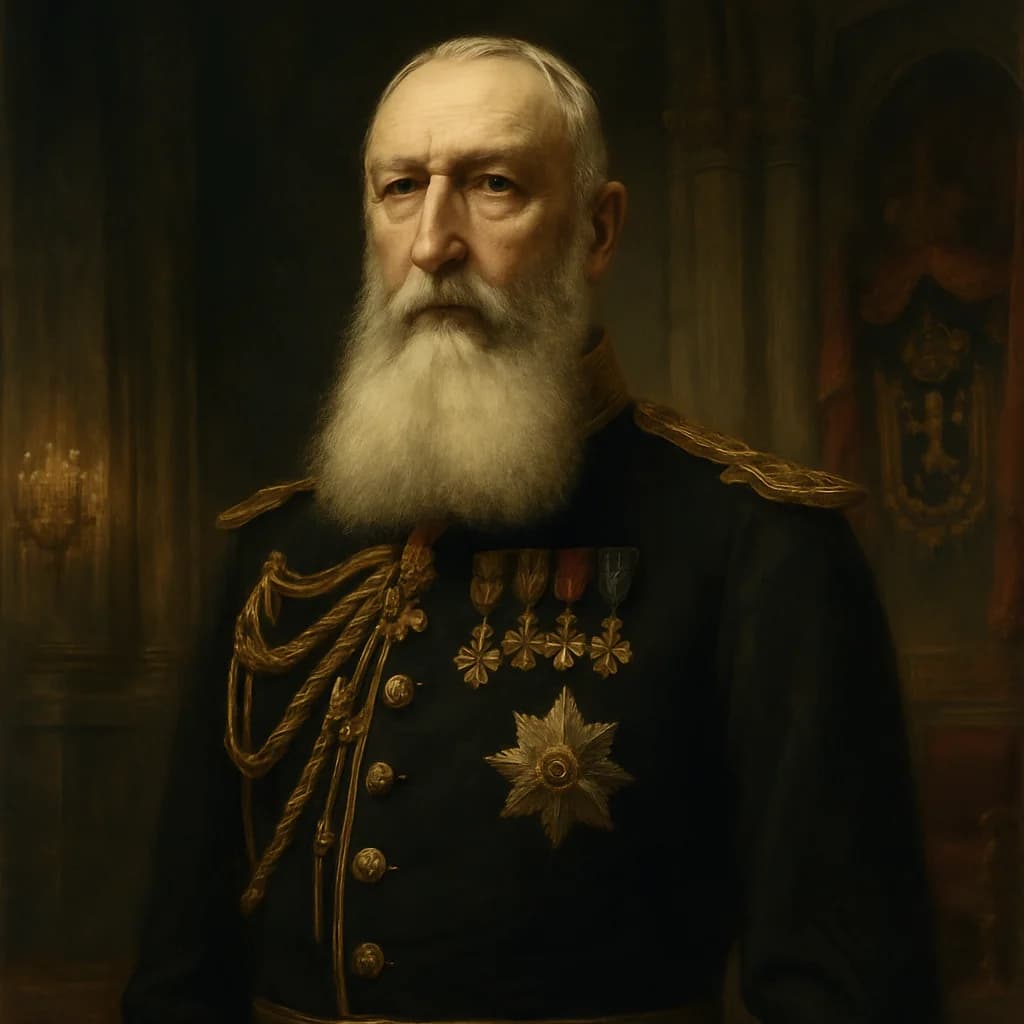
King Leopold II
The Belgian king who never set foot in his African empire murdered more people than Hitler, and convinced the world he was a humanitarian.
Leopold II spent his youth as Europe's most frustrated royal heir, watching other monarchs expand their empires while Belgium remained a tiny, powerless nation wedged between France and Germany. His father, Leopold I, had explicitly forbidden colonial adventures, calling them financial suicide. But the younger Leopold had read Henry Morton Stanley's accounts of the Congo River basin and saw something his contemporaries missed: not a land to civilize, but a business opportunity disguised as charity.
In 1876, he hosted the Brussels Geographic Conference, filling the room with explorers, missionaries, and philanthropists. Leopold delivered stirring speeches about ending the Arab slave trade and bringing Christianity to central Africa. The assembled delegates created the International African Association with Leopold as its president, a humanitarian organization that was actually a front for the king's private commercial empire. Even Stanley, the famous explorer Leopold hired to establish trading posts, believed he was working for a noble cause.
Leopold's genius lay in his public relations campaign. He hired the world's first international lobbying firm, staged exhibitions of Congolese villages complete with imported Africans, and funded newspapers across Europe and America to publish glowing reports of his civilizing mission. When reports of mass killings began emerging from the Congo in the 1890s, Leopold dismissed them as lies spread by jealous British and French competitors. He testified before the Belgian parliament with tears in his eyes, swearing his only goal was African welfare.
The king's personal ledgers, discovered decades later, revealed the truth: the Congo Free State generated roughly $1.1 billion in today's currency for Leopold personally. He spent the profits building monuments, funding Belgian public works, and purchasing teenage prostitutes for his private estate. When international pressure finally forced him to surrender the Congo to Belgium in 1908, he ordered his archives burned to hide evidence of the systematic murder of an estimated 10 million Africans.
Leopold II hired a team of Congolese performers to live in human zoos at European exhibitions, including the 1897 Brussels International Exposition, where visitors could watch them perform "authentic" African village life while Leopold collected gate receipts.
Why untold: Leopold's systematic destruction of evidence and century-long success in framing genocide as humanitarianism created a historical blind spot that persists in European education systems.
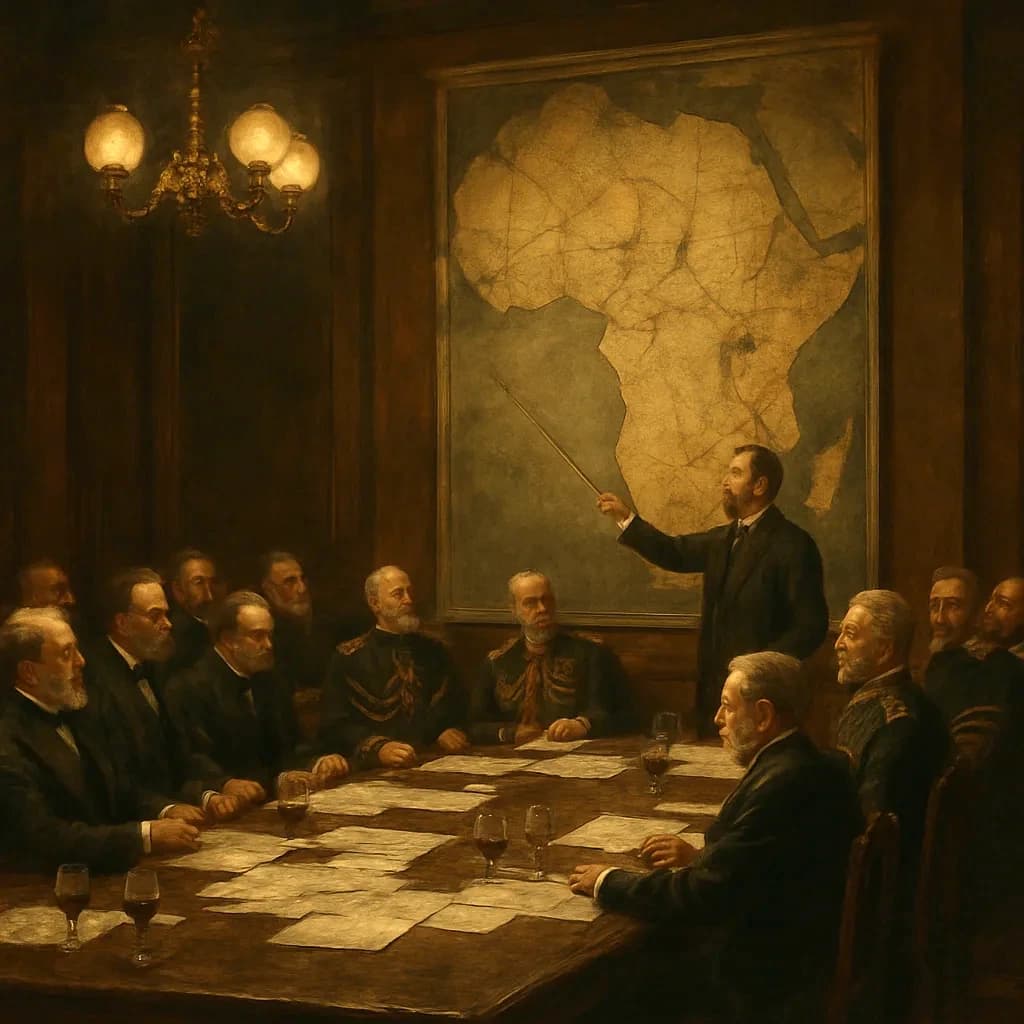
Carving Up Africa at a Berlin Dinner Party
Fourteen men carved up Africa over one winter, and not one of them had ever set foot there.
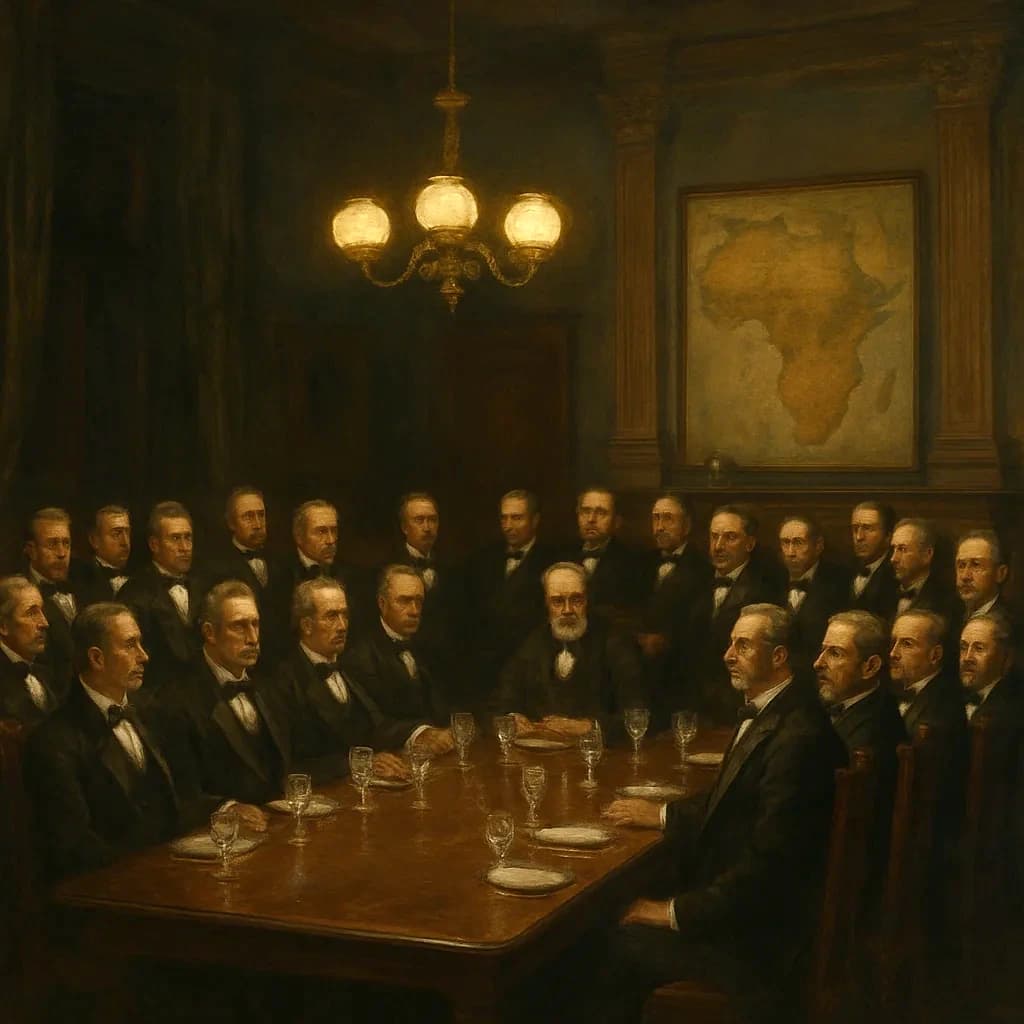
How a Brussels Dinner Doomed the Congo
One Belgian businessman hosted a dinner party that would doom an entire continent.
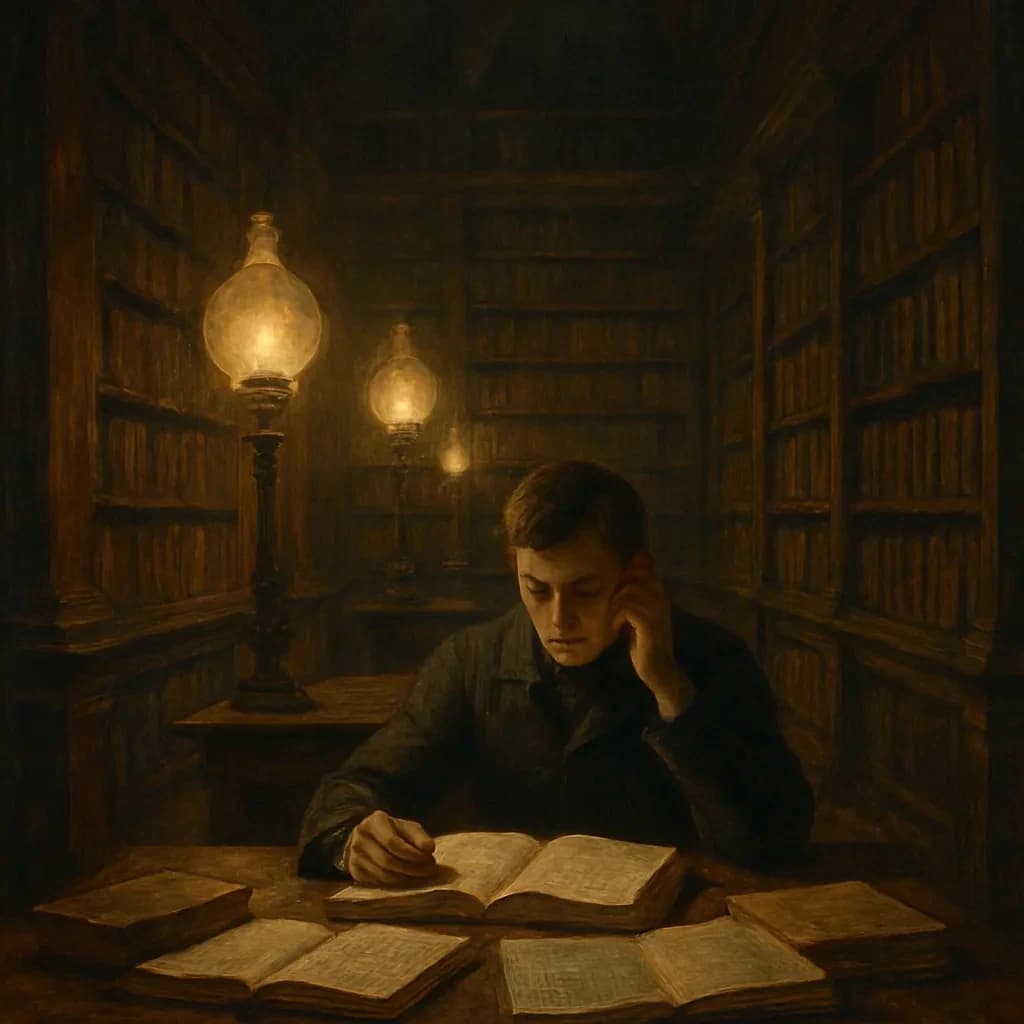
A Brussels Clerk's Night Reading Doomed the Congo
A young postal worker's after-hours reading sparked the most systematic slaughter in African history.
- Adam Hochschild, King Leopold's Ghost: A Story of Greed, Terror, and Heroism in Colonial Africa (1998)
- Jules Marchal, Lord Leverhulme's Ghosts: Colonial Exploitation in the Congo (2008)
- Barbara Emerson, Leopold II of the Belgians: King of Colonialism (1979)