
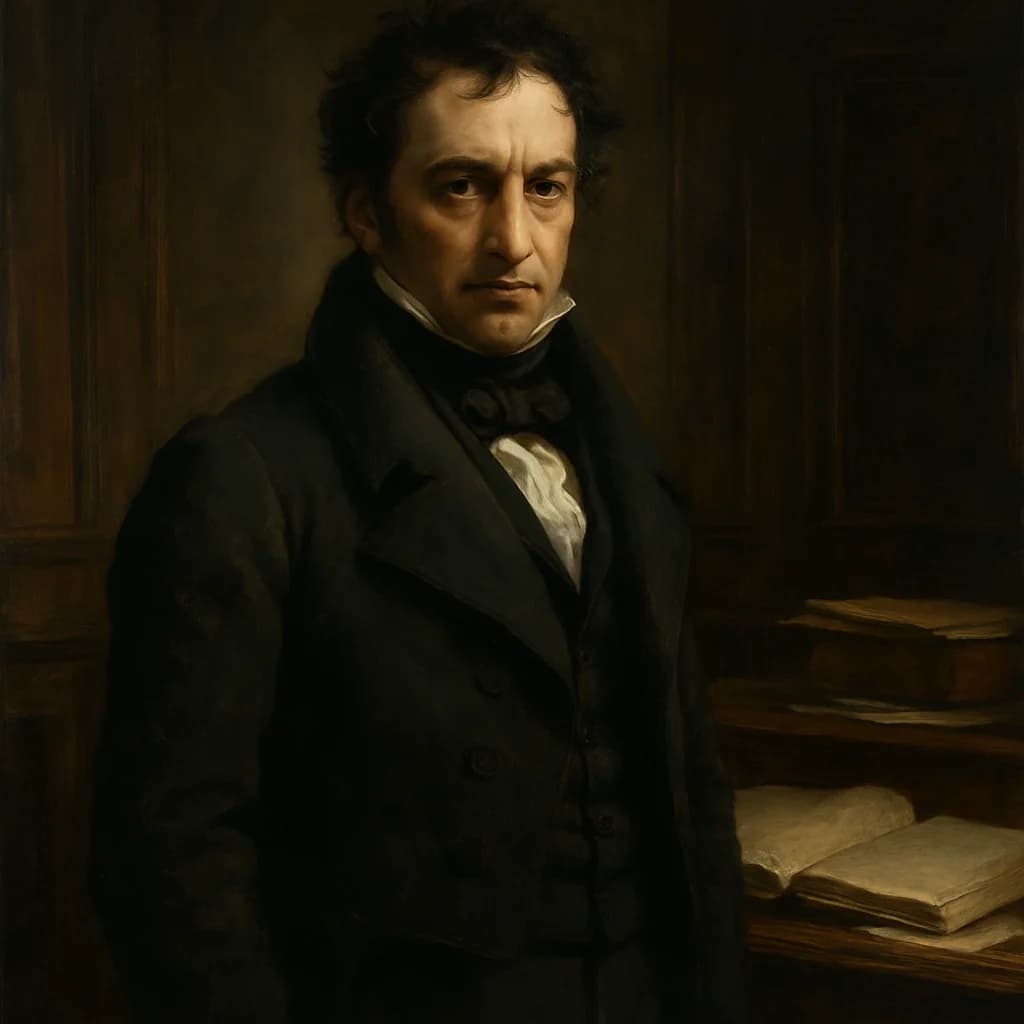
Nathan Rothschild
Nathan Rothschild made his fortune by betting against every piece of financial advice he'd ever been given.
When Nathan Rothschild arrived in Manchester in 1798, he carried £20,000 of his father's money and a simple plan: buy cheap cotton, sell expensive cloth. Within a decade, he'd abandoned textiles entirely and moved to London to trade government bonds, a market his competitors considered ungentlemanly gambling. They were half right.
Rothschild's genius wasn't in picking winners but in understanding information. While other bankers relied on official dispatches and newspaper reports, he built a private intelligence network of couriers, ship captains, and carrier pigeons that could deliver news days before anyone else received it. When Wellington defeated Napoleon at Waterloo in June 1815, Rothschild knew the outcome a full day before the British government did. But here's where the legend gets interesting: he didn't just buy British bonds. He sold them.
For hours on June 20, 1815, Rothschild stood on the London Stock Exchange floor selling British government securities while rumors swirled that Wellington had been defeated. Panic selling followed. Prices collapsed. Only when bonds reached rock bottom did Rothschild quietly begin buying, not directly, but through agents positioned throughout the trading floor. By the time official news of Wellington's victory arrived, Rothschild had purchased an enormous position at bargain prices. The subsequent rally reportedly increased his wealth by 6,500 times his initial investment.
But Rothschild's real innovation wasn't market manipulation. It was operational obsession. He standardized interest rates across European capitals, created the first international government bond market, and established credit mechanisms that allowed nations to fight wars they couldn't afford. By 1825, he was lending money to governments at rates that made kings nervous and other bankers obsolete. He died worth roughly £5 million, approximately $5 billion in today's money.
Nathan Rothschild once cornered the market in gold so completely that the Bank of England had to come to him, hat in hand, to borrow bullion to stabilize Britain's currency.
Why untold: Financial history focuses on market movements and economic theory rather than the individuals who created modern international banking through pure information arbitrage.
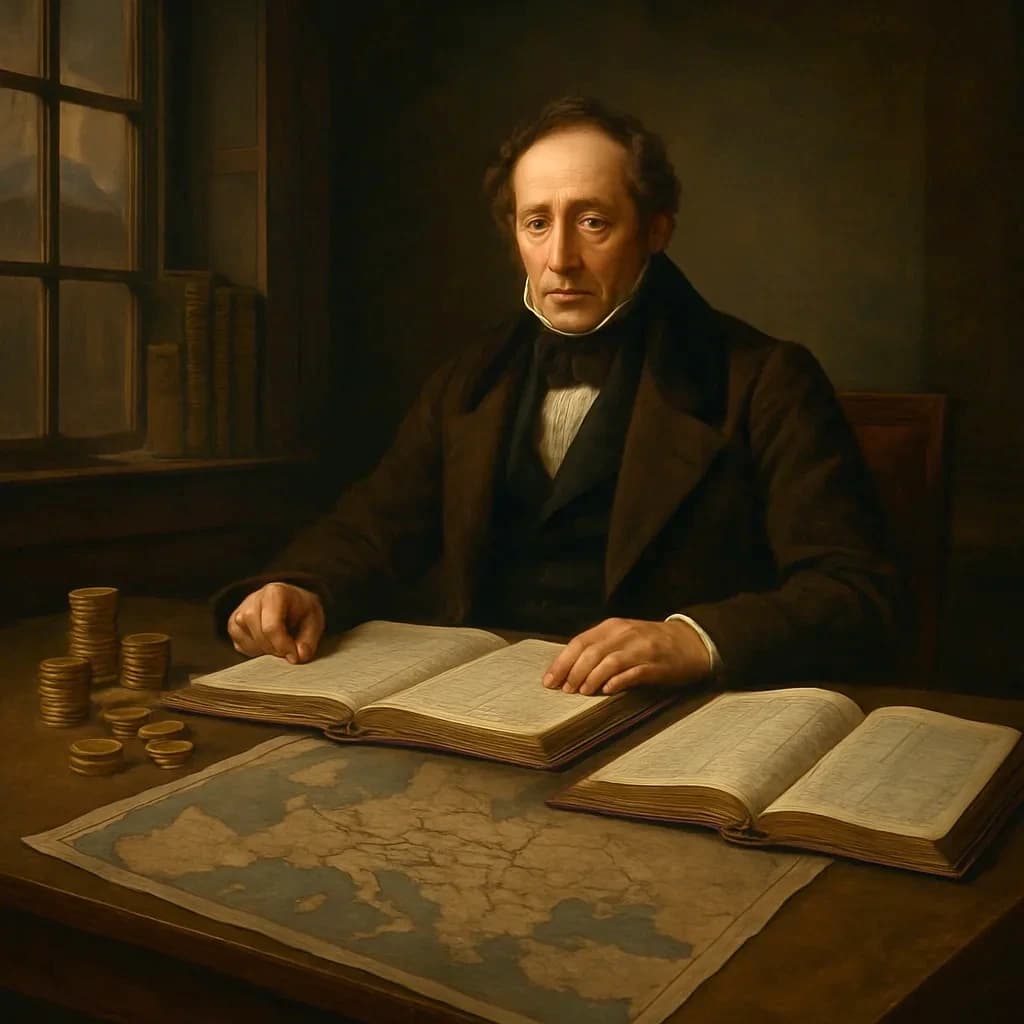
Rothschild Financed Napoleon Before Betting Against Him
Nathan Rothschild made his fortune betting against Napoleon. But first, he quietly financed him.
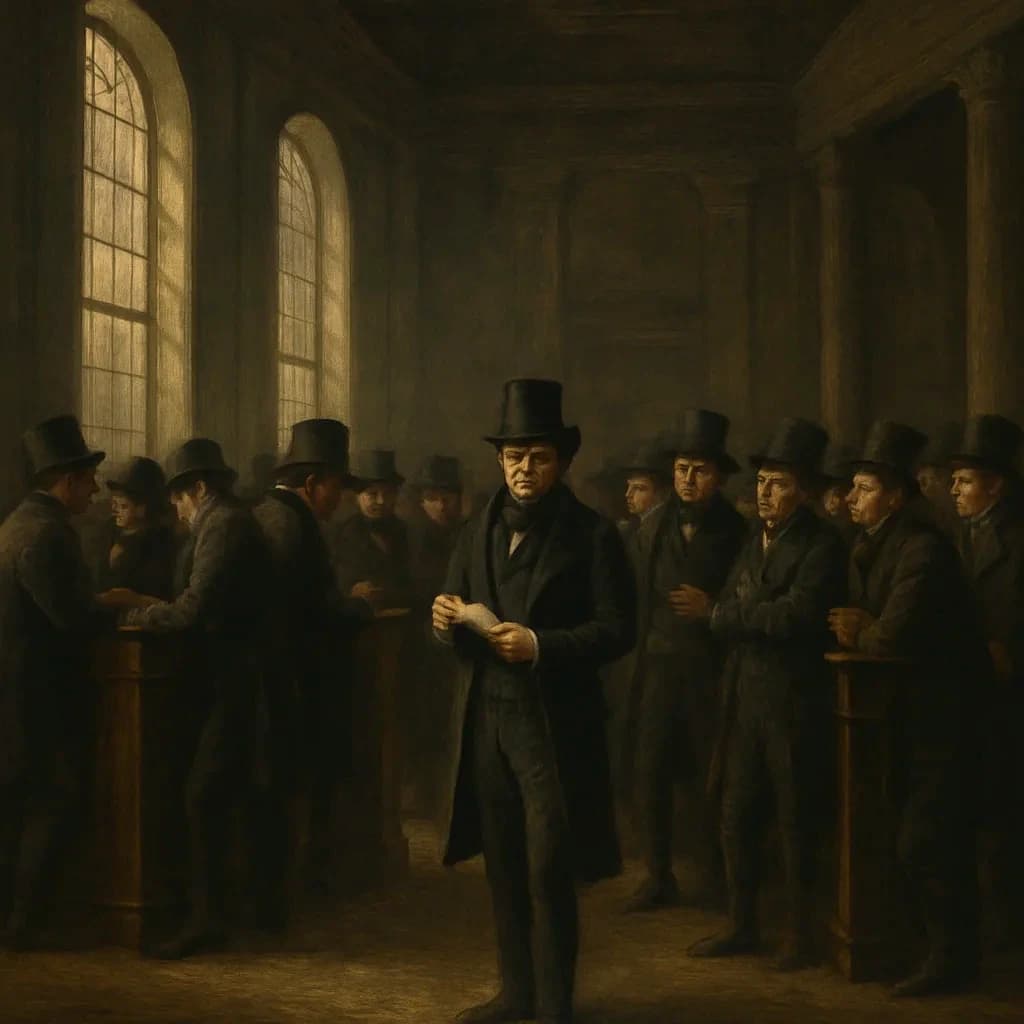
The Waterloo Bet That Built a Banking Empire
Nathan Rothschild had twenty-four hours to either make the greatest fortune in history or lose everything his family had built.

A Coin Dealer Bought Soldiers' Panic and Built a Dynasty
A Frankfurt coin dealer started buying government bonds from panicked soldiers, and accidentally built the world's most powerful financial dynasty.
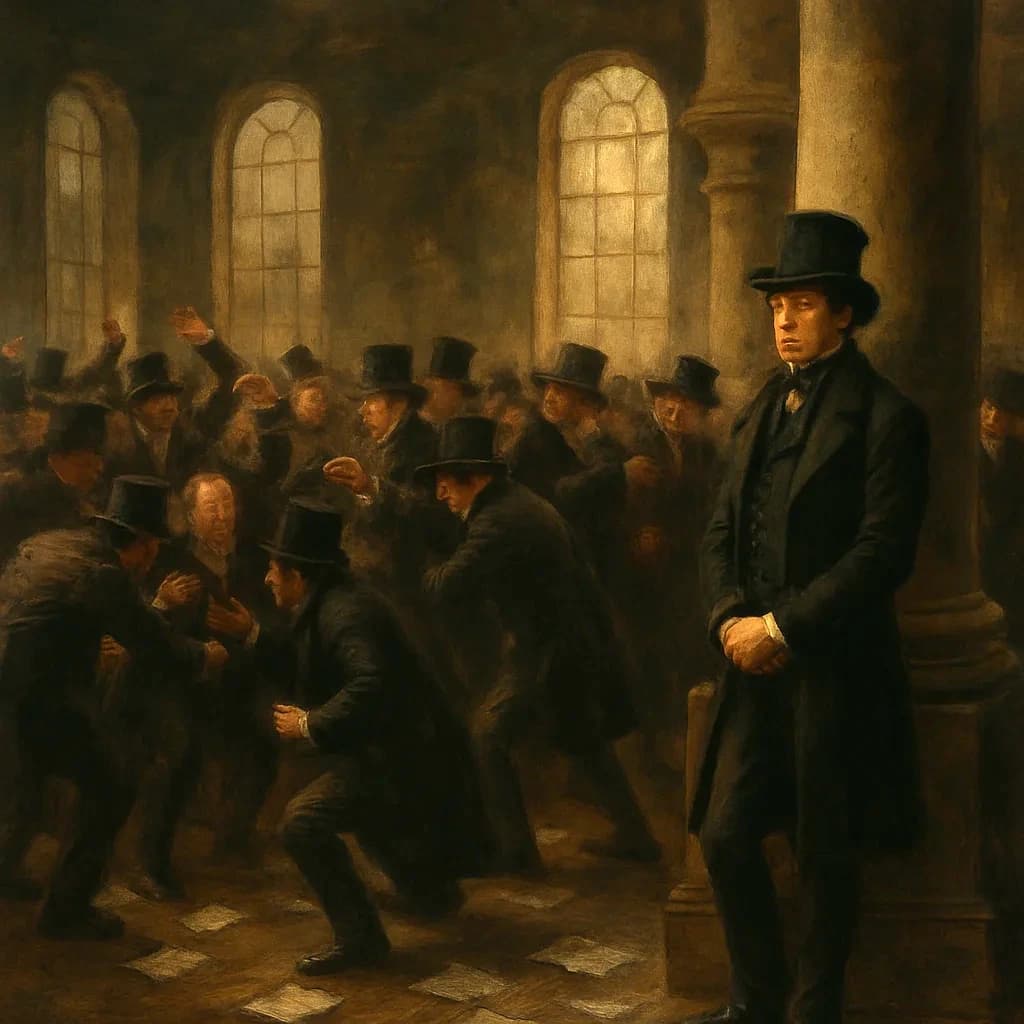
Rothschild's Famous Waterloo Bet Ran on Eighteen-Hour-Old News
Nathan Rothschild made the most famous bet in financial history with information that was eighteen hours old.

A Cloth Peddler's Ledger Spawned a Five-Nation Banking Empire
A wandering cloth merchant from Frankfurt kept such meticulous accounts that his five sons accidentally built a banking empire spanning five nations.

Rothschild: Lending to Both Sides of Five Wars
A quiet German accountant financed both sides of five different European conflicts before anyone noticed.
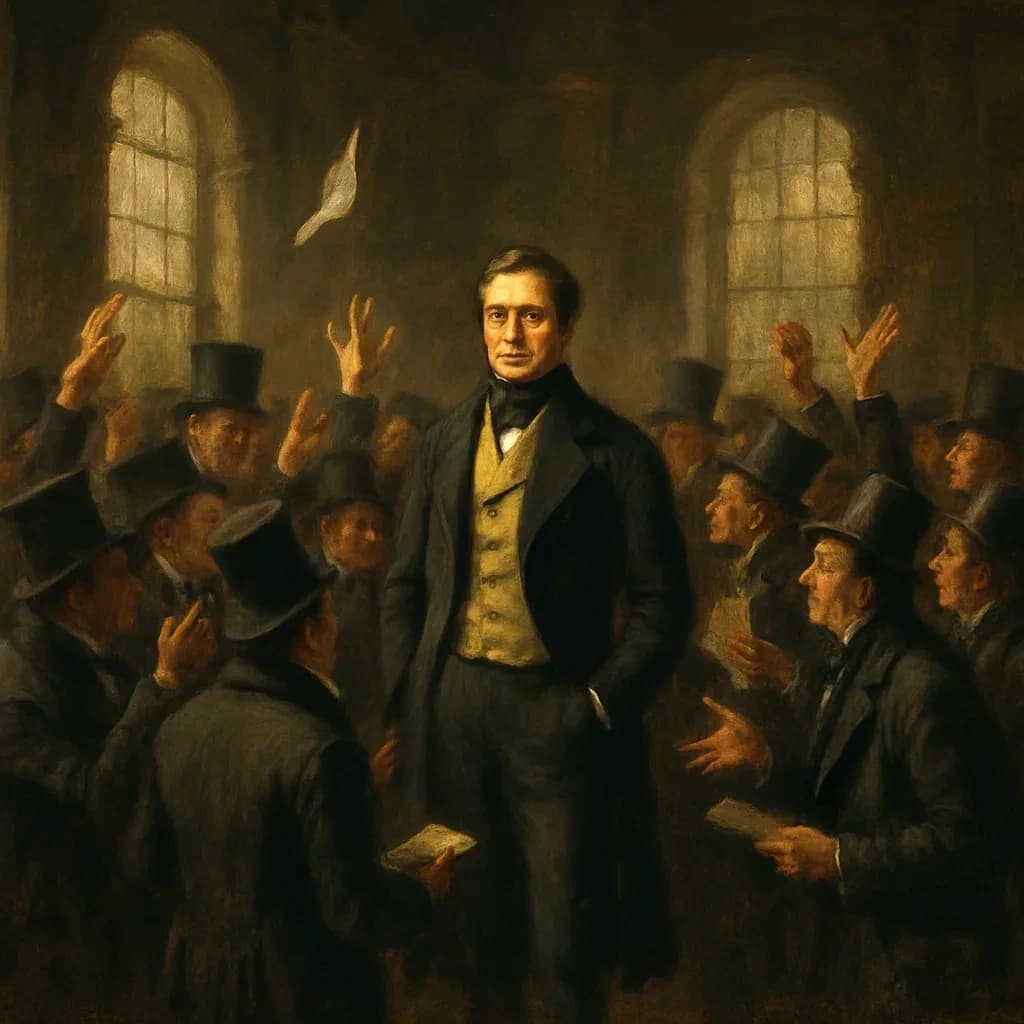
Waterloo's Biggest Winner Was a Banker in London
While Napoleon fought his final battle, a different war was being waged in London's financial district, one that would make the Rothschilds the richest family in Europe.

A Washerwoman's Son Ended Up Owning Half Europe's Debt
A Frankfurt washerwoman's son counted other people's money so well, he ended up owning half of Europe's debt.
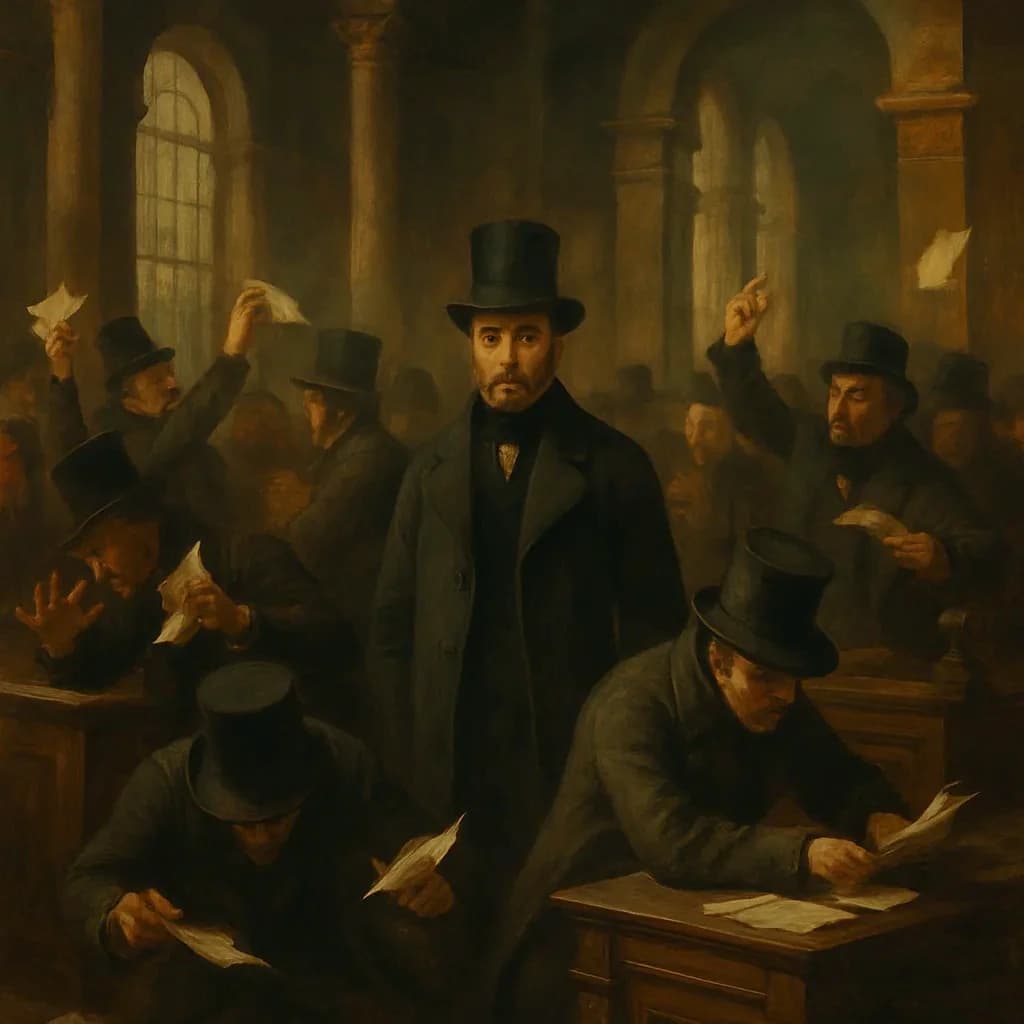
The Banker Who Owned Napoleon
One man quietly funded both sides of the Napoleonic Wars and became richer than most nations.
- Ferguson, Niall. The House of Rothschild: Money's Prophets 1798-1848. Viking, 1998.
- Morton, Frederic. The Rothschilds: A Family Portrait. Atheneum, 1962.
- Wilson, Derek. Rothschild: The Wealth and Power of a Dynasty. Scribner, 1988.