
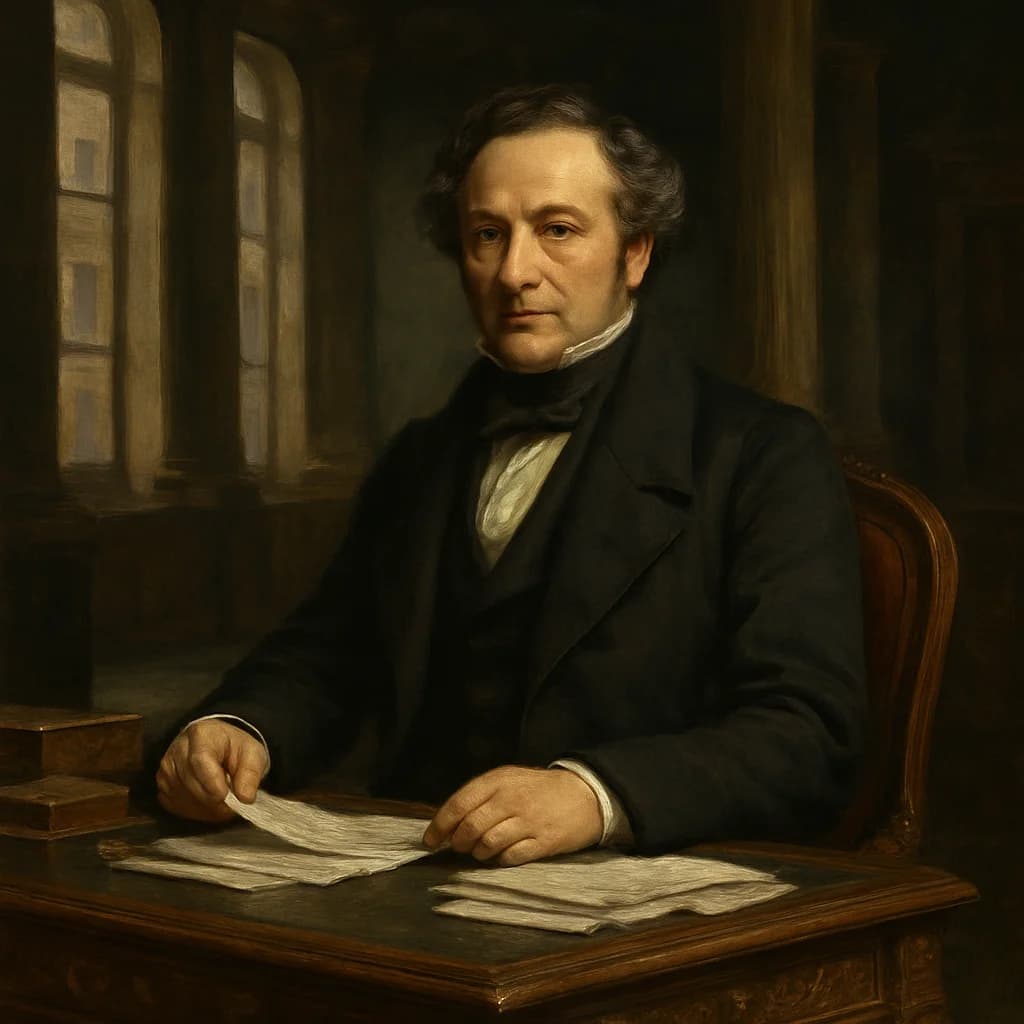
James Rothschild
James Rothschild became the richest man in France by accident. He was supposed to be the family's consolation prize.
When Mayer Amschel Rothschild decided to scatter his five sons across Europe's financial capitals in 1812, James drew the short straw. Paris was a risky bet. Napoleon's empire looked shaky, French finances were a mess, and the locals weren't exactly welcoming to German Jewish bankers. Nathan got London's booming markets, Carl took bustling Naples, Salomon landed imperial Vienna. Twenty-year-old James got stuck with revolutionary France.
What the family couldn't predict was that James possessed something his more celebrated brothers lacked: an almost supernatural ability to charm the French elite. Within a decade, this soft-spoken youngest son was financing railroad empires, orchestrating government bond issues, and somehow convincing Catholic aristocrats to trust their fortunes to a Frankfurt outsider. He didn't just survive the transition from Napoleon to the Bourbon Restoration to the July Monarchy. He thrived through each regime change by the simple expedient of making himself indispensable to whoever held power.
James revolutionized French finance by importing his family's intelligence network. While other bankers relied on official dispatches, the Rothschilds had their own courier system racing between European capitals. James knew about political upheavals, crop failures, and military victories days or weeks before his competitors. This information advantage let him corner markets with surgical precision. When revolution erupted in 1848, wiping out fortunes across Paris, James emerged richer than before. He'd quietly positioned himself for chaos while others panicked.
By his death in 1868, James had accumulated a personal fortune worth roughly $400 billion in today's money, making him one of the wealthiest individuals in human history. Yet he remained the family member least interested in ostentatious display, preferring to collect rare books and finance worthy causes. The consolation prize had become the crown jewel.
James Rothschild financed both sides of the 1848 French Revolution. He secretly backed republican bonds while publicly supporting the monarchy, ensuring profit regardless of the outcome.
Why untold: His story is overshadowed by brother Nathan's more dramatic London exploits and antisemitic conspiracy theories that focus on collective family power rather than individual achievement.
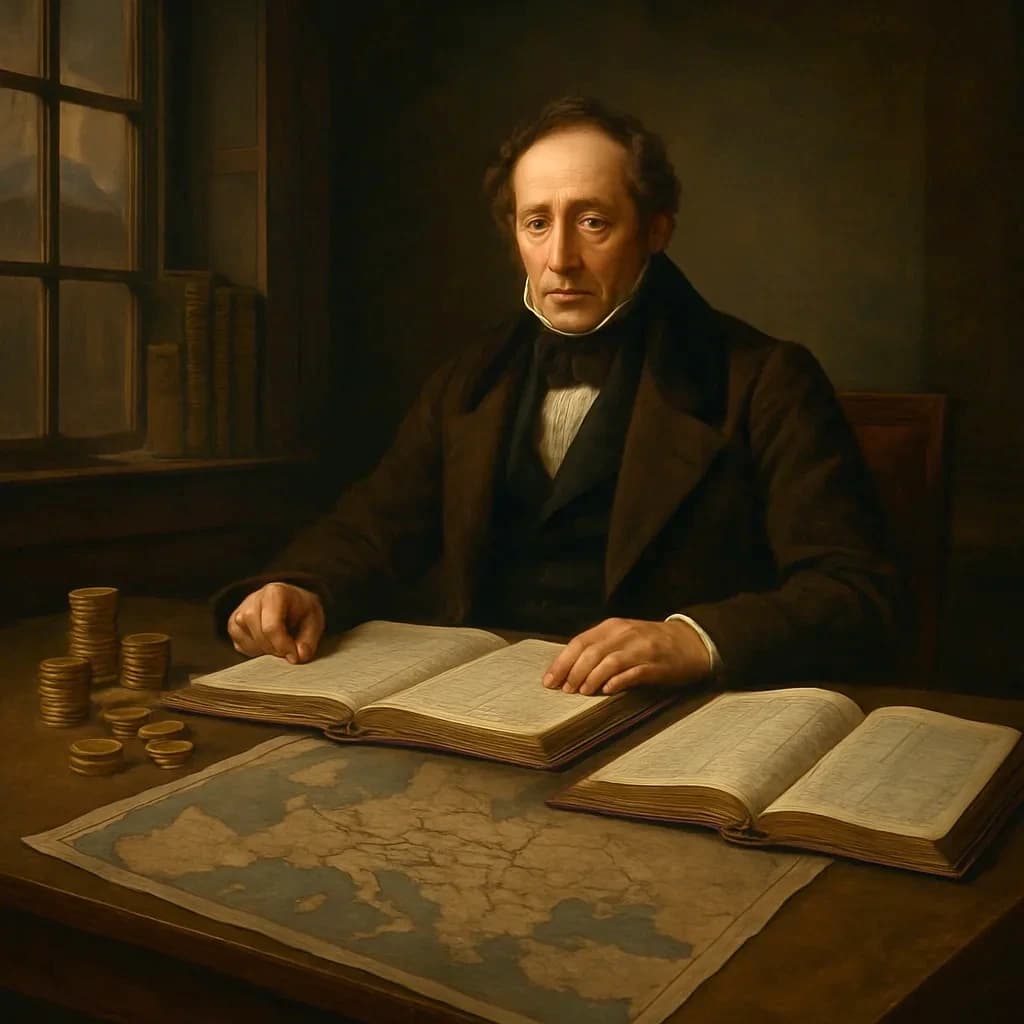
Rothschild Financed Napoleon Before Betting Against Him
Nathan Rothschild made his fortune betting against Napoleon. But first, he quietly financed him.

A Coin Dealer Bought Soldiers' Panic and Built a Dynasty
A Frankfurt coin dealer started buying government bonds from panicked soldiers, and accidentally built the world's most powerful financial dynasty.

A Cloth Peddler's Ledger Spawned a Five-Nation Banking Empire
A wandering cloth merchant from Frankfurt kept such meticulous accounts that his five sons accidentally built a banking empire spanning five nations.
- Niall Ferguson, The House of Rothschild: Money's Prophets 1798-1848
- Derek Wilson, Rothschild: The Wealth and Power of a Dynasty
- Jean Bouvier, Les Rothschild: Histoire d'un capitalisme familial