
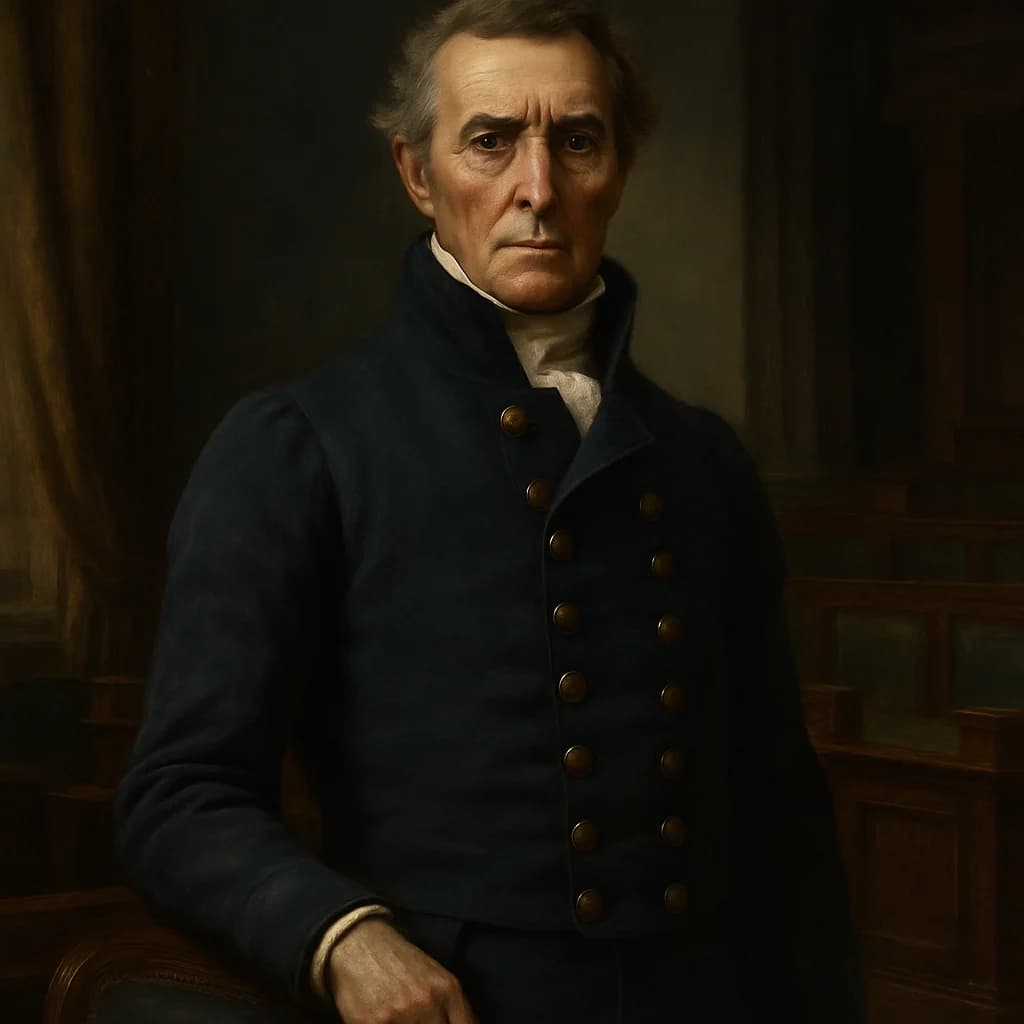
Duke of Wellington
The Duke of Wellington won Waterloo with an army he called 'the scum of the earth' and spent the rest of his life trying to prevent democracy from reaching Britain.
Arthur Wellesley despised his own soldiers almost as much as he despised the French. "I don't know what effect these men will have upon the enemy," he wrote of his troops, "but by God, they terrify me." This aristocratic misanthrope who saved Europe from Napoleon believed democracy was a disease that would destroy civilization, and he spent his post-war career as Prime Minister trying to inoculate Britain against it.
Wellington's genius lay not in inspiring loyalty but in wielding contempt as a weapon. He flogged deserters, hanged looters, and maintained discipline through calculated cruelty. At Waterloo, when his aide suggested retreating, Wellington replied with characteristic coldness: "Hard pounding, gentlemen. We shall see who can pound the longest." He won because he understood that wars are won by whoever refuses to break first, not by whoever loves their cause most.
After Waterloo made him the most celebrated man in Europe, Wellington turned his strategic mind to what he saw as a greater threat: the expanding franchise. As Prime Minister from 1828 to 1830, he fought Catholic Emancipation until forced to concede, then declared that the existing electoral system was so perfect that he would resist any reform "as long as I hold any station in the government of the country." When the Great Reform Bill passed anyway, mobs smashed the windows of Apsley House. Wellington installed iron shutters and earned a new nickname: the Iron Duke.
He lived until 1852, long enough to see the democratic reforms he'd fought become the foundation of modern Britain. The man who saved Europe from one revolution spent his final decades watching another revolution (this one peaceful, British, and utterly unstoppable) transform the world he'd fought to preserve.
Wellington was so paranoid about assassination attempts that he kept loaded pistols in every room of his house and never walked the same route twice.
Why untold: His post-war political career as an anti-democratic reactionary contradicts the heroic narrative of the man who 'saved Europe for freedom.'
Cannonball Math Proved Napoleon Was Doomed at Waterloo
A brilliant mathematician's attempt to calculate cannon trajectories accidentally proved that Napoleon was doomed to fail at Waterloo.
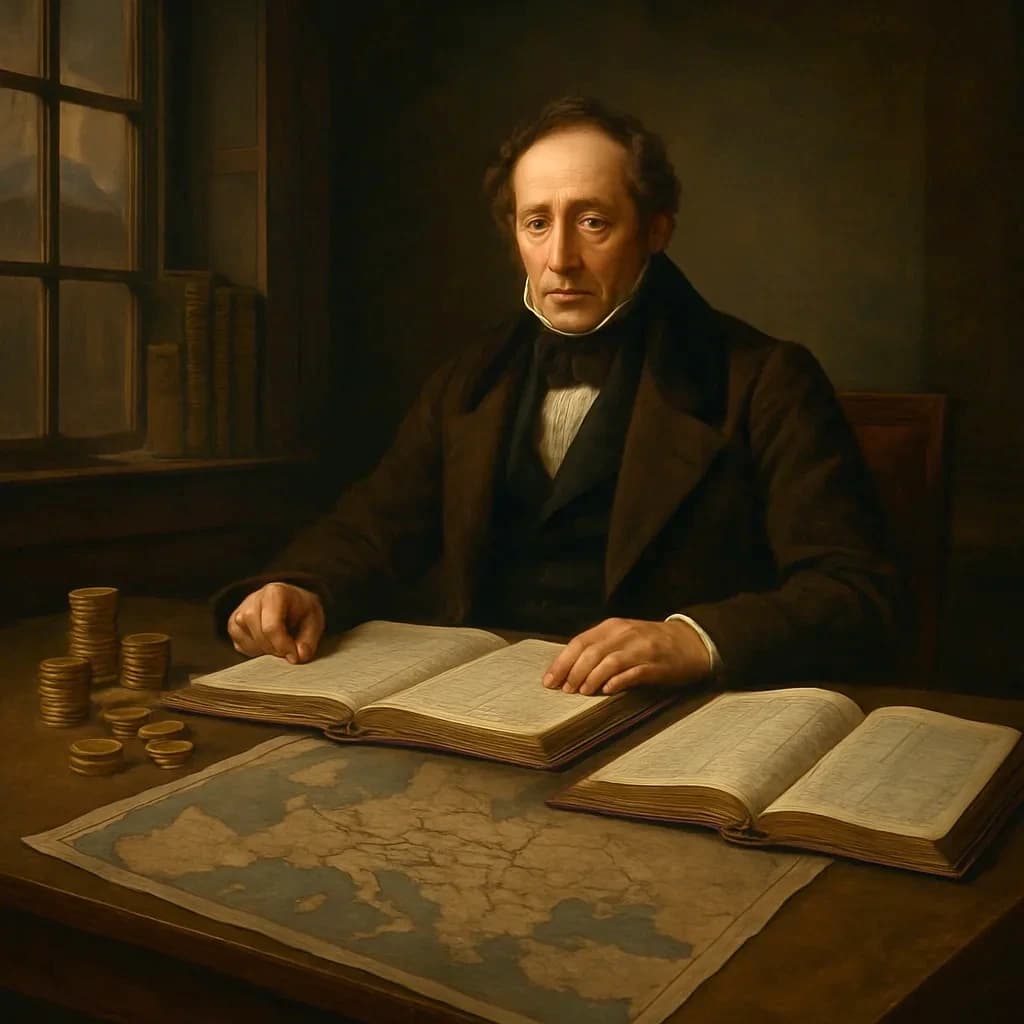
Rothschild Financed Napoleon Before Betting Against Him
Nathan Rothschild made his fortune betting against Napoleon. But first, he quietly financed him.
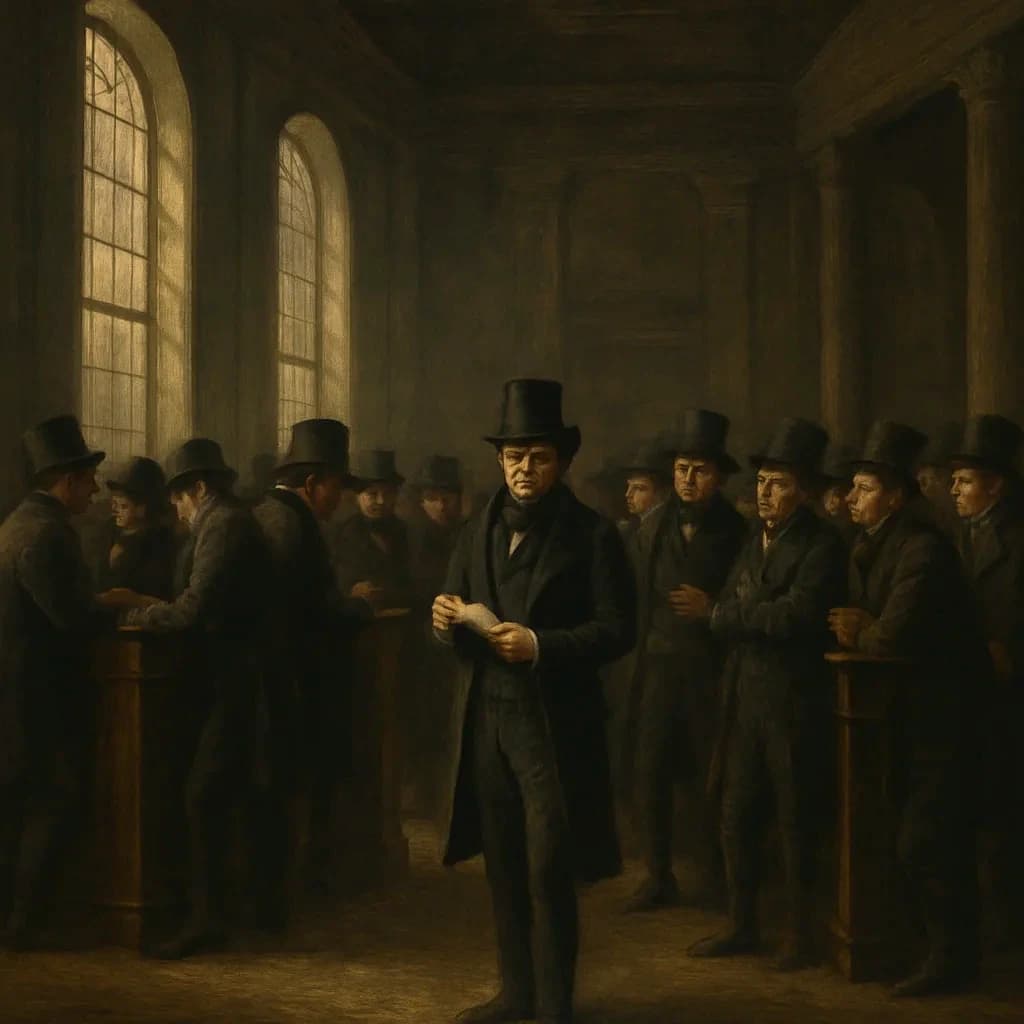
The Waterloo Bet That Built a Banking Empire
Nathan Rothschild had twenty-four hours to either make the greatest fortune in history or lose everything his family had built.
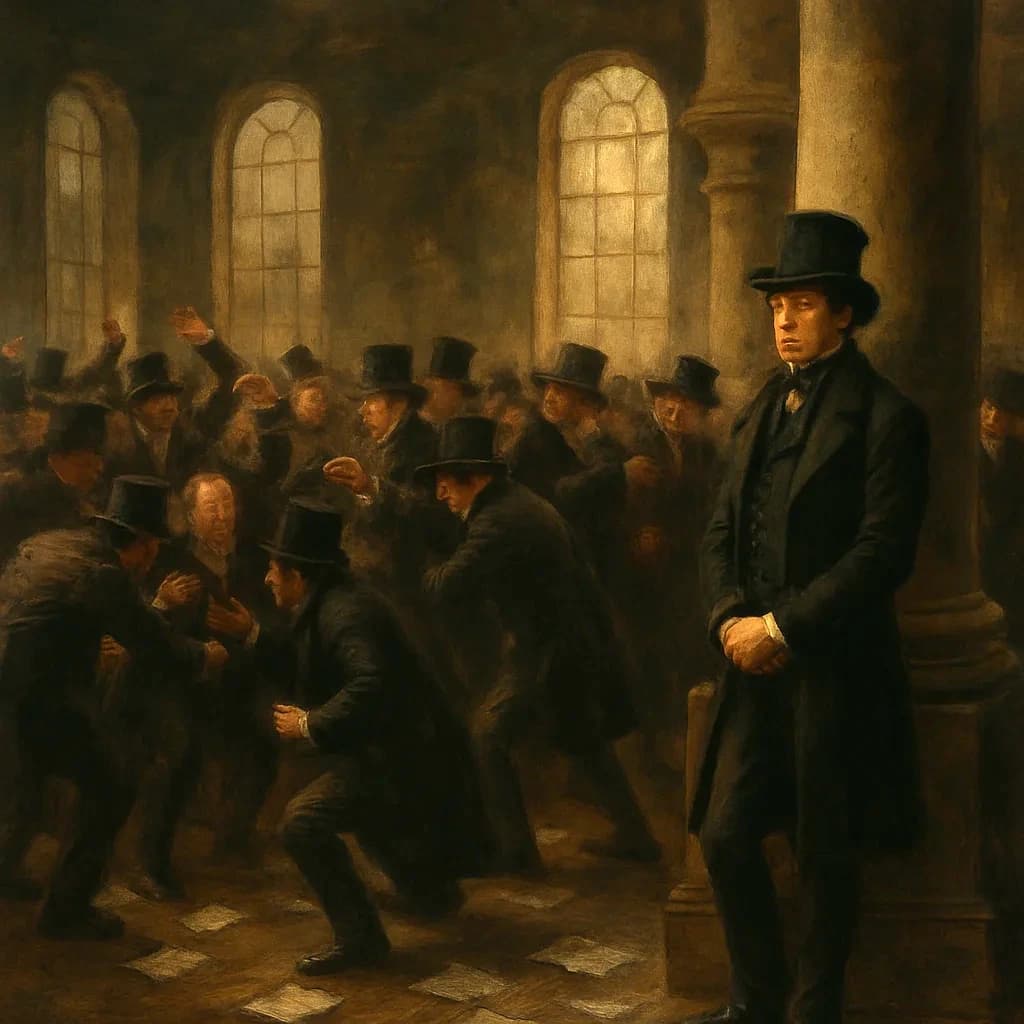
Rothschild's Famous Waterloo Bet Ran on Eighteen-Hour-Old News
Nathan Rothschild made the most famous bet in financial history with information that was eighteen hours old.
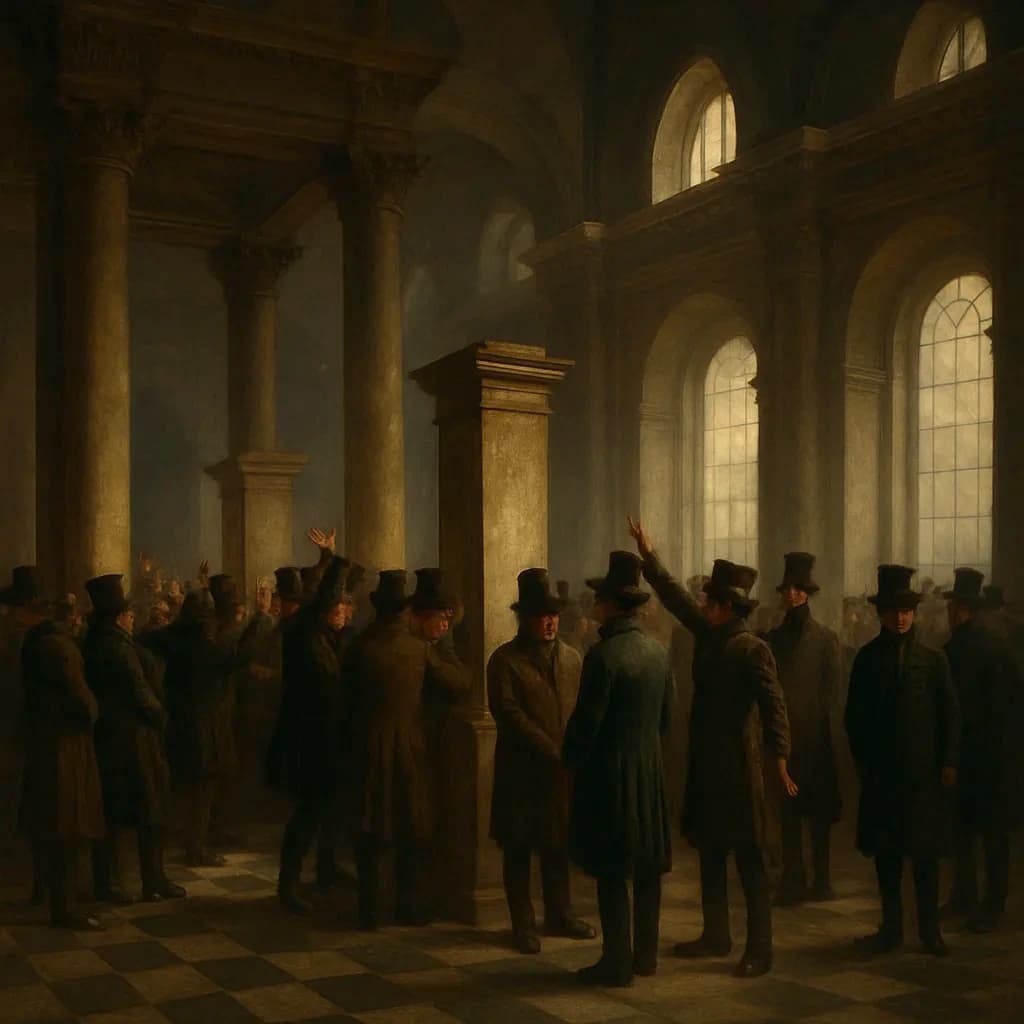
Nathan Rothschild Chose Which Waterloo Truth London Would Hear
Nathan Rothschild stood in the London Exchange with news that could make or break every fortune in the room, but first, he had to decide which version of the truth to tell.
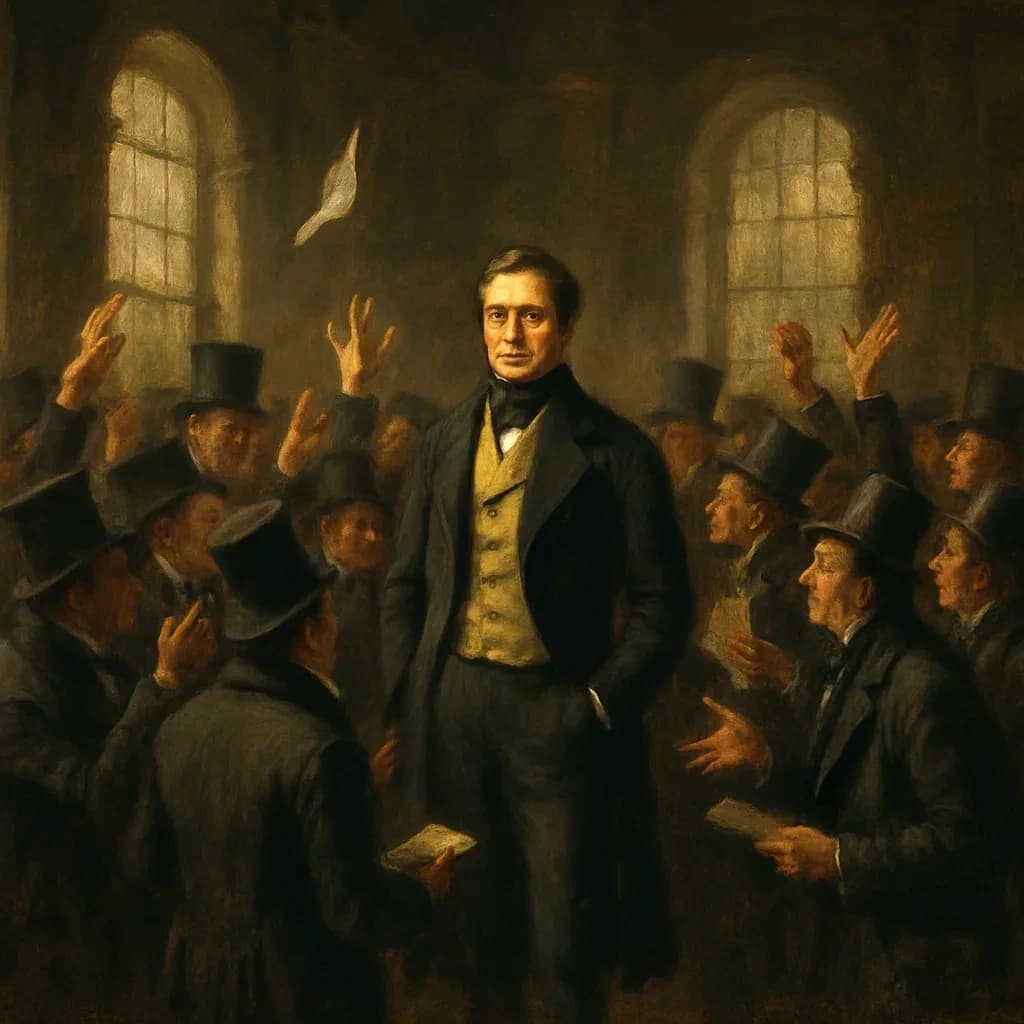
Waterloo's Biggest Winner Was a Banker in London
While Napoleon fought his final battle, a different war was being waged in London's financial district, one that would make the Rothschilds the richest family in Europe.
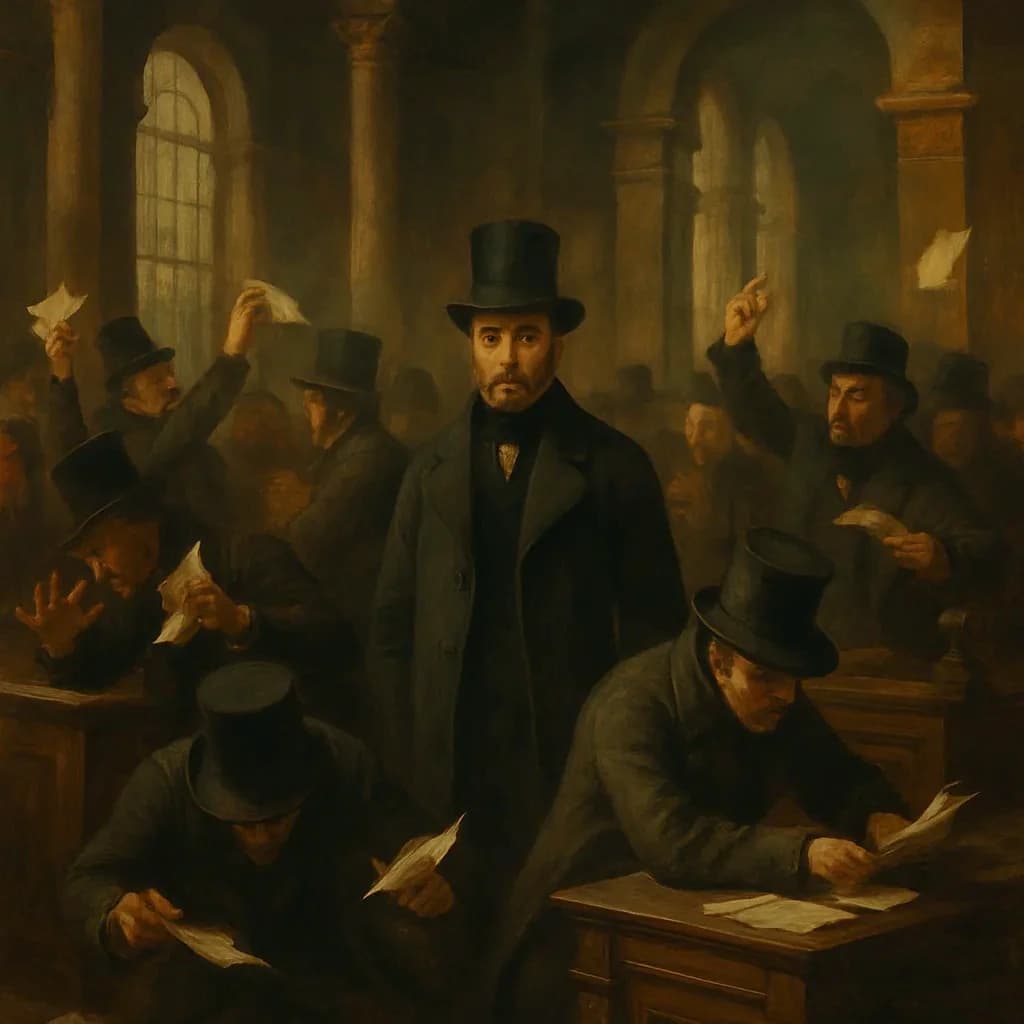
The Banker Who Owned Napoleon
One man quietly funded both sides of the Napoleonic Wars and became richer than most nations.
- Elizabeth Longford, Wellington: The Years of the Sword (1969)
- Andrew Roberts, Wellington: A Life (2014)
- Rory Muir, Wellington: Waterloo and the Fortunes of Peace 1814-1852 (2015)