
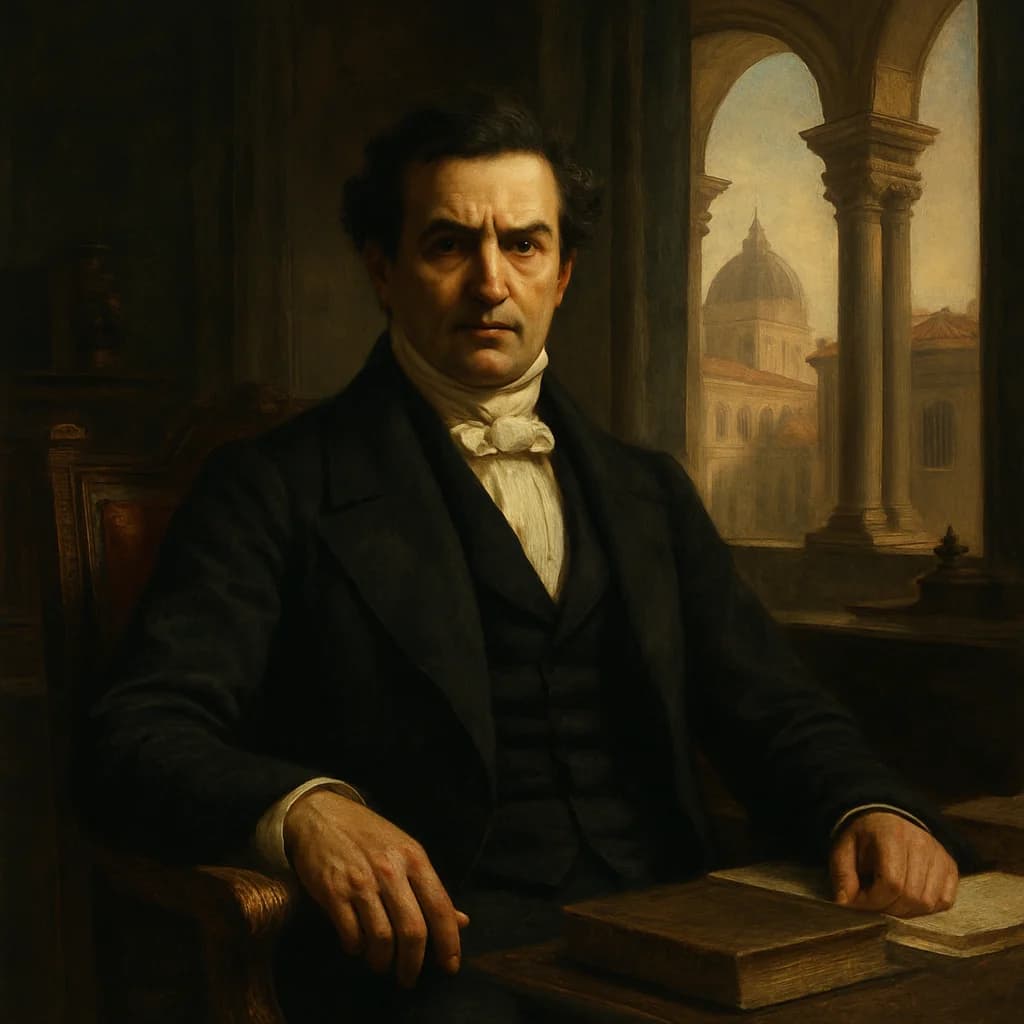
Carl Rothschild
The youngest Rothschild brother turned Naples into his personal kingdom while everyone else was watching his siblings conquer London and Paris.
When Carl Mayer von Rothschild arrived in Naples in 1821, he was supposed to be the family's weakest link. The youngest of five brothers, he'd been sent to the chaotic Kingdom of the Two Sicilies, essentially the Rothschild equivalent of being stationed in Siberia. His older brothers were making headlines in London, Paris, Vienna, and Frankfurt. Carl got stuck with a peninsula full of bandits, corrupt officials, and a government that changed hands like a game of musical chairs.
But Carl understood something his brothers missed: chaos creates opportunity. While they played the genteel game of government bonds and established nobility, he dove headfirst into the beautiful mess that was 19th-century Italy. He financed railways through bandit country, funded sulfur mines that his competitors thought were too dangerous to touch, and somehow convinced the perpetually broke Bourbon monarchy to make him their unofficial treasurer. When revolution swept through Naples in 1848, Carl didn't flee like other foreign bankers. He stayed, quietly shifting his bets to whichever faction looked likely to win.
The real genius was how he made himself indispensable to everyone. Conservative royalists needed his money to suppress uprisings. Liberal revolutionaries needed his connections to fund their cause. Even the Pope, who officially condemned usury, found Carl's financial services mysteriously acceptable when the Vatican needed cash. By the time Italian unification rolled around in the 1860s, it didn't matter who won. They all owed money to the Rothschild who supposedly got the worst assignment.
Carl died in 1855, having transformed the family's consolation prize into one of their most profitable operations. He'd proven that sometimes being sent to the backwater isn't punishment. It's opportunity in disguise.
Carl Rothschild became so powerful in Naples that local merchants would set their prices based on rumors about his mood, and the city's stock exchange would close early if he left town unexpectedly.
Why untold: His story gets overshadowed by his more famous brothers who operated in major financial capitals like London and Paris.
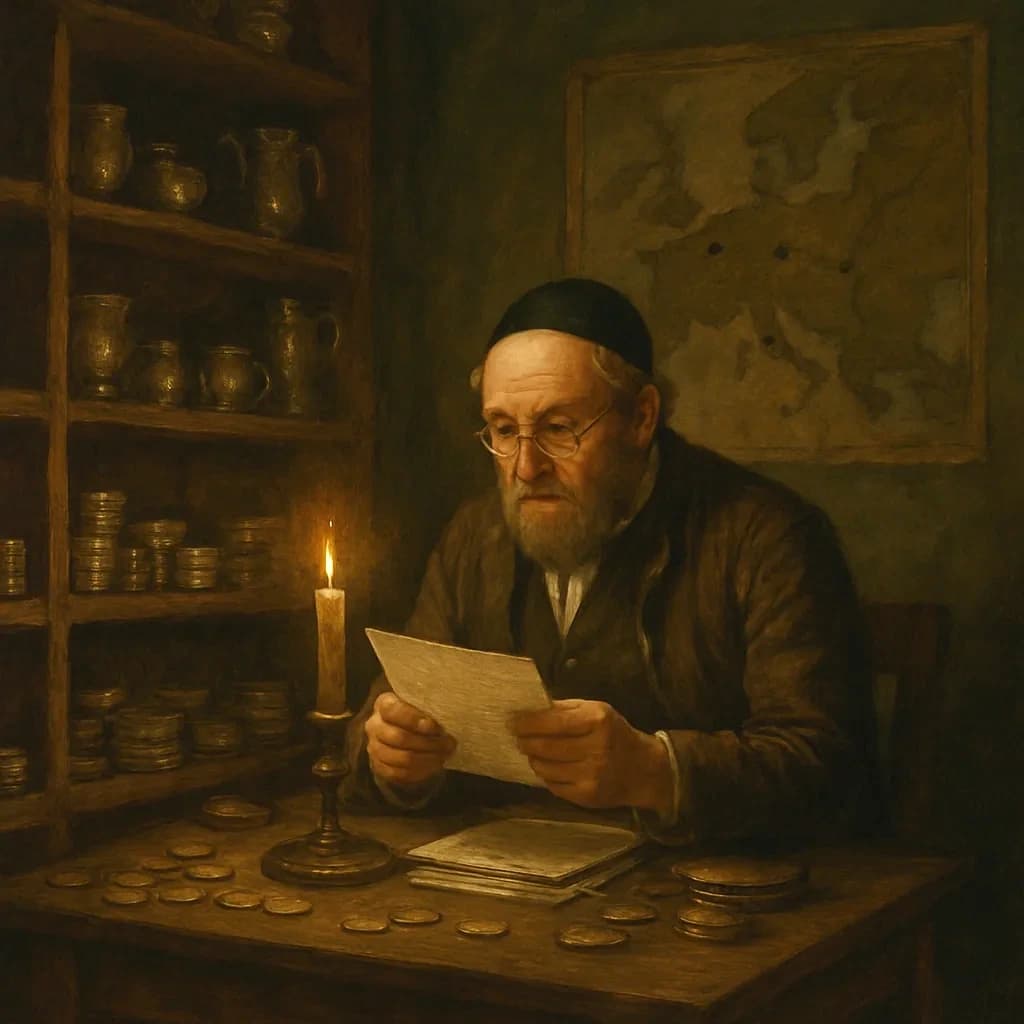
A Coin Dealer Bought Soldiers' Panic and Built a Dynasty
A Frankfurt coin dealer started buying government bonds from panicked soldiers, and accidentally built the world's most powerful financial dynasty.

A Cloth Peddler's Ledger Spawned a Five-Nation Banking Empire
A wandering cloth merchant from Frankfurt kept such meticulous accounts that his five sons accidentally built a banking empire spanning five nations.
- Ferguson, Niall. The House of Rothschild: Money's Prophets 1798-1848. Viking, 1998.
- Bouvier, Jean. The Rothschilds: A Family Portrait. Franklin Watts, 1961.
- Davis, John A. Naples and Napoleon: Southern Italy and the European Revolutions, 1780-1860. Oxford University Press, 2006.