
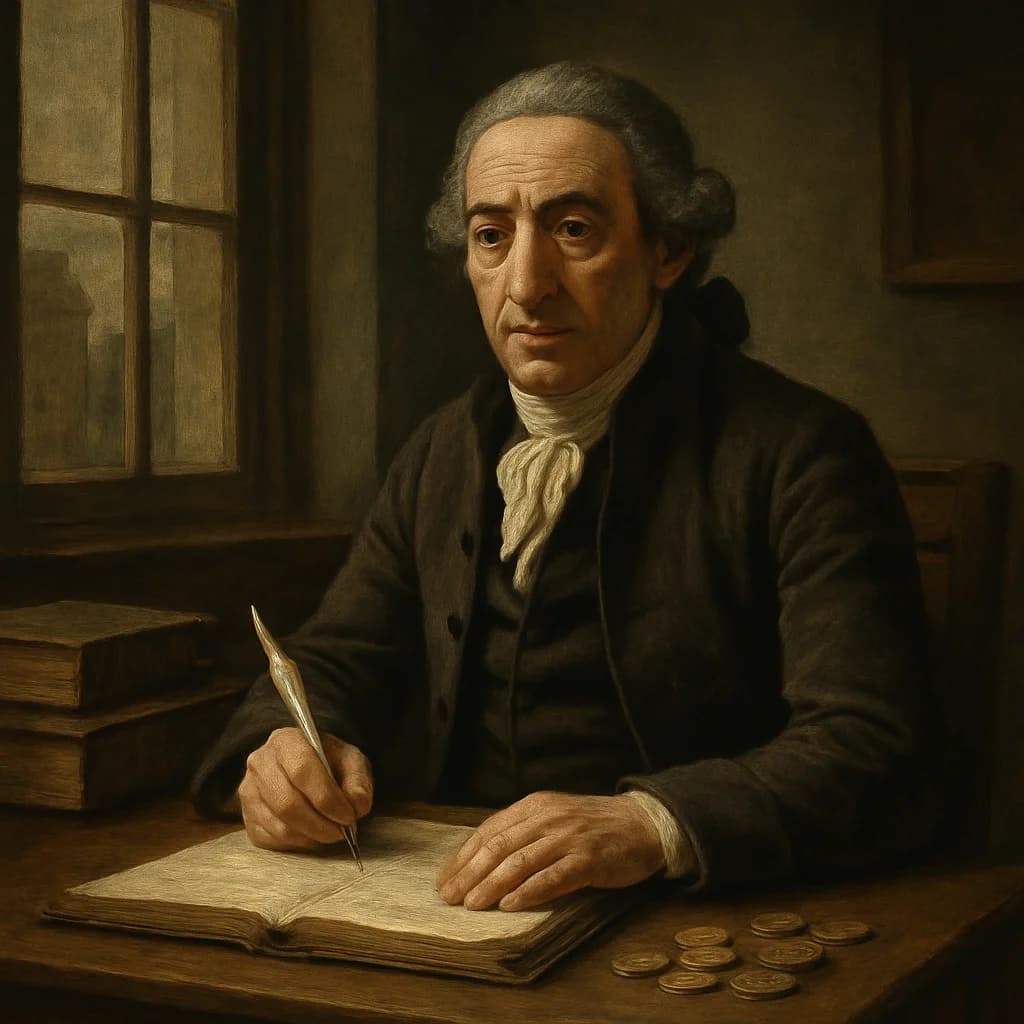
Mayer Amschel Rothschild
The cloth peddler who invented modern banking wasn't even allowed to own property in his own city.
In the Frankfurt ghetto of the 1760s, Mayer Amschel Rothschild earned his living trudging between villages with a pack full of cloth and trinkets. The Jewish quarter locked its gates at sunset, trapping residents inside twelve cramped streets. Property ownership was forbidden. Political participation was impossible. Most merchants in his position died poor.
But Rothschild possessed an accountant's brain trapped in a peddler's life. While other traders haggled over fabric, he studied the rare coins his customers sometimes offered as payment. He memorized their histories, their metal content, their fluctuating values across different territories. By 1769, he had parlayed this obsession into a small coin dealership, convincing Prince William of Hesse that ancient Roman denarii were better investments than real estate.
The breakthrough came during the French Revolutionary Wars, when panicked soldiers began selling government bonds at massive discounts to fund their escapes. Rothschild bought everything: French, Austrian, Prussian debt instruments that others considered worthless paper. He understood what the sellers didn't: governments always pay their debts eventually, and war-time panic creates extraordinary opportunities for patient money.
By 1810, this former peddler had placed his five sons in the financial capitals of Europe (London, Paris, Vienna, Naples, and Frankfurt), creating the world's first international banking network. They communicated through coded letters and carrier pigeons, moving money faster than any government could track. When Napoleon finally fell at Waterloo, the Rothschilds owned so much European debt that they had effectively become the continent's central bank. The family that once couldn't buy a house in Frankfurt now held more liquid capital than most kingdoms.
Rothschild's famous red shield ("roth schild" in German) wasn't a family name but literally the red wooden shield hanging outside their house in the Frankfurt ghetto. Jewish families were identified by signs, not street addresses.
Why untold: Banking history focuses on institutions rather than individuals, obscuring how personal networks and family relationships actually moved money across borders.
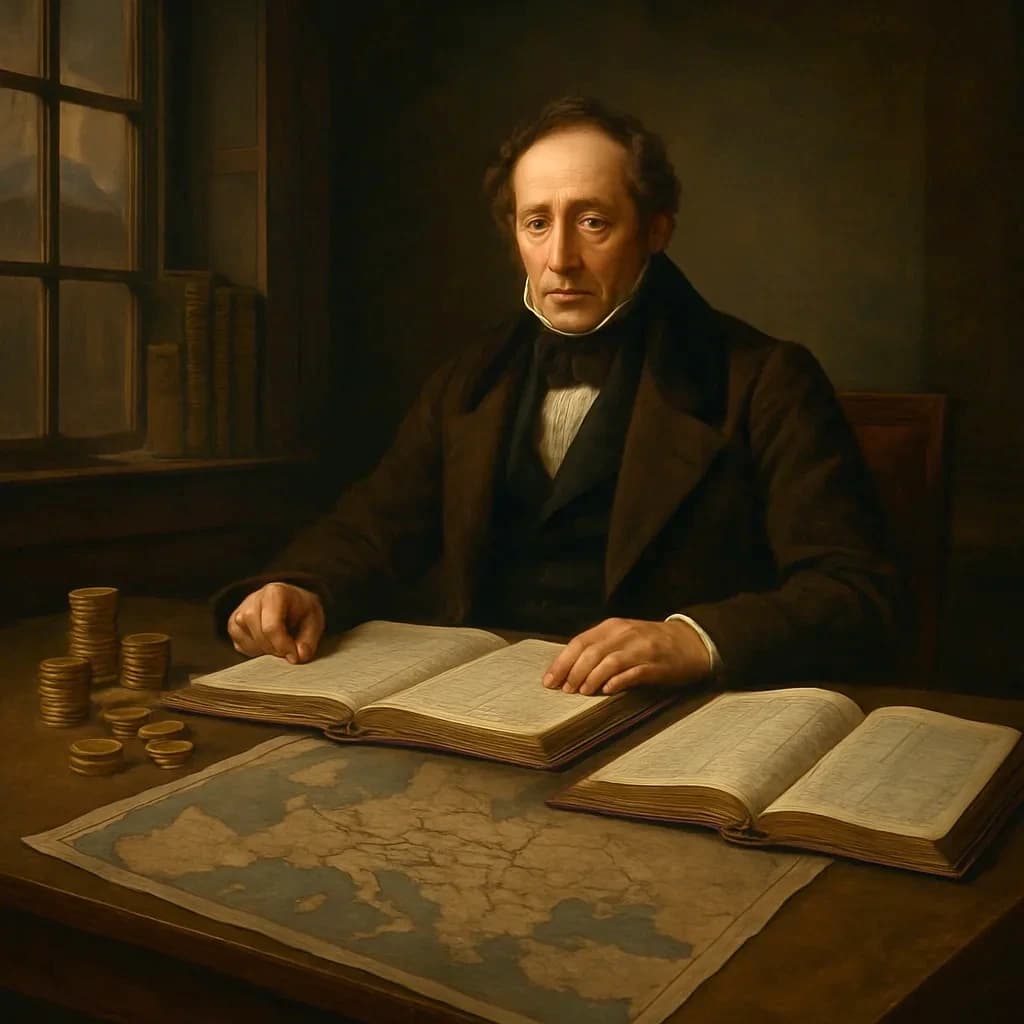
Rothschild Financed Napoleon Before Betting Against Him
Nathan Rothschild made his fortune betting against Napoleon. But first, he quietly financed him.
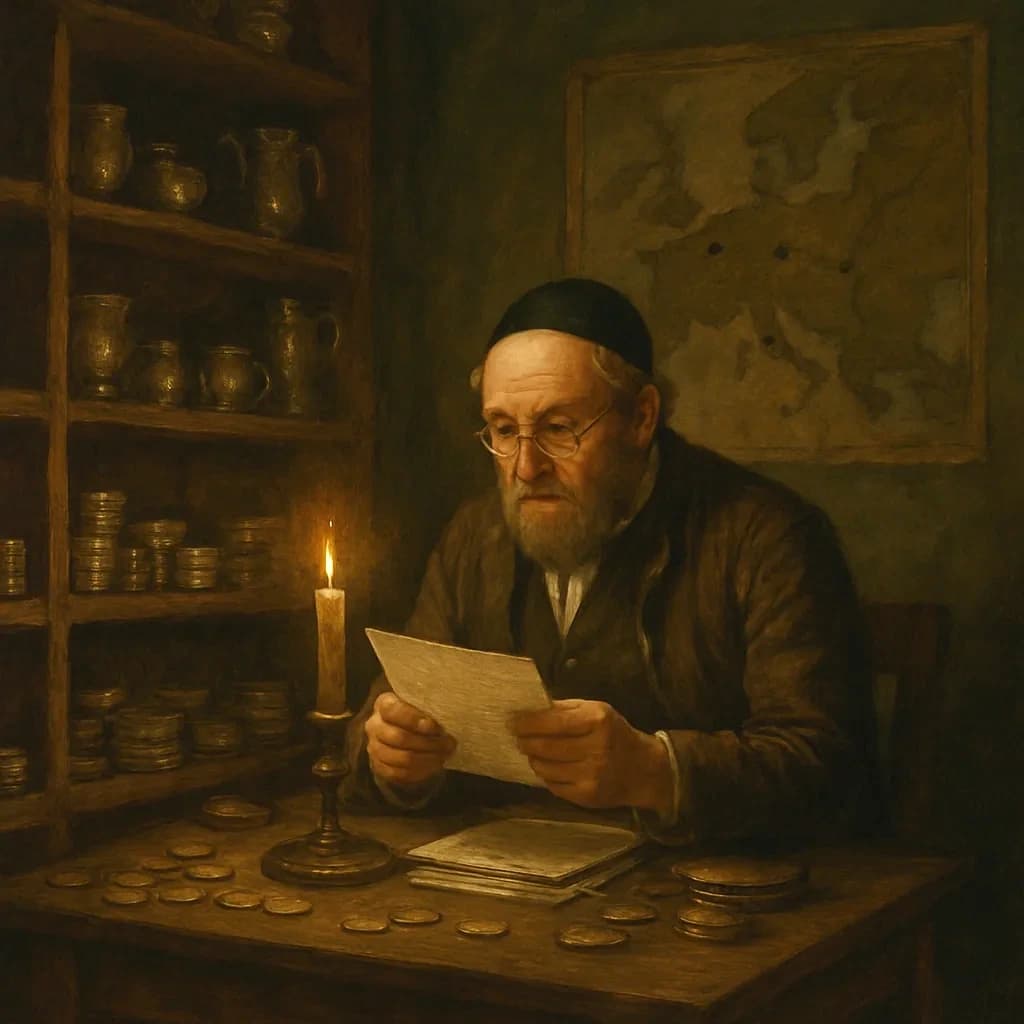
A Coin Dealer Bought Soldiers' Panic and Built a Dynasty
A Frankfurt coin dealer started buying government bonds from panicked soldiers, and accidentally built the world's most powerful financial dynasty.

A Cloth Peddler's Ledger Spawned a Five-Nation Banking Empire
A wandering cloth merchant from Frankfurt kept such meticulous accounts that his five sons accidentally built a banking empire spanning five nations.
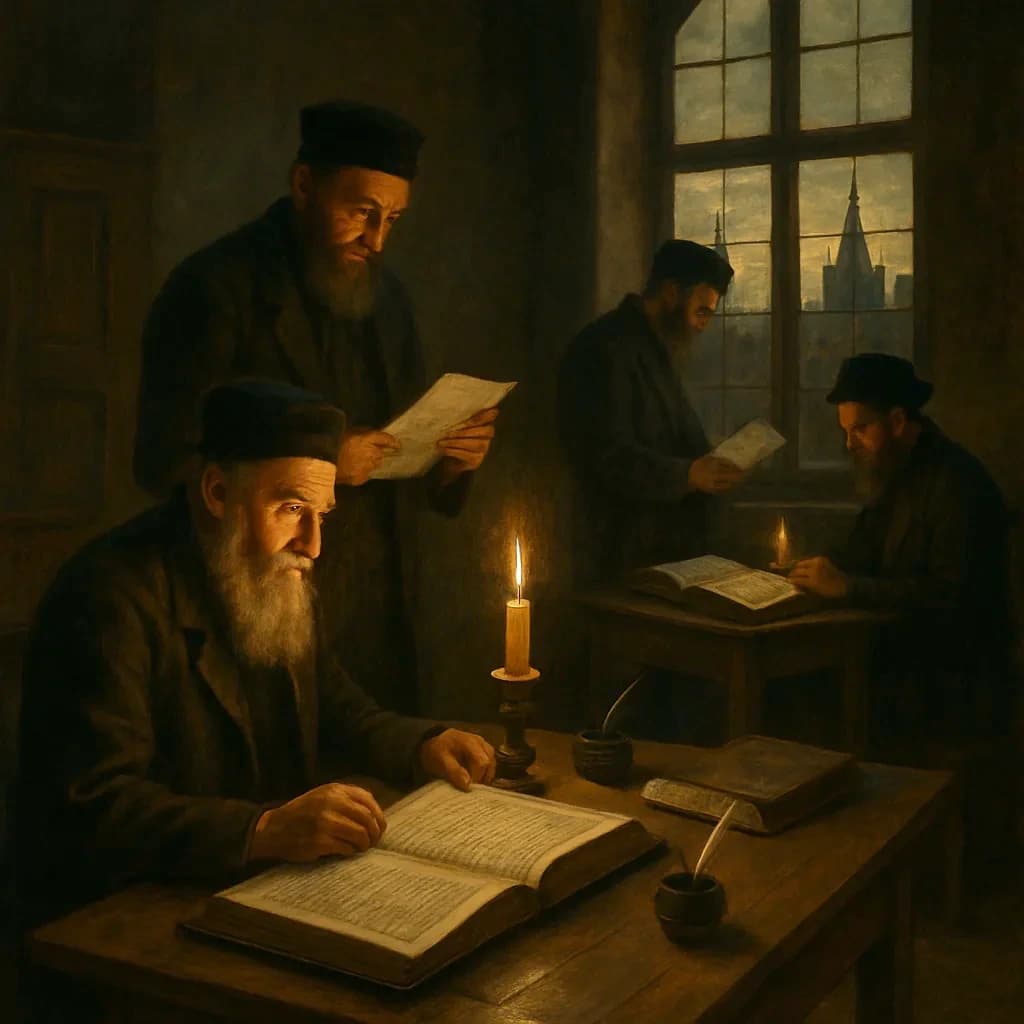
Rothschild: Lending to Both Sides of Five Wars
A quiet German accountant financed both sides of five different European conflicts before anyone noticed.

A Washerwoman's Son Ended Up Owning Half Europe's Debt
A Frankfurt washerwoman's son counted other people's money so well, he ended up owning half of Europe's debt.
- Ferguson, Niall. The House of Rothschild: Money's Prophets 1798-1848. Viking, 1998.
- Wechsberg, Joseph. The Merchant Bankers. Little, Brown and Company, 1966.
- Reeves, John. The Rothschilds: The Financial Rulers of Nations. Sampson Low, 1887.