
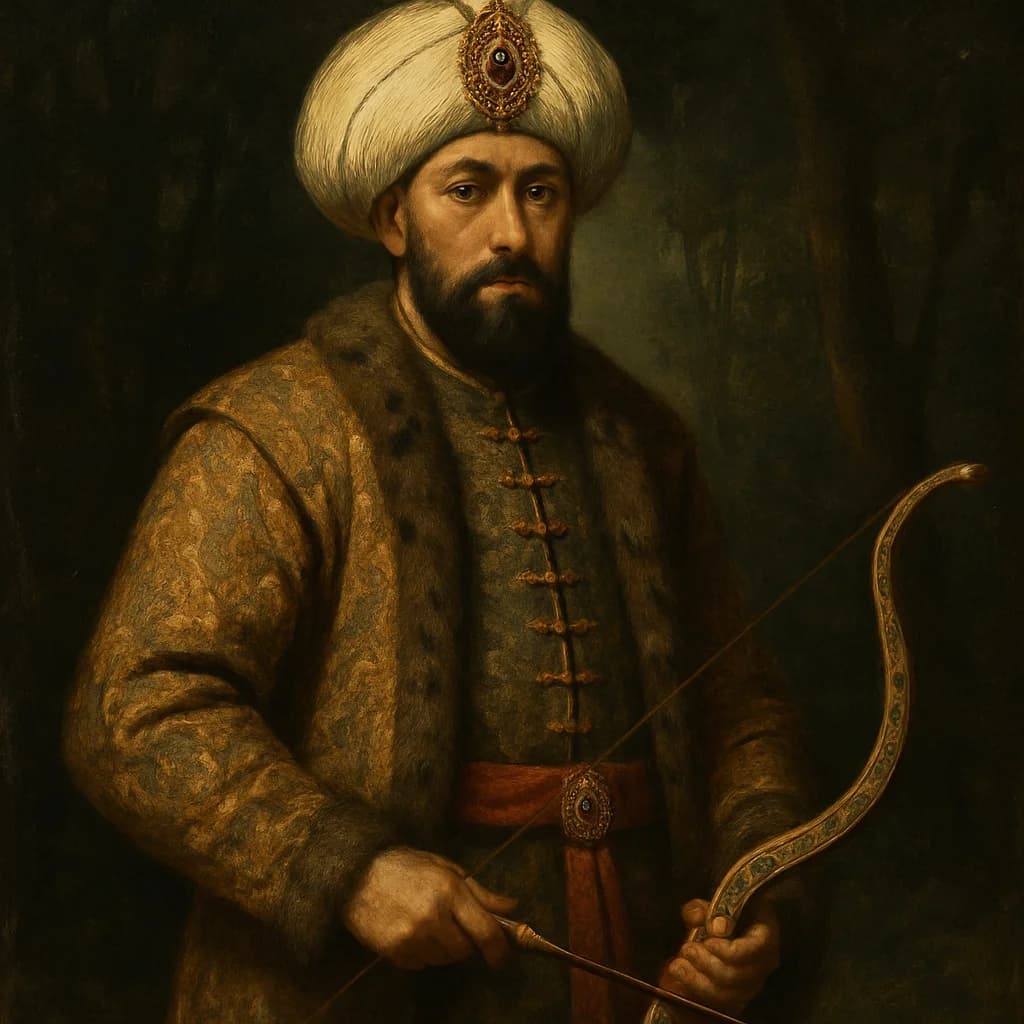
Mehmed IV
The Ottoman sultan who lost Europe while spending two decades hunting in the countryside never even bothered to show up at his empire's most crucial battle.
Mehmed IV earned his nickname "the Hunter" not for stalking enemies, but for abandoning Istanbul entirely to chase deer and boar through the forests of Thrace. While European armies trembled at Ottoman power, their sultan was setting up elaborate hunting camps that lasted months, complete with portable mosques and mobile kitchens. He governed an empire stretching from Budapest to Baghdad through hastily scribbled notes sent from whatever forest clearing caught his fancy that week.
The irony runs deeper than royal neglect. Mehmed inherited the throne at age six in 1648, but his mother Turhan Sultan and the ruthless Grand Vizier Köprülü Mehmed Pasha built the military machine that would terrify Europe for decades. They modernized the Ottoman army, crushed rebellions, and launched the campaigns that seized Crete and pushed deep into Poland. Mehmed's role? Staying out of their way while perfecting his archery.
When the moment came to crown his reign with the conquest of Vienna in 1683 (the prize that would have made him the greatest Ottoman sultan since Süleyman), Mehmed was hunting near Adrianople, 300 miles from the action. He left the siege to his Grand Vizier Kara Mustafa, who botched the campaign spectacularly. The defeat shattered Ottoman momentum forever, beginning their long retreat from Europe.
After Vienna, rebellions erupted across the empire. Mehmed finally returned to Istanbul, but his hunting days were over. The Janissaries who had tolerated an absent sultan during victories had no patience for one during defeats. In 1687, they dragged him from his palace and forced his abdication. He died in exile two years later, the last Ottoman sultan to seriously threaten European Christianity, and the one who threw it all away for the thrill of the hunt.
Mehmed IV's hunting expeditions were so elaborate that he traveled with portable libraries, mobile printing presses, and court poets who composed verses about his kills while the empire fought for survival.
Why untold: His obsession with hunting is overshadowed by the dramatic military campaigns his advisors conducted in his name, making him appear more engaged than he actually was.
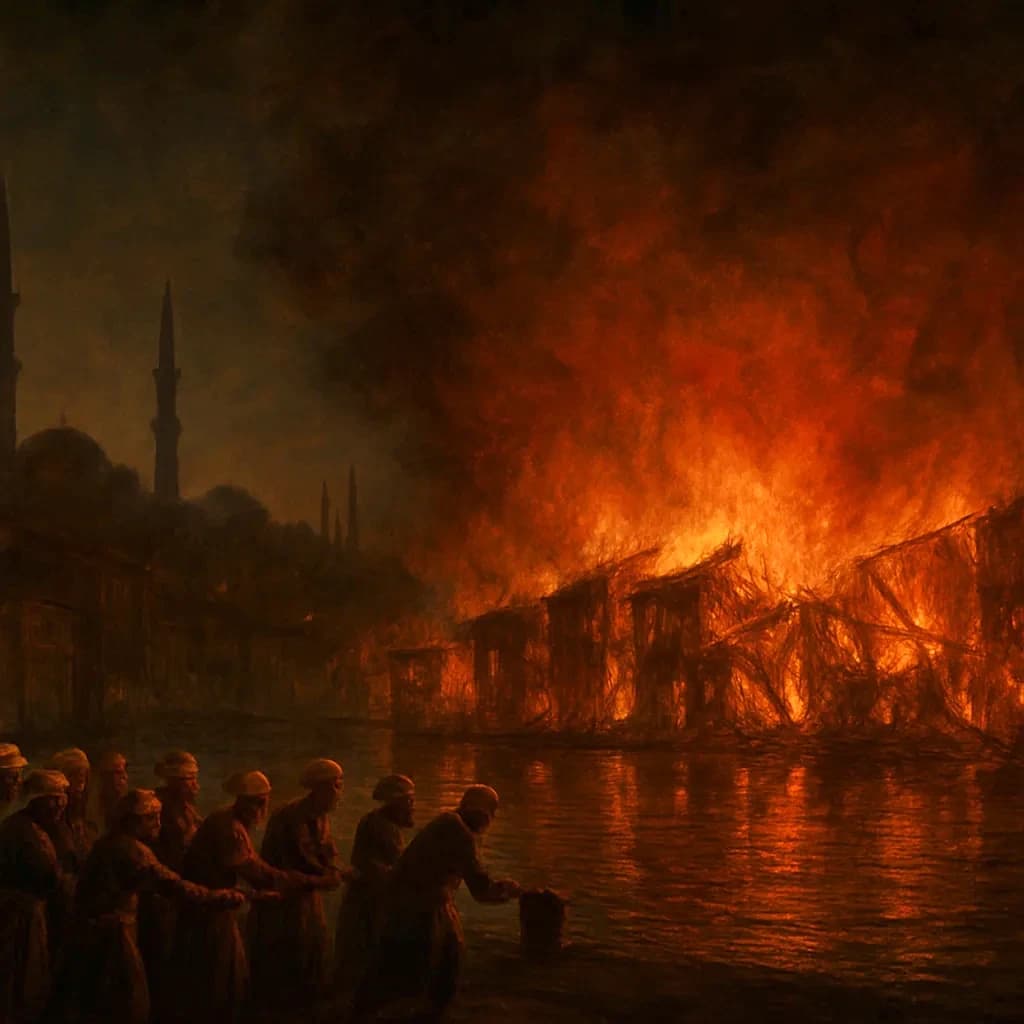
A Grain Survey Set Constantinople on Fire
An Ottoman accountant's routine survey of grain stocks triggered one of the worst urban disasters of the 17th century, and nobody wrote it down the way it actually happened.
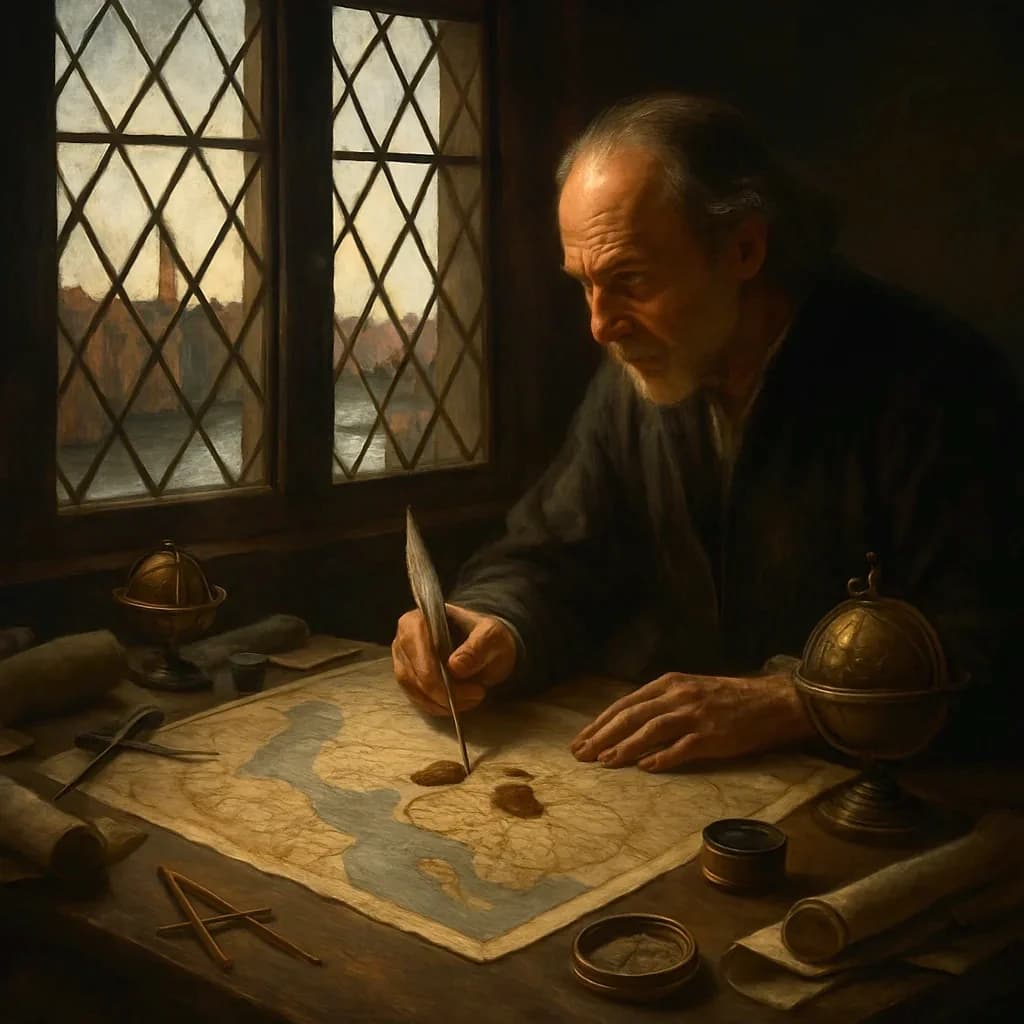
A Spilled Cup of Coffee Won the Battle of Lepanto
A cartographer's clumsy morning in 1571 triggered a war that toppled three European dynasties and redrew the Mediterranean forever.
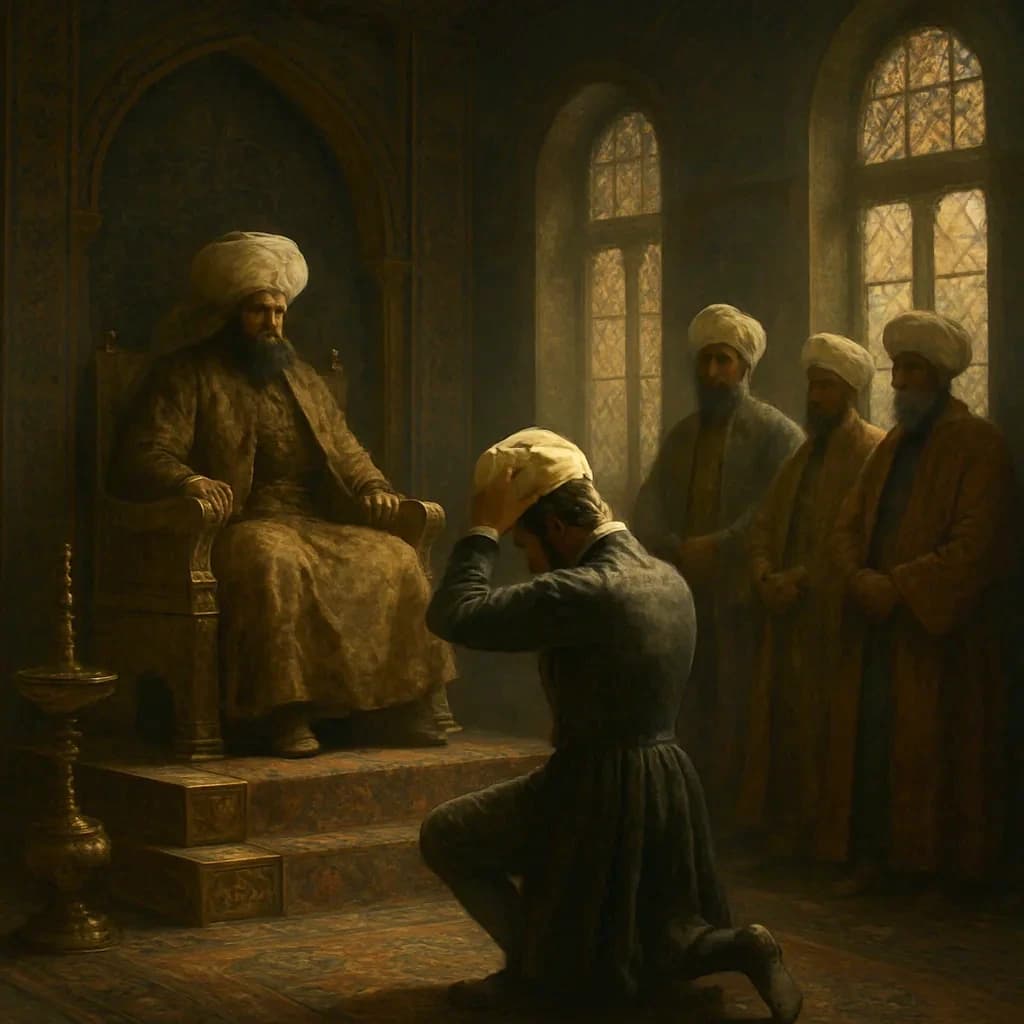
The Messiah Won Over the Sultan, Then Converted to Islam
A Jewish false messiah convinced the Ottoman Sultan to make him king of a new Jewish state, until he converted to Islam at the last moment.
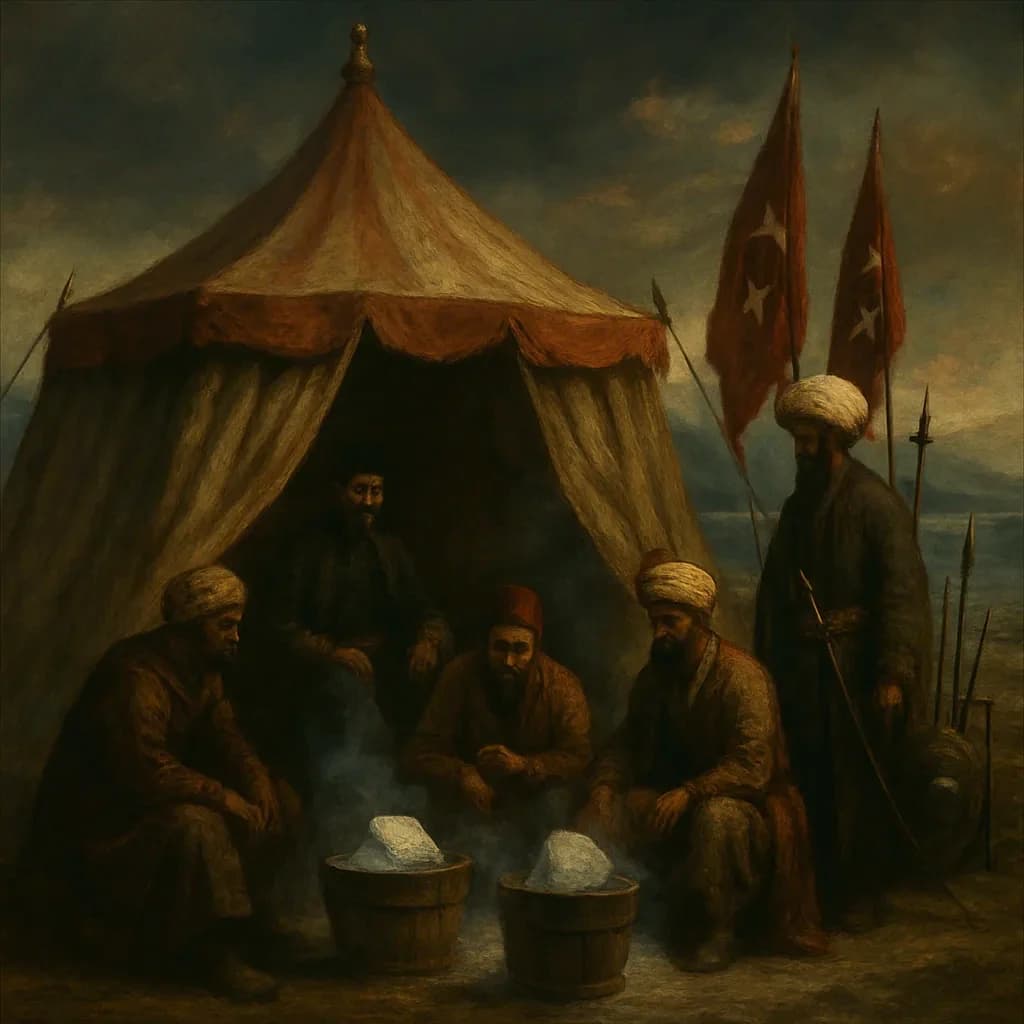
Ice for an Empire: The Merchant Who Bankrupted a Vizier
A Venetian ice merchant sailed into the siege of Candia in 1669 with a cargo hold of frozen Alpine blocks, and may have stalled the Ottoman Empire's advance into Europe for a generation.
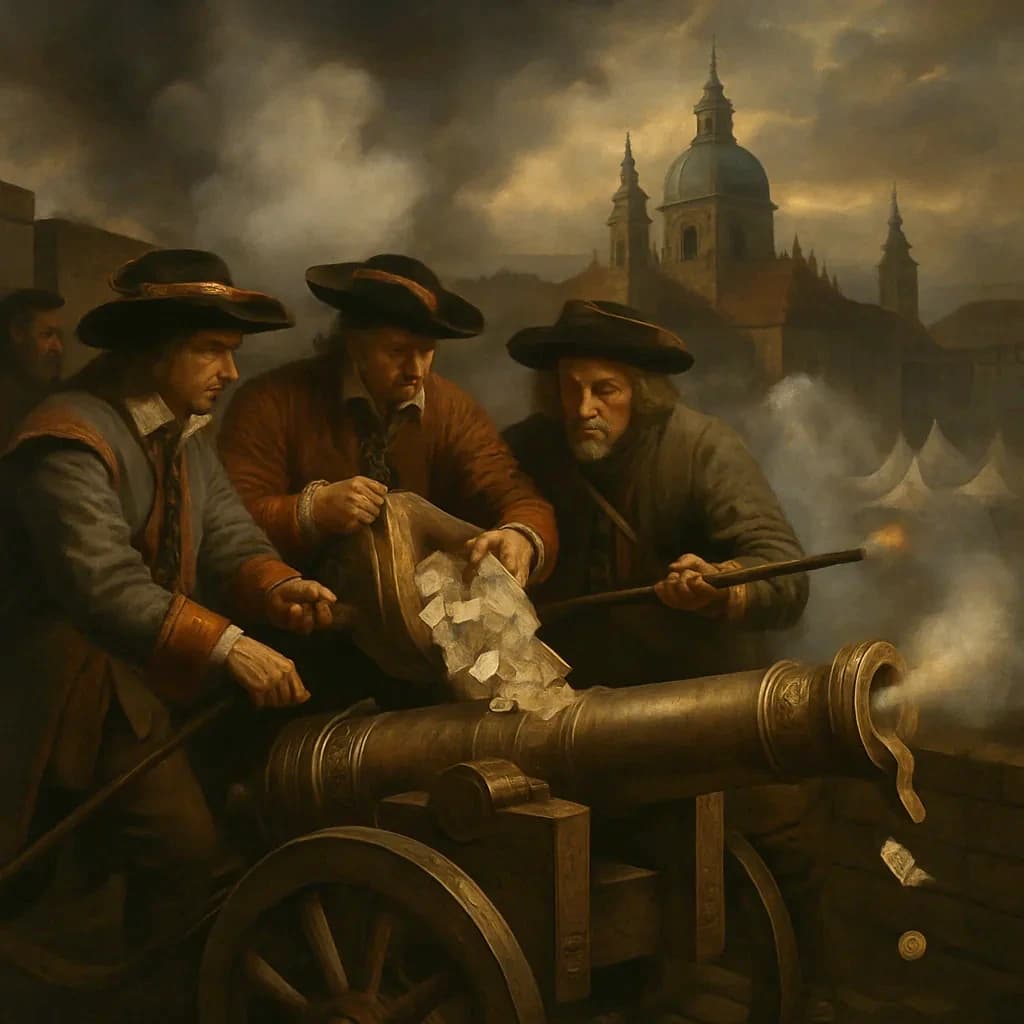
Vienna Stuffed Its Cannons With Imperial Money
By 1683 the Ottoman siege had pushed Vienna's defenders so close to breaking that they began ramming their own currency into their cannons as wadding.
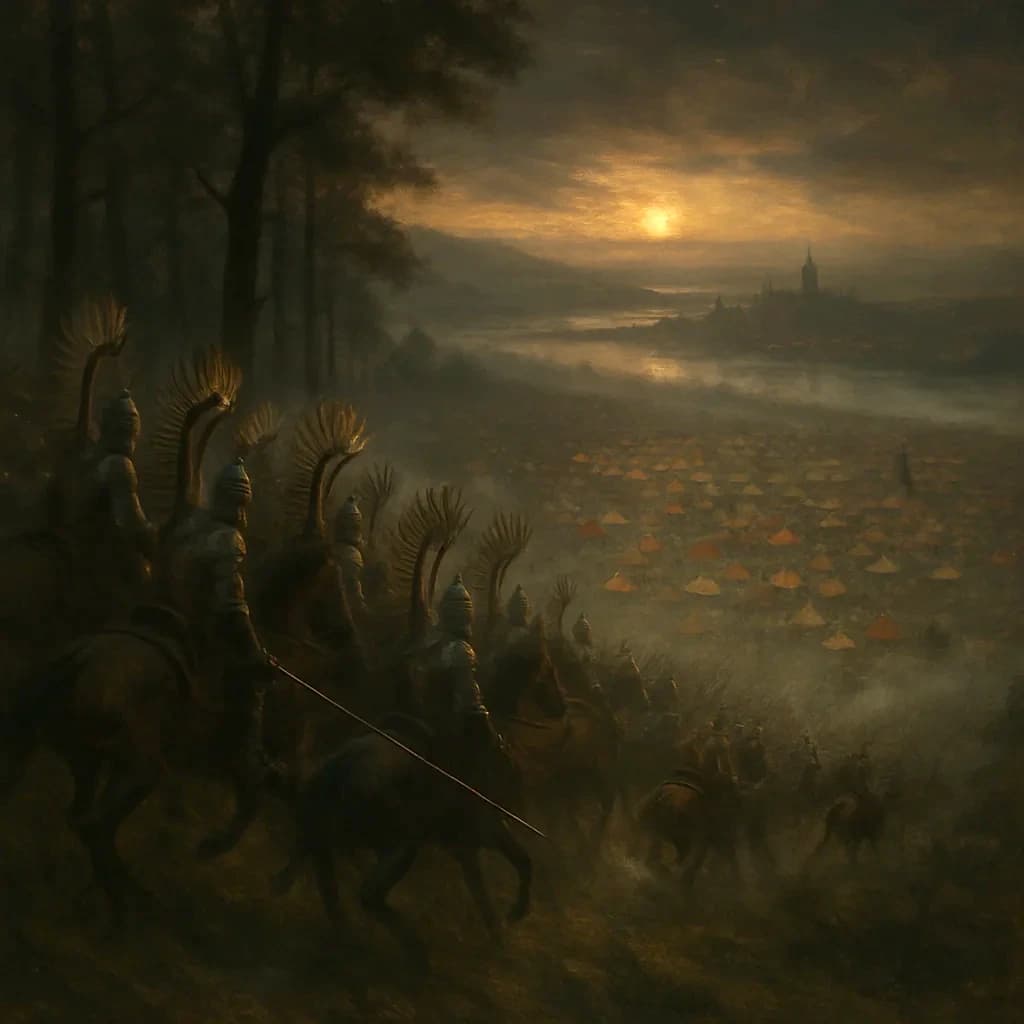
Vienna 1683: How Coffee Reached Europe on a Battlefield
A Polish king's coffee obsession may have saved European Christianity from Ottoman conquest in 1683.
- Caroline Finkel, Osman's Dream: The History of the Ottoman Empire (2005)
- Jason Goodwin, Lords of the Horizons: A History of the Ottoman Empire (1998)
- Gabor Agoston, The Last Muslim Conquest: The Ottoman Empire and the Wars in Europe (2021)