
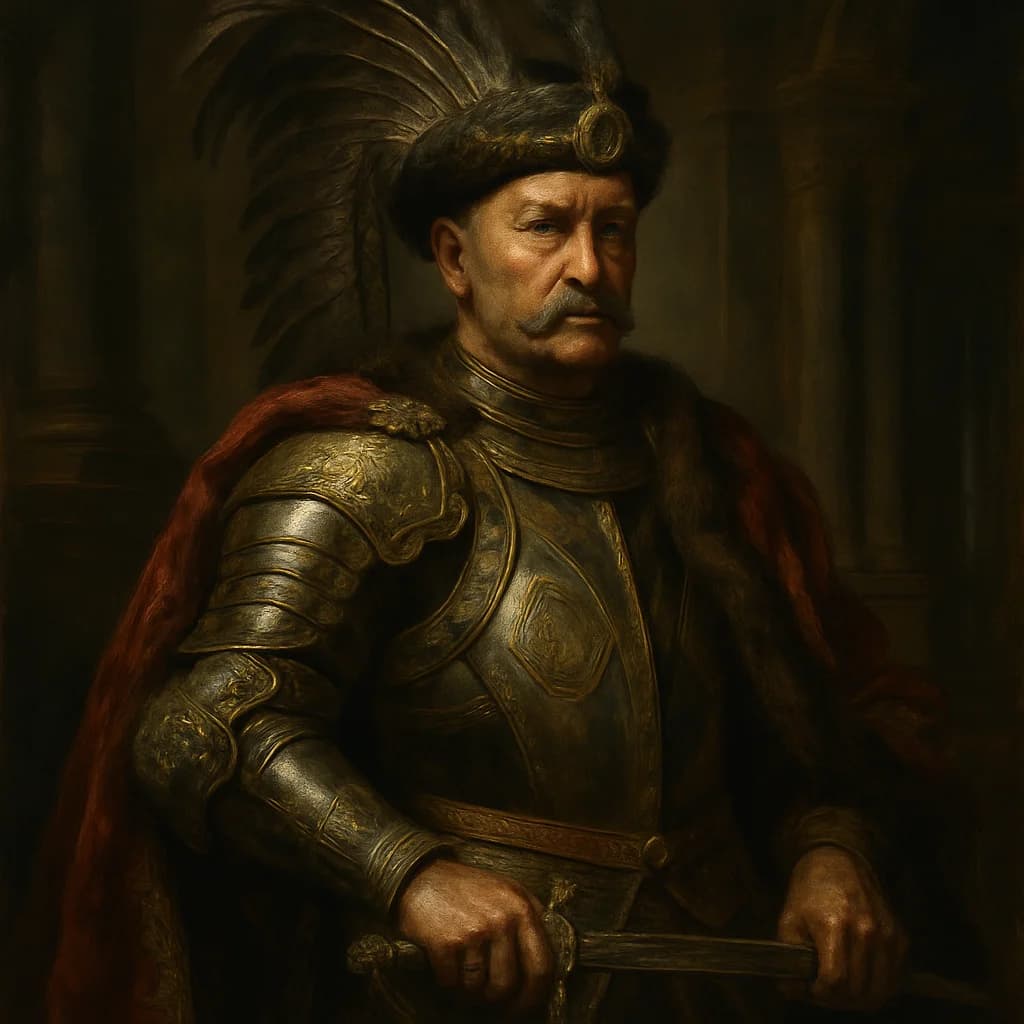
Jan Sobieski
The man who saved Europe from Ottoman conquest spent his final years as a broke exile, selling his crown jewels to pay for groceries.
Jan Sobieski arrived at the gates of Vienna on September 12, 1683, with the largest cavalry charge in history: 18,000 Polish horsemen thundering down the Kahlenberg hills like a medieval avalanche. But the king who broke the Ottoman siege and sent Kara Mustafa's army fleeing back to Constantinople had learned his military craft in the most unlikely school: fighting for the very Ottomans he would later defeat.
As a young nobleman, Sobieski had served alongside Ottoman forces in campaigns against Austria, studying their tactics firsthand. He spoke Turkish fluently, understood their siege methods, and had even adopted some of their military innovations for his own winged hussars. When he finally faced the Ottoman army at Vienna, he wasn't just fighting an enemy. He was defeating his former teachers with their own lessons.
The victory at Vienna made Sobieski the hero of Christian Europe, but it also bankrupted him. Poland's nobles refused to fund his wars, leaving him to finance campaigns from his own pocket. By the 1690s, the savior of Vienna was pawning royal regalia to pay his soldiers. He died in 1696, his treasury empty, his kingdom weakened by the very wars that had made him legendary.
Perhaps most ironically, the coffee culture that exploded across Europe after Vienna's liberation (fueled by the massive stores of coffee beans the fleeing Ottomans left behind) enriched Viennese merchants while Sobieski struggled to pay his debts. The king who introduced Europe to its caffeine addiction never profited from the craze he inadvertently created.
Sobieski's victory charge at Vienna included his pet bear, Wojtek, who had been trained to carry ammunition and reportedly fought alongside the Polish cavalry.
Why untold: His personal bankruptcy and earlier service with Ottoman forces complicate the simple narrative of Christian hero versus Muslim invader.
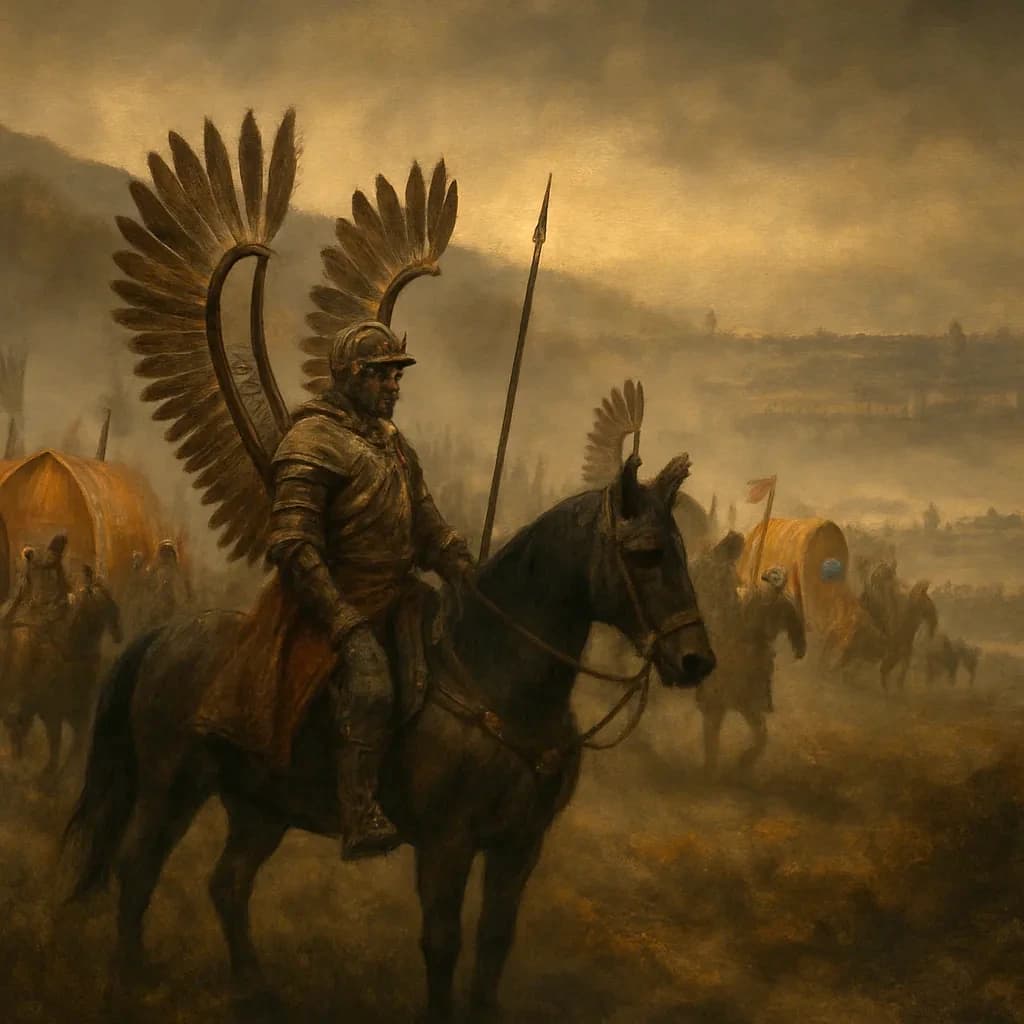
Half the Cavalry That Saved Vienna Was Fake
The Polish general who saved Vienna from Ottoman conquest had one problem: half his legendary cavalry existed only on paper.
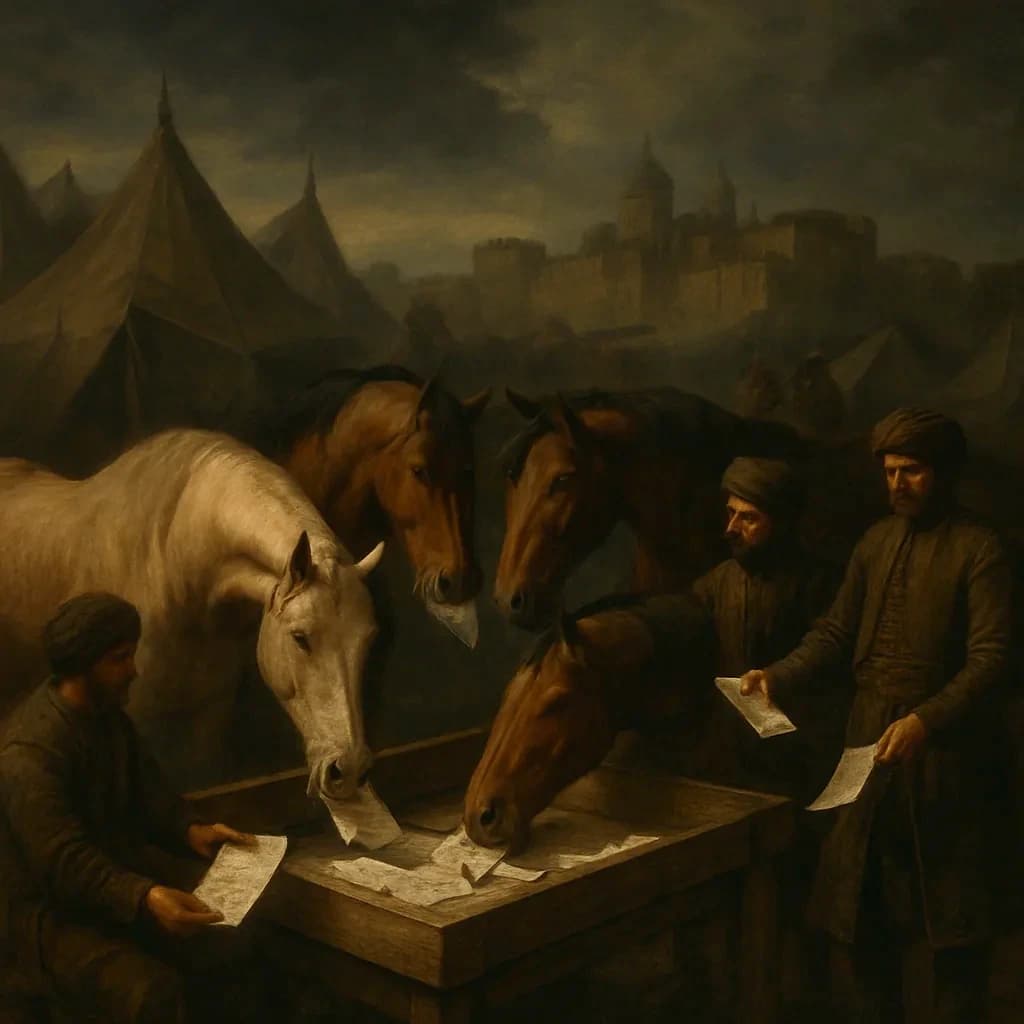
Vienna's War Horses That Could Read Enemy Mail
The Ottoman siege of Vienna in 1683 produced history's most unlikely literacy campaign, and it wasn't for humans.
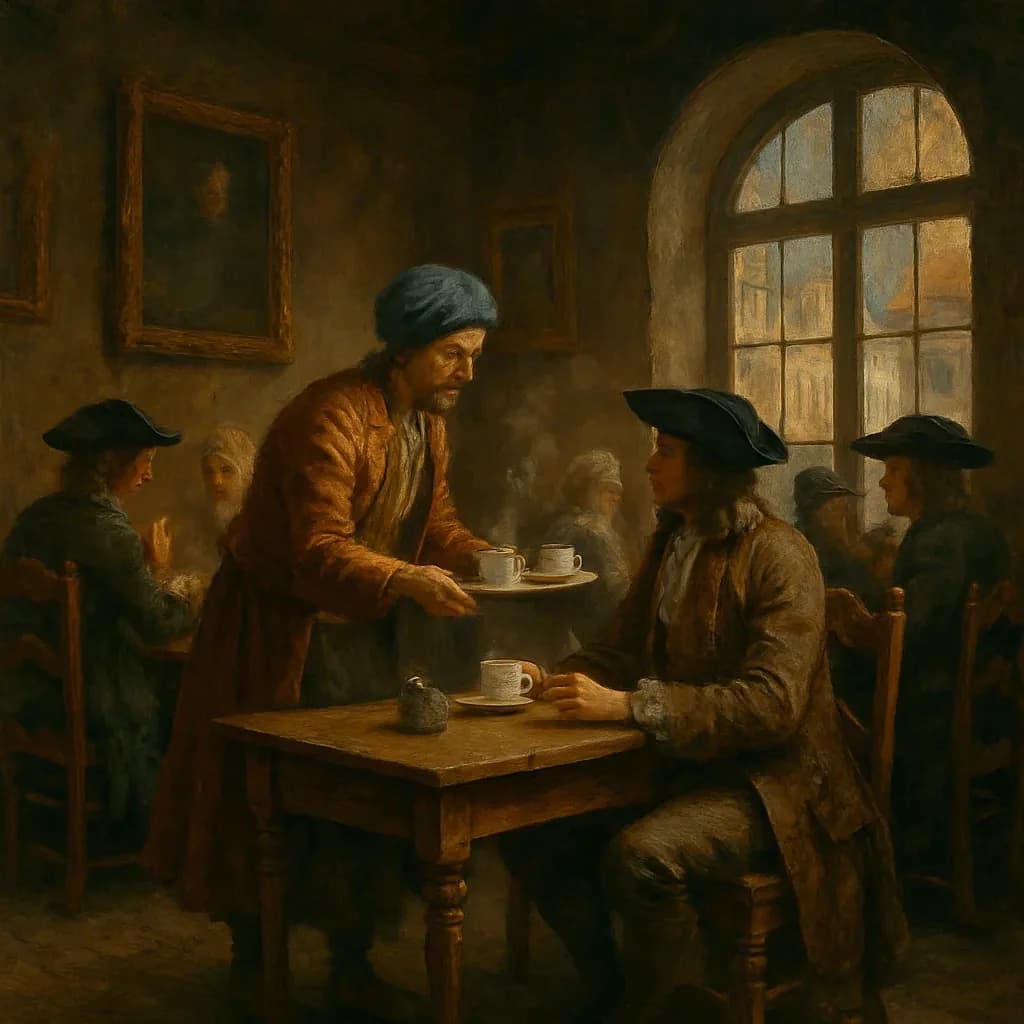
When Vienna's Coffee Houses Saved Christianity
A Polish spy's breakfast choice at the Gates of Vienna changed the course of European civilization forever.
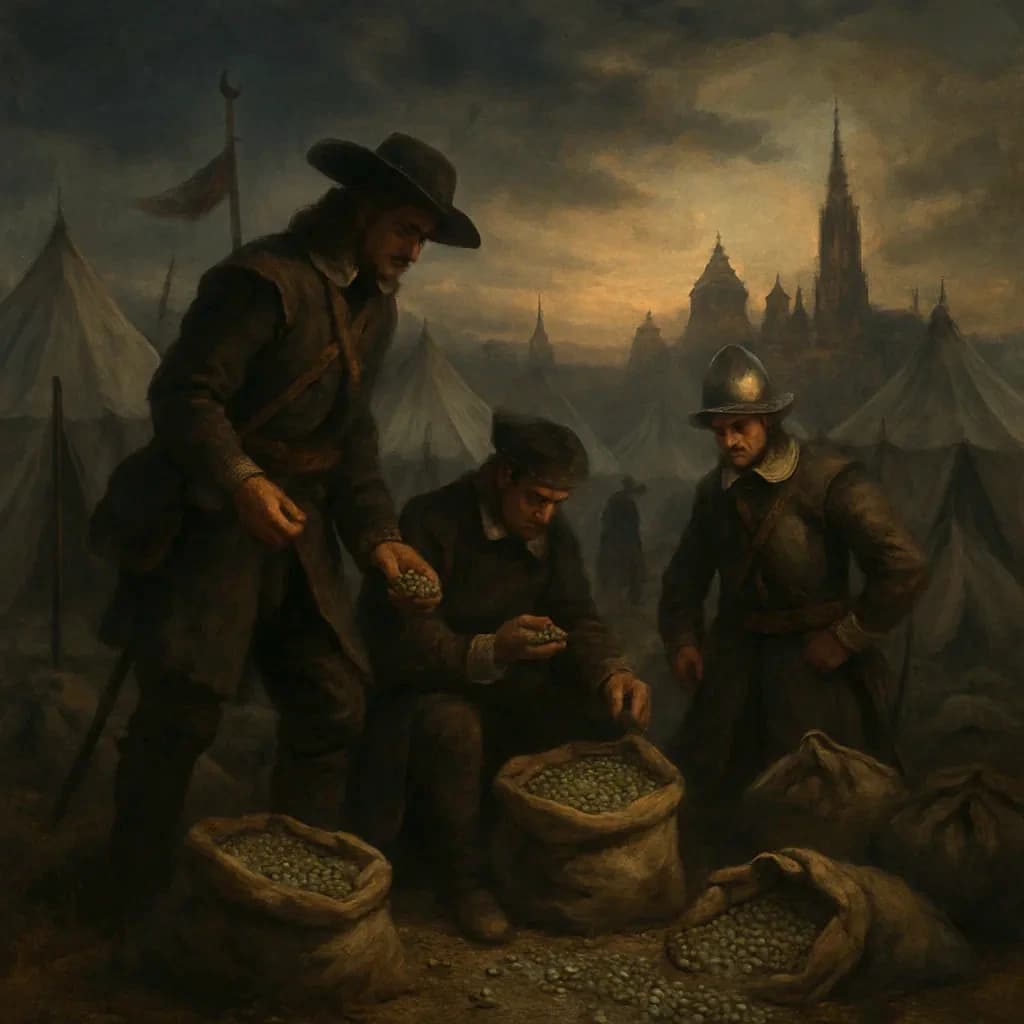
A Cup of Coffee in Vienna Rewrote Europe's Mornings
A cup of coffee in Vienna changed how every European would start their morning for the next four centuries.
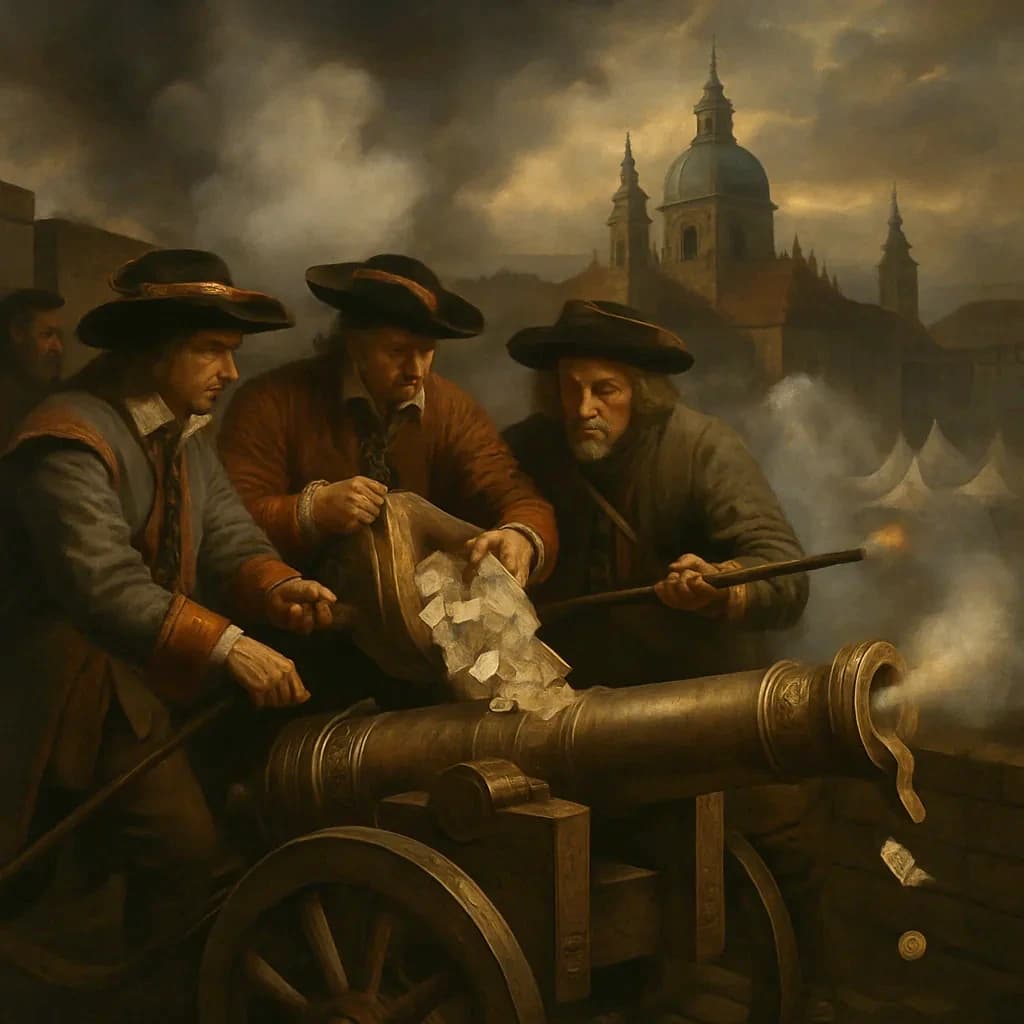
Vienna Stuffed Its Cannons With Imperial Money
By 1683 the Ottoman siege had pushed Vienna's defenders so close to breaking that they began ramming their own currency into their cannons as wadding.
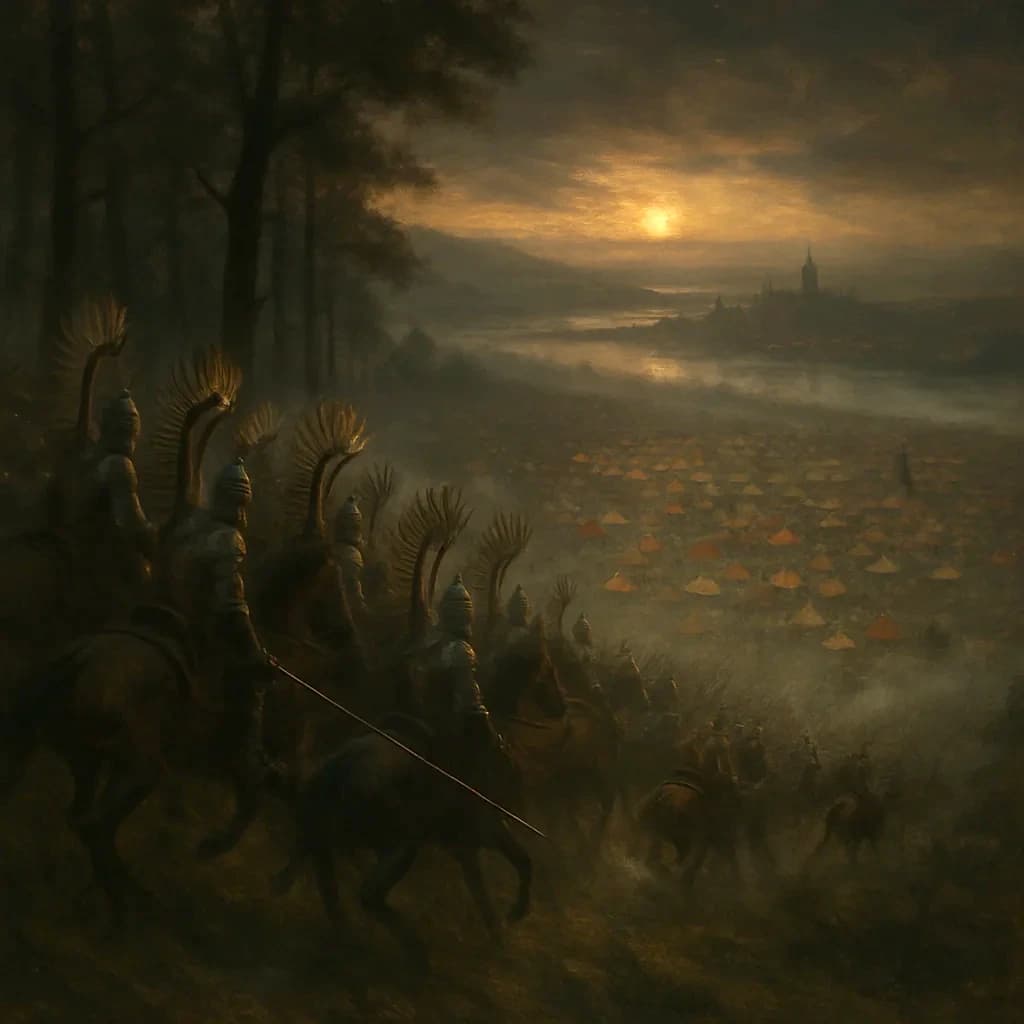
Vienna 1683: How Coffee Reached Europe on a Battlefield
A Polish king's coffee obsession may have saved European Christianity from Ottoman conquest in 1683.
- John Stoye, The Siege of Vienna (2000)
- Richard Brzezinski, Polish Winged Hussar 1576-1775 (2006)
- Norman Davies, God's Playground: A History of Poland (2005)