
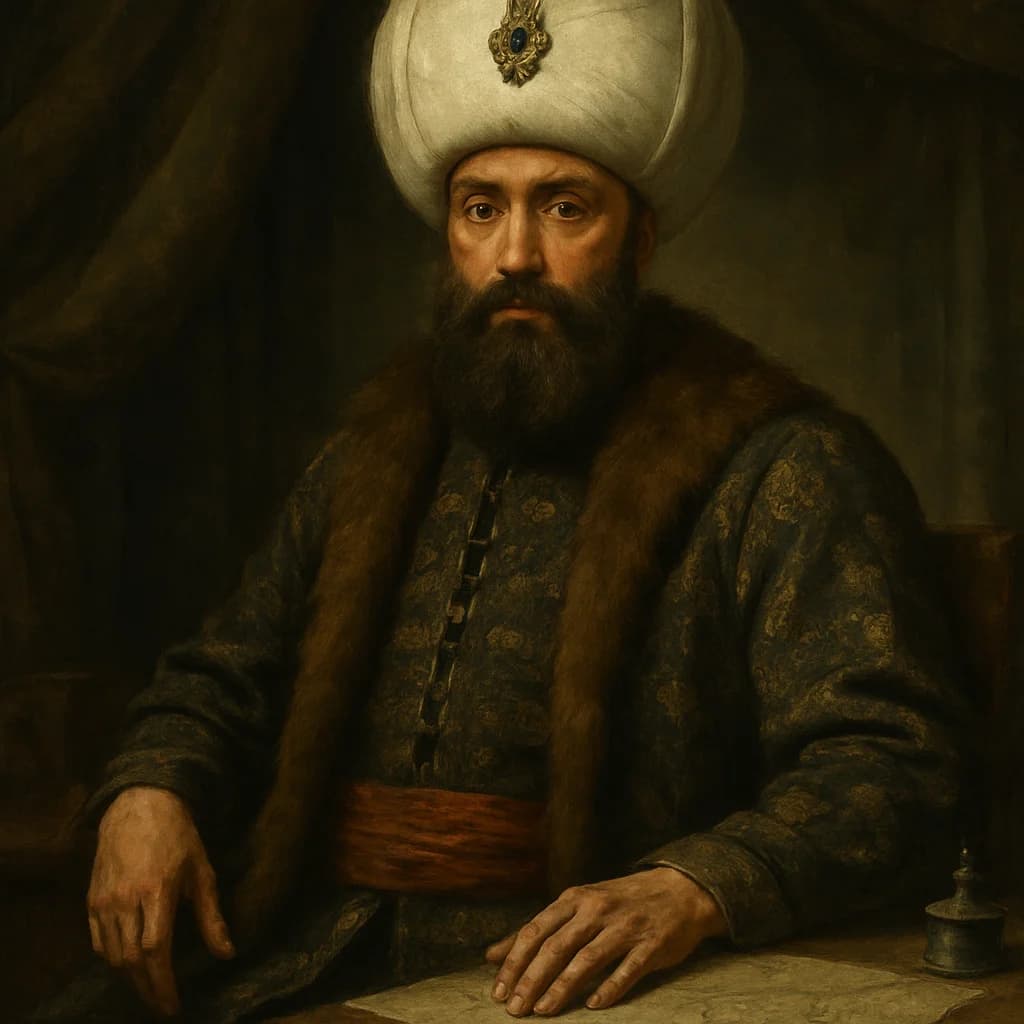
Kara Mustafa Pasha
He was given the keys to an empire's ambitions, and chose to use them to dig a hole.
Kara Mustafa Pasha rose through the Ottoman imperial hierarchy the way most men of his era did: through proximity to power, marriage into the right family, and a ruthless talent for administration. Born around 1634 in Merzifon in northern Anatolia, he was taken into the household of Grand Vizier Köprülü Mehmed Pasha as a young man, effectively adopted into the most powerful political dynasty in the empire. He married into the Köprülü family. He learned from them. And when his turn came, in 1676, he became Grand Vizier himself, the second most powerful man in the known world.
What history tends to skip is the decade before Vienna. Kara Mustafa was, by most contemporary accounts, a competent administrator and a genuinely capable military organizer. He expanded Ottoman holdings in Ukraine, secured Podolia, and ran the empire's machinery with the kind of cold efficiency his adoptive family had made famous. The Köprülüs had saved the empire from near-collapse in the 1650s through sheer organizational brutality, and Kara Mustafa had absorbed their lessons. He was not a fool. This is what makes 1683 so strange.
The Vienna campaign was his idea. Sultan Mehmed IV had reservations. The Ottoman high command had reservations. Even the Crimean Khan, whose cavalry would anchor the flanking operations, thought the target was wrong. Hungary was ripe for the taking, Constantinople's advisors argued, so why push all the way to the Habsburg capital? Kara Mustafa pushed anyway, driven by something that looks, from a distance of three centuries, less like strategic calculation and more like personal ambition for a conquest that would define an era. He reportedly wanted Vienna taken intact (not plundered) so that he could personally govern it as a prize. This decision to prohibit his own troops from the kind of aggressive sapping operations that might have breached the walls faster cost him everything. He besieged the city for sixty-three days and never broke through. When Jan Sobieski's relief force came screaming down the Kahlenberg hillside on September 12th, the Ottoman camp dissolved in hours.
He fled to Belgrade. The Sultan's judgment arrived before winter did: a silk cord, the traditional Ottoman method of execution for disgraced officials, delivered by imperial messenger on December 25, 1683. His head was sent back to Constantinople in a velvet bag. The campaign he designed, the war he chose, the city he refused to simply destroy: all of it ended in that one diplomatic package.
When Kara Mustafa's belongings were seized after his execution, Ottoman records noted an extraordinary personal menagerie traveling with his campaign retinue, including ostriches, parrots, and at least one lion, all kept in cages within his elaborate camp headquarters outside Vienna.
Why untold: Kara Mustafa functions almost exclusively as a villain in Western historical memory of 1683, which has made the genuine complexity of his decade-long competent rule (and the specific internal Ottoman debates he overrode to launch the campaign) almost completely invisible outside specialist scholarship.
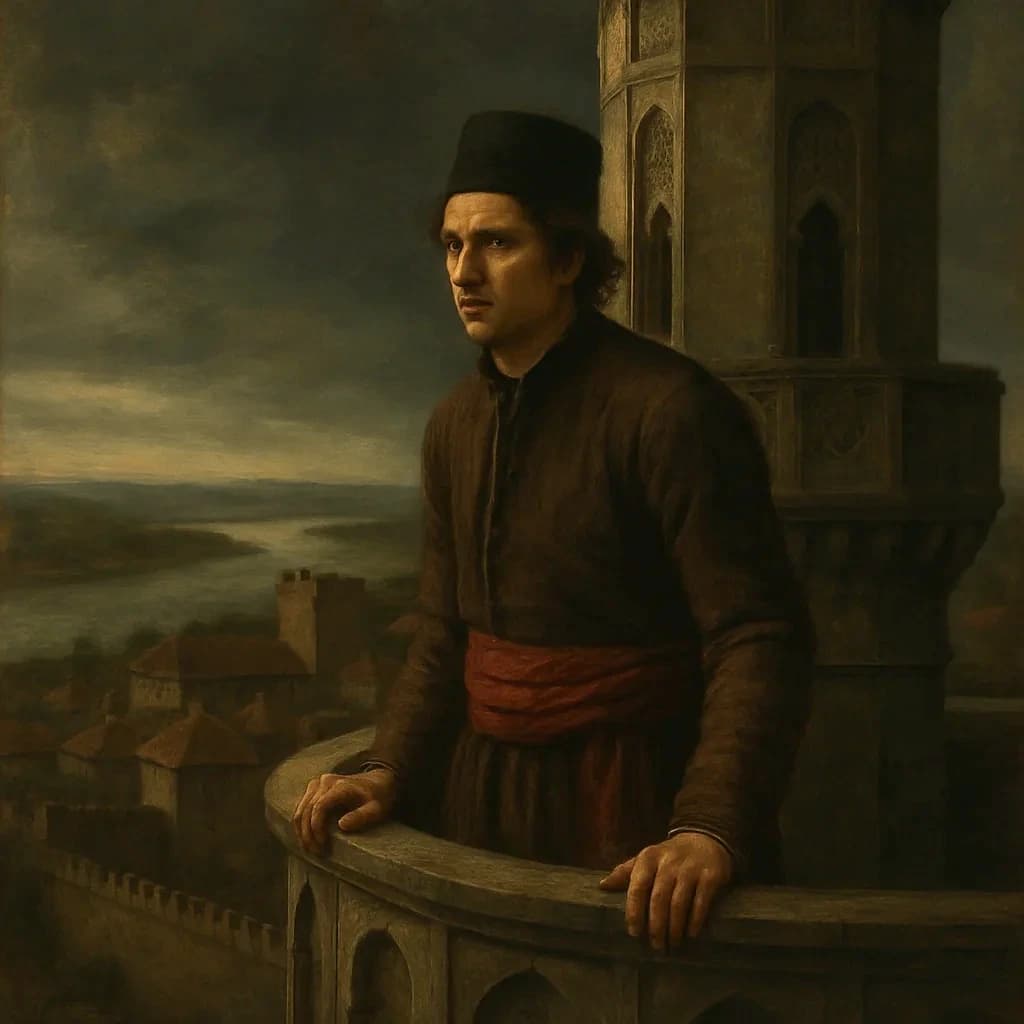
A Seminary Student Climbed a Minaret and Started a War
A single shout from a Belgrade minaret in 1683 lit a chain reaction that would redraw the map of Eastern Europe, and the man behind it was a teenage seminary student who had never fought a battle.
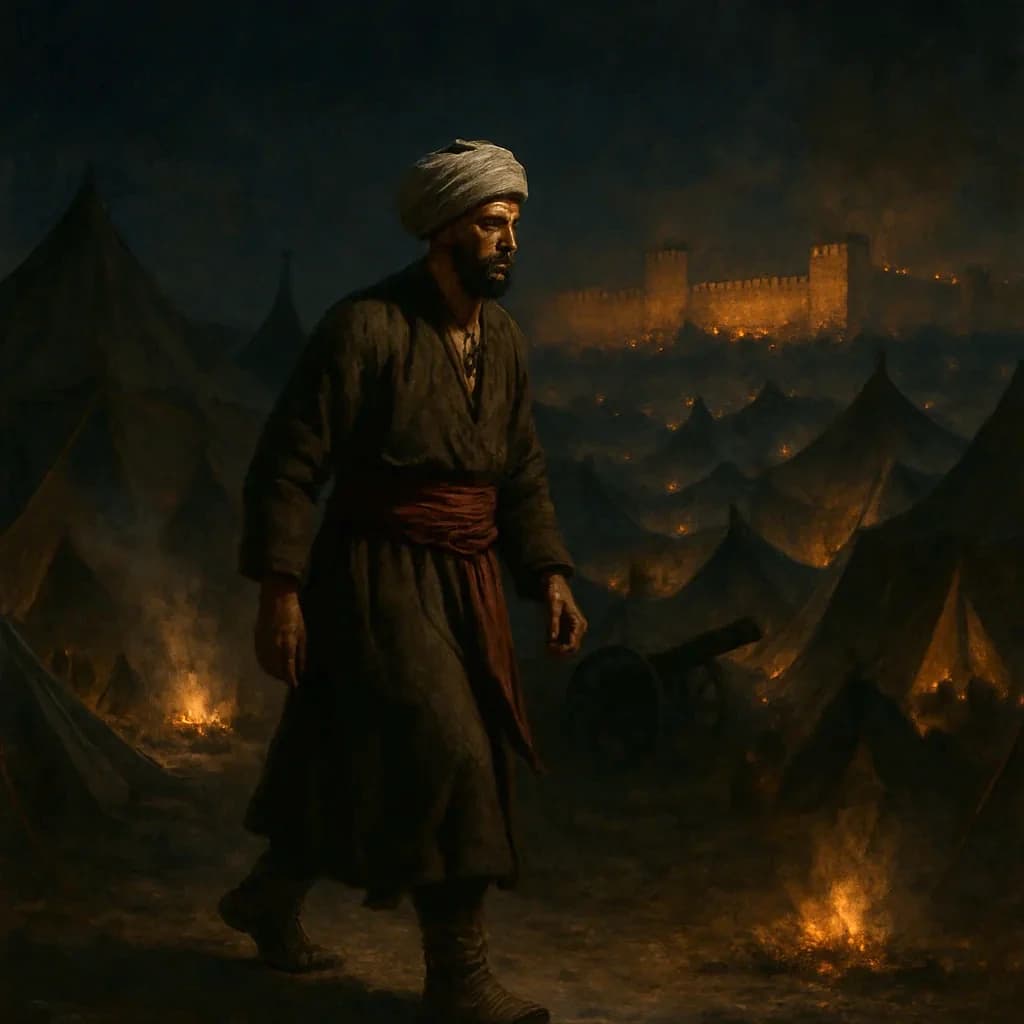
How a Disguised Spy Saved Vienna in 1683
A single Ottoman courier made a wrong turn in 1683, and the fate of Christian Europe shifted not on a battlefield but in a basement.
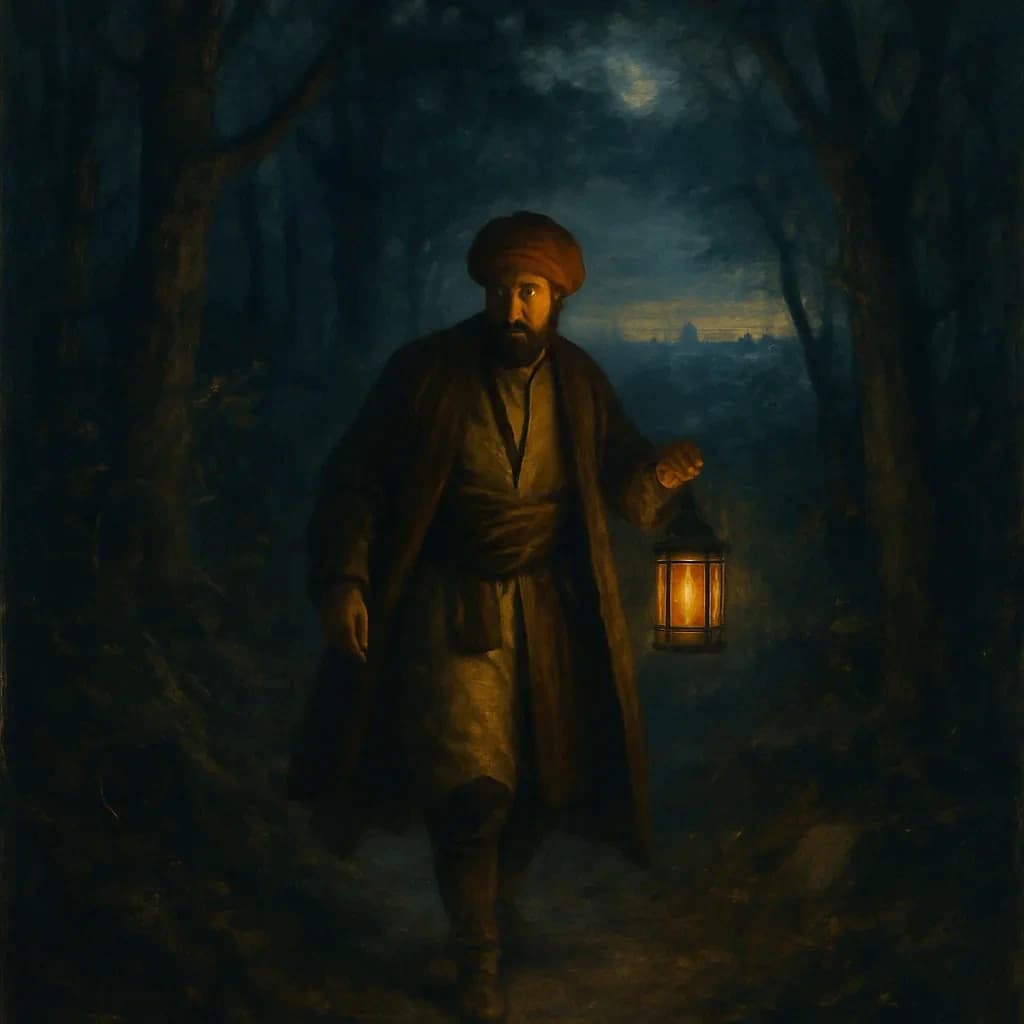
Goat Tracks Saved Vienna in 1683
The Ottoman siege of Vienna failed not because of Christian armies, but because of one man who knew the forest better than any general.
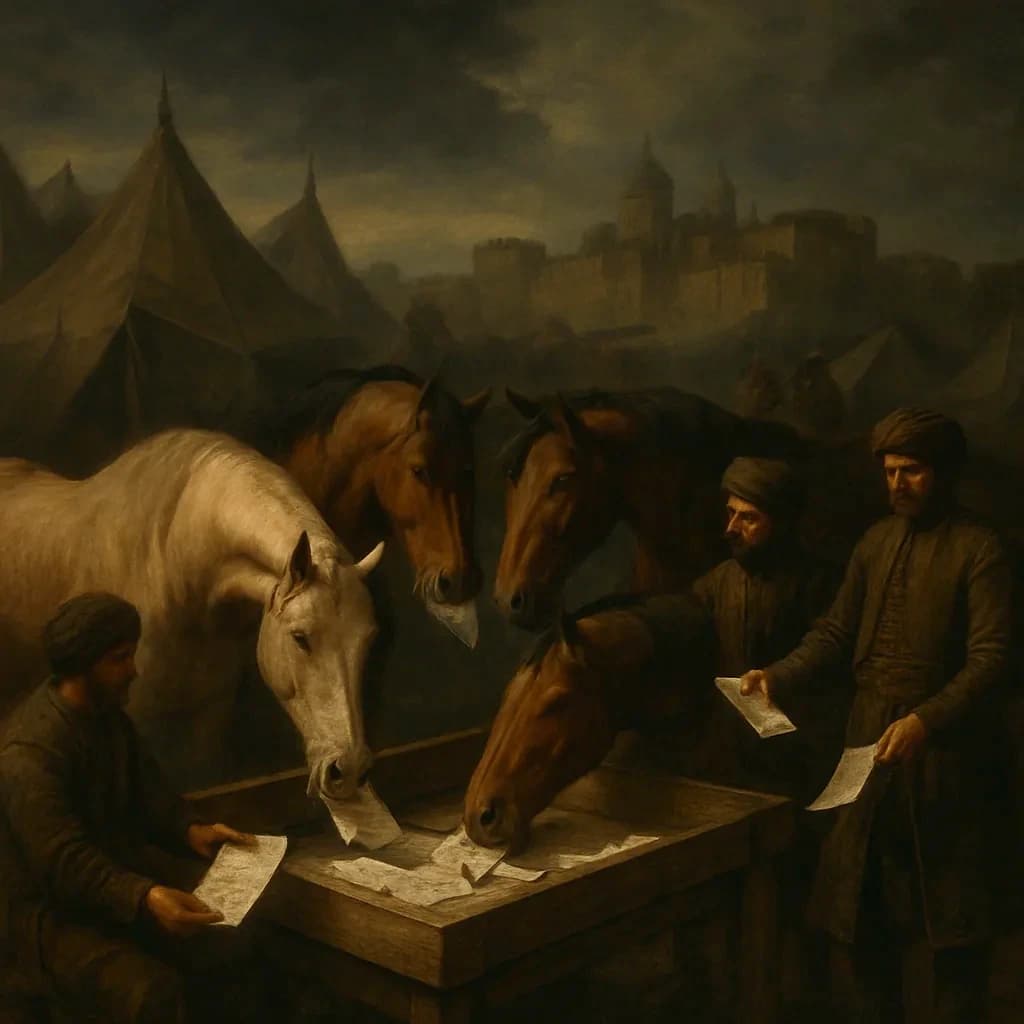
Vienna's War Horses That Could Read Enemy Mail
The Ottoman siege of Vienna in 1683 produced history's most unlikely literacy campaign, and it wasn't for humans.
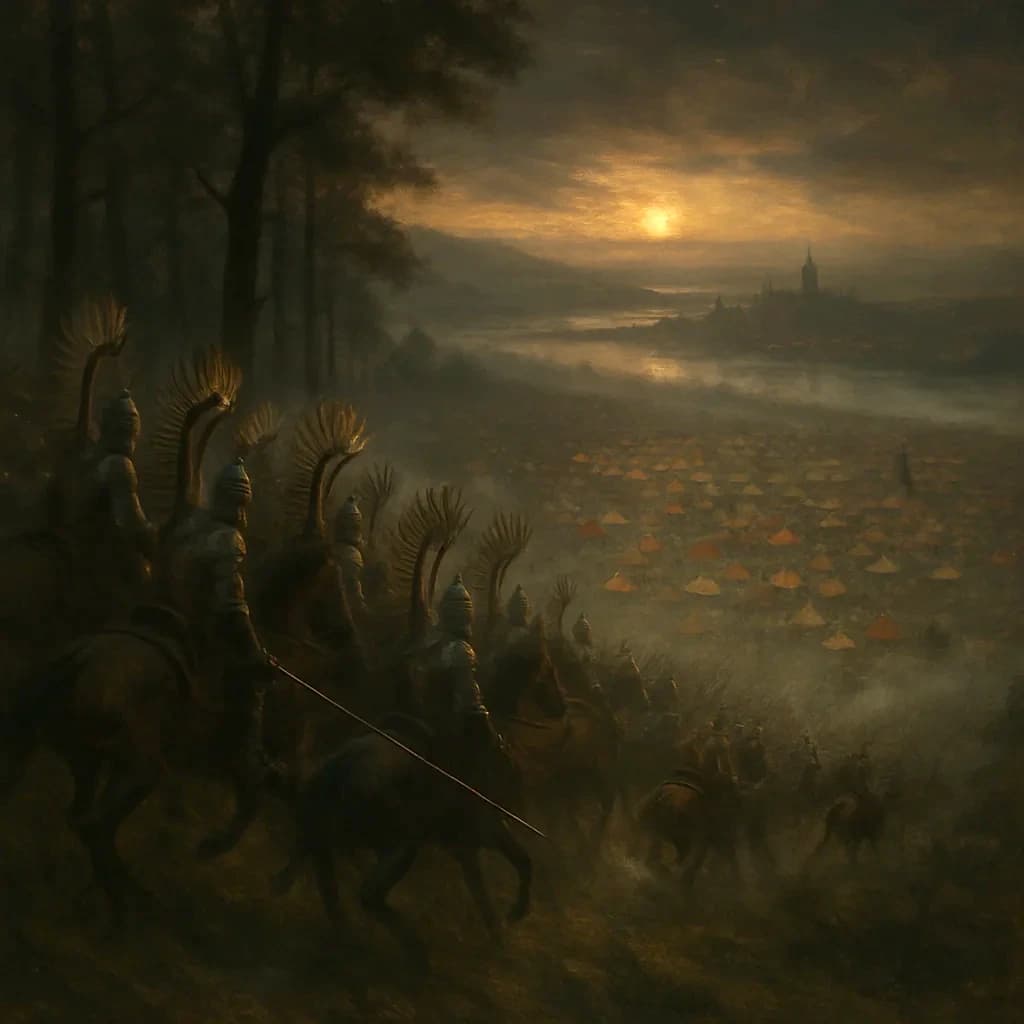
Vienna 1683: How Coffee Reached Europe on a Battlefield
A Polish king's coffee obsession may have saved European Christianity from Ottoman conquest in 1683.
- John Stoye, The Siege of Vienna: The Last Great Trial Between Cross and Crescent (2006, Pegasus Books)
- Caroline Finkel, Osman's Dream: The History of the Ottoman Empire (2005, Basic Books)
- Thomas M. Barker, Double Eagle and Crescent: Vienna's Second Turkish Siege and Its Historical Setting (1967, SUNY Press)