
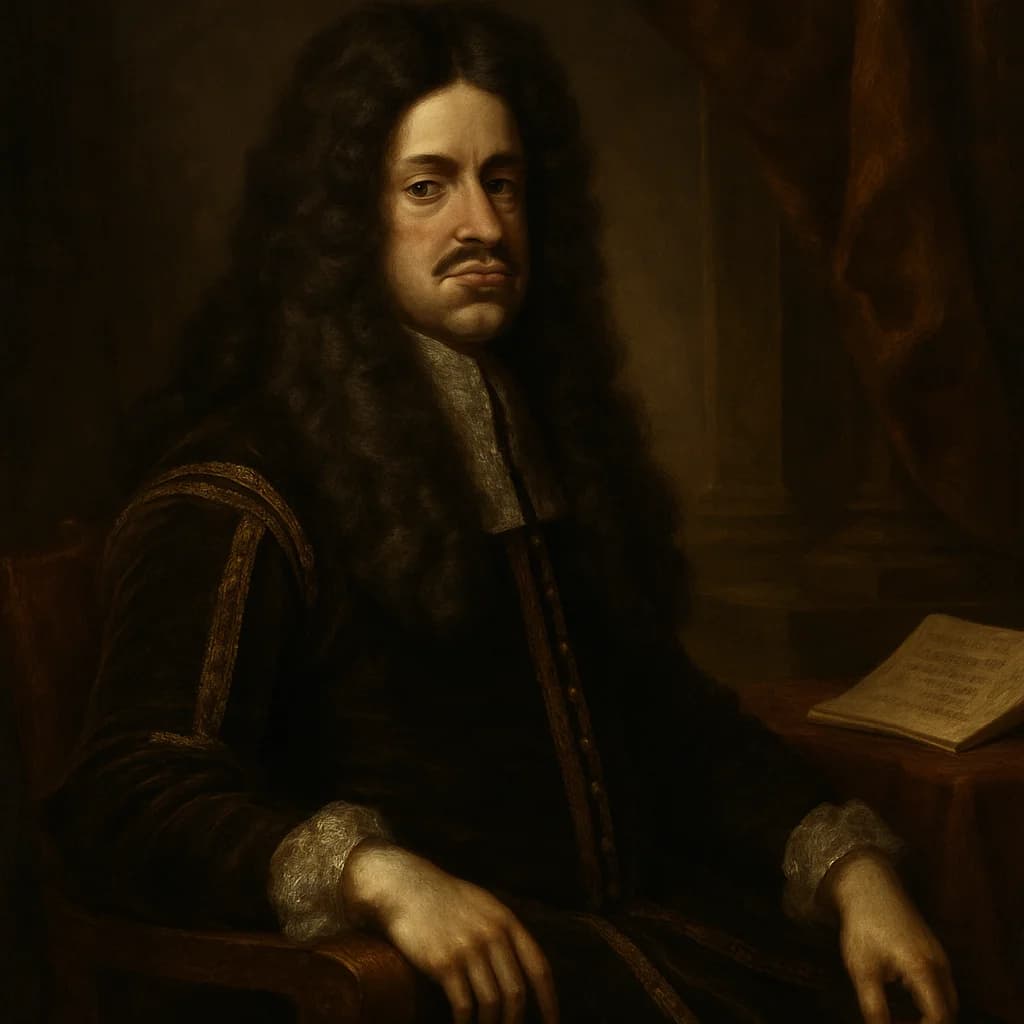
Leopold I
He was supposed to be a priest. Instead, he became the man who held Europe together with bureaucratic stubbornness and an almost pathological refusal to panic.
Leopold I was not meant to rule anything. Born in 1640, he was the second son of Emperor Ferdinand III, which in Habsburg logic meant a clerical career was already mapped out for him: theology, Latin, a quiet life in the Church. Then his older brother Ferdinand IV died in 1654, and the entire weight of the Holy Roman Empire fell onto a fourteen-year-old boy who had been raised to pray, not govern. He spent the rest of his life proving that the wrong training can sometimes produce the right results.
What the histories bury beneath the grand sieges and dynastic marriages is how genuinely strange Leopold was as a ruler. He was chronically indecisive (his court called it deliberation, his enemies called it paralysis), yet he reigned for 47 years, outlasting almost every monarch who underestimated him. He was physically unprepossessing, with the Habsburg jaw so pronounced it reportedly made eating difficult, and he was so personally timid that during the Ottoman siege of Vienna in 1683, he fled the city entirely, leaving its defense to others while he waited at Passau. And yet. When Jan Sobieski's cavalry broke the Ottoman lines on September 12th and the city survived, Leopold rode back in and accepted the credit with the serenity of a man who had never doubted the outcome.
The overlooked truth about Leopold is that he was a genuinely accomplished composer, not a dilettante monarch dabbling in harpsichord, but a prolific, technically serious musician who wrote over 170 musical works including operas, oratorios, and sacred music. He collaborated with professional court composers, understood counterpoint, and personally supervised the Habsburg musical establishment with the same obsessive attention he gave almost nothing else in his government. Music was the one place Leopold was never uncertain.
His reign also quietly established the administrative architecture that would hold the Habsburg empire together for another two centuries. While he dithered over military decisions, he was assembling a bureaucratic state dense enough to survive bad emperors, which turned out to be a more durable accomplishment than any battlefield victory.
Leopold I held the record for the longest reign of any Holy Roman Emperor until historians confirmed it was actually Franz II, but Leopold's 47 years still makes him one of the most enduring rulers of an institution that spanned nearly a millennium.
Why untold: Leopold's historical image collapsed into the more dramatic figures surrounding him (Sobieski's cavalry charge, Eugène of Savoy's generalship, Louis XIV's antagonism), leaving the man who actually held the political center invisible inside his own story.
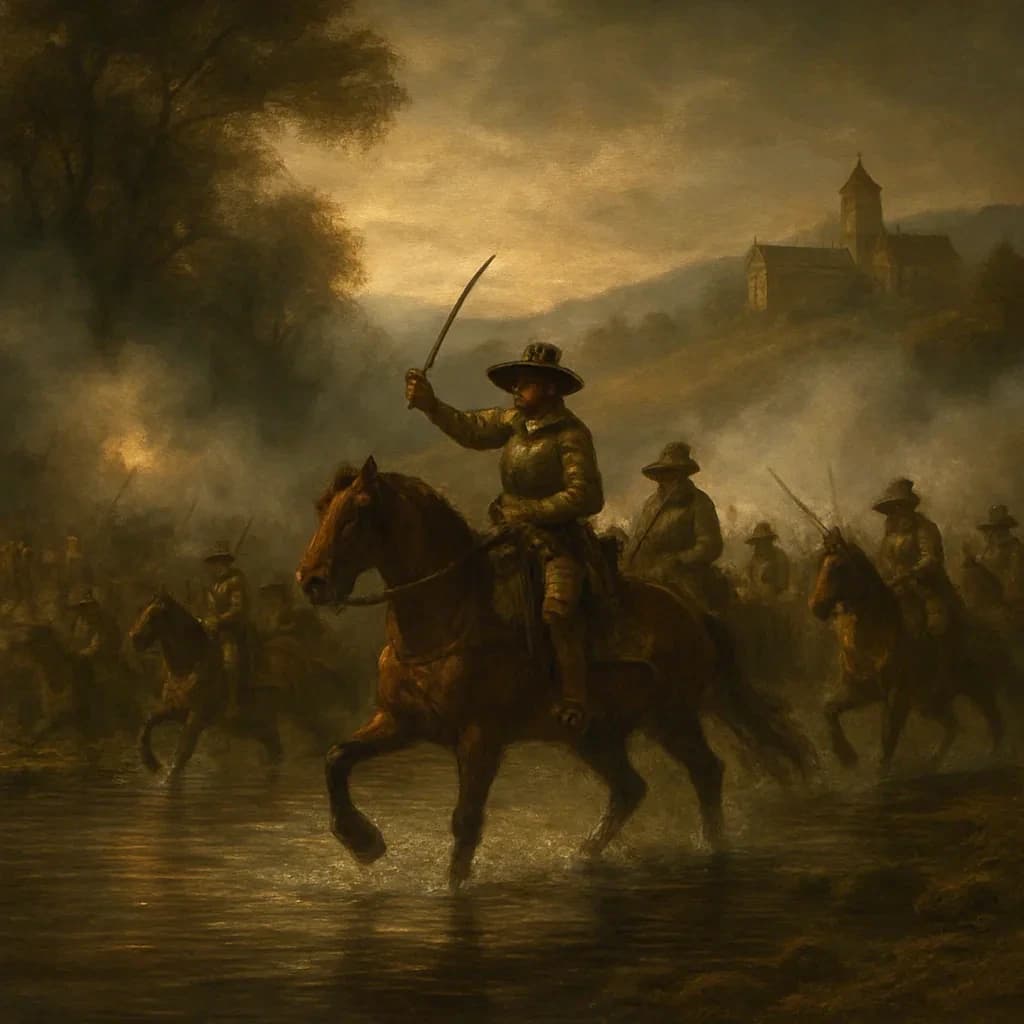
He Won the Battle, the Treaty Erased It
He commanded armies, survived battles that killed everyone around him, and spent his evenings composing music that courts across Europe begged to hear, and history filed him under 'footnote'.
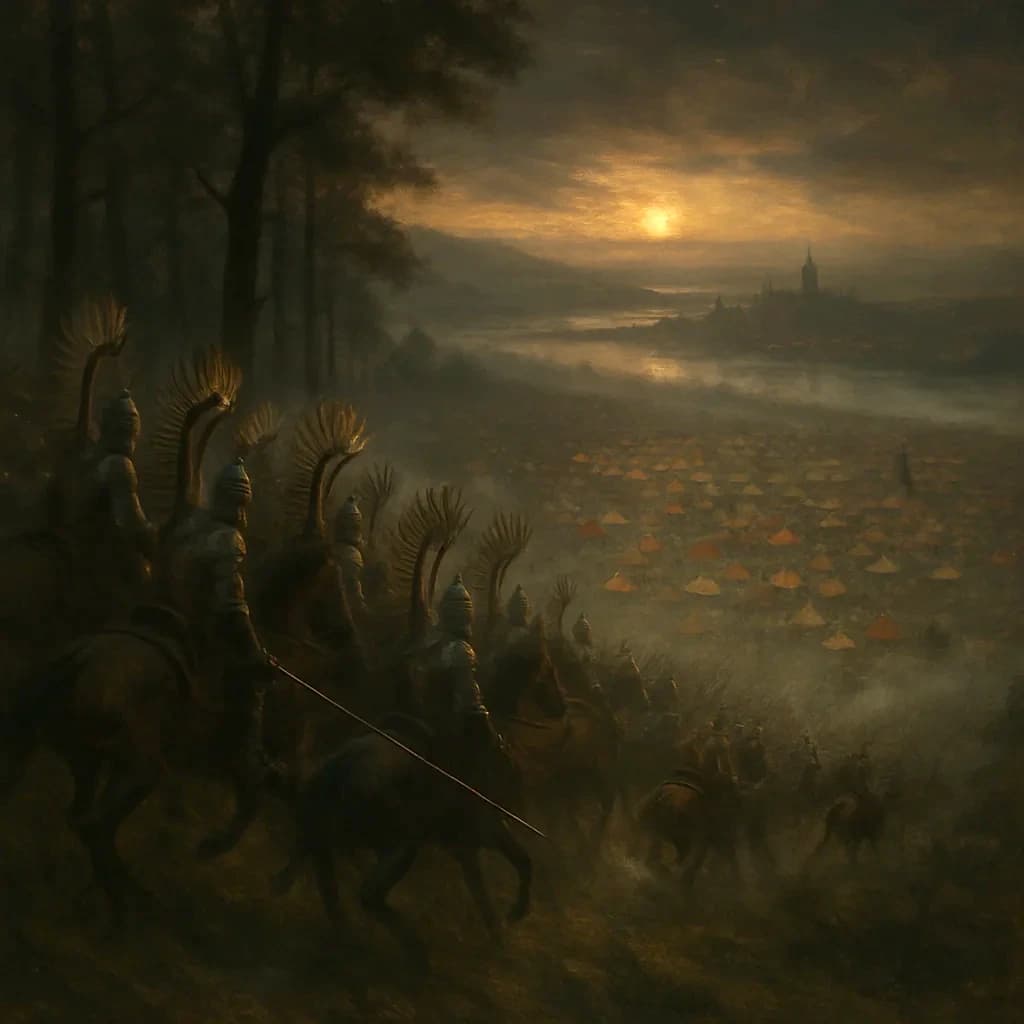
Vienna 1683: How Coffee Reached Europe on a Battlefield
A Polish king's coffee obsession may have saved European Christianity from Ottoman conquest in 1683.
- John P. Spielman, 'Leopold I of Austria' (Thames and Hudson, 1977)
- Charles W. Ingrao, 'In Quest and Crisis: Emperor Joseph I and the Habsburg Monarchy' (Purdue University Press, 1979)
- Thomas Hochradner, 'Leopold I as Musician' in 'Music at the Habsburg Court' (Vienna Philharmonic Archive Studies, 2004)