
Joseph Lister
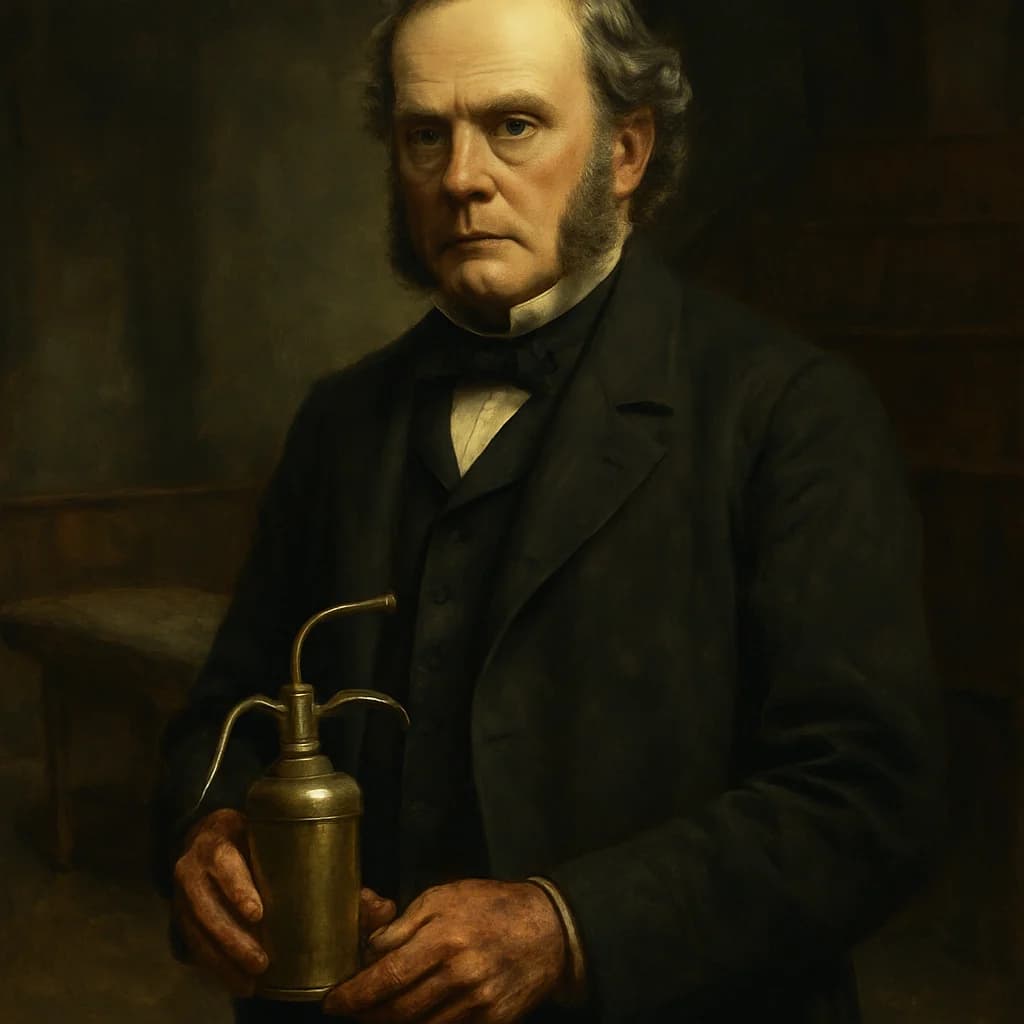
Joseph Lister saved thousands of lives by spraying everything in sight with carbolic acid, including his own hands, which turned black from the chemical burns.
When Joseph Lister walked into a surgery in 1865, he carried a spray bottle like a Victorian ghostbuster. He doused the operating table, the instruments, the patient's wound, and his own hands with carbolic acid until the room reeked like a coal tar factory. His colleagues thought he'd lost his mind. His hands turned black and cracked from the chemical burns. But his patients stopped dying.
The son of a wine merchant who couldn't attend Oxford because he was Quaker, Lister had spent years watching half his patients die from infections that seemed to appear from nowhere. Then he read about Louis Pasteur's work on fermentation and had a revelation: what if wound infections weren't caused by 'bad air' but by invisible organisms, like the ones spoiling wine? If carbolic acid could preserve railway ties from rot, maybe it could preserve human flesh from corruption.
Lister's first patient was eleven-year-old James Greenlees, whose leg bone jutted through his skin after a cart accident. In 1865, this meant almost certain amputation or death. Instead, Lister cleaned the wound with carbolic acid, applied a carbolic-soaked bandage, and waited. Six weeks later, the boy walked out of the hospital on both legs. Lister had performed the first successful antiseptic surgery.
But recognition came slowly and bitterly. French surgeons embraced his methods immediately. They'd seen enough battlefield carnage to try anything. British doctors remained skeptical for decades. Some called him a charlatan. Others complained that carbolic acid stained their clothes and burned their hands. Lister spent the rest of his career refining his techniques, eventually becoming the first surgeon elevated to the House of Lords. By then, his blackened, chemical-scarred hands had revolutionized medicine forever.
Lister's carbolic acid spray was so potent that it regularly burned holes in surgeons' clothes and turned their hands black, leading many to abandon his techniques not because they didn't work, but because they were too painful to use.
Why untold: Medical history focuses on Lister's triumph while glossing over the physical toll his methods took on practitioners and the decades of professional resistance he faced.
The Vienna Doctor Whose Discovery Saved Millions and Destroyed Him
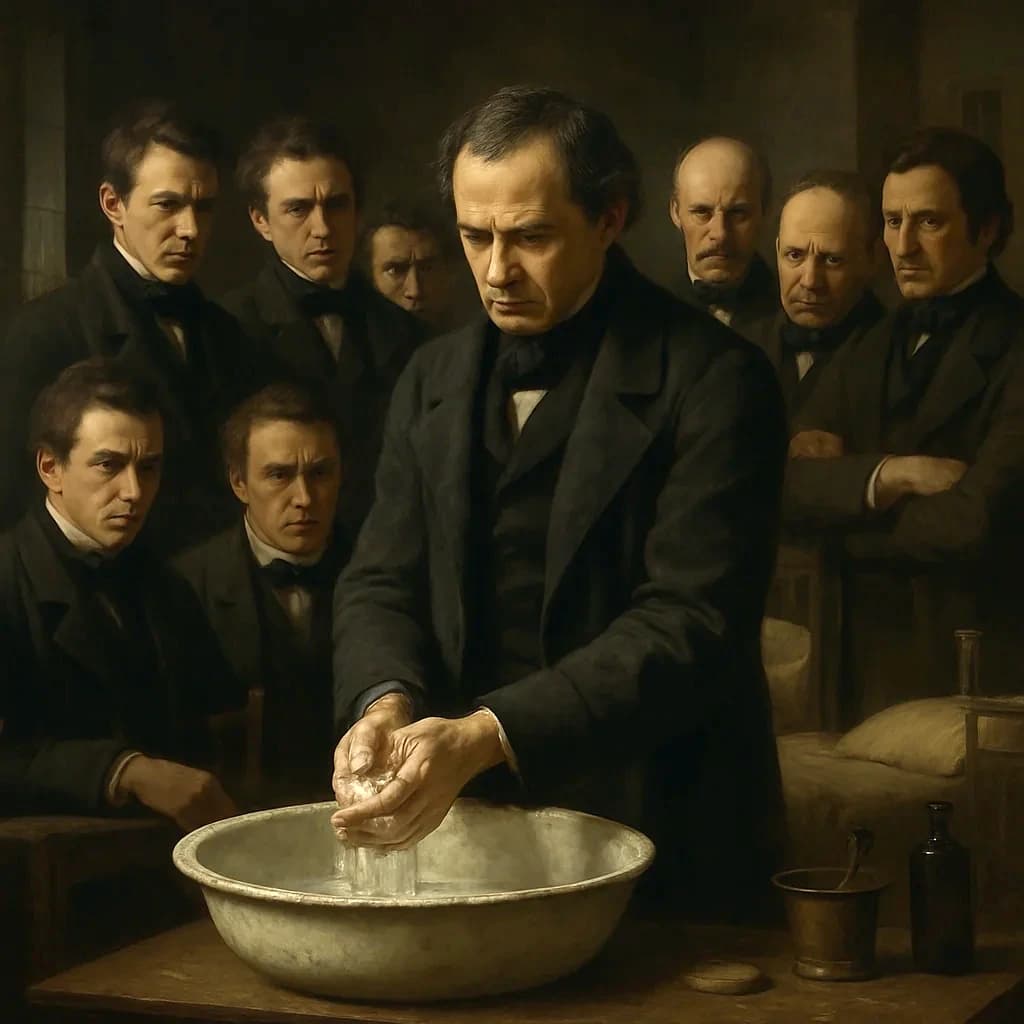
In 1847, a doctor in Vienna made a discovery that would save millions of lives, and cost him his career, his sanity, and ultimately his life.
The Waterloo Surgeon Who Healed by Doing It Wrong
He performed one of history's most famous operations in reverse, taking out what should have stayed in, leaving in what should have come out.
How a Broken Umbrella Made Surgery Safe
A Victorian gentleman's walking stick would revolutionize warfare, save millions of lives, and make doctors wash their hands, though he never lived to see any of it.
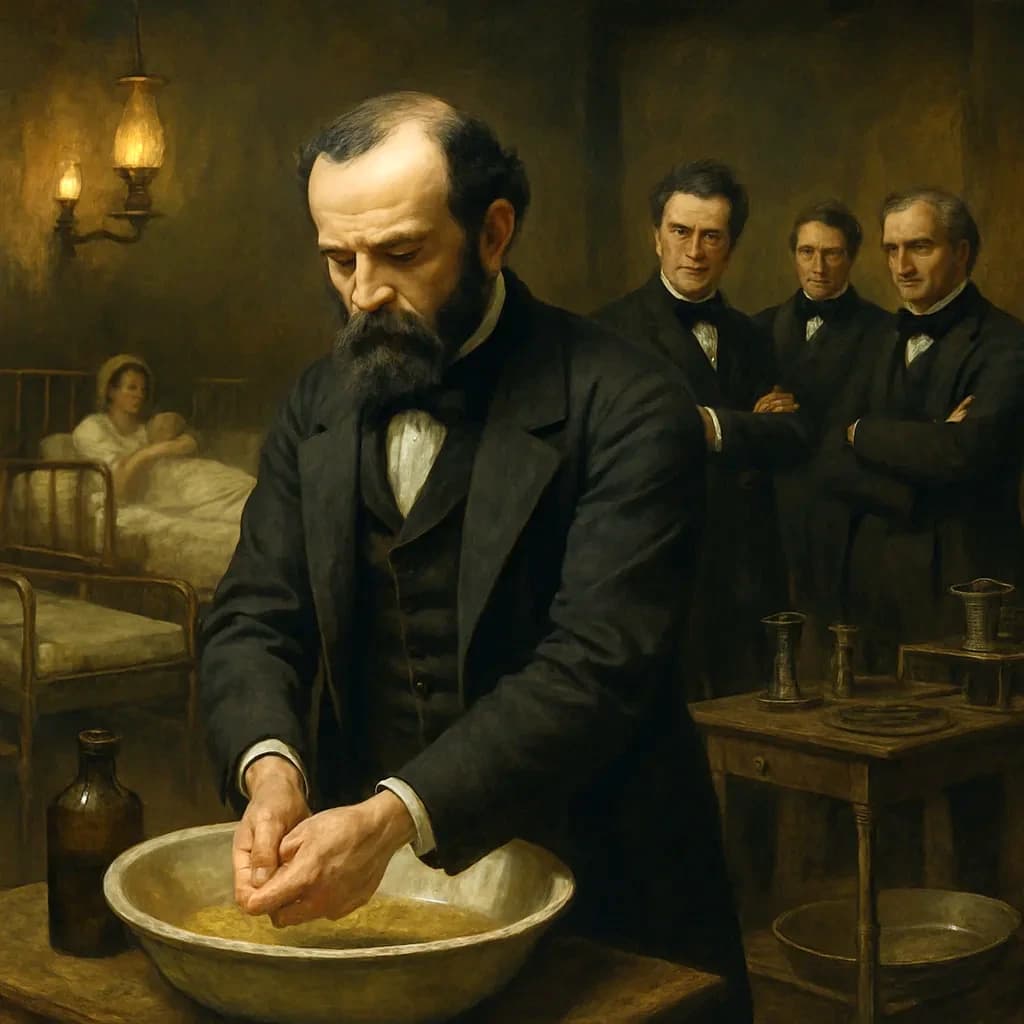
The Surgeon Who Saved Thousands While Denying Dirt Could Kill
A brilliant Victorian surgeon who saved thousands of lives was shunned by his profession for refusing to believe dirt could kill.
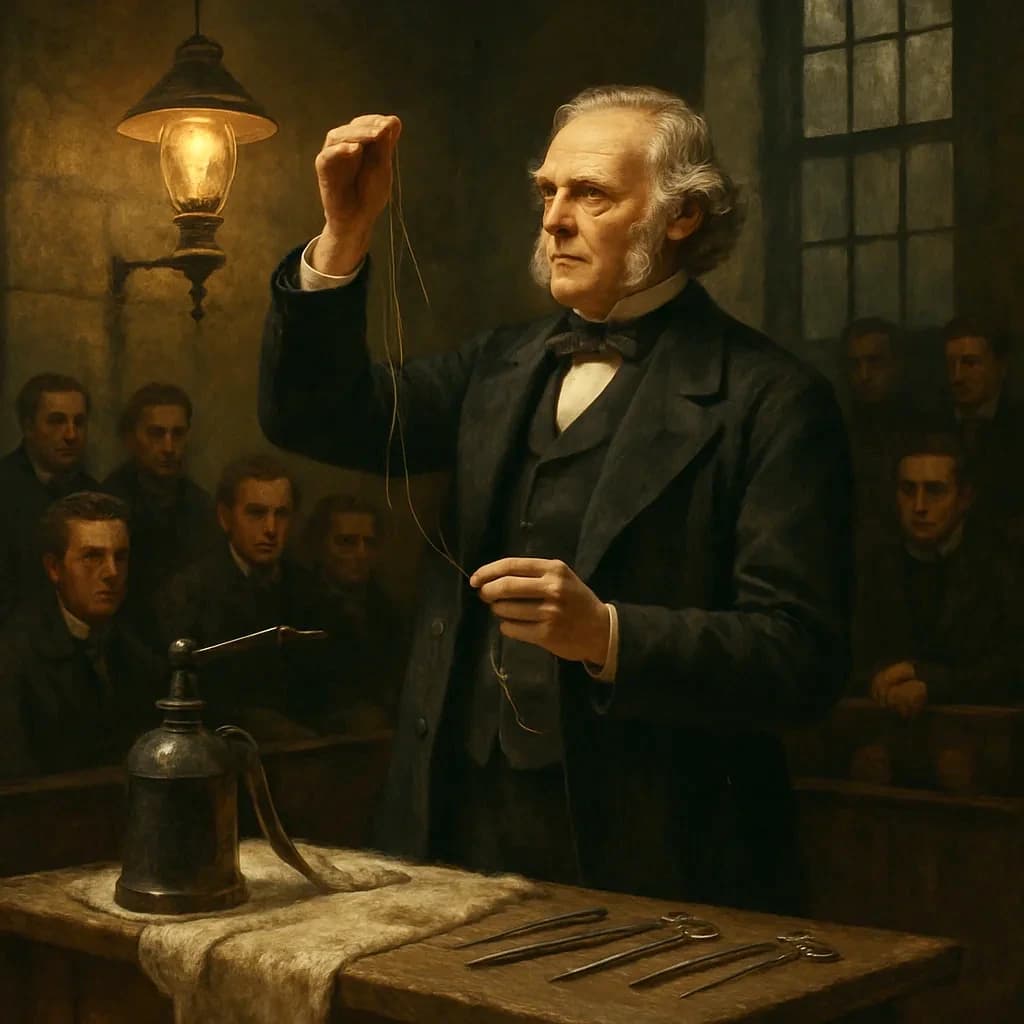
A Surgeon's Invisible Stitches Saved More Lives Than Any General
In 1867, a British surgeon stitched wounds with string no one could see, and accidentally saved more lives than any general.
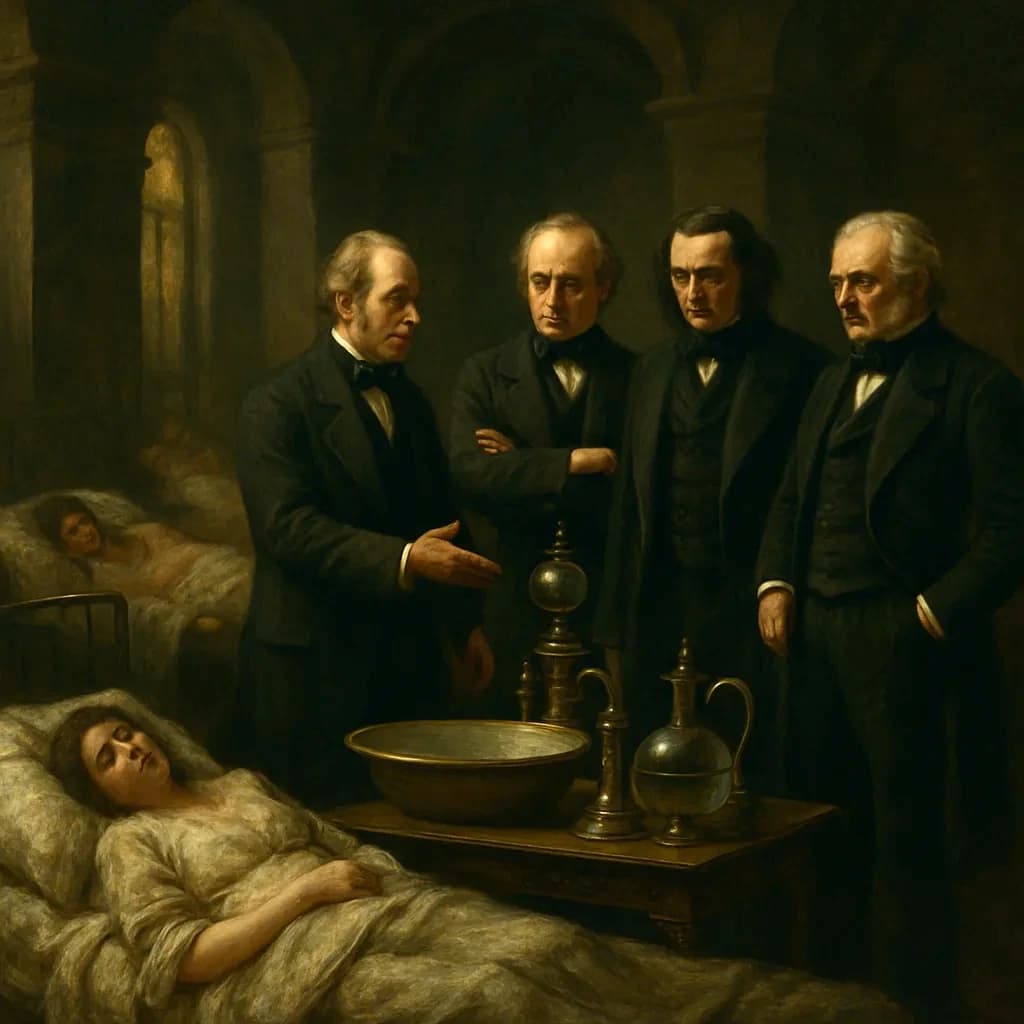
The Doctor Who Said Wash Your Hands
A young Hungarian doctor in 1847 found a way to save millions of lives, then watched his colleagues destroy him for suggesting it.
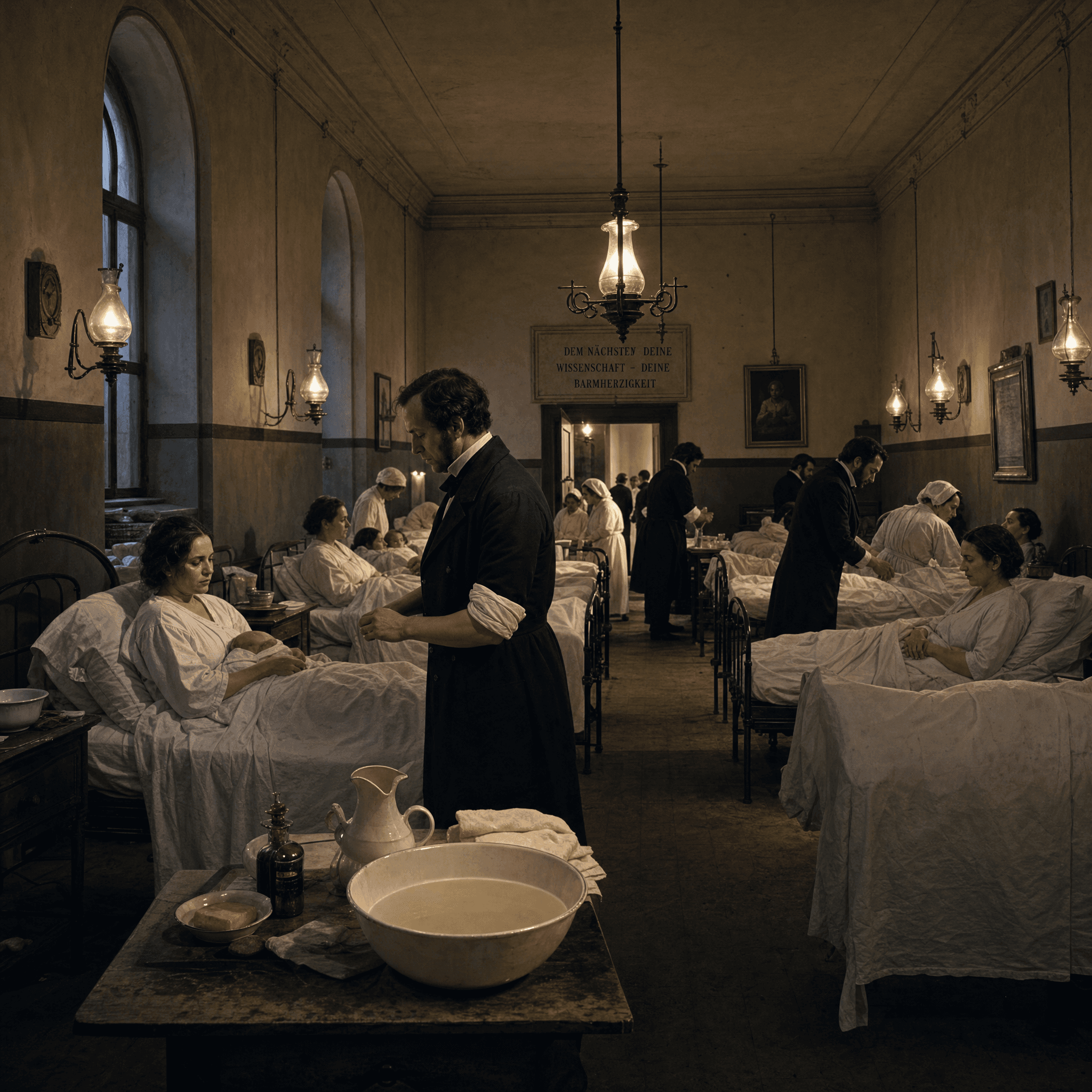
Noticing Midwives Had Cleaner Hands Cost Him His Sanity
A Hungarian doctor noticed that midwives had cleaner hands than surgeons, and paid for this observation with his career and sanity.
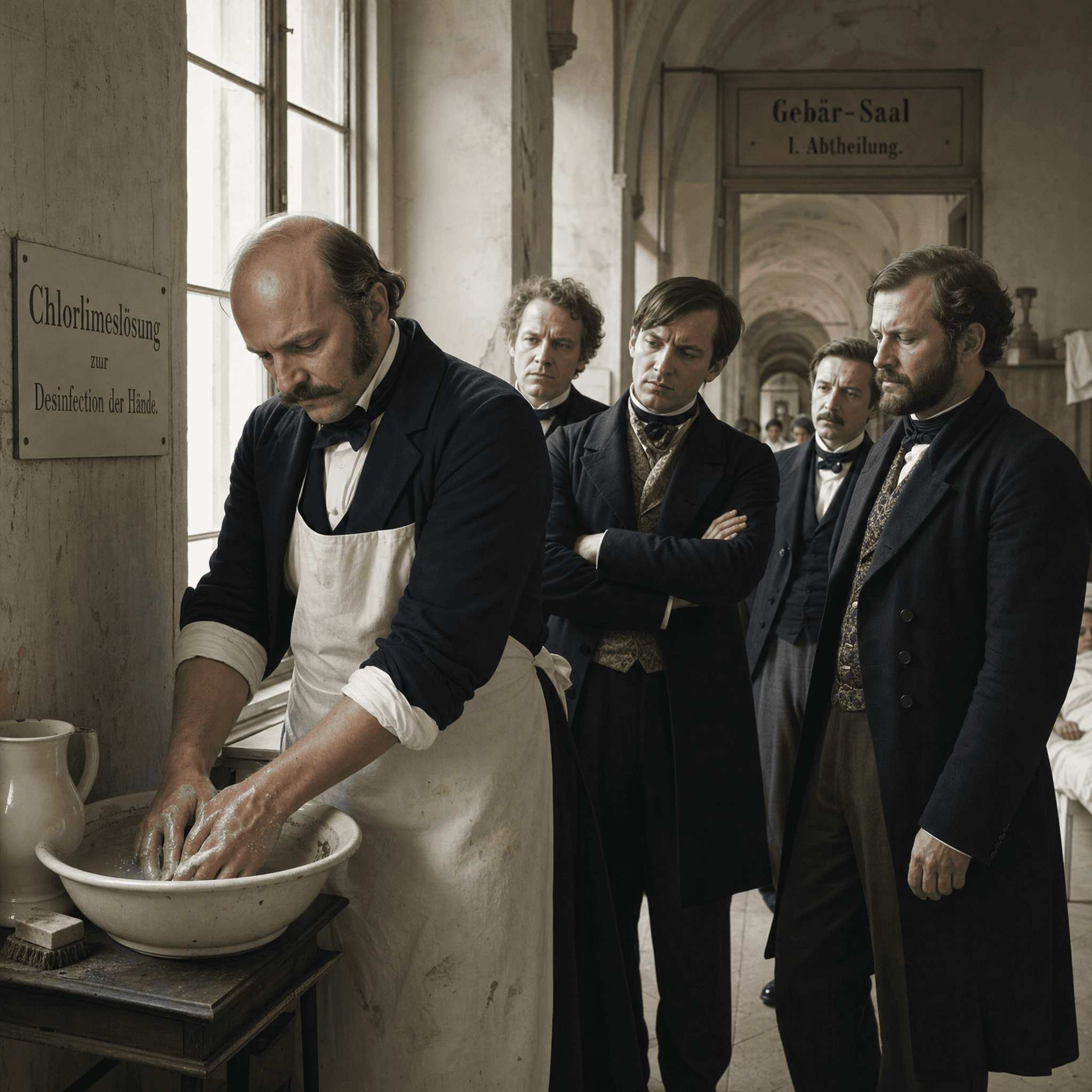
Women Kept Dying in Childbirth. The Doctors Were the Cause.
In 1840s Vienna, a Hungarian doctor discovered why women kept dying in childbirth, and was destroyed for suggesting doctors wash their hands.
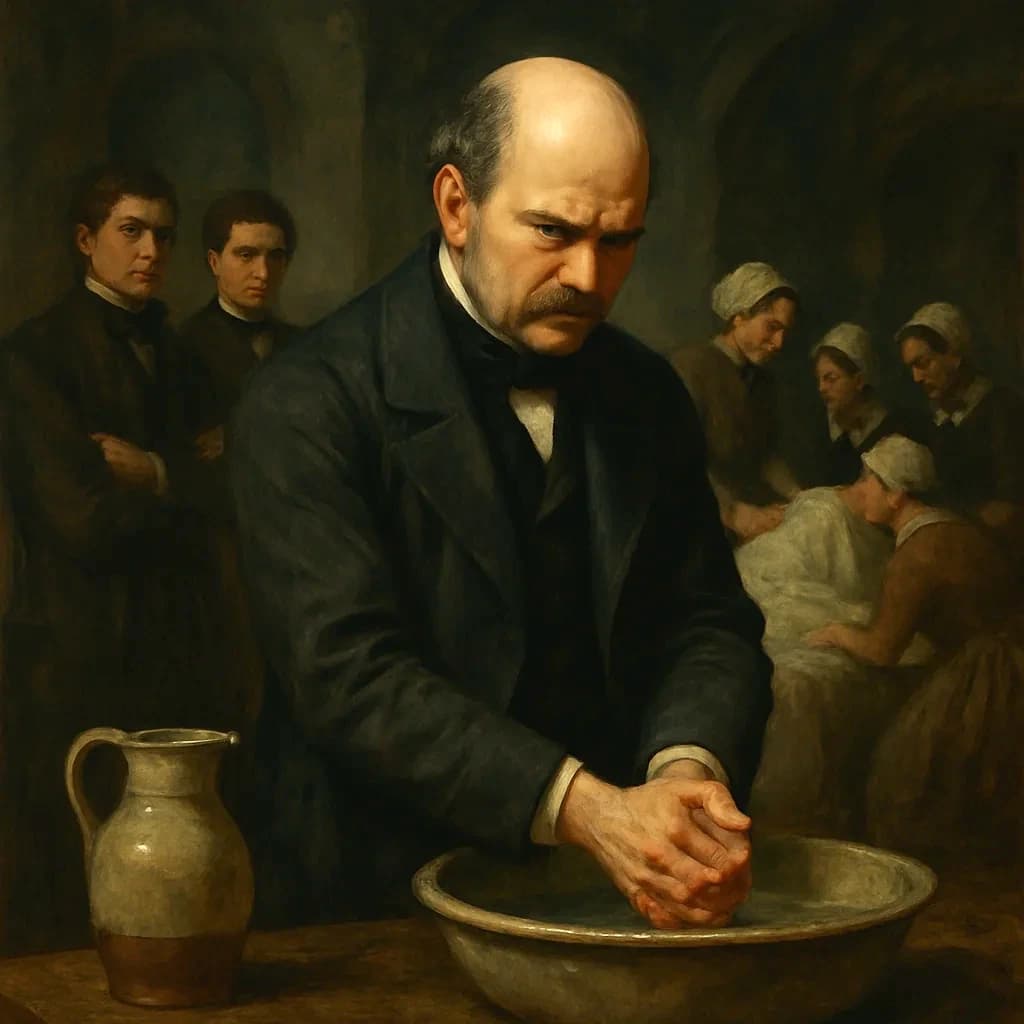
Women Died Twice as Often When Medical Students Delivered Babies
A Hungarian doctor noticed something strange about the maternity ward: women were dying at twice the rate when medical students delivered their babies.
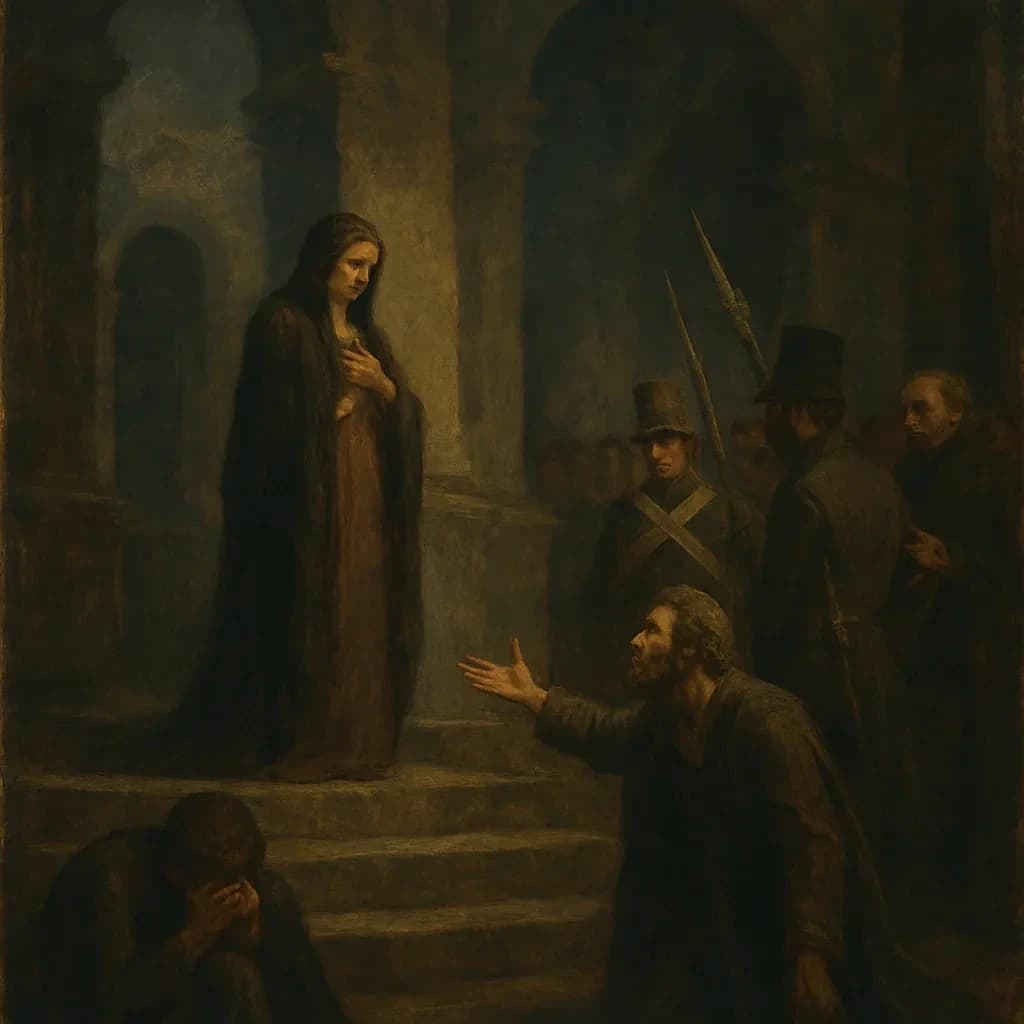
Handwashing Saved Thousands. Suggesting It Drove Him Mad.
A Hungarian physician proved that washing hands could save thousands of lives, and was driven mad for suggesting it.
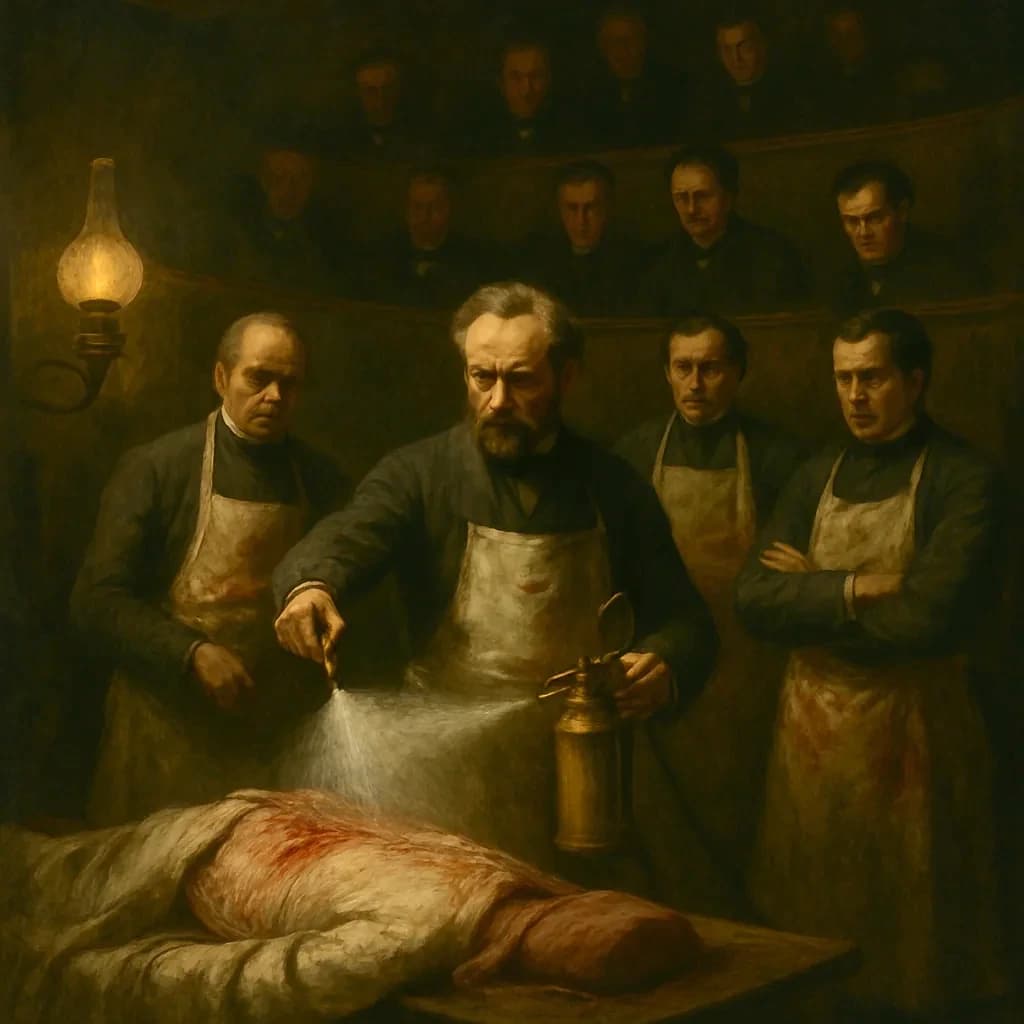
Joseph Lister Saved Thousands. His Own Patients Kept Dying.
Joseph Lister pioneered antiseptic surgery and saved thousands of lives, except for his own patients, who kept dying anyway.
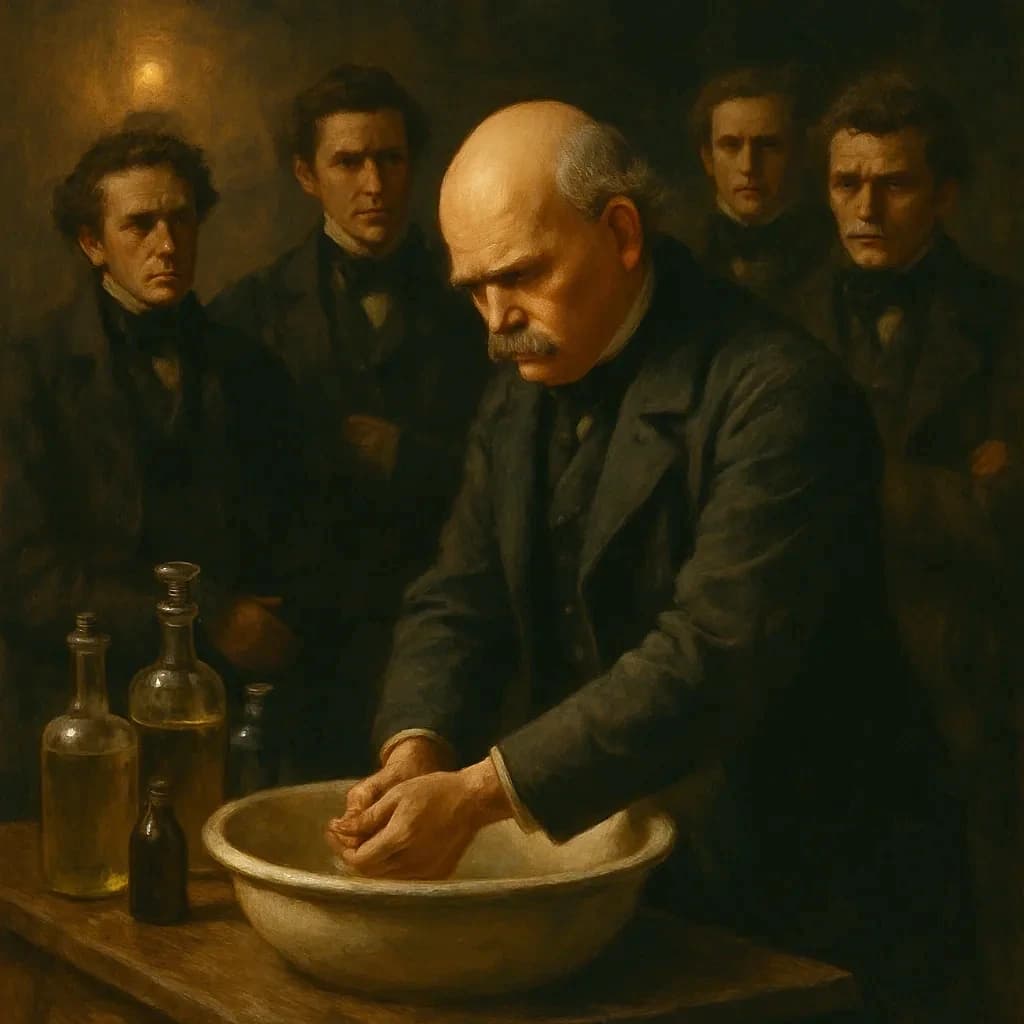
Doctors Destroyed the Colleague Who Told Them to Wash Their Hands
A Hungarian doctor solved one of medicine's greatest mysteries, then watched his colleagues destroy him for suggesting they wash their hands.
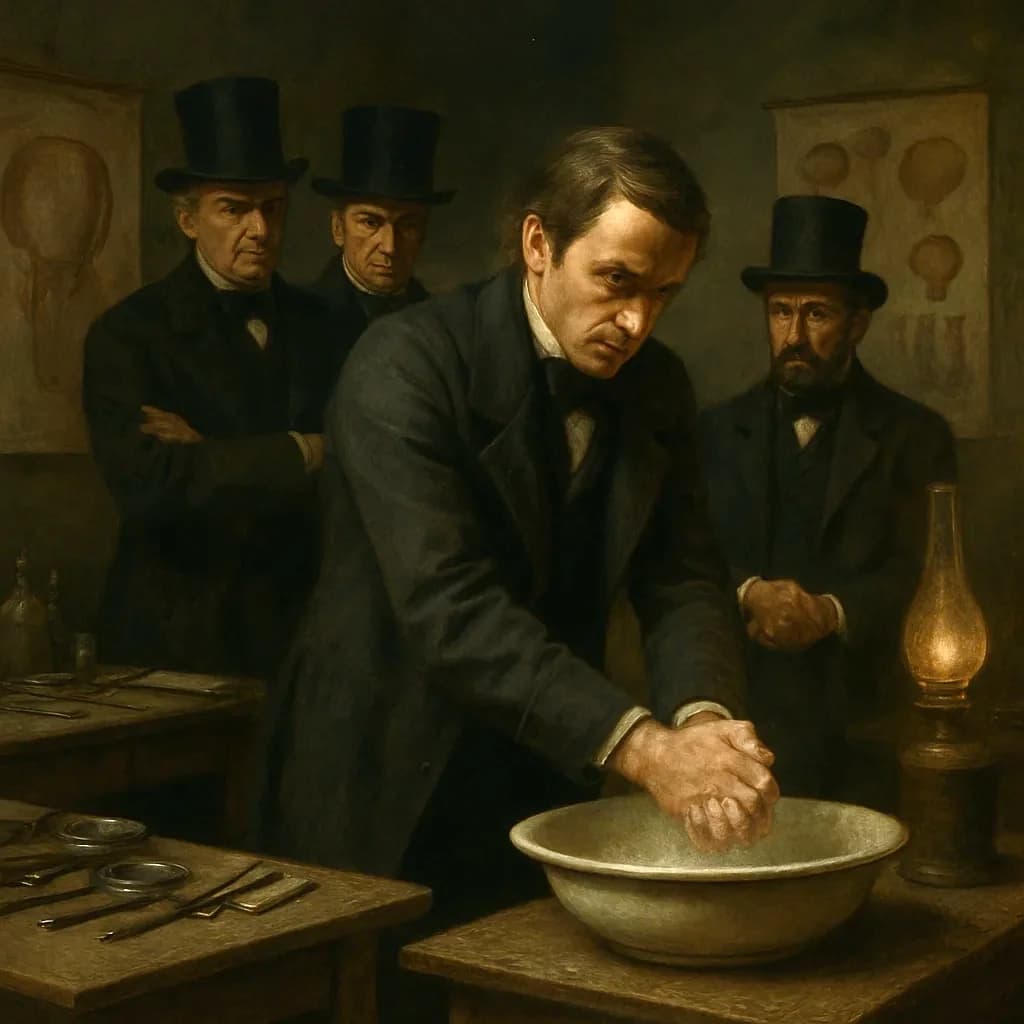
A Doctor's Hallucination Saved More Lives Than Any Medicine
A German doctor's hallucination during a typhus epidemic led him to discover something that would save more lives than any medicine ever created.
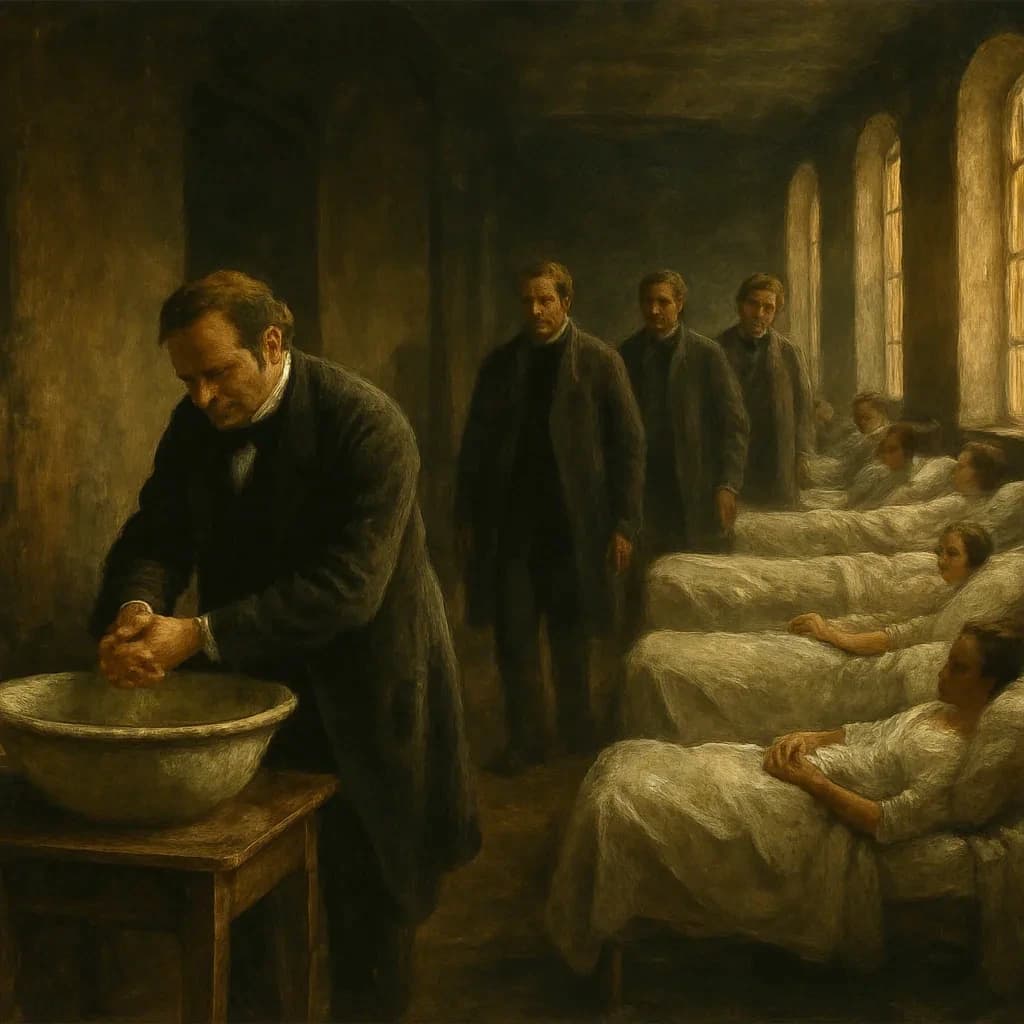
He Discovered Handwashing Saved Lives and Was Driven Mad
In 1847, a Hungarian doctor made a discovery that could have saved millions of lives, and was driven to madness when the medical establishment refused to listen.
- Fitzharris, Lindsey. The Butchering Art: Joseph Lister's Quest to Transform the Grisly World of Victorian Medicine. Scientific American, 2017.
- Nuland, Sherwin B. Doctors: The Biography of Medicine. Vintage Books, 1995.
- Wangensteen, Owen H. and Sarah D. The Rise of Surgery: From Empiric Craft to Scientific Discipline. University of Minnesota Press, 1978.