
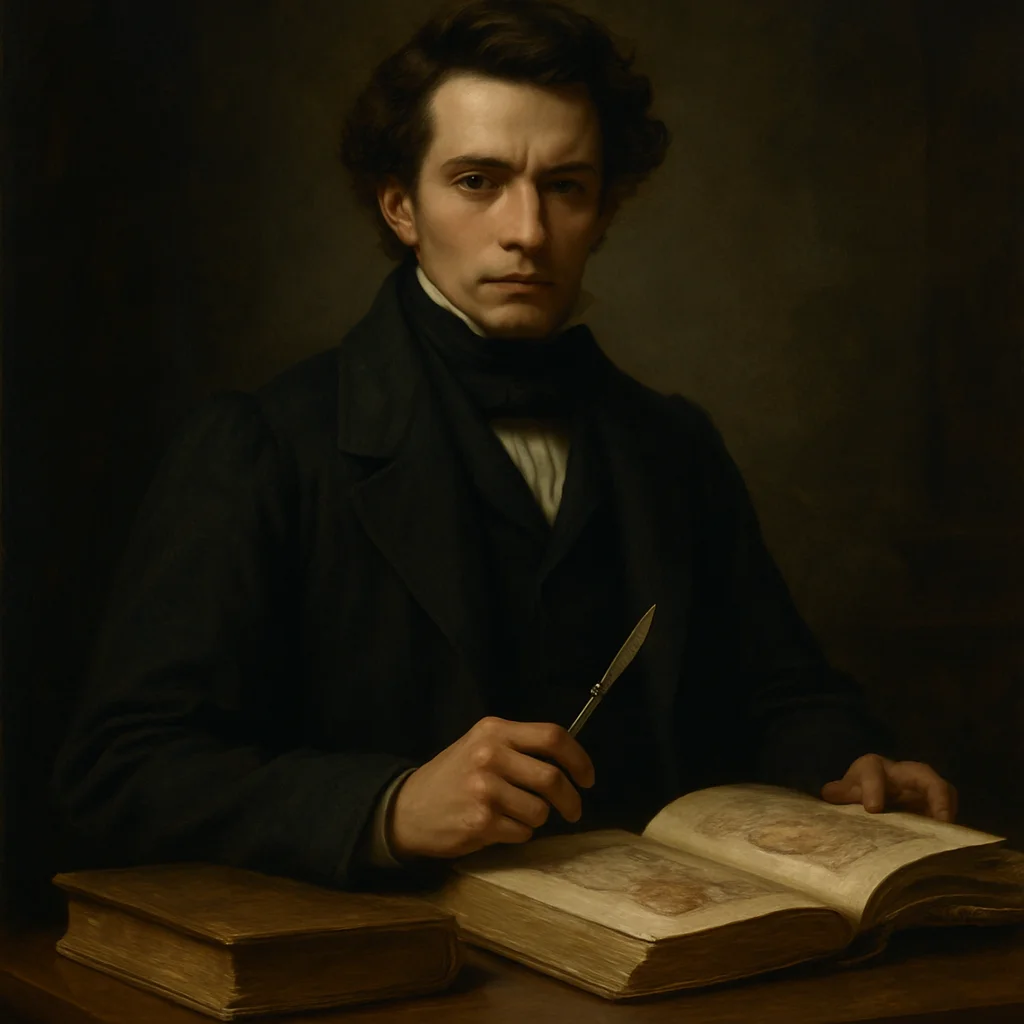
Jakob Kolletschka
The young professor who taught anatomy at Vienna General Hospital died from the same disease he'd been cutting open for years.
Jakob Kolletschka was dissecting a cadaver on a March morning in 1847 when the scalpel slipped. The blade pierced his finger, a common accident in the anatomy theater of Vienna General Hospital, where he served as professor of forensic medicine. Within days, fever consumed him. Within two weeks, he was dead.
What killed Kolletschka wasn't the cut itself, but what followed: fever, delirium, abdominal pain, and swollen lymph nodes. His friend Ignaz Semmelweis, who worked in the hospital's maternity ward, recognized the symptoms immediately. They were identical to childbed fever, the mysterious disease that killed one in ten new mothers on his ward. The realization struck like lightning. Kolletschka had died from the same condition as the women, but he'd never given birth.
Kolletschka's death became the key that unlocked one of medicine's greatest mysteries. Semmelweis understood that both his friend and the new mothers had been infected by "cadaverous particles," microscopic matter from corpses that medical students carried from the dissection room to the delivery ward on their unwashed hands. The young professor had essentially performed his own autopsy, introducing deadly material directly into his bloodstream through that single slip of the scalpel.
Yet Kolletschka's name vanished from medical history while his death revolutionized it. His inadvertent sacrifice proved that childbed fever wasn't divine punishment or bad air, but contamination, preventable with soap and water. The irony cuts deep: a man who spent his career studying death became, through his own dying, the silent witness who could have saved millions of lives if anyone had listened.
Kolletschka died from the exact same symptoms as childbed fever despite being a male professor who had never given birth, proving the disease was caused by contamination rather than the birthing process itself.
Why untold: History remembers Semmelweis as the handwashing pioneer while forgetting that his breakthrough came from watching his friend die from a workplace accident.
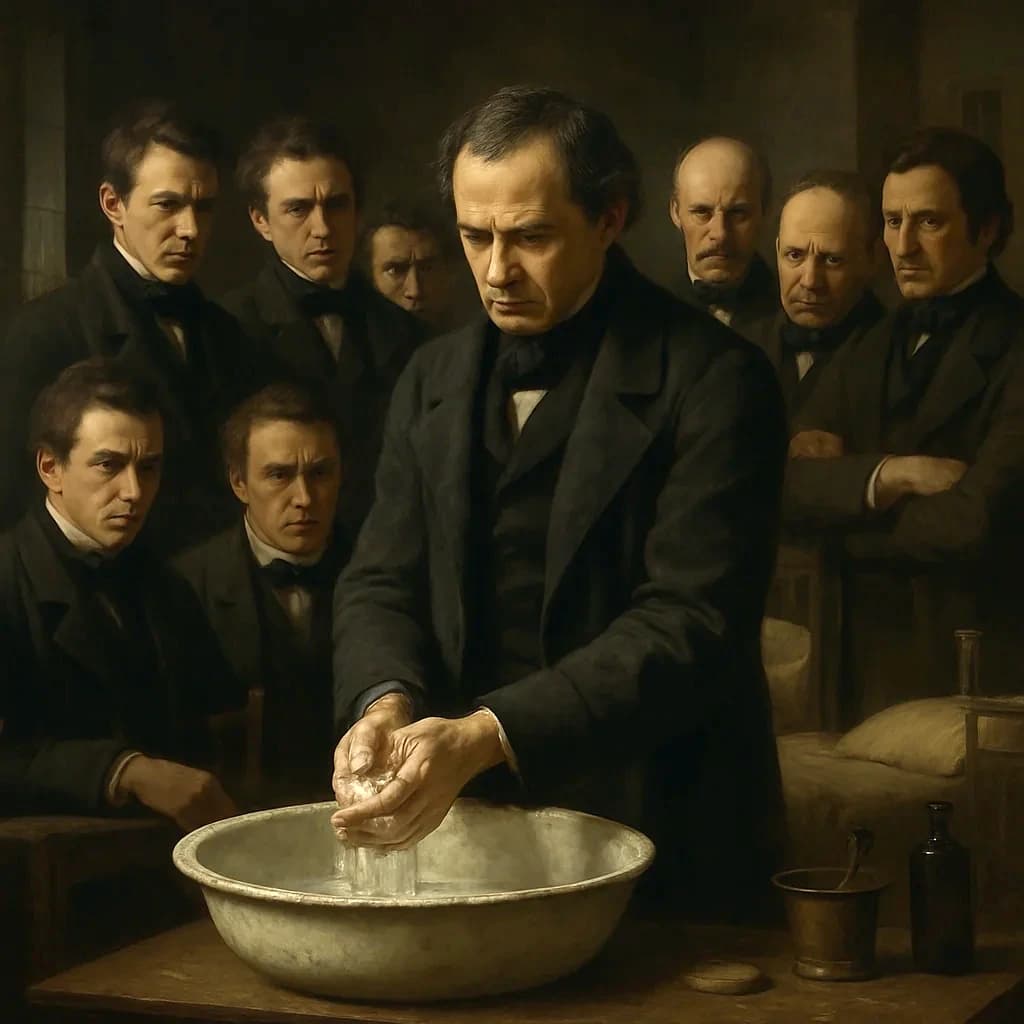
The Vienna Doctor Whose Discovery Saved Millions and Destroyed Him
In 1847, a doctor in Vienna made a discovery that would save millions of lives, and cost him his career, his sanity, and ultimately his life.
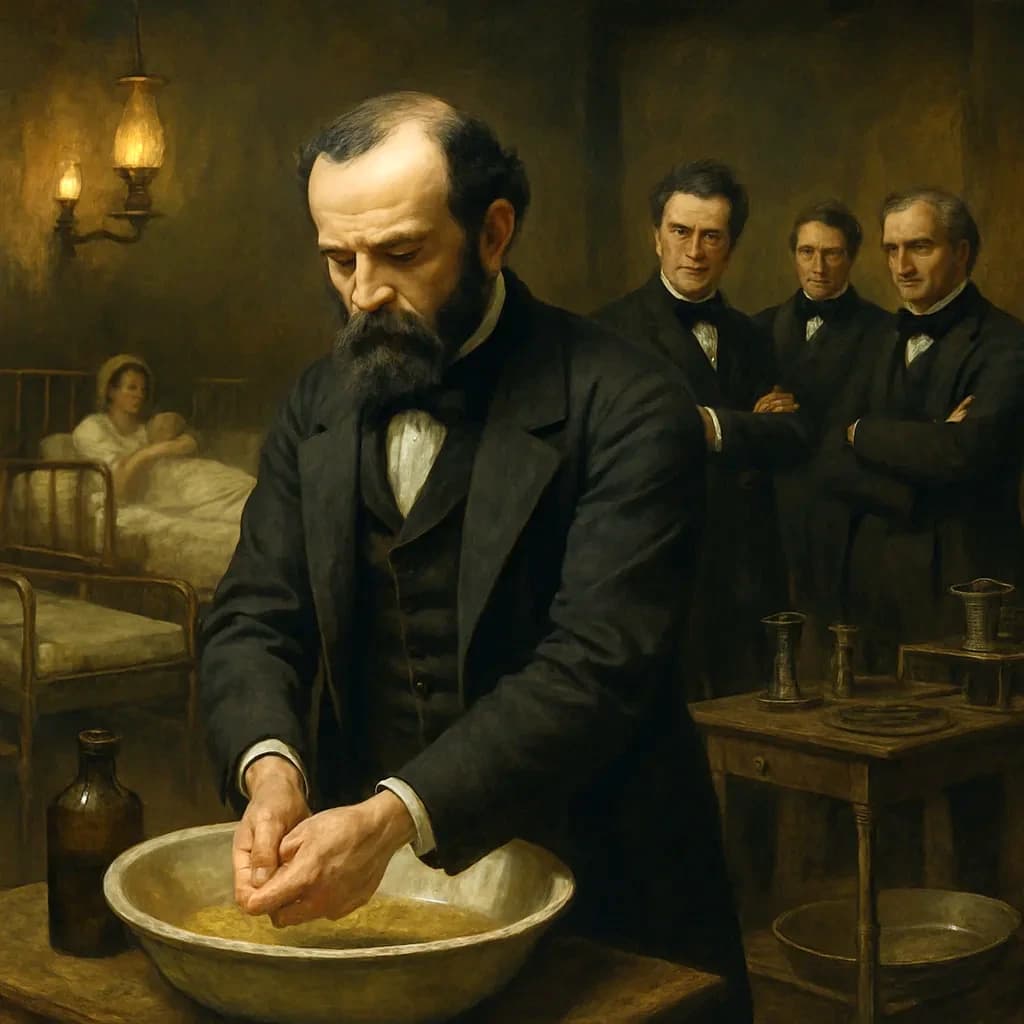
The Surgeon Who Saved Thousands While Denying Dirt Could Kill
A brilliant Victorian surgeon who saved thousands of lives was shunned by his profession for refusing to believe dirt could kill.
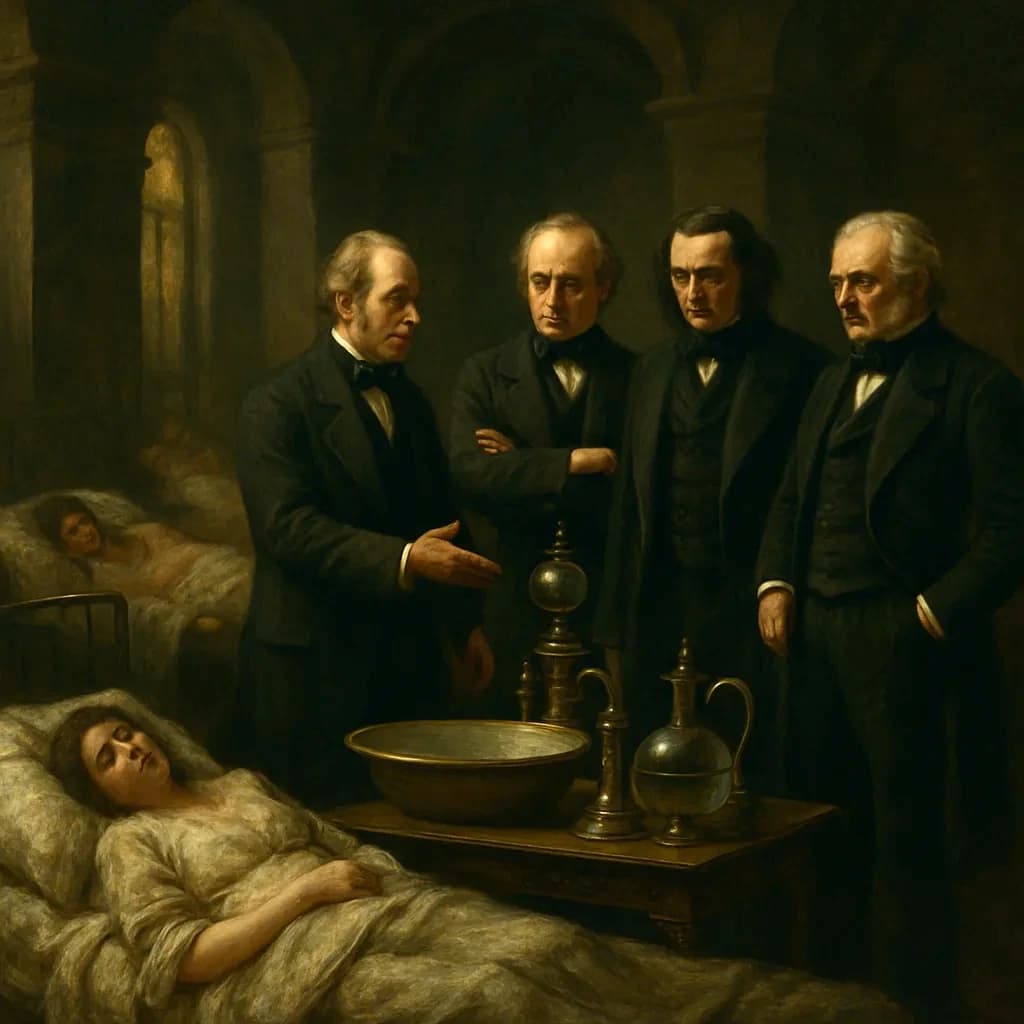
The Doctor Who Said Wash Your Hands
A young Hungarian doctor in 1847 found a way to save millions of lives, then watched his colleagues destroy him for suggesting it.
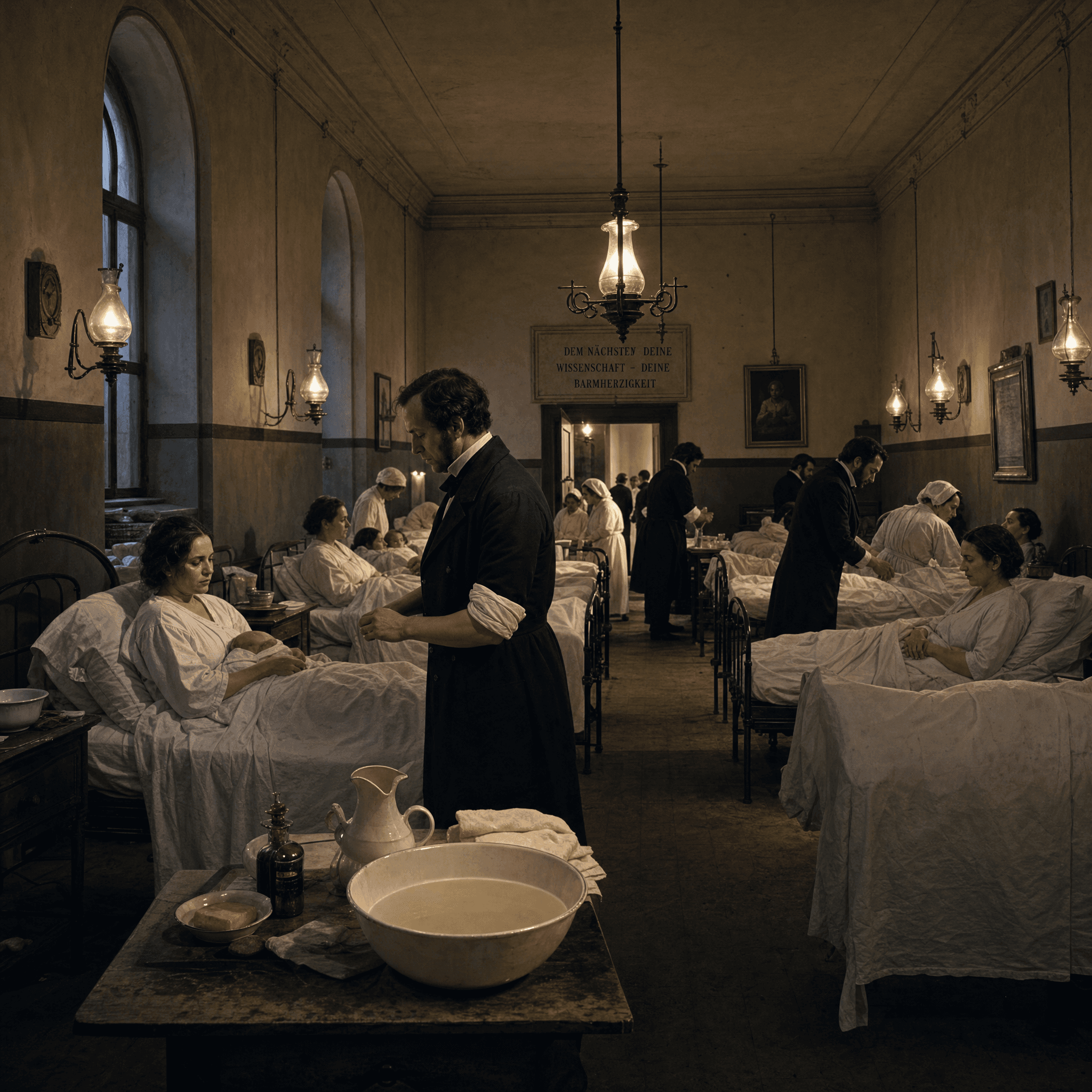
Noticing Midwives Had Cleaner Hands Cost Him His Sanity
A Hungarian doctor noticed that midwives had cleaner hands than surgeons, and paid for this observation with his career and sanity.
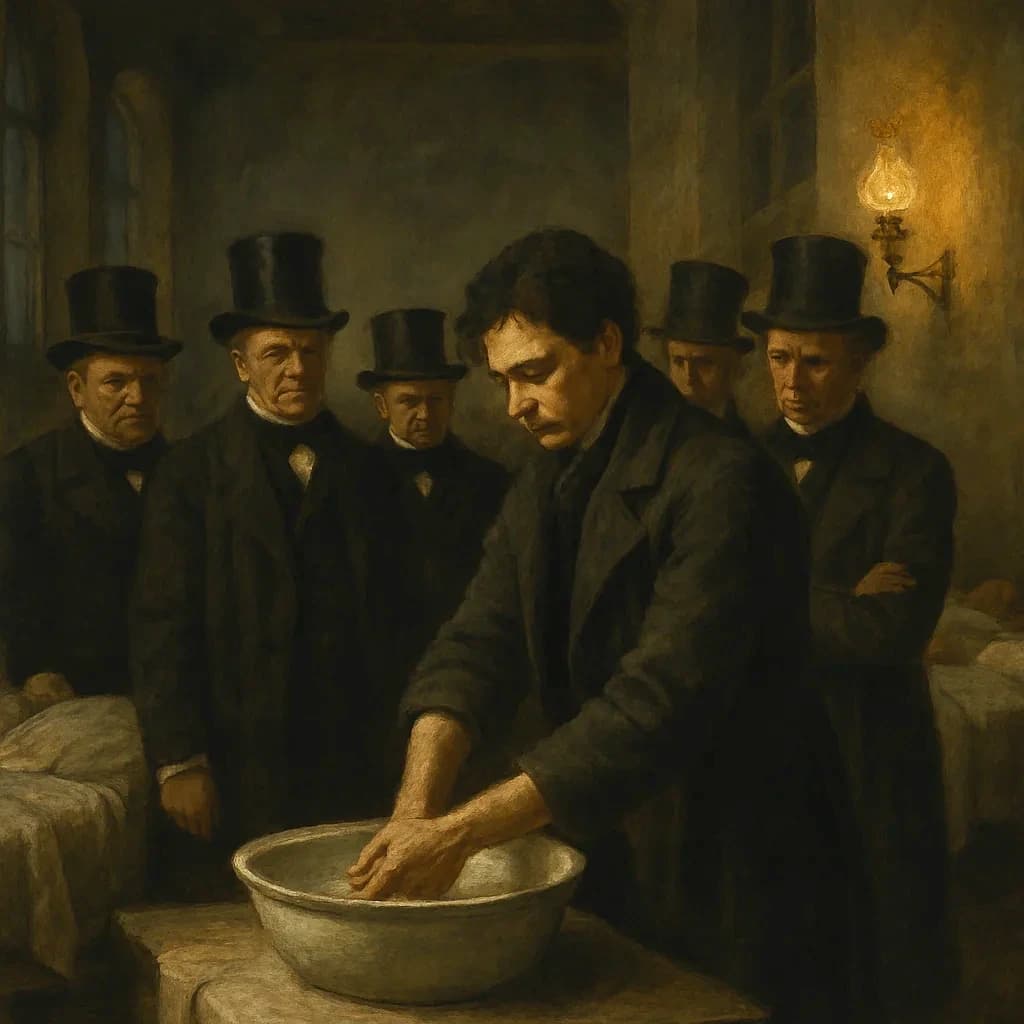
When Doctors Washed Their Hands and Died for It
A Hungarian doctor proved that handwashing could save thousands of lives, and his colleagues destroyed him for it.
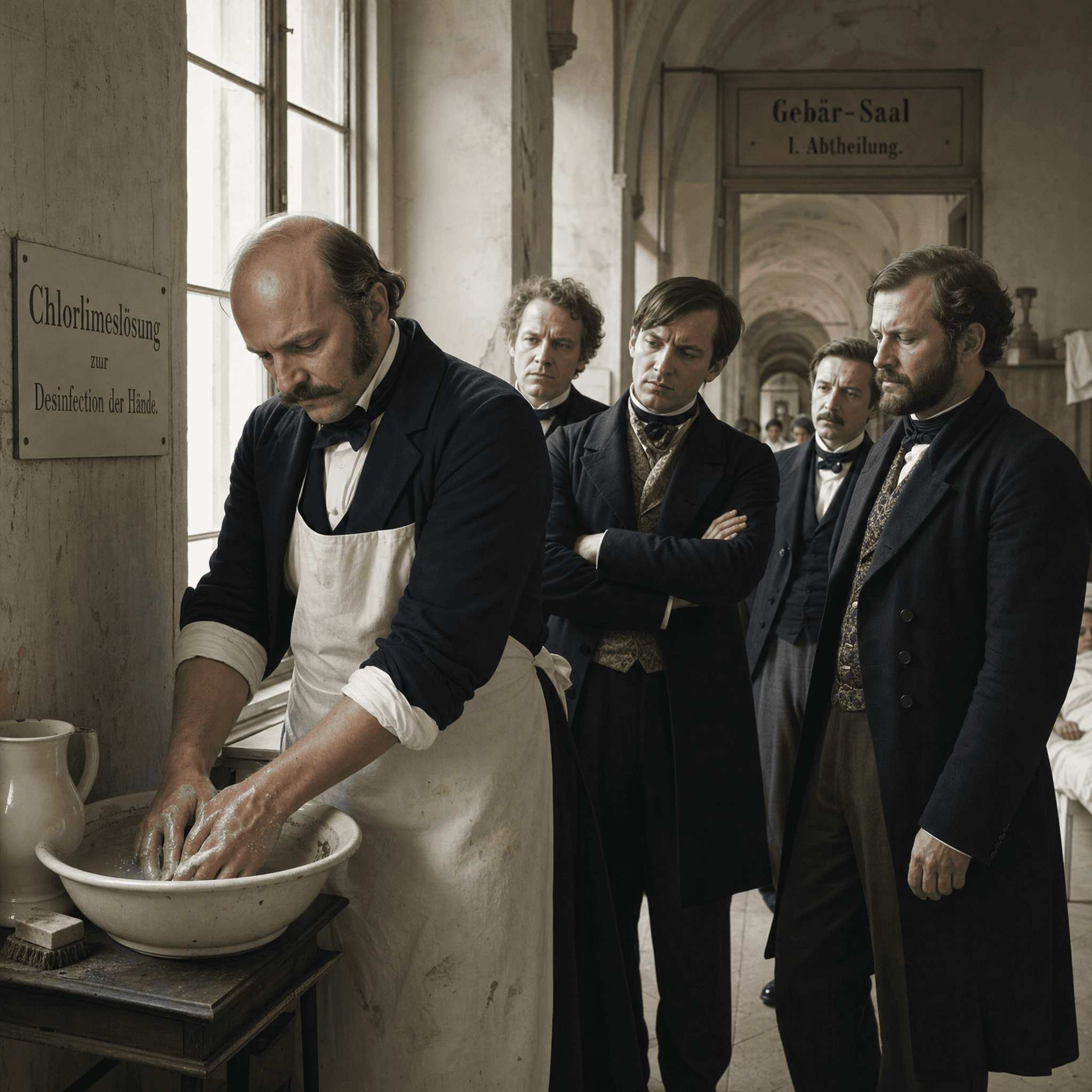
Women Kept Dying in Childbirth. The Doctors Were the Cause.
In 1840s Vienna, a Hungarian doctor discovered why women kept dying in childbirth, and was destroyed for suggesting doctors wash their hands.
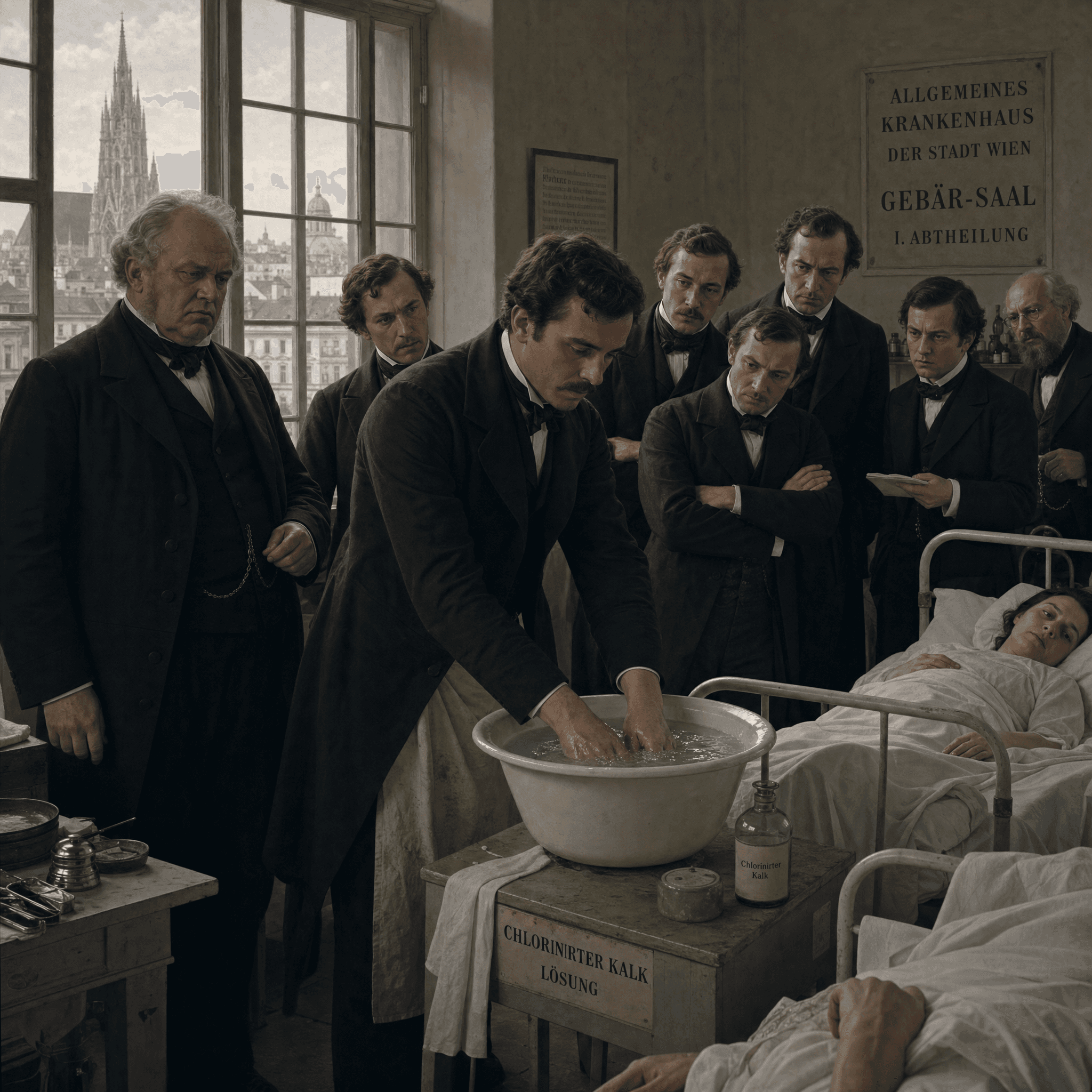
Fired for Suggesting Doctors Wash Their Hands
A Hungarian doctor discovers the deadliest ward in Vienna has the cleanest hands, and gets fired for suggesting doctors wash them.
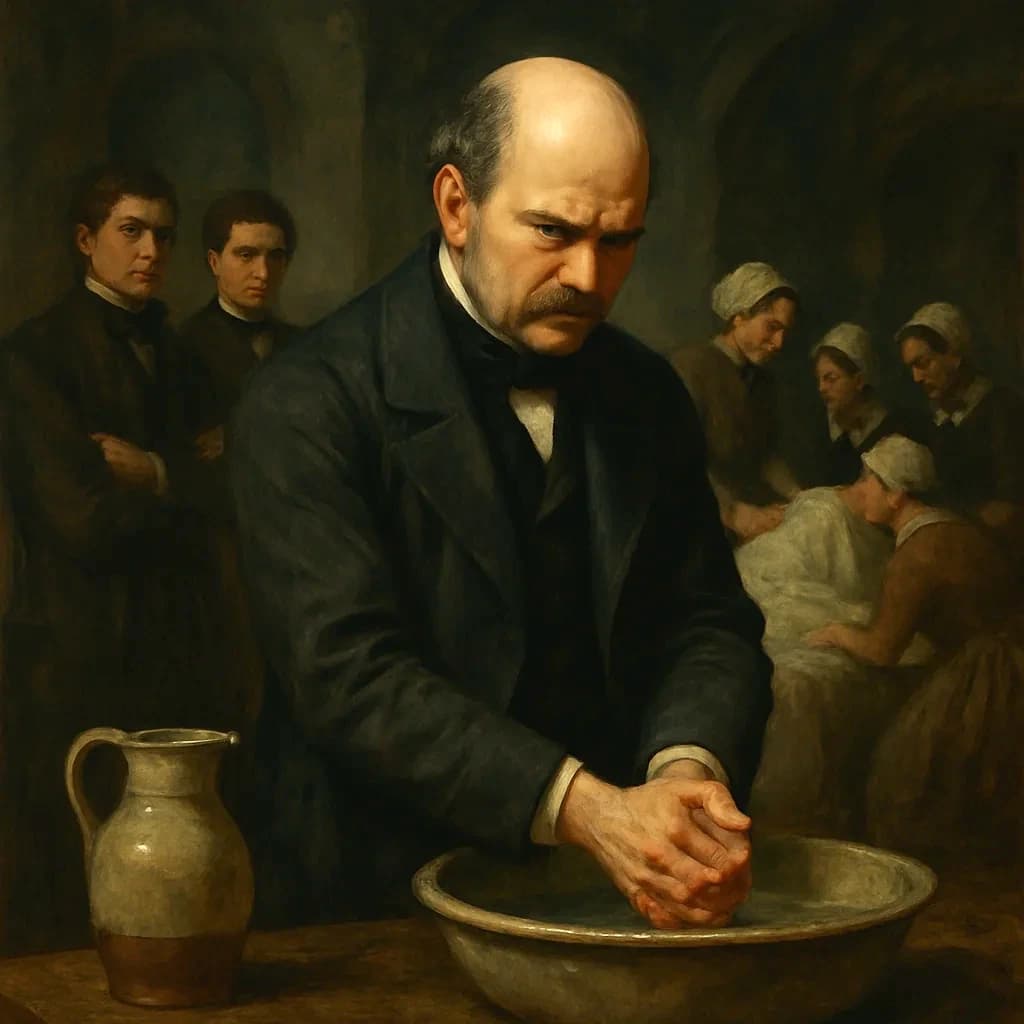
Women Died Twice as Often When Medical Students Delivered Babies
A Hungarian doctor noticed something strange about the maternity ward: women were dying at twice the rate when medical students delivered their babies.
Handwashing Saved Thousands. Suggesting It Drove Him Mad.
A Hungarian physician proved that washing hands could save thousands of lives, and was driven mad for suggesting it.
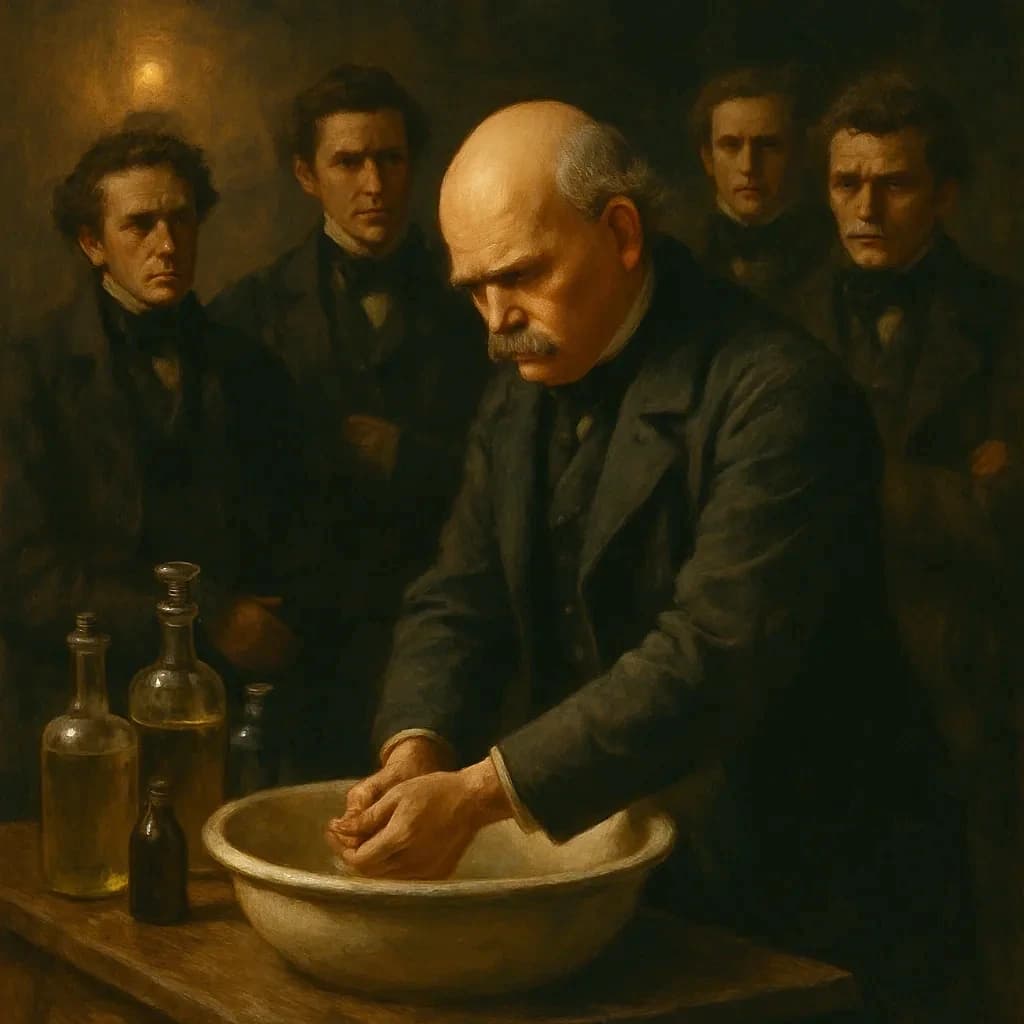
Doctors Destroyed the Colleague Who Told Them to Wash Their Hands
A Hungarian doctor solved one of medicine's greatest mysteries, then watched his colleagues destroy him for suggesting they wash their hands.
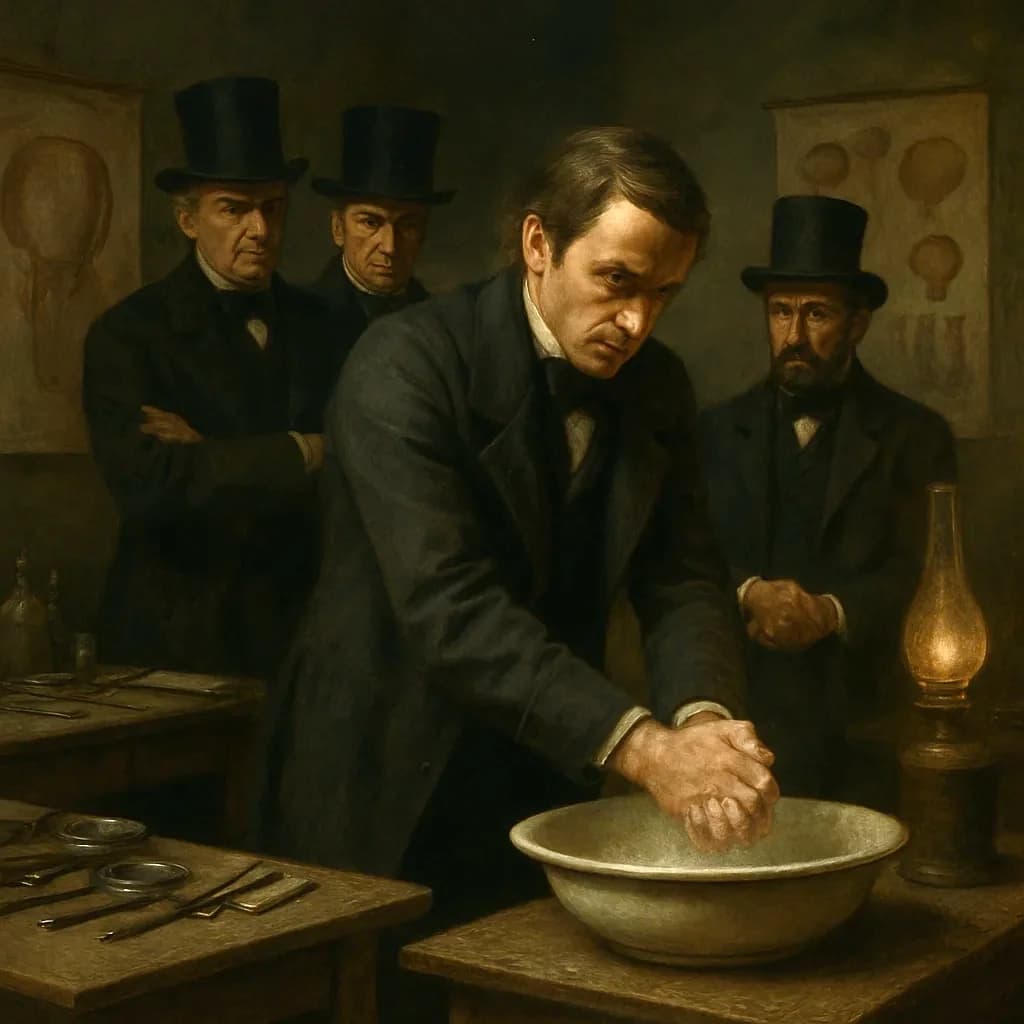
A Doctor's Hallucination Saved More Lives Than Any Medicine
A German doctor's hallucination during a typhus epidemic led him to discover something that would save more lives than any medicine ever created.
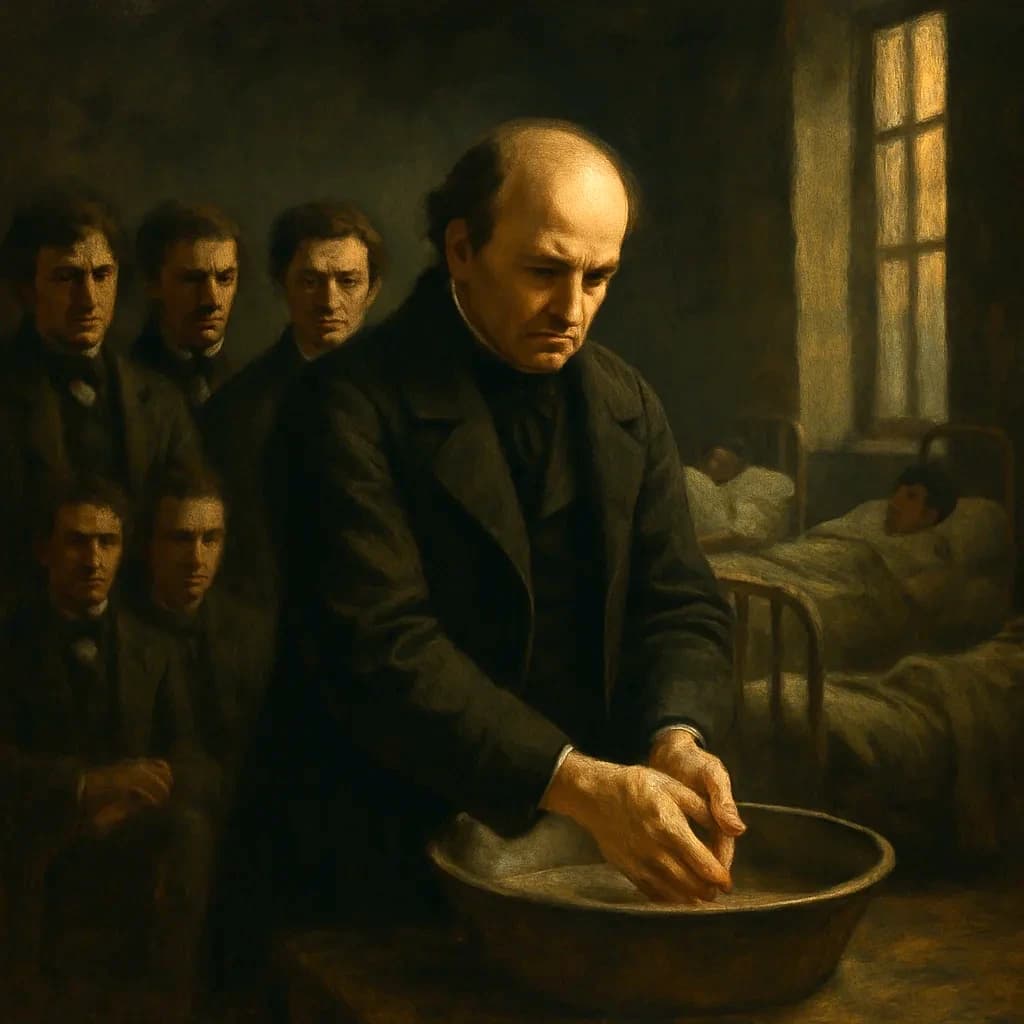
The Doctor Who Proved God Wrong
A Hungarian physician discovered that washing hands could save thousands of lives, and was driven to madness for suggesting it.
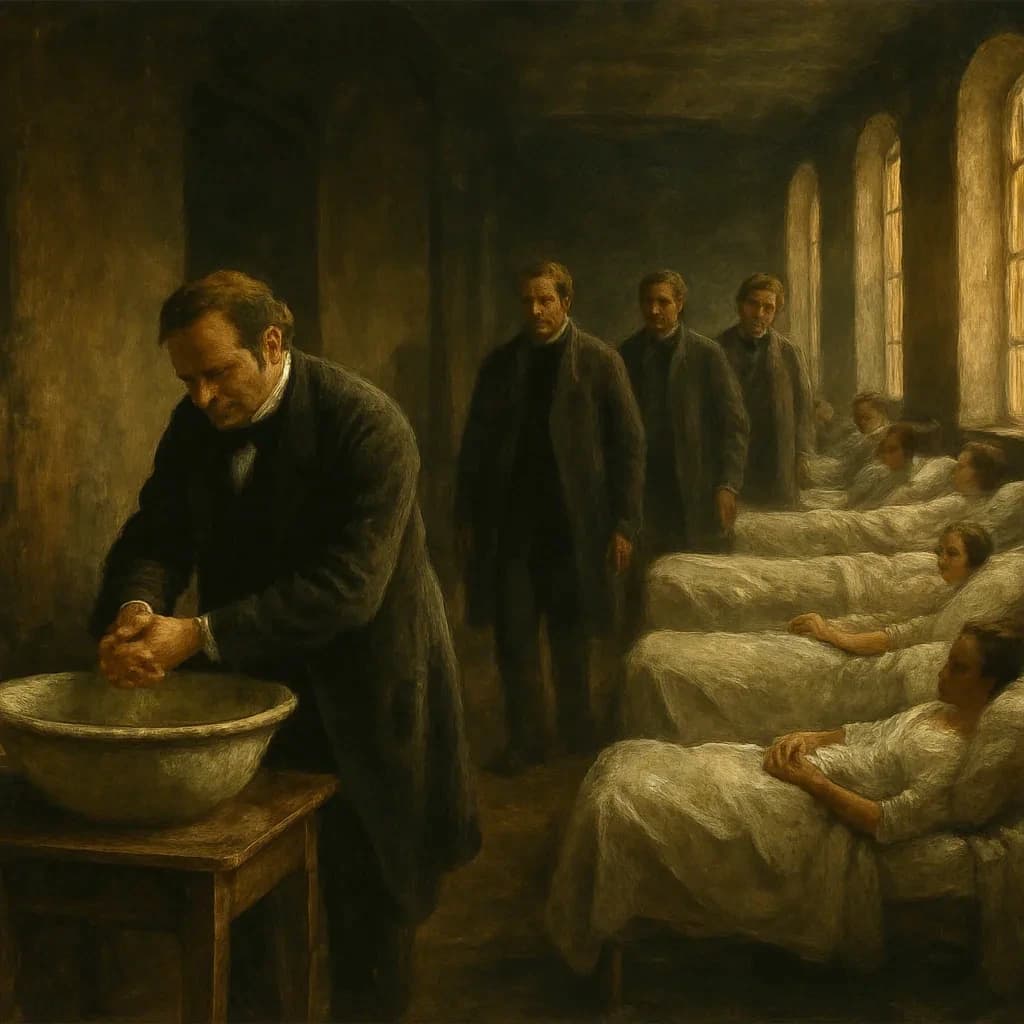
He Discovered Handwashing Saved Lives and Was Driven Mad
In 1847, a Hungarian doctor made a discovery that could have saved millions of lives, and was driven to madness when the medical establishment refused to listen.
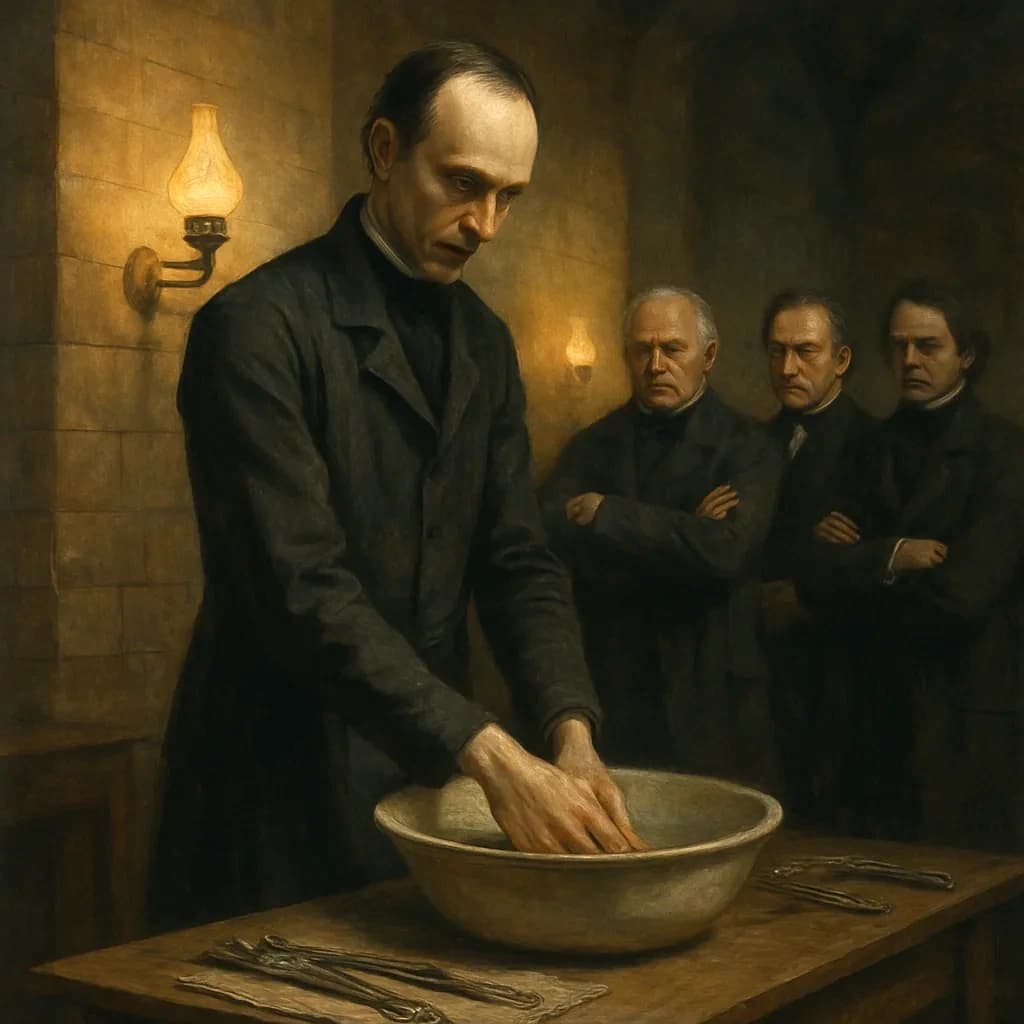
The Doctor Who Prescribed Handwashing and Lost His Mind
Ignaz Semmelweis proved that doctors were killing mothers with dirty hands, then watched his career, reputation, and sanity crumble.
- Semmelweis, Ignaz. 'The Etiology, Concept, and Prophylaxis of Childbed Fever.' 1861
- Nuland, Sherwin B. 'The Doctors' Plague: Germs, Childbed Fever, and the Strange Story of Ignac Semmelweis.' W.W. Norton, 2003
- Carter, K. Codell. 'Ignaz Semmelweis, Carl Mayrhofer, and the rise of germ theory.' Medical History, 1985