
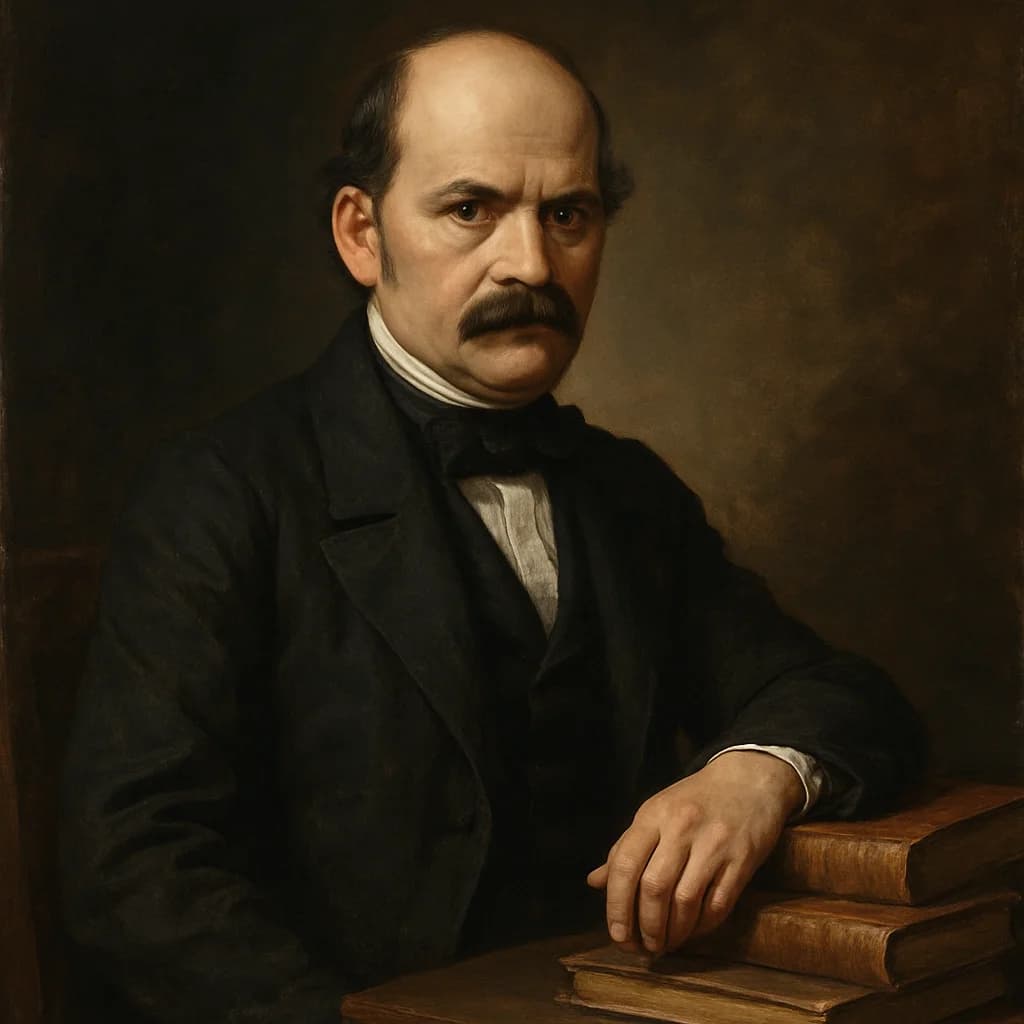
Ignaz Semmelweis
The doctor who saved more lives than any antibiotic was beaten to death in an asylum for suggesting that gentlemen wash their hands.
Ignaz Semmelweis discovered the secret to preventing childbed fever in 1847 while working at Vienna General Hospital's maternity ward. The math was brutal: Ward One, staffed by medical students, had a mortality rate of 18%. Ward Two, run by midwives, killed only 2% of mothers. The difference? Medical students came straight from dissecting corpses to delivering babies without washing their hands.
When his friend Jakob Kolletschka died from symptoms identical to childbed fever after cutting himself during an autopsy, Semmelweis understood. Death was traveling on doctors' hands from the morgue to the maternity ward. He instituted mandatory chlorine hand-washing, and deaths plummeted to less than 1%. The evidence was undeniable.
The medical establishment destroyed him anyway. Senior physicians were outraged by the suggestion that gentlemen's hands could be unclean. They fired him from Vienna General in 1849. Semmelweis returned to Budapest, where he continued his crusade with increasingly desperate and erratic behavior. He wrote open letters calling his opponents murderers, stood outside medical conferences shouting accusations, and sent packages of chlorine to doctors across Europe.
By 1865, his behavior had become so disturbing that his family committed him to an asylum. Within two weeks, he was dead at 47: beaten by guards, according to some accounts, or possibly from the very sepsis he'd spent his life fighting. Pasteur's germ theory wouldn't vindicate him for another decade, and hand hygiene wouldn't become standard practice until the 1870s, long after millions more had died unnecessarily.
Semmelweis reduced maternal mortality at his clinic from 18% to less than 1% simply by requiring doctors to wash their hands with chlorine, a drop so dramatic that some colleagues accused him of falsifying data.
Why untold: Medical textbooks focus on his discovery rather than his systematic persecution and brutal death, sanitizing a story about institutional resistance to life-saving evidence.

He Warned Europe About Cholera. Nobody Listened.
A twelve-year-old boy died of cholera in Paris in 1832, and nobody remembered his name. But the disease he carried would kill a hundred thousand people across Europe, and one doctor had been watching it come for two years.
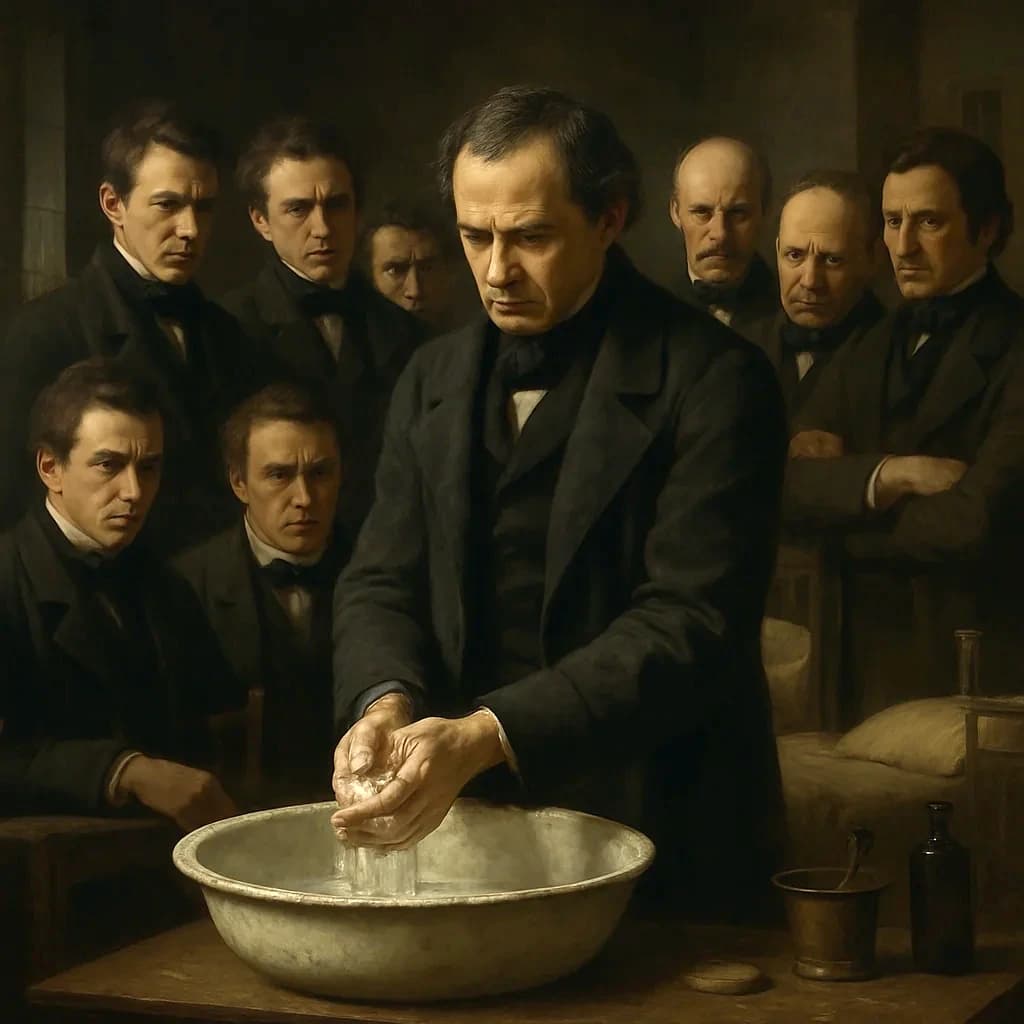
The Vienna Doctor Whose Discovery Saved Millions and Destroyed Him
In 1847, a doctor in Vienna made a discovery that would save millions of lives, and cost him his career, his sanity, and ultimately his life.
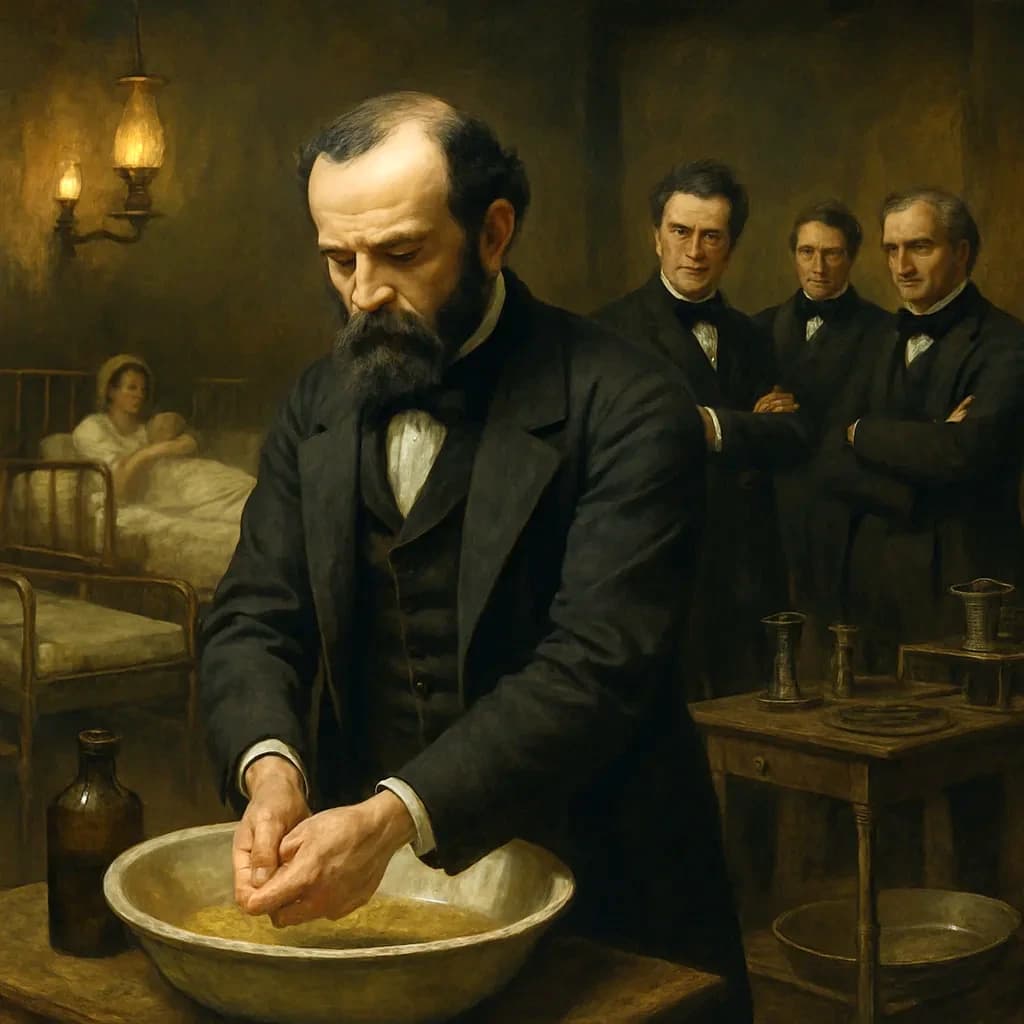
The Surgeon Who Saved Thousands While Denying Dirt Could Kill
A brilliant Victorian surgeon who saved thousands of lives was shunned by his profession for refusing to believe dirt could kill.
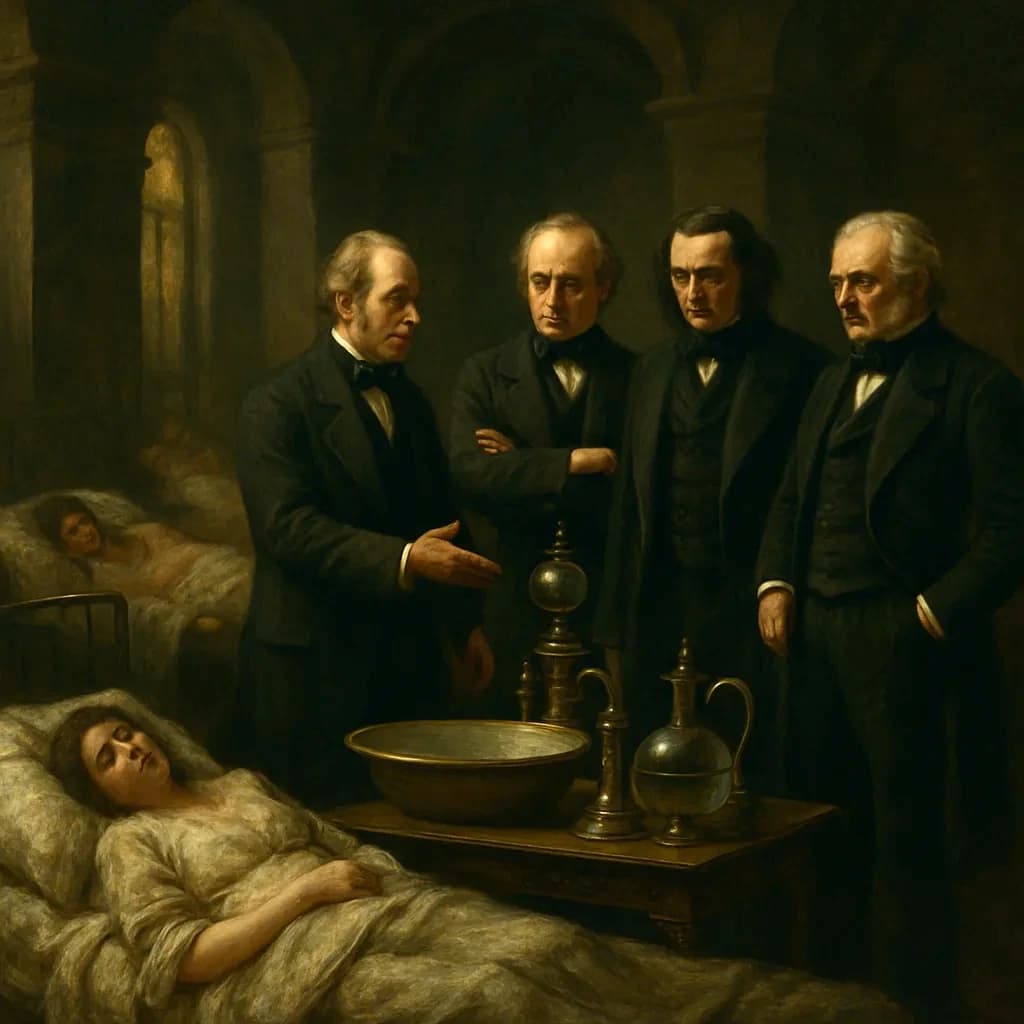
The Doctor Who Said Wash Your Hands
A young Hungarian doctor in 1847 found a way to save millions of lives, then watched his colleagues destroy him for suggesting it.

Noticing Midwives Had Cleaner Hands Cost Him His Sanity
A Hungarian doctor noticed that midwives had cleaner hands than surgeons, and paid for this observation with his career and sanity.
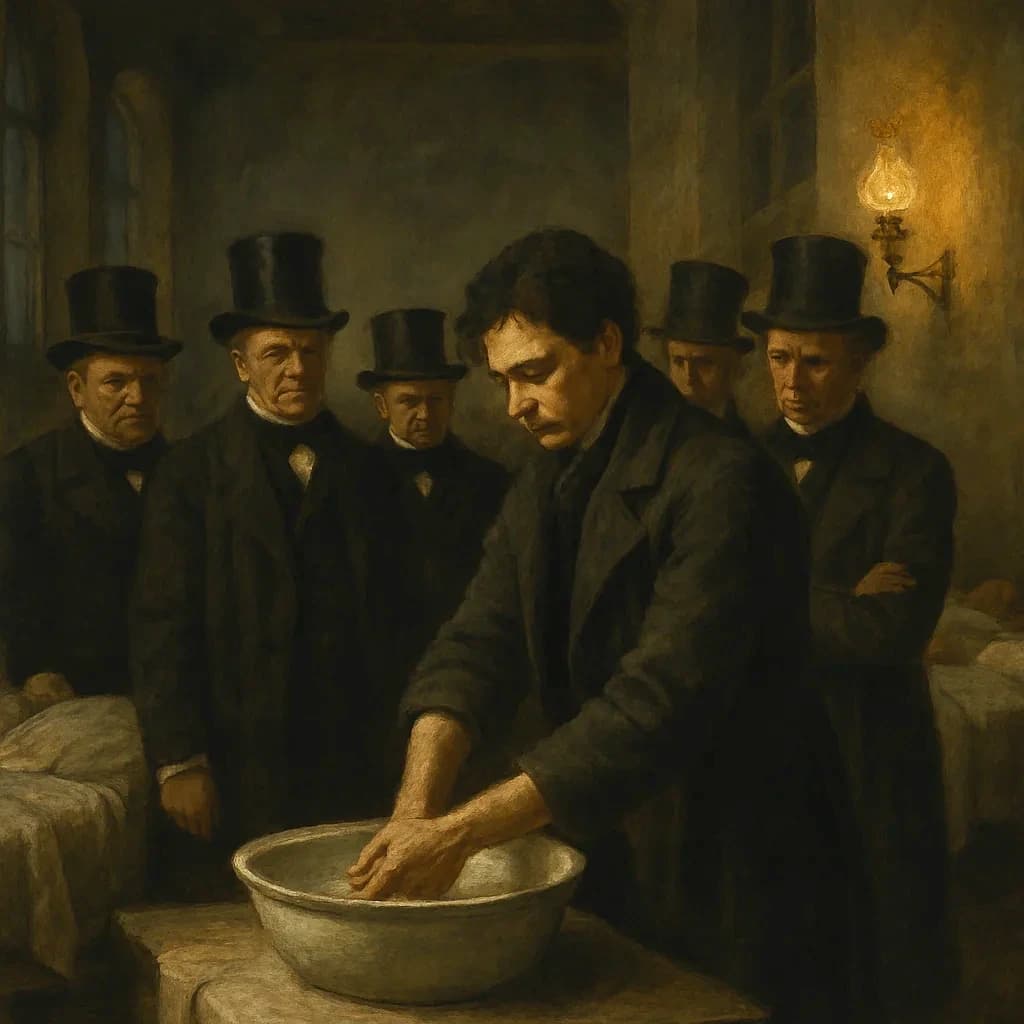
When Doctors Washed Their Hands and Died for It
A Hungarian doctor proved that handwashing could save thousands of lives, and his colleagues destroyed him for it.

Women Kept Dying in Childbirth. The Doctors Were the Cause.
In 1840s Vienna, a Hungarian doctor discovered why women kept dying in childbirth, and was destroyed for suggesting doctors wash their hands.
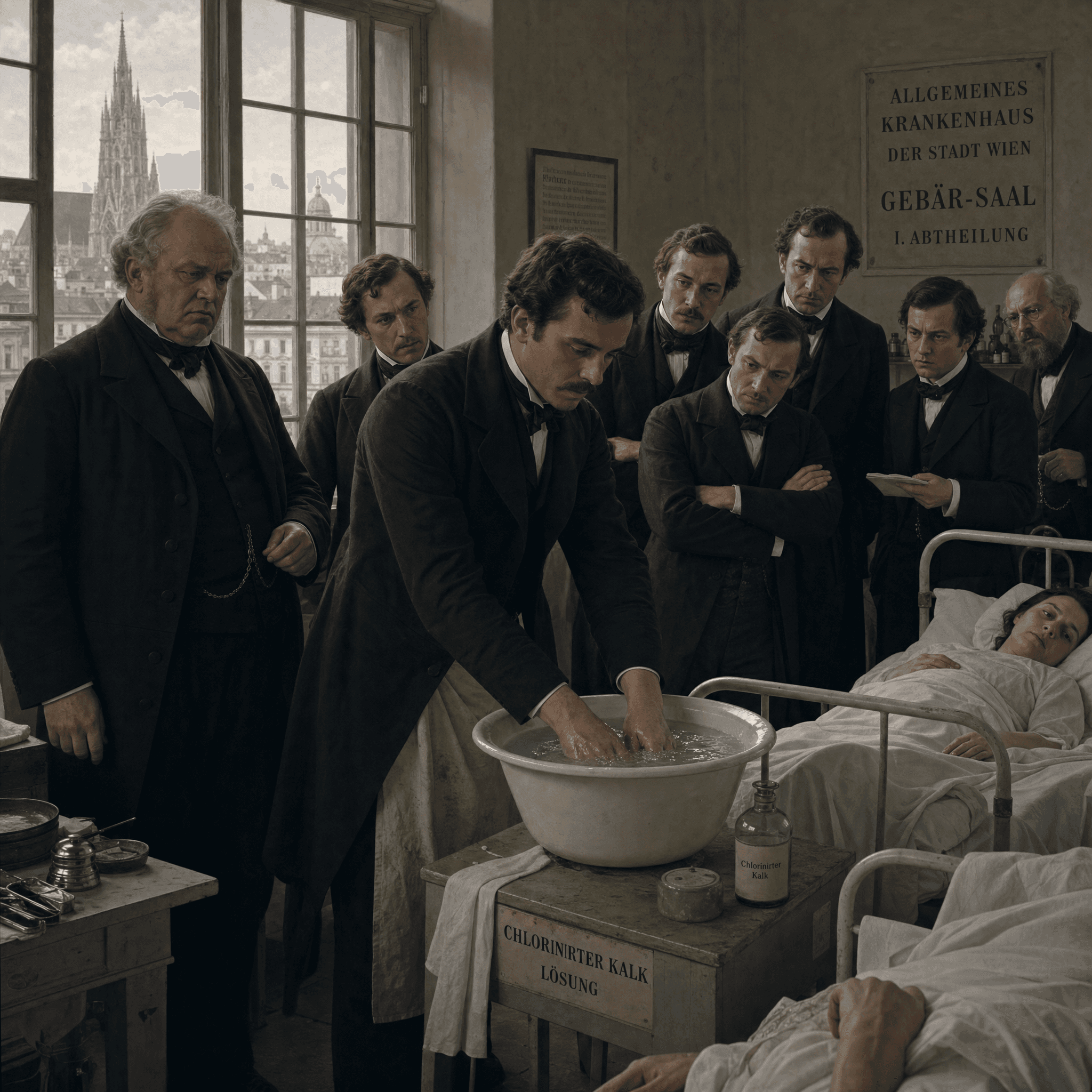
Fired for Suggesting Doctors Wash Their Hands
A Hungarian doctor discovers the deadliest ward in Vienna has the cleanest hands, and gets fired for suggesting doctors wash them.
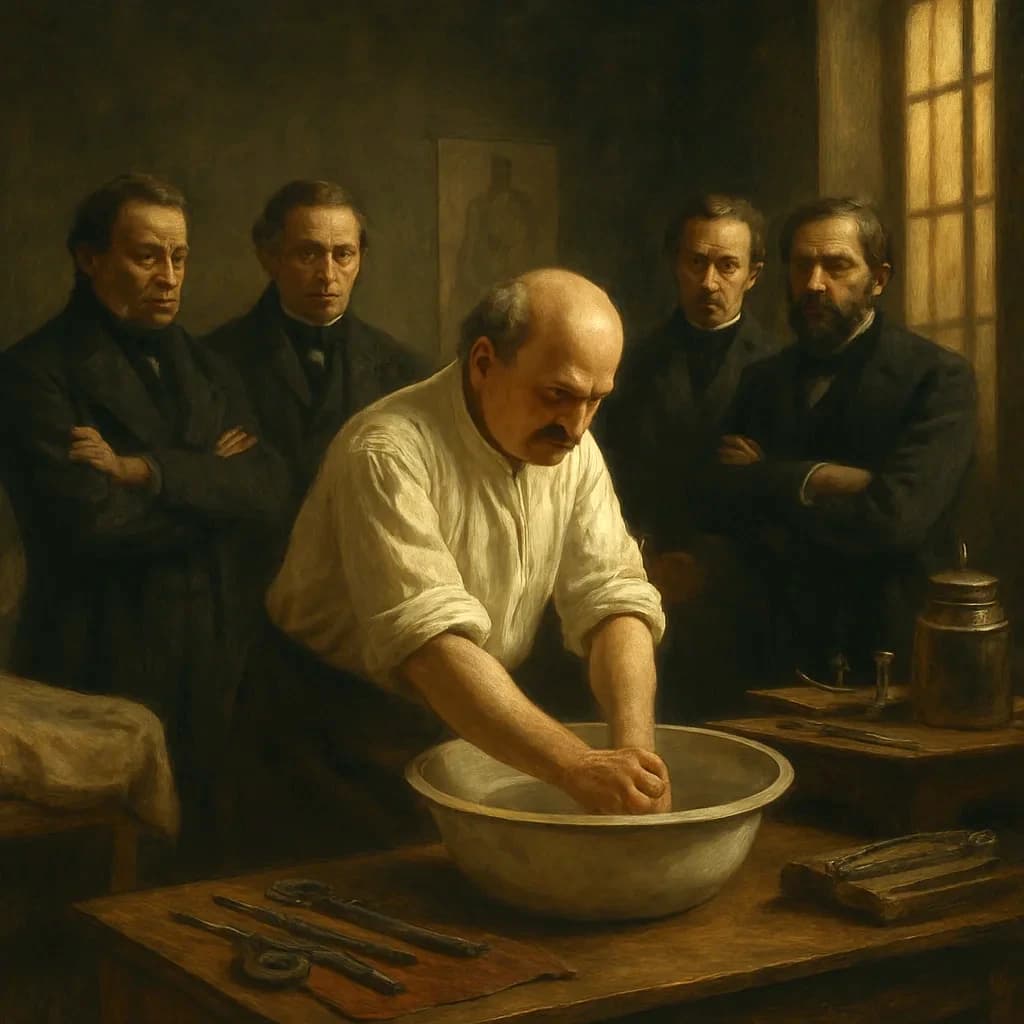
He Proved Clean Hands Prevented Death. Colleagues Destroyed Him.
When a Hungarian doctor proved that washing hands could prevent death, his colleagues destroyed his career and drove him to madness.
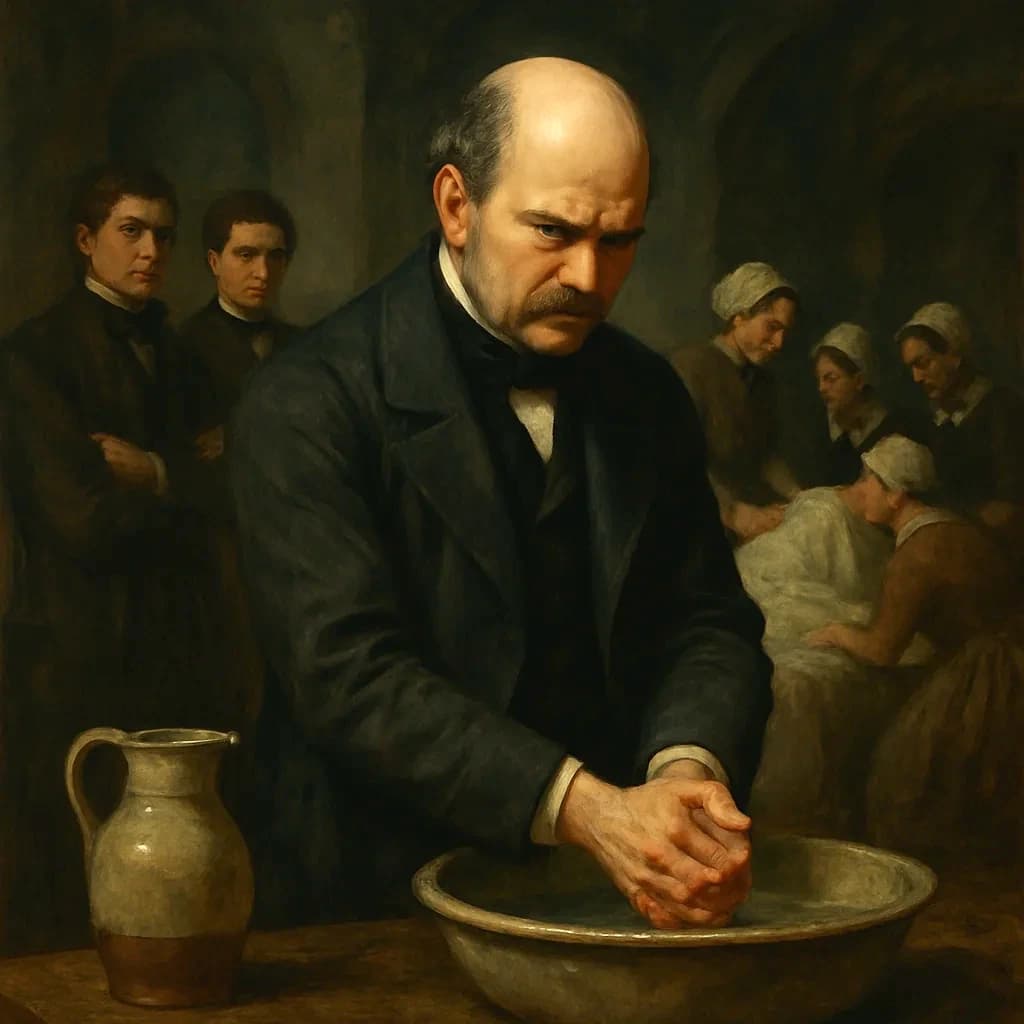
Women Died Twice as Often When Medical Students Delivered Babies
A Hungarian doctor noticed something strange about the maternity ward: women were dying at twice the rate when medical students delivered their babies.
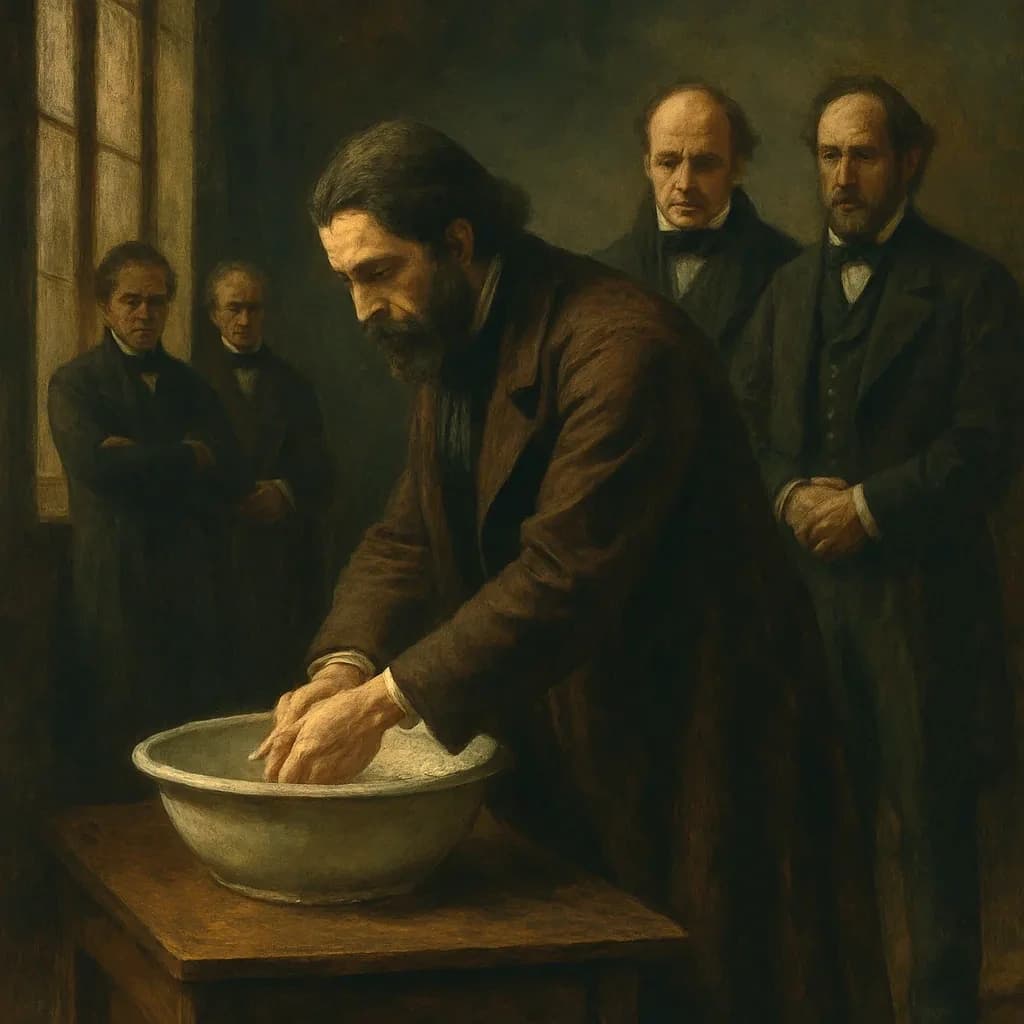
Handwashing Saved His Patients. It Ruined Him.
A brilliant mathematician worked out that washing your hands could save thousands of lives, then watched his colleagues destroy him for saying so.
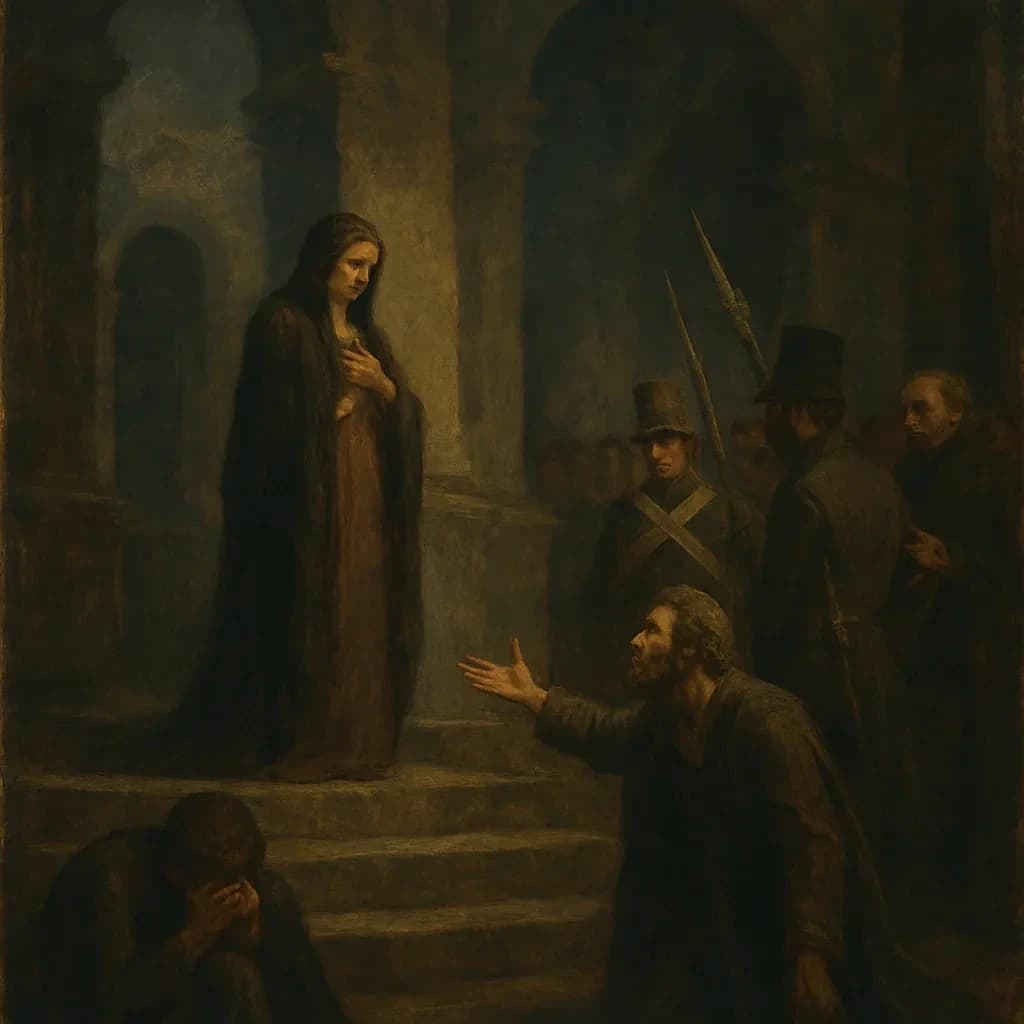
Handwashing Saved Thousands. Suggesting It Drove Him Mad.
A Hungarian physician proved that washing hands could save thousands of lives, and was driven mad for suggesting it.
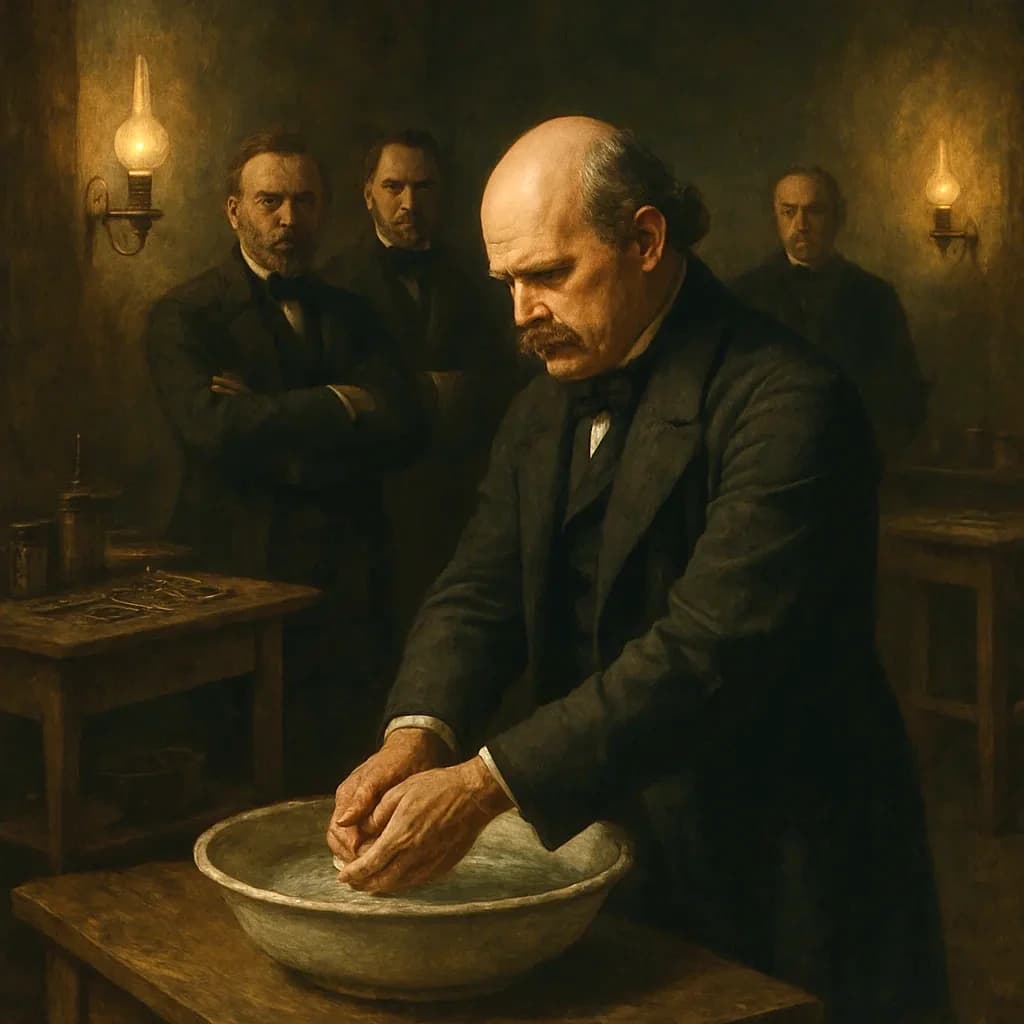
Doctors Killed More Patients Than Disease. He Proved It.
In 1847, a Hungarian physician discovered that doctors were killing more patients than disease, and his colleagues destroyed him for saying so.
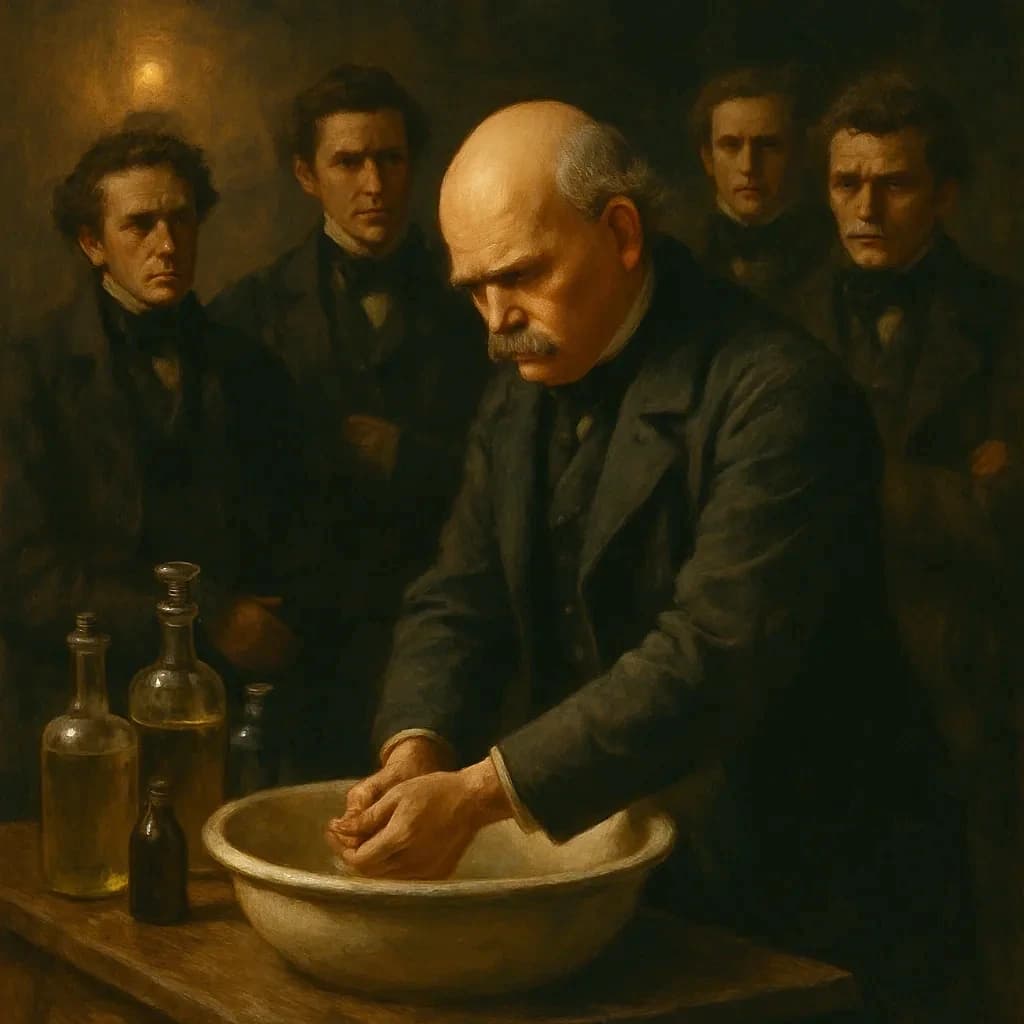
Doctors Destroyed the Colleague Who Told Them to Wash Their Hands
A Hungarian doctor solved one of medicine's greatest mysteries, then watched his colleagues destroy him for suggesting they wash their hands.
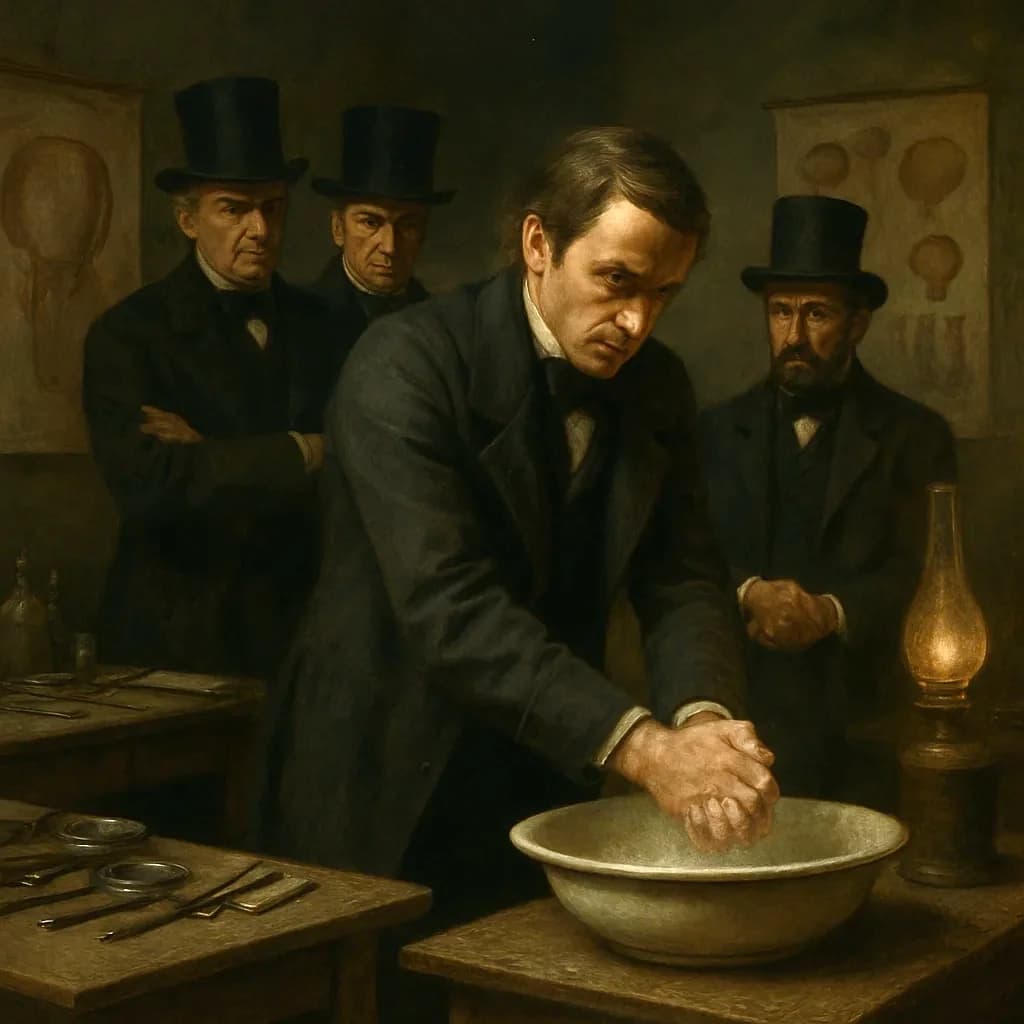
A Doctor's Hallucination Saved More Lives Than Any Medicine
A German doctor's hallucination during a typhus epidemic led him to discover something that would save more lives than any medicine ever created.
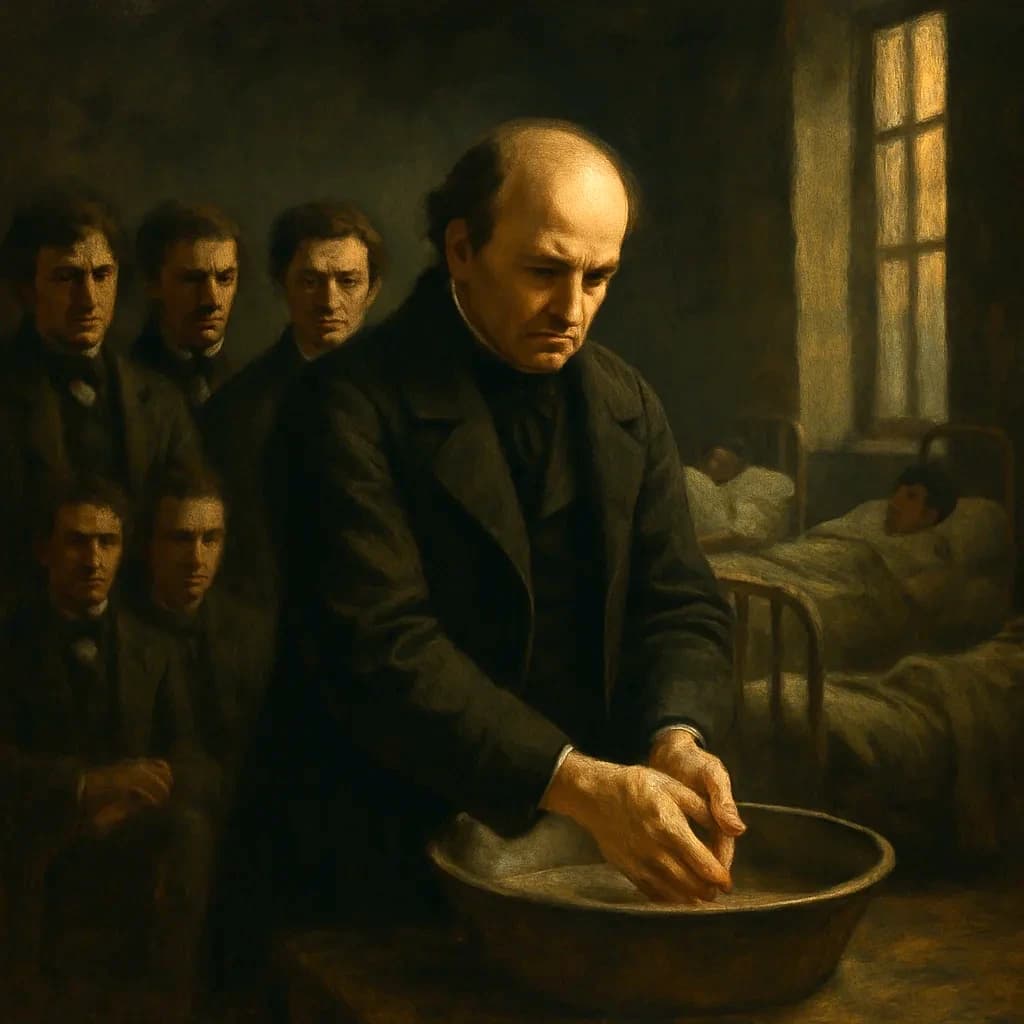
The Doctor Who Proved God Wrong
A Hungarian physician discovered that washing hands could save thousands of lives, and was driven to madness for suggesting it.
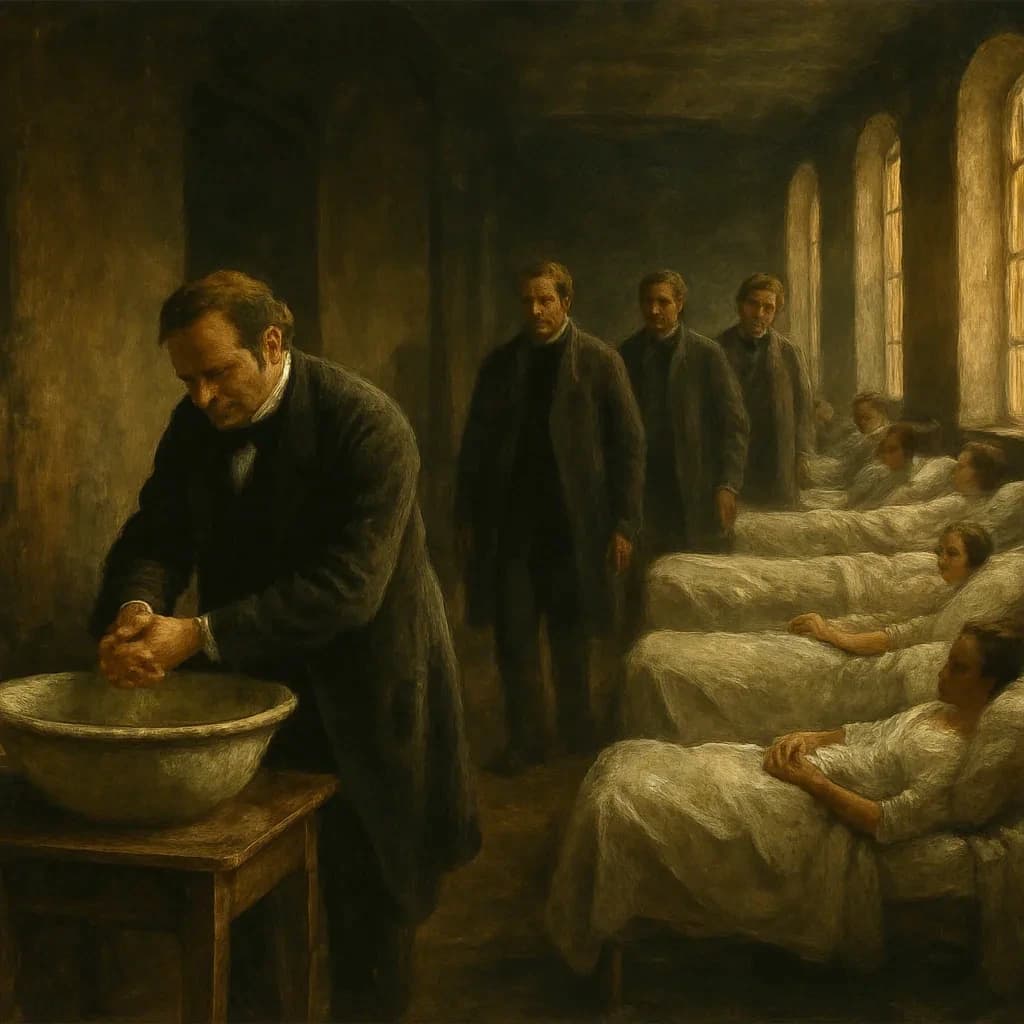
He Discovered Handwashing Saved Lives and Was Driven Mad
In 1847, a Hungarian doctor made a discovery that could have saved millions of lives, and was driven to madness when the medical establishment refused to listen.
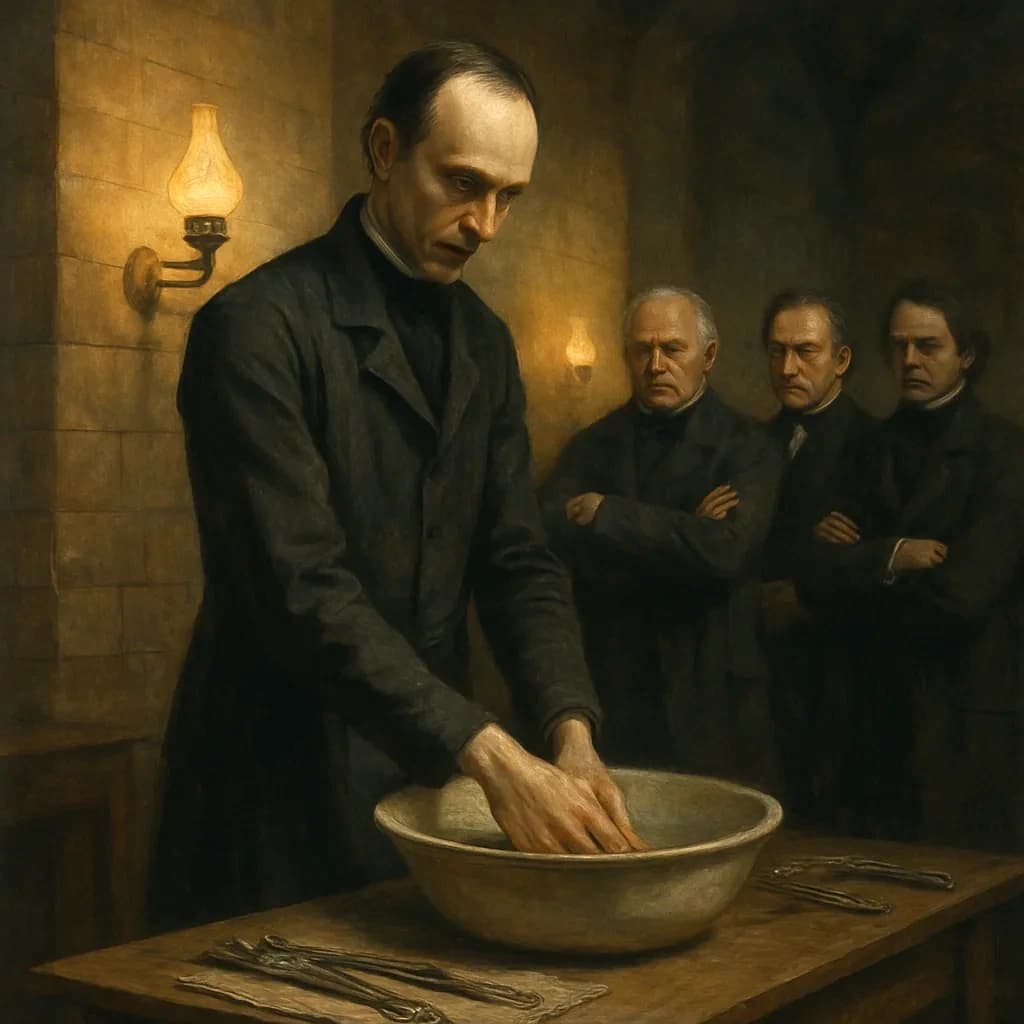
The Doctor Who Prescribed Handwashing and Lost His Mind
Ignaz Semmelweis proved that doctors were killing mothers with dirty hands, then watched his career, reputation, and sanity crumble.
- Nuland, Sherwin B. The Doctors' Plague: Germs, Childbed Fever, and the Strange Story of Ignác Semmelweis
- Semmelweis, Ignaz. The Etiology, Concept, and Prophylaxis of Childbed Fever (1861)
- Carter, K. Codell. Childbed Fever: A Scientific Biography of Ignaz Semmelweis