
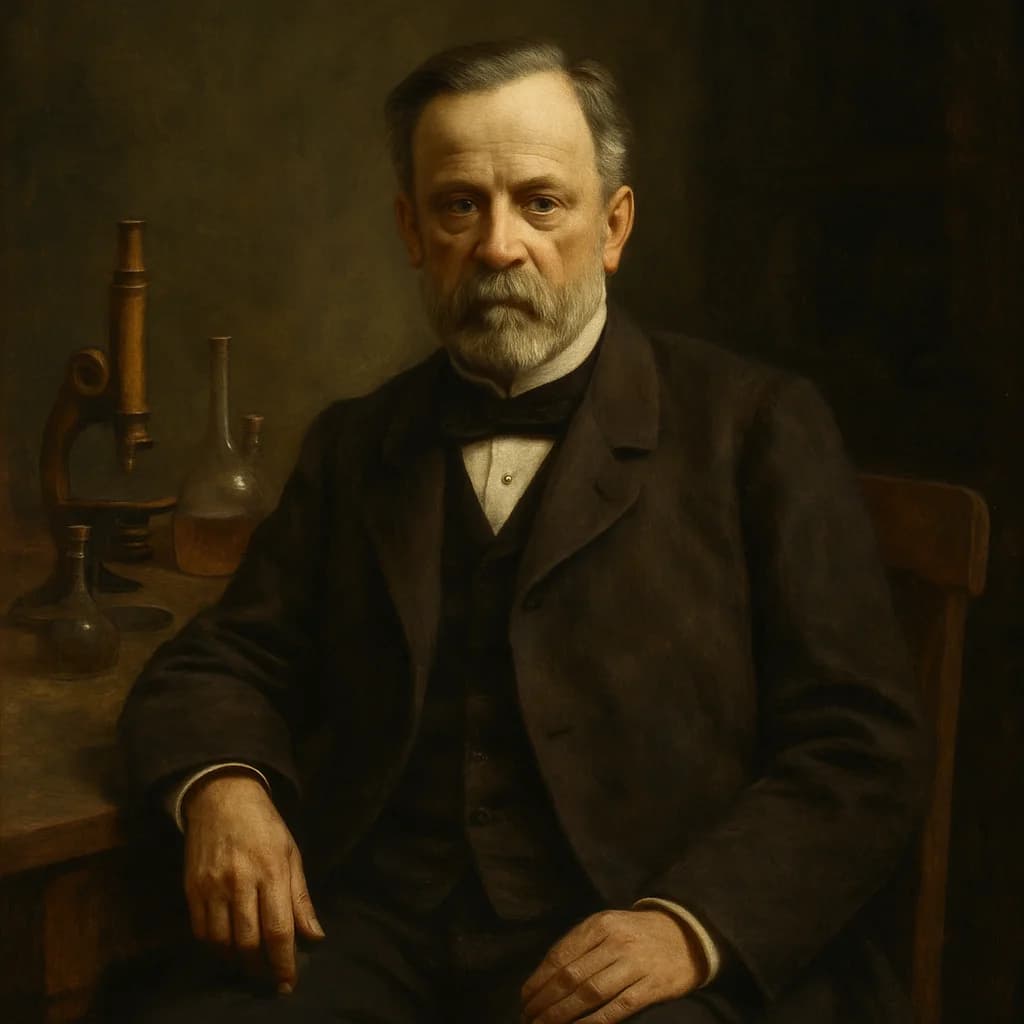
Louis Pasteur
The man who saved more lives than any general also spent years trying to prove that life could spontaneously generate from nothing, and nearly destroyed his own reputation defending this backwards theory.
Louis Pasteur built his early career on a fundamental misunderstanding of life itself. While revolutionizing chemistry with his work on molecular asymmetry, he clung to the ancient belief in spontaneous generation, the idea that life could spring from non-living matter. For years, he designed elaborate experiments trying to prove that microbes could appear from nothing, even as mounting evidence suggested otherwise.
The irony was exquisite. The same man who would later prove that germs cause disease spent the 1850s arguing that those very germs could materialize out of thin air. His colleagues watched in bewilderment as Pasteur, already famous for solving the mystery of why wine and beer spoiled, insisted that the spoilage organisms he'd identified were somehow birthing themselves from the liquid.
Everything changed in 1864 when Pasteur finally accepted what his own experiments had been showing him: life comes only from life. This intellectual about-face didn't humble him. It supercharged him. He threw himself into studying microbes with the fervor of a convert, developing pasteurization, revolutionizing vaccination, and laying the groundwork for germ theory. But Pasteur never became the collaborative scientist his discoveries might have suggested. He was notoriously secretive about his methods, kept crucial details out of his published papers, and once challenged a German microbiologist to a duel over a scientific disagreement.
Perhaps most surprisingly, Pasteur saved his greatest triumph for last. Despite having no medical degree and being partially paralyzed from a stroke, he developed the rabies vaccine in his sixties, then tested it on a nine-year-old boy who had been mauled by a rabid dog, knowing that failure meant the child's certain death and his own professional destruction.
Pasteur never held a medical degree and was largely self-taught in biology, yet he developed vaccines that saved millions of lives.
Why untold: His early scientific errors and difficult personality are overshadowed by his later life-saving discoveries.
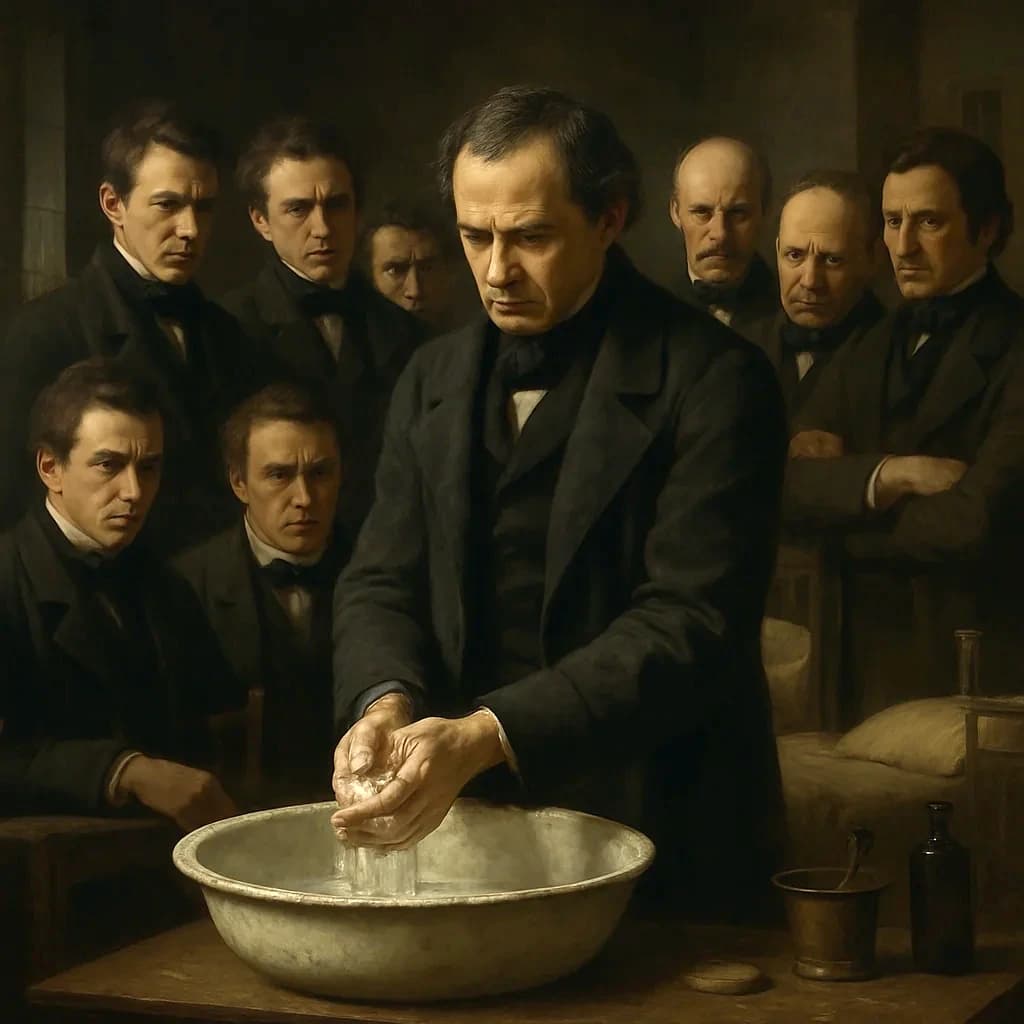
The Vienna Doctor Whose Discovery Saved Millions and Destroyed Him
In 1847, a doctor in Vienna made a discovery that would save millions of lives, and cost him his career, his sanity, and ultimately his life.
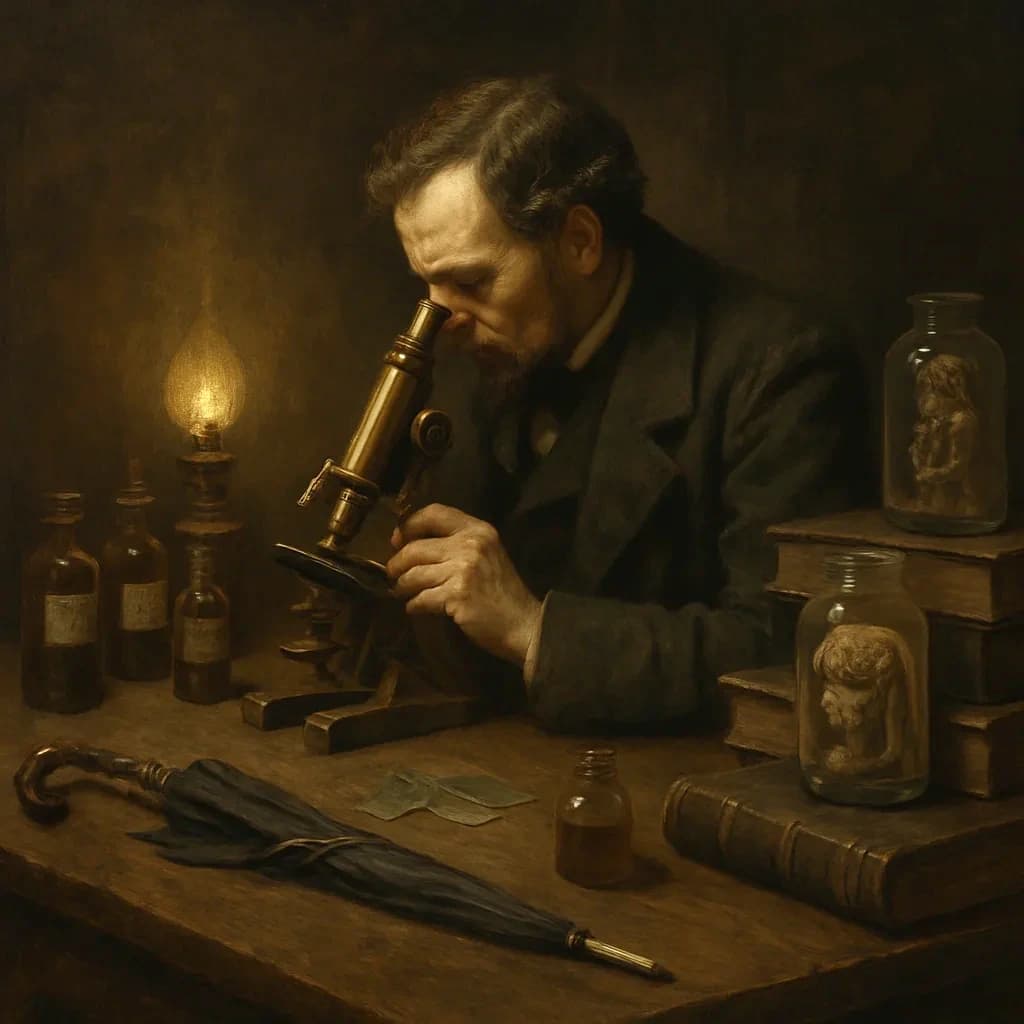
How a Broken Umbrella Made Surgery Safe
A Victorian gentleman's walking stick would revolutionize warfare, save millions of lives, and make doctors wash their hands, though he never lived to see any of it.
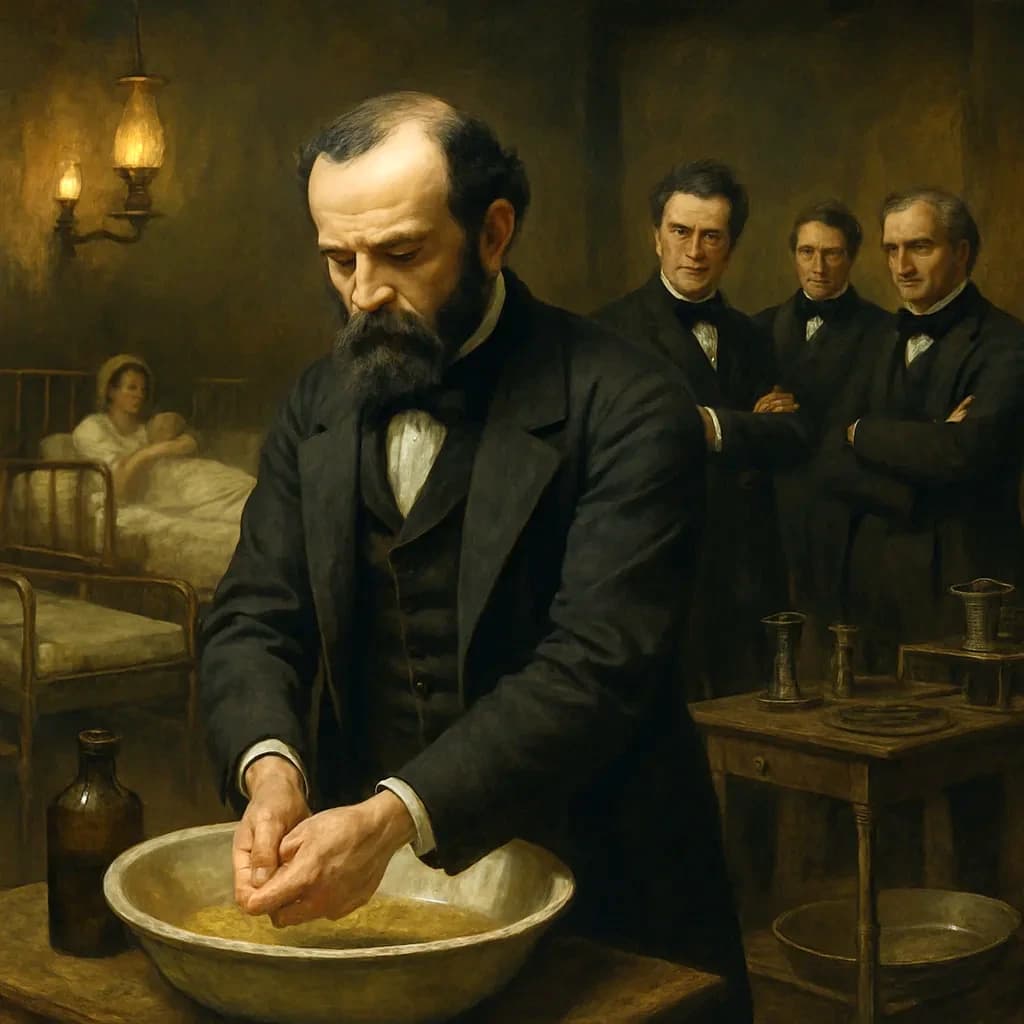
The Surgeon Who Saved Thousands While Denying Dirt Could Kill
A brilliant Victorian surgeon who saved thousands of lives was shunned by his profession for refusing to believe dirt could kill.
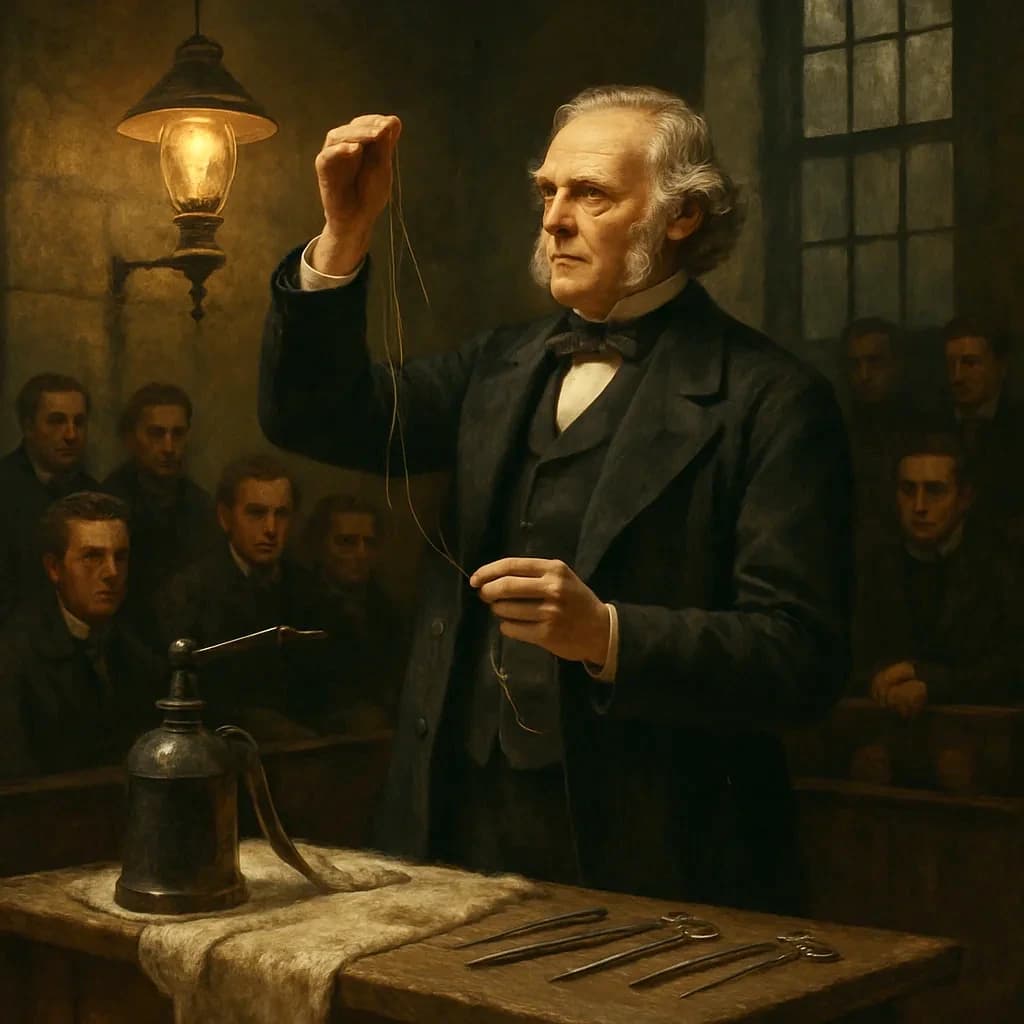
A Surgeon's Invisible Stitches Saved More Lives Than Any General
In 1867, a British surgeon stitched wounds with string no one could see, and accidentally saved more lives than any general.
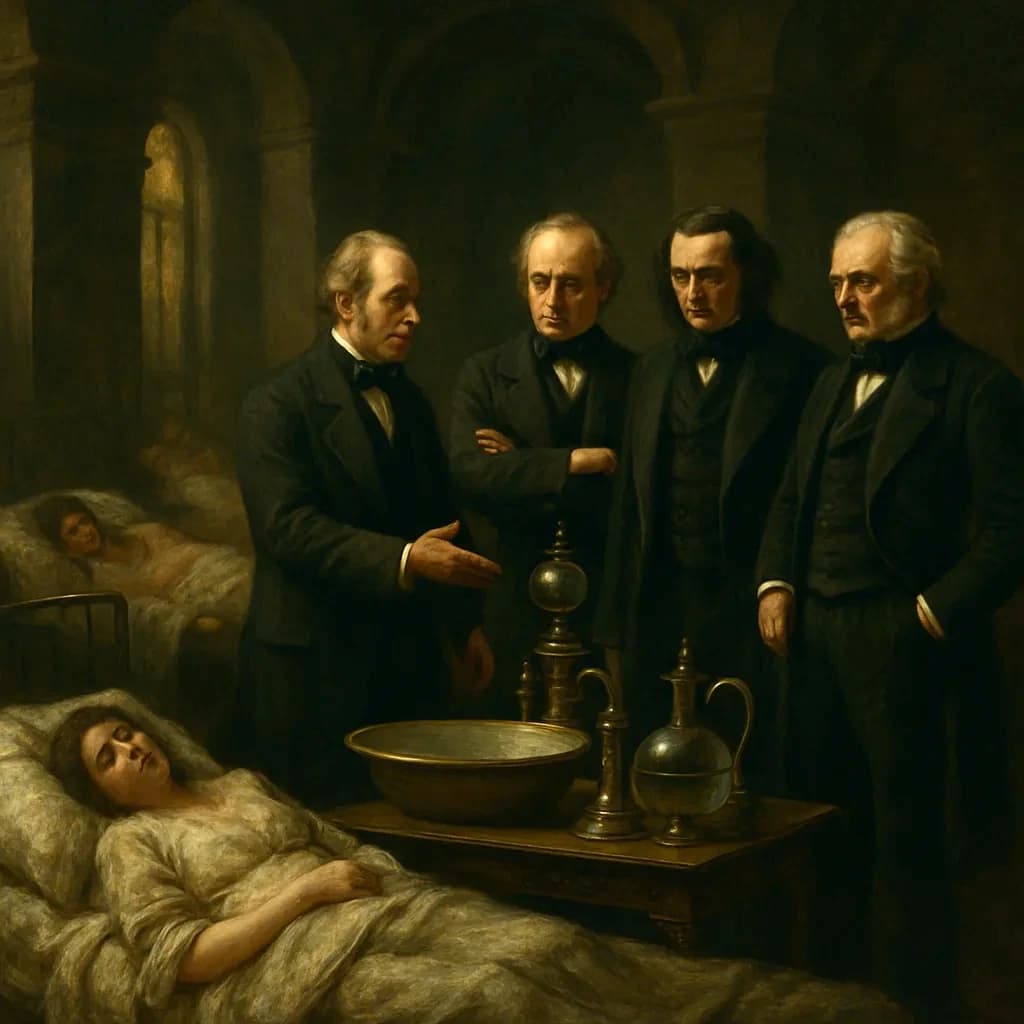
The Doctor Who Said Wash Your Hands
A young Hungarian doctor in 1847 found a way to save millions of lives, then watched his colleagues destroy him for suggesting it.
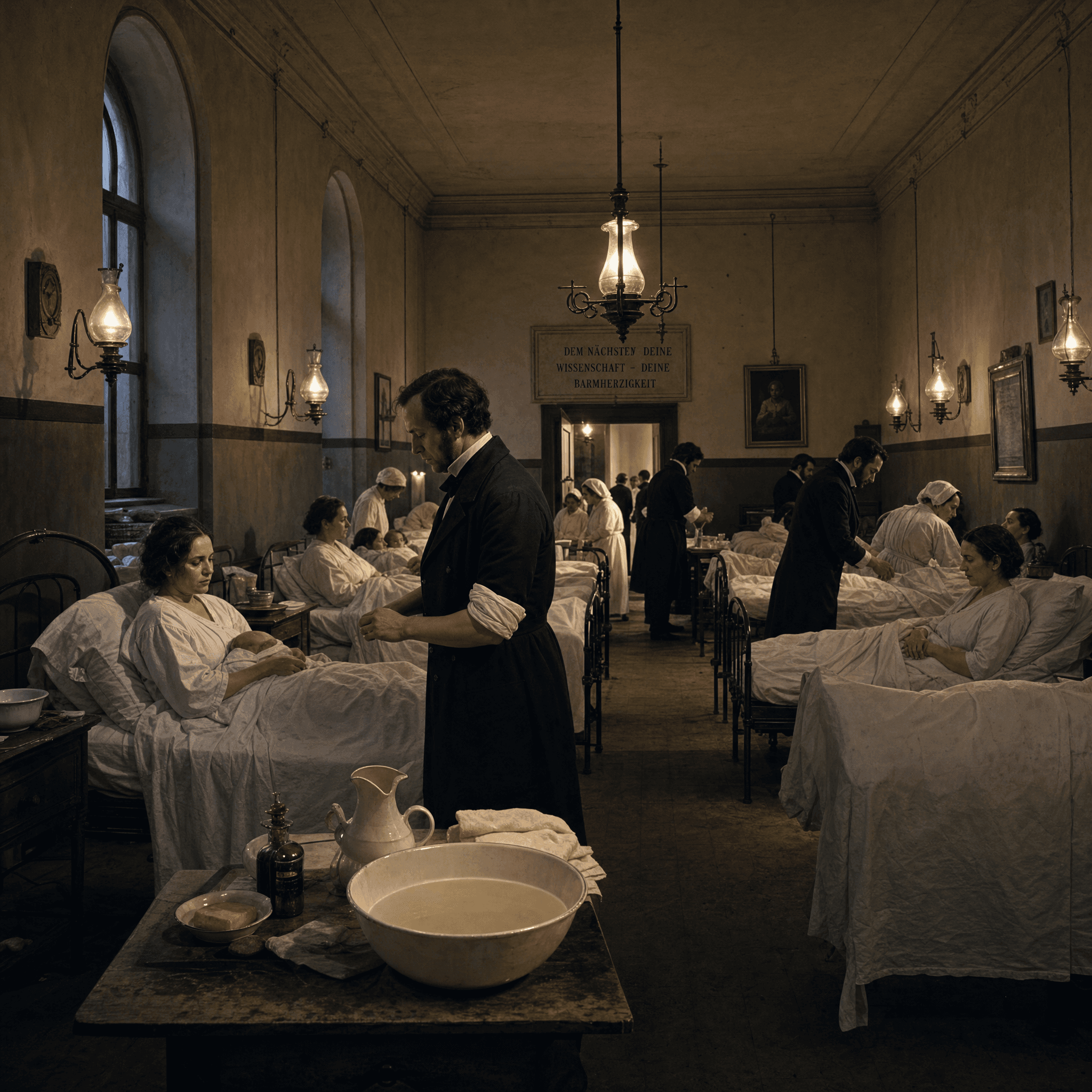
Noticing Midwives Had Cleaner Hands Cost Him His Sanity
A Hungarian doctor noticed that midwives had cleaner hands than surgeons, and paid for this observation with his career and sanity.
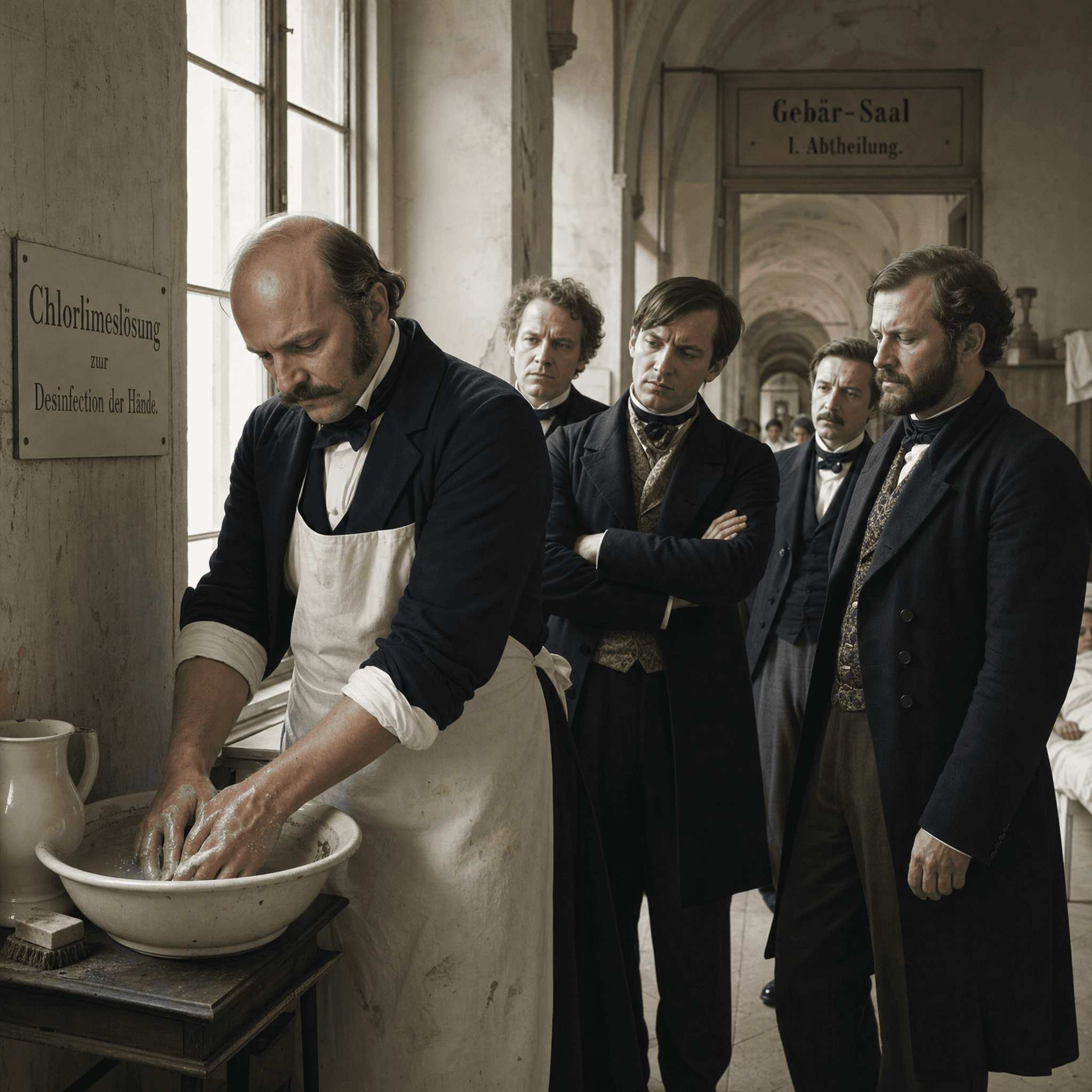
Women Kept Dying in Childbirth. The Doctors Were the Cause.
In 1840s Vienna, a Hungarian doctor discovered why women kept dying in childbirth, and was destroyed for suggesting doctors wash their hands.
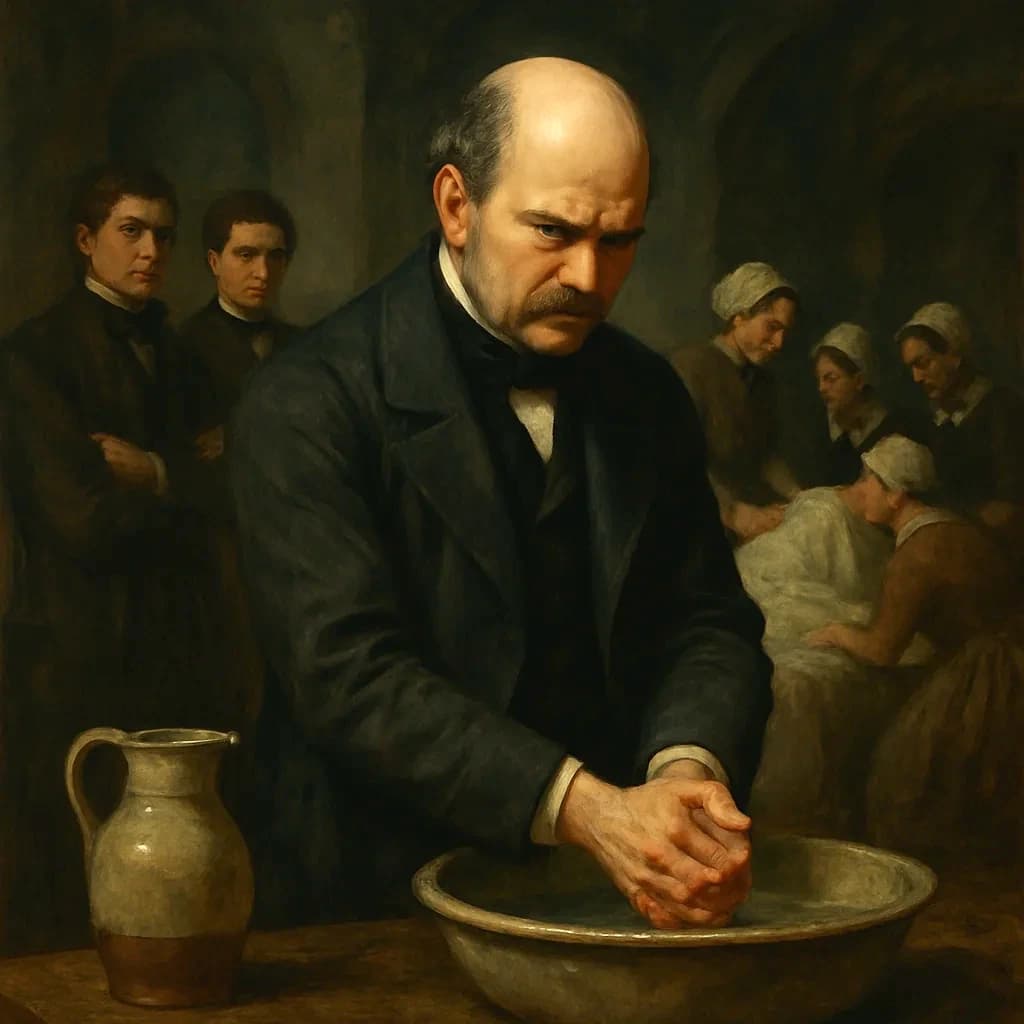
Women Died Twice as Often When Medical Students Delivered Babies
A Hungarian doctor noticed something strange about the maternity ward: women were dying at twice the rate when medical students delivered their babies.
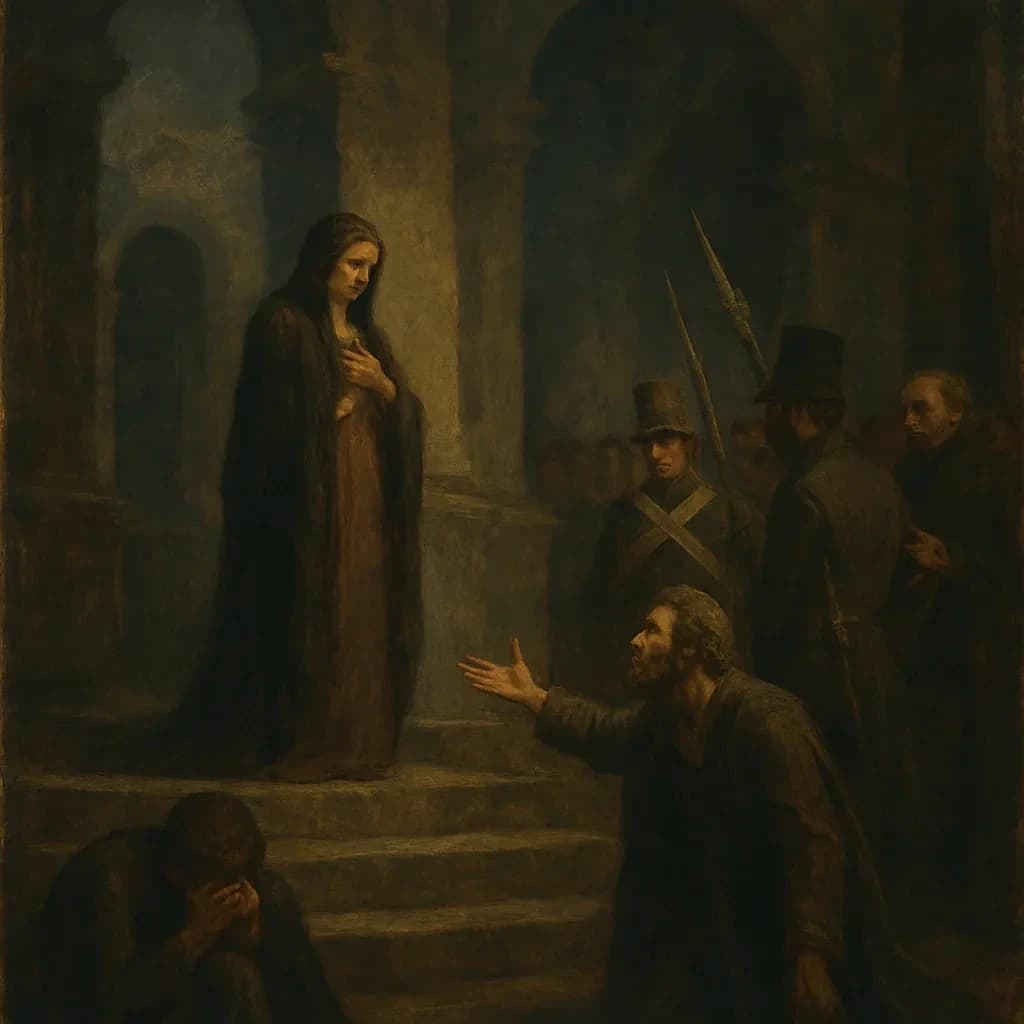
Handwashing Saved Thousands. Suggesting It Drove Him Mad.
A Hungarian physician proved that washing hands could save thousands of lives, and was driven mad for suggesting it.
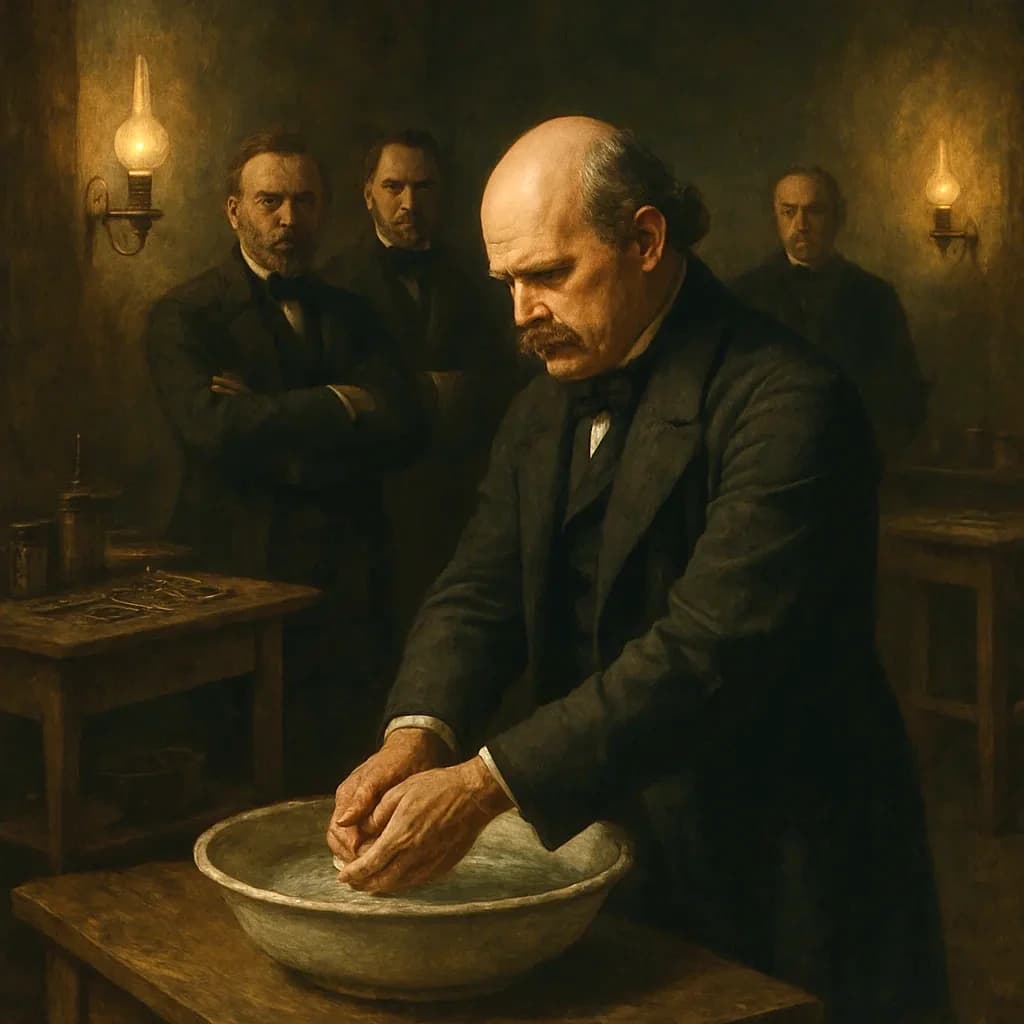
Doctors Killed More Patients Than Disease. He Proved It.
In 1847, a Hungarian physician discovered that doctors were killing more patients than disease, and his colleagues destroyed him for saying so.
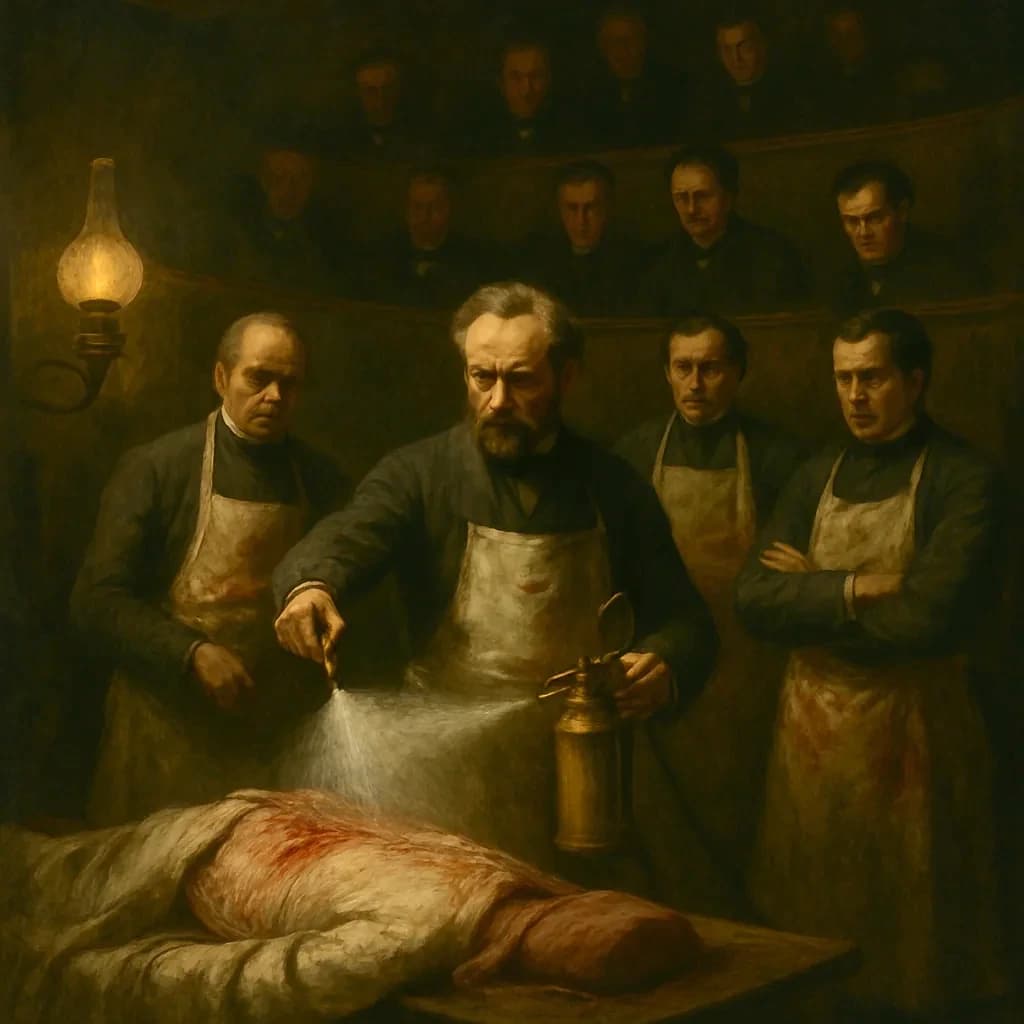
Joseph Lister Saved Thousands. His Own Patients Kept Dying.
Joseph Lister pioneered antiseptic surgery and saved thousands of lives, except for his own patients, who kept dying anyway.
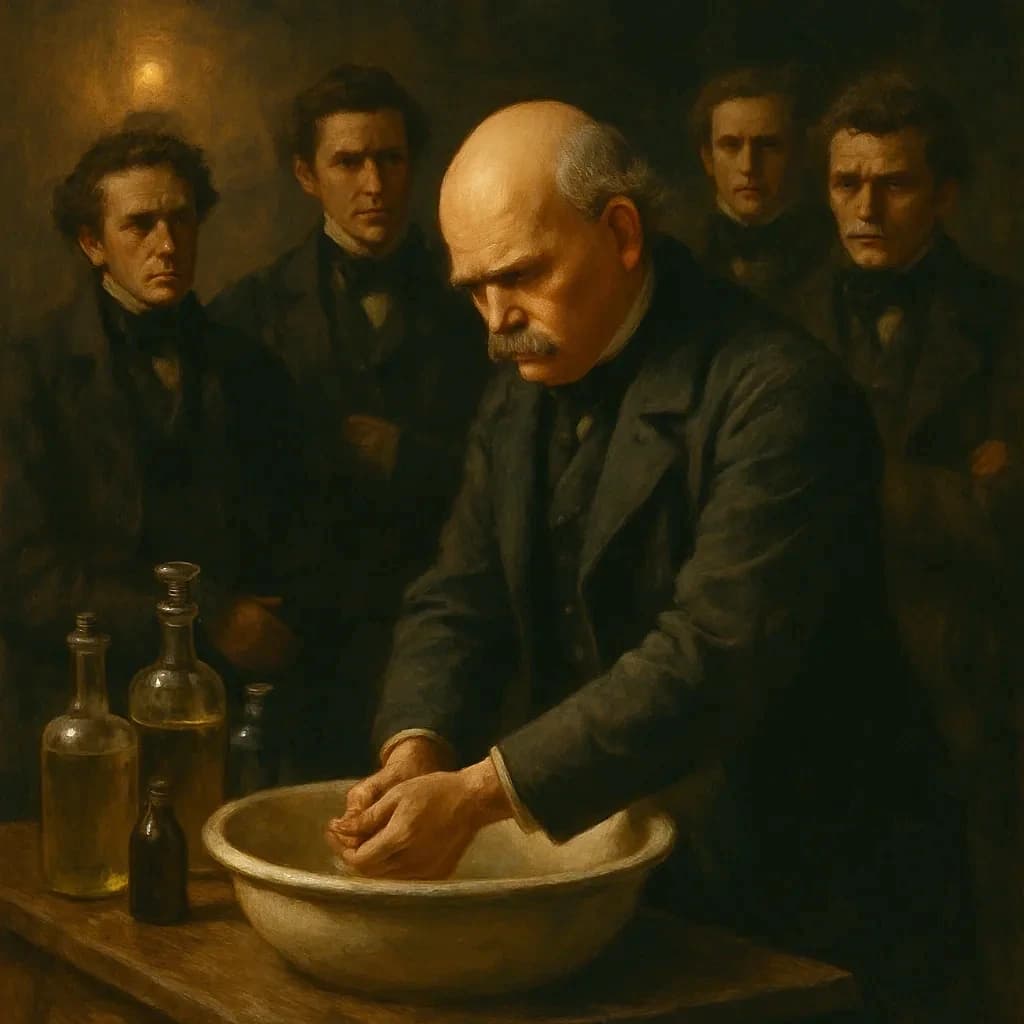
Doctors Destroyed the Colleague Who Told Them to Wash Their Hands
A Hungarian doctor solved one of medicine's greatest mysteries, then watched his colleagues destroy him for suggesting they wash their hands.
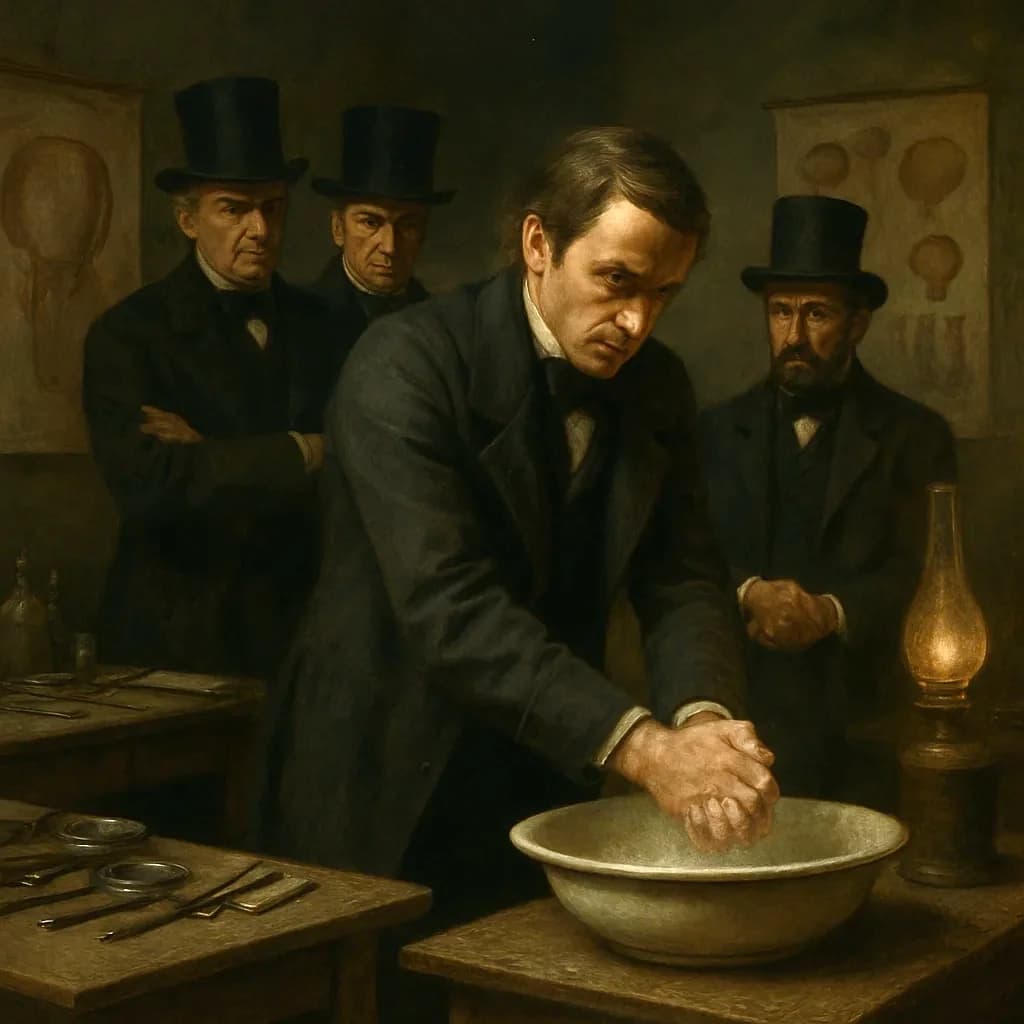
A Doctor's Hallucination Saved More Lives Than Any Medicine
A German doctor's hallucination during a typhus epidemic led him to discover something that would save more lives than any medicine ever created.
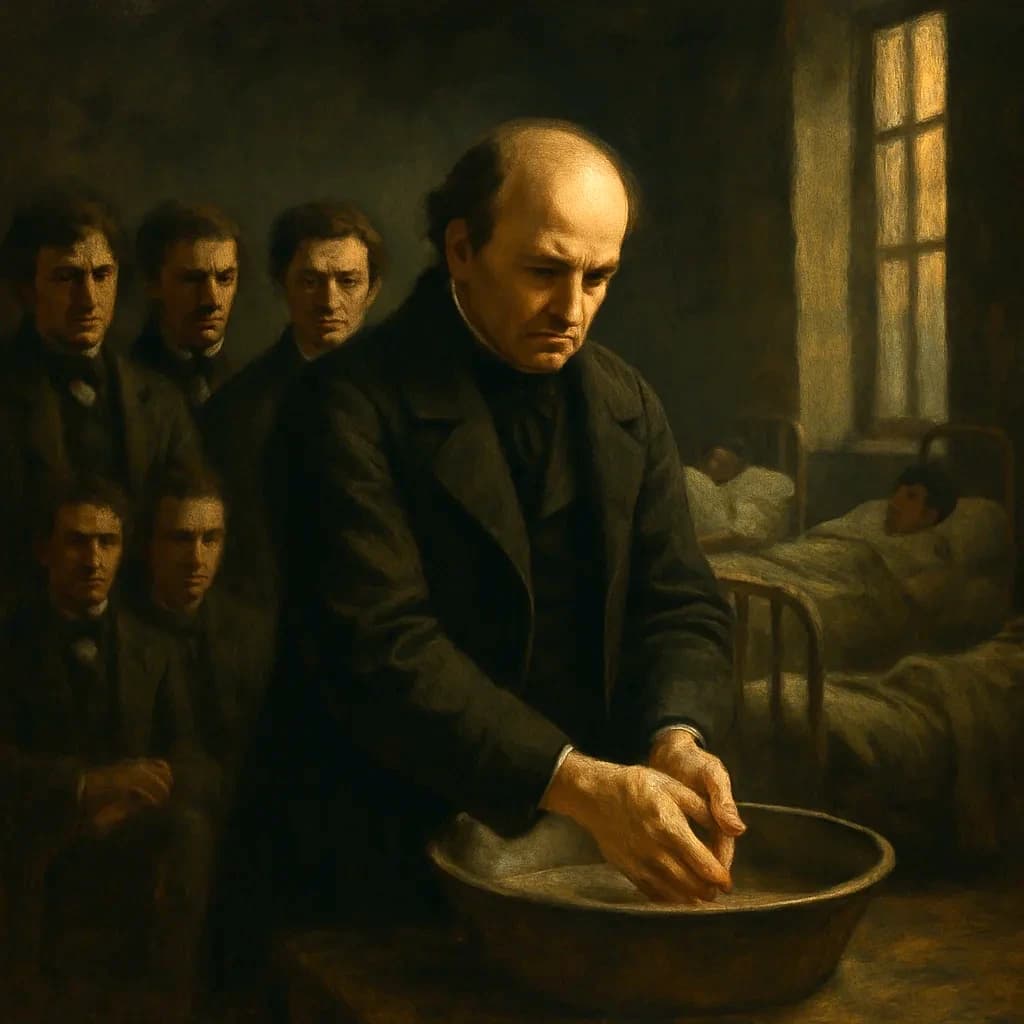
The Doctor Who Proved God Wrong
A Hungarian physician discovered that washing hands could save thousands of lives, and was driven to madness for suggesting it.
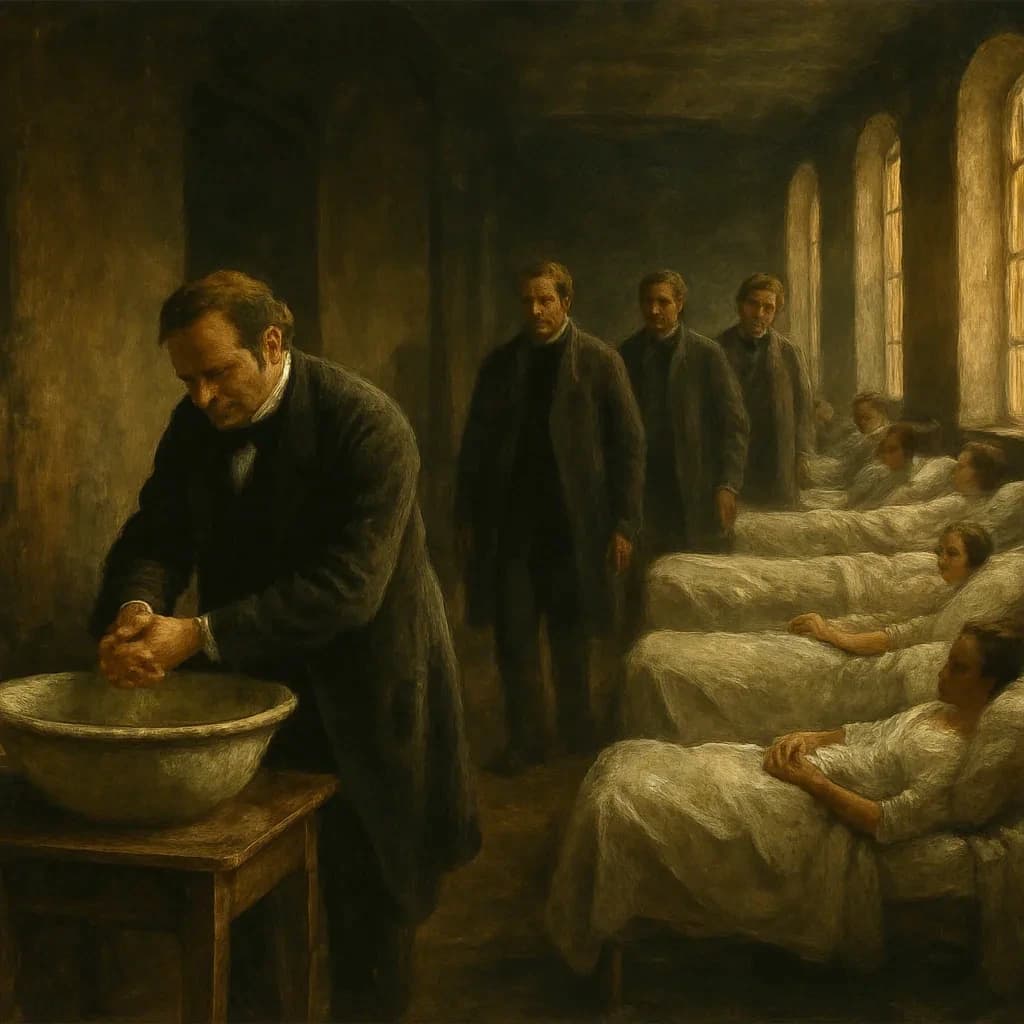
He Discovered Handwashing Saved Lives and Was Driven Mad
In 1847, a Hungarian doctor made a discovery that could have saved millions of lives, and was driven to madness when the medical establishment refused to listen.
- Gerald L. Geison, The Private Science of Louis Pasteur (1995)
- Patrice Debré, Louis Pasteur (1998)
- René Vallery-Radot, The Life of Pasteur (1900)