
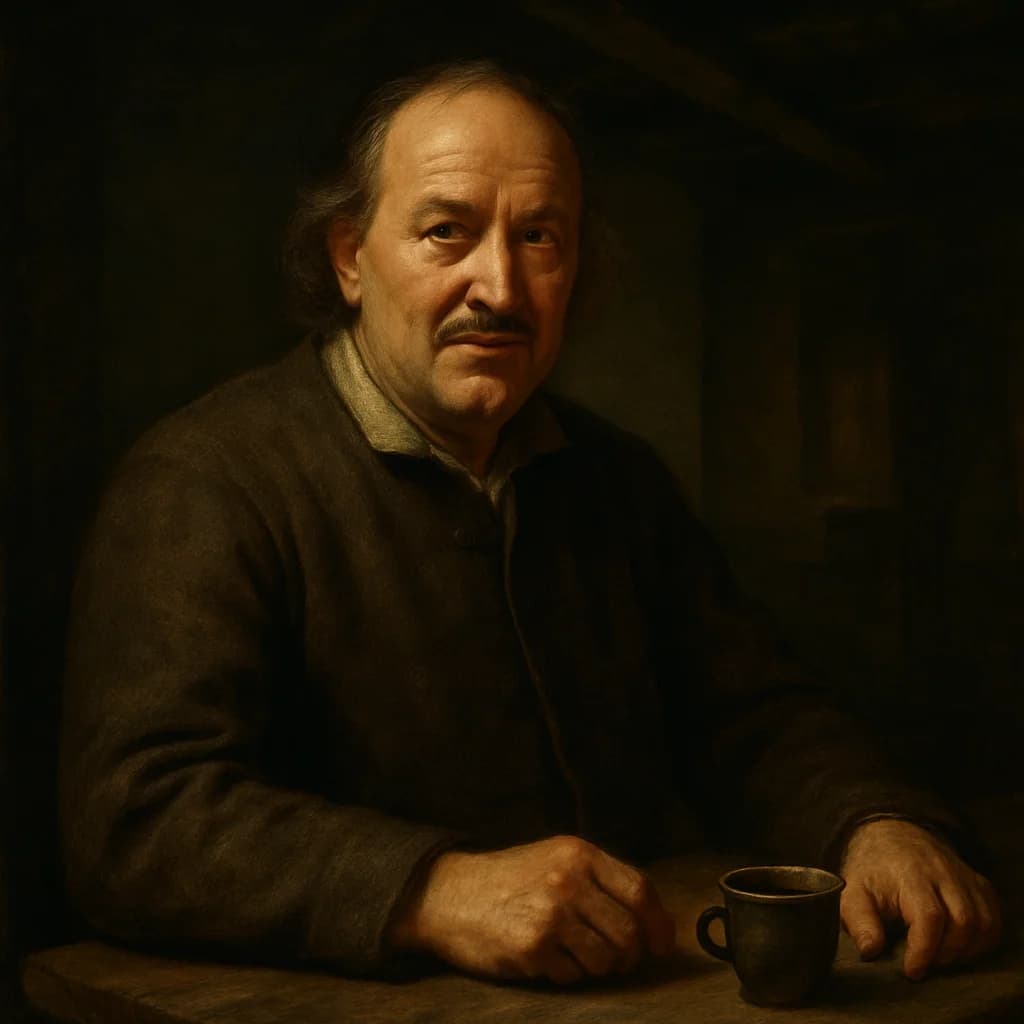
Georg Franz Kolschitzky
He saved Vienna from the Ottomans, collected his reward in sacks of beans nobody else wanted, and accidentally invented the café.
Georg Franz Kolschitzky was a spy, a linguist, and a man with an exceptionally good sense of timing. Born in 1640 in a region of the Polish-Lithuanian Commonwealth, he spent years working as a trader in Ottoman territories, learning Turkish, Arabic, and enough Balkan languages to pass convincingly as a local. That particular skill set was largely useless in peacetime Vienna. In the summer of 1683, it became the most valuable thing in the city.
When Ottoman forces under Grand Vizier Kara Mustafa Pasha laid siege to Vienna in July 1683, they cut off the city so completely that the garrison inside had no way to communicate with the relief armies gathering to the north. Kolschitzky volunteered to slip through the lines. Dressed in Ottoman clothing, speaking Ottoman Turkish, he walked straight through 200,000 enemy soldiers, delivered the crucial coordination messages to the Duke of Lorraine, and walked back. He did this twice. When the combined relief forces broke the siege on September 12th, the Ottomans fled in catastrophic disarray, abandoning their entire camp: tents, weapons, cattle, and roughly 500 sacks of strange dark beans that the Viennese soldiers had absolutely no idea what to do with.
Kolschitzky knew exactly what they were. He had drunk coffee in Istanbul. He had watched Ottoman officers conduct negotiations over small cups of it. When the city offered him his pick of the abandoned goods as a reward, he took the coffee and a house in the Domgasse district, and in 1684 opened what became one of Vienna's first dedicated coffeehouses, the Zur Blauen Flasche, the Blue Bottle. But the detail that gets quietly dropped from the tourist-friendly version: Viennese drinkers initially hated the bitter, grounds-thick Ottoman brew. Kolschitzky adapted. He started filtering out the grounds, sweetening the coffee, and adding milk. The Viennese coffee tradition (mellowed, whitened, served with a glass of water and a slight air of ceremony) was essentially a marketing pivot.
He died in 1694, a minor Viennese celebrity. A statue of him still stands in Vienna's fourth district, coffee cup raised, looking pleased with himself. He has every right to.
Kolschitzky reportedly claimed his reward so quickly after the siege that Viennese officials initially tried to redirect him toward gold or weapons. He refused both and insisted specifically on the coffee sacks, which the military had dismissed as camel fodder.
Why untold: The coffeehouse origin story gets flattened into a charming footnote about a siege, erasing the more interesting truth underneath: that the distinctly European café culture was born from one man's deliberate cultural translation of an Ottoman practice for an audience that initially rejected it.
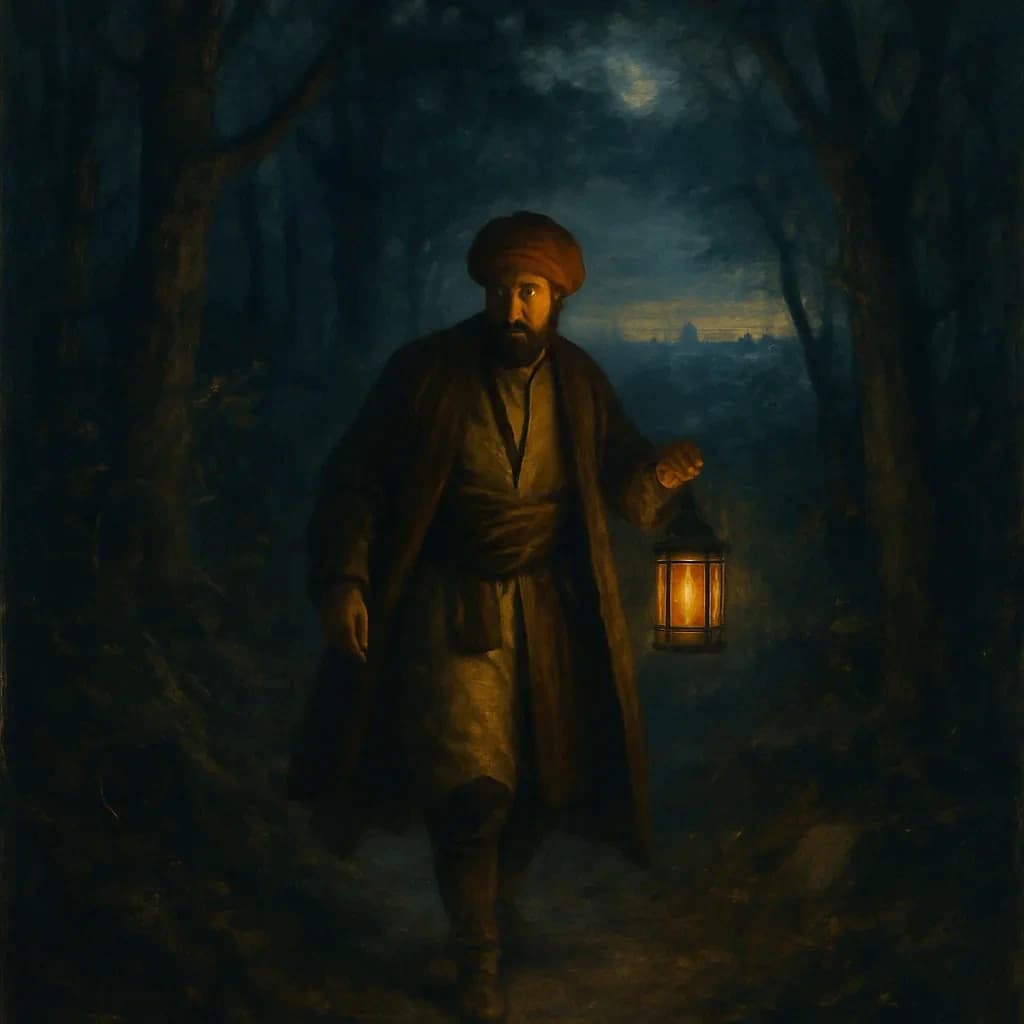
Goat Tracks Saved Vienna in 1683
The Ottoman siege of Vienna failed not because of Christian armies, but because of one man who knew the forest better than any general.
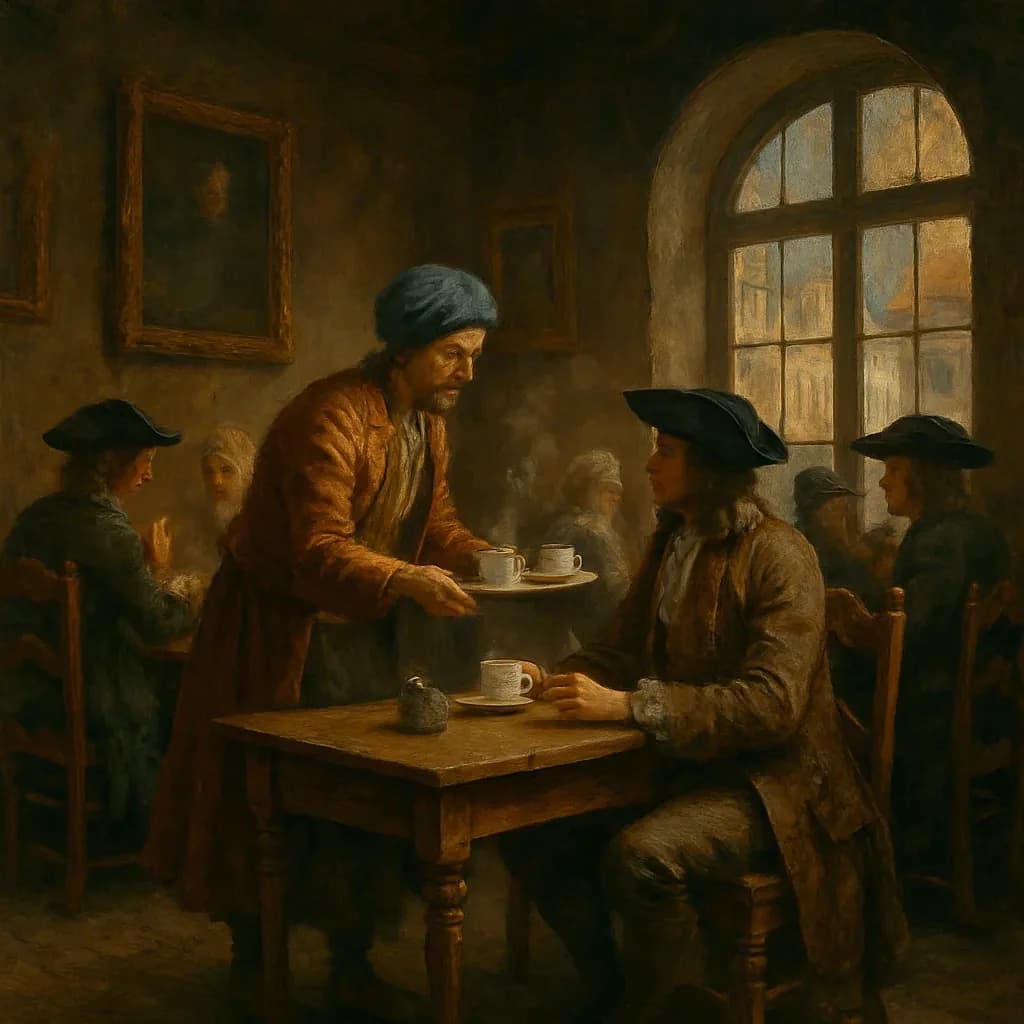
When Vienna's Coffee Houses Saved Christianity
A Polish spy's breakfast choice at the Gates of Vienna changed the course of European civilization forever.
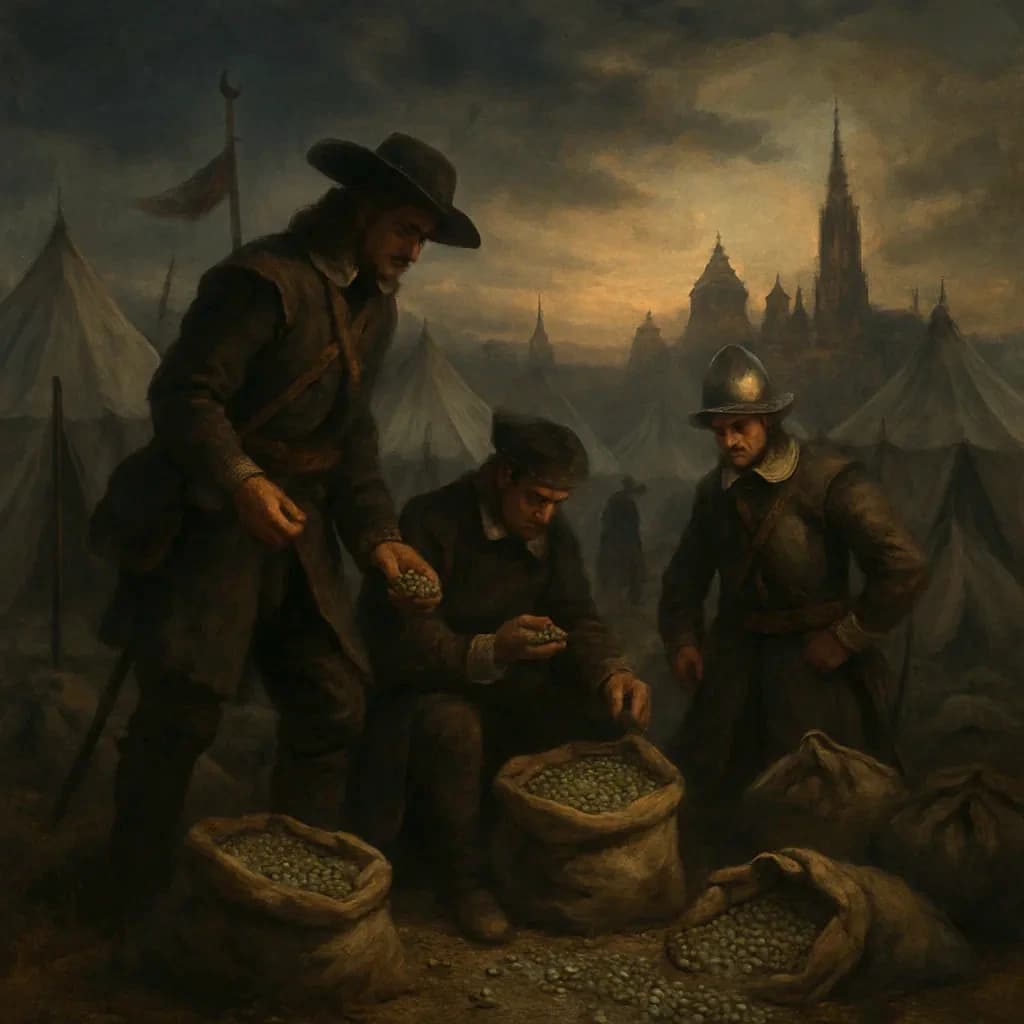
A Cup of Coffee in Vienna Rewrote Europe's Mornings
A cup of coffee in Vienna changed how every European would start their morning for the next four centuries.
- William H. Ukers, All About Coffee (The Tea and Coffee Trade Journal Company, 1922)
- John Stoye, The Siege of Vienna: The Last Great Trial Between Cross and Crescent (Pegasus Books, 2006)
- Brian Cowan, The Social Life of Coffee: The Emergence of the British Coffeehouse (Yale University Press, 2005)