
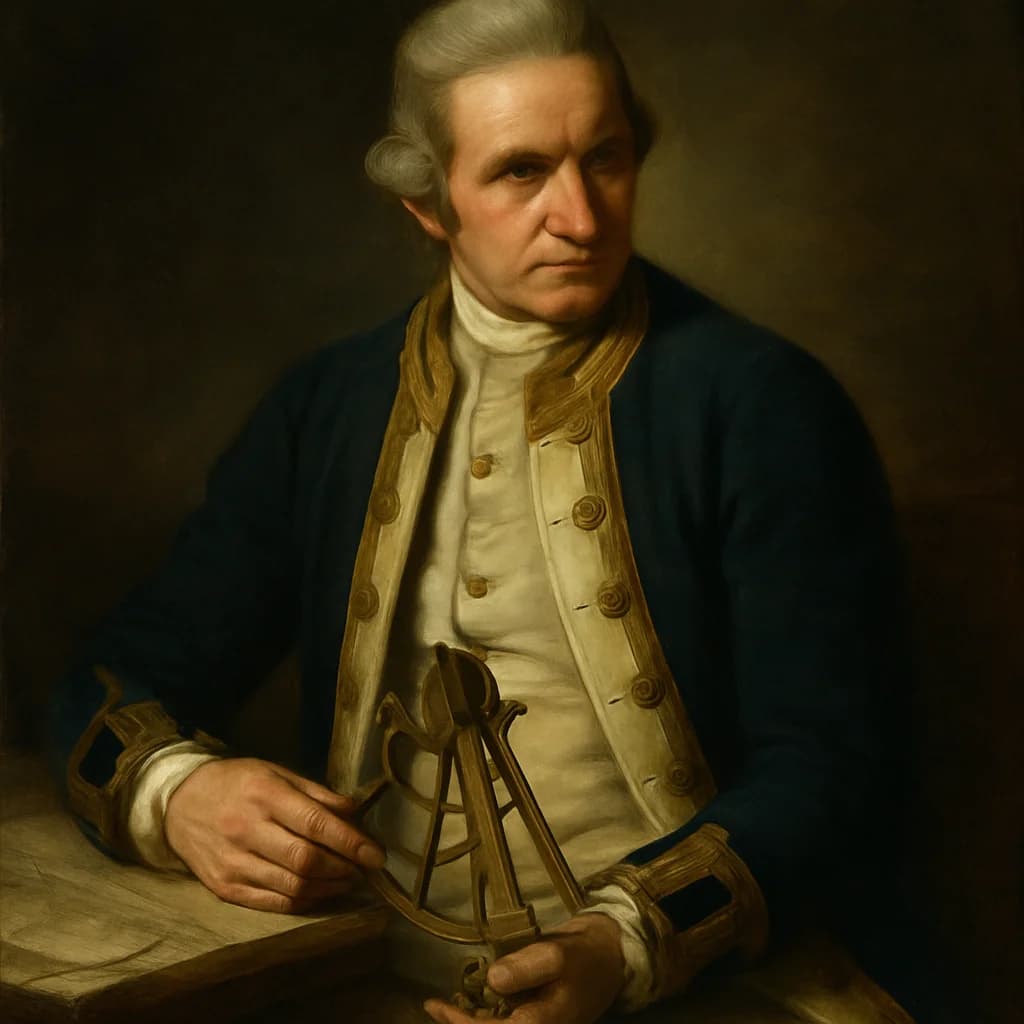
James Cook
The man who mapped a third of the world's surface died believing he'd failed his most important mission.
James Cook spent his final years obsessed with a continent that didn't exist. The Terra Australis Incognita (the Great Southern Continent) had haunted European maps since ancient Greek philosophers declared it must exist to balance the northern landmasses. Cook's secret Admiralty orders on his first voyage weren't just to observe Venus transiting the sun from Tahiti, but to sail south and claim this phantom continent for Britain.
What he found instead was even more remarkable: empty ocean where cartographers had drawn coastlines, and real lands where none were expected. On his second voyage, Cook became the first explorer to cross the Antarctic Circle, pushing so far south that his crew begged him to turn back as icebergs towered around their ships. He proved definitively that no habitable southern continent existed, demolishing two thousand years of geographical theory with methodical precision.
Yet Cook considered this his greatest failure. He'd been sent to claim an empire and returned with charts of nothing but water. The Admiralty, however, recognized what he couldn't see: his negative proof was as valuable as any discovery. By eliminating the impossible, Cook had revealed the possible, opening the Pacific to accurate navigation for the first time in history.
His death in Hawaii came while attempting something far more mundane than his legendary voyages: retrieving a stolen ship's boat. The confrontation that killed him began over property worth perhaps twenty pounds, a tragically small spark to end a life that had redrawn the world's maps. Cook died still believing he'd failed to find what he'd been sent to discover, never realizing that proving something doesn't exist can be the most important discovery of all.
Cook's ships carried more than 9,000 pounds of sauerkraut on his second voyage. His crew initially refused to eat it until Cook served it exclusively to his officers at the captain's table, making the sailors demand their share through simple psychology.
Why untold: His obsession with disproving the existence of Terra Australis gets overshadowed by his more dramatic 'discoveries' of lands that were already inhabited.
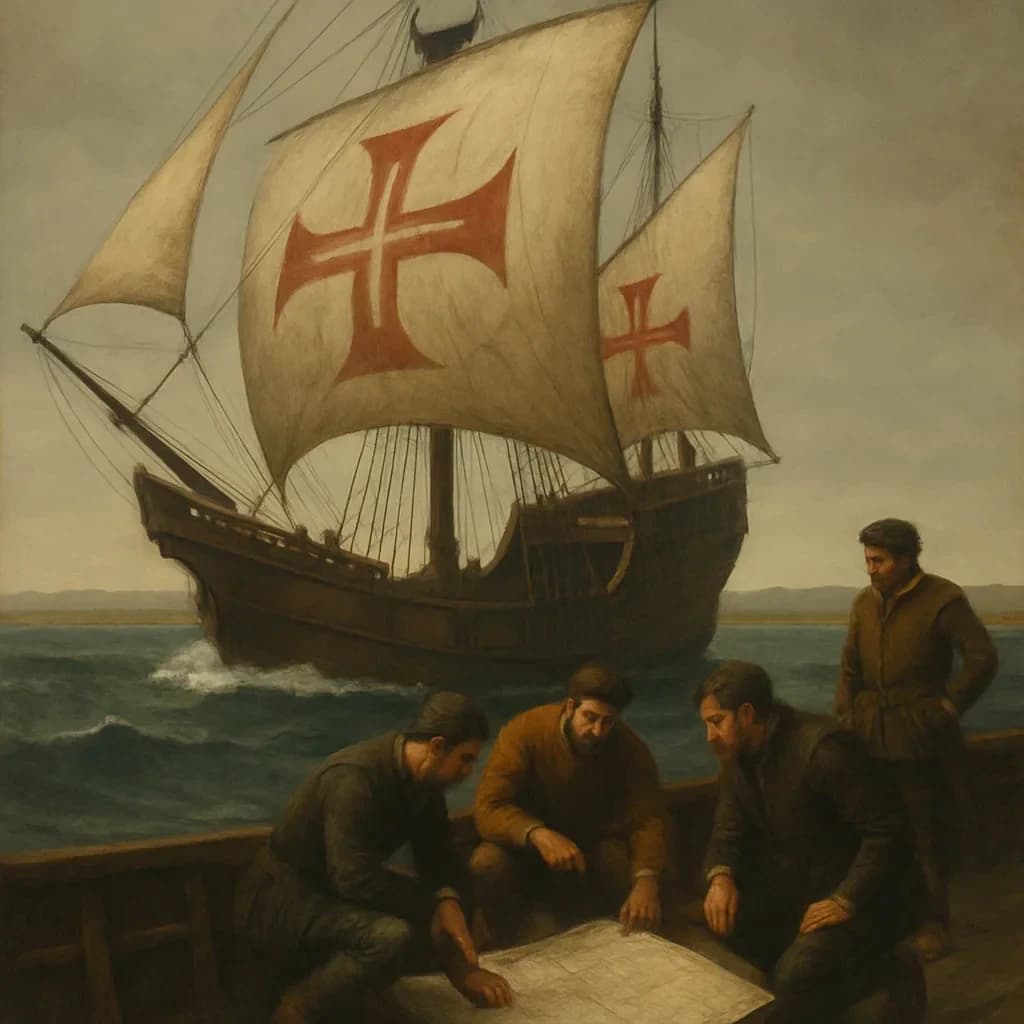
Portugal Mapped Australia 250 Years Before Cook
A Portuguese sailor charted the coast of Australia 250 years before Captain Cook, and the Crown buried the evidence.
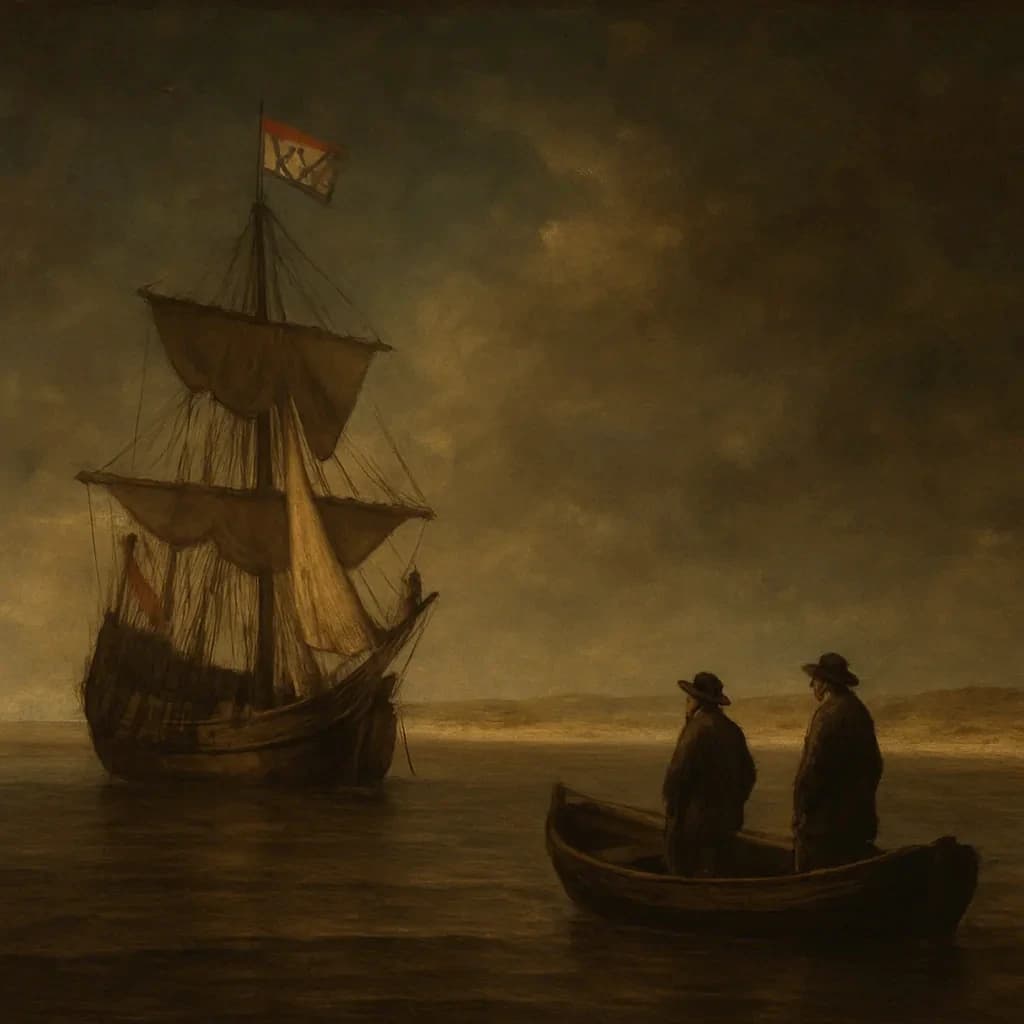
The Dutch Mapped Australia First and Walked Away
A Dutch mapmaker charted a coastline no European had ever seen, then handed the British Empire its most valuable colony without ever meaning to.
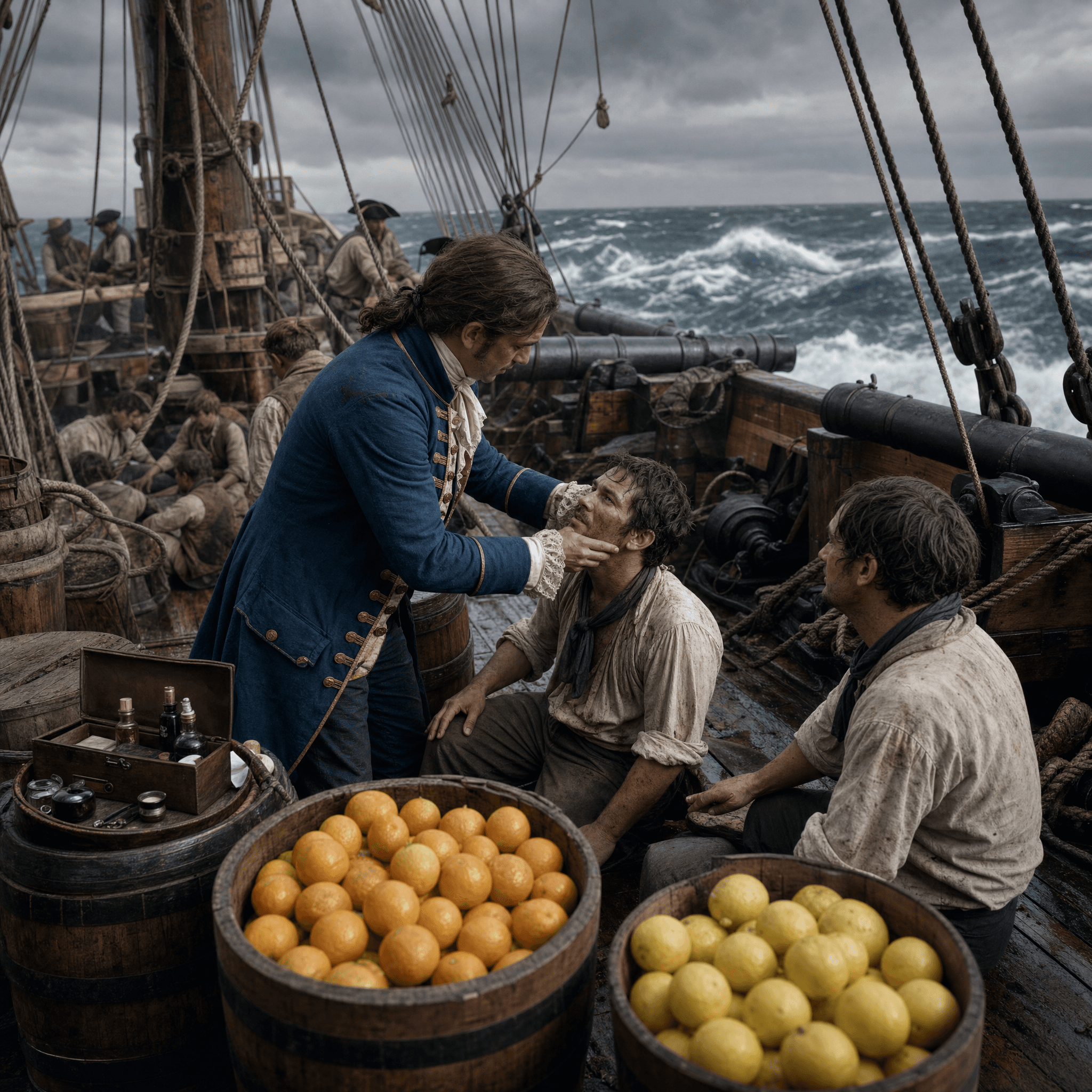
A Surgeon's Fruit Obsession Built History's Most Feared Navy
A ship's surgeon's fruit obsession accidentally created the most feared navy in history.
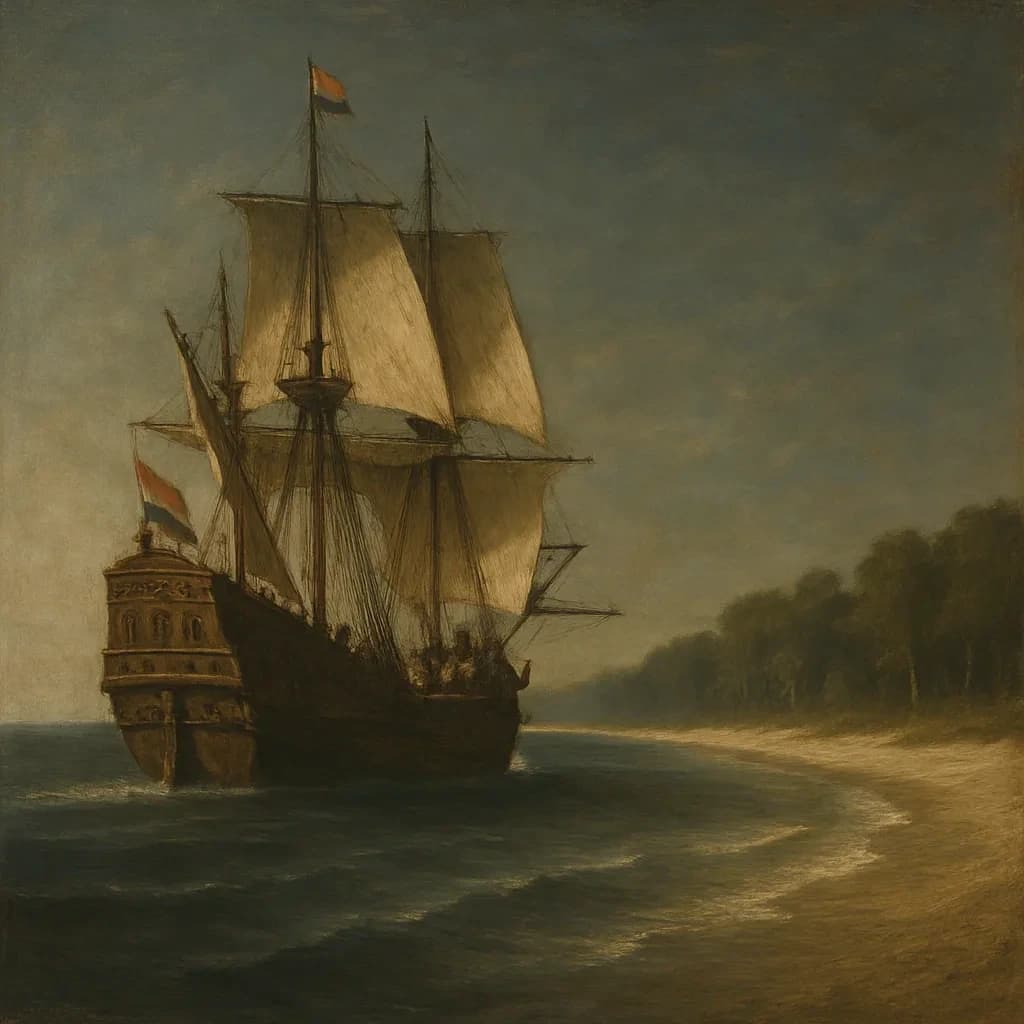
He Sailed for Spices and Found Australia
A Dutch sea captain bound for the spice islands in 1628 made a navigation error that would establish one of history's most lucrative trading empires.
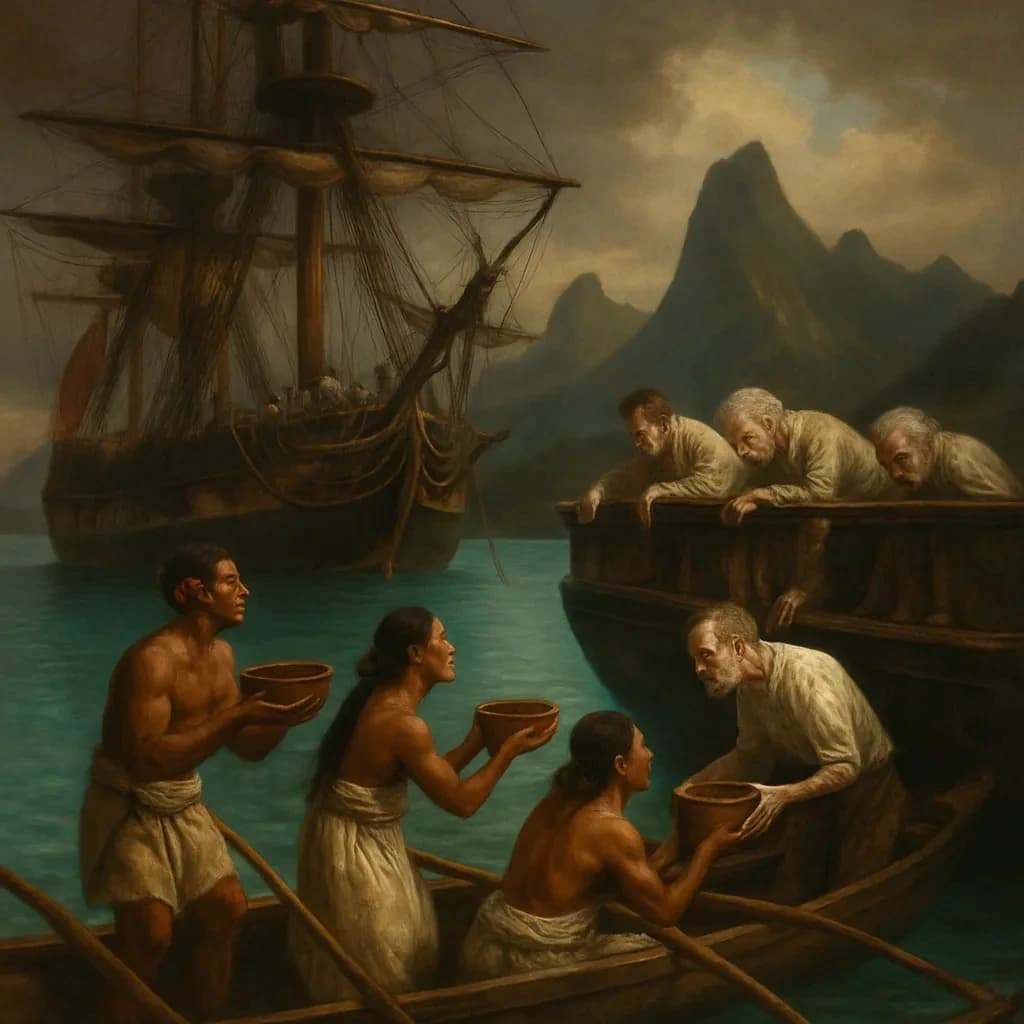
Stolen from Tahiti: The Coconut Cure for Scurvy
A coconut preservation technique from a remote Pacific island became the secret weapon that let European navies dominate the world's largest ocean.
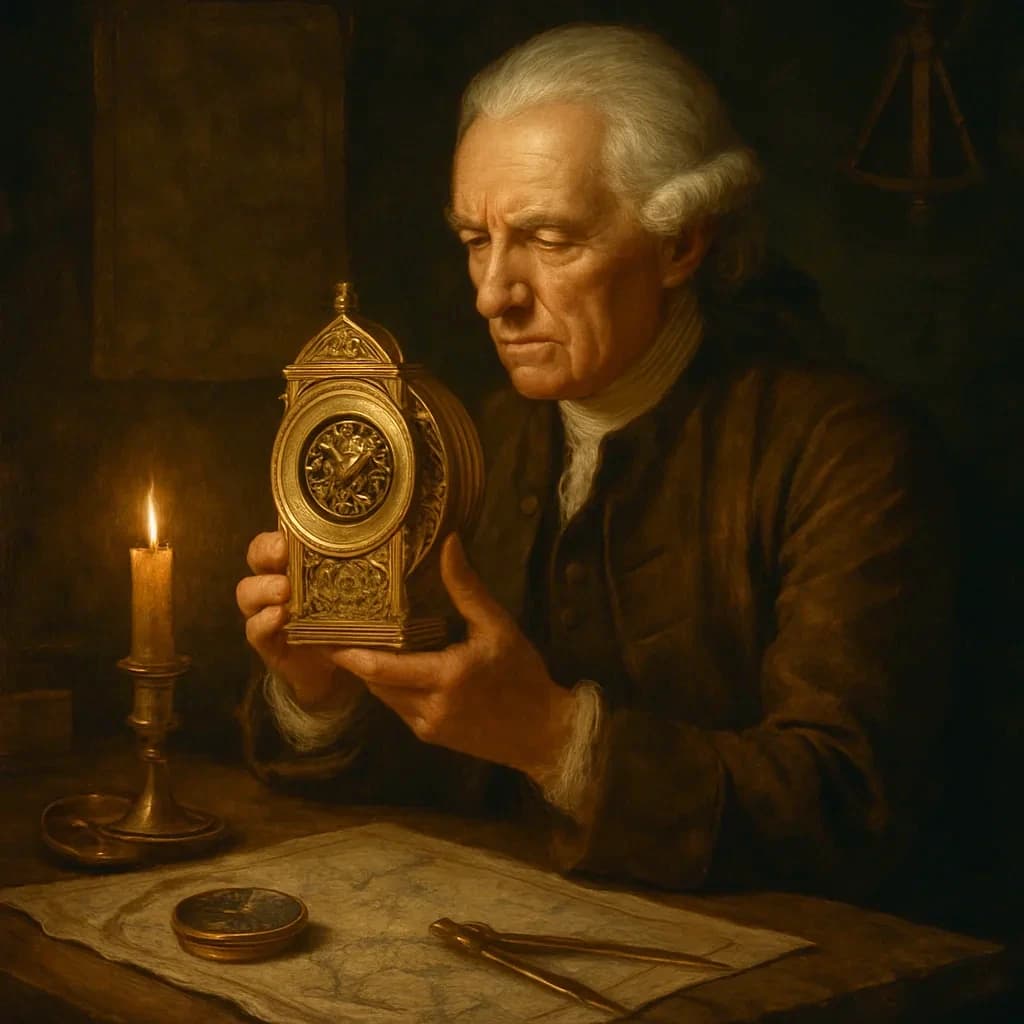
Forty Years for a Clock the Navy Ignored
John Harrison spent forty years building clocks that could save lives at sea, then watched the Royal Navy almost ignore his invention while sailors died for want of knowing where they were.
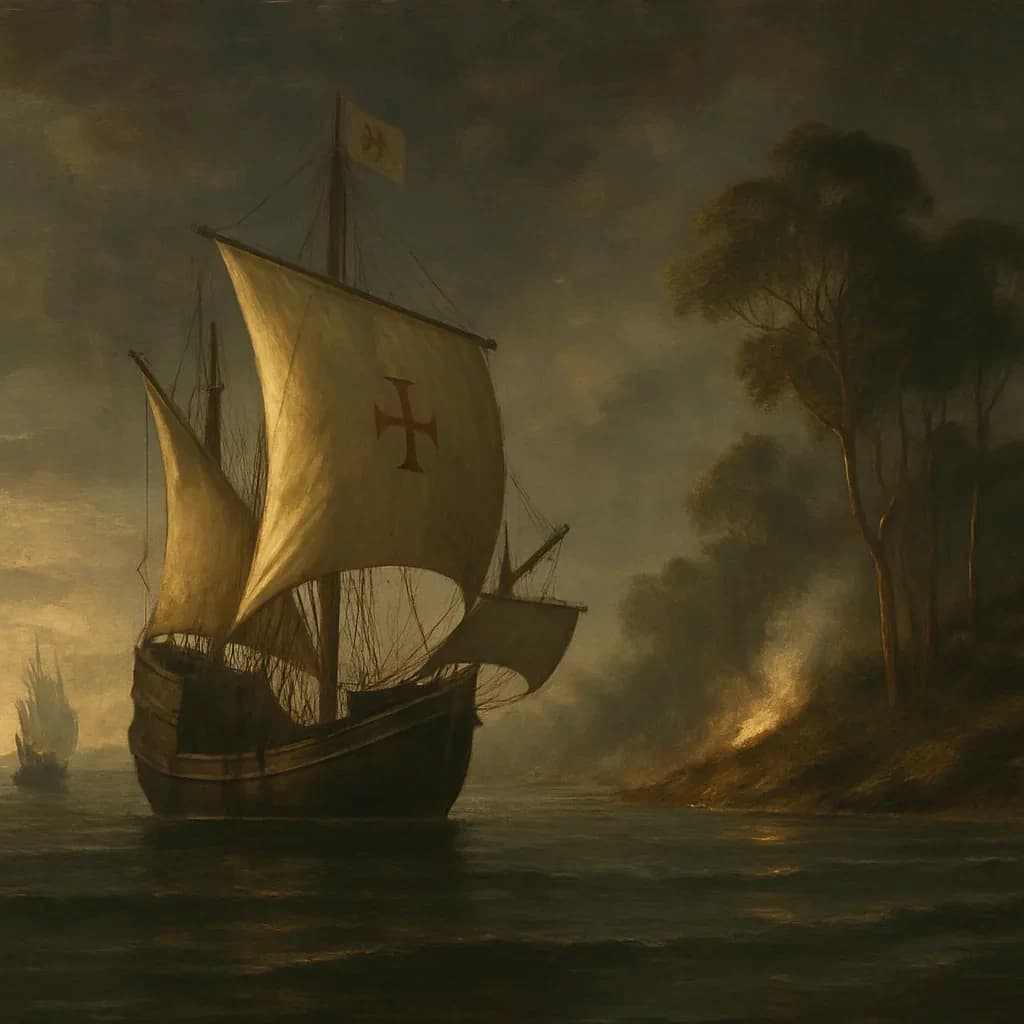
When Portugal Almost Discovered Australia First
A Portuguese navigator reached the Australian coast in 1521, and then kept sailing, leaving no flag, no colony, no claim.

How Citrus Built the British Navy
A British naval surgeon's simple experiment with citrus fruits accidentally created the most feared navy in history.
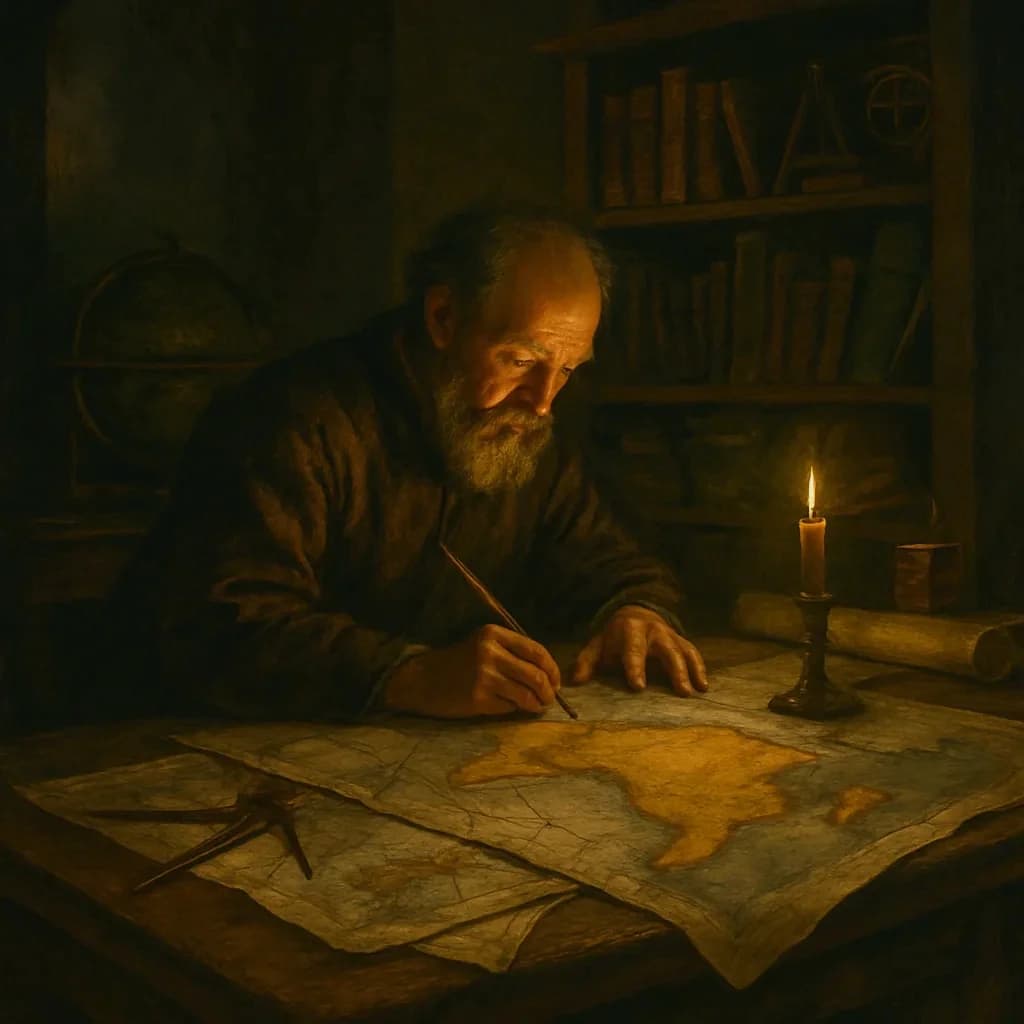
A Misread Word Created a Continent of Parrots
One mapmaker's inability to spell Dutch created a continent that doesn't exist, and Europeans spent three centuries looking for it.
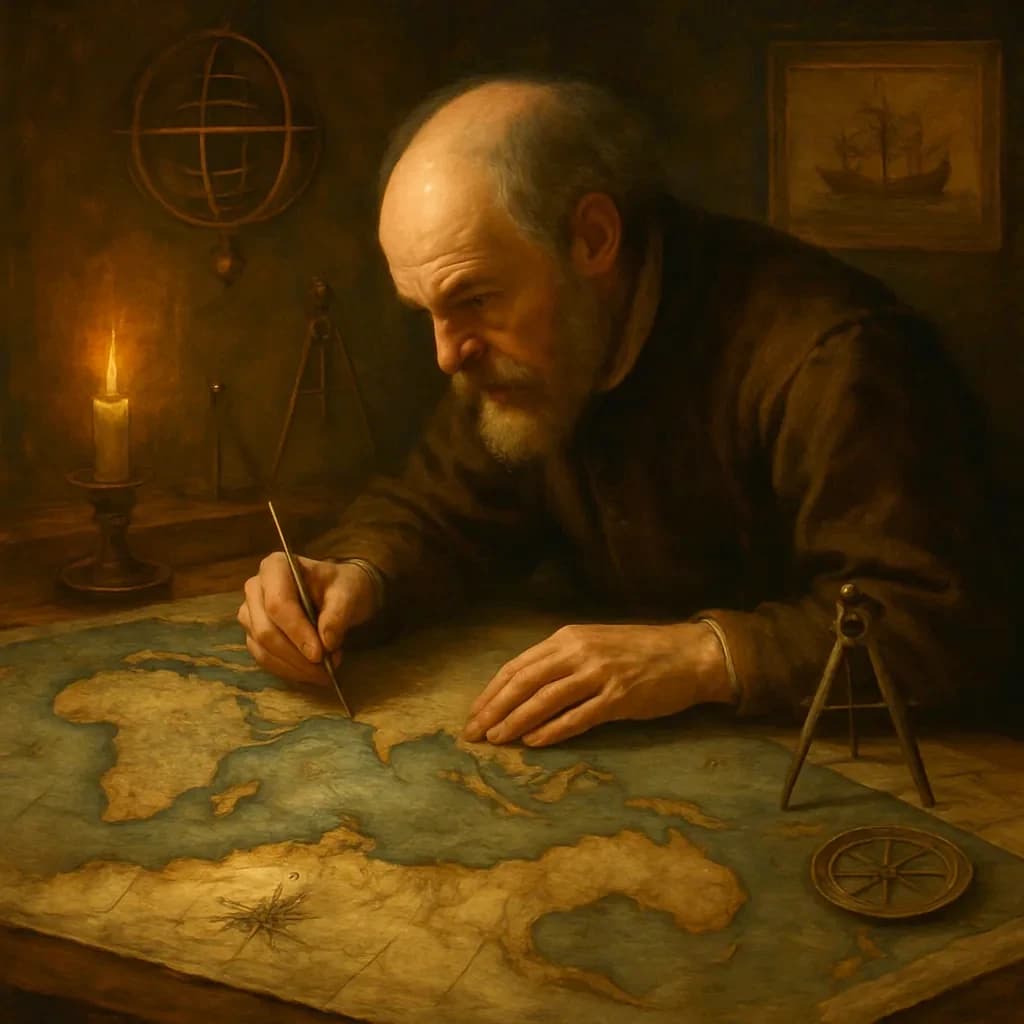
Terra Australis: Two Centuries of an Invented Continent
For nearly two centuries, every map of the Pacific showed a massive continent that didn't exist, because one cartographer was too proud to admit he'd made a mistake.

The Gold Islands Mercator Invented Fooled Empires for 200 Years
A mapmaker deliberately placed islands where there was only ocean in 1569, and his lie held up global trade for 200 years.
- Tony Horwitz, Blue Latitudes: Boldly Going Where Captain Cook Has Gone Before (2002)
- J.C. Beaglehole, The Life of Captain James Cook (1974)
- Nicholas Thomas, Cook: The Extraordinary Voyages of Captain James Cook (2003)