
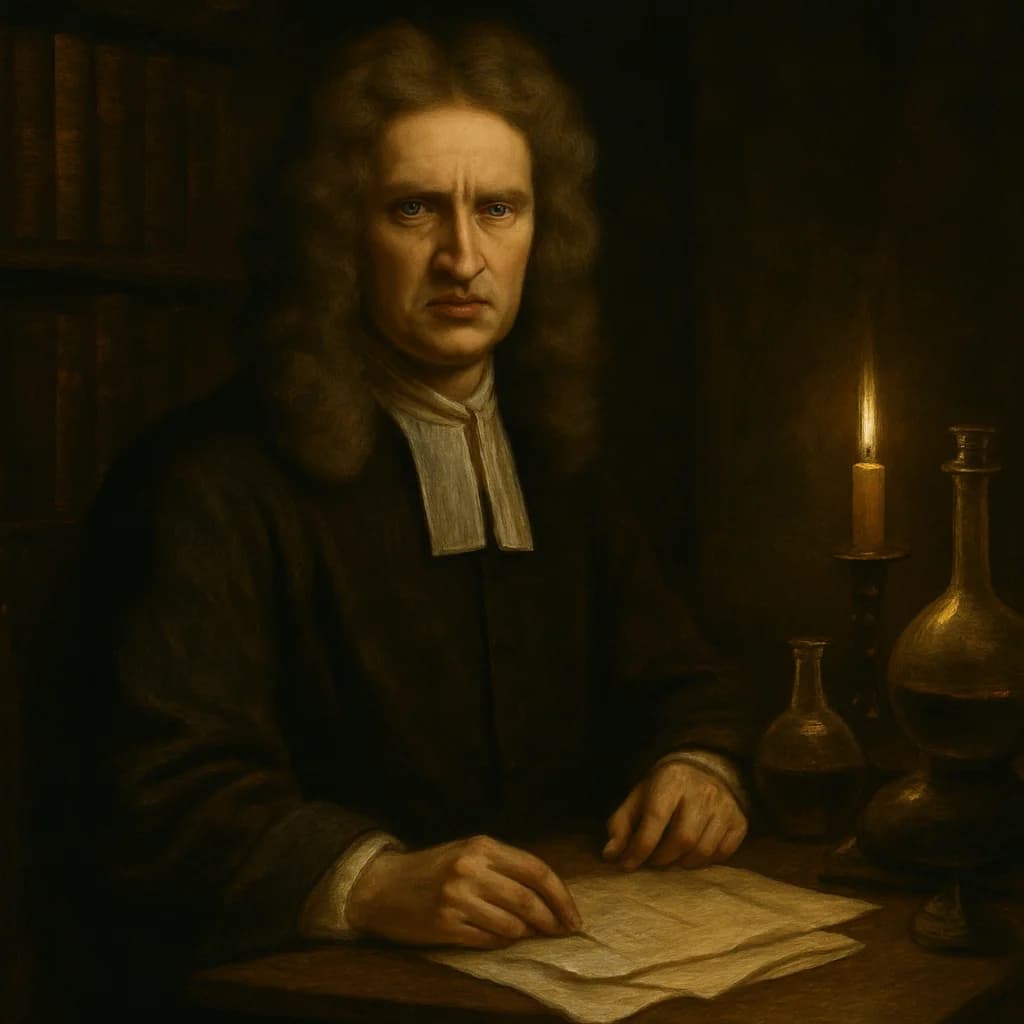
Isaac Newton
The man who discovered gravity spent twice as long trying to predict the end of the world as he did revolutionizing physics.
Isaac Newton filled four million words with calculations about biblical prophecy, more than double what he wrote about mathematics and physics combined. While the world remembers his apple and his laws, Newton himself considered his secret theological manuscripts his most important work. He calculated that the world would end in 2060, based on a complex reading of the Book of Daniel, and spent decades trying to decode what he believed were mathematical proofs hidden in scripture.
The plague year of 1665 didn't just give Newton time to think about falling objects. It gave him two years of isolation to dive deep into alchemy and biblical chronology. In his shuttered Cambridge rooms, he conducted dangerous mercury experiments, trying to transmute base metals into gold, and filled notebook after notebook with attempts to reconstruct the exact timeline of ancient kingdoms. He believed that understanding the past was the key to predicting God's plan for the future.
Newton's obsession with secrecy extended far beyond his religious studies. He delayed publishing his greatest discoveries for years, sometimes decades, terrified that others would steal credit or, worse, that he'd be wrong. The Principia only saw daylight because Edmond Halley literally paid for its publication out of his own pocket and spent months coaxing Newton through his paranoid revisions. Even then, Newton wrote it in Latin and filled it with geometric proofs so complex that he hoped it would discourage casual readers.
When Newton finally achieved fame, he used his position as Master of the Royal Mint to personally hunt down counterfeiters with the zeal of a detective. He interrogated prisoners, gathered evidence, and sent at least two men to the gallows. The man who discovered that objects attract each other across vast distances proved equally relentless when tracking down criminals across London's underworld.
Newton's library contained more books on alchemy and theology than on mathematics and natural philosophy, and he wrote extensive notes trying to reconstruct the exact dimensions of Solomon's Temple, believing it contained encoded scientific knowledge.
Why untold: His theological and alchemical obsessions were systematically suppressed by later scientists who wanted to preserve his reputation as a purely rational thinker.
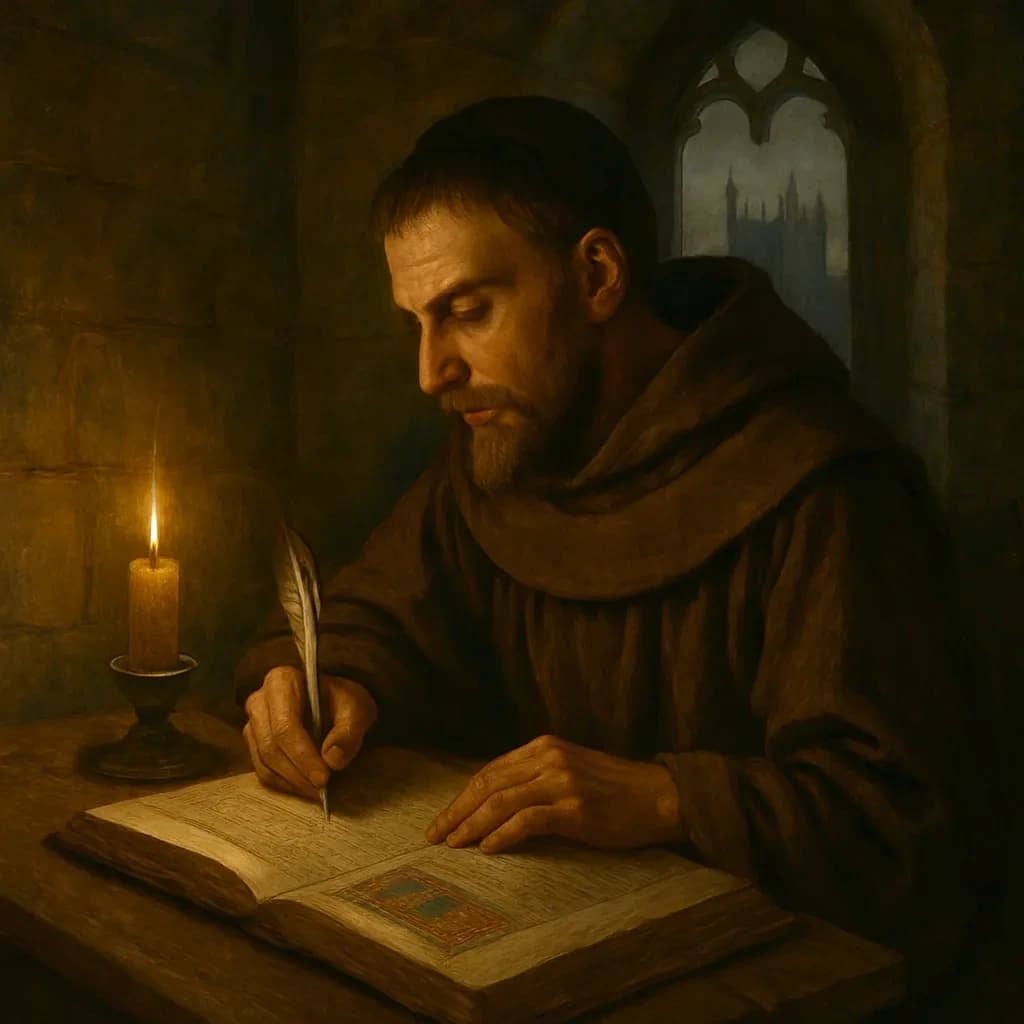
A Window Problem Led a Monk to Calculus
A Yorkshire monk solved an equation in 1150 that wouldn't be officially discovered for another 500 years.
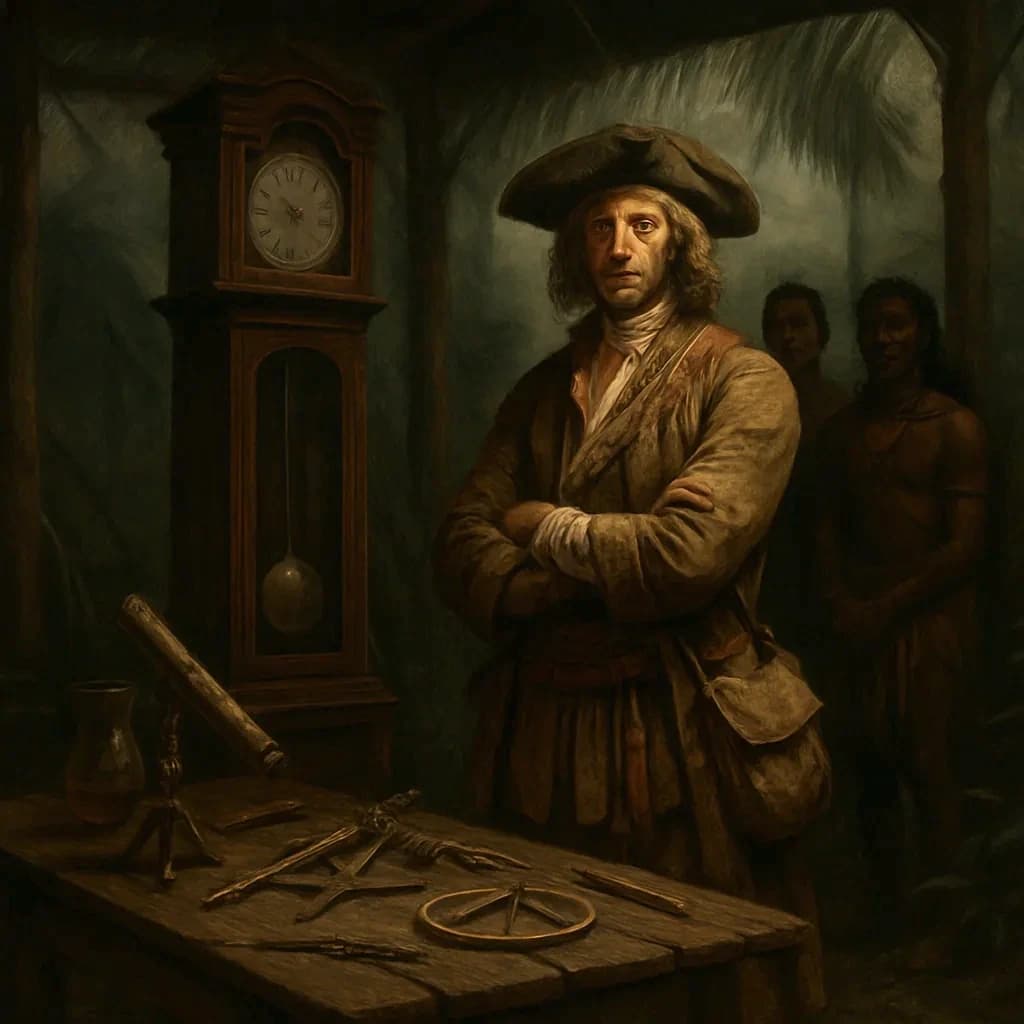
A Slow Clock Proved Earth Bulges at the Equator
A French priest with a telescope proved in 1669 that the Earth was egg-shaped, and nearly got himself excommunicated for it.
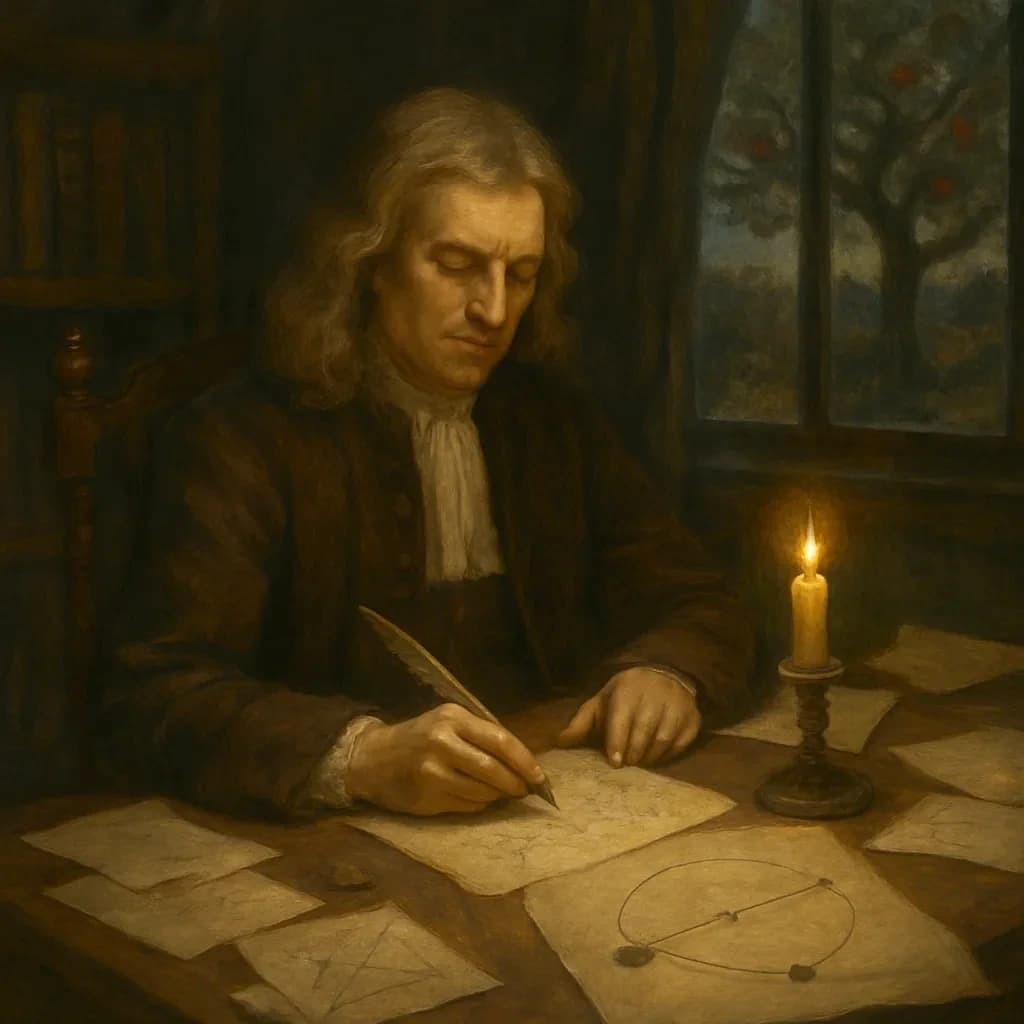
When Gravity Defeated Napoleon
A single scientific discovery in a Cambridge garden changed the trajectory of European warfare forever.
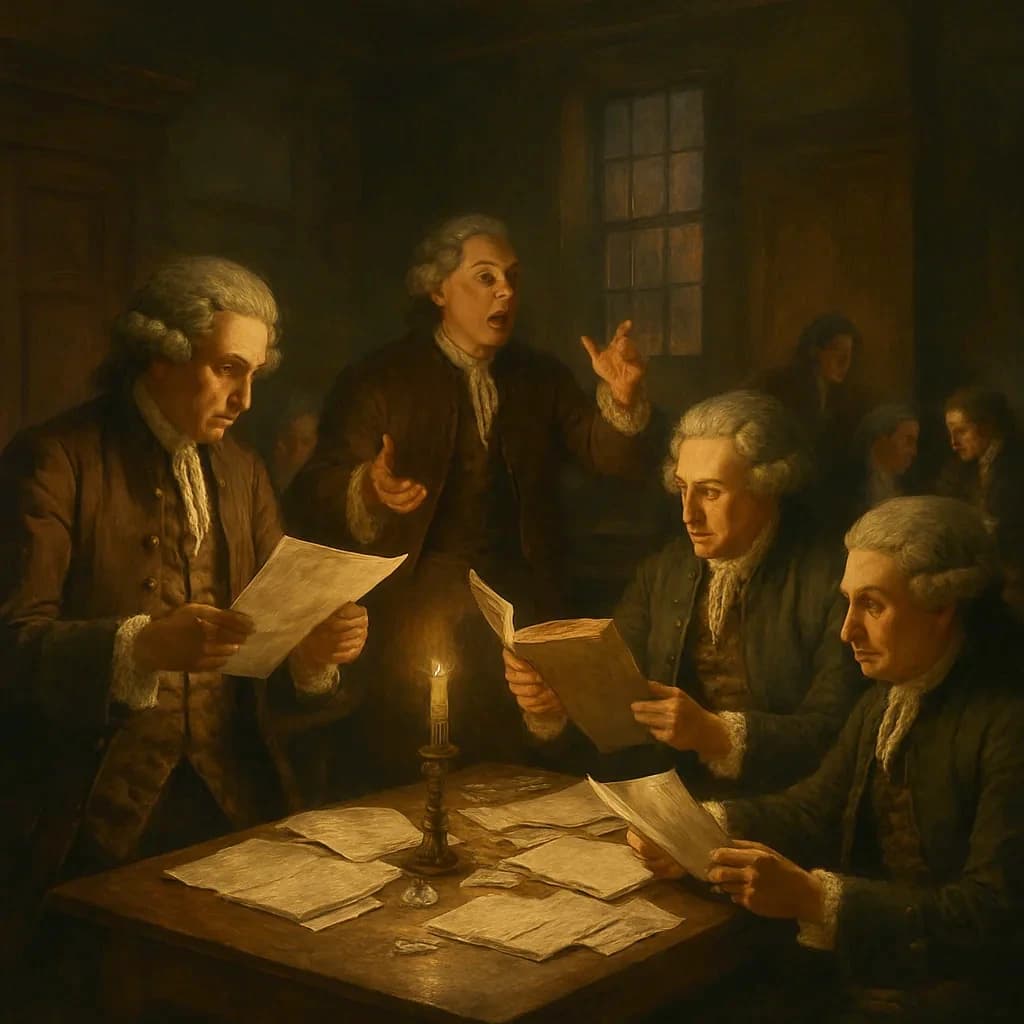
One Bookkeeper's Rumors Erased Half of England's Wealth
A London wine merchant's creative bookkeeping triggered England's most catastrophic financial bubble.
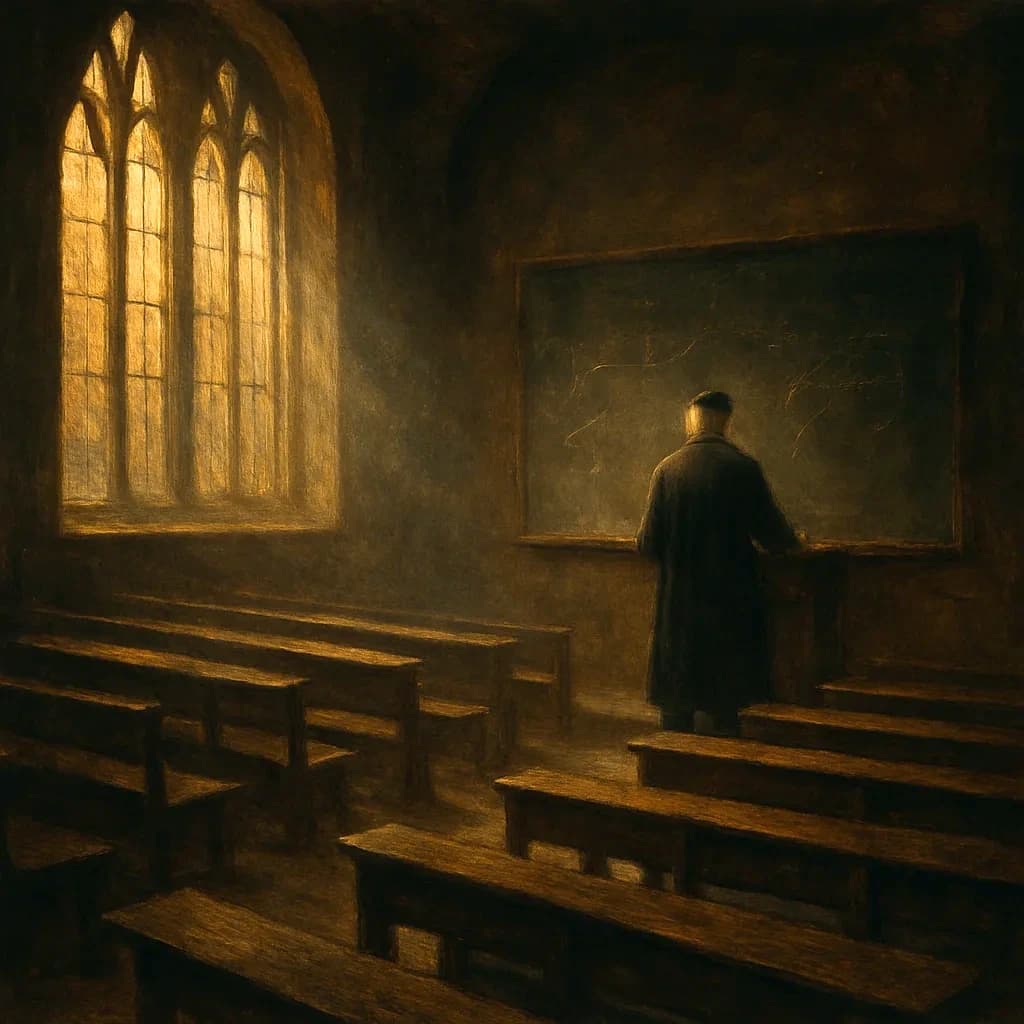
Calculus Was Born in an Empty Cambridge Lecture Hall
A young mathematics professor lecturing to absolutely no students in 1687 was actually delivering some of the most revolutionary ideas in human history.
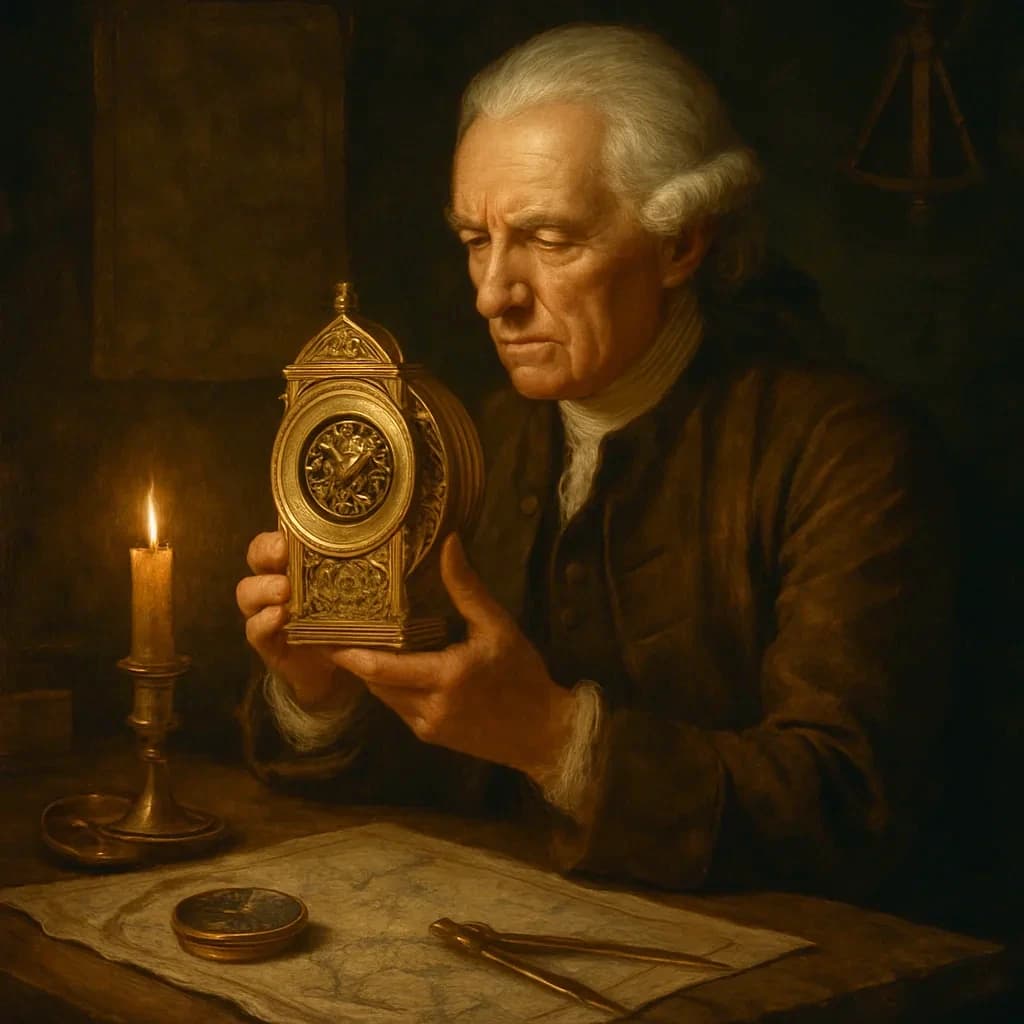
Forty Years for a Clock the Navy Ignored
John Harrison spent forty years building clocks that could save lives at sea, then watched the Royal Navy almost ignore his invention while sailors died for want of knowing where they were.
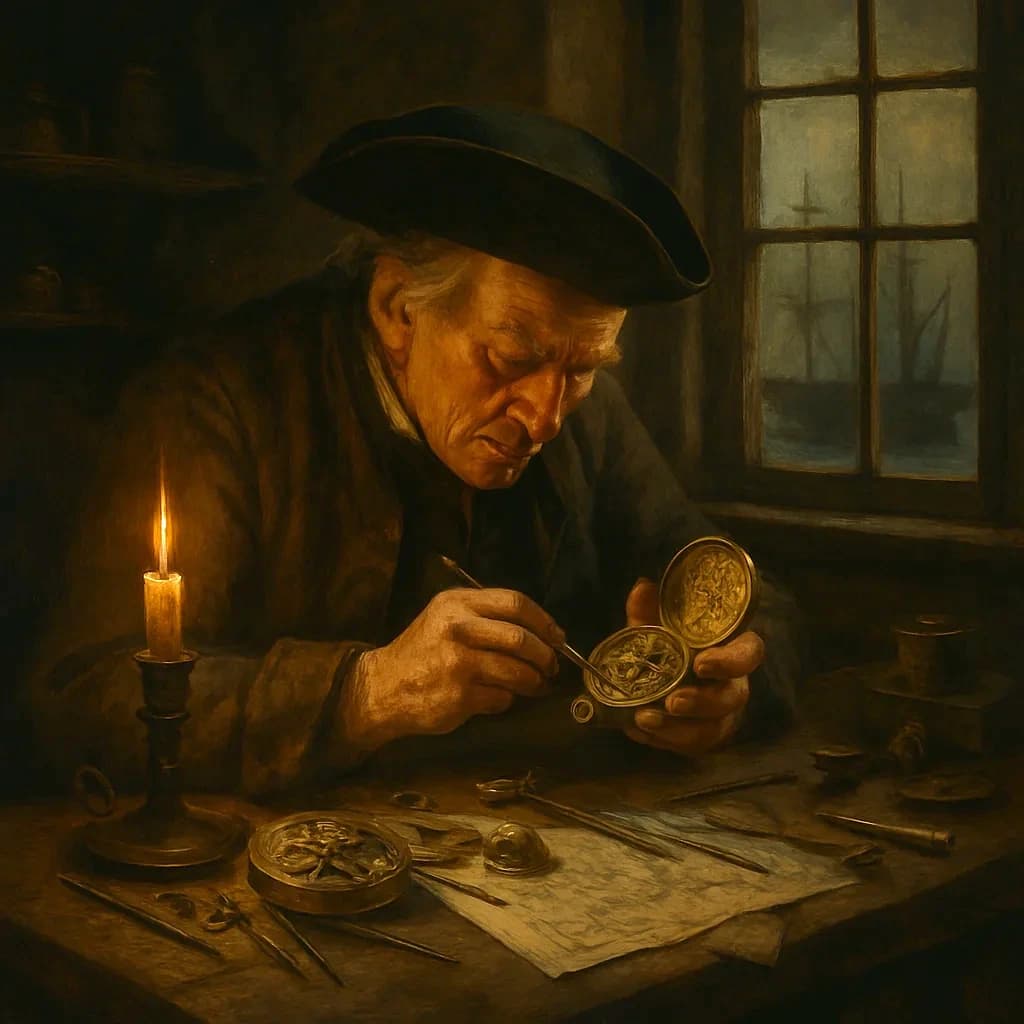
A Clockmaker Had Six Months to Decide Who Ruled the Seas
In 1784, a Swiss clockmaker was given six months to build a timepiece that would decide whether Britain or France controlled the seas.
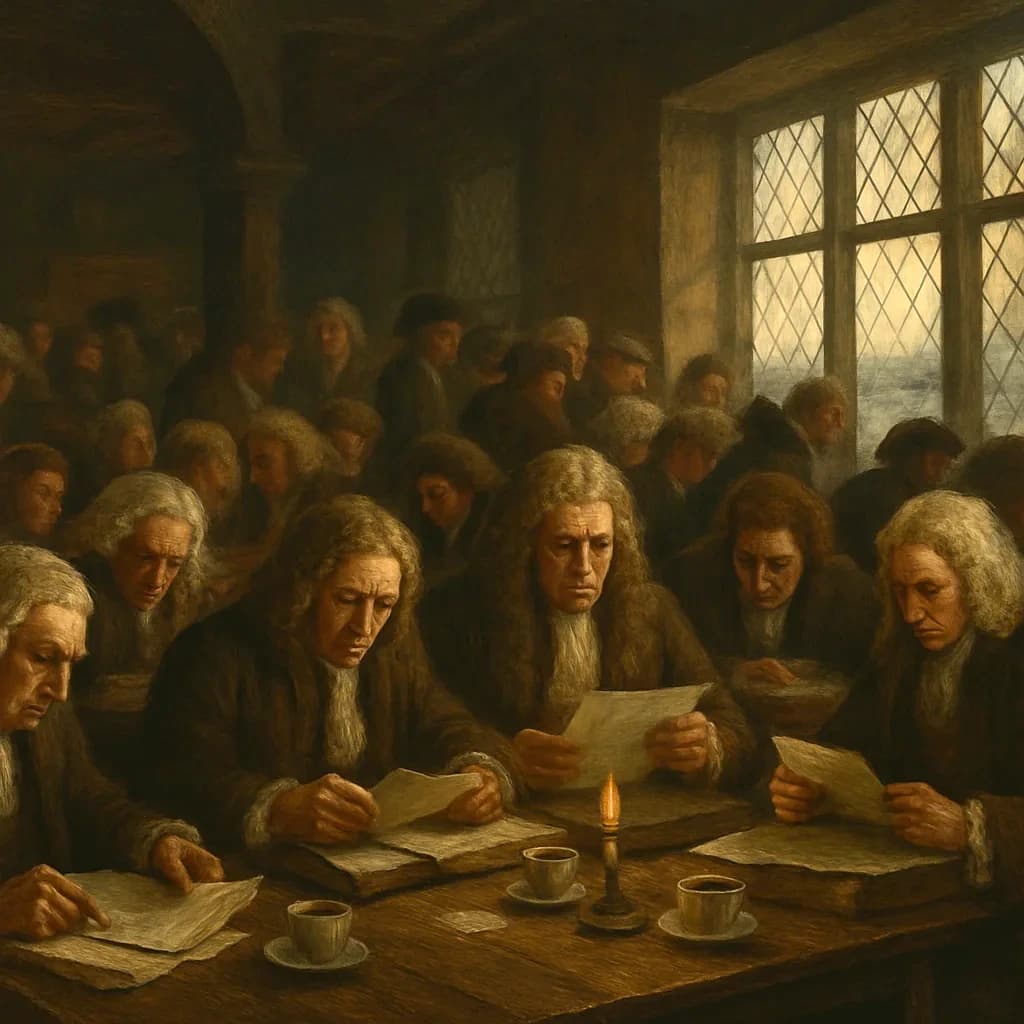
A Coffee Clerk's Typo and Britain's First Crash
A coffee merchant's arithmetic error in London's Lloyd's Coffee House triggered the world's first stock market crash and nearly toppled the British Empire.
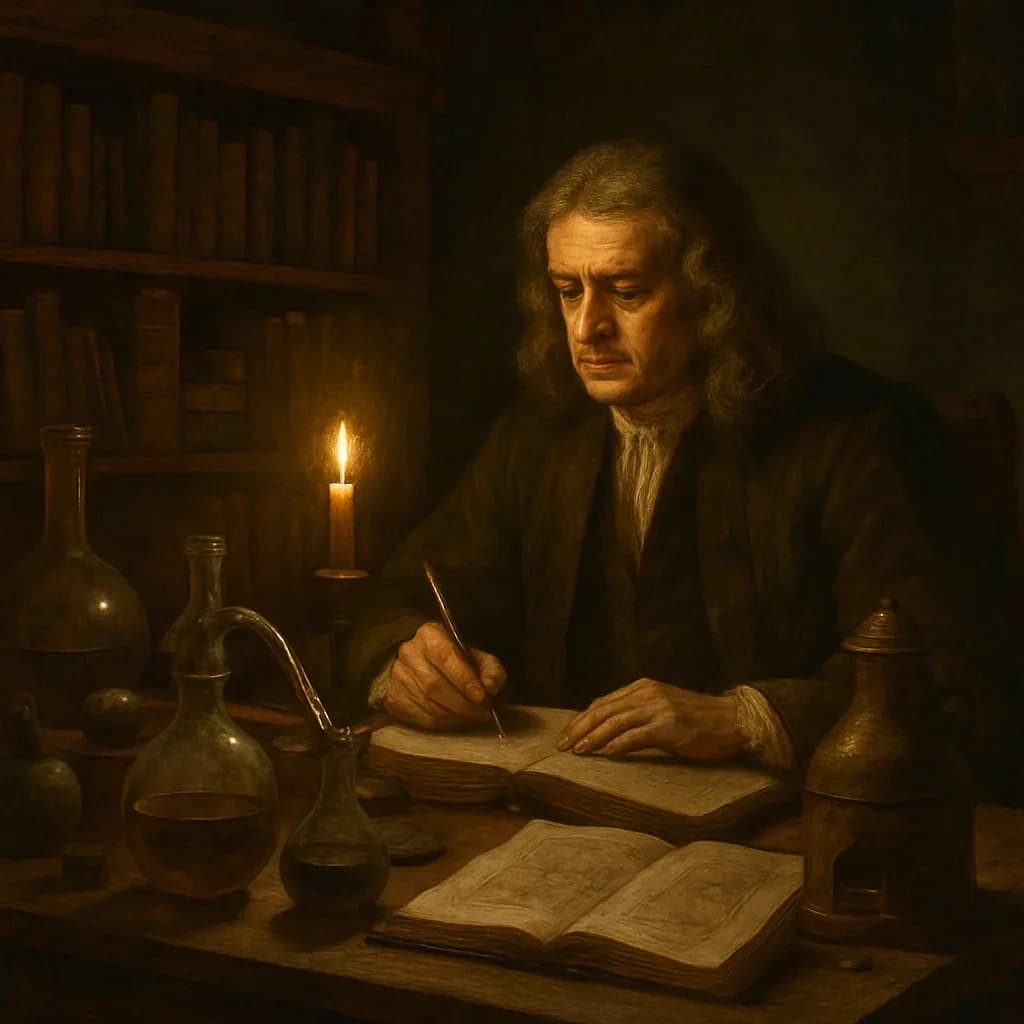
Newton Spent More Time on Prophecy Than Physics
Isaac Newton spent more time trying to decode the Book of Revelation than he did discovering the laws of physics.
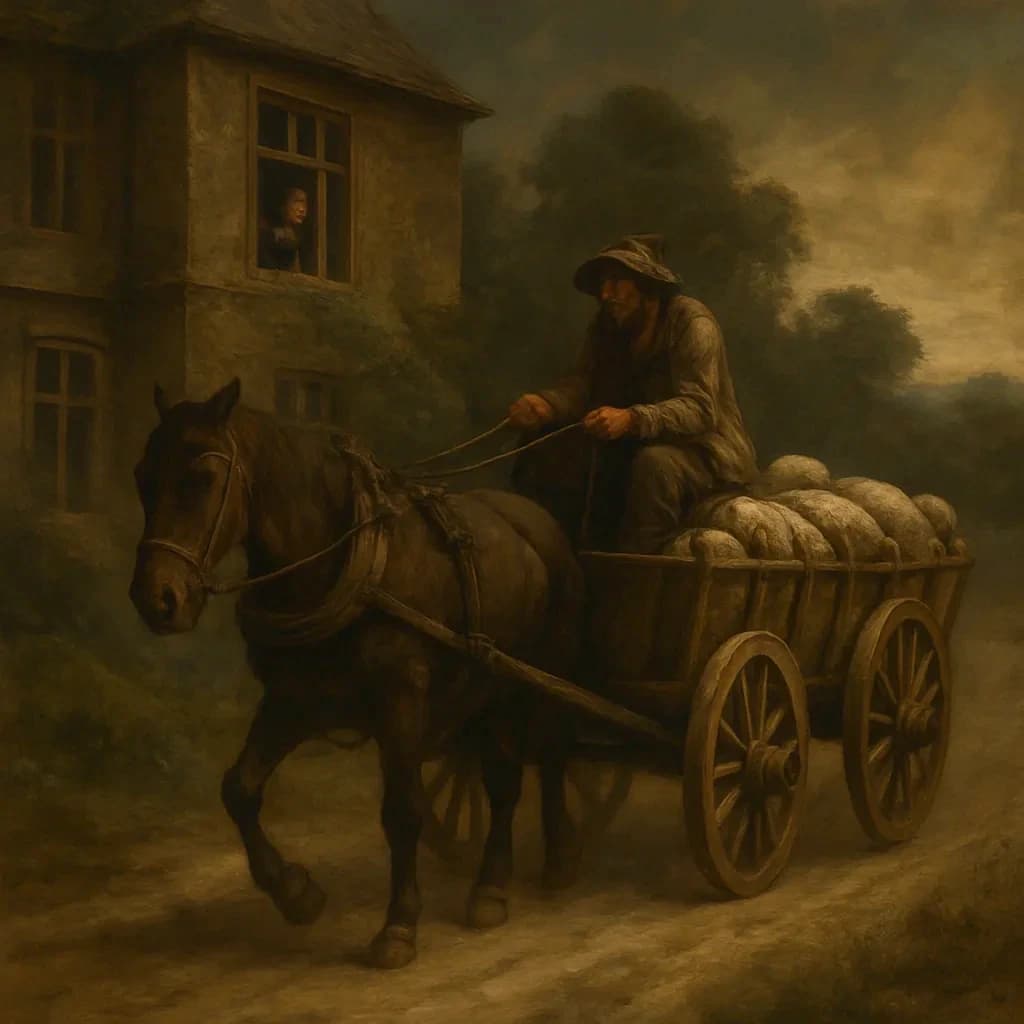
A Drunk Driver's Wrong Turn Saved Newton
A London cart driver's single unauthorized detour in 1665 may have saved Isaac Newton's life, and changed the course of science forever.
- Dobbs, B.J.T. 'The Janus Faces of Genius: The Role of Alchemy in Newton's Thought' (Cambridge University Press, 1991)
- Whiteside, D.T. 'The Mathematical Papers of Isaac Newton' (Cambridge University Press, 1967-1981)
- Westfall, Richard S. 'Never at Rest: A Biography of Isaac Newton' (Cambridge University Press, 1980)