
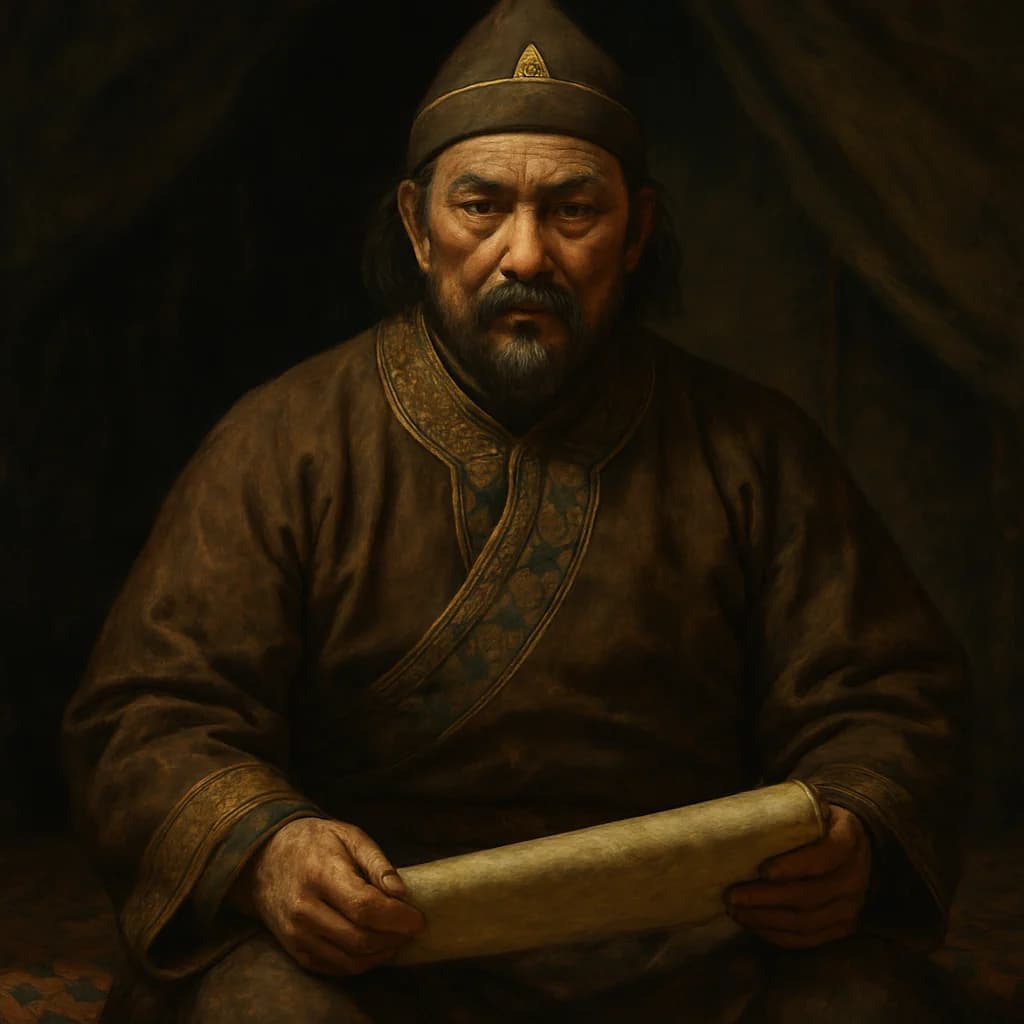
Hulagu Khan
The man who destroyed Baghdad was ordered to stop by his own grandmother, and he obeyed.
When Hulagu Khan's army surrounded Baghdad in January 1258, he carried explicit orders from his brother, the Great Khan Möngke, to spare no one. But hidden in his baggage train was a letter from Sorghaghtani Beki, his deceased grandmother and the most powerful woman in the Mongol Empire. She had been a Nestorian Christian who understood the value of knowledge. Her final command: save the scholars.
This contradiction defined Hulagu's entire campaign in the Middle East. He built the most sophisticated siege engines the world had ever seen, imported Chinese engineers to design them, and methodically starved Baghdad for weeks before the final assault. Yet when the Caliph al-Musta'sim finally surrendered, Hulagu personally interviewed captured scholars and librarians. Those who could prove their worth (mathematicians, physicians, astronomers) were quietly escorted to safety while the rest of the city burned.
The grandson of Genghis Khan who conquered from the Oxus to the Mediterranean was himself conquered by chronic illness. Hulagu suffered from what medieval sources describe as "the falling sickness" (likely epilepsy) that left him dependent on a retinue of Persian and Chinese physicians. The irony wasn't lost on him: the destroyer of the Islamic world's greatest medical centers needed their doctors to survive.
After Baghdad, Hulagu established his capital at Maragheh in northwestern Persia, where he built an observatory that rivaled anything in China. He filled it with the very scholars he had spared from his conquests: Muslims, Christians, Jews working side by side to map the heavens. When he died in 1265, his epitaph might have read: the Mongol who saved learning by destroying the world.
Hulagu Khan was born during a solar eclipse in 1217, which Mongol shamans interpreted as a sign he would either bring darkness to the world or illuminate it. They were right about both.
Why untold: Western histories focus on his destruction of Baghdad while overlooking his role as patron of the scholars he spared, and Islamic sources understandably emphasize the devastation rather than the preservation.
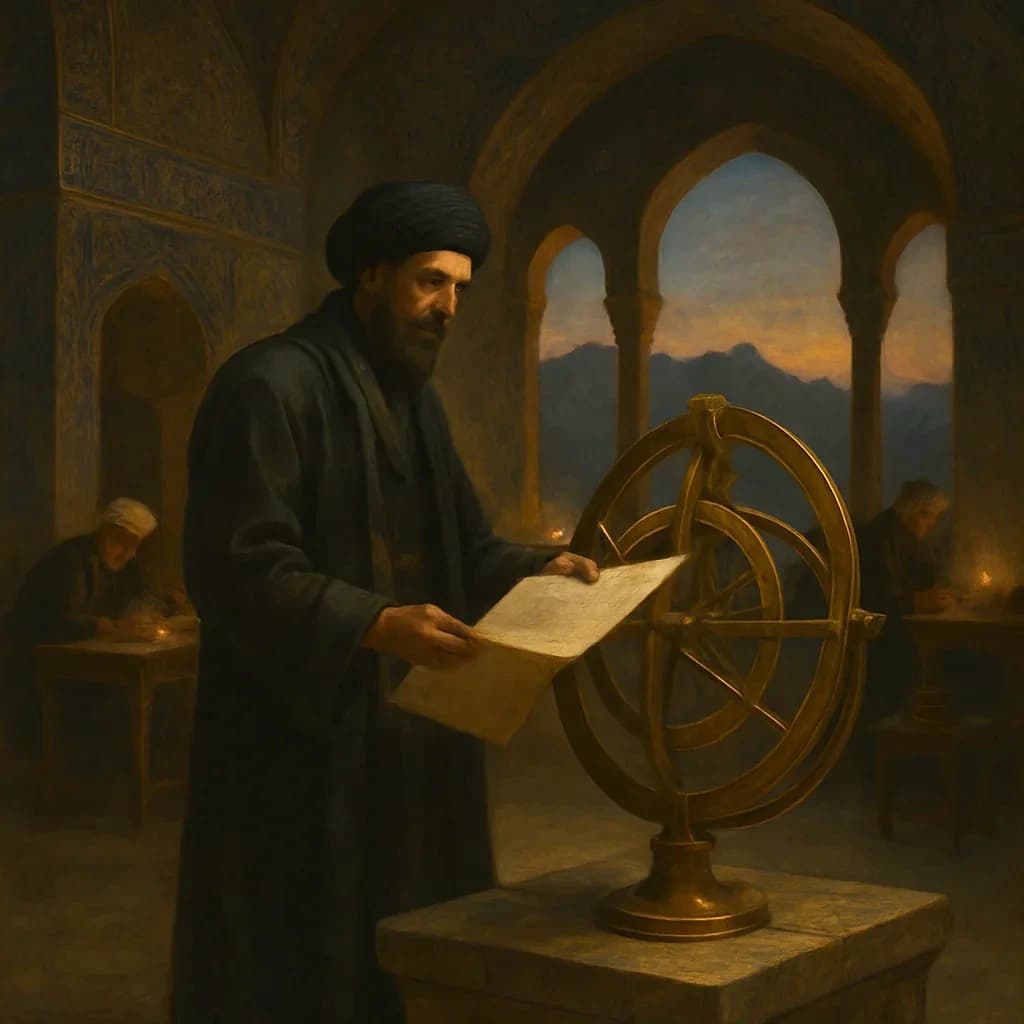
The Scholar Who Saved Baghdad From the Winning Side
The Mongols threw so many books into the Tigris in 1258 that the river reportedly ran black with ink, but the scholar who saved the most wasn't hiding in a library. He was standing in the conqueror's tent.
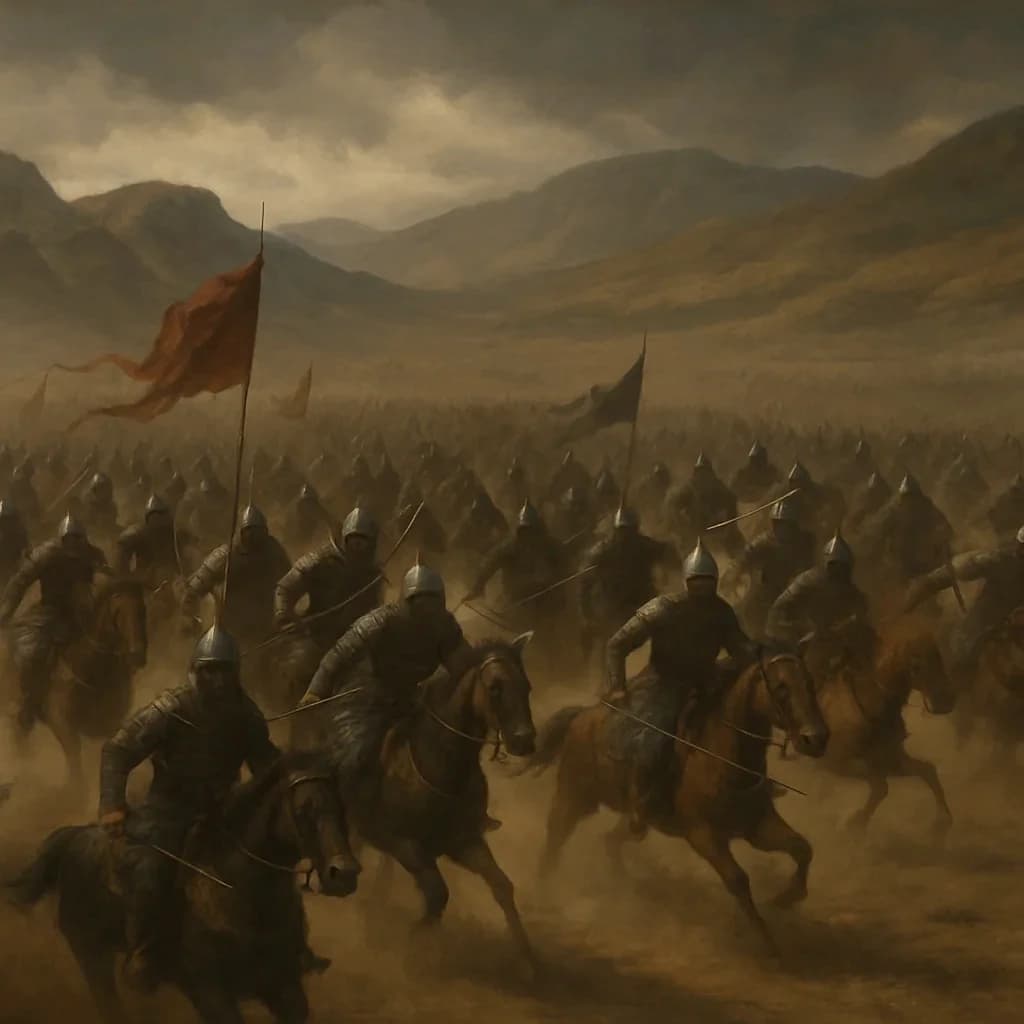
Why the Mongols Never Conquered Egypt
Nothing in the known world could stop the Mongol war machine as it stood at the edge of Egypt, and then a messenger arrived from home.
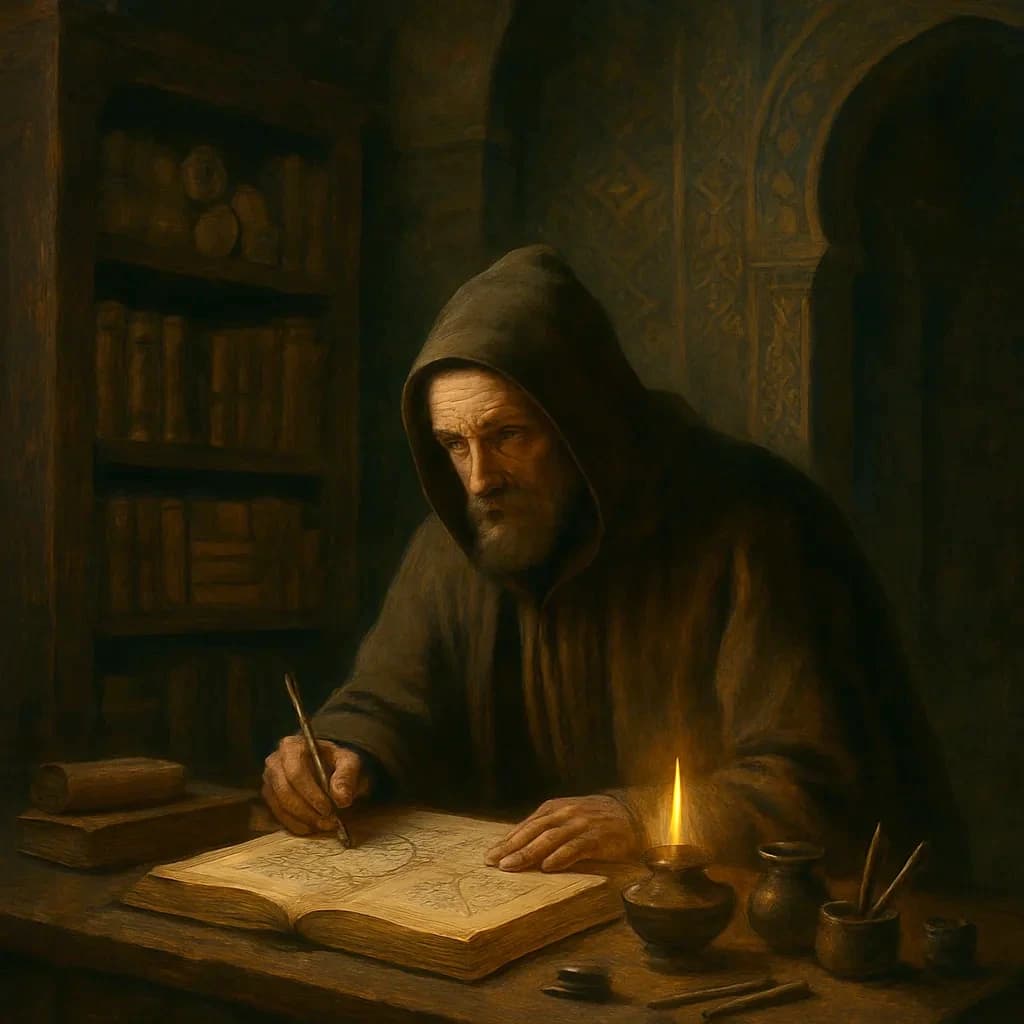
How One Monk's Guesses Saved Geometry
A single monk copying a Greek text in a Baghdad scriptorium in 1204 unknowingly saved mathematics from extinction.
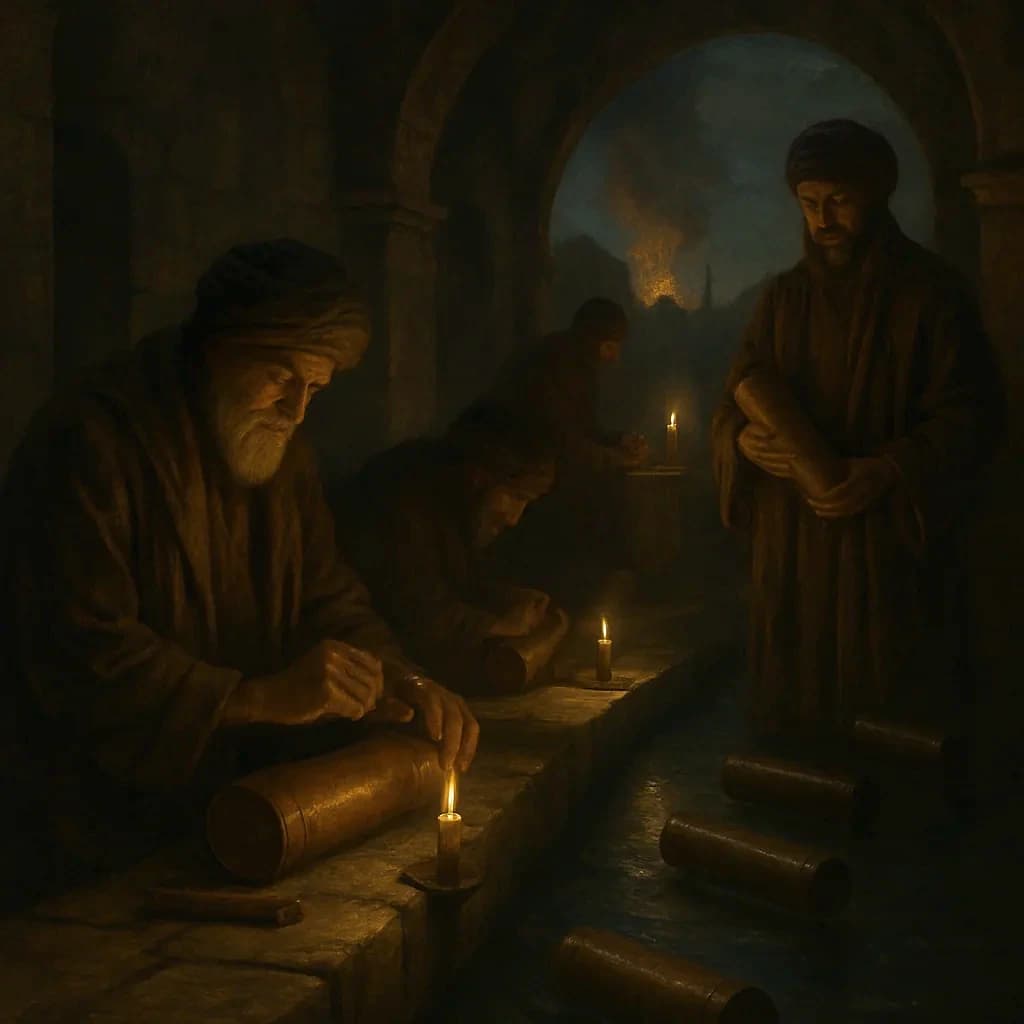
Sealed in Copper, Baghdad's Books Floated to Safety
When the siege engines came for Baghdad, the world's greatest collection of books found an impossible way to escape.
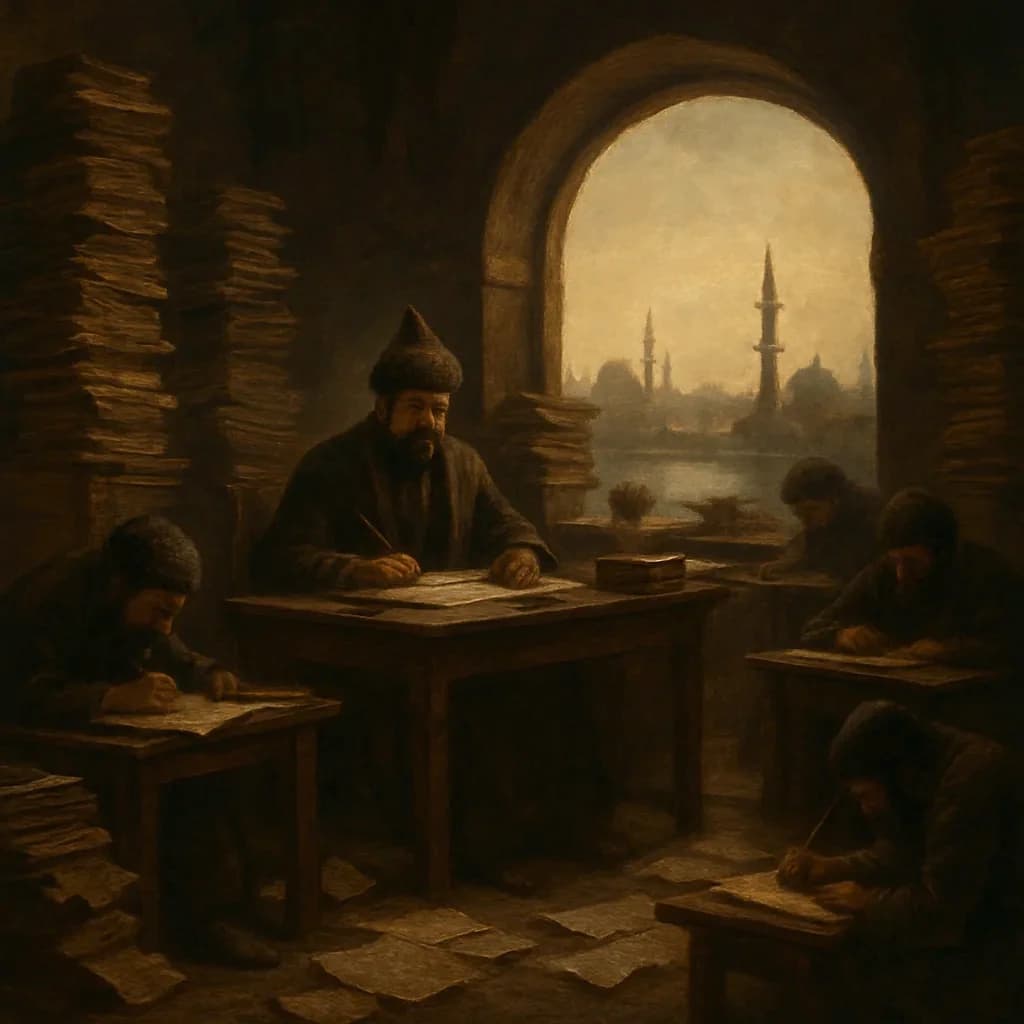
When Paper Ate Baghdad
The world's greatest library was destroyed not by fire or sword, but by a bureaucrat with a ledger.
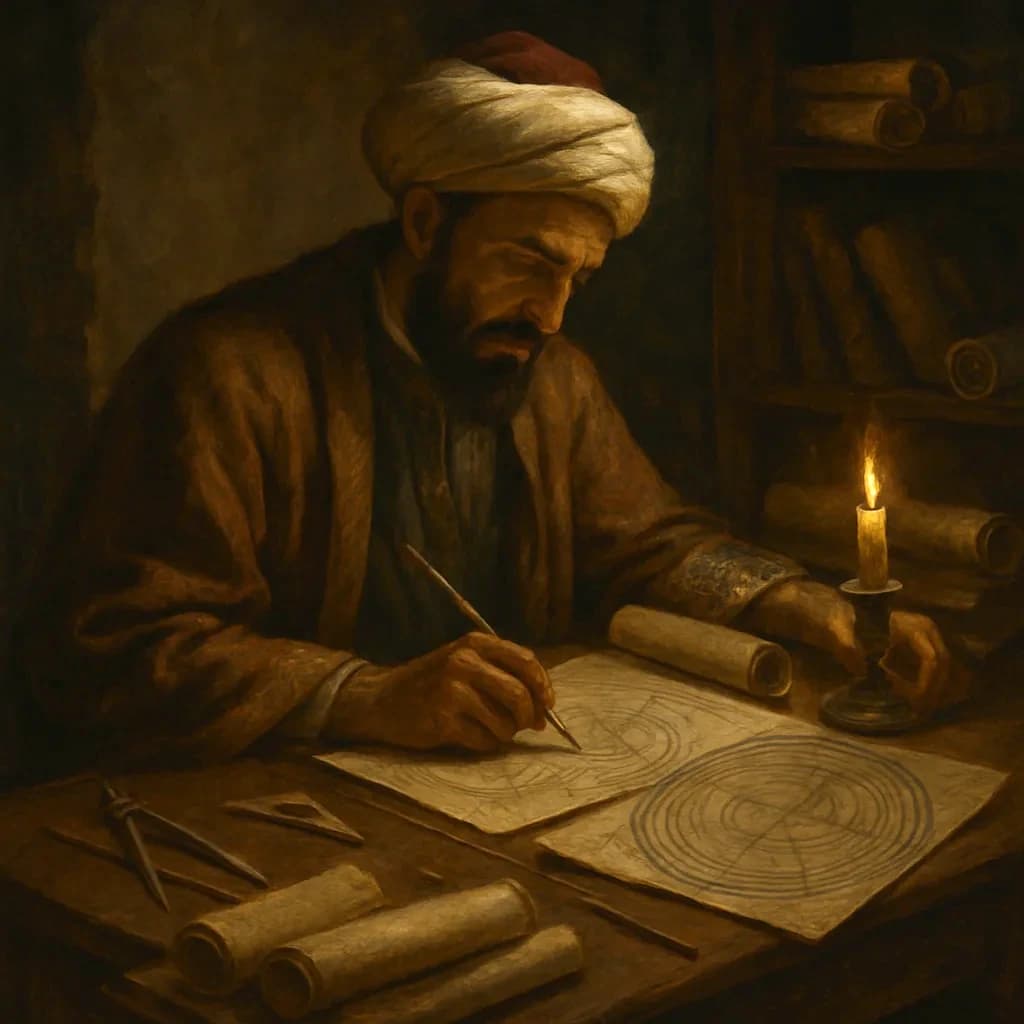
Too Complex to Burn: The Book That Outlived Every Purge
A medieval Islamic scholar's mathematical treatise survived every book burning for eight centuries, because nobody could understand what it was worth destroying.
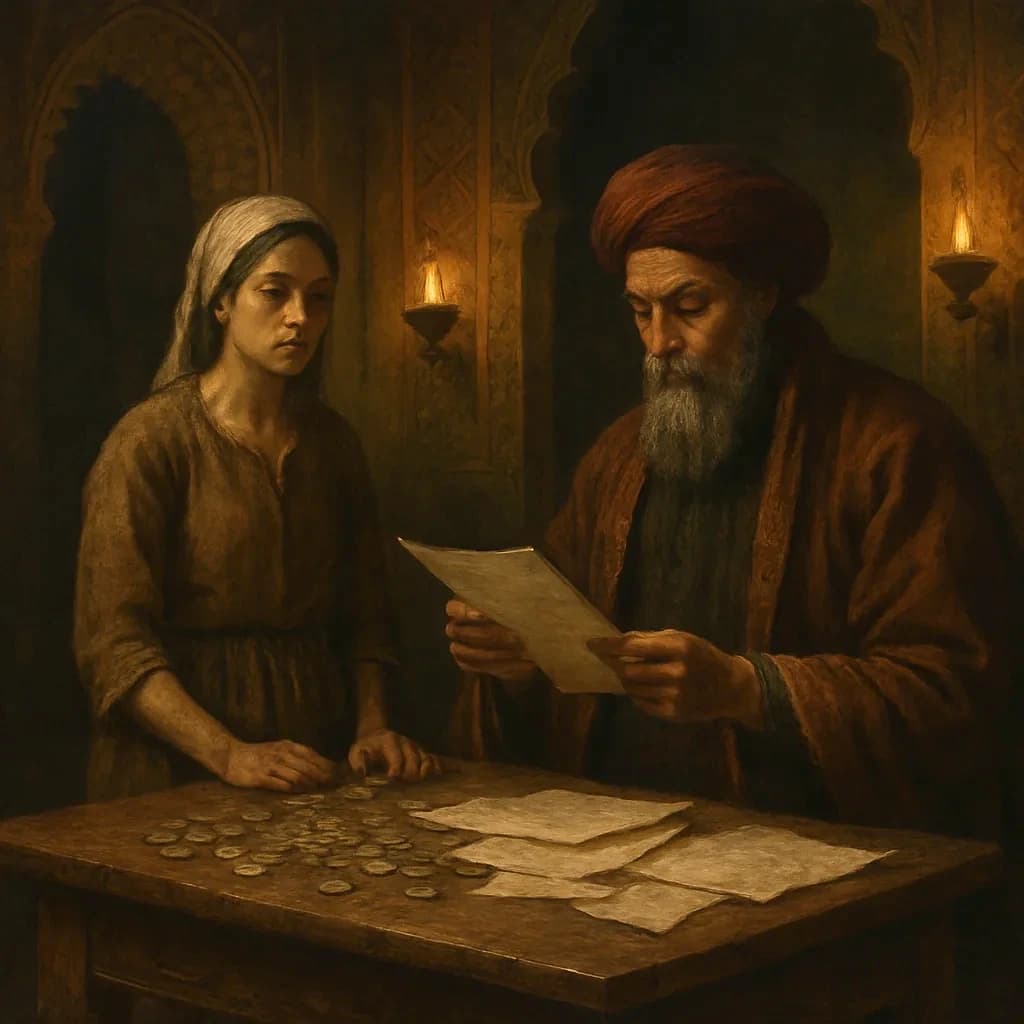
A Baghdad Kitchen Maid Invented Modern Banking
A kitchen maid in 13th-century Baghdad made a discovery that would eventually cost the world's largest empire more gold than all their conquests had earned.
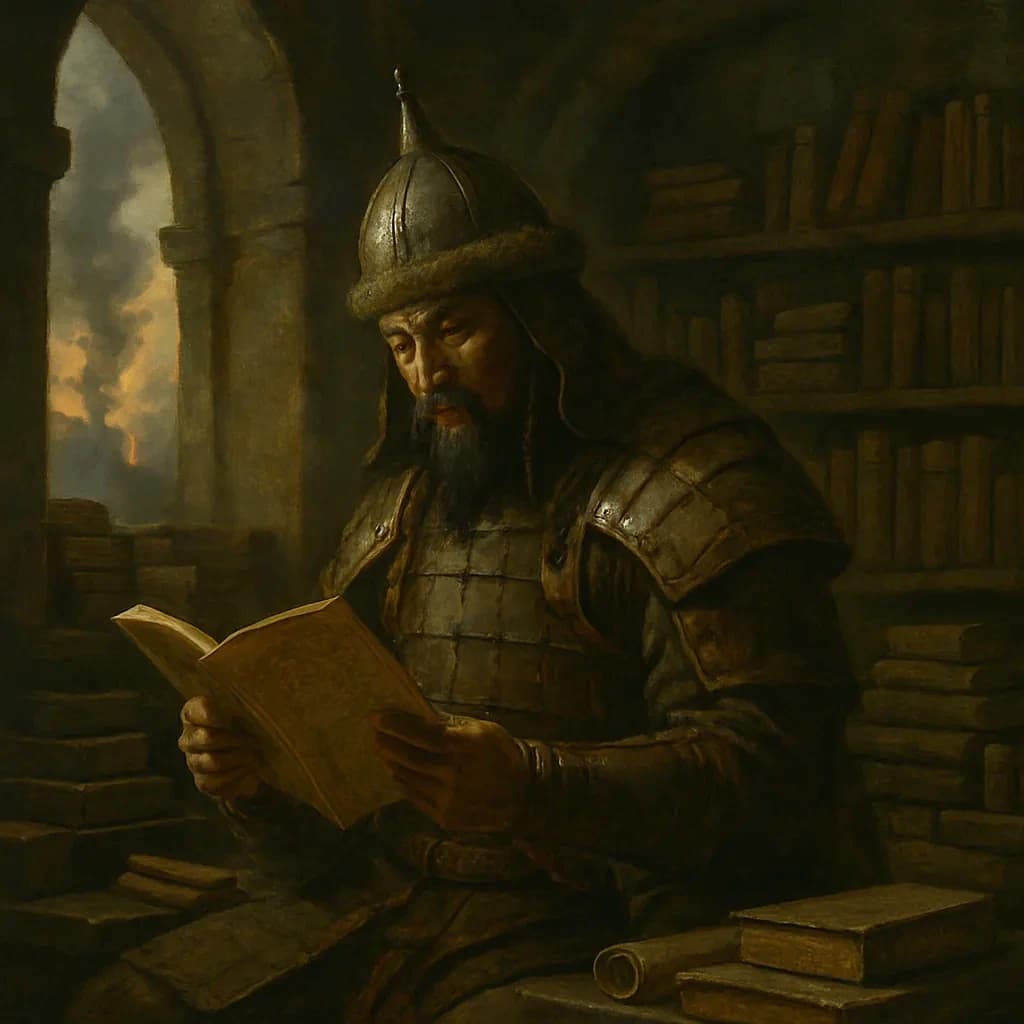
When Baghdad's Library Burned, the Mongol General Read One Book
Baghdad's greatest library burned in 1258, and the Mongols said the Tigris ran black with ink for weeks, but they never mentioned who really started the fire.
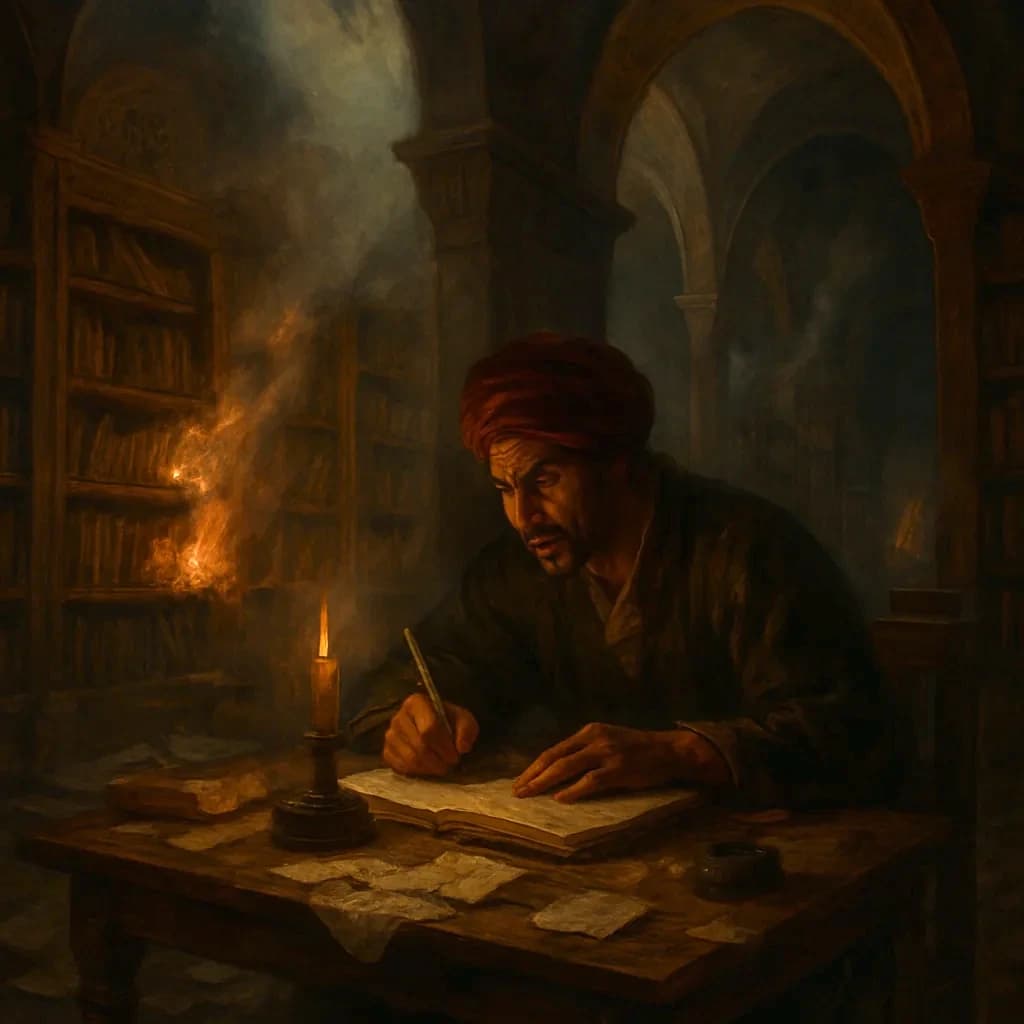
When Baghdad Learned to Forget
A Mongol siege meant to destroy one city accidentally invented the science of forgetting.
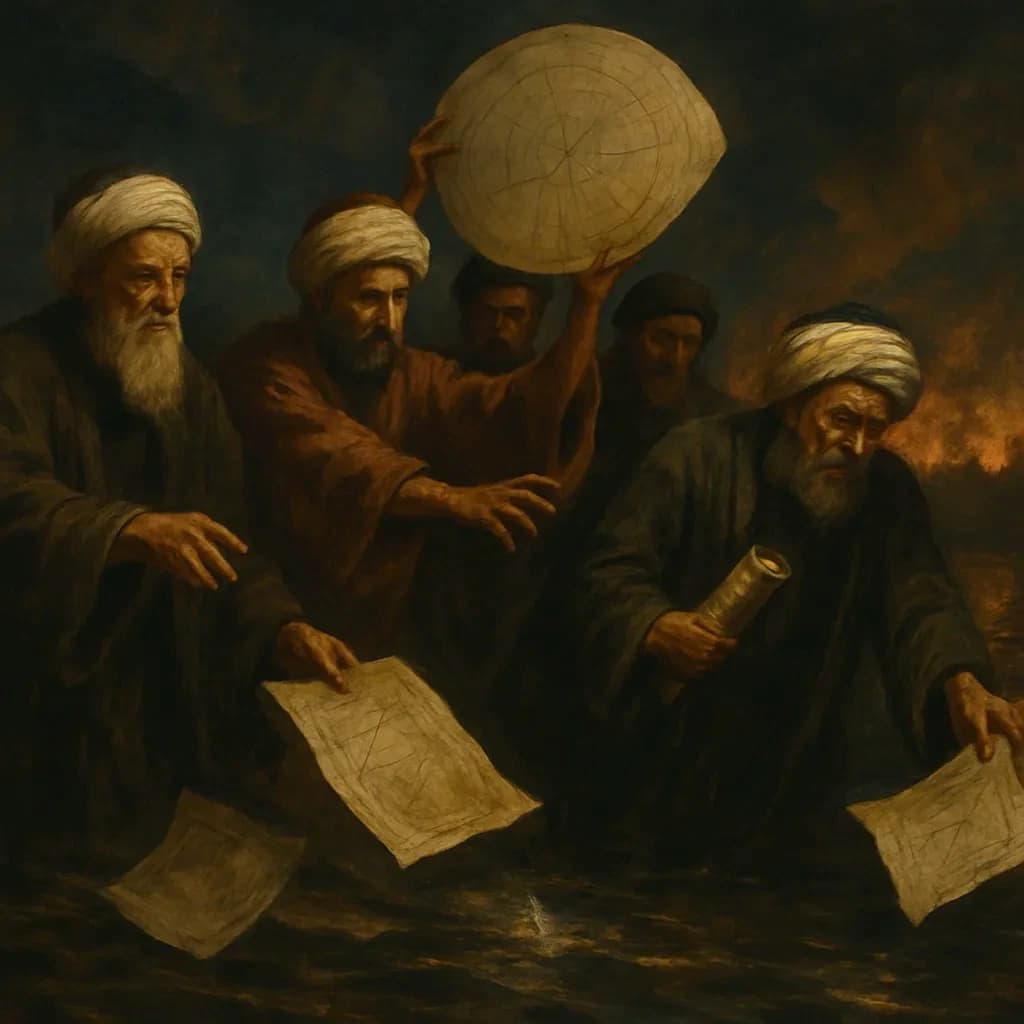
Baghdad's Scholars Drowned Their Own Library
The library that had invented algebra and calculated the Earth's circumference was reduced to ashes in a single week, but not for the reason everyone thinks.
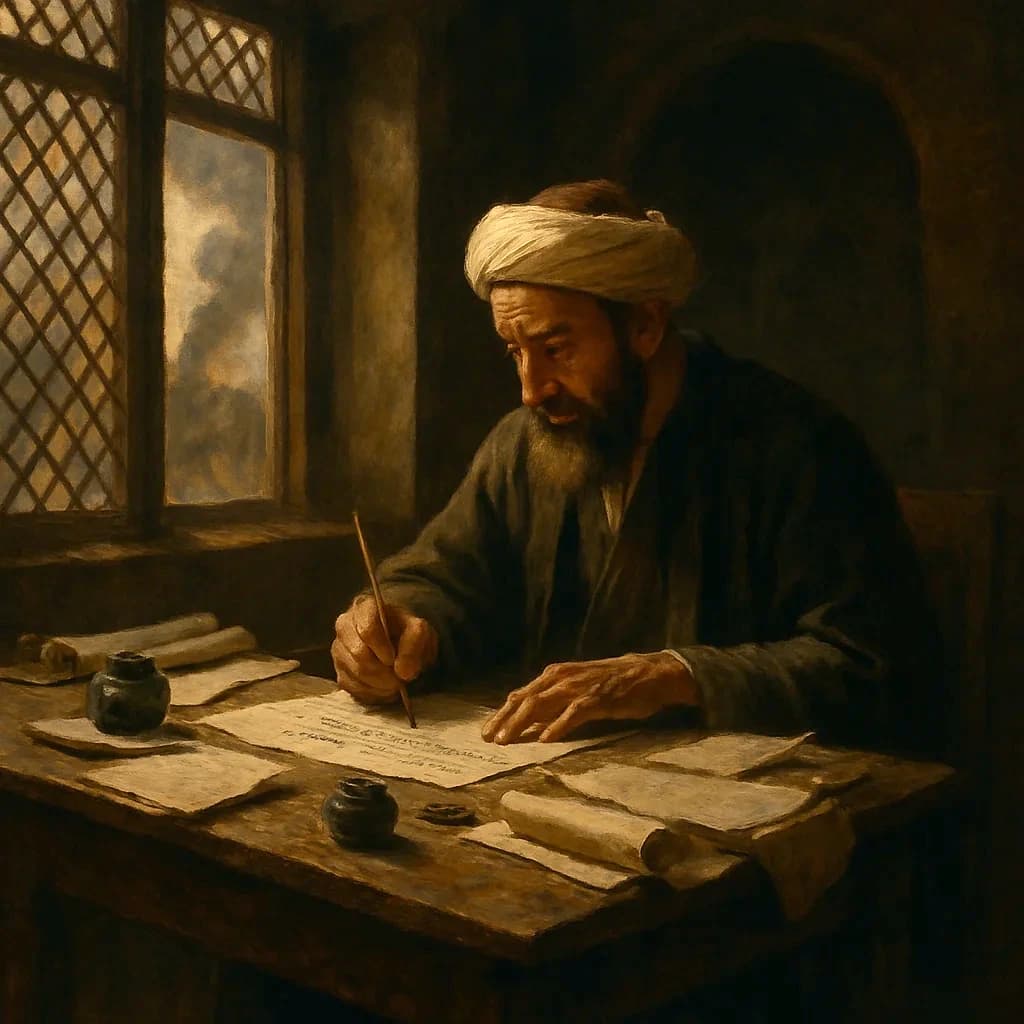
A Scribe Wrote in the Wrong Direction and Changed an Empire
A single scribe's trembling hand changed the course of an empire, by writing the wrong direction.
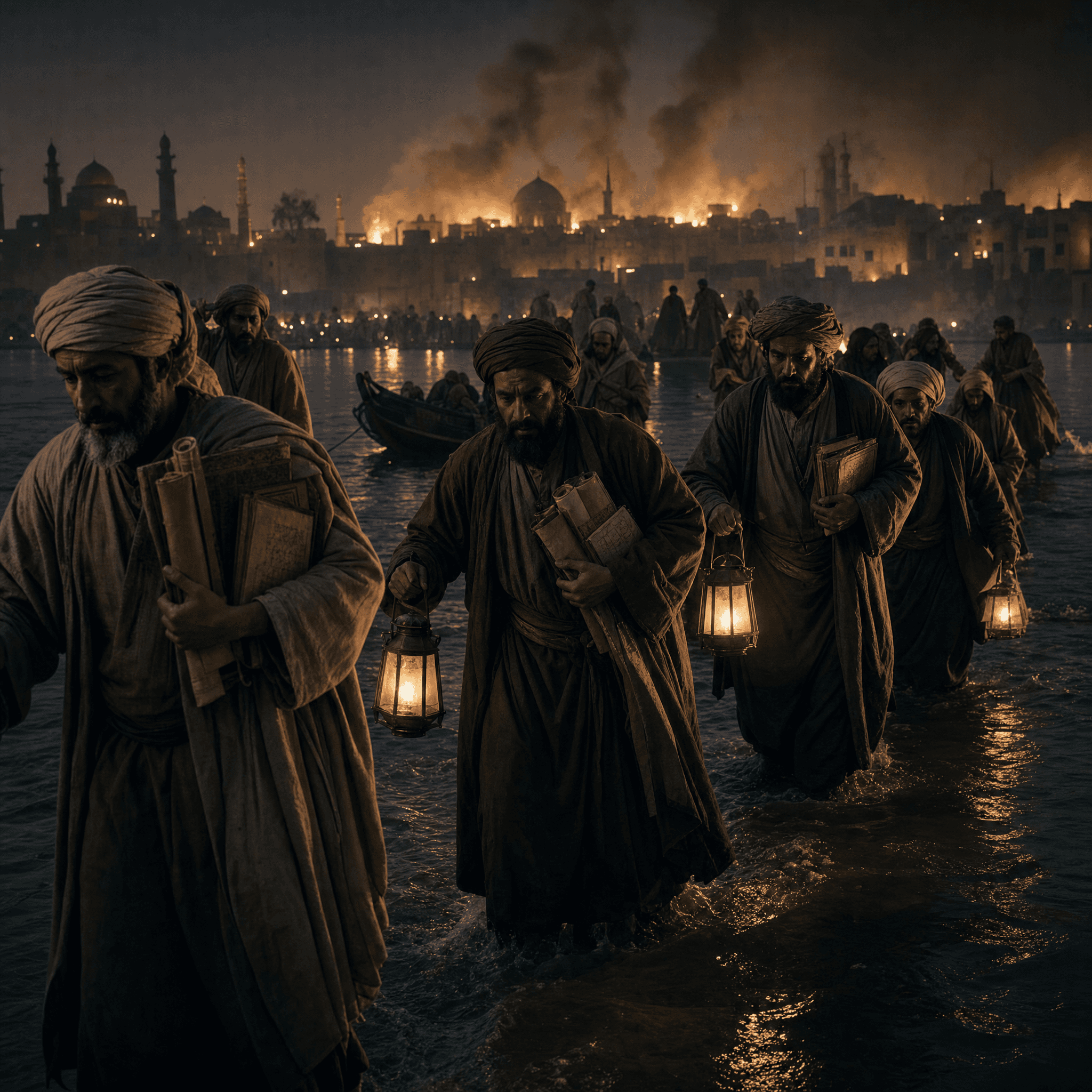
When Baghdad's Librarians Became Refugees
In 1258, the world's greatest scholars fled across the Tigris carrying scrolls instead of gold, racing to save ten centuries of human knowledge from the approaching Mongol army.
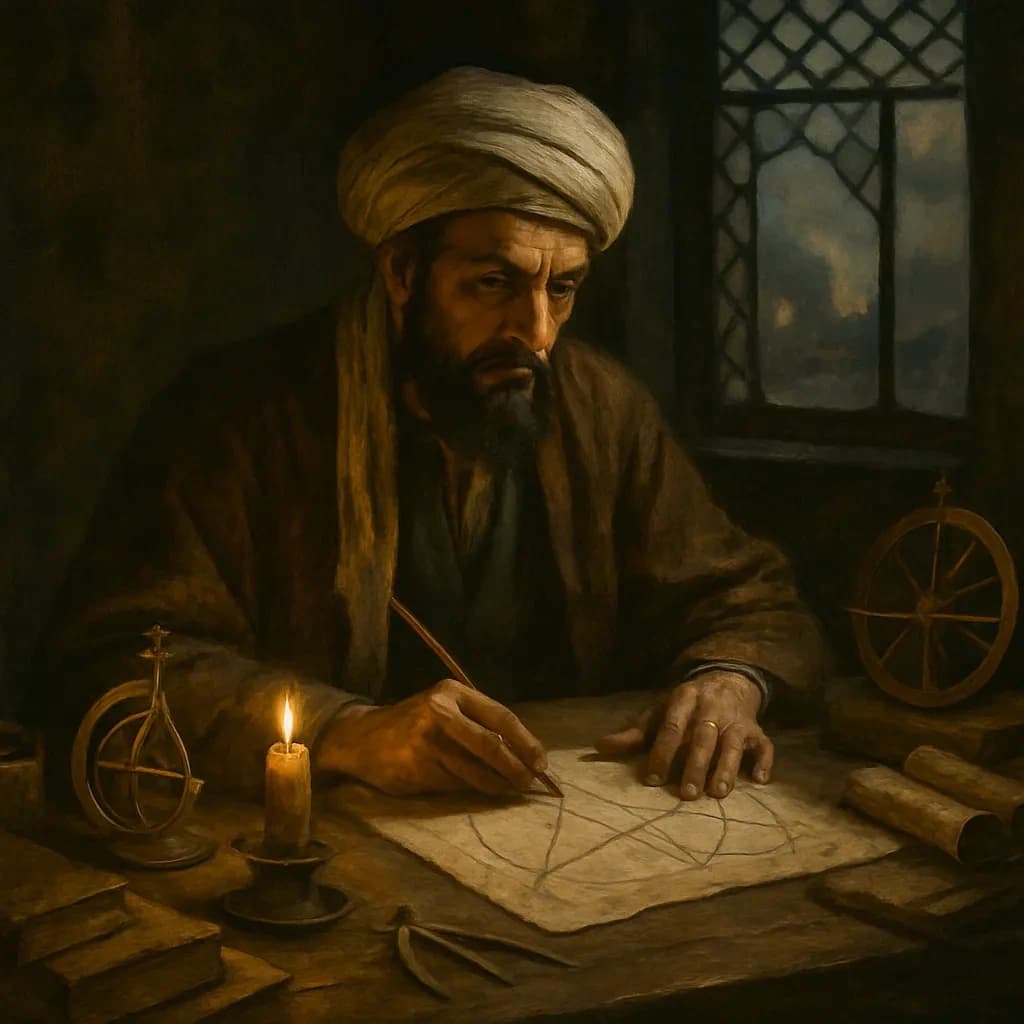
Al-Tusi Buried His Math Before the Mongols Arrived
While Baghdad burned, one scholar wrote formulas that would reshape mathematics forever, if anyone could find his scattered notes.
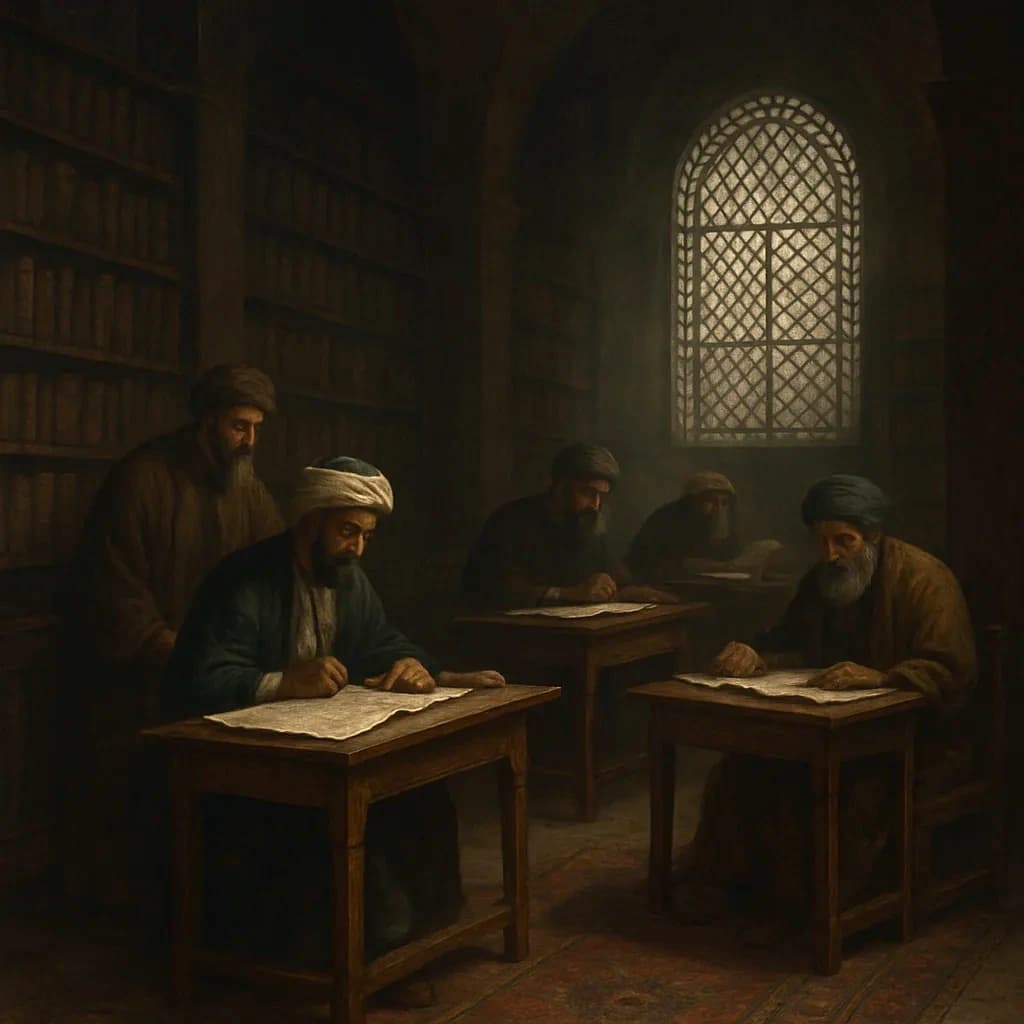
When Baghdad Was the Smartest City on Earth
While Europe struggled through the Dark Ages, one Mesopotamian city ran the world's first hospitals, universities, and paper mills, then vanished from history.
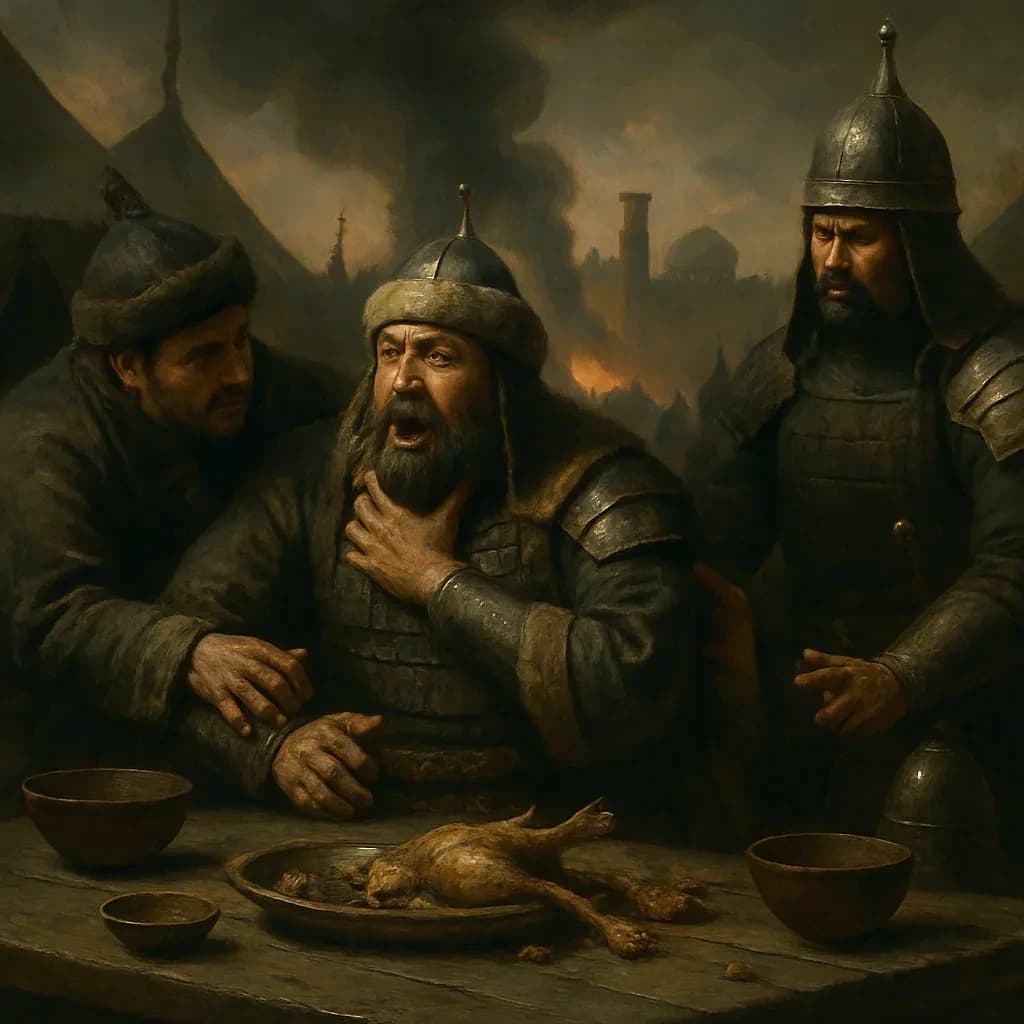
A Chicken Bone Saved One Corner of Baghdad
The most powerful city in the Islamic world fell to the Mongols in 1258, except for one small neighborhood that survived because someone choked at dinner.
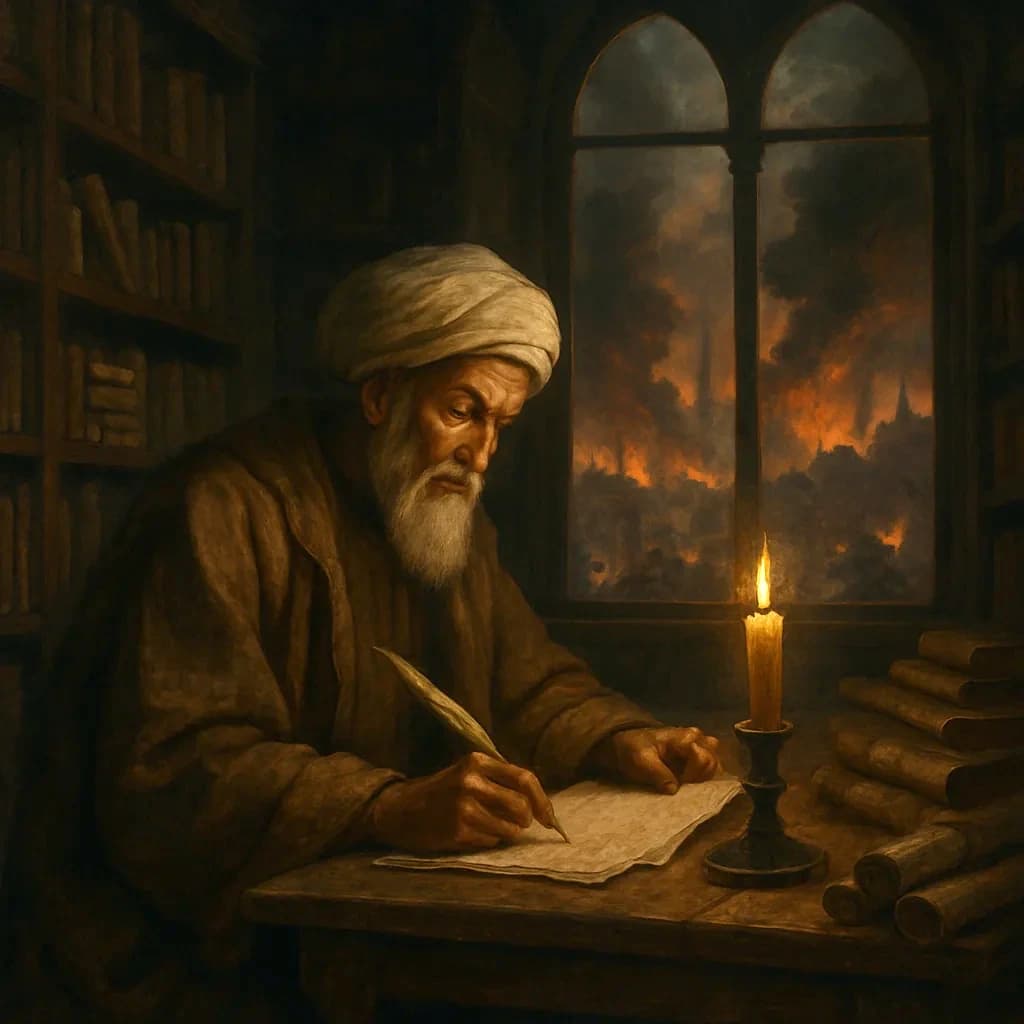
One Man Refused to Abandon Baghdad's Books as the City Burned
While Baghdad burned around him, one man refused to abandon ten centuries of human knowledge.
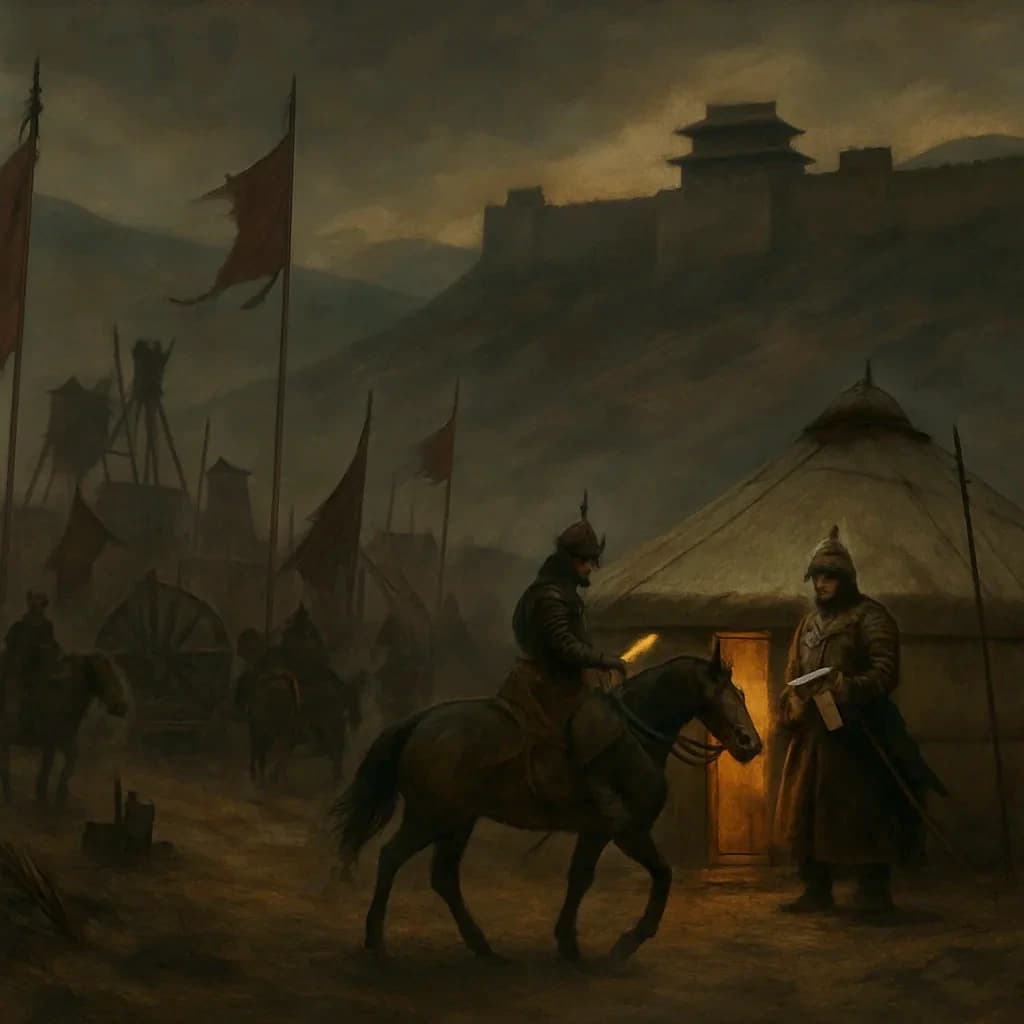
The Khan Who Died Four Times, Only Once for Real
Möngke Khan died four times in the historical record, and each death changed the course of world history.
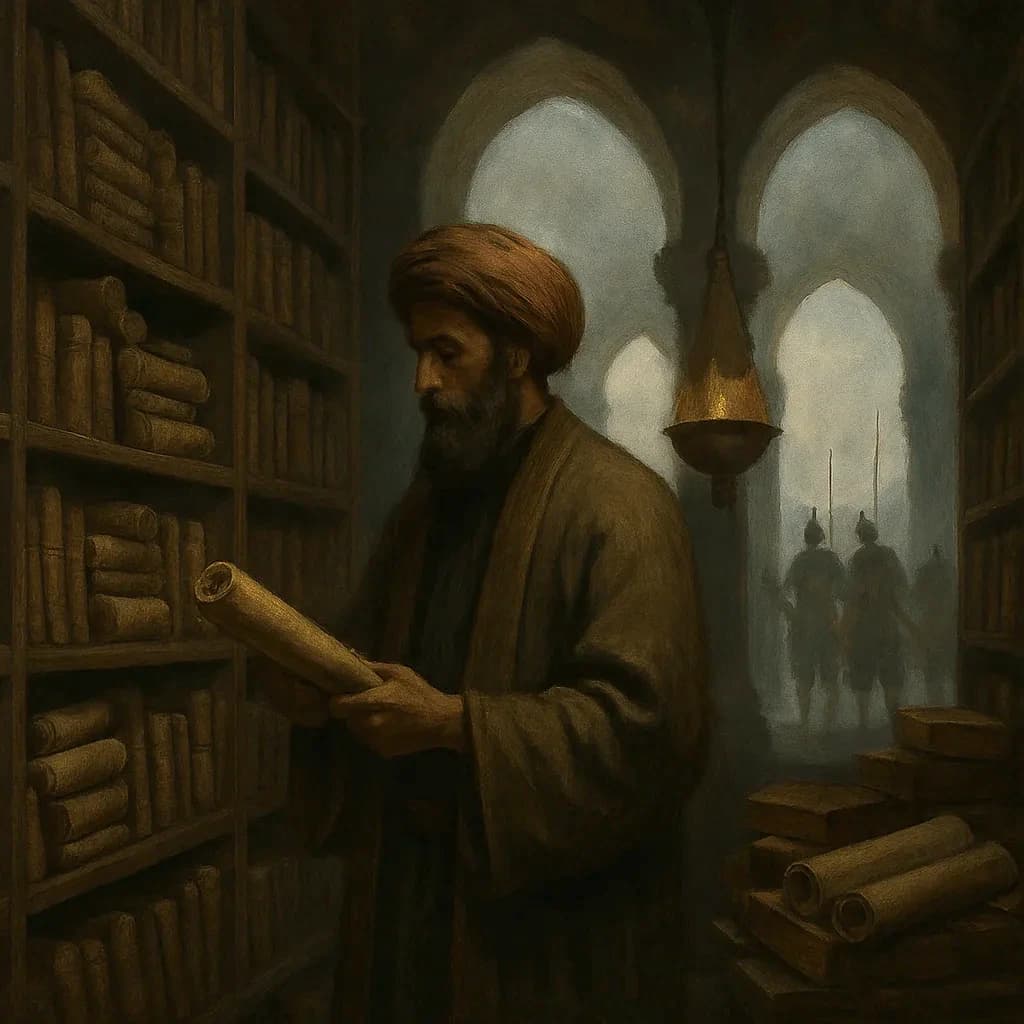
An Offer Too Good to Refuse Saved the World's Greatest Library
In 1258, the world's greatest collection of human knowledge was about to be destroyed, until someone made an offer too good to refuse.
- Jackson, Peter. The Mongols and the West, 1221-1410. Pearson Longman, 2005.
- Allsen, Thomas T. Culture and Conquest in Mongol Eurasia. Cambridge University Press, 2001.
- Morgan, David. The Mongols. Blackwell Publishing, 2007.