
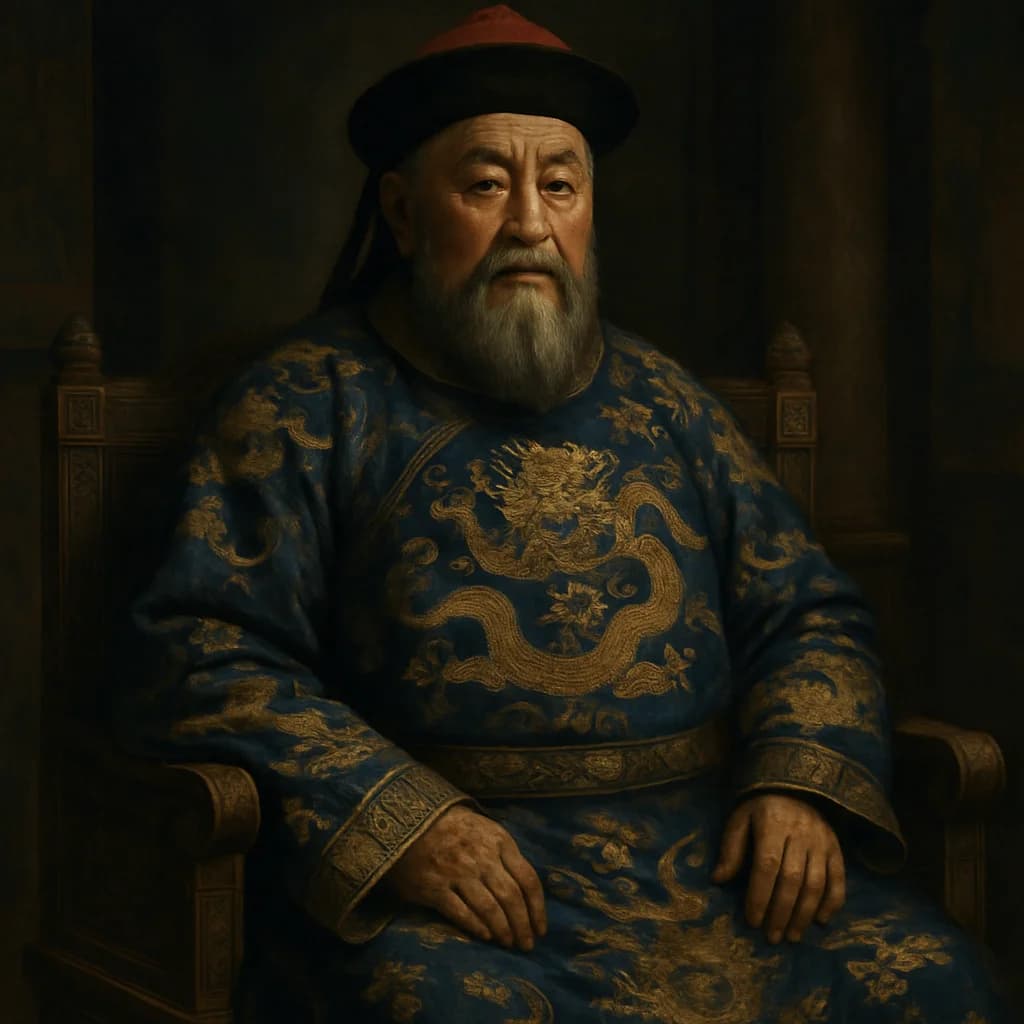
Kublai Khan
The Mongol emperor who conquered China spent most of his reign losing wars against typhoons.
Kublai Khan inherited the largest contiguous empire in human history, then promptly began shrinking it. While his grandfather Genghis had conquered through movement, Kublai chose to plant roots in Beijing and govern like a Chinese emperor. The Mongol nobles called it betrayal. His own brother Ariq Böke called it war.
The civil war that followed split the Mongol Empire permanently. Kublai won, but at the cost of losing Mongolia itself. His cousins ruled the western khanates as independent kingdoms, leaving him master of China and Korea (still vast, but a fraction of what Möngke had left him). So he did what frustrated emperors do: he looked for new conquests.
Japan seemed perfect. Close enough to supply, wealthy enough to matter, and isolated enough that no other Mongol khan could claim it first. But Kublai had forgotten the fundamental truth of Mongol warfare: it worked on land. His 1274 invasion fleet, packed with 30,000 troops, met a typhoon in the Tsushima Strait and limped home in tatters. Most emperors would have learned. Kublai sent 150,000 men in 1281.
The second typhoon destroyed the largest invasion fleet assembled until D-Day. Kublai's admirals reported back with tales of ships scattered like leaves, armies drowned in sight of shore. The Japanese called these storms kamikaze, divine wind. Kublai called them expensive lessons in meteorology. He spent his final years planning a third invasion that never came, watching his Chinese subjects prosper while his Mongol heritage slowly dissolved into silk robes and Confucian ceremony. The conqueror who couldn't conquer water died dreaming of islands he would never reach.
Kublai Khan's failed invasions of Japan consumed roughly 10% of China's annual revenue and required cutting down entire forests to build ships that typhoons destroyed in days.
Why untold: His military failures are overshadowed by Marco Polo's exotic descriptions and his successful conquest of Southern Song China.
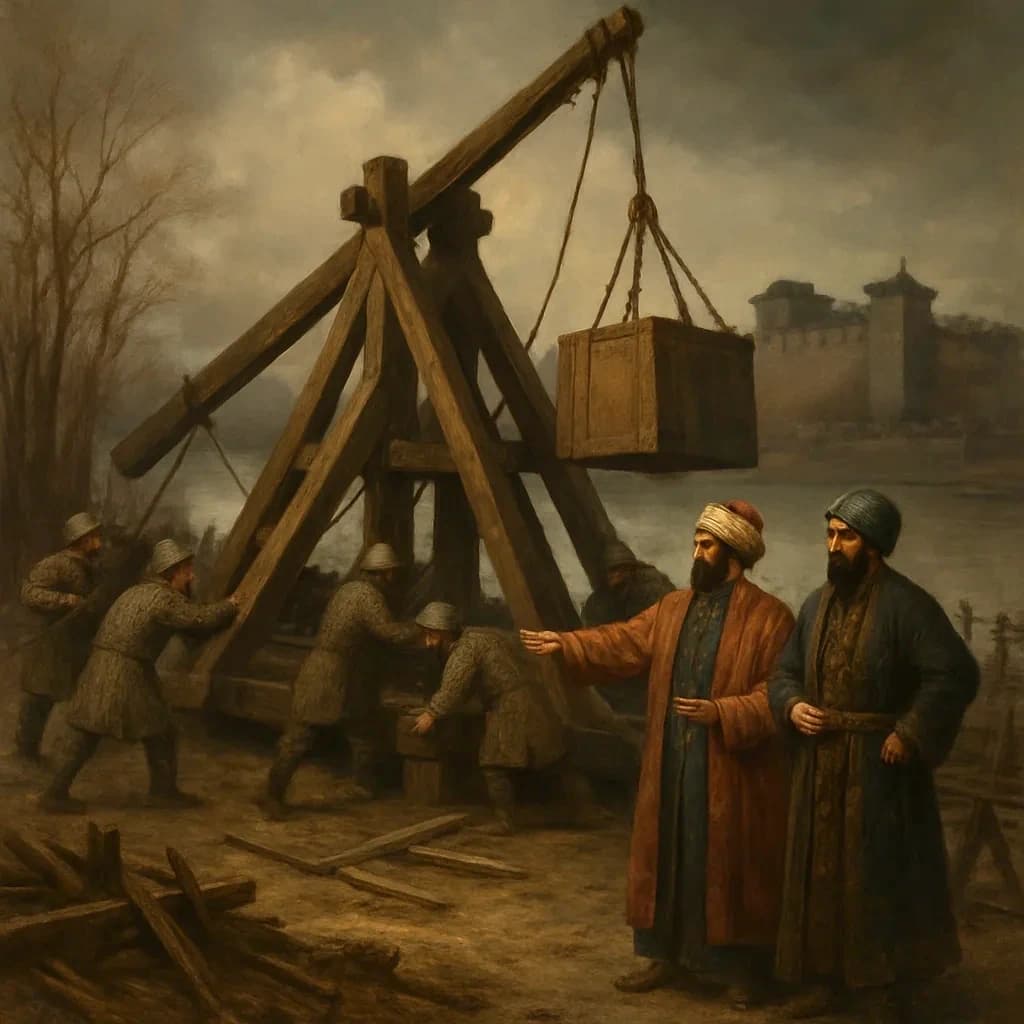
China's Engineers Failed for Five Years. Then a Widow Arrived.
When the Mongols surrounded the city of Xiangyang, China sent its finest engineers, and for five years, nothing worked. Then one woman changed the war.
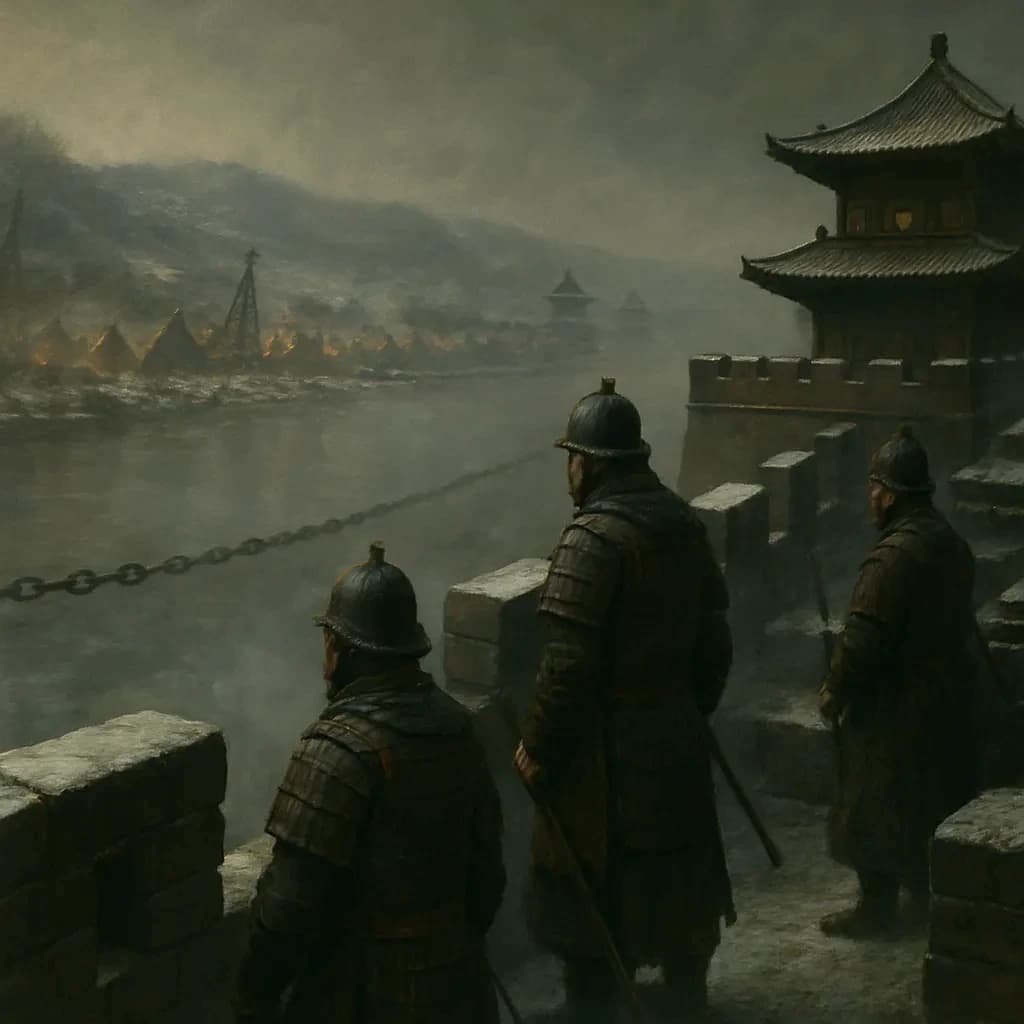
She Held a City Against Kublai Khan for Five Years
The Mongol army massed at her city's gates, and a Chinese widow named Lü Wenhuan held it for five years with what was left of a dead man's garrison.
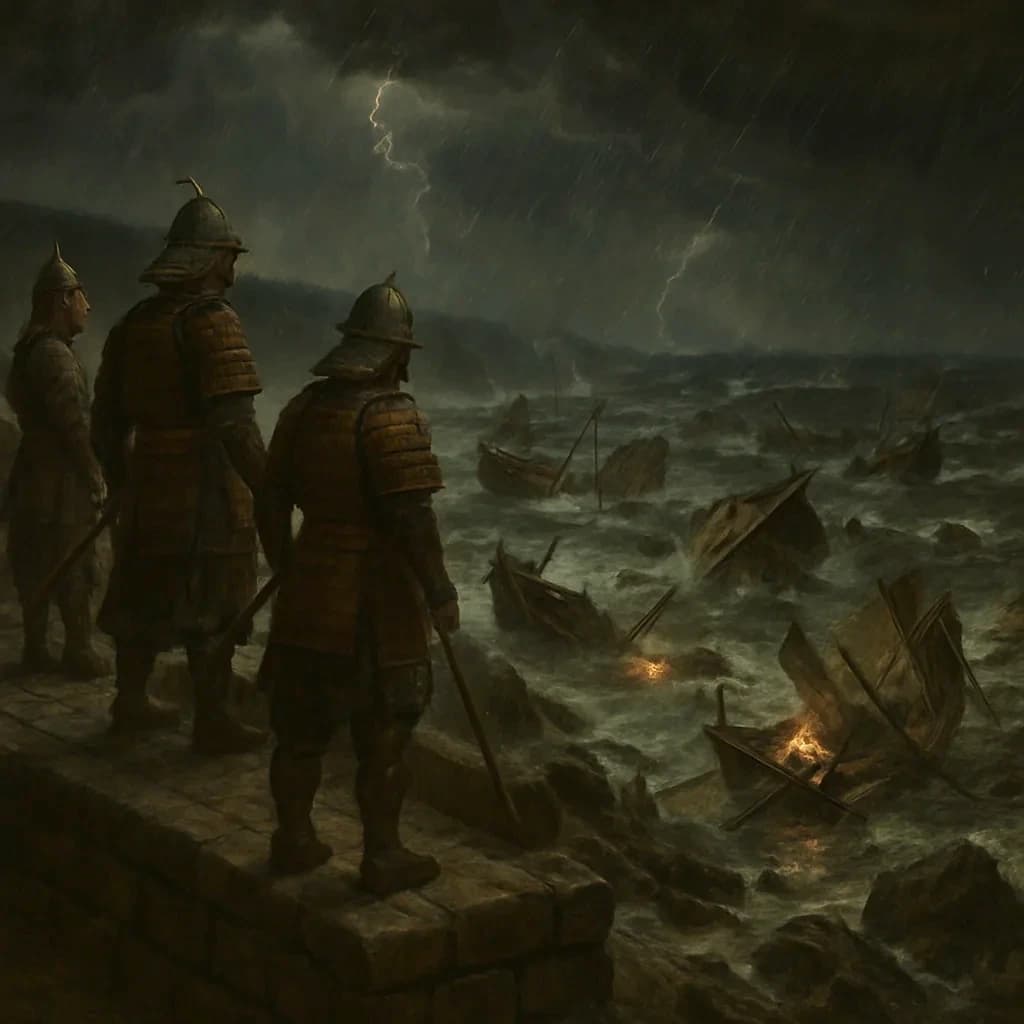
Kamikaze: How a Typhoon Stopped the Mongol Invasion of Japan
The Mongol fleet that nearly conquered Japan was the largest amphibious invasion force the world had ever seen, until a storm showed up to vote.
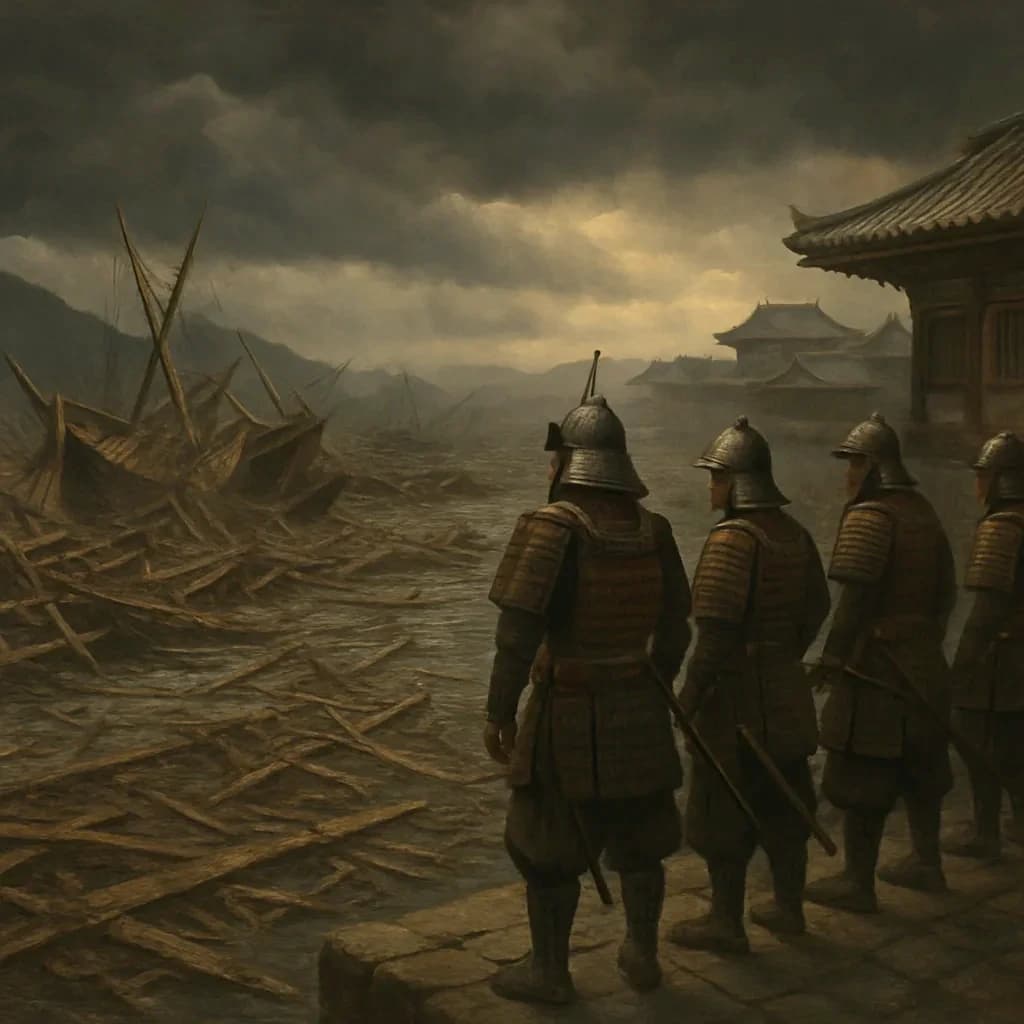
Kamikaze: The Typhoon That Sank Kublai Khan's Invasion
The Mongol Empire's greatest naval invasion of 1281 was destroyed not by any army, but by a typhoon, and a monk who may have prayed it into existence.
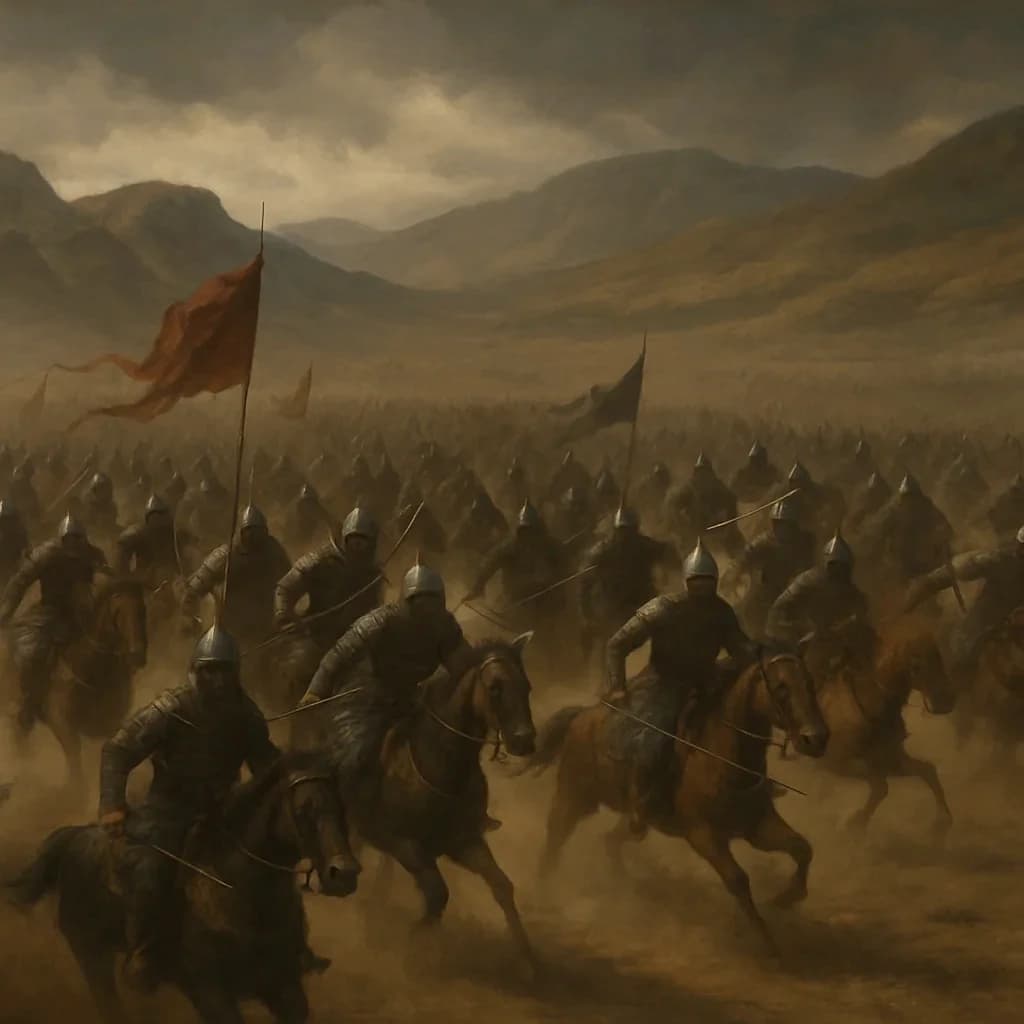
Why the Mongols Never Conquered Egypt
Nothing in the known world could stop the Mongol war machine as it stood at the edge of Egypt, and then a messenger arrived from home.
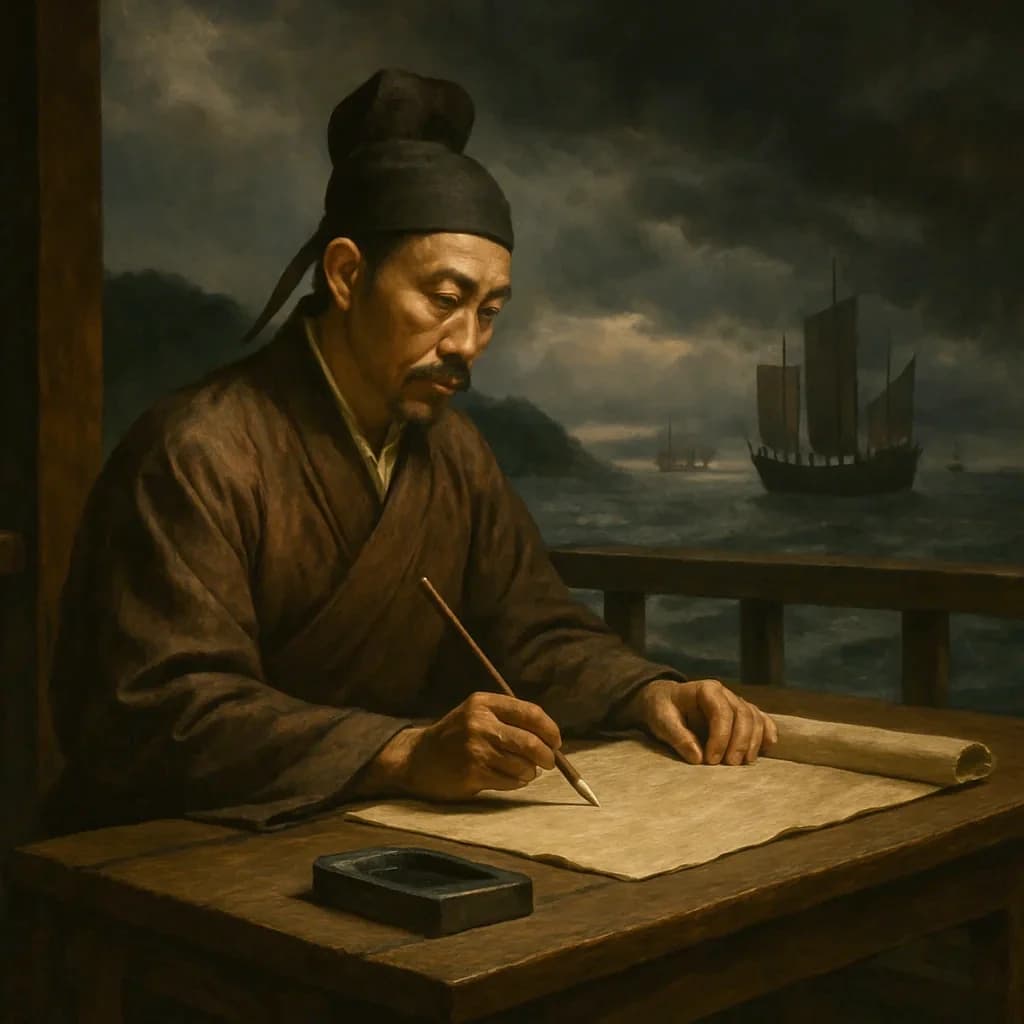
How Seven Coins Helped Save Japan from the Mongols
A Mongol debt collector's receipt may have saved Japan from conquest, twice.

Why Venice Handed Its Glass Secrets to a Rival
A glassmaker fled Venice in 1291 with a secret that would reshape empires. But he wasn't running from enemies.

The Polo Family's Compass Pointed to Money, Not North
Venice's greatest merchant family discovered, back in 1291, that their magnetic compass didn't point north. It pointed to where the money was.
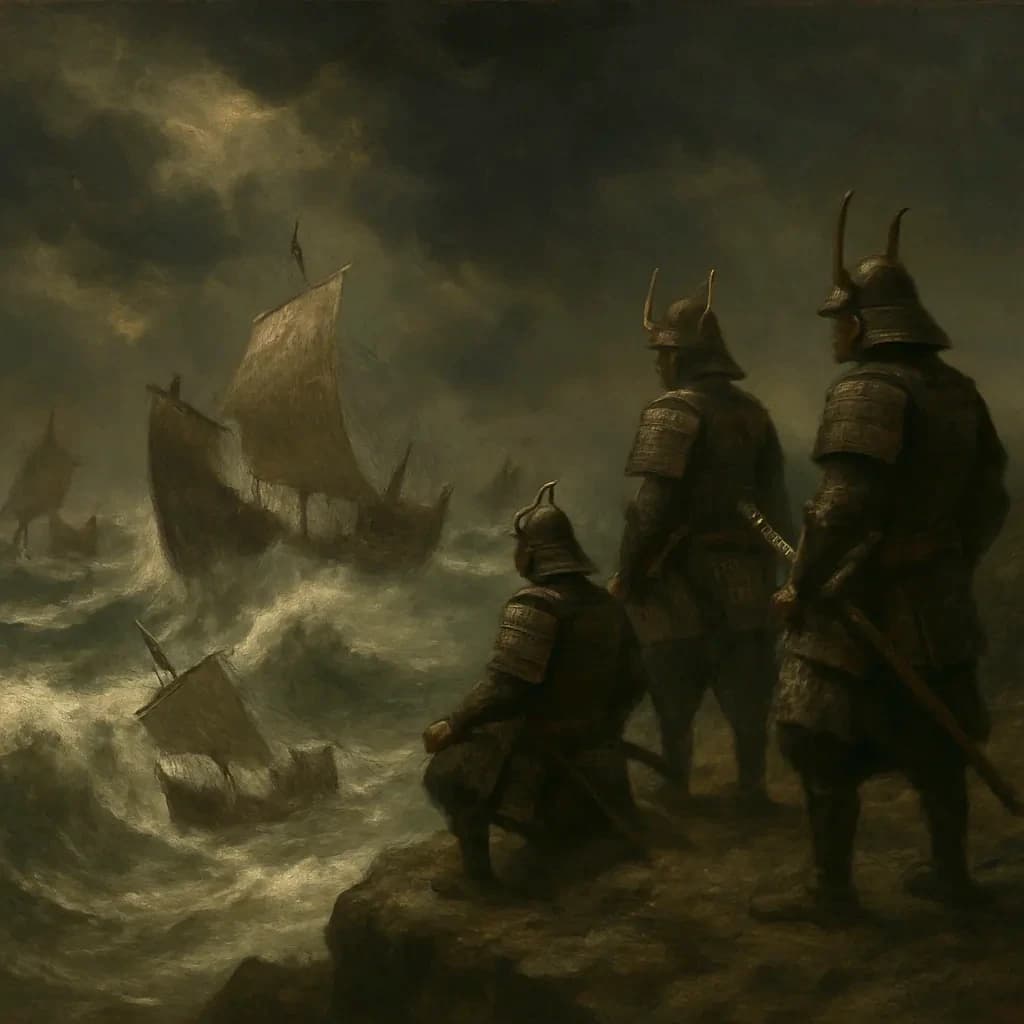
Kamikaze: When Japan's Weather Beat the Mongols Twice
Nature saved Japan from invasion with perfect timing in 1274, then tried to undo its own work thirteen years later.
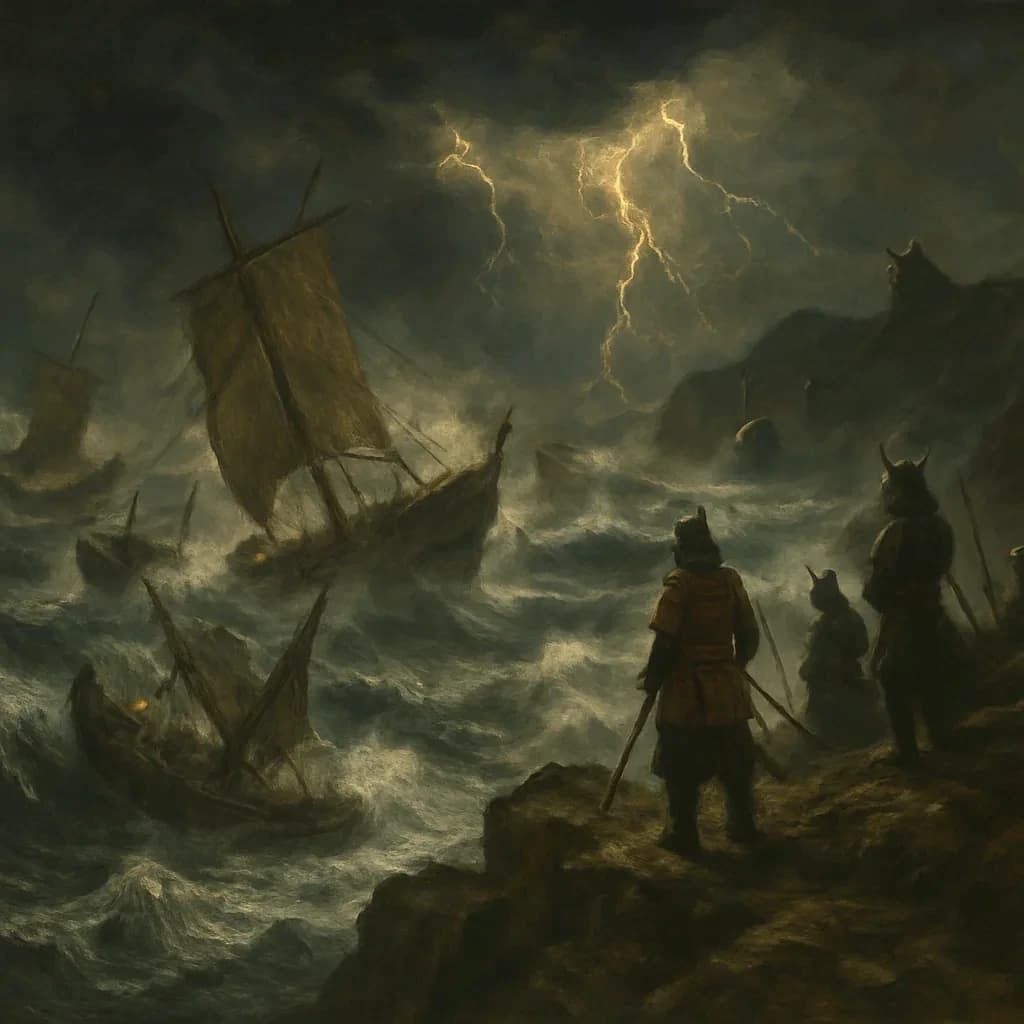
The Typhoon That Saved Japan Twice
Two massive Mongol invasion fleets met the same impossible fate, and the Japanese called it divine wind.
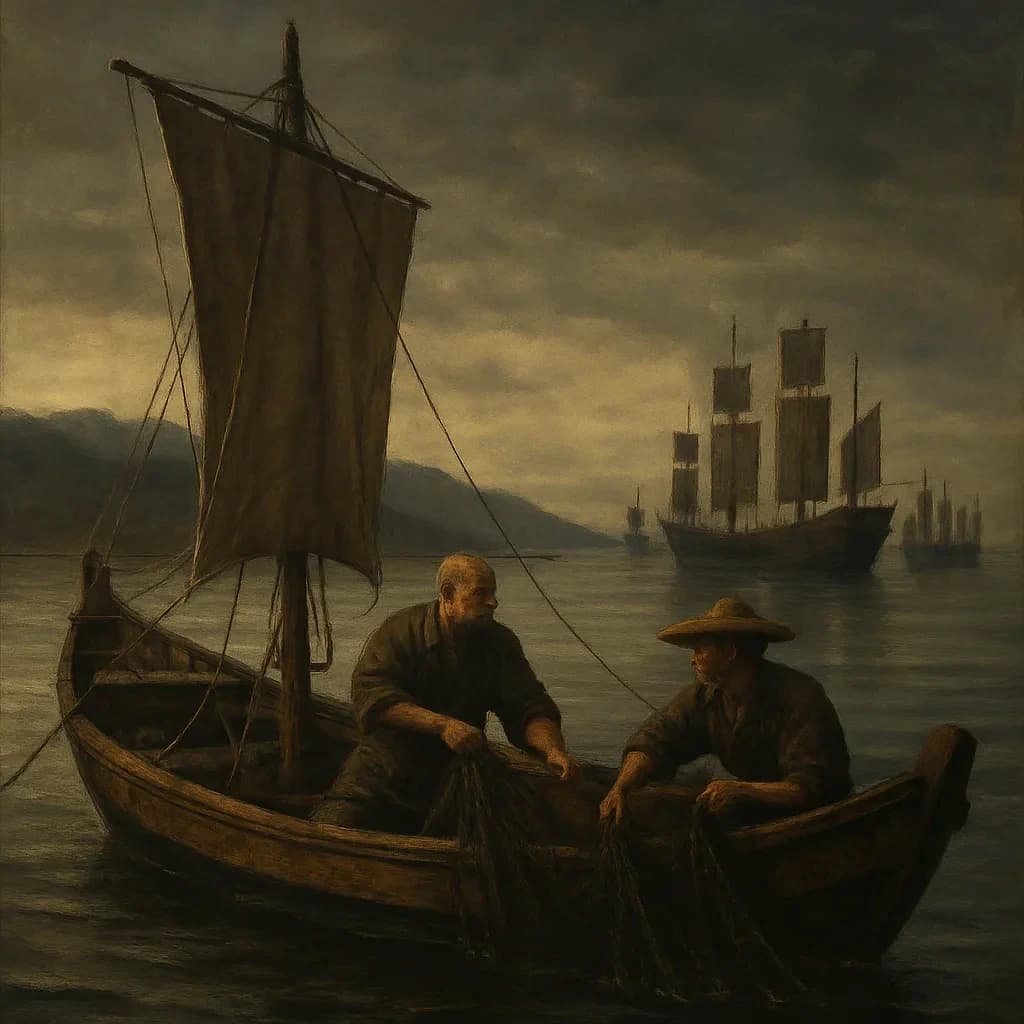
The Mongols Left Japan Under Calm Skies
A typhoon saved Japan from Mongol conquest in 1274, or did it?
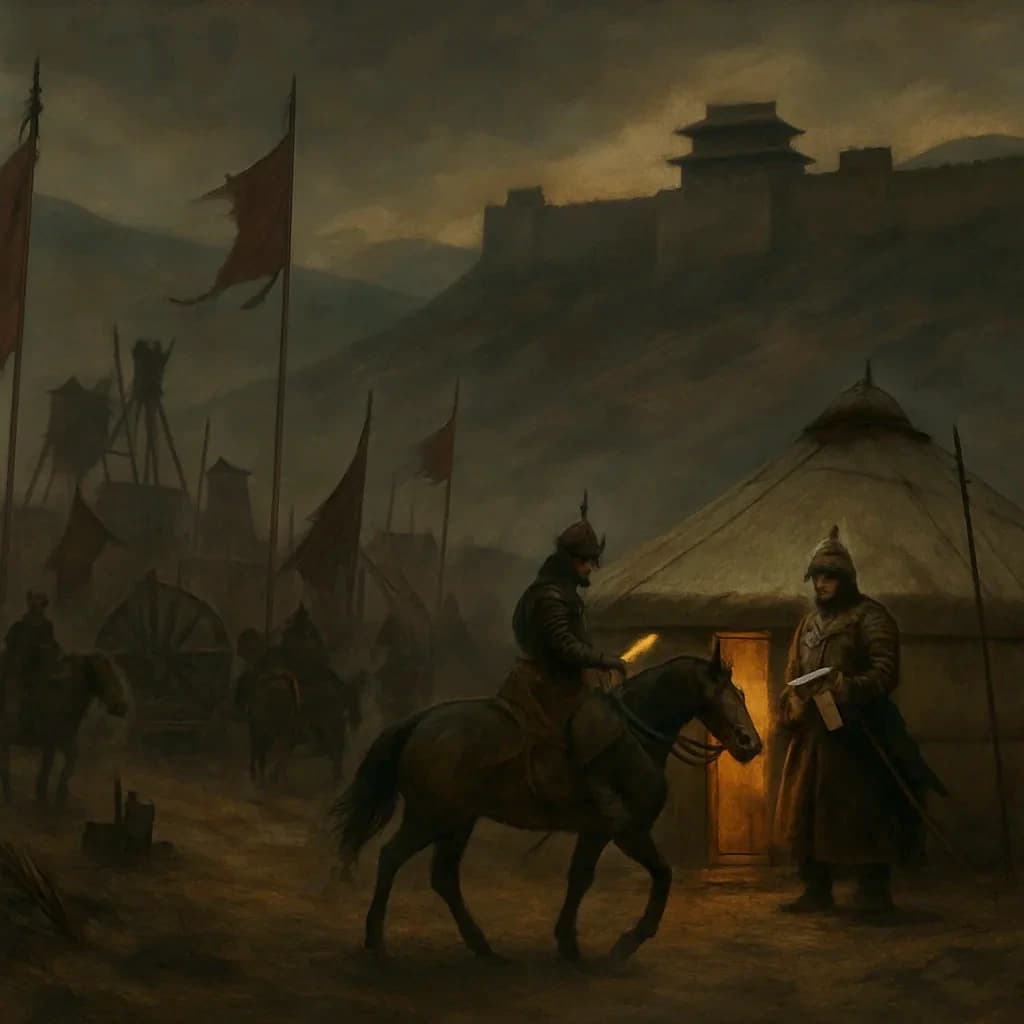
The Khan Who Died Four Times, Only Once for Real
Möngke Khan died four times in the historical record, and each death changed the course of world history.
- Allsen, Thomas T. *Mongol Imperialism: The Policies of the Grand Qan Möngke in China, Russia, and the Islamic Lands, 1251-1259*. University of California Press, 1987.
- Rossabi, Morris. *Khubilai Khan: His Life and Times*. University of California Press, 1988.
- Delgado, James P. *Khubilai Khan's Lost Fleet: In Search of a Legendary Armada*. University of California Press, 2009.