
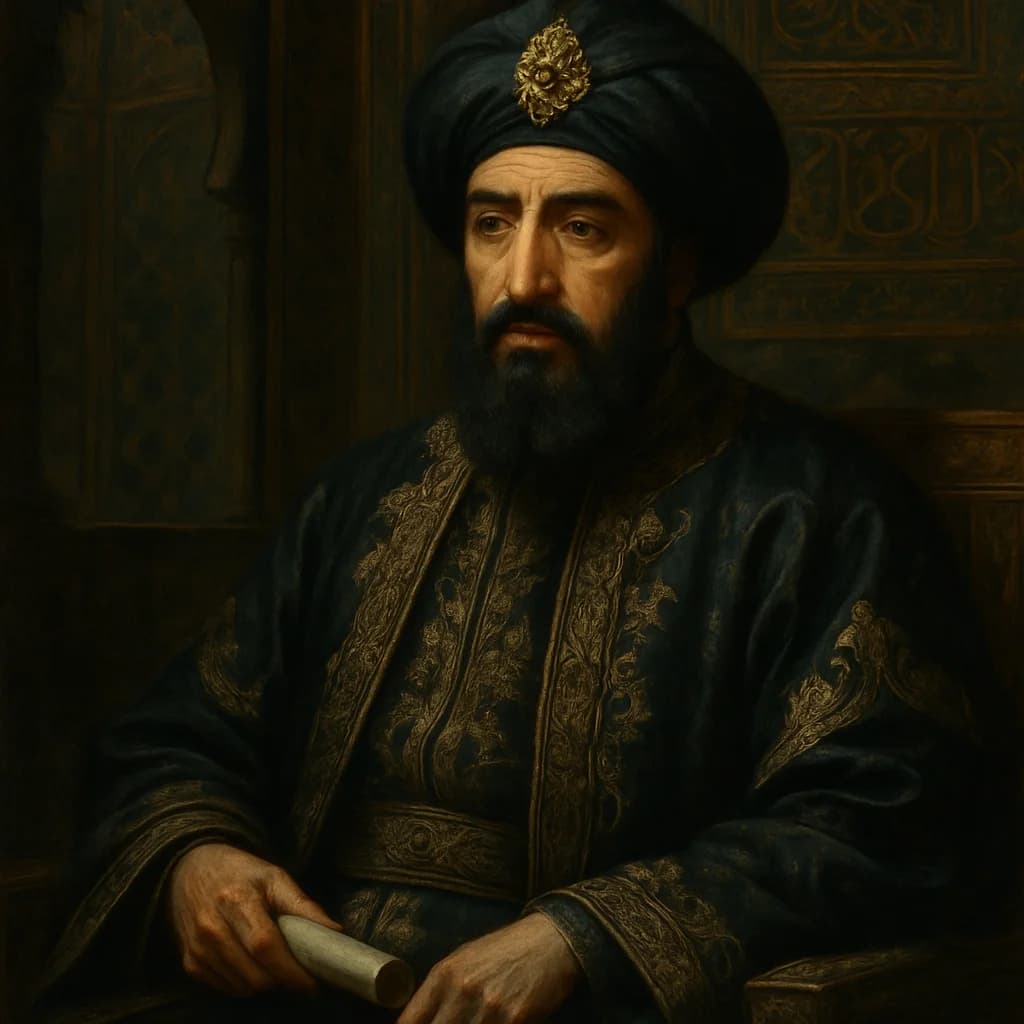
Al-Musta'sim
The last Caliph of Baghdad spent his final morning arguing about the proper way to feed his racing pigeons.
Al-Musta'sim billah had inherited an empire that existed mostly on paper by 1258. The Abbasid Caliphate, once stretching from Spain to Central Asia, had shrunk to little more than Baghdad and its suburbs. Real power lay with the Mamluks in Egypt, the Ayyubids in Syria, and a dozen other successor states who paid lip service to the Commander of the Faithful while ignoring his actual commands.
Yet Al-Musta'sim seemed oddly content with this diminished role. He spent his days in the House of Wisdom's remaining gardens, breeding exotic birds and commissioning illuminated manuscripts. His courtiers whispered that he cared more about the mating habits of his prized falcons than the Mongol armies gathering on his borders. When his advisors begged him to either submit to Hulagu Khan or prepare for siege, he reportedly asked whether they thought his new Arabian stallions would prefer barley or oats.
This apparent frivolity masked a deeper calculation. Al-Musta'sim understood that his caliphate's survival depended not on military might (which he utterly lacked) but on maintaining the fiction of legitimacy that kept the Islamic world from complete fragmentation. He was playing for time, hoping the Mongols would exhaust themselves against other targets. When Hulagu's ultimatum arrived in January 1258, demanding submission, Al-Musta'sim's response was a masterpiece of diplomatic non-commitment: neither yes nor no, but an invitation to "discuss terms" that never materialized.
The siege lasted just twelve days. On February 20, 1258, Al-Musta'sim walked out of Baghdad's gates in his finest robes, carrying a Quran and expecting to negotiate. Instead, Hulagu had him wrapped in carpets and trampled by horses, a Mongol execution method that avoided spilling royal blood. With his death, five centuries of Abbasid rule ended not with grand battles or heroic last stands, but with the quiet crushing of a man who had spent his final weeks worrying about bird feed.
Al-Musta'sim's palace menagerie included a giraffe that reportedly learned to bow when visitors approached, a skill that so impressed diplomats that several foreign courts requested detailed instructions on giraffe training.
Why untold: His story is overshadowed by the destruction of Baghdad itself, reducing him to a footnote in the Mongol conquest narrative rather than the complex political actor he was.
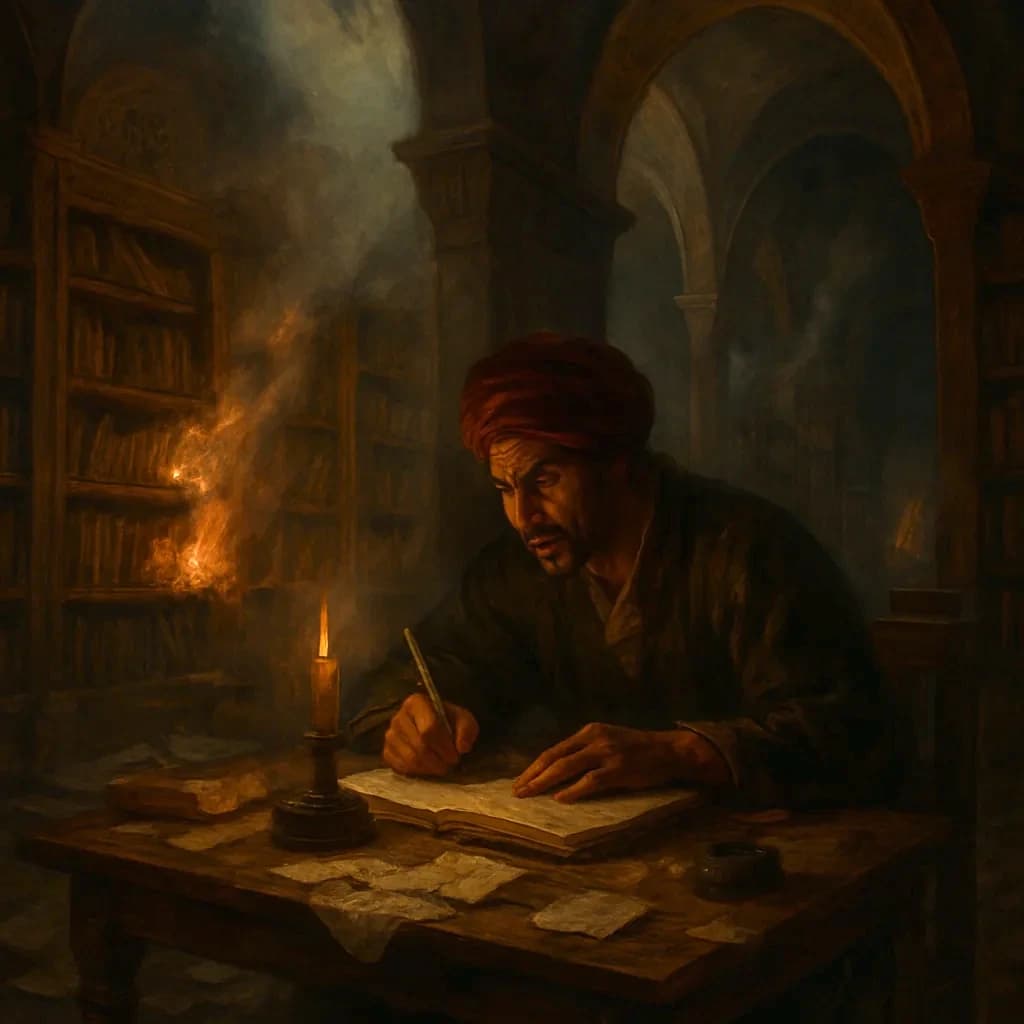
When Baghdad Learned to Forget
A Mongol siege meant to destroy one city accidentally invented the science of forgetting.
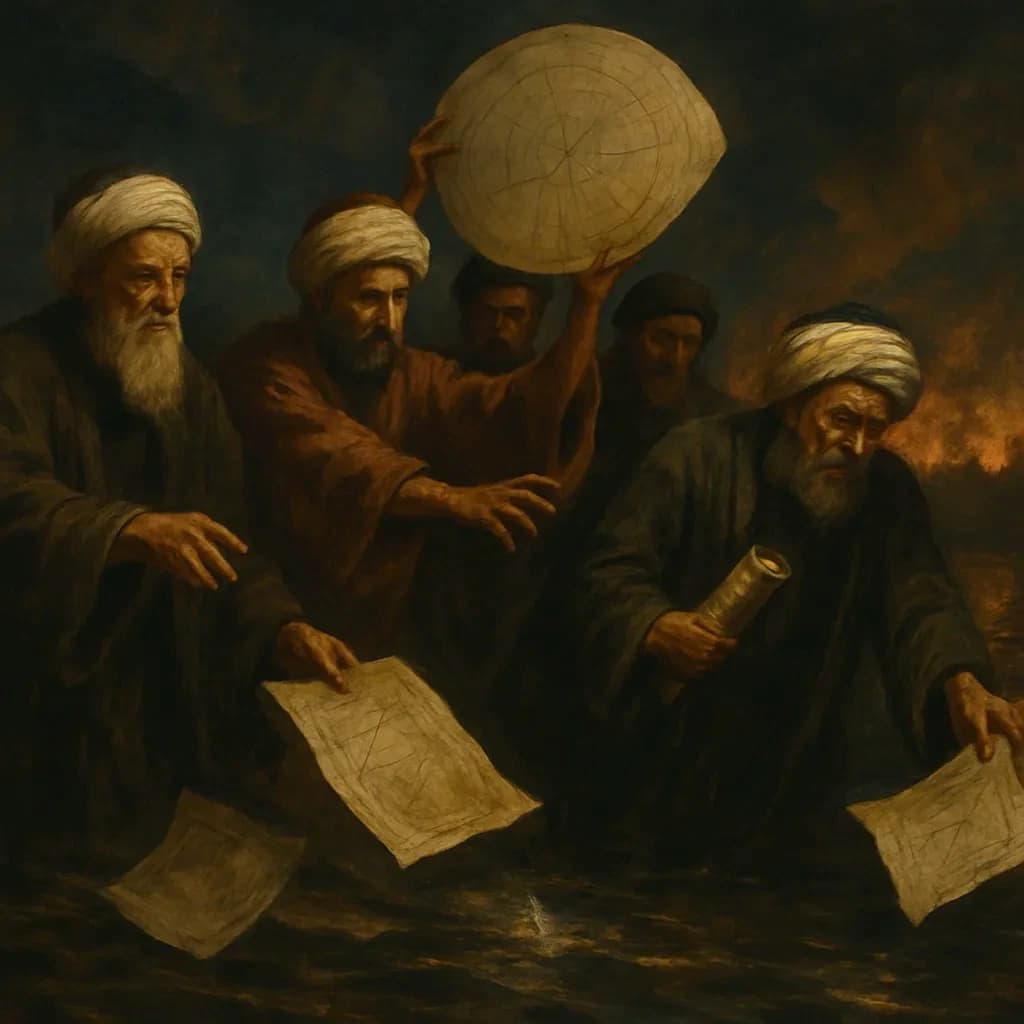
Baghdad's Scholars Drowned Their Own Library
The library that had invented algebra and calculated the Earth's circumference was reduced to ashes in a single week, but not for the reason everyone thinks.
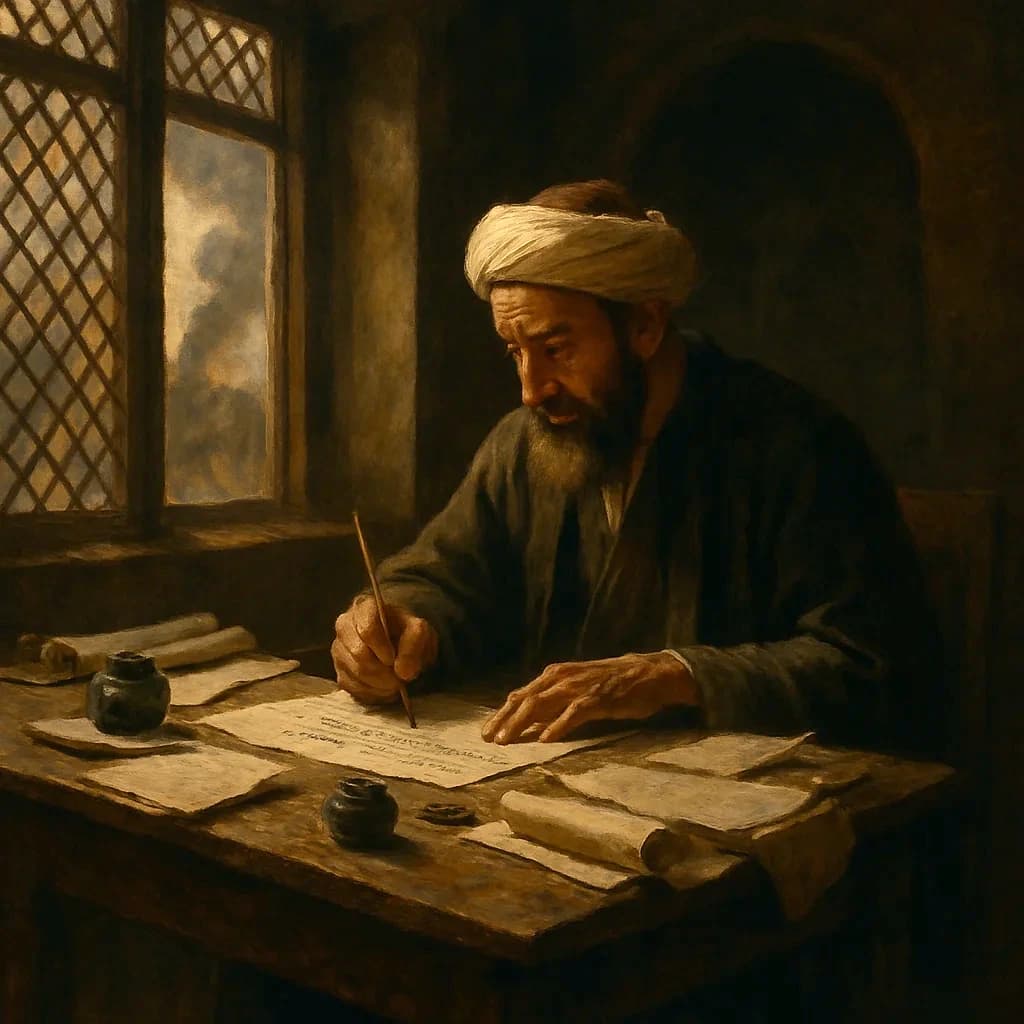
A Scribe Wrote in the Wrong Direction and Changed an Empire
A single scribe's trembling hand changed the course of an empire, by writing the wrong direction.
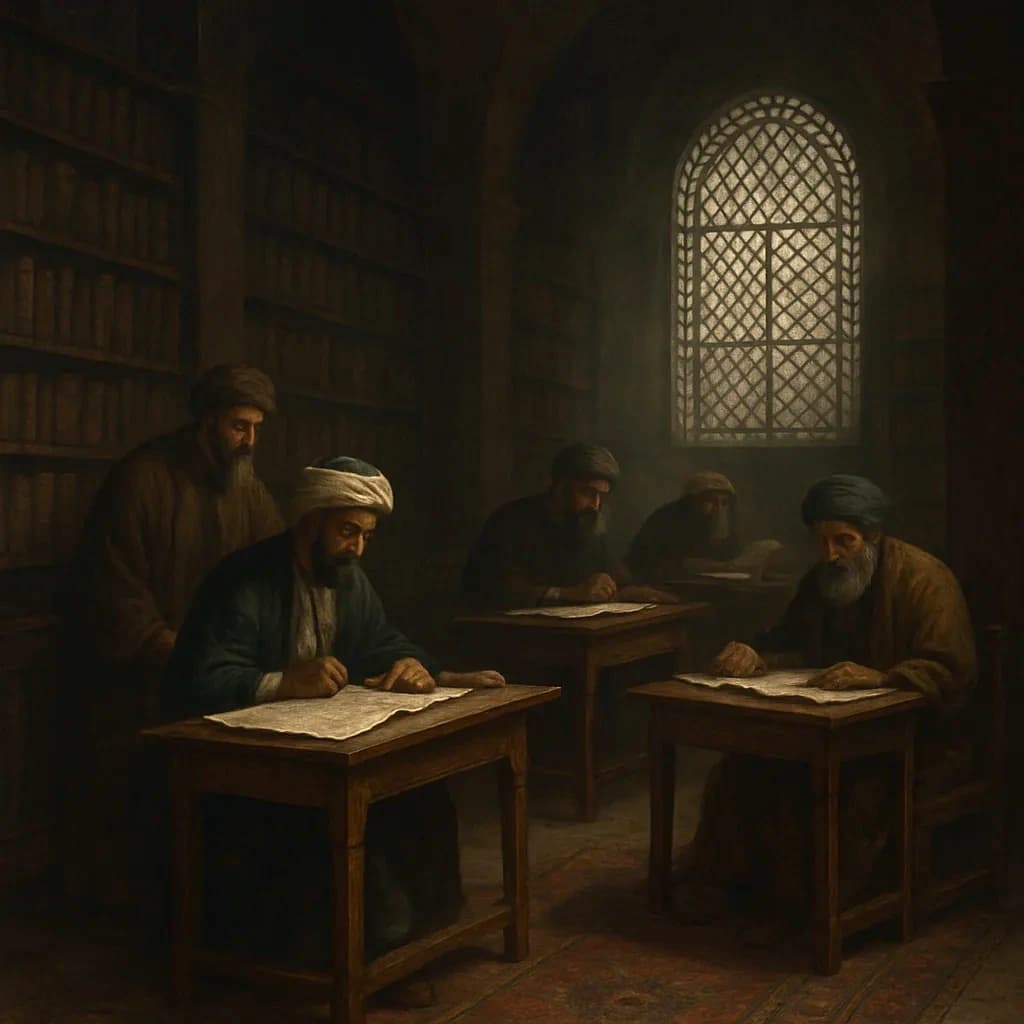
When Baghdad Was the Smartest City on Earth
While Europe struggled through the Dark Ages, one Mesopotamian city ran the world's first hospitals, universities, and paper mills, then vanished from history.
- David Morgan, The Mongols (1986)
- Hugh Kennedy, When Baghdad Ruled the Muslim World (2004)
- Bertold Spuler, The Muslim World: A Historical Survey, Part II: The Mongol Period (1960)