
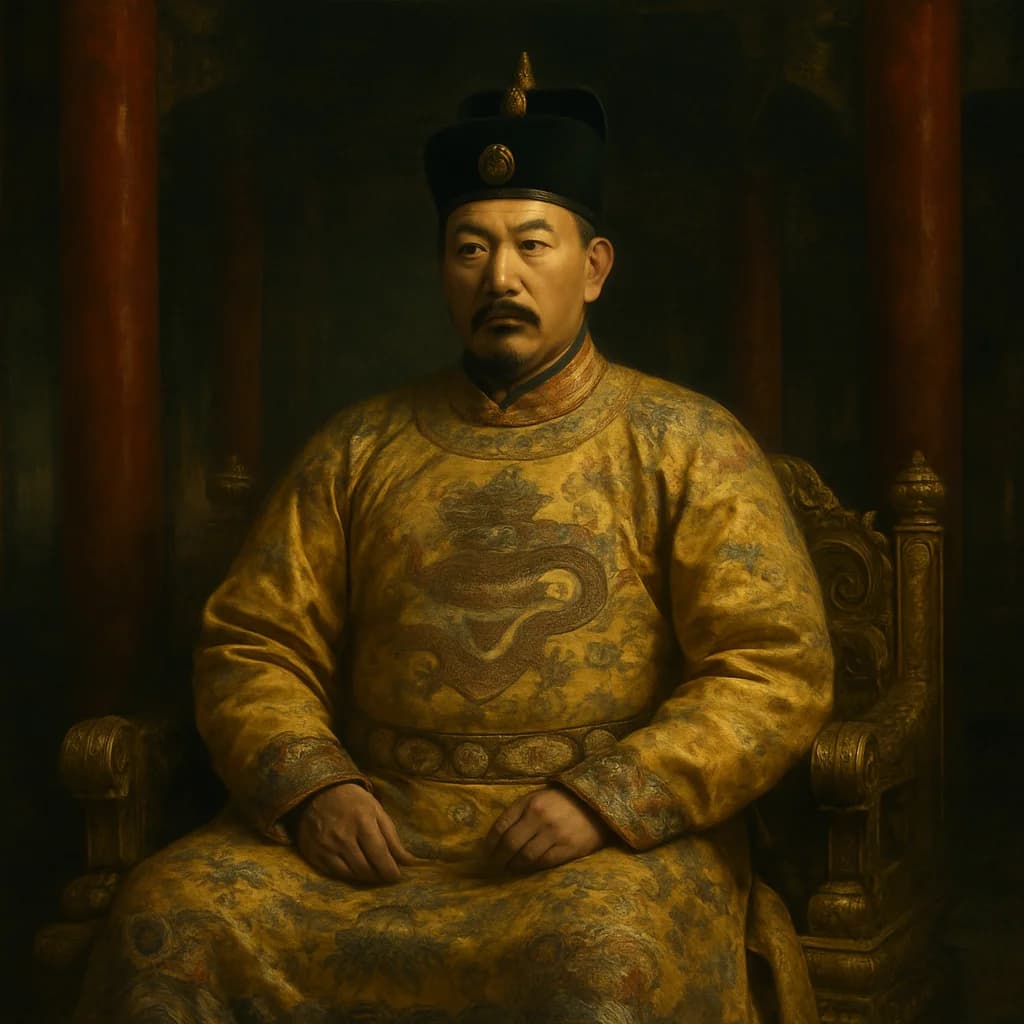
Xuande Emperor
The emperor who commanded the most powerful navy in human history used it to conquer exactly zero countries.
Zhu Zhanji ascended to the Ming throne in 1425 as the Xuande Emperor, inheriting the largest fleet ever assembled, over 3,000 vessels that had just returned from the seventh and final treasure voyage to Africa. His grandfather had built this naval juggernaut to project Chinese power across the Indian Ocean. His father had maintained it. Xuande dismantled it.
The decision wasn't born of weakness but of a peculiar kind of strength. While European kingdoms bankrupted themselves chasing gold across oceans, Xuande looked inward at an empire that already contained a quarter of humanity. Why sail to primitive kingdoms in Africa and Arabia when China produced silk, porcelain, and tea that the world desperately wanted? The barbarians could come to Beijing if they wished to trade.
But Xuande's isolationism came with a scholar's twist. He didn't just mothball the treasure ships. He ordered the systematic destruction of their navigational records, maps, and sailing logs. The most sophisticated maritime technology of its age was to be erased from memory. Chinese admirals who had navigated by stars from Malacca to Hormuz watched their charts burn in palace courtyards.
This wasn't merely imperial policy; it was intellectual surgery. Xuande surrounded himself with Confucian advisors who viewed exploration as a costly distraction from domestic harmony. They convinced him that true imperial power lay not in projection but in perfection, creating a civilization so advanced that it would naturally draw the world to its borders. The emperor who could have made China master of the seas instead made it master of itself, behind walls that would define its relationship with the outside world for centuries.
Xuande was an accomplished painter and calligrapher whose artwork was so prized that centuries later, forgeries of his paintings commanded higher prices than authentic works by many professional artists.
Why untold: His reign is overshadowed by the more dramatic treasure voyages of his predecessors, obscuring how his deliberate policy of naval abandonment shaped China's relationship with the world for the next 500 years.
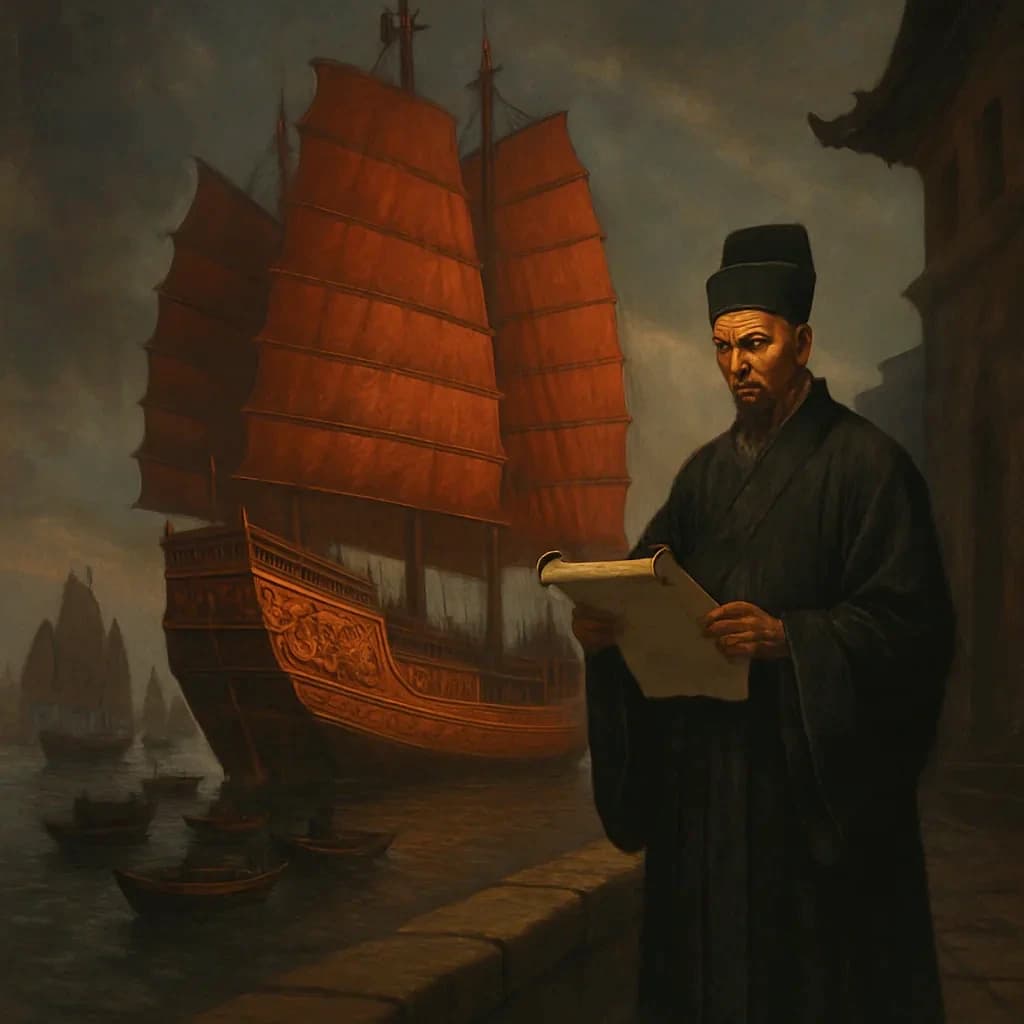
One Official's Protest Made China Scrap the World's Greatest Navy
A single court official's written protest caused China to abandon the greatest naval power the world had ever seen, and he died in prison before he could know he'd won.
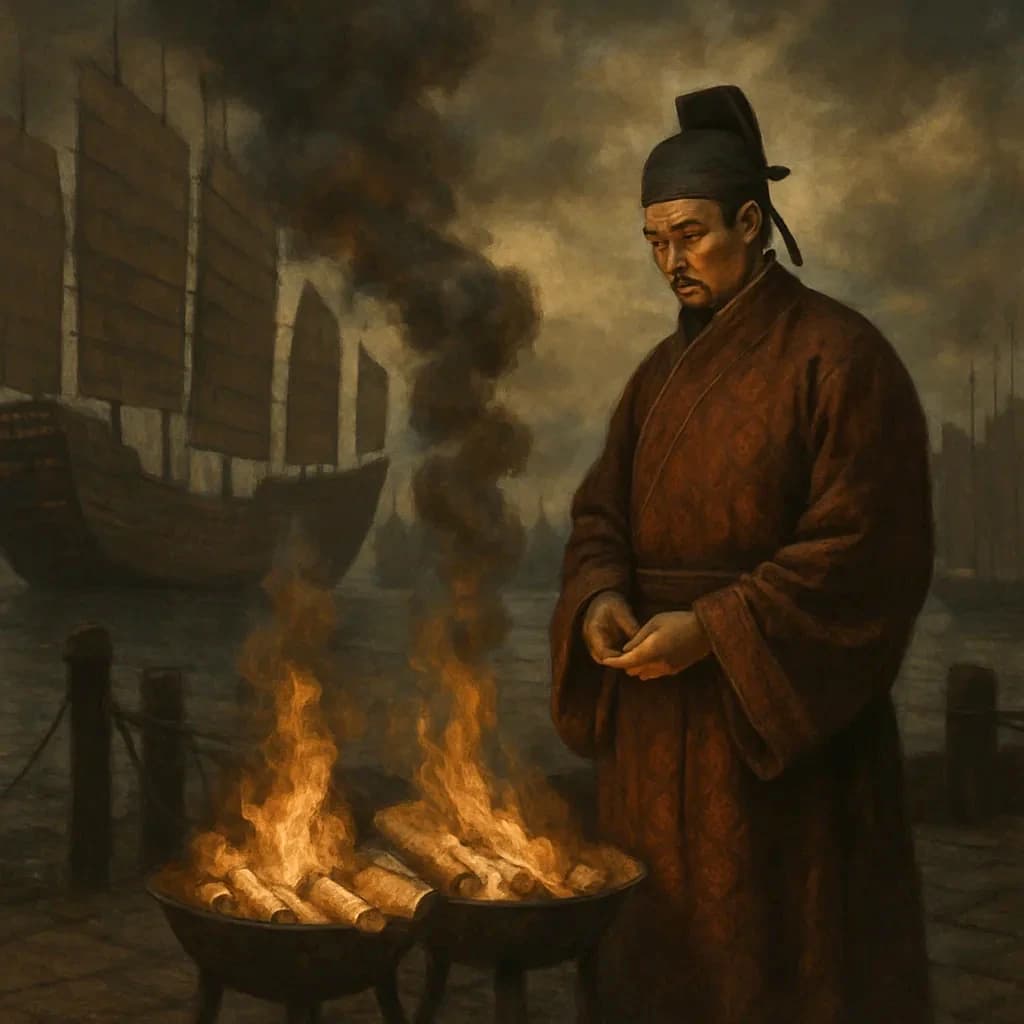
China Recalled the World's Greatest Navy and Burned Its Maps
The most powerful navy in history received orders in 1433 to sail home and destroy every record of where it had been.
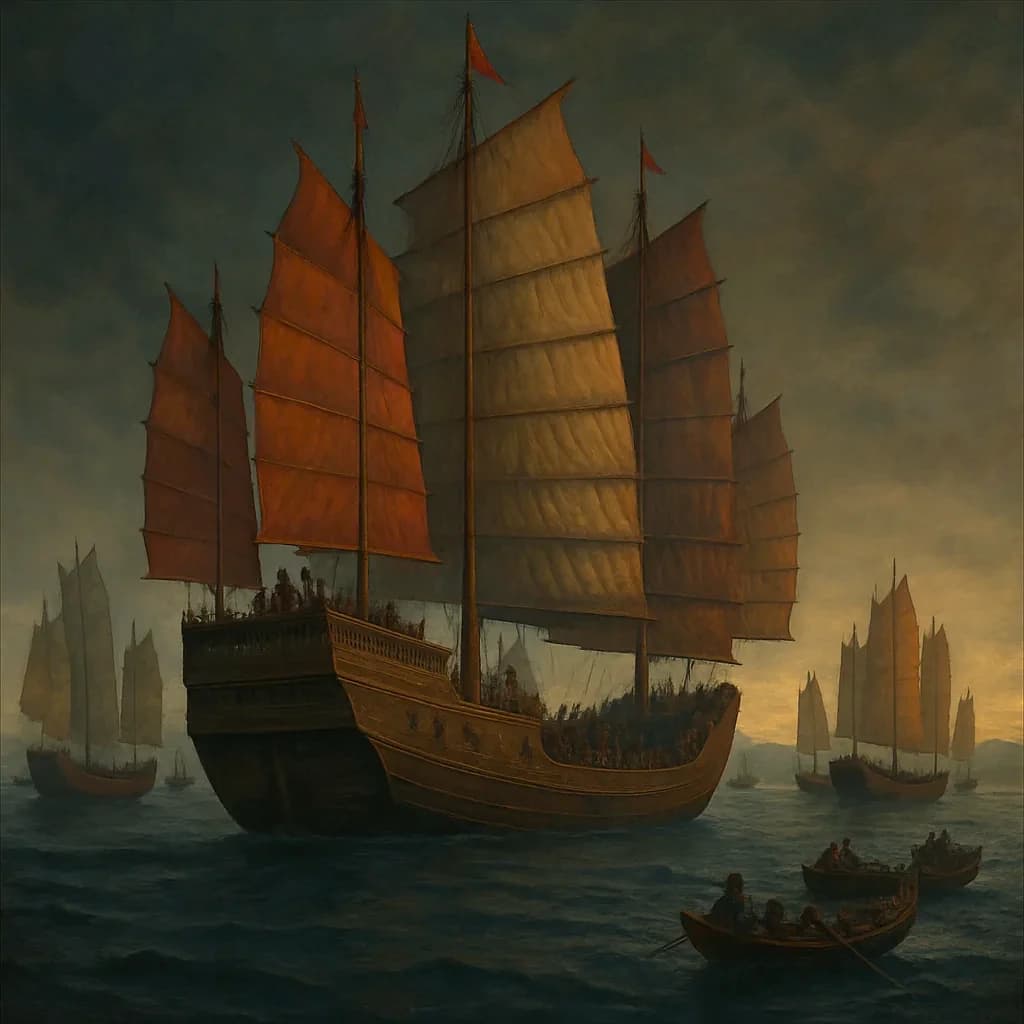
History's Largest Navy Sailed Home to Be Dismantled
In 1424, the largest navy in history sailed home from Africa, and was immediately dismantled by imperial decree.
- Sen, Tansen. 'The Formation of Chinese Maritime Power in the Ming Dynasty.' Far Eastern Quarterly, 2006.
- Dreyer, Edward L. 'Zheng He: China and the Oceans in the Early Ming Dynasty.' New York: Library of World Biography, 2007.
- Ptak, Roderich. 'Chinese Maritime Trade to Southern India and Ceylon.' Bulletin de l'École française d'Extrême-Orient, 1992.