
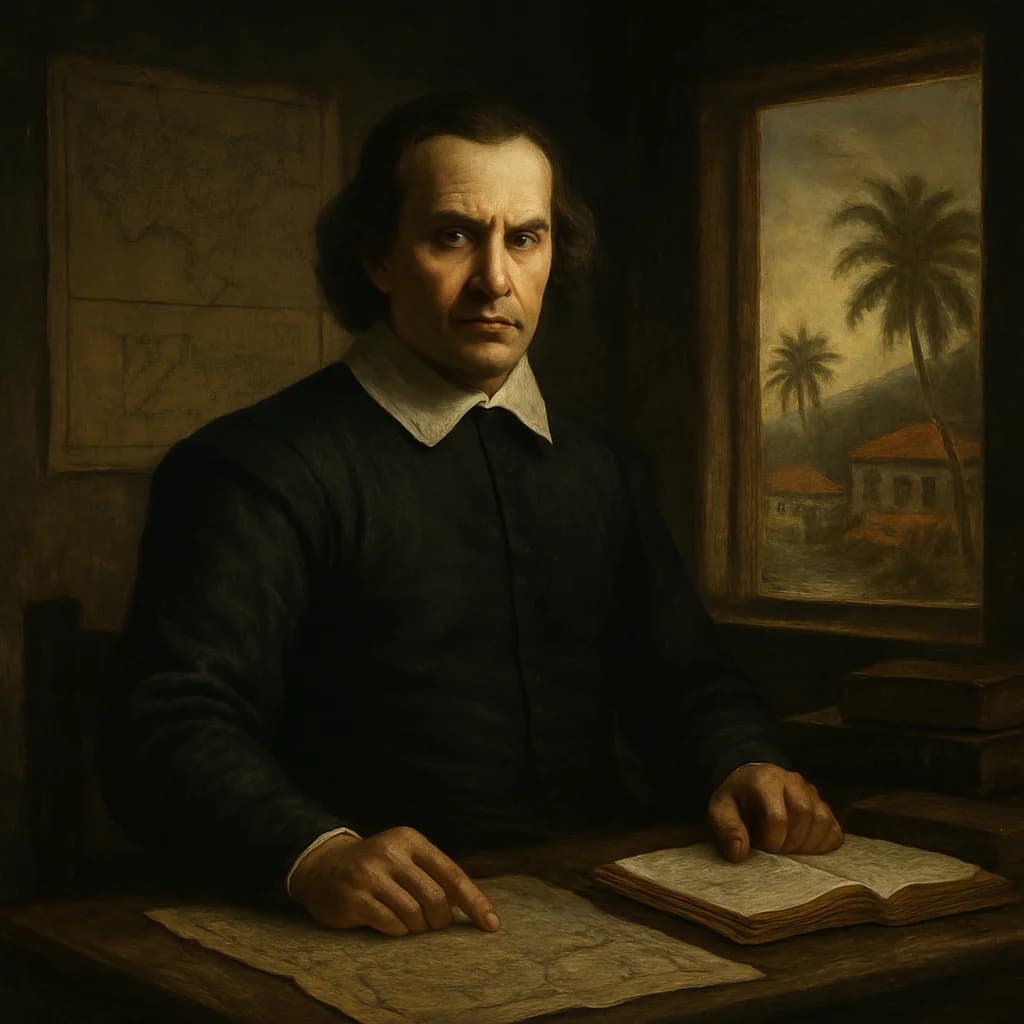
Jan Pieterszoon Coen
The man who invented corporate genocide never set foot in a boardroom.
Jan Pieterszoon Coen arrived in Jakarta Bay in 1619 with a simple business plan: kill everyone who wouldn't sell spices exclusively to the Dutch East India Company. What made this unremarkable in corporate terms was that Coen wasn't some bloodthirsty mercenary. He was an accountant.
Born to a middle-class family in Hoorn, Coen had spent his early career tallying ledgers for merchant houses. But the spice trade had a math problem: too many sellers meant falling prices. Coen's solution was elegant in its brutality. On the Banda Islands, where nutmeg grew nowhere else on Earth, he calculated that killing 15,000 inhabitants and replacing them with Dutch-controlled slave plantations would increase profit margins by 3,000 percent. He was right.
What distinguished Coen from other colonial administrators was his systematic approach to mass murder. He kept meticulous records, writing detailed reports to Amsterdam explaining why extermination was more cost-effective than negotiation. When local rulers refused to grant trading monopolies, Coen didn't just attack their ports. He destroyed their ability to grow food, creating famines that killed more efficiently than cannons. He called it "demonstrating the futility of resistance."
Coen died of dysentery at thirty-seven, having transformed a modest trading company into history's first multinational corporation built on industrial-scale violence. His final letter to the company directors complained that his replacement would be "too soft" to maintain proper profit margins. The Dutch East India Company's stock price had tripled during his tenure.
Coen invented the first corporate mission statement that explicitly included genocide, writing to his directors that "we cannot make war without trade, nor trade without war."
Why untold: Business schools teach his commercial innovations while sanitizing the systematic violence that made them possible.
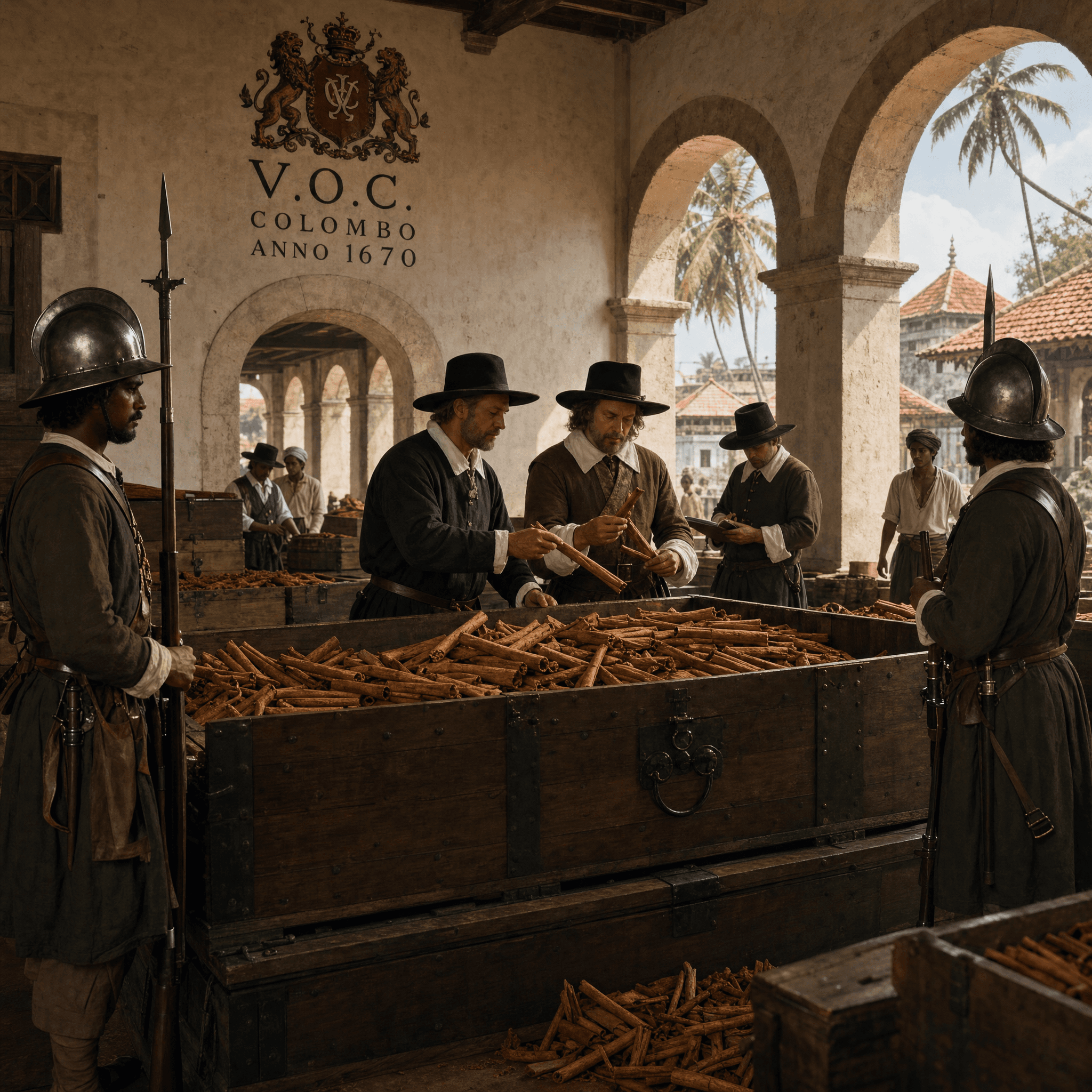
When Cinnamon Cost More Than Gold
A single warehouse in Amsterdam once held enough spice to buy half of Europe, and the Dutch killed to keep it that way.
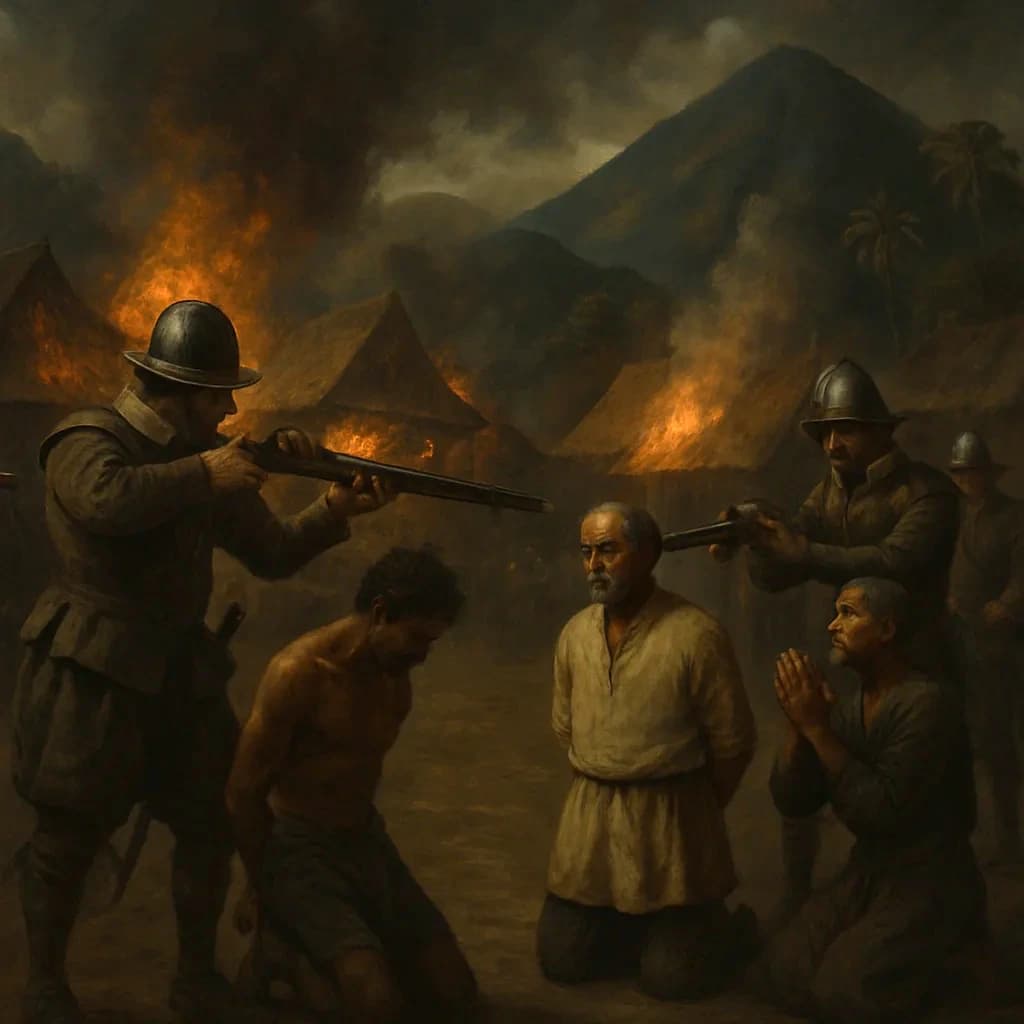
Nutmeg: The Spice Worth a House in London
A seed no bigger than a walnut sold for more than silver, and the Dutch East India Company wiped out an entire people to control it for three centuries.
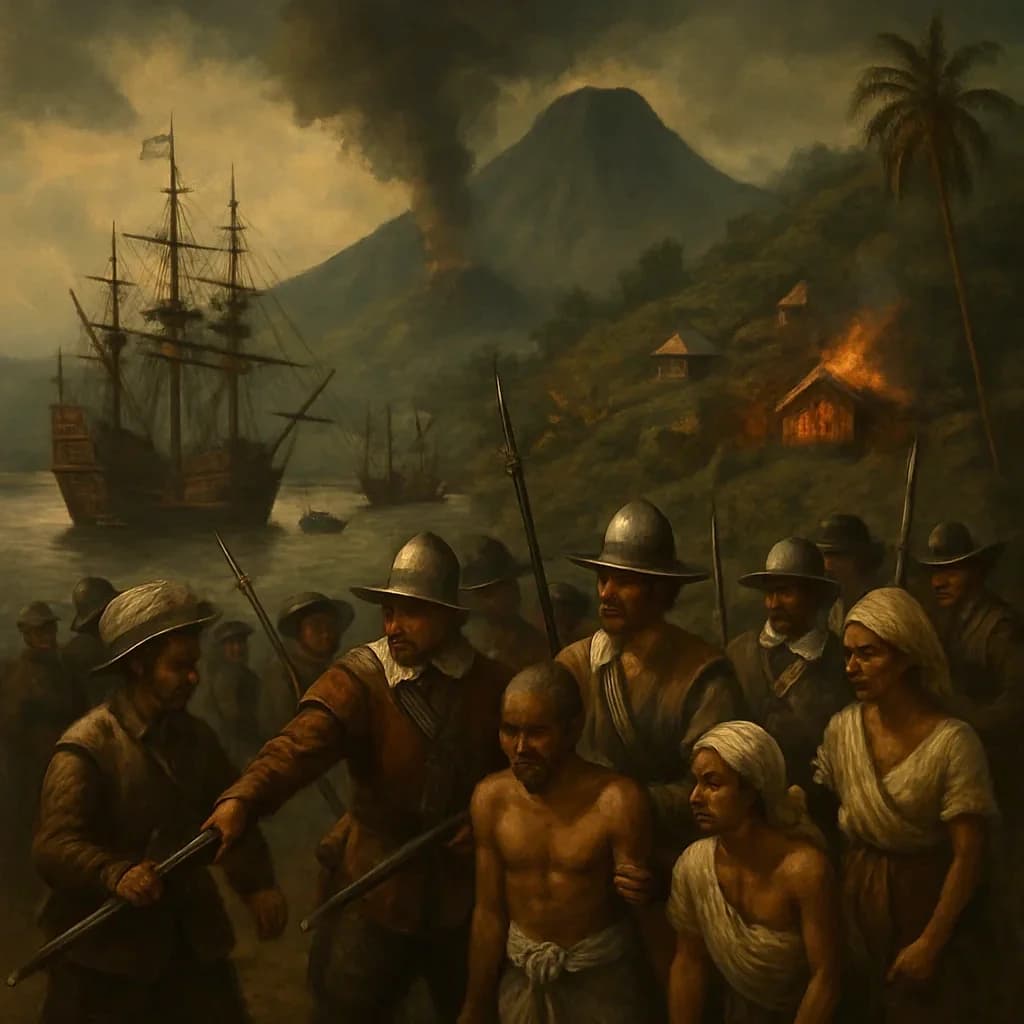
Nutmeg: Why the Dutch Traded Manhattan for a Tiny Island
A single seed smaller than a peppercorn was once worth more than its weight in gold, and men died by the thousands to control where it grew.
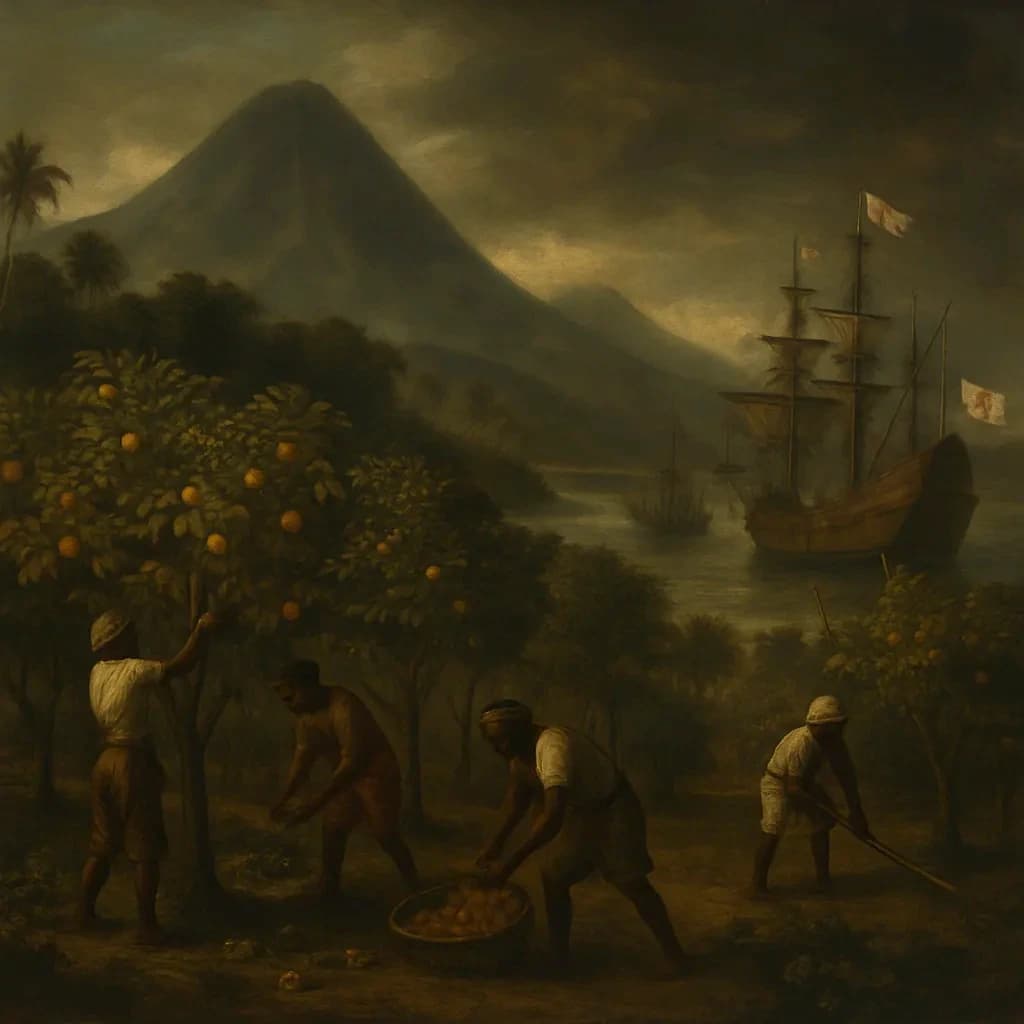
Cheap Nutmeg Broke the Portuguese Empire
A single spice trade monopoly made Portugal richer than Spain, until one stubborn Dutch merchant figured out how to grow nutmeg anywhere.
- Adam Clulow, The Company and the Shogun: The Dutch Encounter with Tokugawa Japan (2014)
- Femme Gaastra, The Dutch East India Company: Expansion and Decline (2003)
- Leonard Blussé, Strange Company: Chinese Settlers, Mestizo Women and the Dutch in VOC Batavia (1986)