
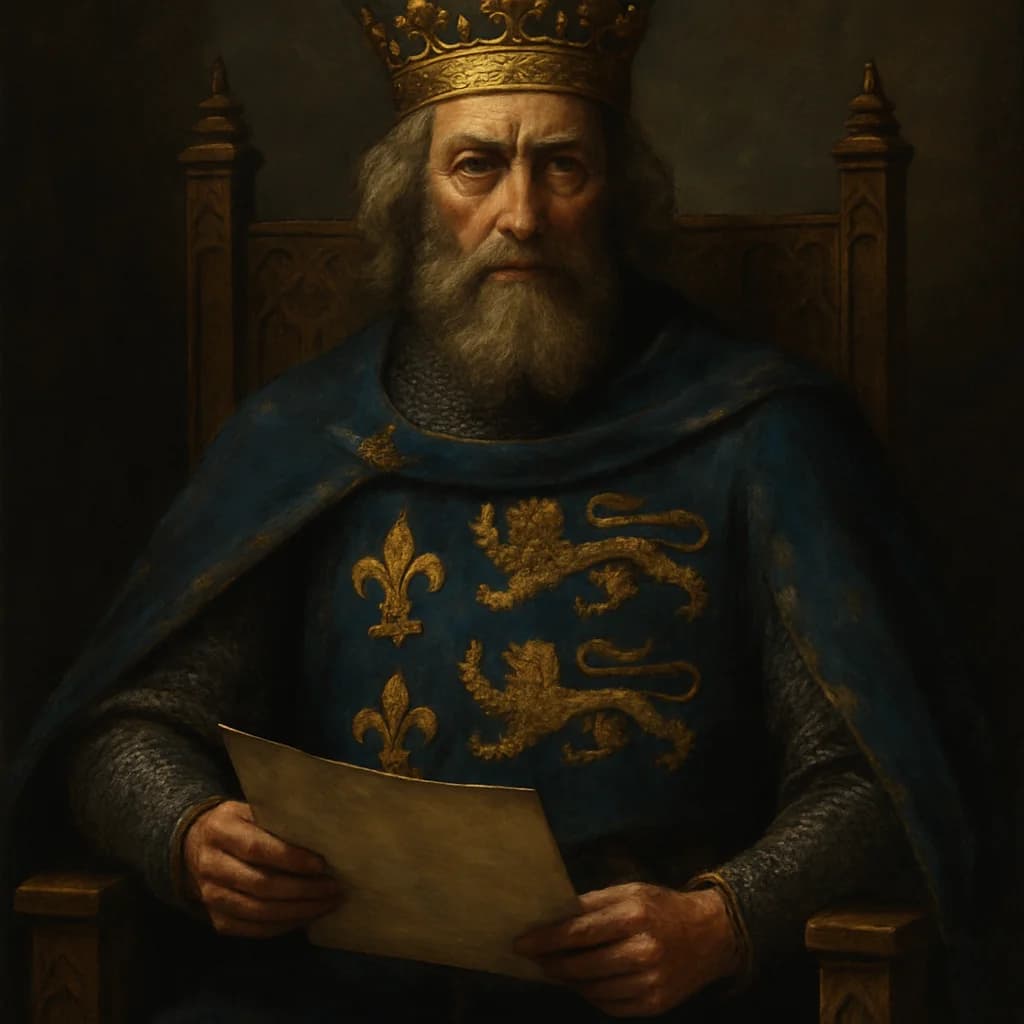
Edward III
The king who invented modern warfare financing also accidentally created the blueprint for every economic bubble that followed.
Edward III needed money for his wars, but he needed it in amounts that would make a pharaoh blush. The Hundred Years' War wasn't just about claiming the French throne. It was history's first experiment in deficit spending on an industrial scale. By 1345, Edward owed the Bardi and Peruzzi banks of Florence roughly 1.5 million florins, equivalent to England's entire annual revenue for three years running.
What made Edward revolutionary wasn't his military tactics, but his financial innovation. He pioneered the use of future tax revenues as collateral, essentially selling tomorrow's kingdom to pay for today's battles. The Florentine bankers, drunk on English wool profits, kept lending because Edward's security seemed unshakeable: he offered them monopolies on English wool exports, the medieval equivalent of oil futures. When the loans came due in 1345, Edward did something unprecedented: he simply refused to pay, claiming his debts were to private citizens, not sovereign states, and therefore unenforceable.
The ripple effects were catastrophic. The Bardi bank, which had financed everyone from the Pope to the Holy Roman Emperor, collapsed overnight. The Peruzzi followed within months. Credit markets across Europe seized up. Edward had accidentally demonstrated that sovereign debt could be weaponized, creating the template for every national bankruptcy that followed. He won his war in France partly because his enemies couldn't afford to fight. Their Italian financiers had been obliterated by his default.
By the time Edward died in 1377, deeply in debt again but with France thoroughly conquered, he had fundamentally altered how nations would fund warfare forever. Every subsequent military campaign would be fought as much in the counting houses as on the battlefield.
Edward III's debt default in 1345 was so catastrophic that it wiped out two of Europe's largest banks and created the first international credit crisis, making it impossible for other European powers to finance their own armies.
Why untold: Military historians focus on his battlefield innovations while economic historians treat his defaults as footnotes, missing how he revolutionized war financing itself.

A Pepper Deal Ruined Europe's Most Powerful Merchant Family
The most powerful merchant family in Renaissance Europe didn't fall to war or plague. They were ruined by a pepper deal gone spectacularly wrong.
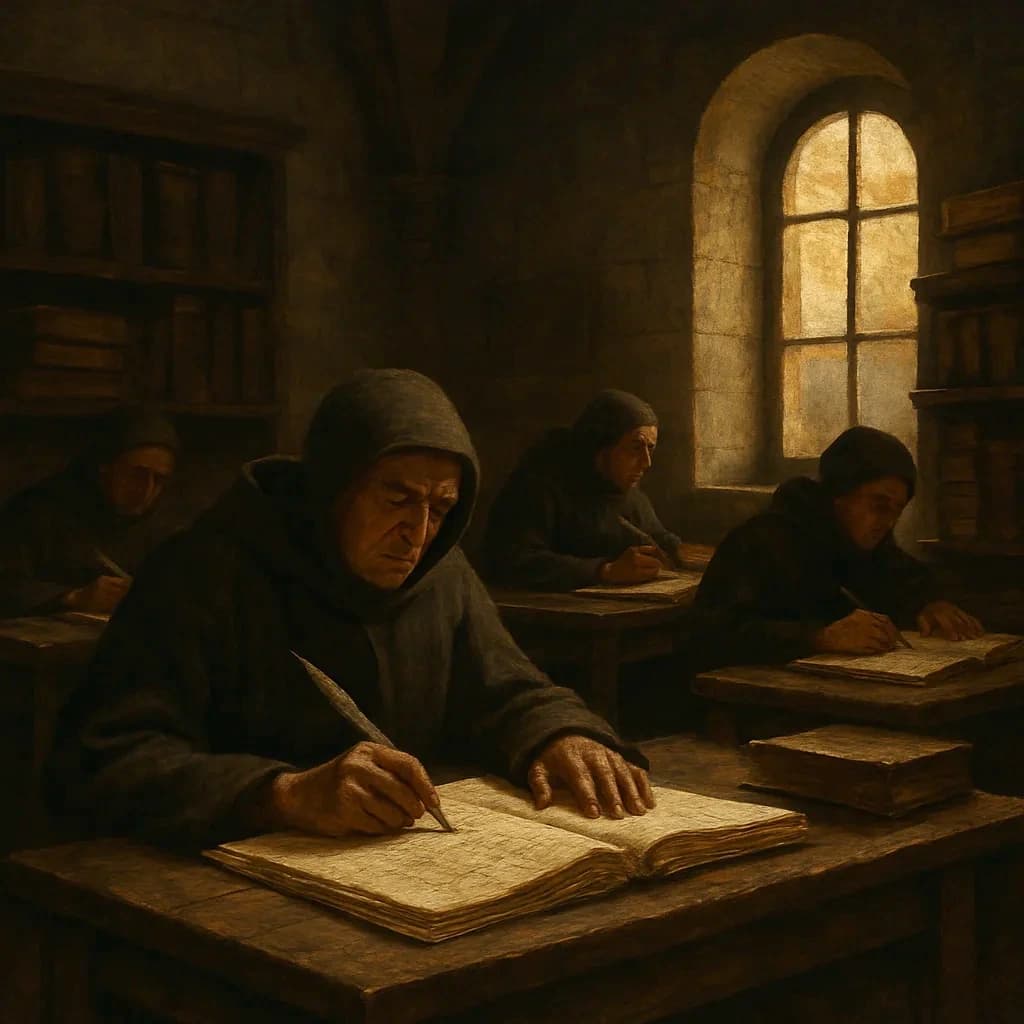
Three Days in a Florentine Counting House, and the Debt That Ended Serfdom
A Flemish banker's refusal to roll over a single loan in 1345 may have done more to free Europe's peasants than any king or parliament ever did.
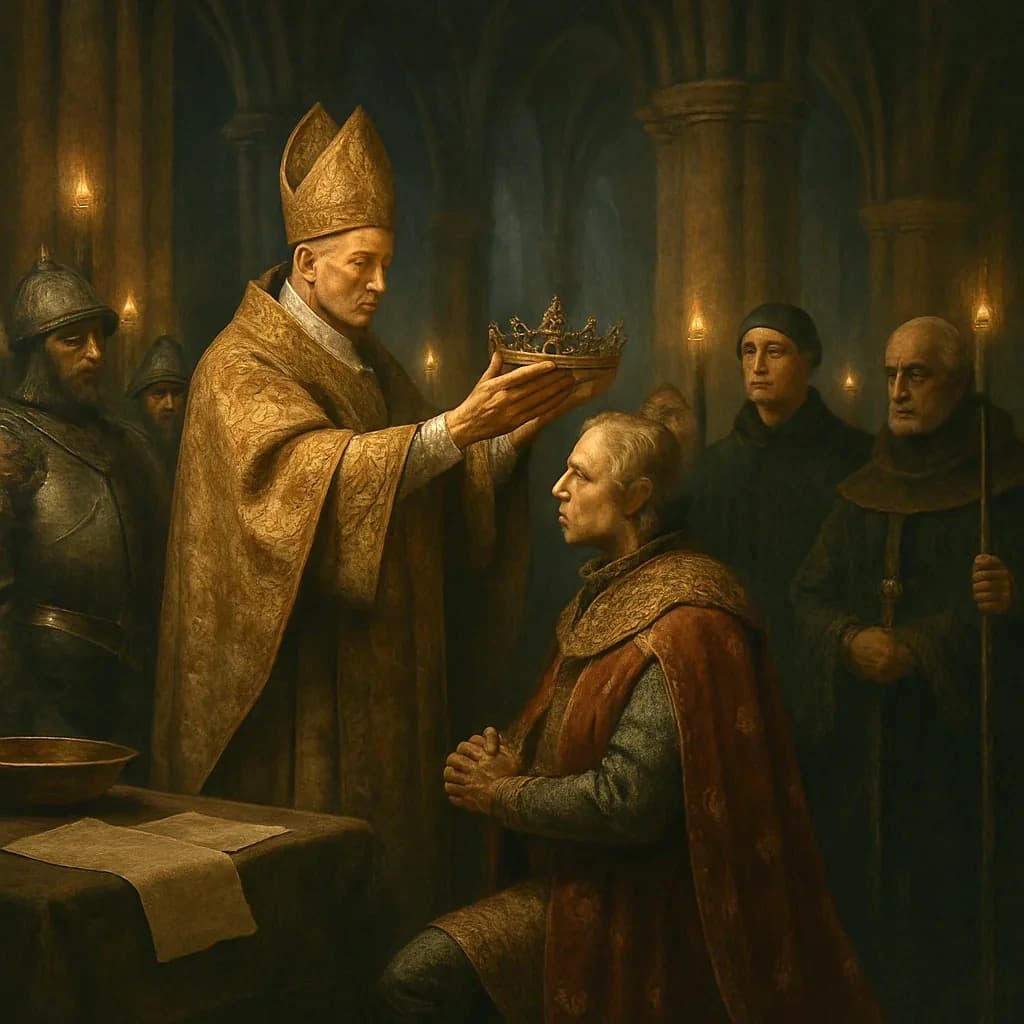
How a 1,000-Year-Old Law Started the Hundred Years' War
A French nobleman took the crown in 1328, and within a decade his claim had ignited a war that would last a hundred years.
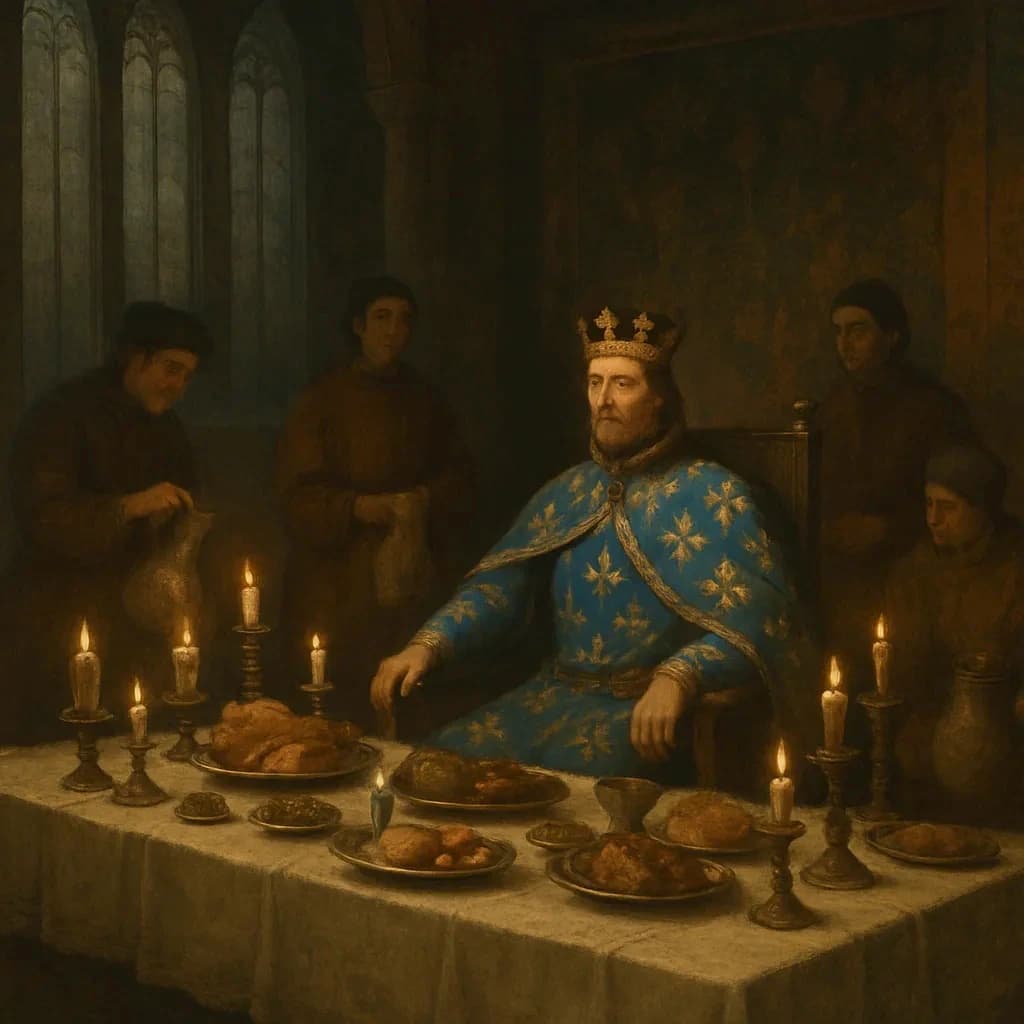
France's King Was Freed, Then Sailed Back to Captivity
Captured at the Battle of Poitiers in 1356, the King of France then spent four years living better than most kings do free.
A Shipping Dispute Over a Tiny Island Cost England Gascony
A medieval shipping dispute over a tiny Greek island somehow ended with England losing Gascony, and nobody noticed the connection for centuries.
Nobody Important Bothered to Stop the Birth of English
A French-speaking king, a hostage demand, and a language nobody important bothered to stop.
A Dying Soldier's Letter Caught the Black Death Arriving
A dying English soldier sent a letter home that accidentally preserved the only firsthand account of what the Black Death looked like the moment it arrived in Western Europe.
A Coal Cart Took Edinburgh Castle in Thirteen Minutes
Edinburgh Castle had never been taken by siege, so in 1341 the Scots decided not to bother with a siege.
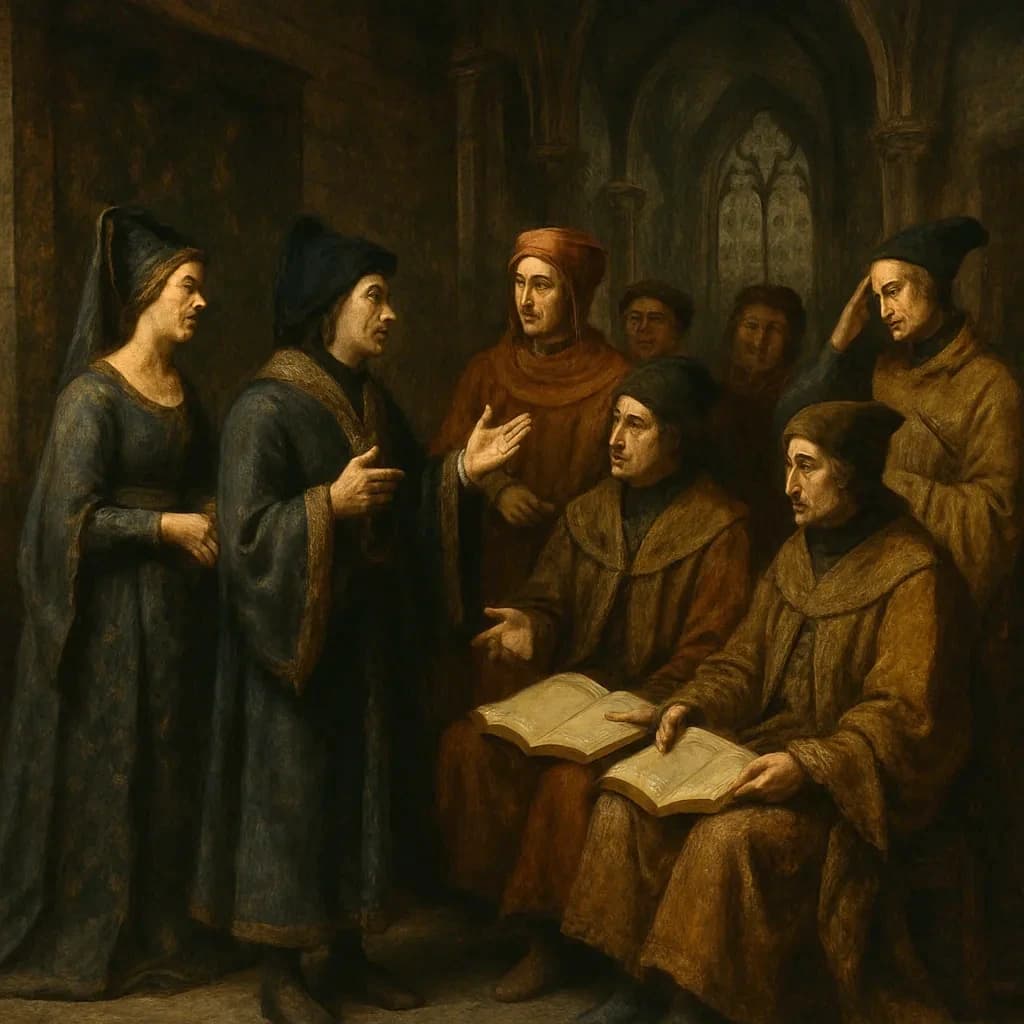
When France's Rulers Wouldn't Speak French
For nearly three centuries, the French court banned its own language from official business, preferring the tongue of their English enemies.

The Kitchen Maid Who Read France's Secret Letters
A kitchen maid became the most powerful person in medieval France, and nobody noticed until it was too late.
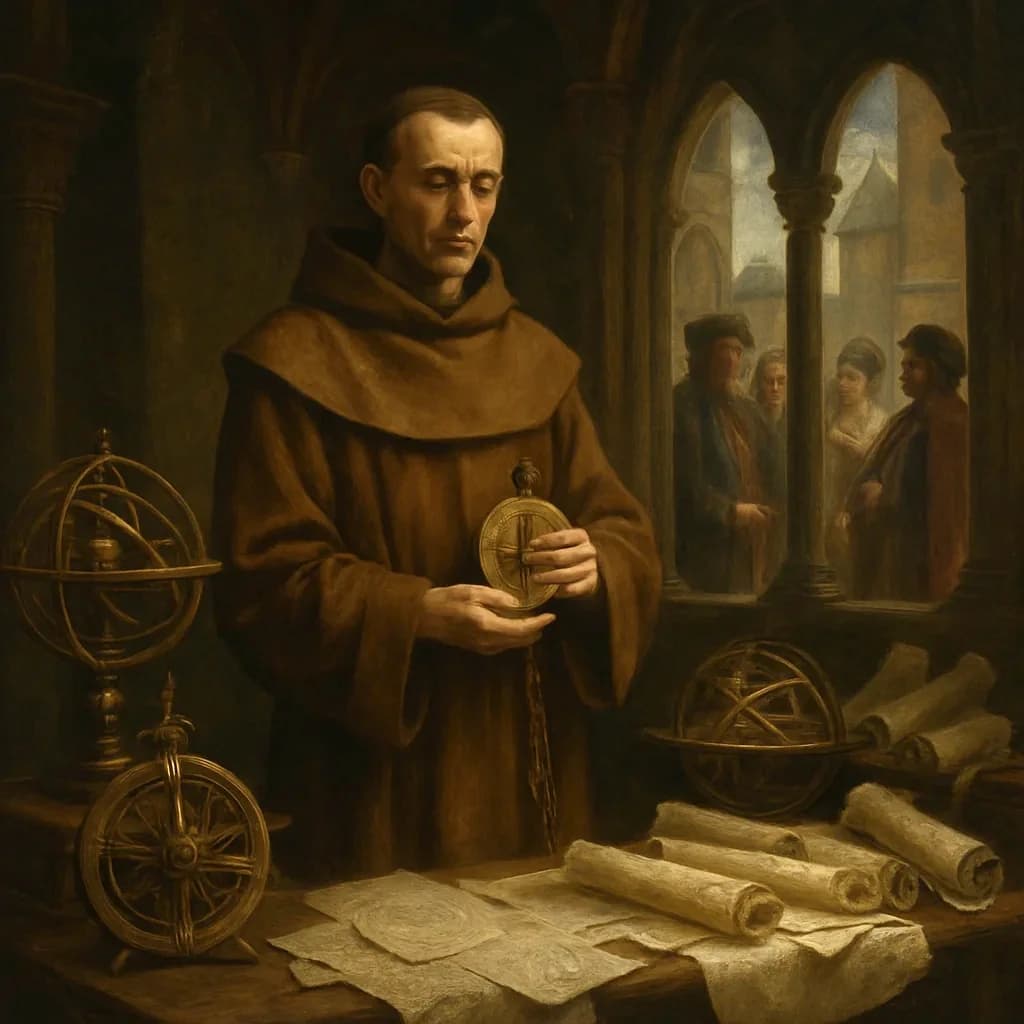
He Sold the Exact Day the Plague Would End
A Franciscan friar convinced half of Europe in 1348 that he could predict the exact day the Black Death would end, and made a fortune doing it.
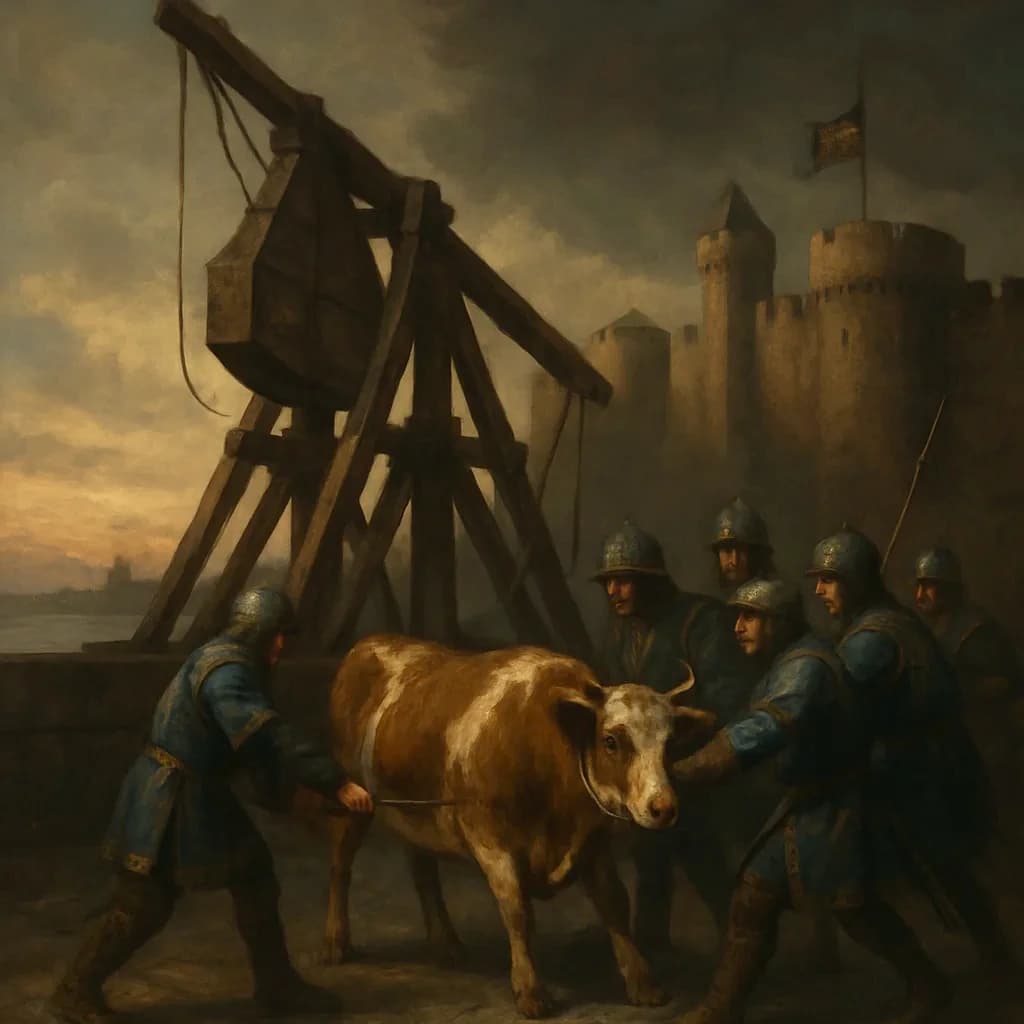
One Stubborn Cow Versus Europe's Deadliest Siege Engine
The most feared siege engine in Europe was undone, in 1346, by a single very stubborn cow.

Edward III Refused to Pay His Florentine Bankers
A Florentine financier left his desk for an hour, and the most powerful family in Europe went bankrupt.
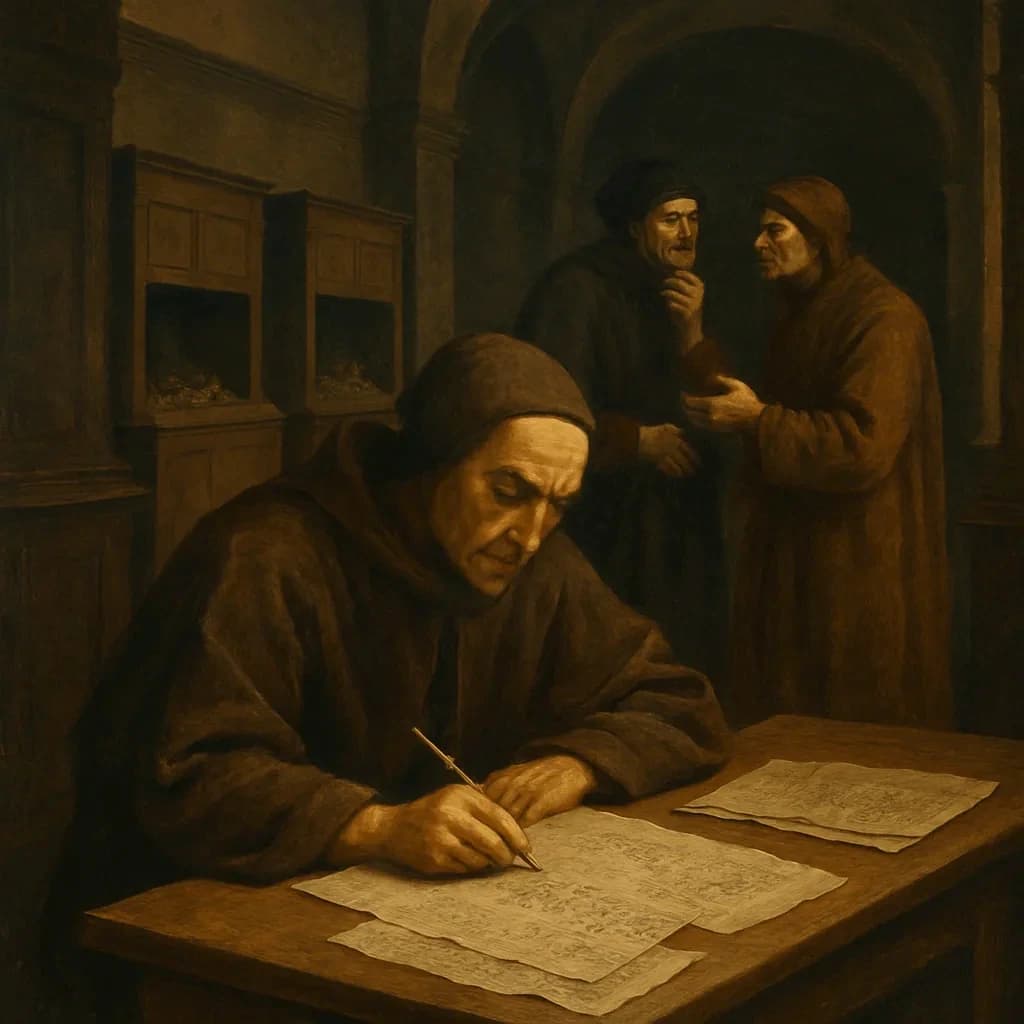
Banking by Fibonacci: How Florence Crashed Europe
A brilliant mathematician's obsession with perfect squares triggered one of history's most devastating financial collapses.
- Kaeuper, Richard W. War, Justice and Public Order: England and France in the Later Middle Ages. Oxford University Press, 1988.
- Hunt, Edwin S. The Medieval Super-Companies: A Study of the Peruzzi Company of Florence. Cambridge University Press, 1994.
- Ormrod, W.M. Edward III. Yale University Press, 2011.