
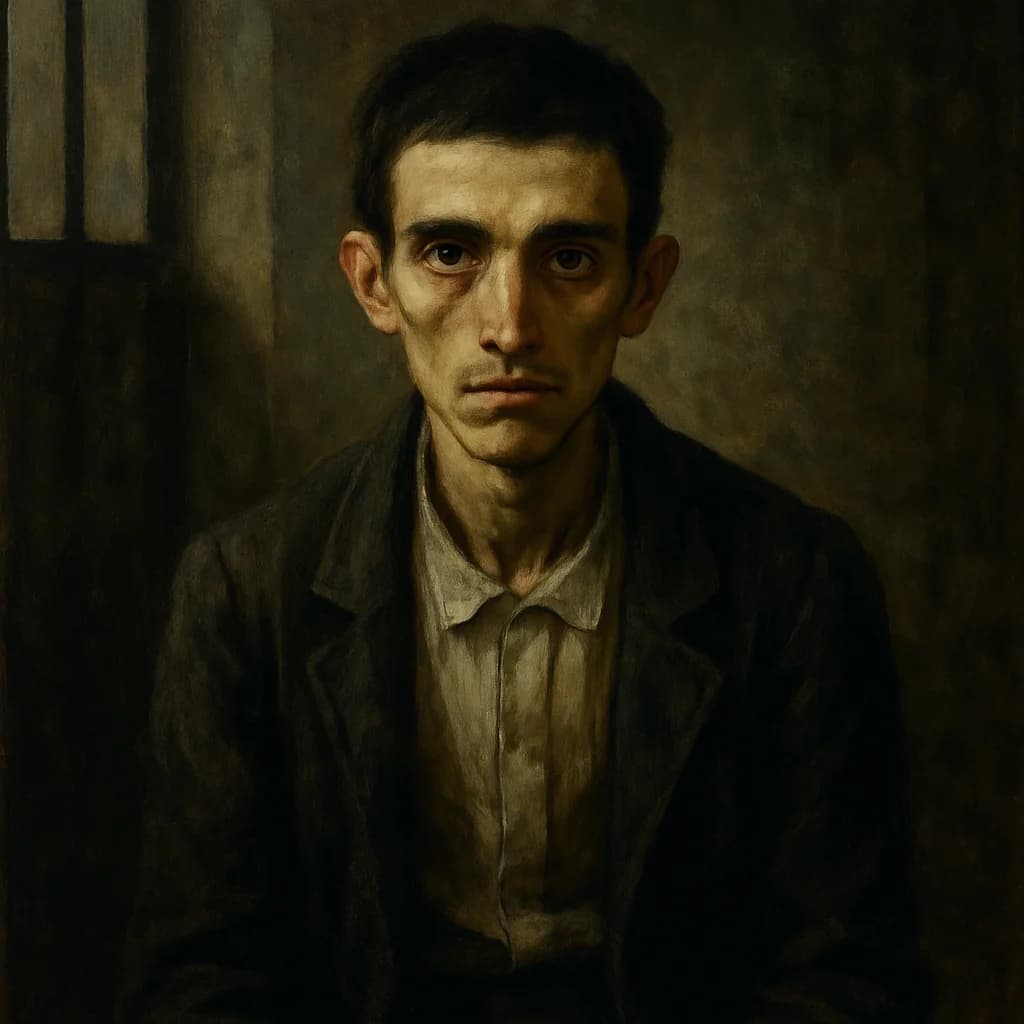
Nedeljko Čabrinović
The man who threw the bomb that missed Archduke Franz Ferdinand by seconds had tuberculosis so severe that his fellow conspirators expected him to die before the assassination.
Nedeljko Čabrinović was dying. The nineteen-year-old printer's apprentice coughed blood into his handkerchief each morning, his body wasting away from tuberculosis that would likely kill him within months. His fellow Black Hand conspirators knew this, and it made him perfect for their most dangerous task.
On June 28, 1914, as Franz Ferdinand's motorcade rolled through Sarajevo, Čabrinović stood on the Miljacka Bridge with a Serbian-made bomb tucked under his coat. When the archduke's car approached, he bit down on his cyanide capsule, hurled the explosive, and leaped into the river. The bomb bounced off the car's folded roof and exploded under the following vehicle, wounding twenty spectators. The cyanide was old and weak. It only made him vomit. The river was ankle-deep in summer drought.
Coughing river water and poison, Čabrinović was dragged from the mud by police and beaten by the crowd. During his interrogation, something remarkable happened: this dying teenager began to talk. Not just about himself, but about his co-conspirators, their training in Belgrade, their weapons suppliers. His confessions would provide Austria-Hungary with the evidence they needed to blame Serbia directly for the assassination.
Čabrinović lived just long enough to see his failed bomb throw help trigger the war he'd dreamed would liberate his people. He died in prison in 1916, two years into the conflict that would consume his homeland and reshape Europe. His tuberculosis finally claimed him, but not before his loose tongue had helped Austria-Hungary justify their ultimatum to Serbia that made World War I inevitable.
Čabrinović's bomb was wrapped in a cloth that bore the inscription "Death to tyranny" in Serbian, which Austrian investigators used as evidence of Serbian state involvement in the plot.
Why untold: His role as the confessor whose testimony provided Austria-Hungary's casus belli against Serbia is overshadowed by Gavrilo Princip's successful shot.
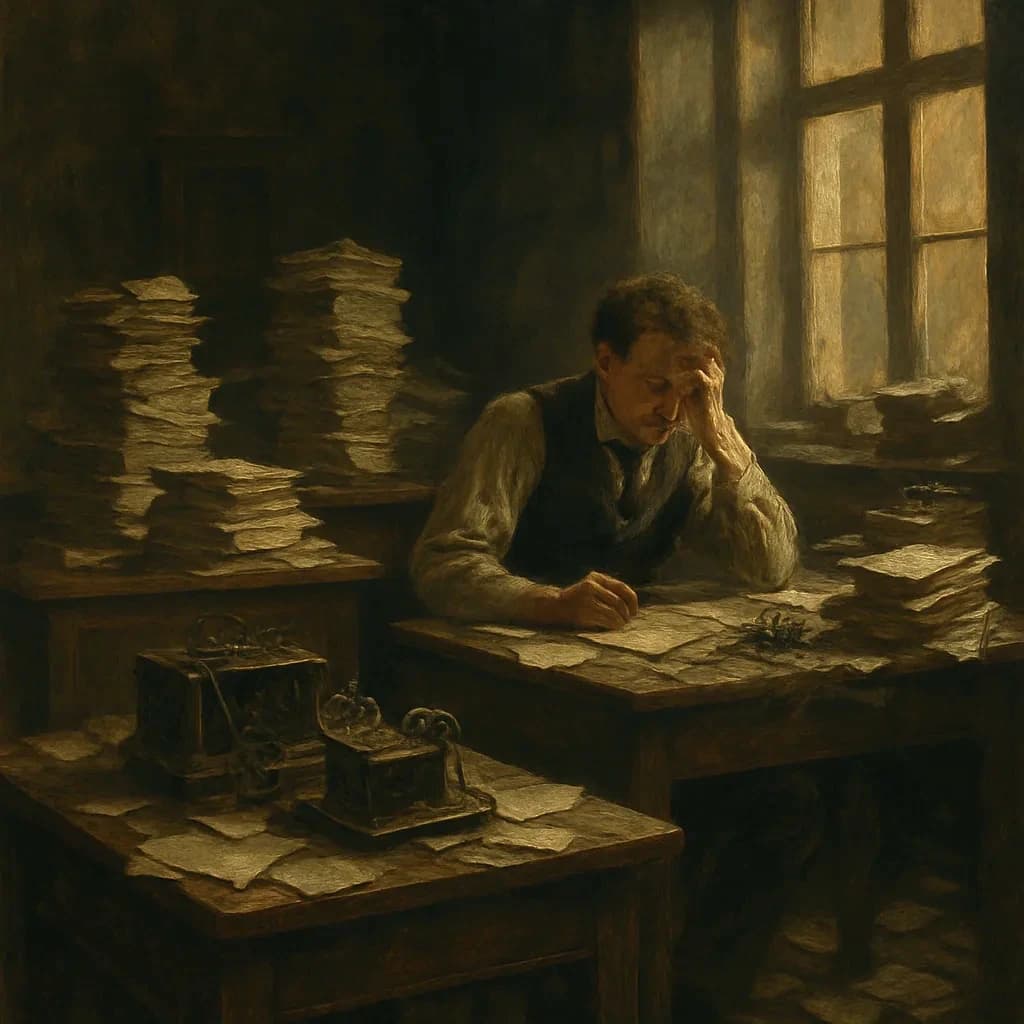
The Sarajevo Warning That Arrived a Day Late
A single misdelivered message on June 28, 1914, meant the man who could have prevented World War I never knew he needed to.
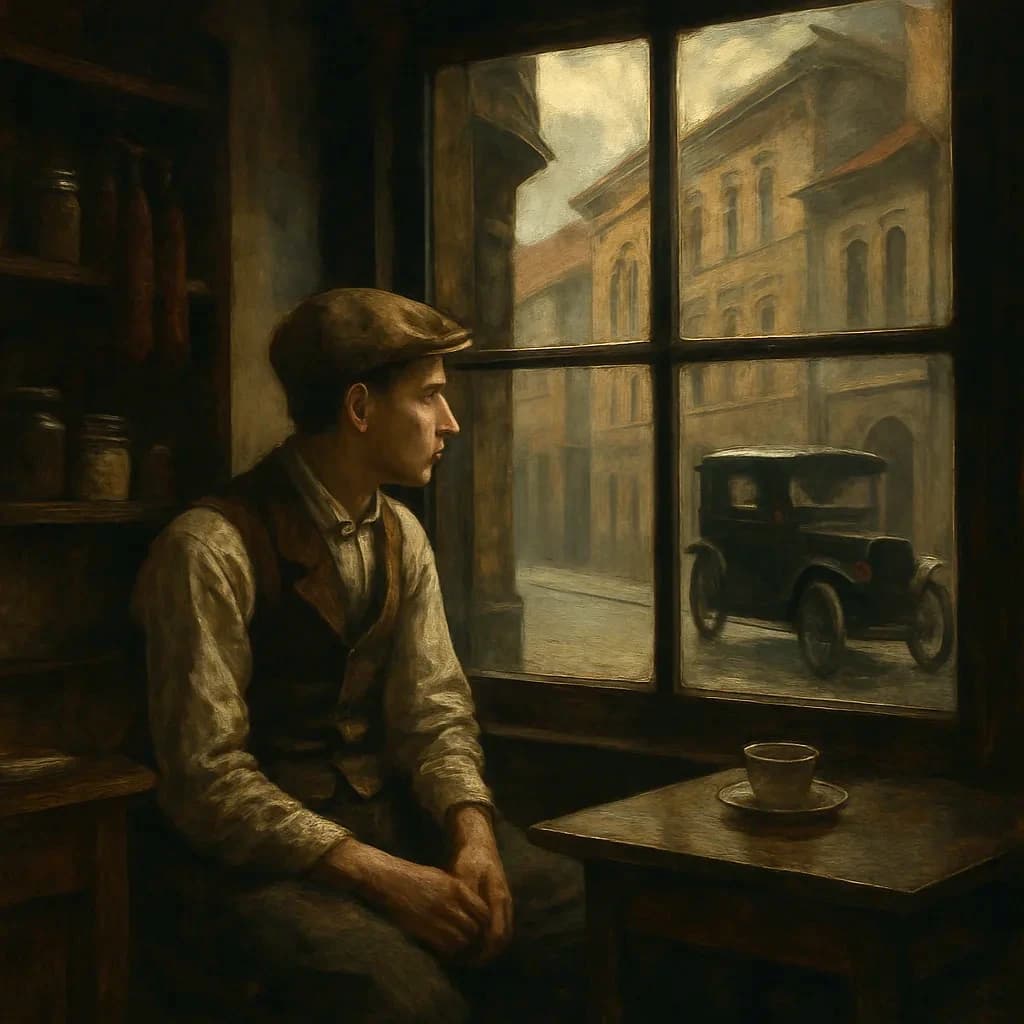
How a Sandwich in Sarajevo Sparked World War I
A Serbian teenager's stomach growl changed the course of the 20th century.
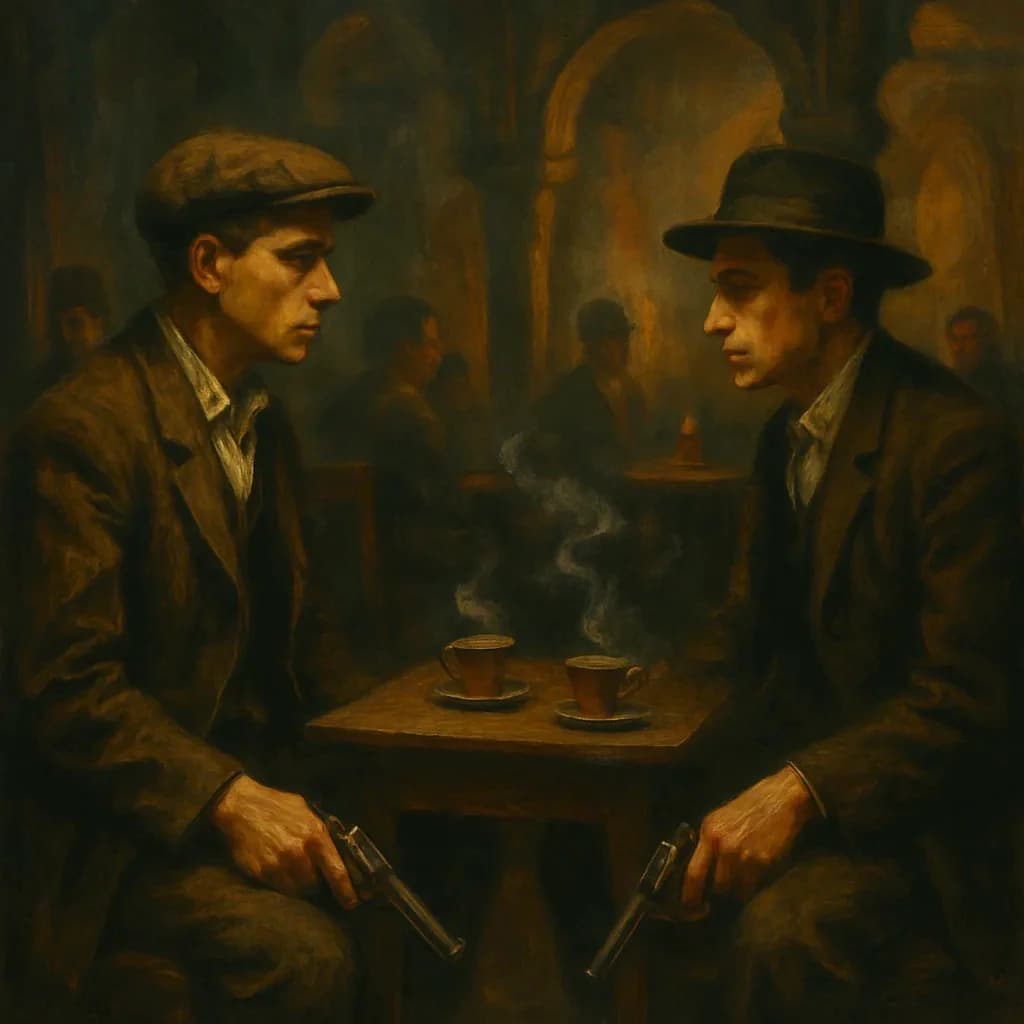
The Midnight Duel in a Sarajevo Coffeehouse
Two students argued over coffee about how to save their nation, then drew pistols. And one of them would reshape the map of Europe.
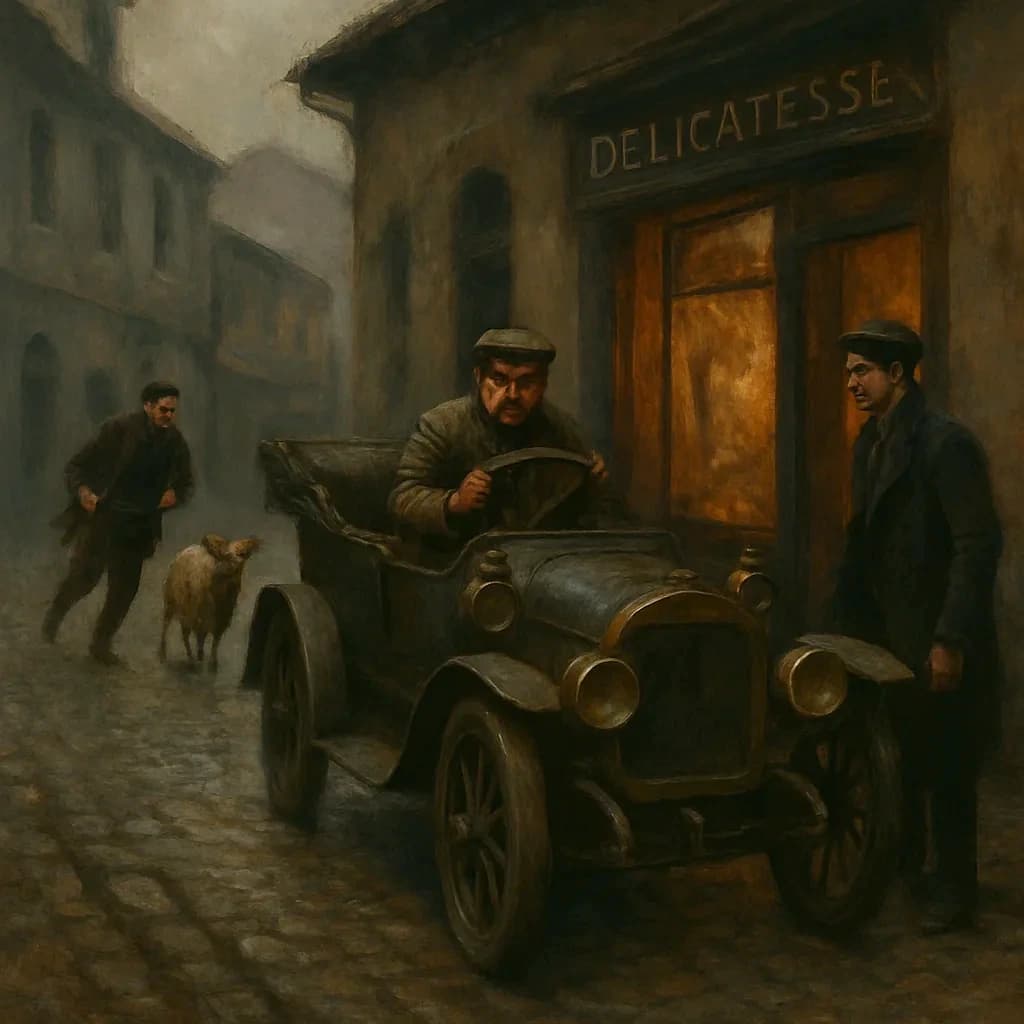
How a Runaway Goat Helped Start World War I
A Serbian farmer's escaped goat trotted into the wrong field on June 28, 1914, setting off a chain of events that would kill twenty million people.
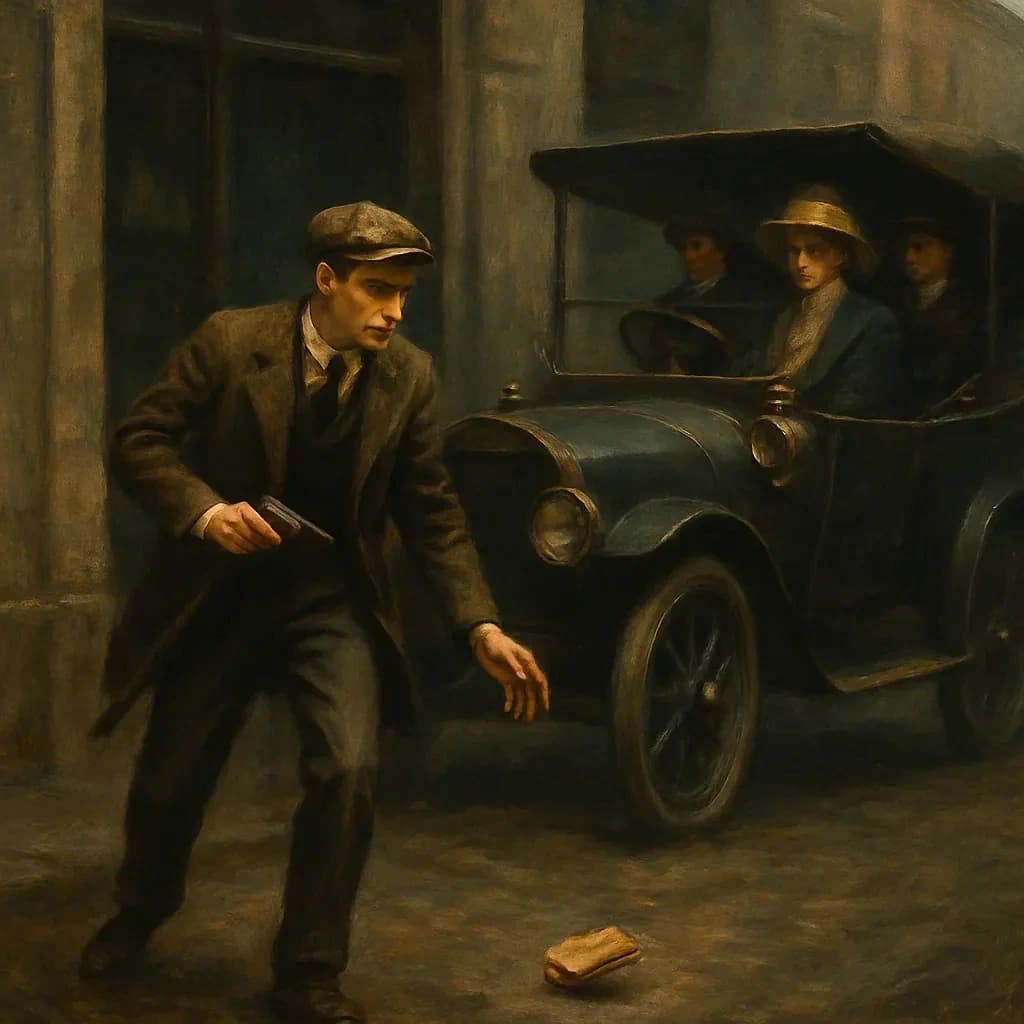
The Postcard That Killed an Archduke
Franz Ferdinand's assassin had already given up and was eating a sandwich when pure chance delivered the archduke's car right to his feet.
- Christopher Clark, The Sleepwalkers: How Europe Went to War in 1914
- Tim Butcher, The Trigger: Hunting the Assassin Who Brought the World to War
- Rebecca West, Black Lamb and Grey Falcon