
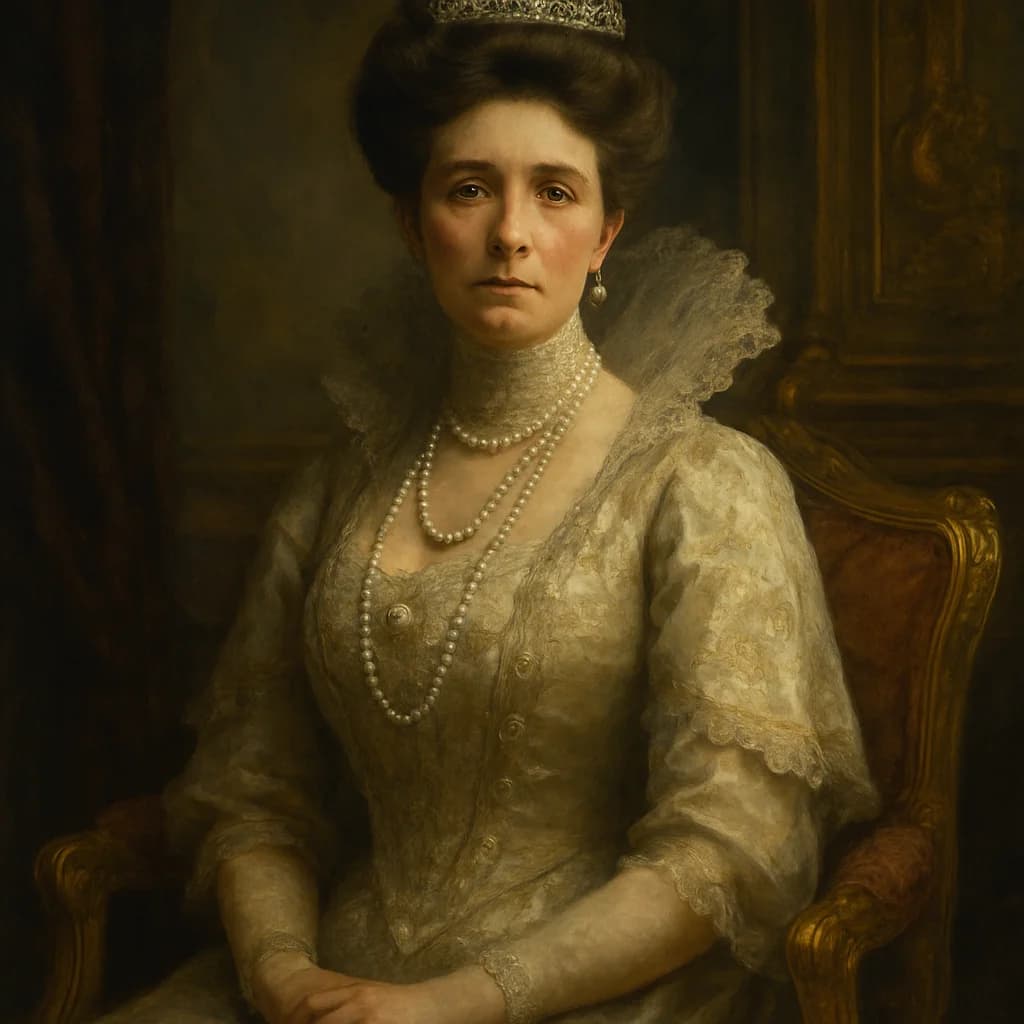
Sophie, Duchess of Hohenberg
The woman whose love affair with an archduke changed the rules of European royalty died twice: once in life, once in history.
Sophie Chotek was supposed to be invisible. Born to minor Bohemian nobility in 1868, she entered Viennese society as a lady-in-waiting to Archduchess Isabella, where her job was to fade into the background while real aristocrats conducted their affairs. Instead, she caught the eye of the one man in the empire she absolutely could not have: Archduke Franz Ferdinand, heir to the Austro-Hungarian throne.
Their courtship was a scandal that reached the highest levels of government. Emperor Franz Joseph initially refused to acknowledge their relationship, while the Bohemian court whispered that Sophie was a fortune-hunting commiseress. When Franz Ferdinand finally forced a morganatic marriage in 1900, Sophie paid a price no royal bride had ever paid: she lost her name, her rank, and her children's inheritance. She became the Duchess of Hohenberg, a title created specifically to keep her in her place.
For fourteen years, Sophie navigated the impossible mathematics of royal protocol. At state dinners, she sat below every archduchess, including her husband's youngest nieces. At the opera, she entered through separate doors. When Franz Ferdinand traveled on official business, she often couldn't accompany him. The court had weaponized etiquette itself against her.
That's what made June 28, 1914, so remarkable. Sarajevo was one of the few places where Sophie could appear beside her husband as his equal, because it was a military inspection, not a court function. She spent her final morning doing what she'd been denied for over a decade: standing beside the future emperor as his empress-in-waiting. The bullets that killed them both erased the last woman who had successfully challenged the Habsburg marriage machine.
Sophie had to sign a legal document renouncing her future children's rights to the throne before she could marry Franz Ferdinand, making it the only royal wedding in European history where the bride legally disinherited her own offspring.
Why untold: Royal protocol literally wrote her out of history. Her morganatic status meant court records minimized her role, while wartime propaganda focused on Franz Ferdinand as the sole victim.
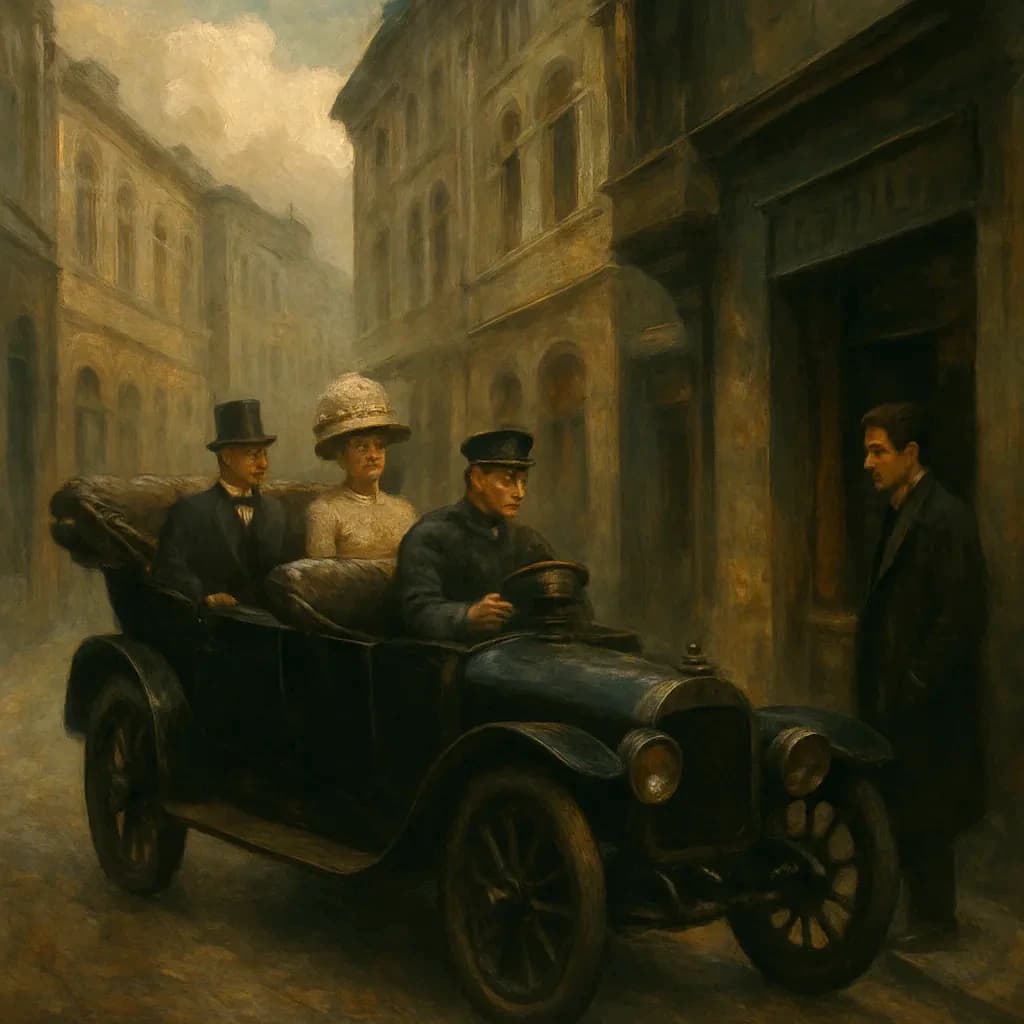
The Laundry List That Started World War I
A Serbian officer's shopping list in his jacket pocket nearly prevented the assassination that plunged the world into its first global war.
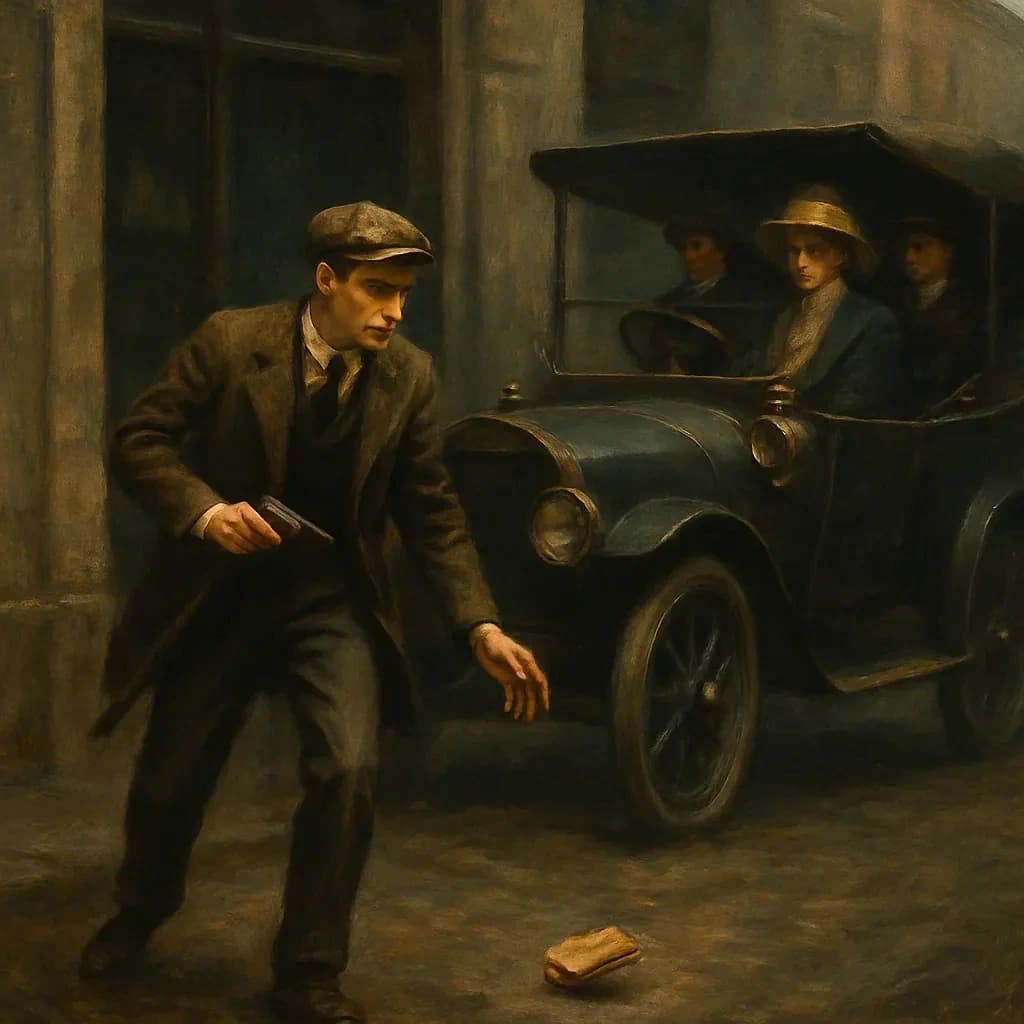
The Postcard That Killed an Archduke
Franz Ferdinand's assassin had already given up and was eating a sandwich when pure chance delivered the archduke's car right to his feet.
- Dedijer, Vladimir. The Road to Sarajevo. New York: Simon and Schuster, 1966.
- Morton, Frederic. Thunder at Twilight: Vienna 1913/1914. New York: Scribner's, 1989.
- Cassels, Lavender. The Archduke and the Assassin: Sarajevo, June 28th 1914. New York: Stein and Day, 1984.