
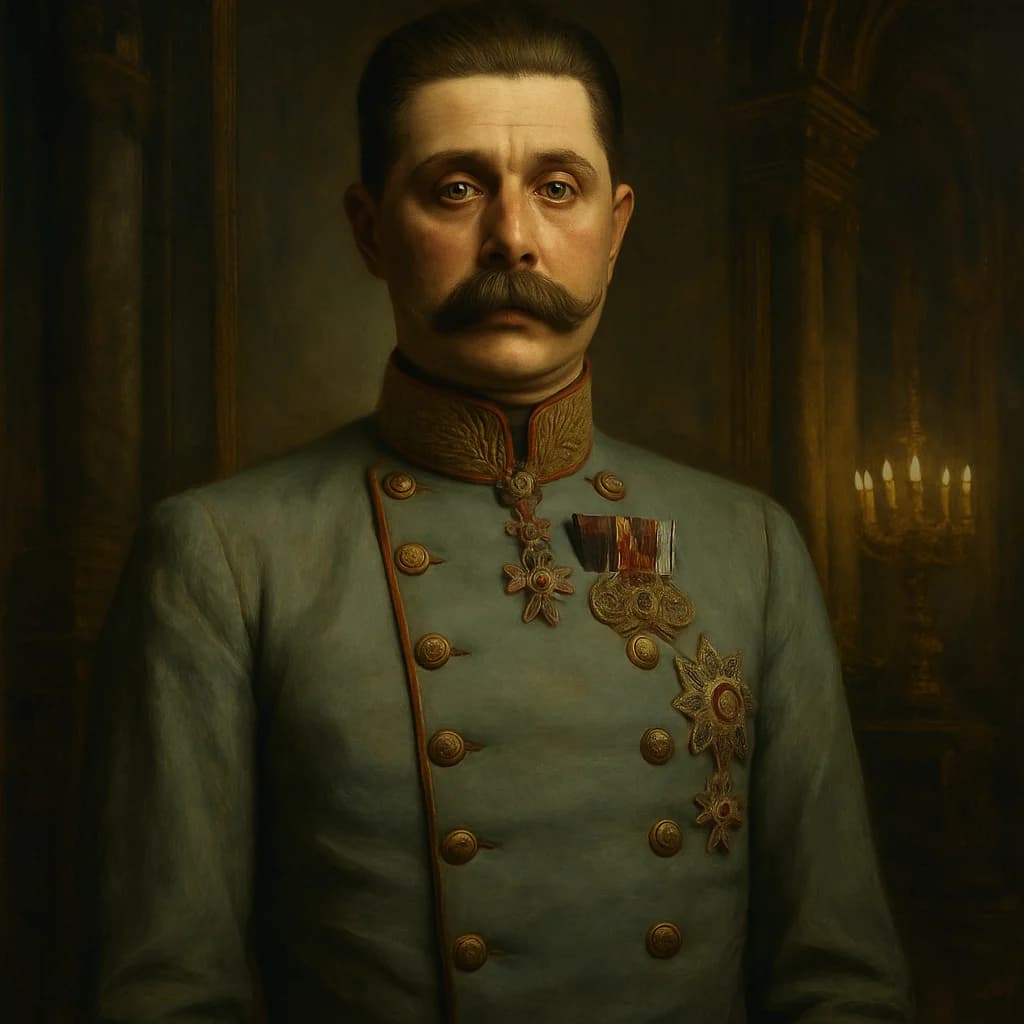
Franz Ferdinand
The man whose death started World War I spent most of his life trying to prevent it.
Franz Ferdinand was the Habsburg Empire's most reluctant heir, a man who inherited a crown he never wanted and used it to wage war against war itself. While his uncle Franz Joseph ruled with the iron certainty of divine right, Franz Ferdinand saw the empire's fatal flaw: you cannot hold together a dozen ethnic groups by force alone. He spent fourteen years crafting a radical solution called the "United States of Greater Austria," a federal system that would give Czechs, Poles, Croats, and others their own parliaments while keeping the empire intact.
The plan terrified everyone. Austrian Germans feared losing their privileged position. Hungarian nobles saw their dominance over Slavs evaporating. Most dangerous of all, Serbian nationalists recognized that if Franz Ferdinand gave South Slavs autonomy within Austria-Hungary, their dream of a Greater Serbia would die. The archduke's federalism was more threatening to Serbian ambitions than any army.
Franz Ferdinand knew he was marked for death. He received so many assassination threats that his staff stopped showing them to him. Yet he insisted on visiting Sarajevo in June 1914, against all advice, because he believed only personal diplomacy could bridge the empire's ethnic chasms. He planned to use the trip to announce new concessions to Bosnian Slavs.
The bitter irony cut deep: his assassins killed him to prevent exactly the kind of self-determination they claimed to champion. Gavrilo Princip's bullets didn't just end a life; they destroyed the last serious attempt to solve nationalism through federalism rather than fragmentation. Franz Ferdinand's death guaranteed that his uncle would rule as he always had, until the empire finally collapsed into the ethnic nation-states the archduke had tried to transcend.
Franz Ferdinand's proposed "United States of Greater Austria" would have created sixteen autonomous regions with their own parliaments, making it the most progressive multinational state in Europe.
Why untold: His reputation as a warmonger overshadowed his actual role as the empire's most dedicated peace advocate and political reformer.
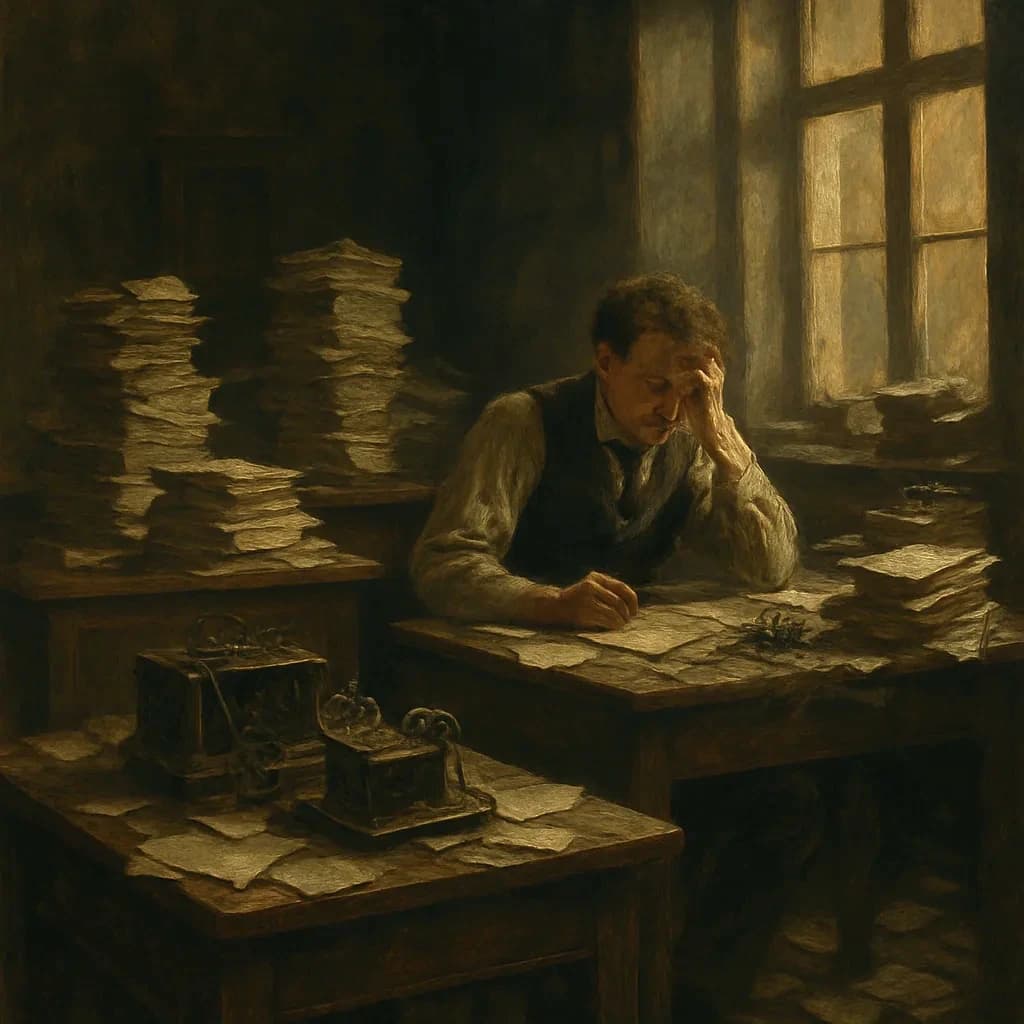
The Sarajevo Warning That Arrived a Day Late
A single misdelivered message on June 28, 1914, meant the man who could have prevented World War I never knew he needed to.
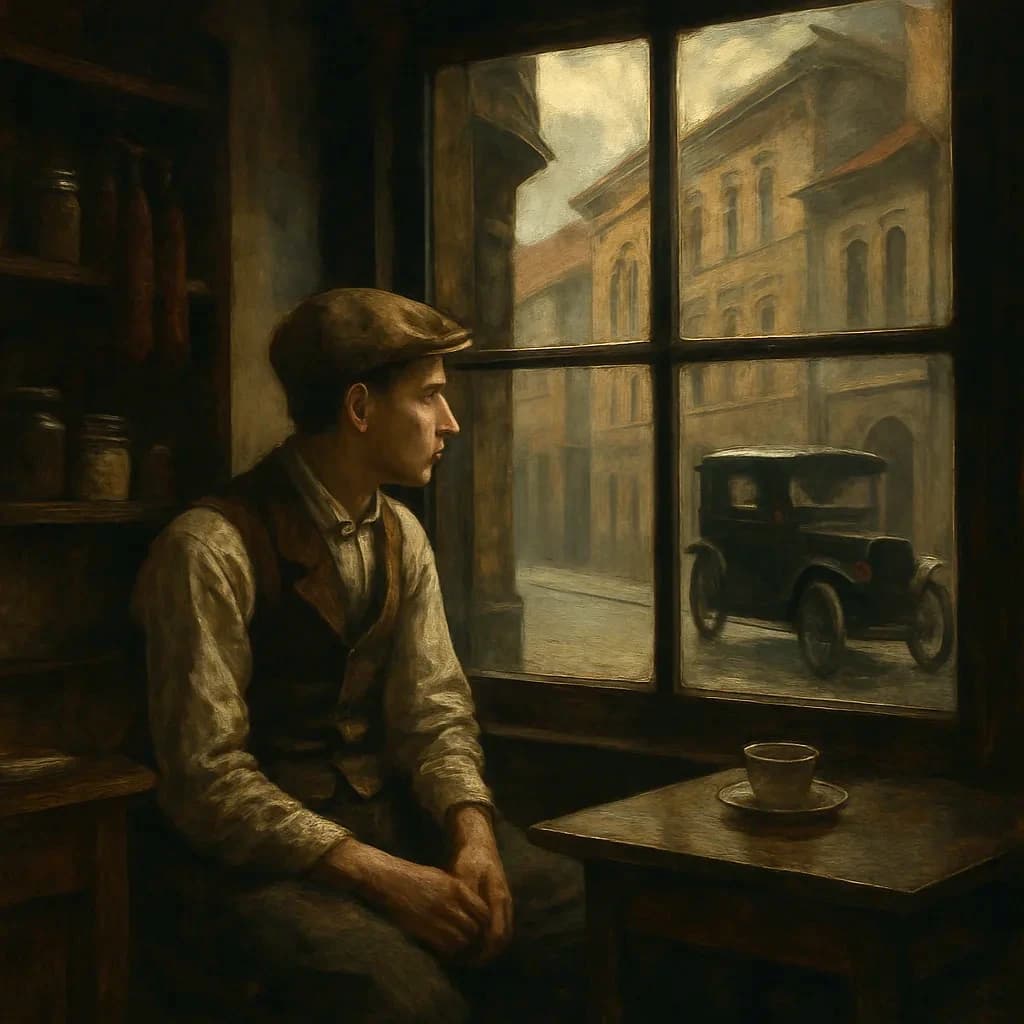
How a Sandwich in Sarajevo Sparked World War I
A Serbian teenager's stomach growl changed the course of the 20th century.
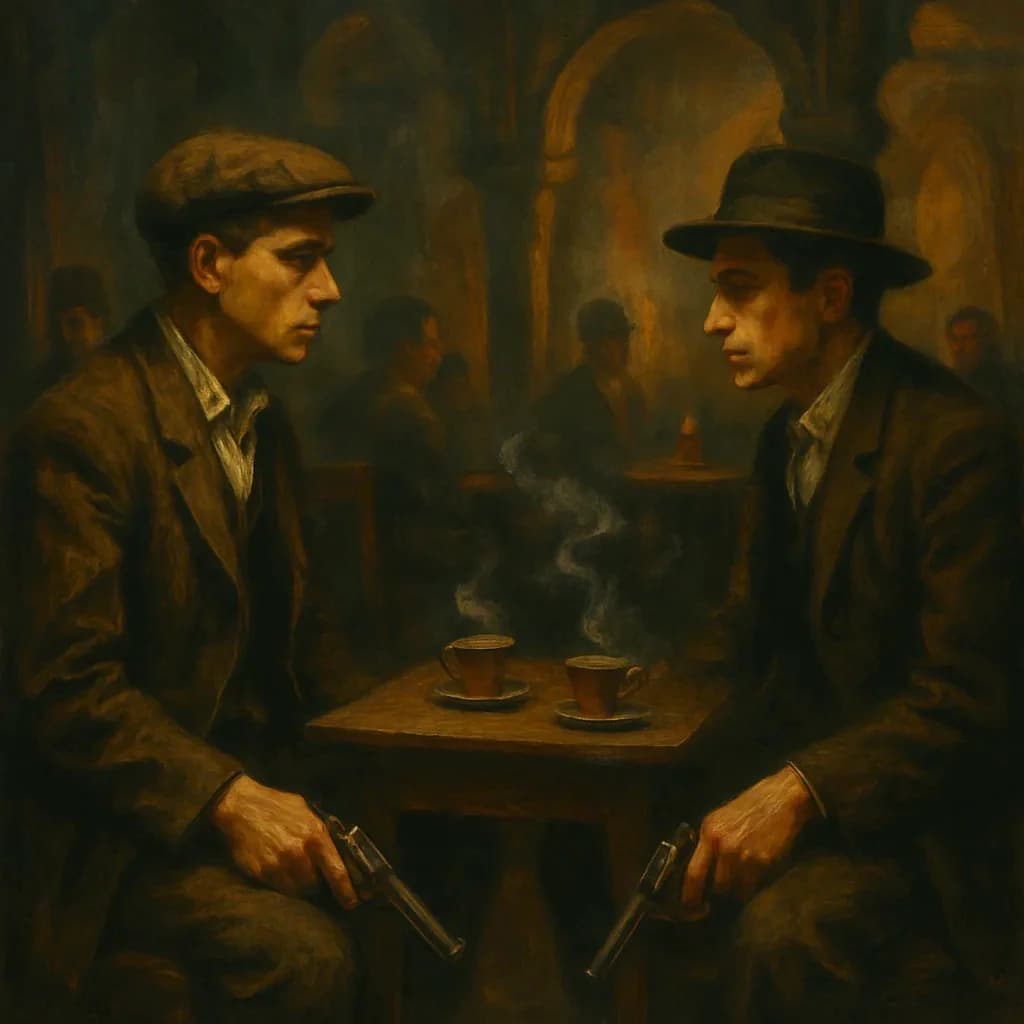
The Midnight Duel in a Sarajevo Coffeehouse
Two students argued over coffee about how to save their nation, then drew pistols. And one of them would reshape the map of Europe.
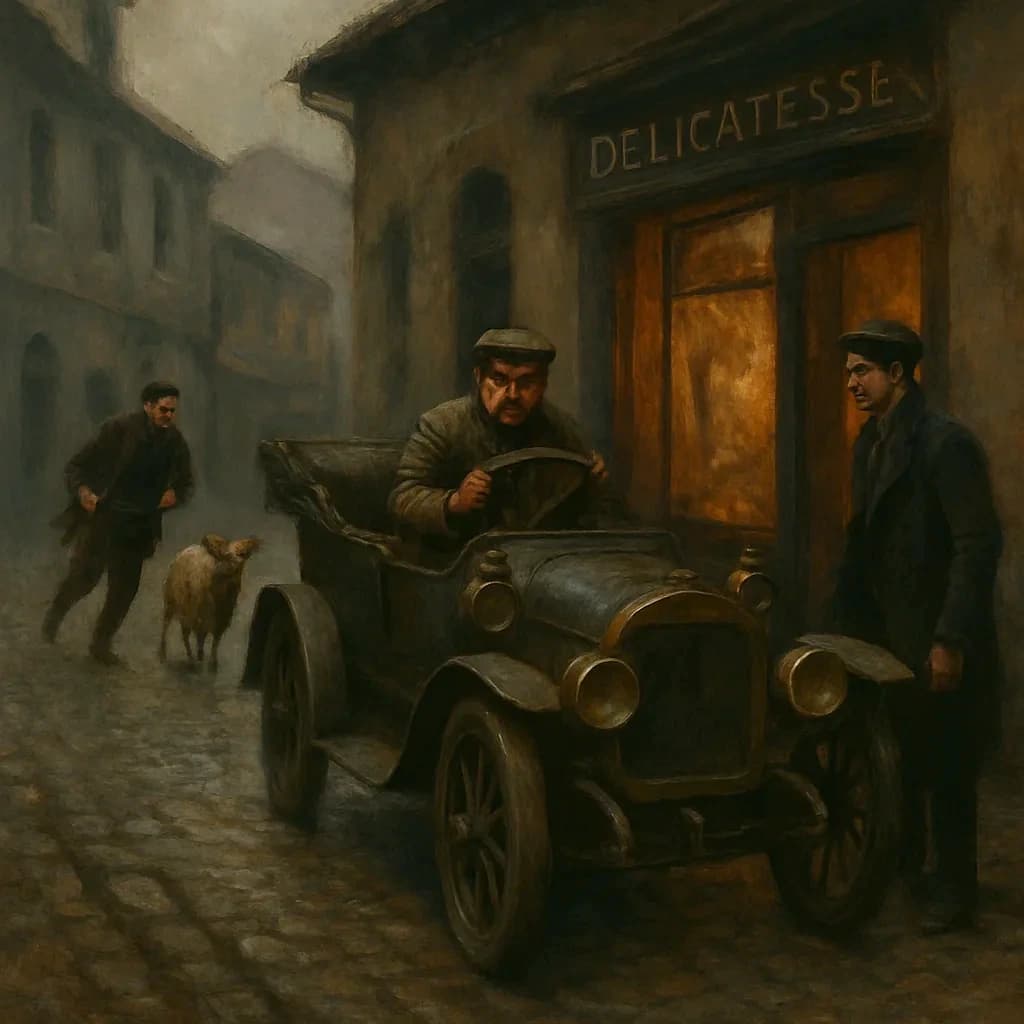
How a Runaway Goat Helped Start World War I
A Serbian farmer's escaped goat trotted into the wrong field on June 28, 1914, setting off a chain of events that would kill twenty million people.
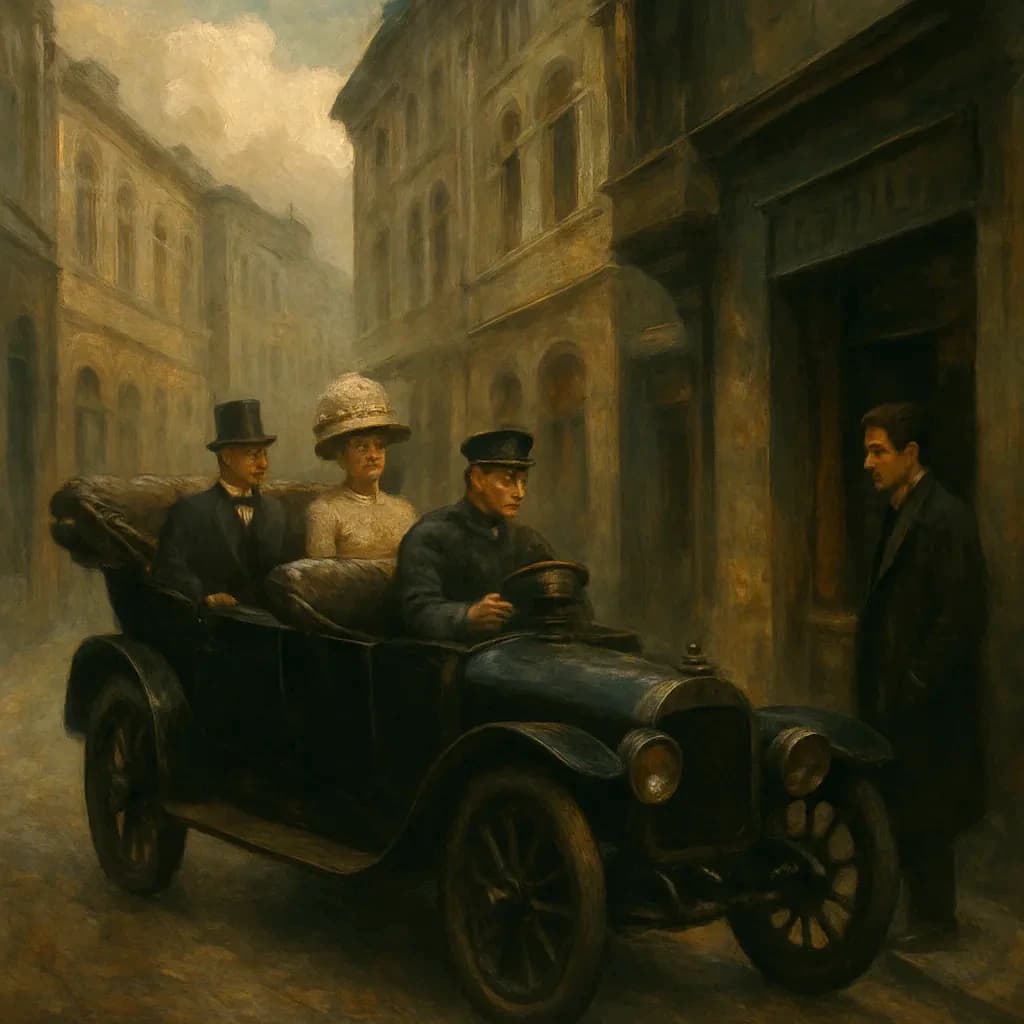
The Laundry List That Started World War I
A Serbian officer's shopping list in his jacket pocket nearly prevented the assassination that plunged the world into its first global war.
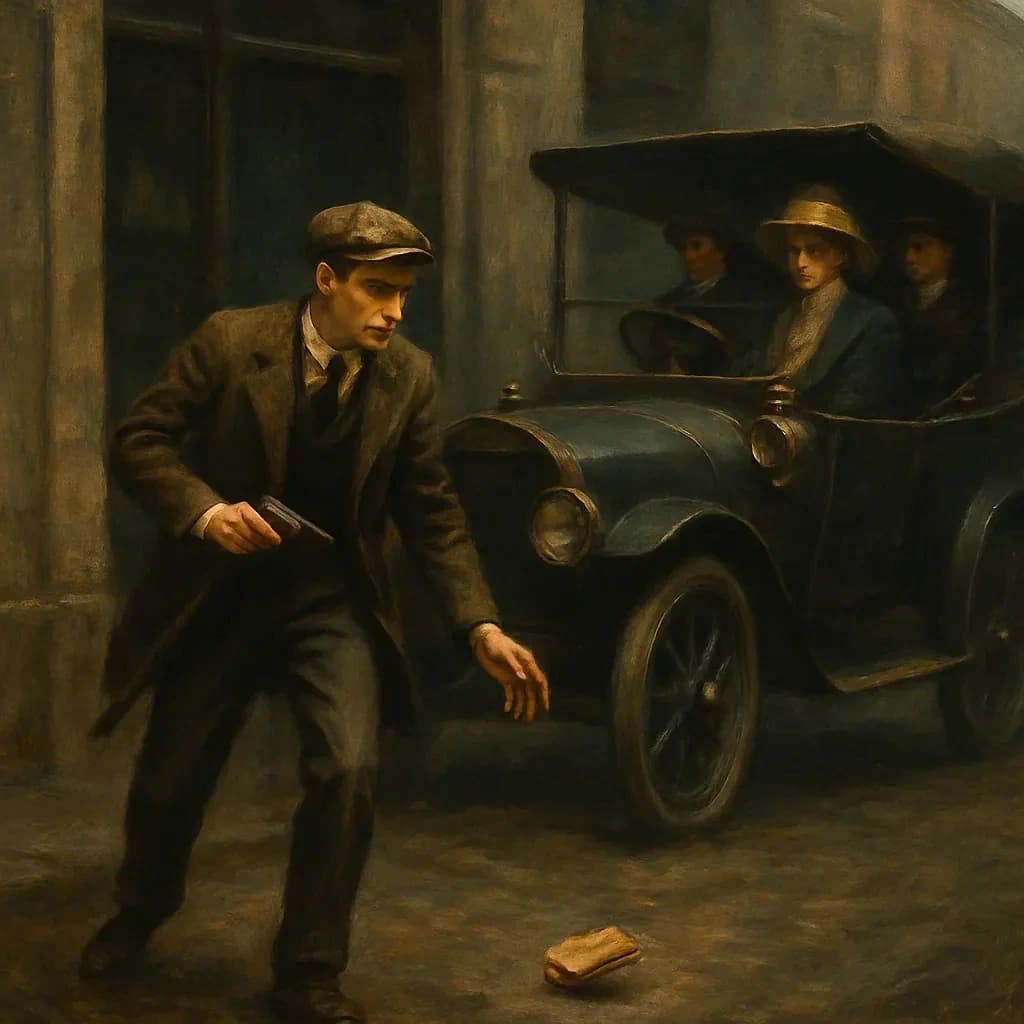
The Postcard That Killed an Archduke
Franz Ferdinand's assassin had already given up and was eating a sandwich when pure chance delivered the archduke's car right to his feet.
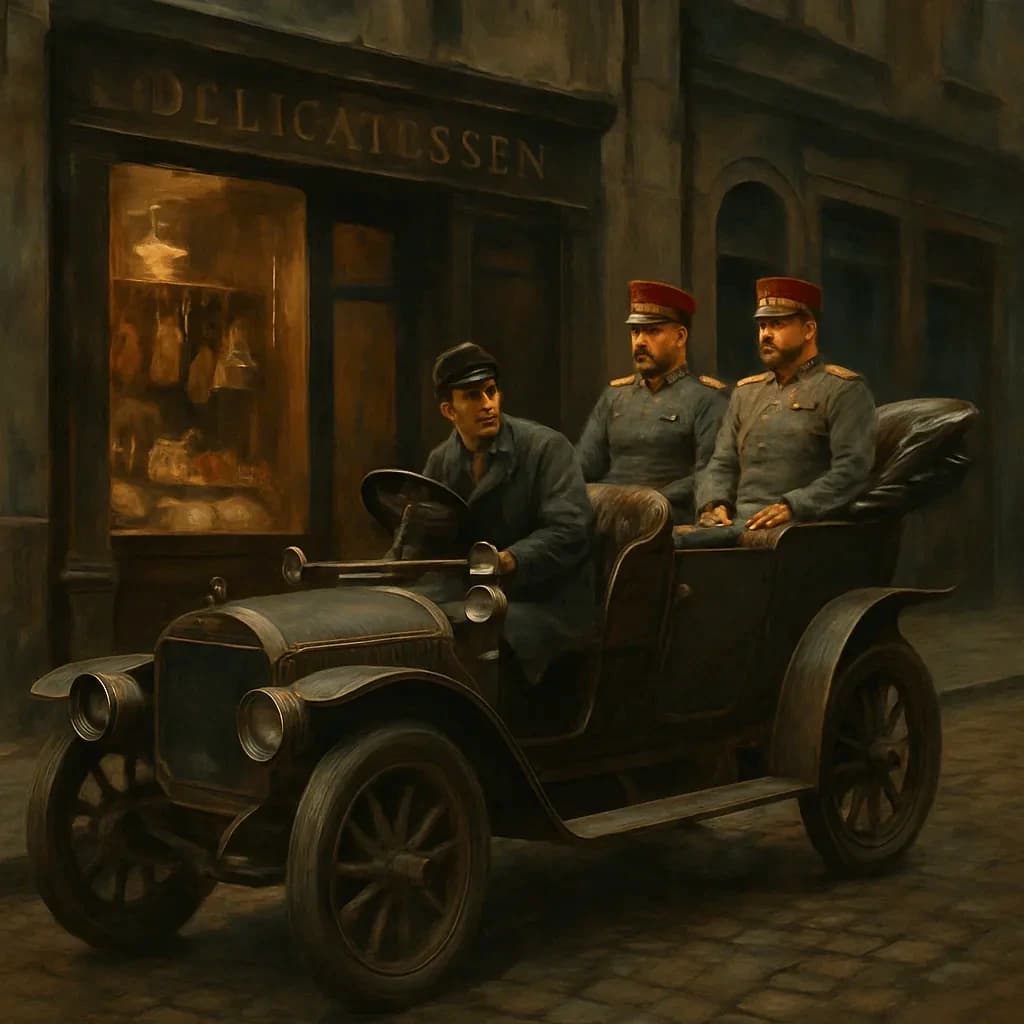
An Archduke's Slow Breakfast Gave His Assassin a Second Chance
A Habsburg archduke's leisurely morning routine in Sarajevo gave a failed assassin a second chance, and changed the world.
- Edmund Glaise von Horstenau, Franz Ferdinand's Political Legacy, Vienna: 1929
- Gordon Brook-Shepherd, Victims at Sarajevo, London: Harvill Press, 1984
- Steven Beller, Francis Joseph, London: Longman, 1996