
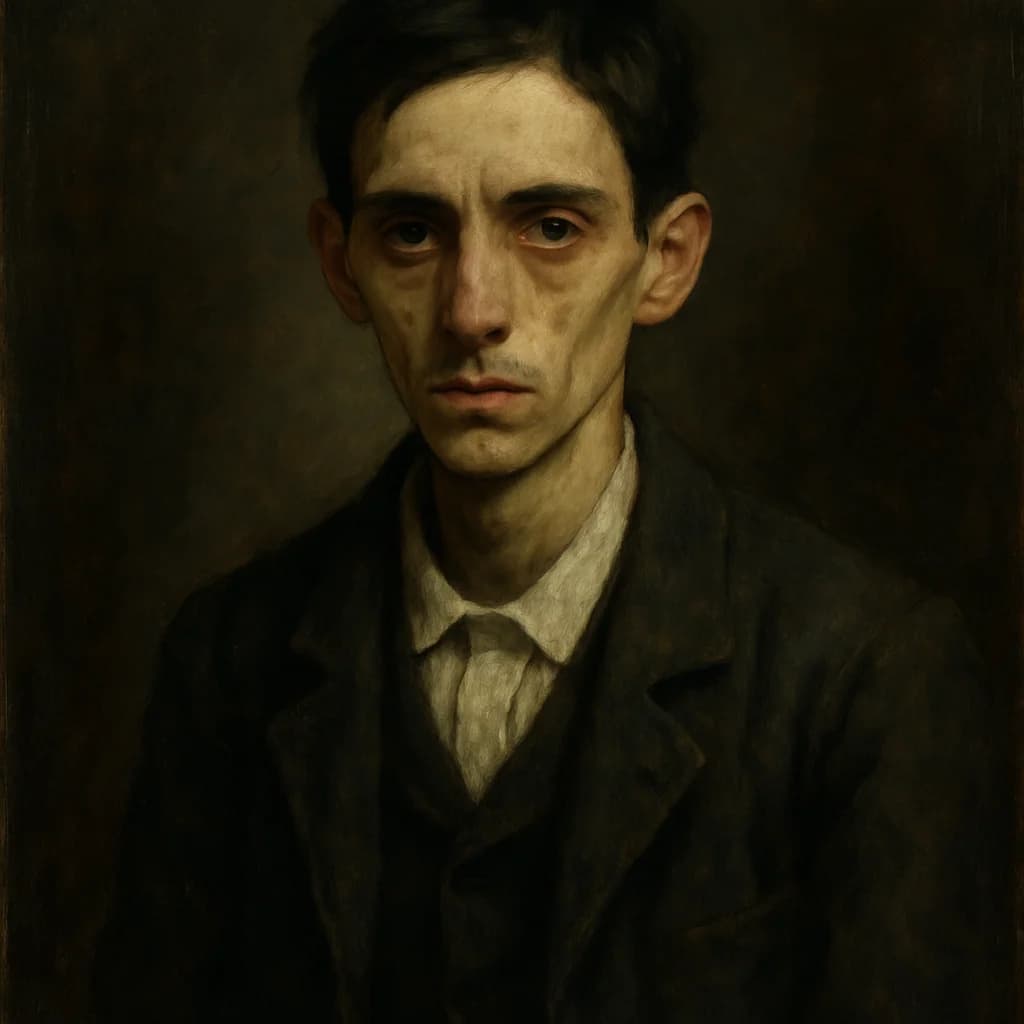
Gavrilo Princip
The man who started World War I was nineteen, tubercular, and had already failed at suicide twice.
Gavrilo Princip spent the morning of June 28, 1914, contemplating death: his own, not an archduke's. The tuberculosis eating his lungs gave him perhaps two years to live, and his first assassination attempt had failed so spectacularly that he'd retreated to Moritz Schiller's delicatessen for what he assumed would be his final meal. He had swallowed a cyanide capsule after firing at Franz Ferdinand's motorcade, but the poison was expired. Instead of dying dramatically for Greater Serbia, he'd merely vomited on his shoes.
Princip wasn't supposed to be the triggerman at all. The Black Hand, the Serbian nationalist organization behind the plot, had assigned him as backup to the backup. At barely five feet tall and weighing ninety pounds soaking wet, he looked more like a consumptive poet than a revolutionary. His fellow conspirators nicknamed him "the runt." But when Franz Ferdinand's driver took a wrong turn down Franz Joseph Street (directly past Schiller's), Princip found himself five feet from the most powerful man in the Austro-Hungarian Empire.
The irony would have amused him. Princip had spent three years preparing for martyrdom, practicing his marksmanship in Belgrade's coffee houses by shooting at playing cards. He'd written passionate manifestos about dying for Serbian independence, convinced he'd never see twenty. Yet when the moment came, it wasn't ideology that steadied his hand. It was the bitter certainty that he had nothing left to lose.
After the shooting, Princip tried to turn his gun on himself, but the crowd overwhelmed him before he could pull the trigger. His third suicide attempt had failed too. He would die in prison four years later, just as the tuberculosis had promised, never knowing that his two bullets had killed twenty million people.
Princip was so small that Austrian law forbade executing anyone under twenty years old, and he missed the cutoff by just twenty-seven days, so he died slowly of tuberculosis in prison instead of quickly by hanging.
Why untold: History remembers him as the assassin who started WWI, but overlooks that he was a dying teenager who considered himself a failure right up until he accidentally changed the world.
The Sarajevo Warning That Arrived a Day Late
A single misdelivered message on June 28, 1914, meant the man who could have prevented World War I never knew he needed to.
How a Sandwich in Sarajevo Sparked World War I
A Serbian teenager's stomach growl changed the course of the 20th century.
The Midnight Duel in a Sarajevo Coffeehouse
Two students argued over coffee about how to save their nation, then drew pistols. And one of them would reshape the map of Europe.
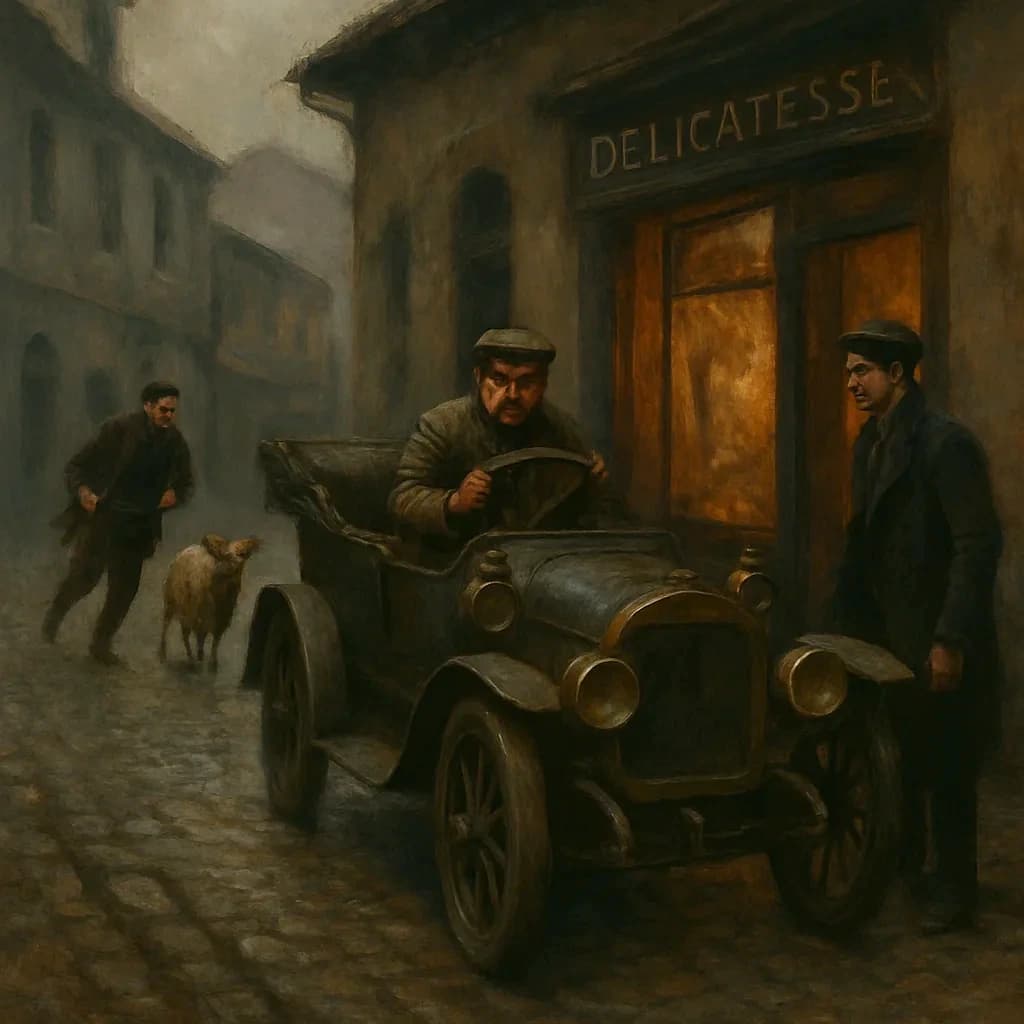
How a Runaway Goat Helped Start World War I
A Serbian farmer's escaped goat trotted into the wrong field on June 28, 1914, setting off a chain of events that would kill twenty million people.
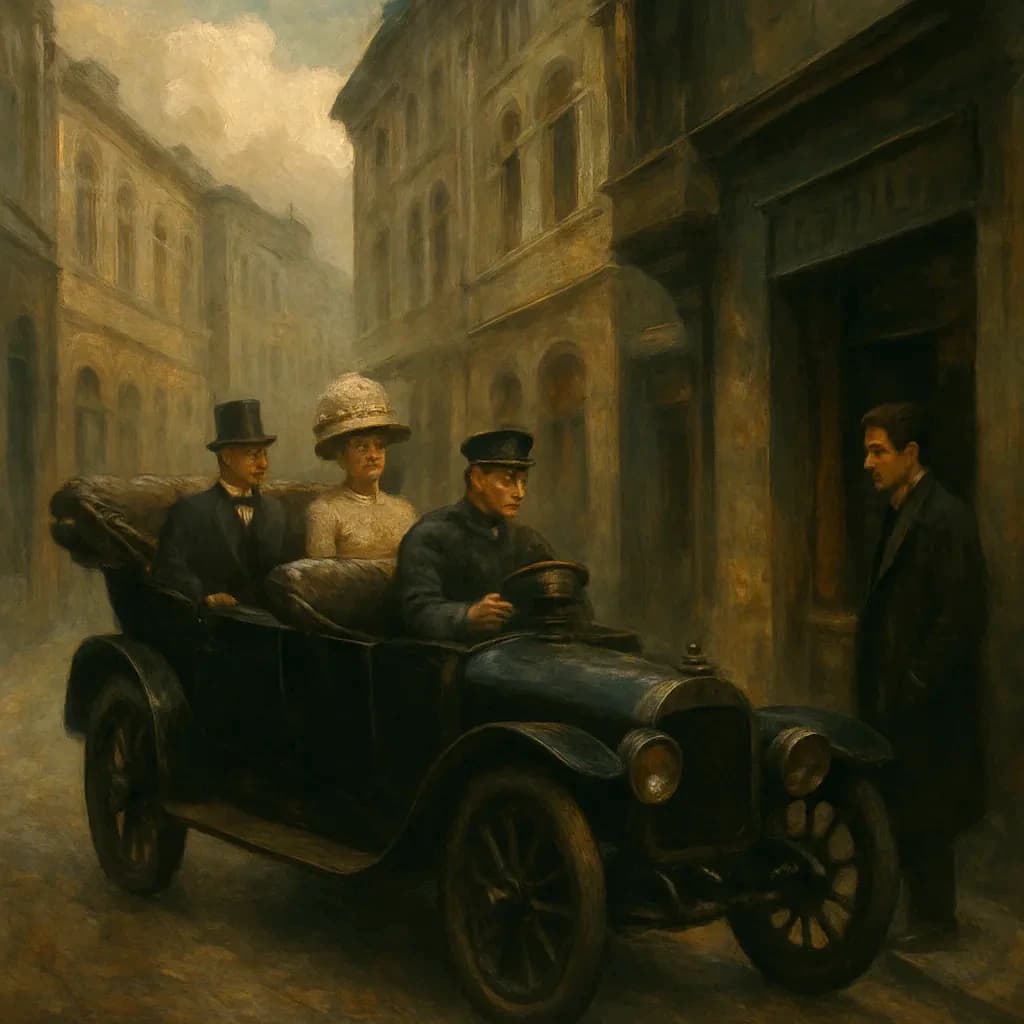
The Laundry List That Started World War I
A Serbian officer's shopping list in his jacket pocket nearly prevented the assassination that plunged the world into its first global war.
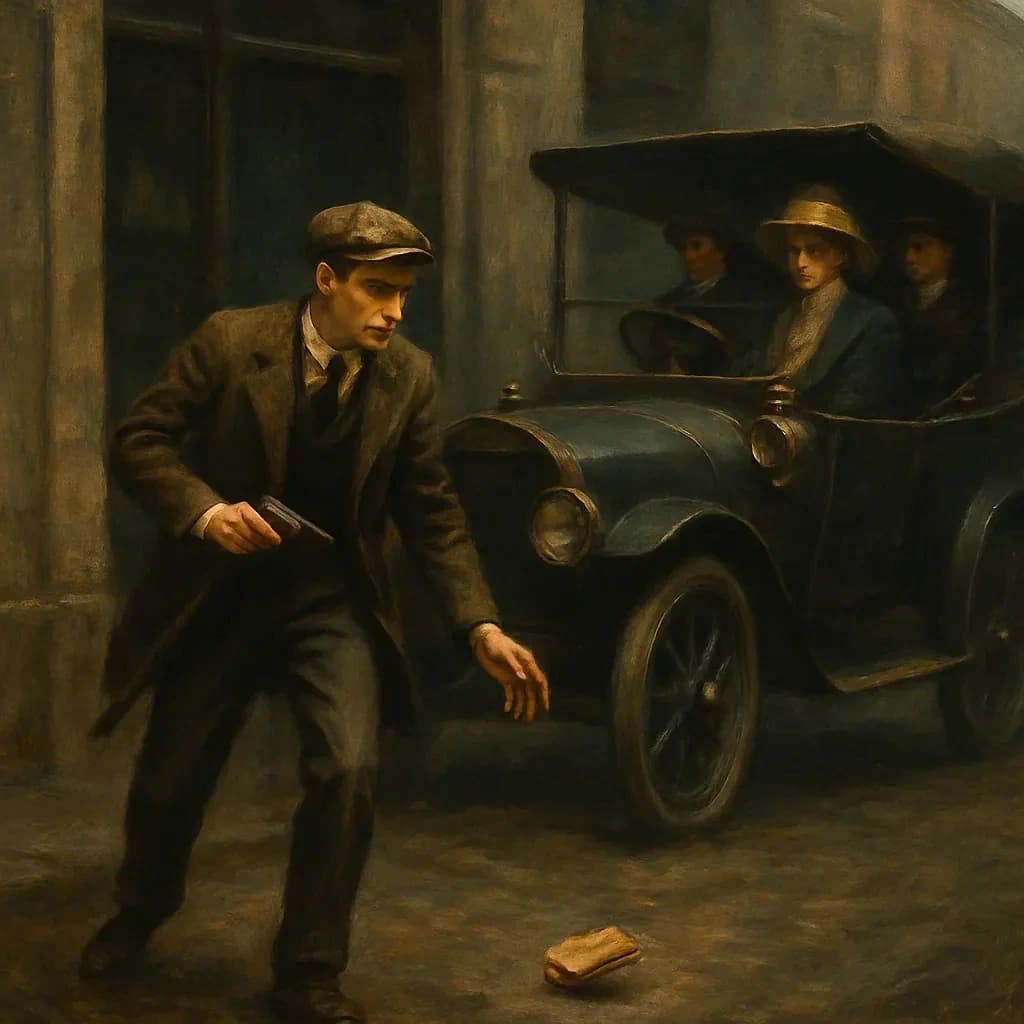
The Postcard That Killed an Archduke
Franz Ferdinand's assassin had already given up and was eating a sandwich when pure chance delivered the archduke's car right to his feet.
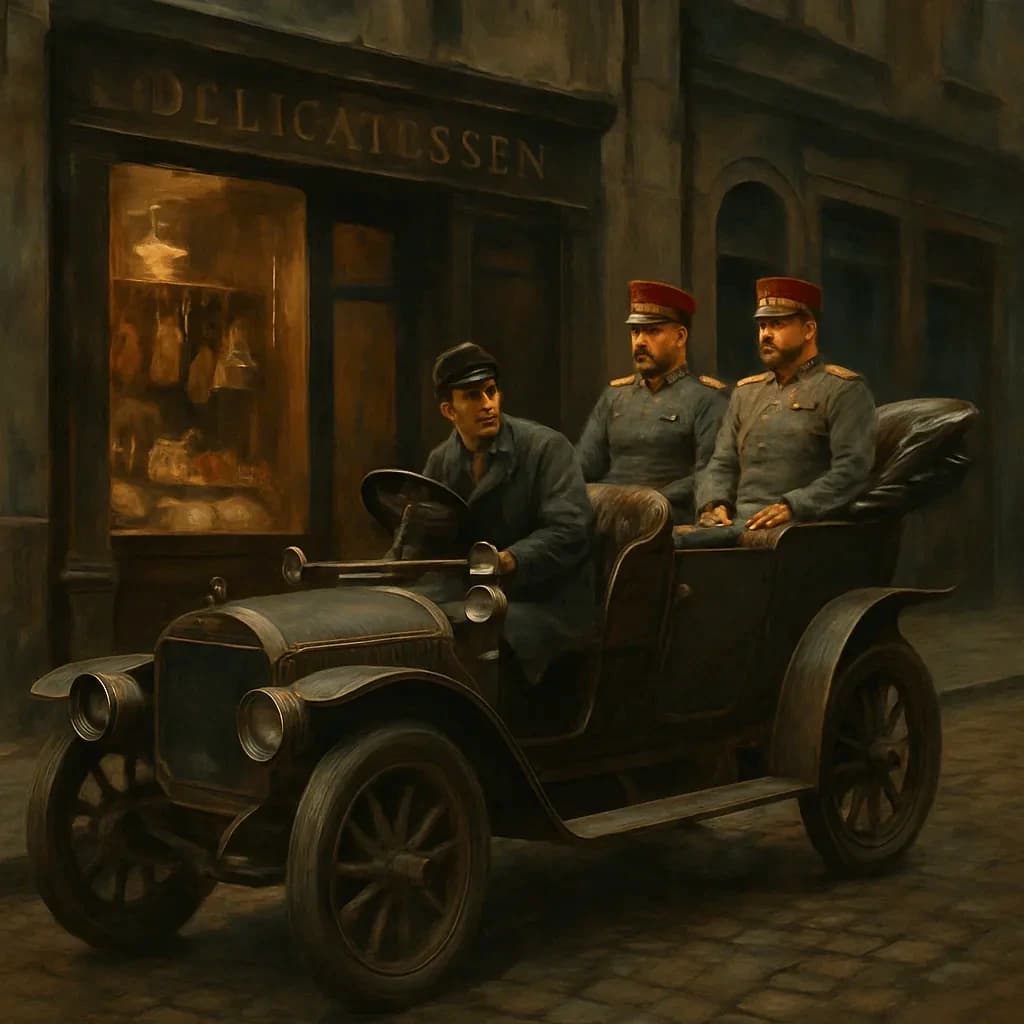
An Archduke's Slow Breakfast Gave His Assassin a Second Chance
A Habsburg archduke's leisurely morning routine in Sarajevo gave a failed assassin a second chance, and changed the world.
- The Sleepwalkers: How Europe Went to War in 1914 by Christopher Clark
- The Assassination of the Archduke: Sarajevo 1914 and the Romance That Changed the World by Greg King and Sue Woolmans
- Dedijer, Vladimir. The Road to Sarajevo. New York: Simon and Schuster, 1966