
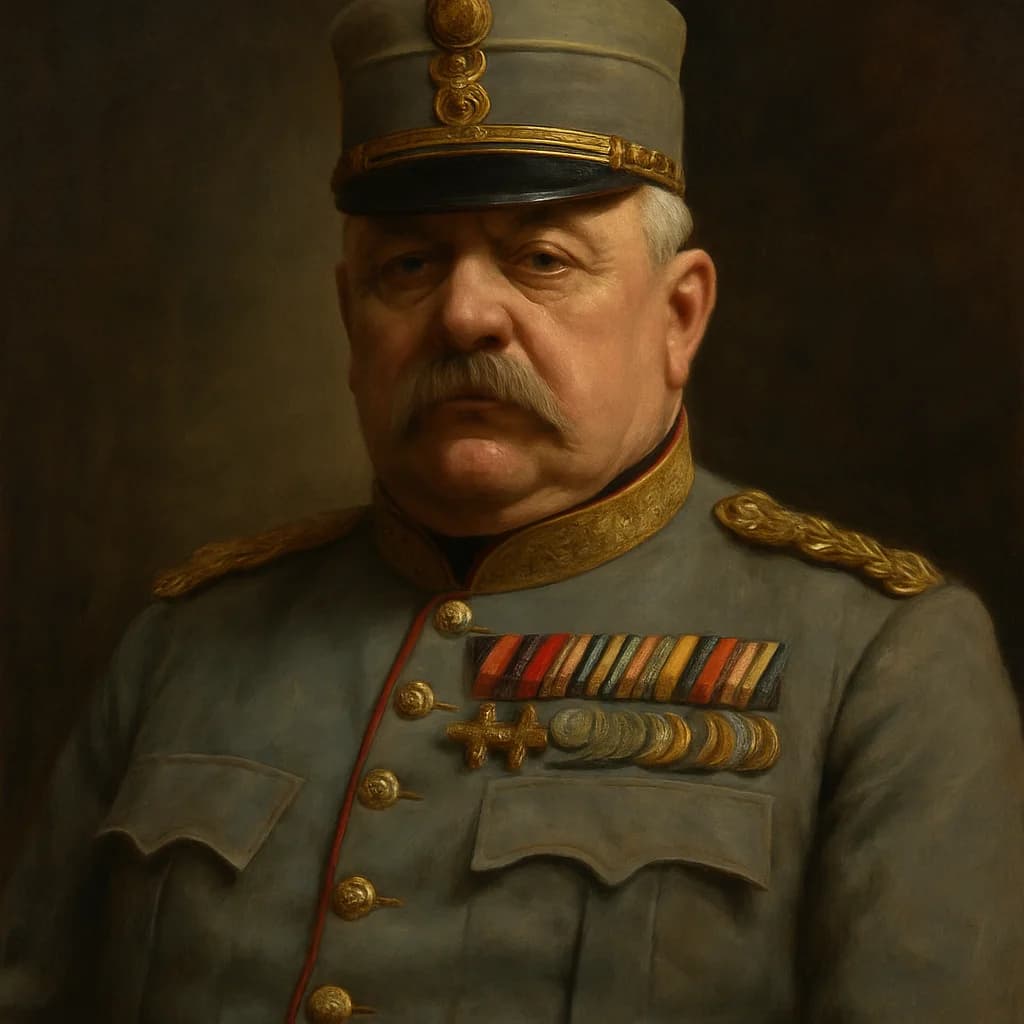
Oskar Potiorek
He didn't just fail to stop the assassination. He personally escorted the Archduke into the ambush, twice.
Oskar Potiorek was the military governor of Bosnia-Herzegovina on June 28, 1914, which means he was the man in charge of keeping Franz Ferdinand alive. He failed at this in a way so operationally spectacular that historians have spent a century trying to decide whether it was incompetence, arrogance, or something more deliberate. The answer, it turns out, is more banal than any conspiracy: he was a deeply insecure man on the worst day of his career, making small prideful decisions that compounded into catastrophe.
The morning started with six assassins stationed along the Appel Quay, a route Potiorek had chosen and whose details had been leaked so thoroughly that the Black Hand operative Dragutin Dimitrijević claimed his people knew the schedule before the Austrians had finalized it. When Nedeljko Čabrinović threw his bomb and it bounced off the Archduke's car and detonated under the following vehicle, Potiorek made his first fatal call: continue the motorcade to City Hall as if nothing had happened. Franz Ferdinand arrived furious, blood on his uniform from wounded officers. Potiorek stood there and absorbed the dressing-down. Then, at the post-reception, someone finally suggested visiting the wounded aides at the hospital. Potiorek agreed. Nobody told the lead driver. When the car turned onto Franz Josef Street (the original planned route, now crawling with people), Potiorek said nothing until it was too late to matter. The car stalled correcting course directly in front of Gavrilo Princip.
What followed Potiorek professionally is almost stranger than what preceded it. Rather than being quietly retired in disgrace, he was given command of the Austrian invasion of Serbia in August 1914, the very war his negligence helped start. He lost catastrophically at the Battle of Cer and then at Kolubara, suffering some of the worst early defeats of the entire war. By December 1914, he was relieved of command and never given another. He retired to Klagenfurt, watched the empire he'd served dissolve, and died there in 1933, unindicted and largely uninterrogated, a man history treated as a footnote to the event he made possible.
He never wrote a memoir. He gave almost no interviews. Whatever he understood about that morning in Sarajevo, he took it with complete, practiced silence to his grave.
Potiorek and Franz Ferdinand had a pre-existing personal rivalry. The Archduke had blocked Potiorek's appointment as Chief of the General Staff in 1911, a slight Potiorek never forgot and that colored every interaction between them, including the last one.
Why untold: Potiorek's role has been systematically compressed into a single moment (the wrong turn) when in reality his decisions shaped the entire day, because centering the story on Princip's agency is narratively cleaner than examining the chain of institutional failures surrounding him.
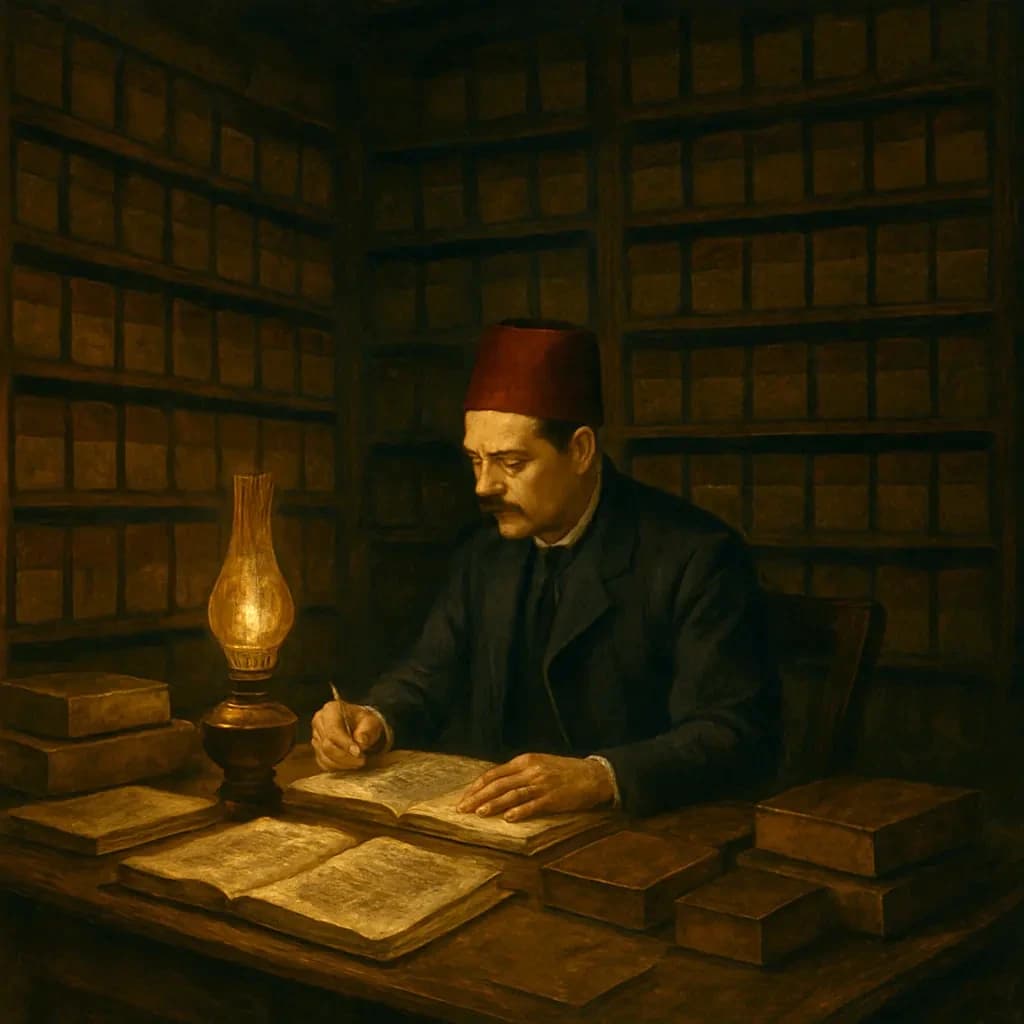
Austria's Army Marched Without the Maps It Already Had
A 42-year-old librarian from Sarajevo, in 1914, knew more about the Habsburg military's weaknesses than most of its generals, because he'd spent decades cataloguing them.
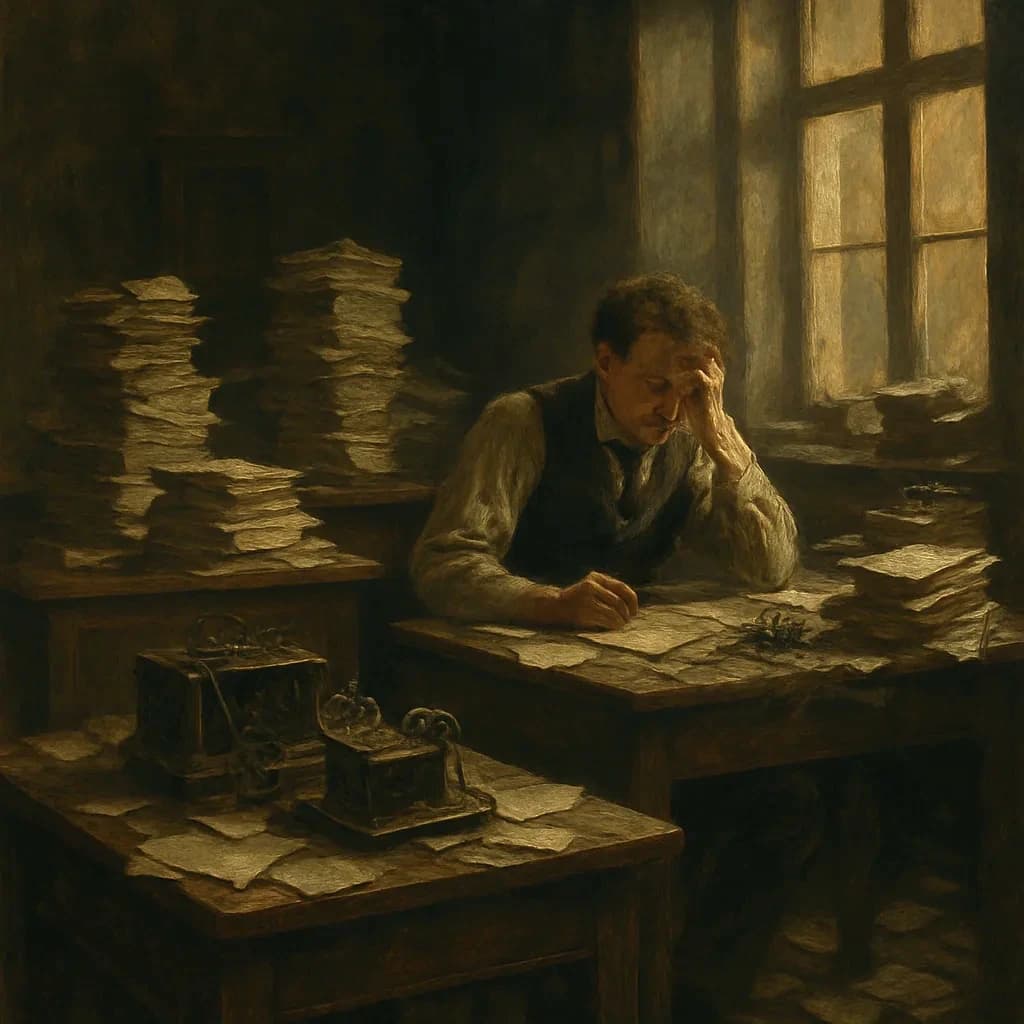
The Sarajevo Warning That Arrived a Day Late
A single misdelivered message on June 28, 1914, meant the man who could have prevented World War I never knew he needed to.
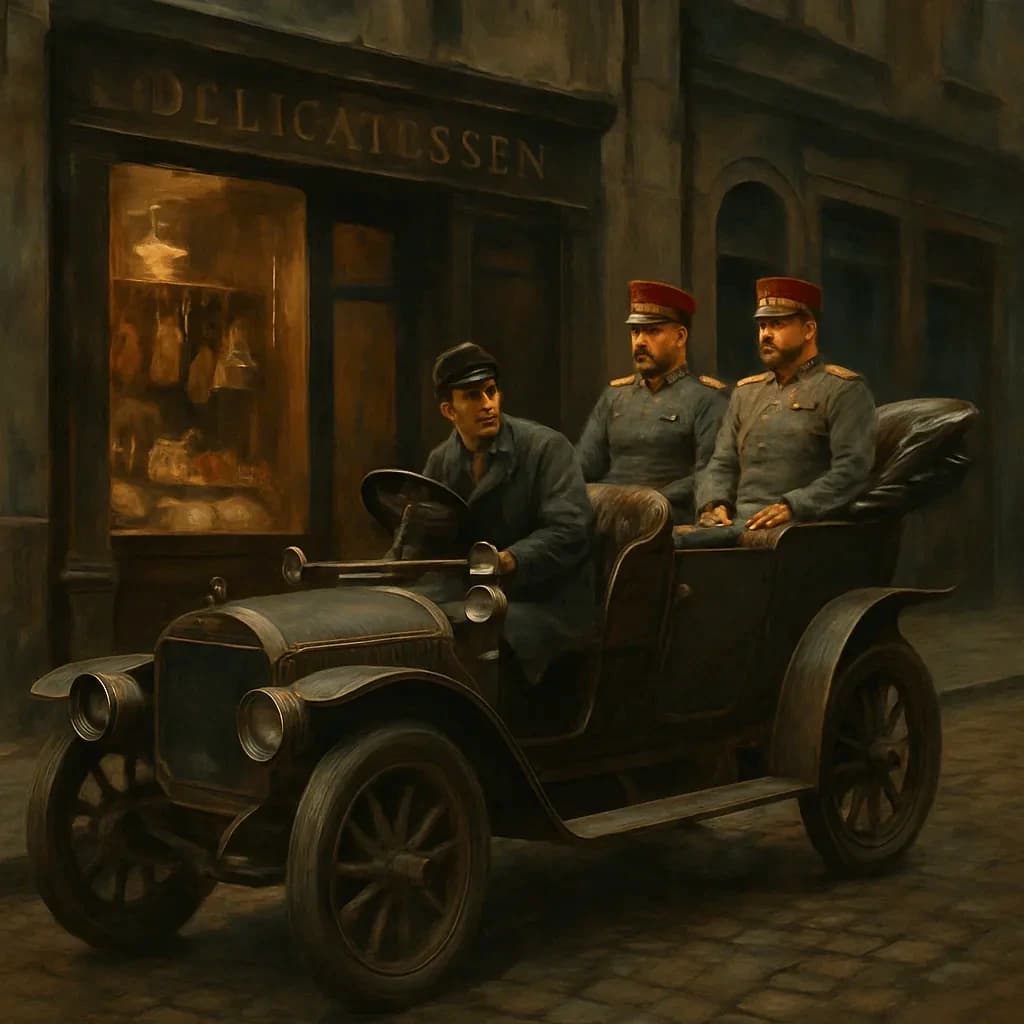
An Archduke's Slow Breakfast Gave His Assassin a Second Chance
A Habsburg archduke's leisurely morning routine in Sarajevo gave a failed assassin a second chance, and changed the world.
- Vladimir Dedijer, 'The Road to Sarajevo' (1966), Simon & Schuster
- David MacKenzie, 'Apis: The Congenial Conspirator. The Life of Colonel Dragutin T. Dimitrijević' (1989), East European Monographs
- Joachim Remak, 'Sarajevo: The Story of a Political Murder' (1959), Criterion Books