
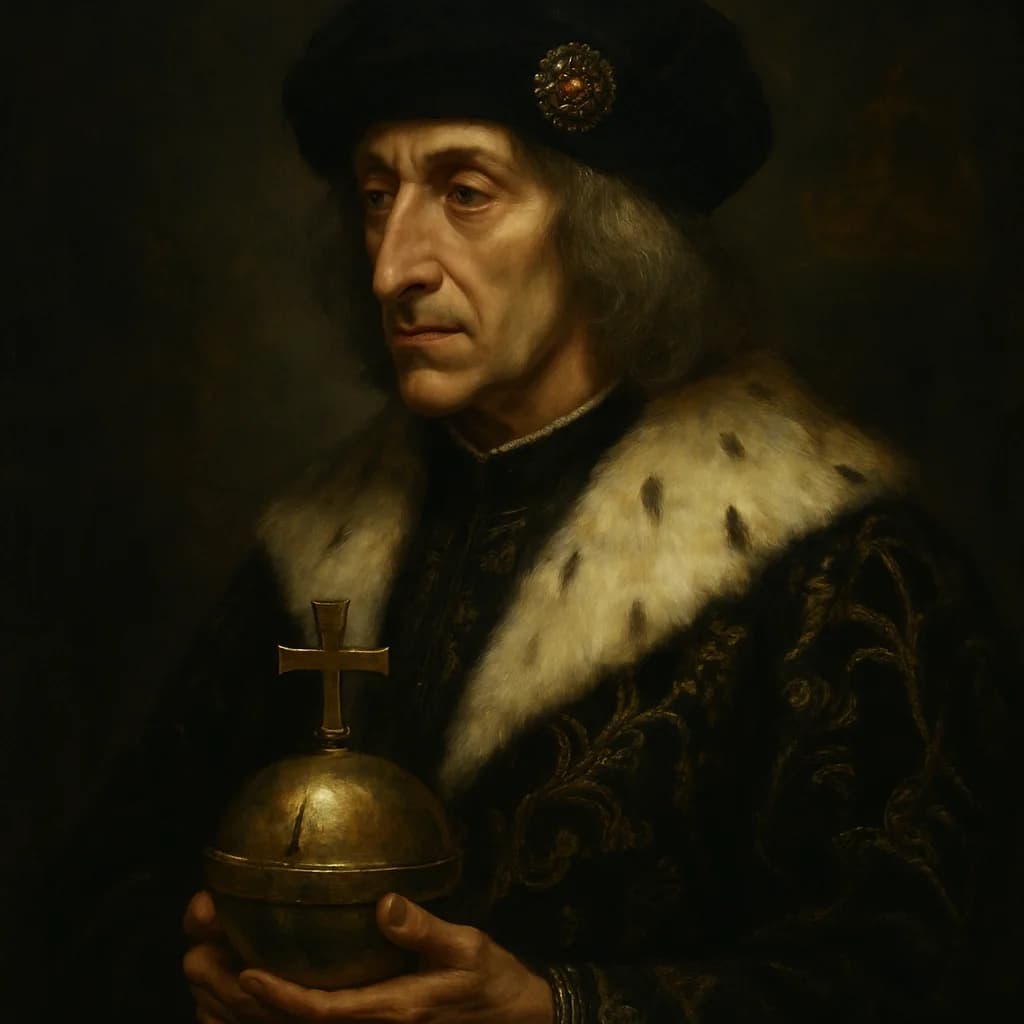
Frederick III
The man who inherited half of Europe spent his entire reign giving it away piece by piece.
Frederick III ruled the Holy Roman Empire for fifty-three years, longer than any emperor before or after him. Yet his legacy reads like a masterclass in strategic retreat. While other monarchs conquered territories, Frederick perfected the art of calculated surrender, trading land for time, power for survival, and immediate glory for dynastic longevity.
Born in 1415 to a minor Austrian duke, Frederick seemed destined for obscurity until a series of convenient deaths elevated him to emperor in 1452. He inherited a patchwork empire stretching from the North Sea to the Mediterranean, then promptly began dismantling it. When Hungarian nobles rebelled, Frederick ceded vast territories rather than fight. When Swiss cantons demanded independence, he granted it with a shrug. His own brother Albert challenged his authority in Austria for years. Frederick's solution was to outlive him.
This wasn't weakness; it was calculation. While Frederick lost battles, he won the only war that mattered to him: ensuring Habsburg survival. He arranged the marriage of his son Maximilian to Mary of Burgundy in 1477, a union that would eventually bring the Netherlands, Spain, and the New World under Habsburg control. The wedding contract was so complex that Mary herself reportedly signed documents she never fully understood, inadvertently binding Burgundy to Austria forever.
Frederick died in 1493, having transformed his family from regional nobles into Europe's dominant dynasty. His motto was AEIOU: Austriae Est Imperare Orbi Universo, "Austria is destined to rule the world." He made that prophecy come true by losing magnificently in his own lifetime, setting the stage for his descendants to win everything that mattered.
Frederick III was crowned Holy Roman Emperor in Rome in 1452, the last emperor ever to receive coronation from a pope in the Eternal City.
Why untold: History remembers conquerors who expanded empires, not strategists who shrank them to ensure dynastic survival.
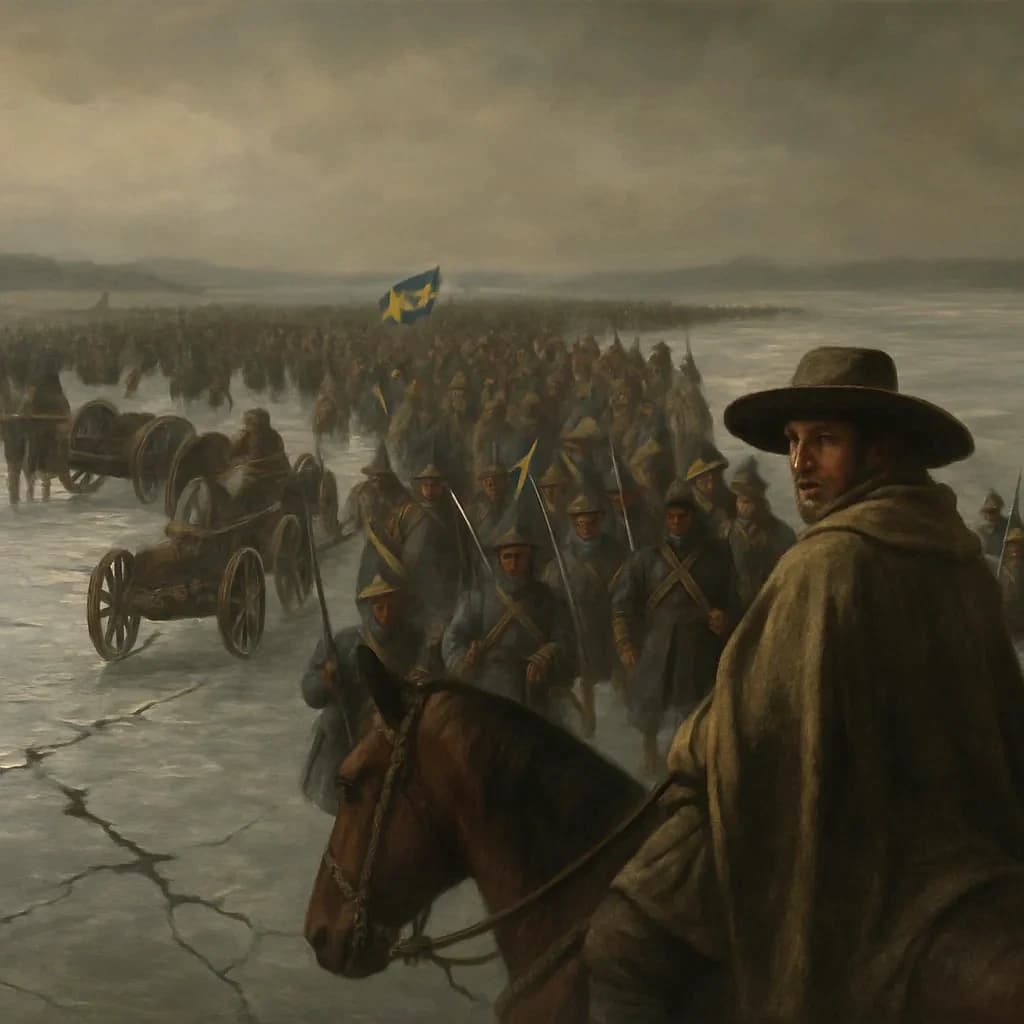
A Swedish King Crossed the Ice and Invented National Debt
A Swedish king crossed the ice with an army to end a war, and instead accidentally invented the modern concept of national debt.
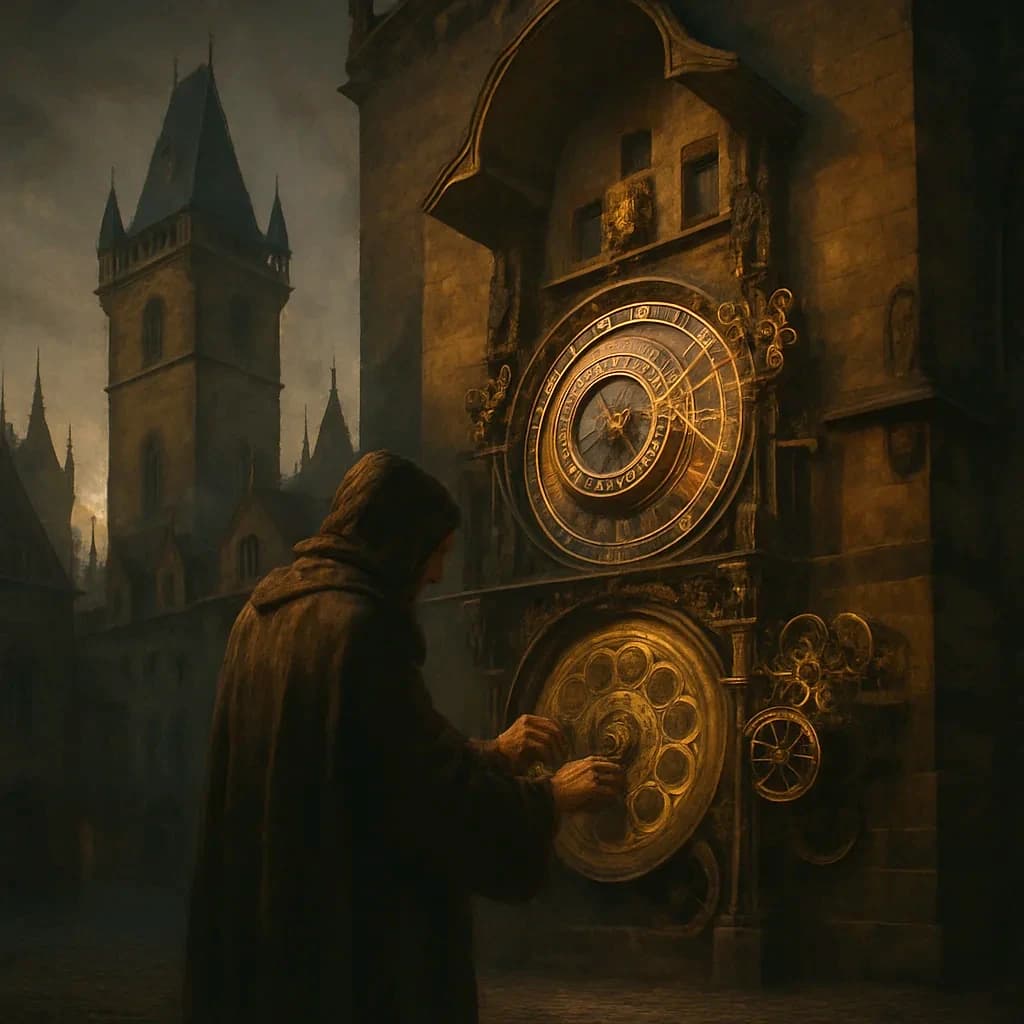
Prague's Clock Ran Two Hours Fast and an Alliance Collapsed
A clockmaker's miscalculation in 1457 changed how Europe counted time, and gave rise to the modern work day.

An Alchemist Made Europe's Most Coveted Formula Impossible to Use
A 15th-century alchemist created the most coveted formula in Europe, then made it impossible for anyone to actually use it.
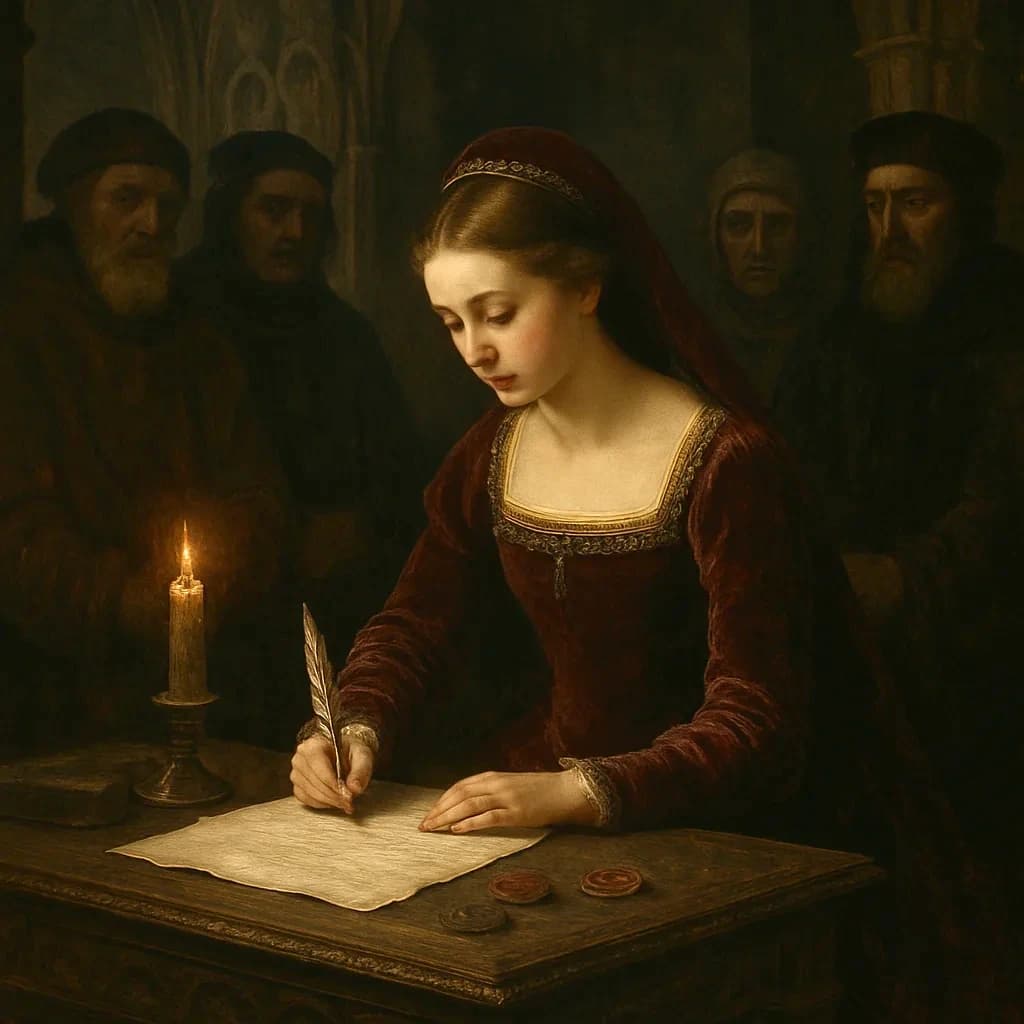
The Marriage Contract That Nobody Read
In 1477, a duchess signed her own death warrant thinking she was signing a marriage agreement.
- Heinig, Paul-Joachim. 'Kaiser Friedrich III. (1440-1493): Hof, Regierung und Politik.' Cologne: Böhlau Verlag, 1997.
- Wiesflecker, Hermann. 'Kaiser Maximilian I.: Das Reich, Österreich und Europa an der Wende zur Neuzeit.' Munich: Oldenbourg, 1971.
- Cartellieri, Otto. 'The Court of Burgundy.' London: Kegan Paul, 1929.