
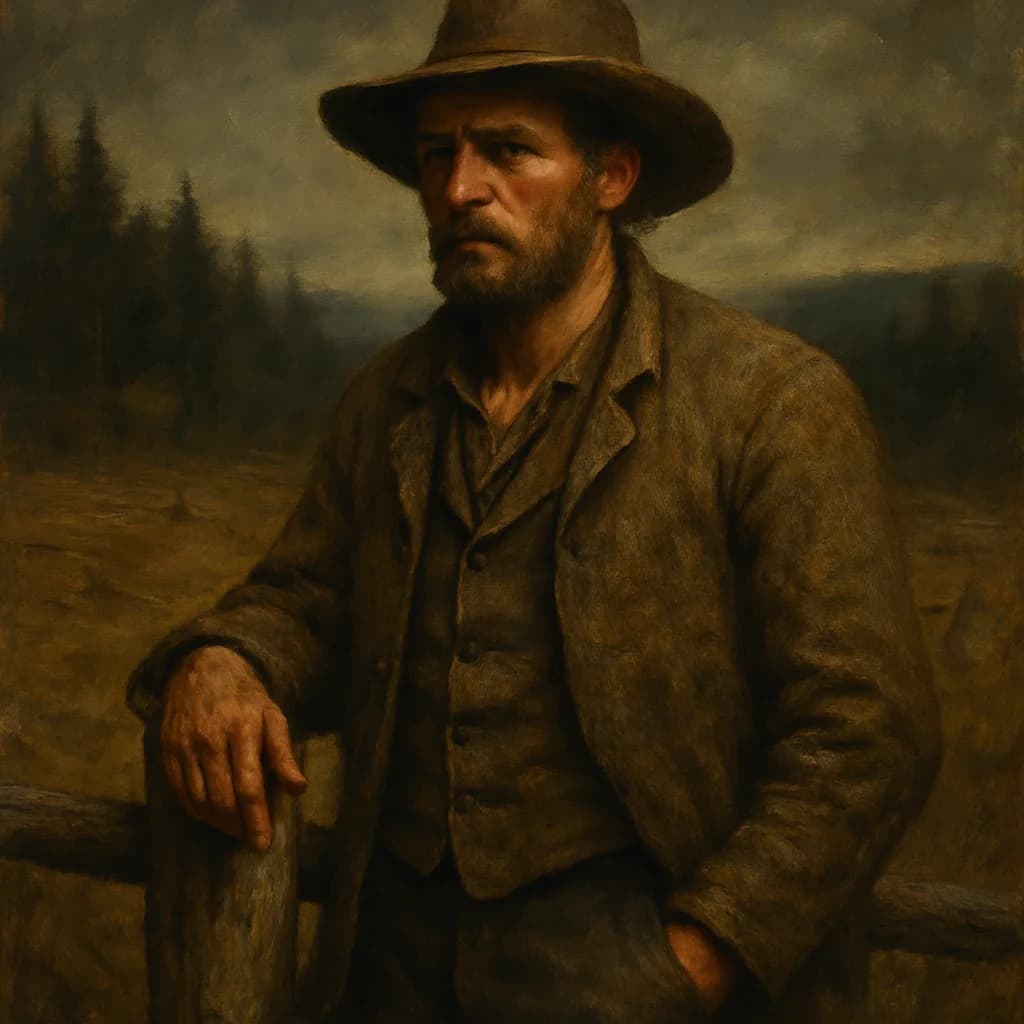
Lyman Cutlar
He fired one shot, at one pig, and nearly handed Britain a ringside seat to destroy the United States.
Lyman Cutlar arrived on San Juan Island in 1859 as what the Americans were calling a 'squatter', which is to say, a man with a claim, a dream, and no paperwork that would hold up in a court on either side of the Atlantic. The island sat in the disputed waters between Vancouver Island and the Washington Territory, a geographic ambiguity that the Oregon Treaty of 1846 had managed to make worse by referring to a channel that cartographers couldn't agree existed. Cutlar was farming potatoes. The Hudson's Bay Company was farming everything else, including a large and free-ranging pig that had developed a taste for Cutlar's crop.
On June 15, 1859, Cutlar shot the pig. It belonged to Charles Griffin, an employee of the Hudson's Bay Company, and it was the third or fourth time the animal had rootled through his potatoes. When Griffin demanded $100 in compensation (roughly $3,500 today), Cutlar reportedly told him he should keep his pig out of his garden. The British threatened arrest. Cutlar appealed to the U.S. military. Within weeks, 461 American soldiers under Captain George Pickett (yes, that Pickett) were dug in on the island, staring down three British warships carrying 2,140 men and 70 guns. The fate of the entire Pacific Northwest hung on whether two officers could keep their tempers.
What almost no one remembers is what happened to Cutlar himself. He is the spark, the footnote, the man who pulled the trigger and then vanished from the story entirely. After the crisis was defused (both sides agreed to a joint military occupation that lasted twelve years), Cutlar drifted. He had no great cause. He wasn't ideological. He was a farmer who shot a pig that was eating his food. The standoff he ignited outlasted his presence on the island by a decade, eventually resolved in 1872 by Kaiser Wilhelm I of Germany, of all people, who arbitrated in America's favor.
Cutlar died in obscurity in Whatcom County, Washington, sometime around 1896. The pig got a war named after it. Cutlar got nothing.
The joint military occupation of San Juan Island (American troops on one end, British on the other) lasted from 1859 to 1872, making it one of the longest and most polite standoffs in military history, with the two camps reportedly sharing holiday celebrations and lending each other tools.
Why untold: Cutlar was erased by the very absurdity that made his story famous. The pig became the punchline, and the man who fired the shot was swallowed by the joke.
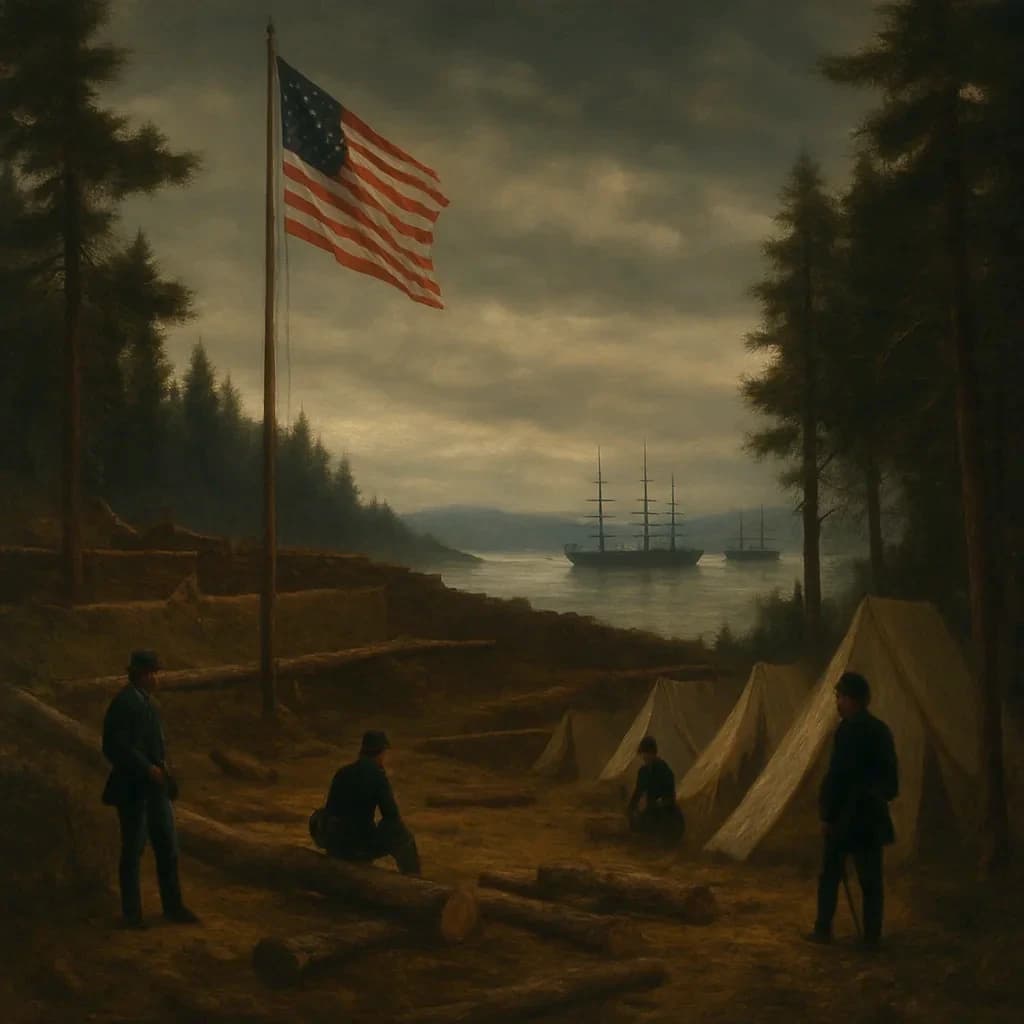
A Dead Pig Almost Started a US-British War
A border line drawn slightly wrong on an 1846 map triggered a war between Britain and the United States that almost nobody remembers nearly happened.
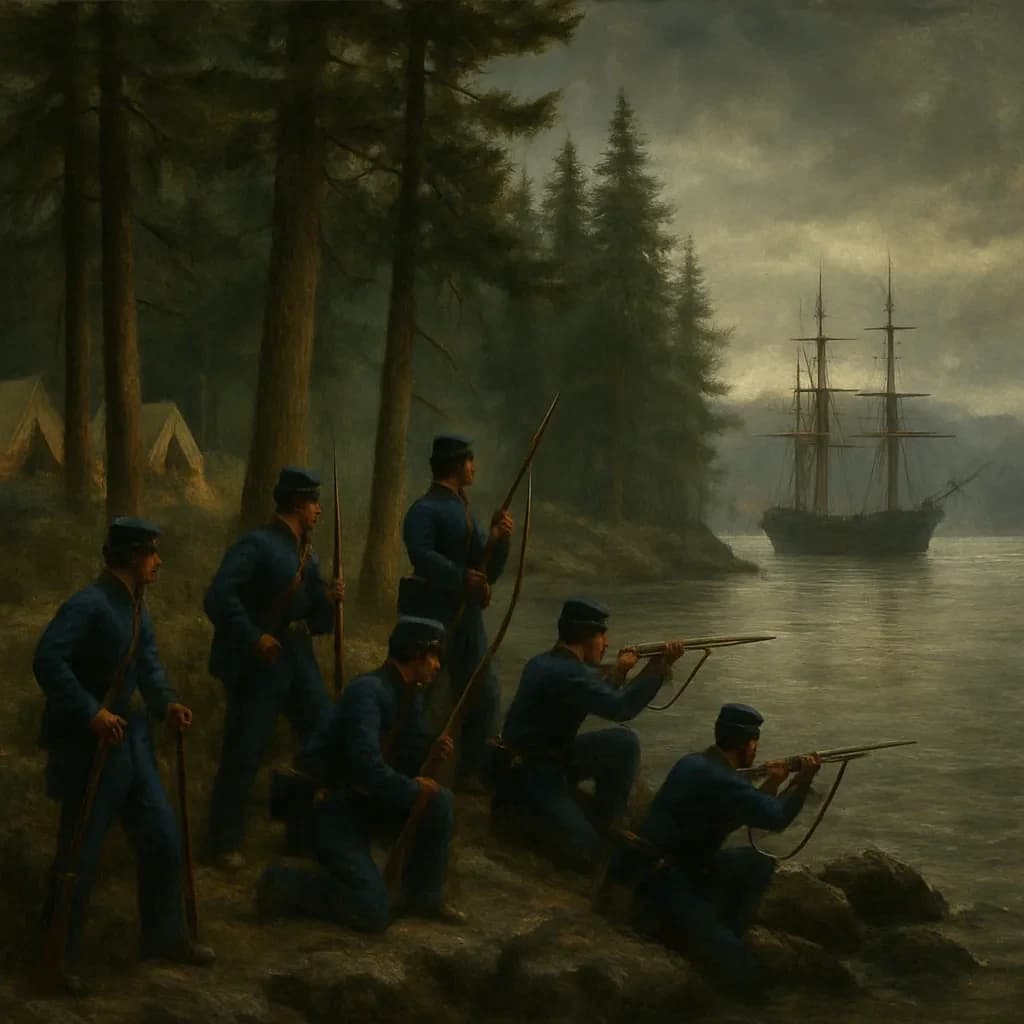
Pig War: The US and Britain's Bacon Standoff
A farmer's bullet kills a pig and nearly drags Britain and America into war: sixty thousand troops squaring off over bacon.
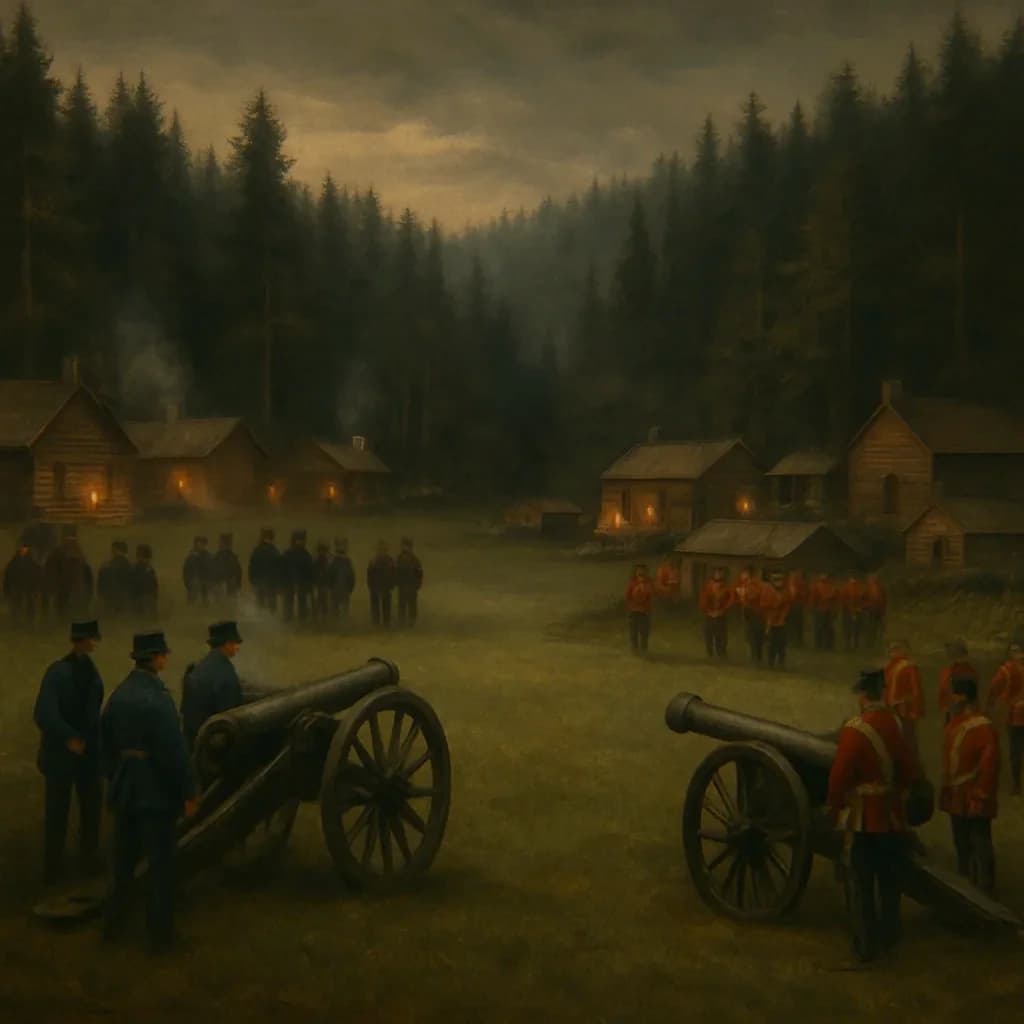
A Pig in a Potato Field Nearly Started a War
In 1859, a pig wandering through a potato field nearly triggered a military confrontation between Britain and America that could have rewritten the Civil War.
- Scott Kaufman, 'The Pig War: The United States, Britain, and the Balance of Power in the Pacific Northwest, 1846-72' (2004), Lexington Books
- E.C. Coleman, 'The Pig War: The Most Perfect War in History' (2009), The History Press
- National Park Service, San Juan Island National Historical Park: historical records and site documentation, nps.gov/sajh