
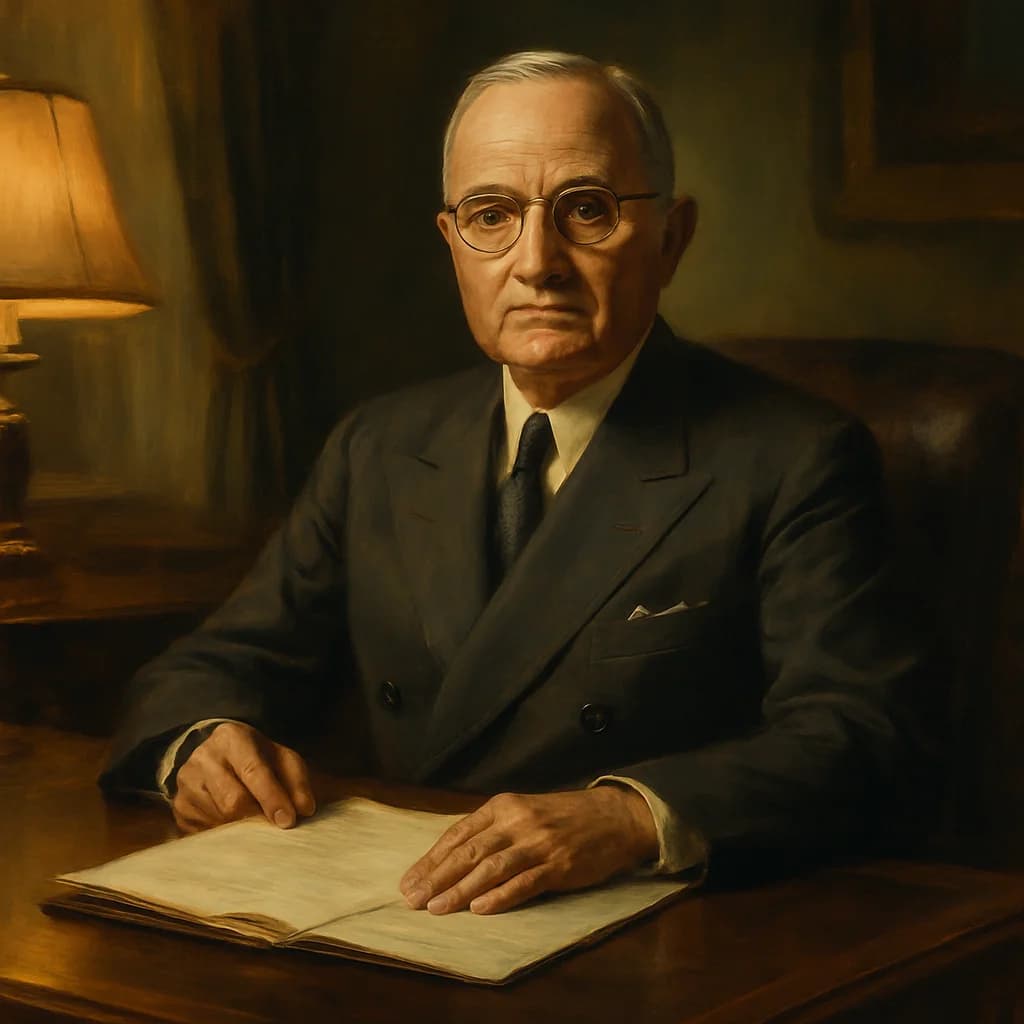
Harry S. Truman
He was one failed haberdashery away from never becoming president.
Harry Truman spent most of his life losing. He failed as a farmer, failed as a haberdasher (his Kansas City men's clothing store collapsed into bankruptcy in 1922, leaving him in debt he wouldn't finish paying until the 1940s), and spent the bulk of his early political career as a creature of the Pendergast machine, a Kansas City Democratic organization so corrupt it made Tammany Hall look like a civic improvement society. When Tom Pendergast went to federal prison in 1939, Truman's political obituary was essentially written. Nobody expected him to survive the next election, let alone reach the Senate, let alone the White House.
What tends to get buried beneath the Hiroshima narrative (the famous buck-stops-here decisiveness, the plain-spoken Missouri common man) is how profoundly accidental Truman's presence in that particular chair actually was. He was FDR's third vice president, chosen in 1944 as a compromise nobody loved, a man acceptable to enough Democratic factions to avoid a floor fight. Roosevelt met with him twice during the entire vice presidency. Twice. When FDR died on April 12, 1945, Truman had been in office 82 days and had been told essentially nothing. Not about the Manhattan Project. Not about the diplomatic threads dangling from Yalta. Not about the detailed plans for the Pacific endgame. Eleanor Roosevelt broke the news to him first, and Truman reportedly asked if there was anything he could do for her. She told him, gently, that he was the one who needed people asking that question now.
He learned about the atomic bomb the following morning. He had 82 days of context. And within four months, he had authorized the only wartime use of nuclear weapons in history, a decision shaped not just by military projections but by a diplomatic calculation about the Soviet Union that his closest advisors understood only partially, and that Truman himself processed through a fog of grief, exhaustion, and inherited intelligence he barely had time to read.
Later in life, Truman maintained he never lost sleep over the decision. That line gets quoted constantly. What gets quoted less is his 1946 letter to a Federal Council of Churches minister in which he described the bombing of Nagasaki (the second bomb) as something that 'troubled' him, and admitted the target had originally been a much larger city. He didn't name it. The name was Kyoto.
Truman was the last U.S. president to serve without a college degree. He applied to West Point twice and was rejected both times due to poor eyesight, a detail that seems almost cosmically significant given what he eventually ordered from behind a desk.
Why untold: Truman's image as a decisive, plain-spoken everyman (largely constructed during the 1948 underdog campaign and cemented by his own memoirs) smoothed over the profound institutional unpreparedness and near-accidental circumstances that placed an uninformed vice president in command of the most consequential weapons decisions in modern history.
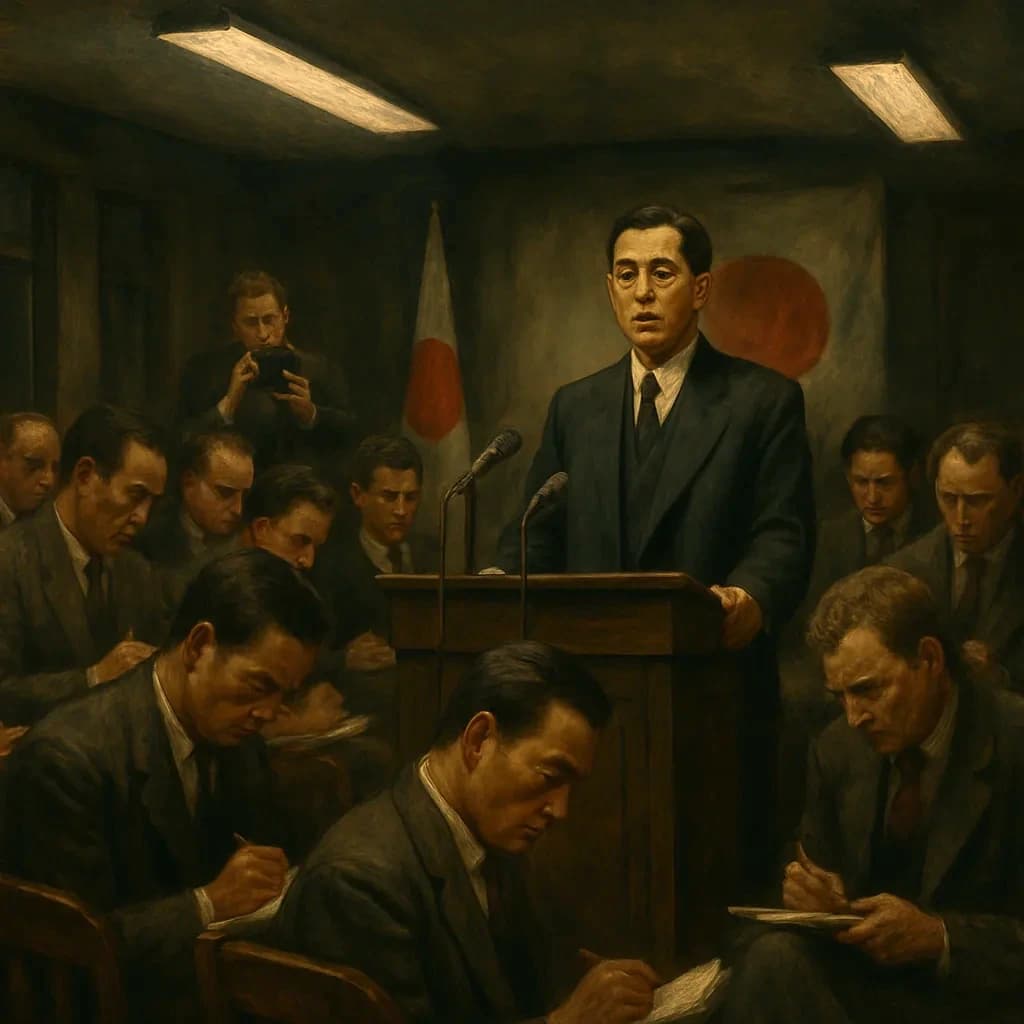
The Japanese Word America Read as Defiance
Japan was ready to negotiate an end to the Pacific War in 1945, and a single Japanese word may have guaranteed that it wouldn't.
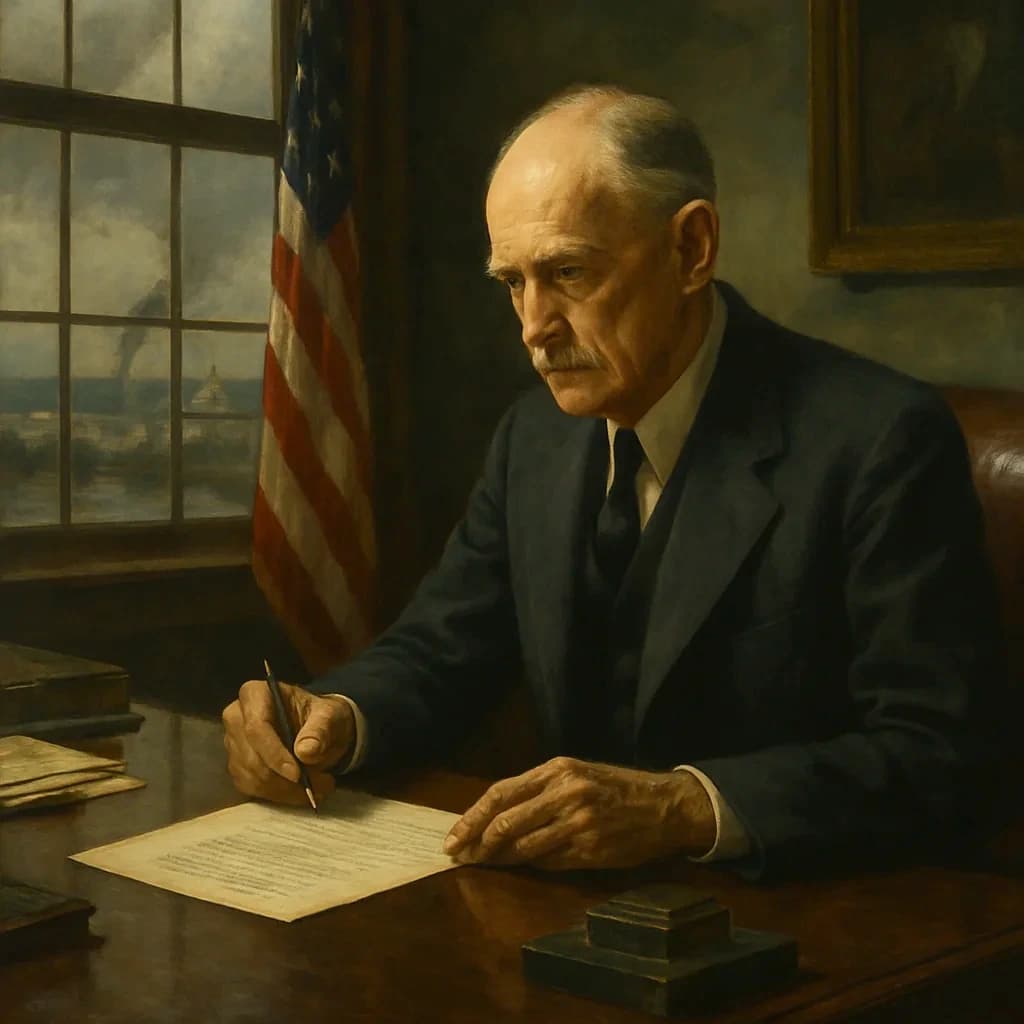
A Honeymoon Memory Saved Kyoto from the Atomic Bomb
An American art professor spent one evening in 1945 changing the target for the atomic bomb, and saving Japan's ancient capital.
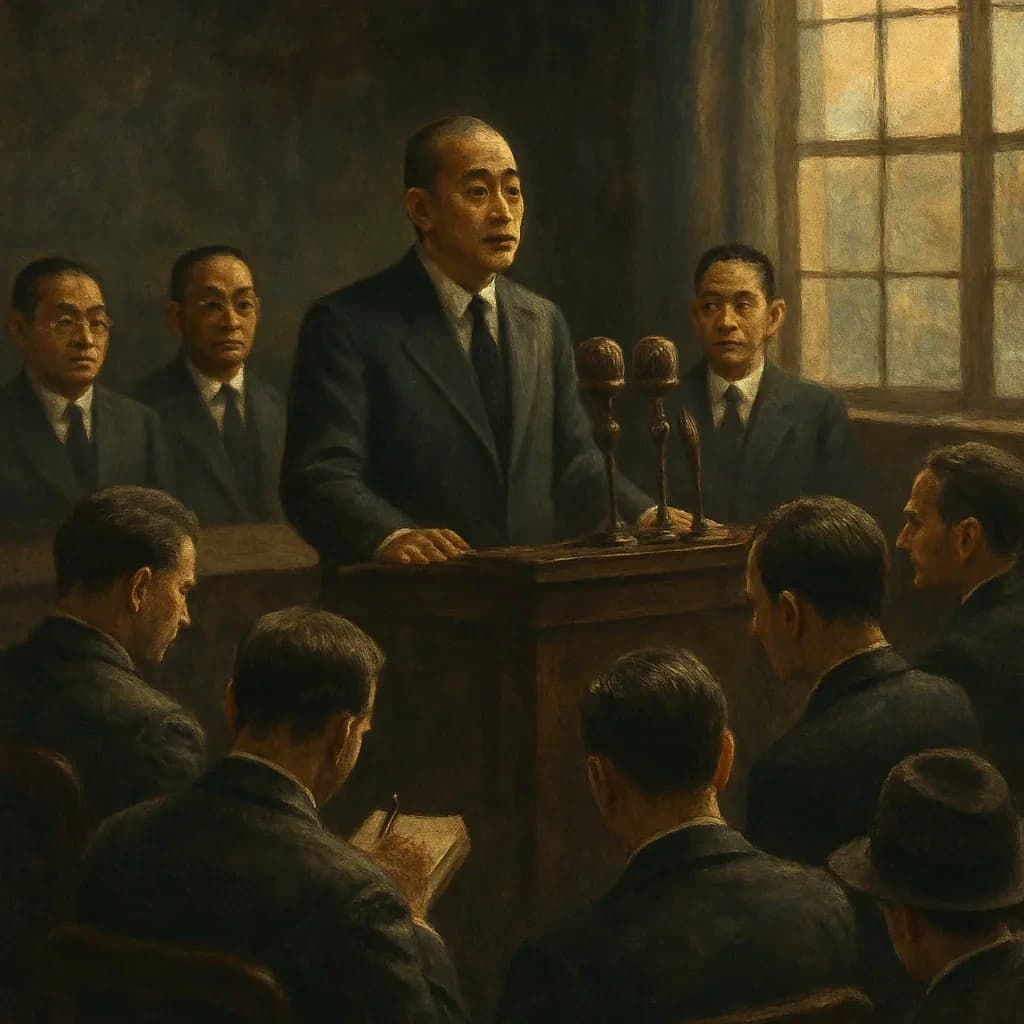
A Translator's Split-Second Word Choice May Have Doomed Hiroshima
A Japanese interpreter's split-second choice of words may have sealed the fate of Hiroshima and Nagasaki.
- David McCullough, Truman (Simon & Schuster, 1992)
- Alonzo Hamby, Man of the People: A Life of Harry S. Truman (Oxford University Press, 1995)
- Kai Bird and Martin J. Sherwin, American Prometheus: The Triumph and Tragedy of J. Robert Oppenheimer (Alfred A. Knopf, 2005)