
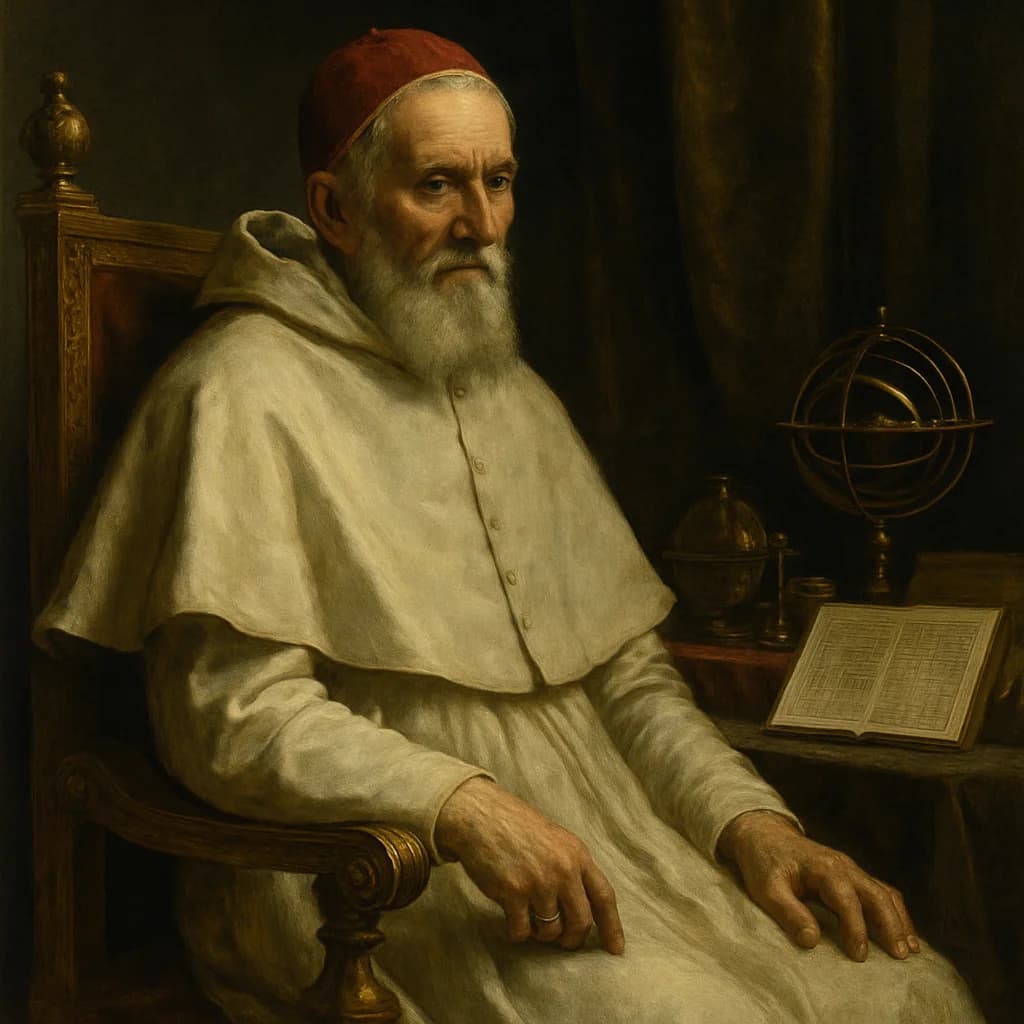
Pope Gregory XIII
The Pope who deleted ten days from history spent his final years convinced he'd miscalculated eternity itself.
Ugo Boncompagni never intended to reshape time when he became Pope Gregory XIII in 1572. A canon lawyer from Bologna, he'd made his reputation defending papal interests in the labyrinthine courts of 16th-century Europe. His papacy began conventionally enough: commissioning frescoes, funding missionary work, the usual ecclesiastical grandstanding. Then his mathematicians delivered devastating news: Easter was drifting.
The Julian calendar, inherited from Caesar himself, was losing eleven minutes per year. By 1582, the spring equinox had wandered ten days off course, threatening to eventually celebrate Christ's resurrection in summer. Gregory's solution was breathtakingly simple and utterly traumatic: October 4, 1582 would be followed immediately by October 15. Ten days would cease to exist. Workers lost wages. Landlords demanded full rent for abbreviated months. Protestant nations refused the change entirely, creating a schizophrenic Europe where letters written on Monday might arrive the previous Friday.
But Gregory's deeper obsession wasn't earthly timekeeping. It was calculating the precise date of the Second Coming. He commissioned teams of scholars to decode biblical chronologies, convinced that fixing the calendar would reveal God's timeline for ending the world. His reforms created our modern calendar, yet he died in 1585 tormented by the possibility that his mathematical precision had somehow disrupted divine providence.
The irony consumed his final years: the man who gave humanity accurate time feared he'd thrown eternity itself off schedule.
Gregory XIII maintained a secret astronomical observatory in the Vatican where Jesuit mathematicians worked around the clock to predict not just eclipses, but the exact date Christ would return to earth.
Why untold: History remembers the Gregorian calendar reform as a dry administrative achievement, obscuring Gregory's apocalyptic motivations and the social chaos his changes unleashed.
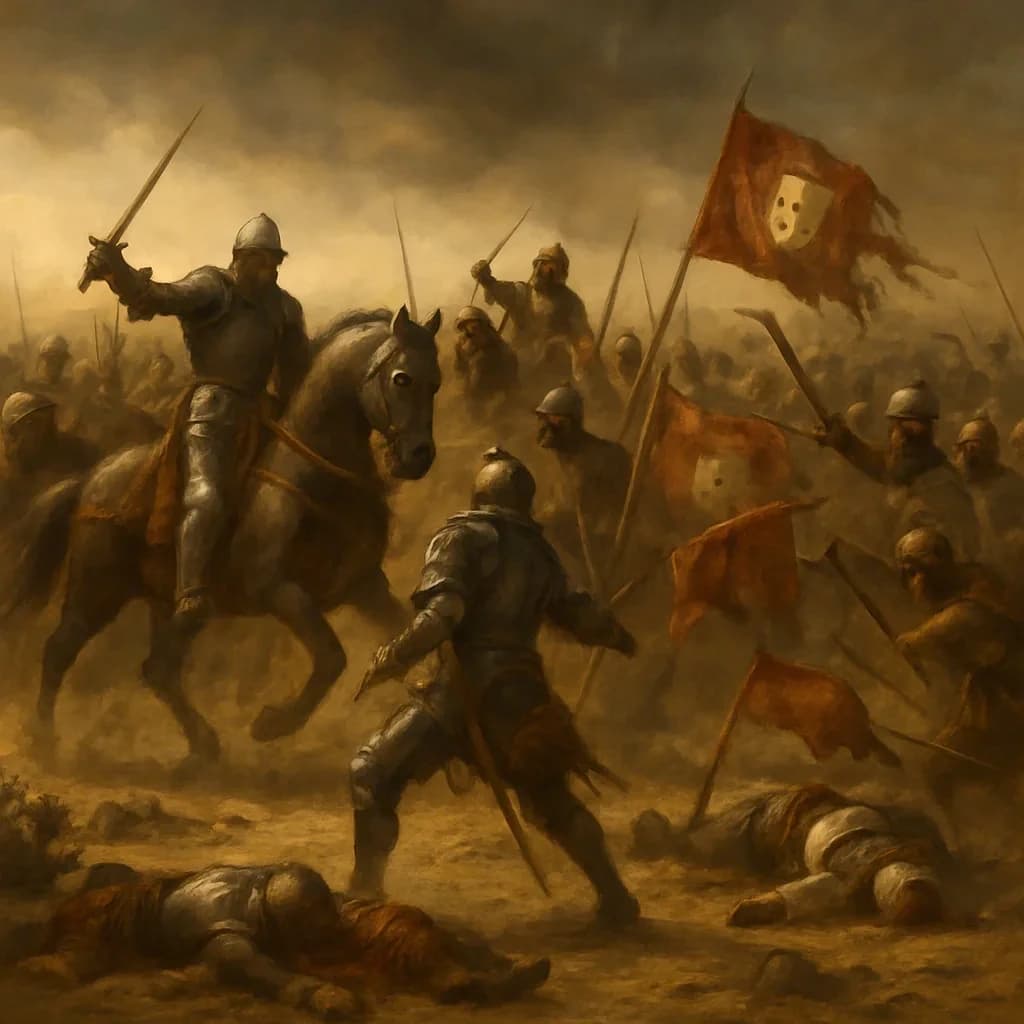
Portugal's King Lost His Whole Empire in Two Hours
A twenty-four-year-old king rode out on a crusade nobody wanted, against an enemy nobody could beat, and managed to lose an entire country in an afternoon.
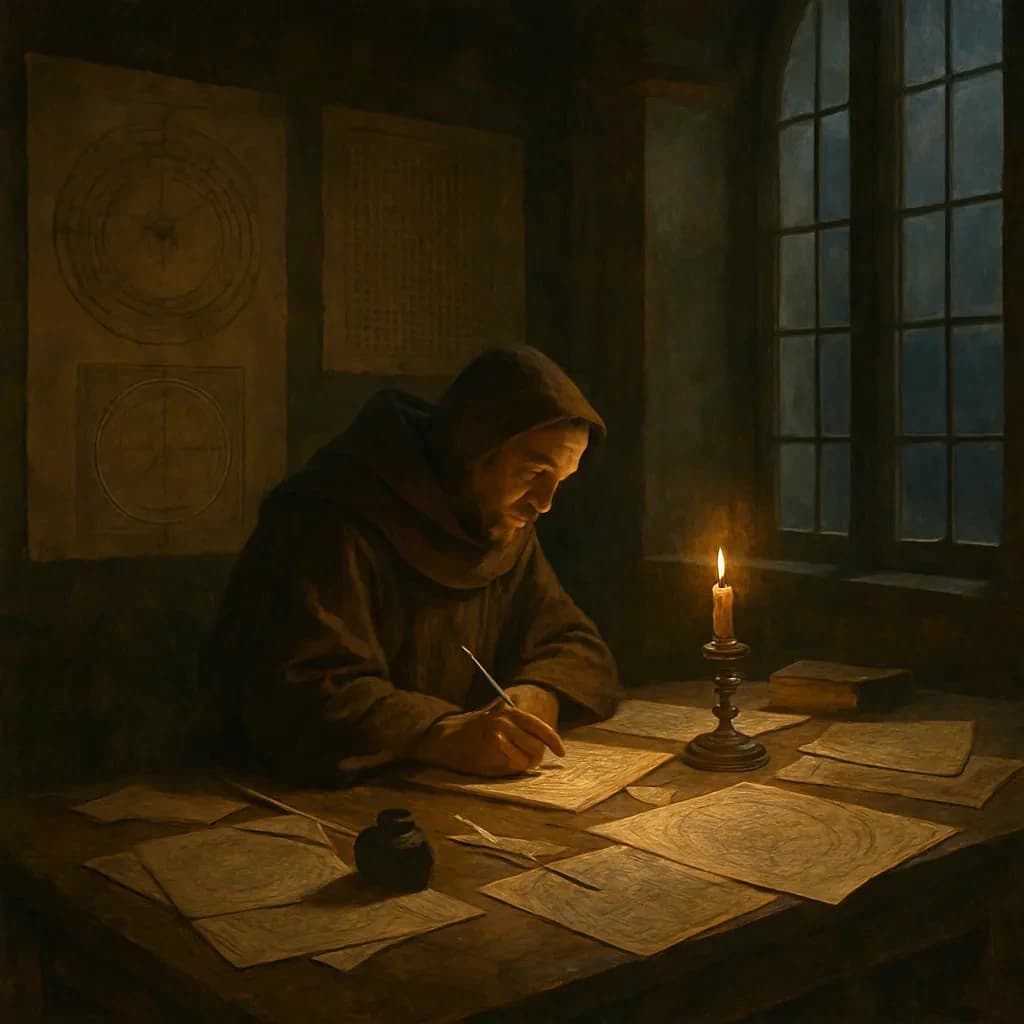
A Monk's Three-Day Mistake Nearly Wrecked the Calendar
One miscounted figure in 1584 nearly derailed the Gregorian calendar reform, and would have left the Christian world permanently out of sync with the seasons.
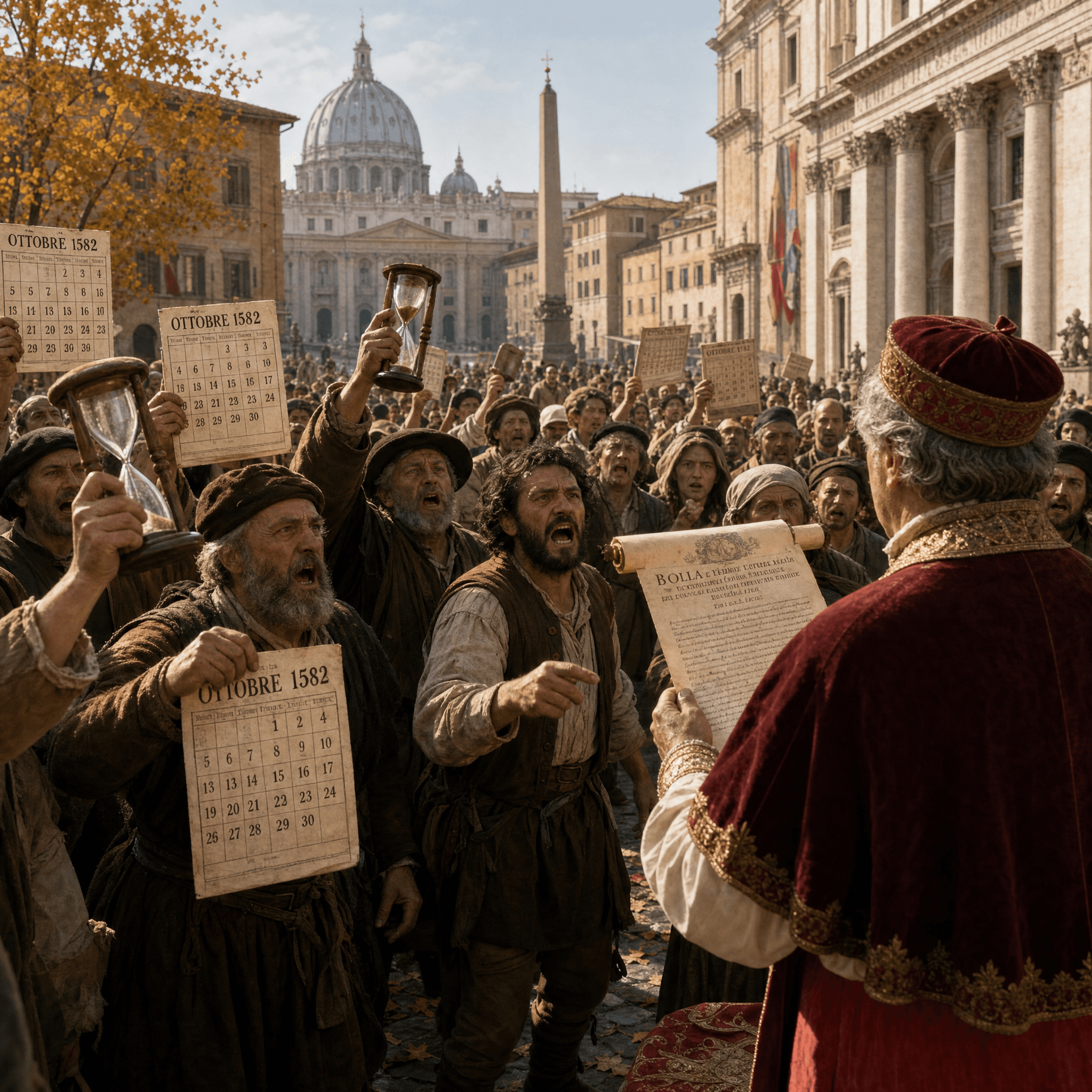
A Papal Decree Erased Ten Days, and Europe Rioted
A papal decree in 1582 erased ten days from existence, and riots broke out across Europe as people demanded their lost time back.
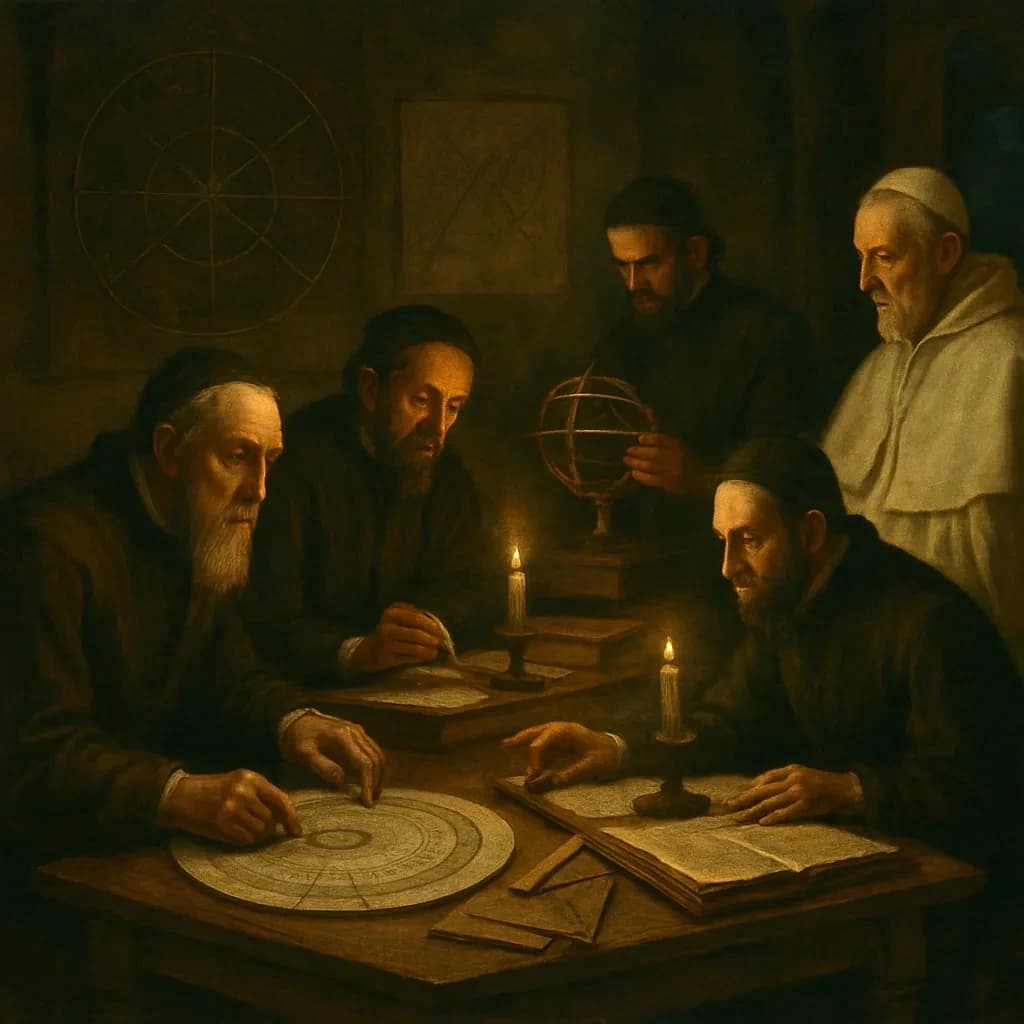
The Pope Deleted Ten Days and Europe Barely Noticed
In 1582, ten days simply vanished from the calendar. And most of Europe didn't notice until it was too late.
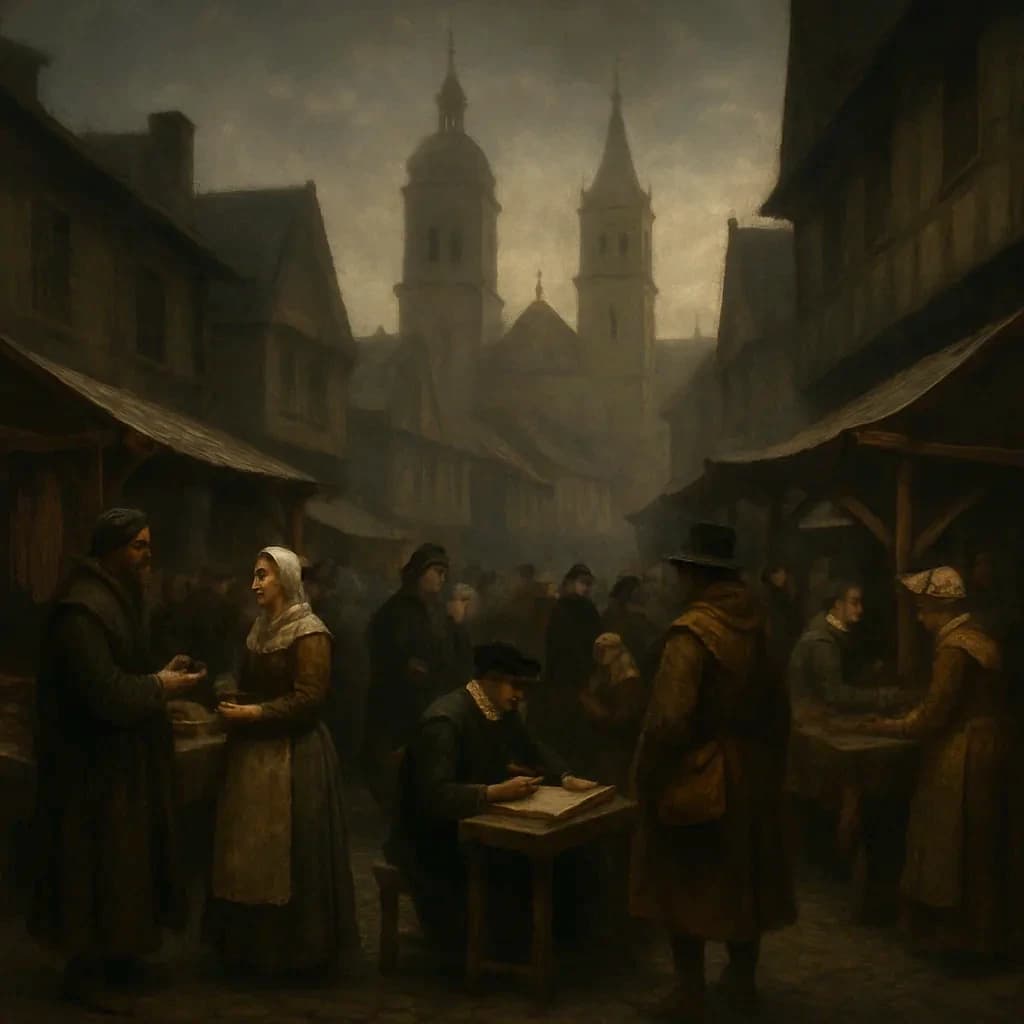
Pope Gregory Deleted Ten Days From the Calendar
Time itself ceased to exist across most of Europe for exactly 13 minutes on October 4, 1582.
- Duncan Steel, 'Marking Time: The Epic Quest to Invent the Perfect Calendar'
- J.L. Heilbron, 'The Sun in the Church: Cathedrals as Solar Observatories'
- Paolo Galluzzi, 'The Art of Invention: Leonardo and Renaissance Engineers'