
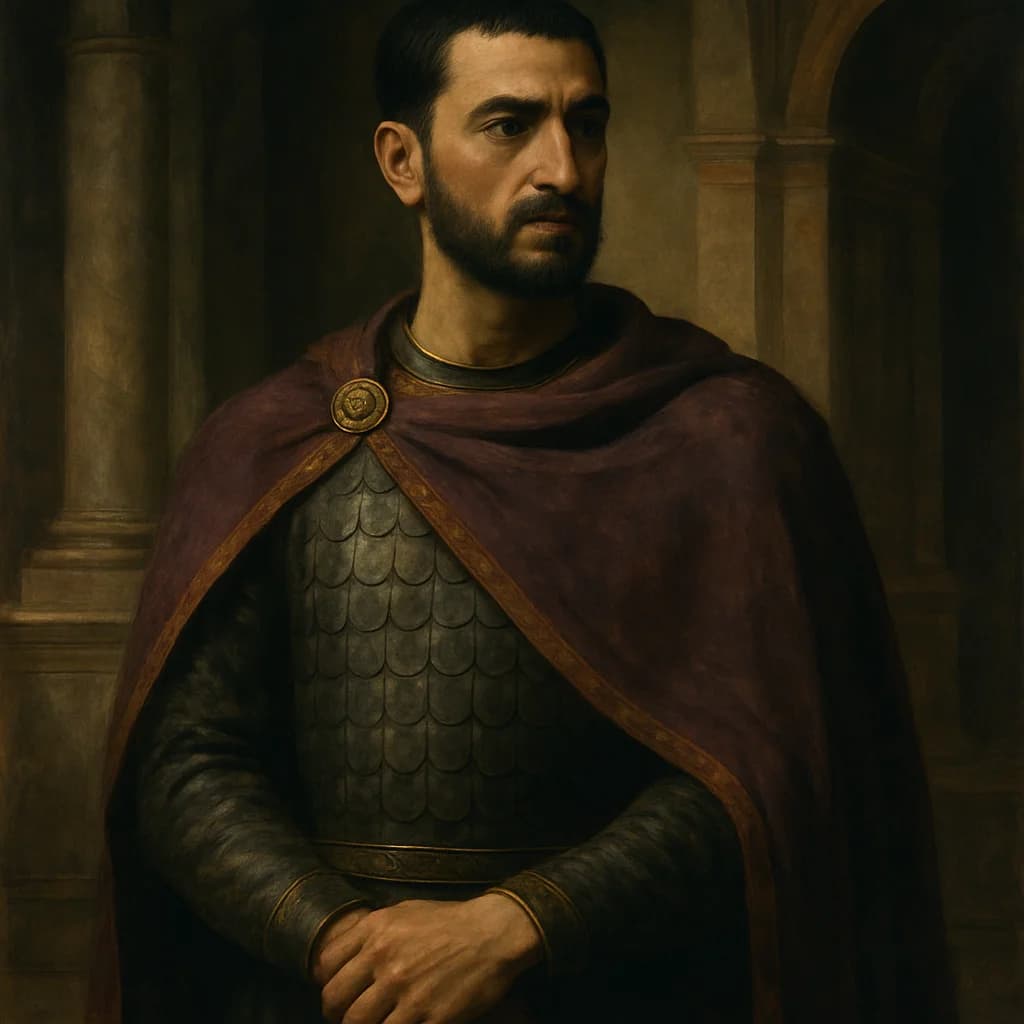
Belisarius
The man who reconquered half the Roman Empire spent his final years as the star of a legend about his own disgrace, while alive, wealthy, and probably laughing about it.
Flavius Belisarius possessed something rarer than military genius: the ability to win wars while keeping his emperor's paranoia in check. Between 533 and 559 CE, he reconquered North Africa from the Vandals, seized Rome from the Ostrogoths, and held Constantinople against impossible odds, all while performing an elaborate dance of deliberate failure that kept Justinian from viewing him as a threat.
The dance was necessary. Belisarius understood that total victory would mean total suspicion. When he could have crowned himself King of Italy in 540, he instead lured the Gothic king Vitiges into surrender with false promises, then shipped him to Constantinople as a prisoner. When he recaptured Rome, he immediately requested reinforcements he didn't need, emphasizing his dependence on imperial support. The message was clear: I win for you, never despite you.
This calculated restraint created one of history's strangest military careers. Belisarius fought with armies a fraction the size of his enemies', relied on speed over strength, and pioneered the use of mounted archers in European warfare. His campaigns read like a masterclass in doing more with less, except he was choosing to do less with more, always leaving room for Justinian to claim ultimate credit.
The irony is perfect. While Belisarius lived comfortably in his Constantinople palace, collecting rents and writing memoirs, Byzantine poets were already composing the tragic ballad of the blind general begging for coins. The legend of his disgrace became so compelling that even medieval chroniclers repeated it as fact. History's most successful general became famous for a downfall that never happened.
Belisarius invented a tactical formation where his mounted archers would retreat while shooting backwards, drawing enemy cavalry into ambushes, a technique that wouldn't be seen again until the Mongols.
Why untold: Medieval chroniclers preferred the morality tale of the fallen general to the complex reality of Byzantine court politics.
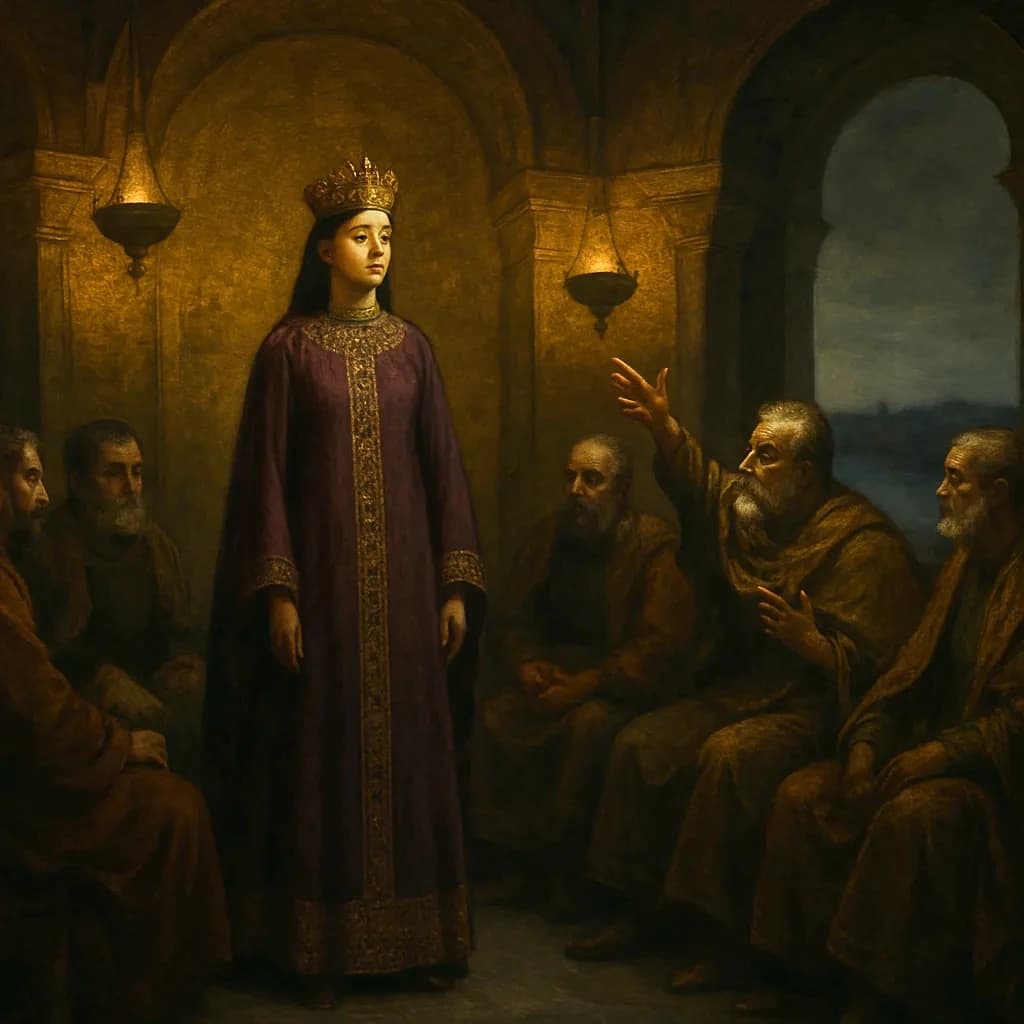
From Circus Outcast to Equal of the Emperor
For thirty years, Empress Theodora of the East ruled the Byzantine Empire from the shadows, but the shadow she cast was entirely her own.
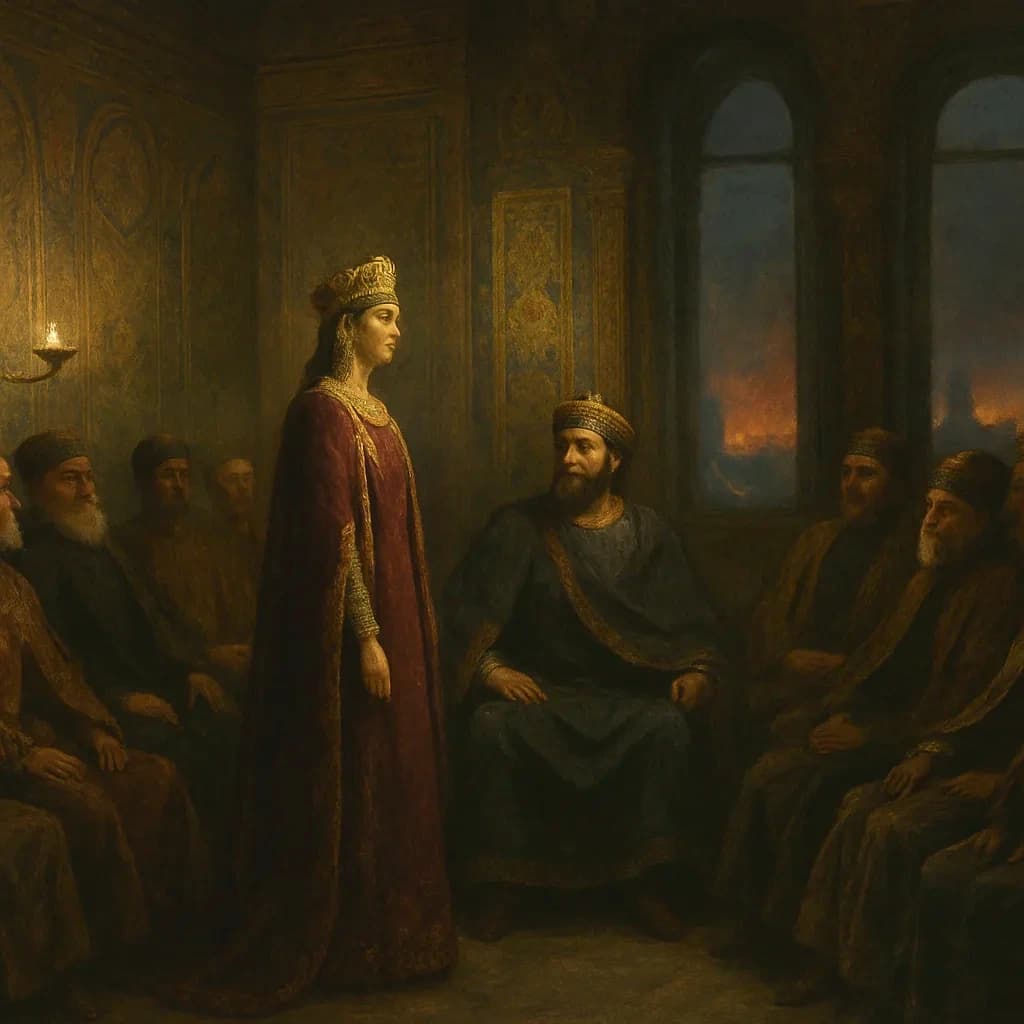
Theodora Bet Her Dynasty on One Night of Theater, and Won
Empress Theodora of Byzantium once bet her dynasty on a single night of theater, and won by refusing to leave the stage.
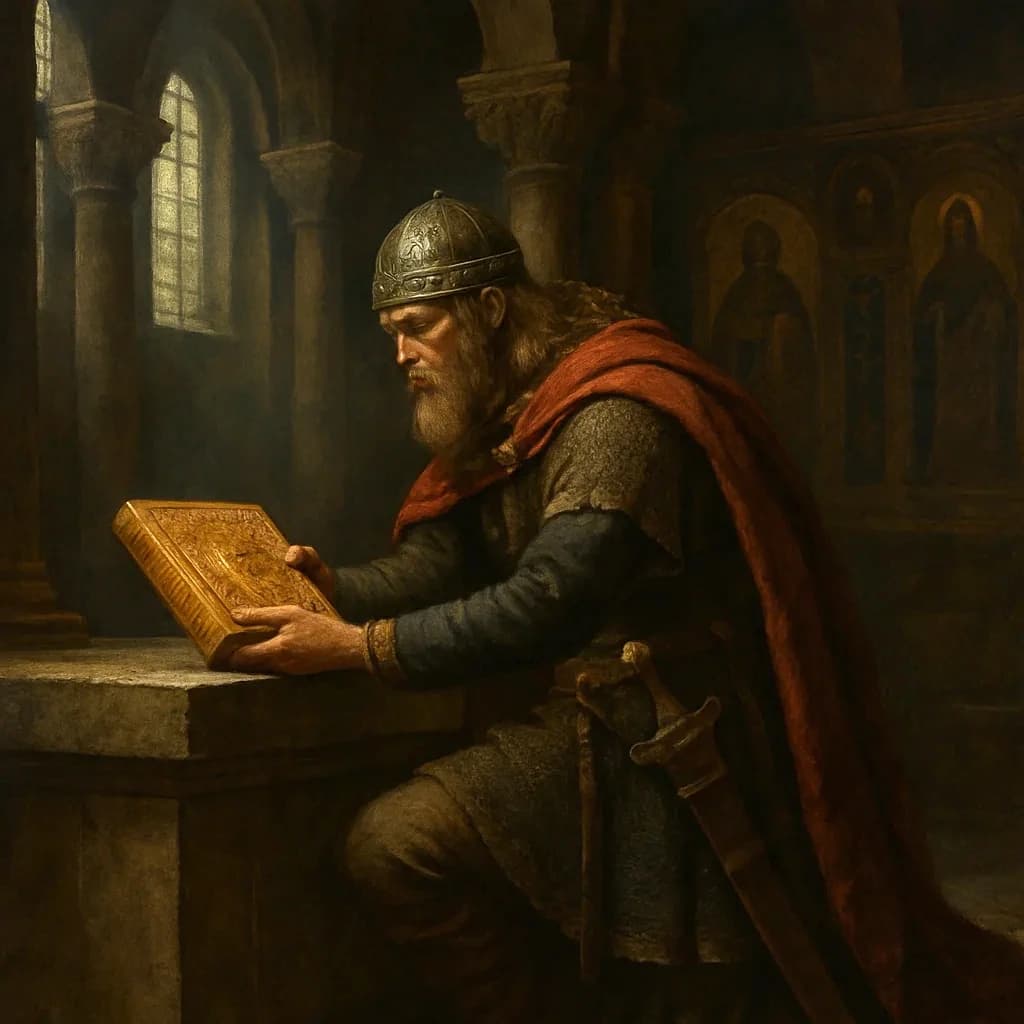
The Vandal King Who Sacked Rome and Saved Its Christmas
A barbarian king who terrorized the Roman Empire ended up preserving the holiday that would define Western civilization.
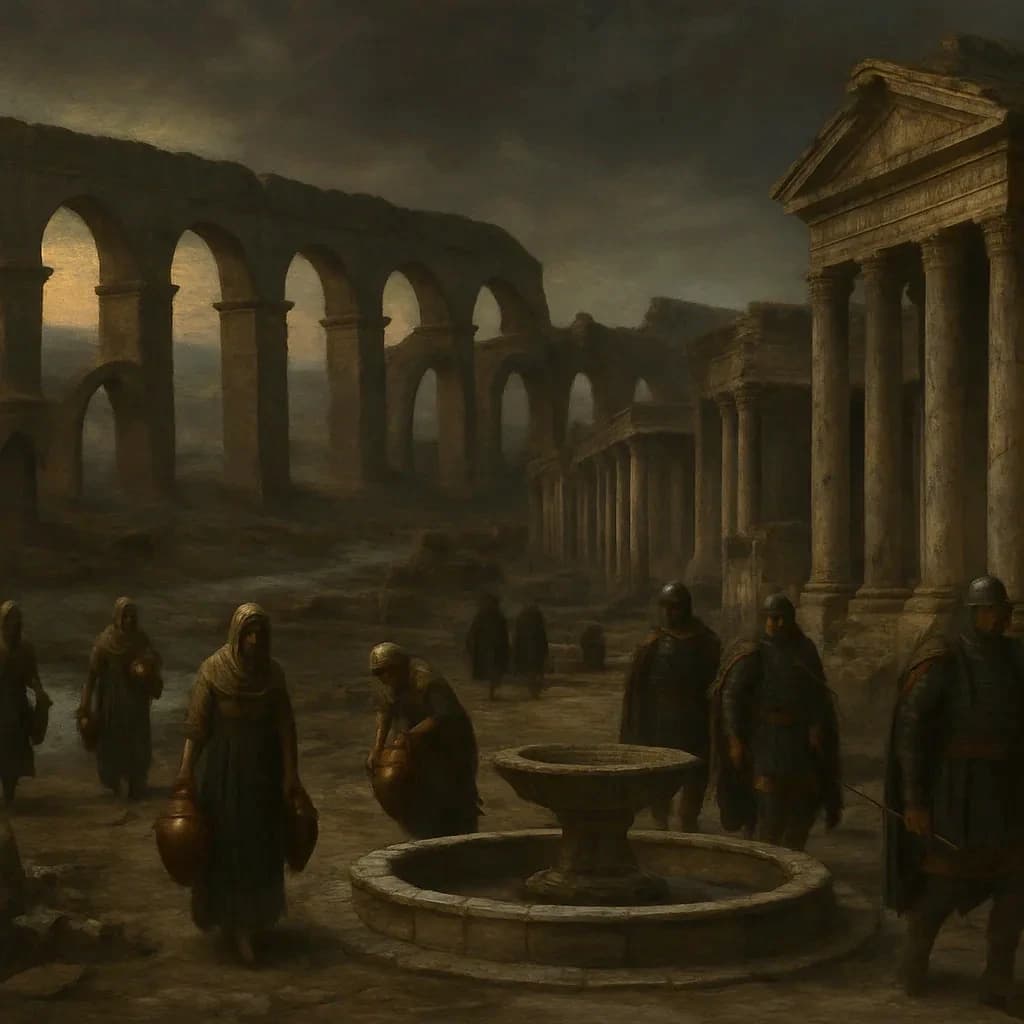
When Rome's Aqueducts Went Silent
The city that ruled the world couldn't figure out how to fix its own plumbing.
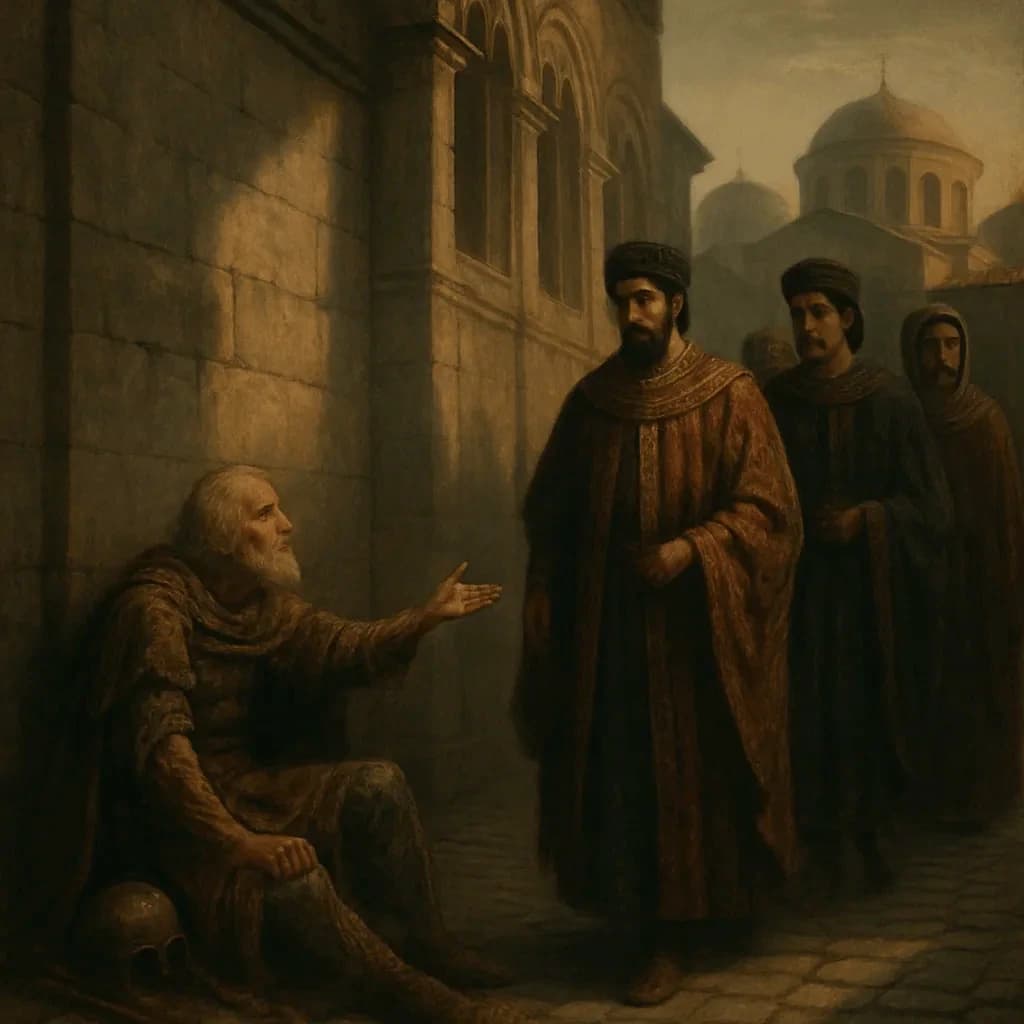
The General Who Forgot He Was Dead
Every Byzantine knew the tragic tale of their greatest general: blind, betrayed, begging for coins outside the palace gates. The only problem? He was home in bed, rich and comfortable.
- Procopius, Wars of Justinian
- Robert Graves, Count Belisarius
- John Julius Norwich, A Short History of Byzantium